
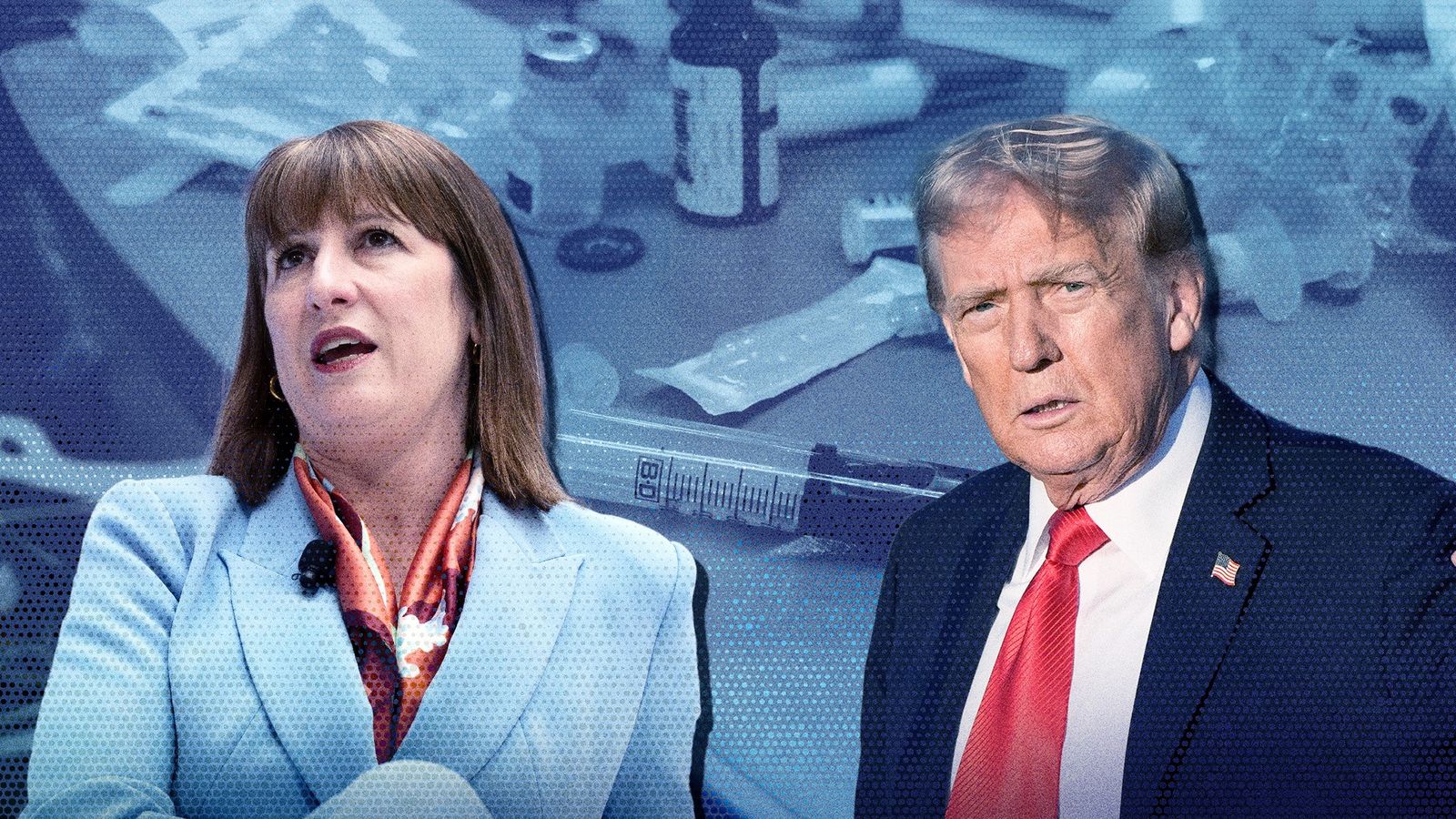
Britain’s drugs industry is suffering withdrawal symptoms, and it could prove costly

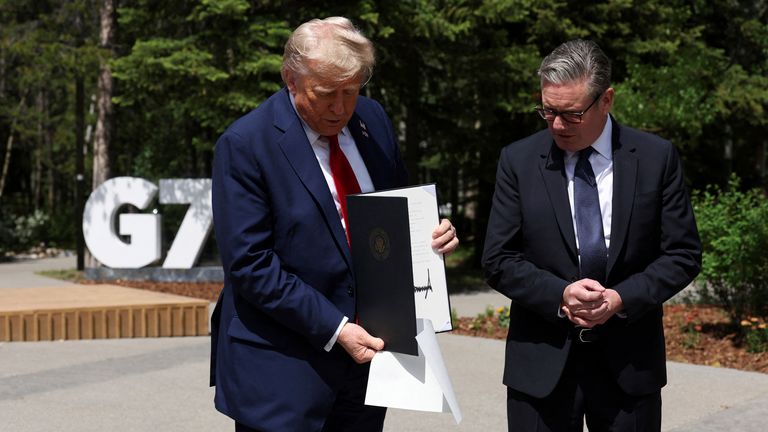
When it comes to the drugs industry, Britain is suffering withdrawal symptoms.
This year, three of the world’s biggest pharmaceutical companies – Merck, AstraZeneca, and Eli Lilly – have pulled or paused UK investments worth almost £2bn, diagnosing that market conditions, specifically the NHS drugs pricing regime, make the UK a “contagion risk”.
The issue will be highlighted this week as Donald Trump begins his state visit, with executives called to give evidence to a parliamentary select committee on Tuesday, along with science minister Lord Vallance, a veteran of the pandemic, when government worked closely with pharmaceutical companies to speed up vaccine development.
How has this come about?
The UK pharmaceutical industry is one of those caught in the crossfire of Trump’s trade war.
In the trade deal agreed by the president and Sir Keir Starmer in May, the prime minister committed to “improve the overall environment for pharmaceutical companies in the United Kingdom”.
What does the UK-US trade deal involve?
Four months later, those companies – under pressure from Trump to charge US consumers the same as those in Europe, and to invest in US production and research – say the opposite is the case.
They argue the British market is becoming unviable to pharmaceutical investors, at a cost to patients, jobs, and the economy.
Data from the Association of British Pharmaceutical Industries bear this out; R&D investment growth has fallen below the global average and foreign inward investment has declined almost 60% since 2020.
Why the corporate backlash?
To understand why an industry long regarded as a domestic strength has turned against the UK, it is necessary to understand the complexities of medicines pricing.
The NHS is one of the largest “single buyers” of medicines in the world, a position that has long given it clout when it comes to negotiating prices. In the last two decades, however, strict conditions on what drugs are approved for use, and at what price, have brought down the price of the medicines but eroded the value of the UK to the companies that provide them.
Simply put, the industry believes the NHS has been getting too good a deal for too long and argues the terms are no longer sustainable.
In the last decade, the proportion of the NHS budget spent on medicines has fallen to just 9%, below the EU average of 13%. Meanwhile, the amount of revenue returned by companies to the government under complex “clawback” arrangements has jumped to more than 23%, more than three times the EU average.
Under these complex rules, a form of price control that offers a uniform discount to the health service, manufacturers return revenue equal to the value of any overspend by the NHS on its total medicines budget.
The figure has risen rapidly in the UK in the last five years as the NHS has exceeded its medicines budget faster than it has risen. This year it was supposed to be 15%, already double the EU average, but has already risen to 23.5%.
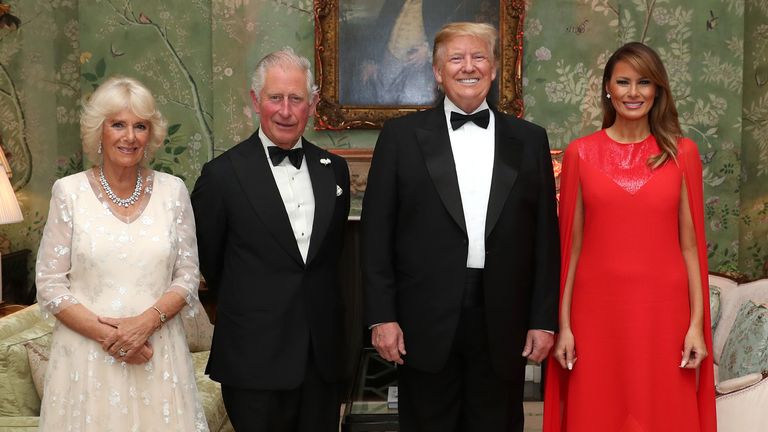
Trump visit: Vanity trip or power play?
Can this all be resolved?
The industry is demanding a commitment to return to single figures by the end of this parliament. Emergency talks with the health department broke up in the summer, and it is unclear when they will resume.
It also wants the threshold at which new drugs are admitted to the NHS marketplace, currently £20,000-£30,000 and unchanged since 1999, increased. Had it risen in line with inflation, it would be £40,000-£60,000 today.
As a consequence of these downward pressures on price, the industry says the number of new and innovative medicines offered to patients has fallen, with only 37% of available drugs accessed by the NHS, compared to 90% in Germany.
Why so much is in the gift of the chancellor
Paying higher prices to hugely profitable pharmaceutical giants was not part of Labour’s electoral promises for the NHS, and Health Secretary Wes Streeting says he is committed to getting the best deal for patients, but the UK discount may no longer be sustainable.
The issue also highlights a tension between the government’s desire for economic growth and greater efficiency in its key public service.
As one executive put it, as the UK accounts for only 2.5% of the global medicines market, which meant for a long time the lower margins doing business in Britain could be swallowed. With Trump demanding price parity for the US, which accounts for 40%, that is no longer the case.
Read more from Sky News:
UK and US firms announce nuclear deals
PM urged to up pressure over Trump tariffs
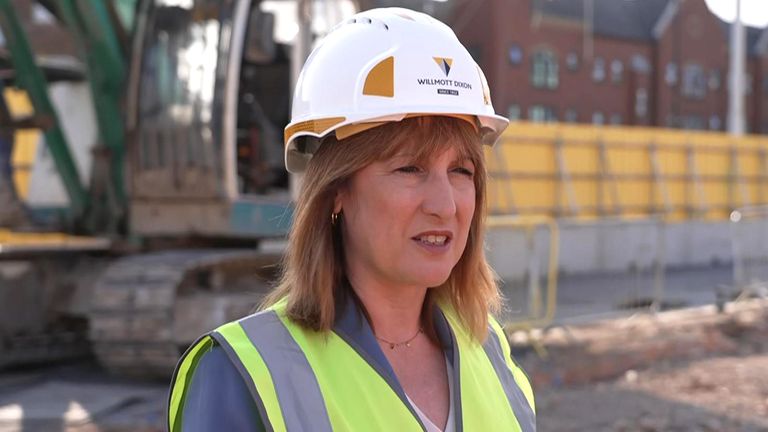
Reeves announces date of the budget
Life sciences are at the heart of the government’s new industrial strategy and the UK still has much to commend it, with world-leading research and skills and a track record of spinning biotech innovation into the private sector. But the withdrawal of big pharma investment tells a different story.
Johan Kahlstrom, country president of Novartis UK and Ireland, said: “The UK is fast becoming uninvestable for life sciences companies.
“High clawback taxes that take almost a quarter of revenues, combined with outdated cost-effectiveness thresholds that haven’t changed in over 25 years, are eroding the UK’s position as a global life sciences hub.”
Resolving the pricing row will require compromise and money, with the health secretary’s room for manoeuvre ultimately resting on the Treasury, and the balance between losing jobs and investment from a growth industry, and a drugs budget the NHS has long taken for granted.
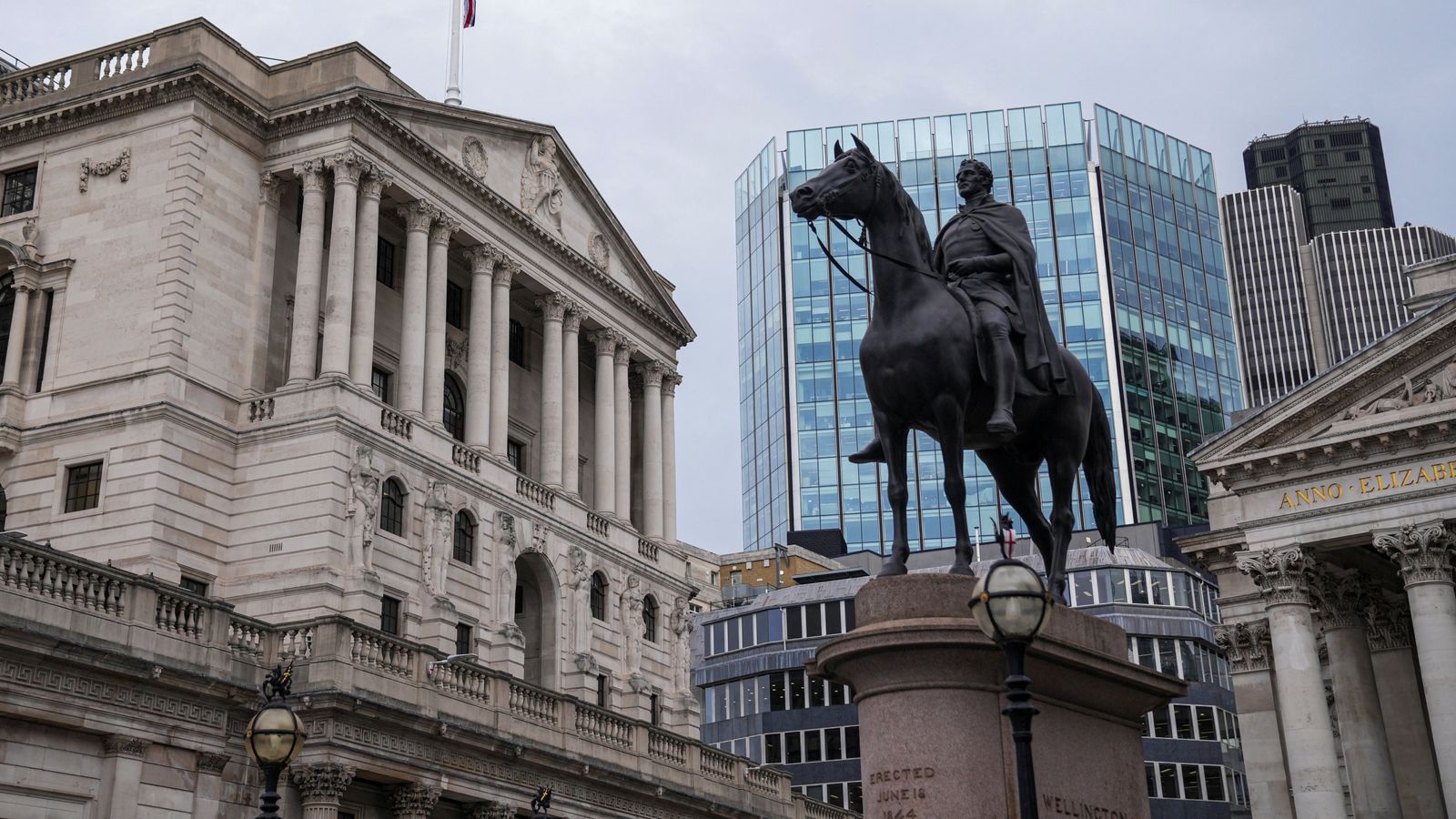
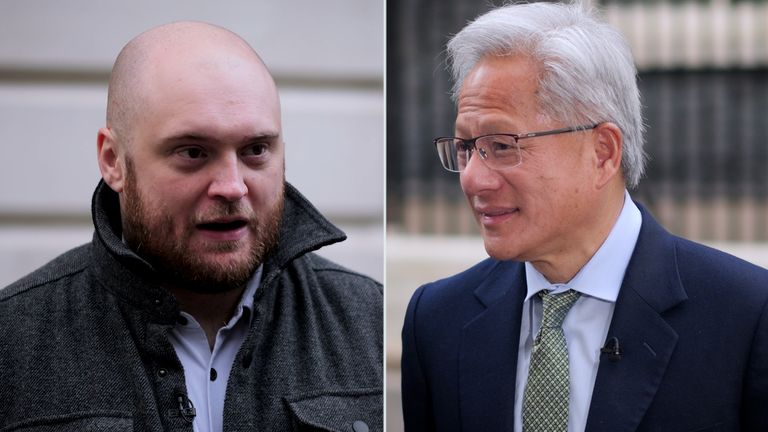
The Bank of England has warned of heightened risks to the UK’s financial system but cut the amount of money that banks need to hold in reserve in case of shock.
The twice-yearly financial stability report highlights a series of pressures, from higher government borrowing costs to risks around lending to major tech firms and record stock market valuations – particularly in areas exposed to artificial intelligence (AI).
“Risks to financial stability have increased during 2025,” the Bank‘s financial policy committee (FPC) said.
“Global risks remain elevated and material uncertainty in the global macroeconomic outlook persists. Key sources of risk include geopolitical tensions, fragmentation of trade and financial markets, and pressures on sovereign debt markets.
Money latest: My supermarket delivery row
“Elevated geopolitical tensions increase the likelihood of cyberattacks and other operational disruptions.
“In the FPC’s judgement, many risky asset valuations remain materially stretched, particularly for technology companies focused on AI.
“Equity valuations in the US are close to the most stretched they have been since the dot-com bubble, and in the UK since the global financial crisis (GFC). This heightens the risk of a sharp correction.”
Its concern extended to the growing trend of tech firms using debt finance to fund investment.
Could the AI bubble burst?
The Bank, which joined the International Monetary Fund in warning over an AI-led bubble in October, delivered its verdict at a time when UK regulators are under pressure from the government to place a greater focus on supporting economic growth.
It is understood, for example, the UK’s ringfencing regime – that sees retail banking separated from more risky investment banking operations within major lenders – is the subject of a review between the Bank and government.
Efforts by the chancellor to grow the economy will be potentially helped by the Bank’s decision today to lower capital requirements – the reserves banks must hold to help them withstand shocks in the financial system such as the global crisis of 2008/9.
The sector’s main capital requirement was cut by the Bank from 14% to 13%.
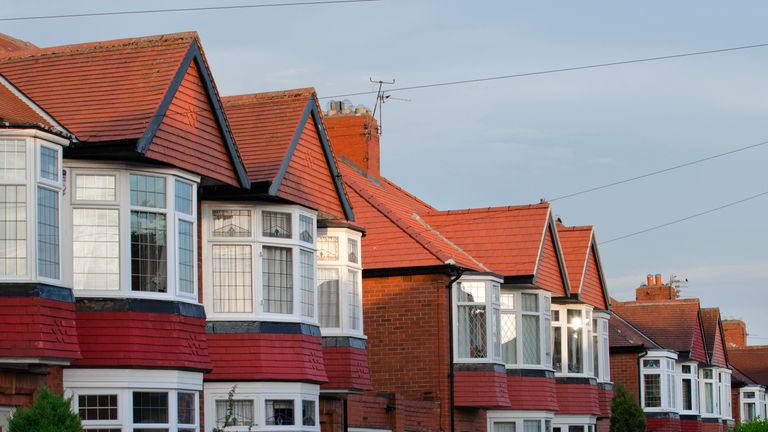
The Bank said that almost four million households face higher mortgage costs as fixed-term deals end. Pic: iStock
Such a move was urged, not only by the government, but by businesses to bolster UK lending and competitiveness.
The relaxation of the buffer does not take effect until 2027.
It was announced alongside confirmation that the country’s biggest lenders – Barclays, HSBC, Lloyds, NatWest, Santander UK, Standard Chartered and Nationwide building society – had passed the Bank’s latest stress tests.
The shocks each was exposed to included a 5% contraction in UK economic output, a 28% drop in house prices and Bank rate at 8%.
Despite the growing risks identified by the FPC, the Bank said that each was strong enough to support households and businesses even in the event of such scenarios, given the healthy state of their reserves.
It is widely expected that the gradual reduction in Bank rate will continue next year, assuming the outlook for inflation remains on a downwards trajectory, helping wider borrowing costs – a source of record bank profitability – decline.
The Bank said that three million households were expected to see their mortgage payments decrease in the next three years but that 3.9 million were forecast to refinance onto higher rates.
As such, it projected a £64 (8%) rise in costs for a typical owner-occupier mortgage customer rolling off a fixed rate deal in the next two years.
Banking stocks, which have enjoyed strong gains this year, were up when the FTSE 100 opened for business despite wider market caution globally which is aligned with the risks spoken of in the financial stability report.
Matt Britzman, senior equity analyst at Hargreaves Lansdown, said: “UK banks are offering a dose of optimism this morning in what’s turning out to be a good couple of weeks for the major lenders.
“The UK’s seven biggest banks sailed through the latest stress test, reaffirming their resilience and earning a regulatory nod to ease capital buffers.
“Most banks already hold capital well above the minimum by choice, so any shift in strategy may take time – but in theory, it frees up extra capital for lending or capital returns.
“However they use the new freedom, this is another clear signal that the UK banking sector is in robust health. This was largely expected, but the confirmation should still be taken well, especially after dodging tax hikes in last week’s budget.”
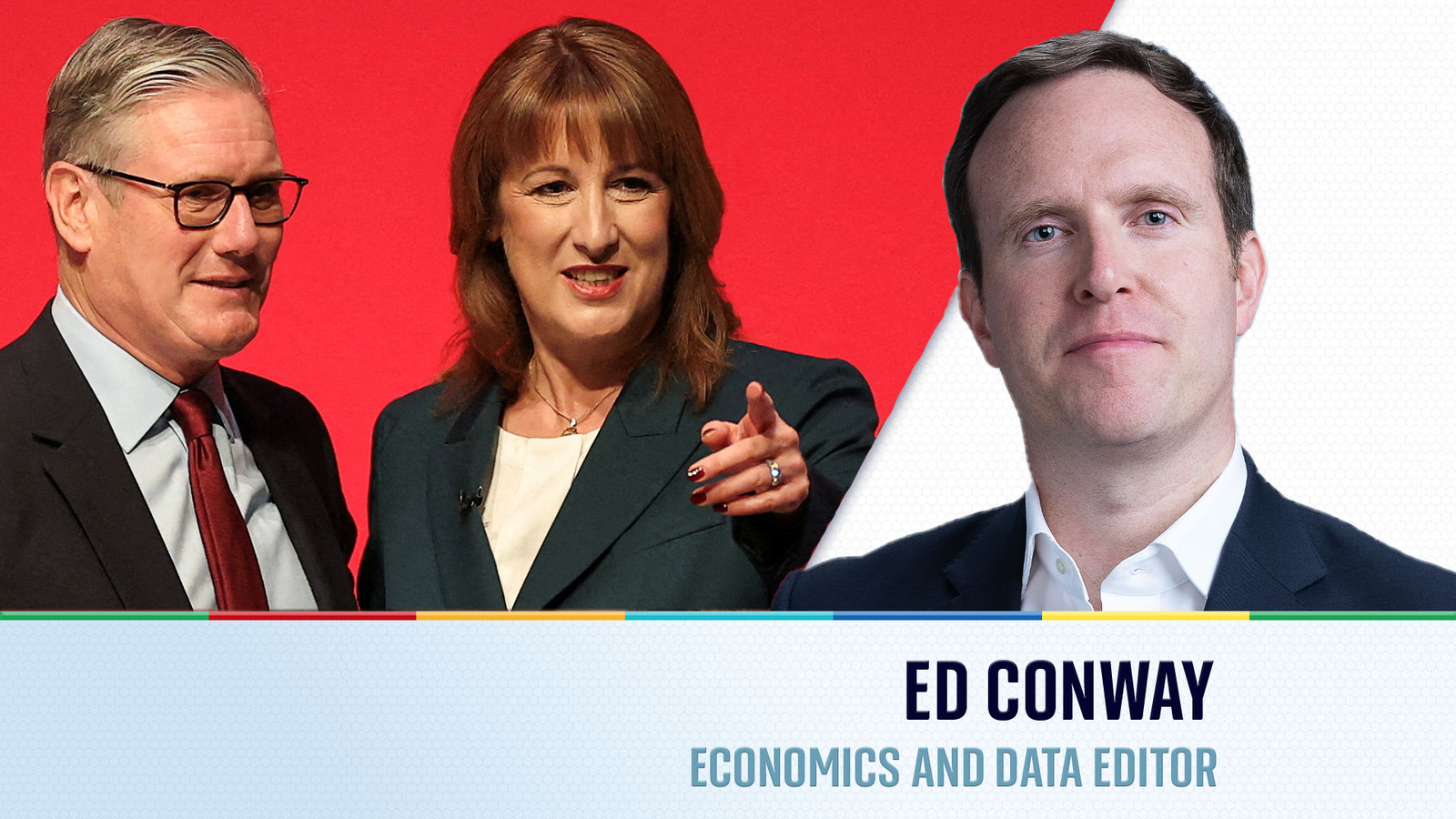

Did the chancellor mislead the public, and her own cabinet, before the budget?
It’s a good question, and we’ll come to it in a second, but let’s begin with an even bigger one: is the prime minister continuing to mislead the public over the budget?
The details are a bit complex but ultimately this all comes back to a rather simple question: why did the government raise taxes in last week’s budget? To judge from the prime minister’s responses at a news conference just this morning, you might have judged that the answer is: “because we had to”.
“There was an OBR productivity review,” he explained to one journalist. “The result of that was there was £16bn less than we might otherwise have had. That’s a difficult starting point for any budget.”
Politics latest: OBR boss resigns over budget leak
Beth Rigby asks Keir Starmer if he misled the public
Time and time again throughout the news conference, he repeated the same point: the Office for Budget Responsibility had revised its forecasts for the UK economy and the upshot of that was that the government had a £16bn hole in its accounts. Keep that figure in your head for a bit, because it’s not without significance.
But for the time being, let’s take a step back and recall that budgets are mostly about the difference between two numbers: revenues and expenditure; tax and spending. This government has set itself a fiscal rule – that it needs, within a few years, to ensure that, after netting out investment, the tax bar needs to be higher than the spending bar.
At the time of the last budget, taxes were indeed higher than current spending, once the economic cycle is taken account of or, to put it in economists’ language, there was a surplus in the cyclically adjusted current budget. The chancellor had met her fiscal rule, by £9.9bn.
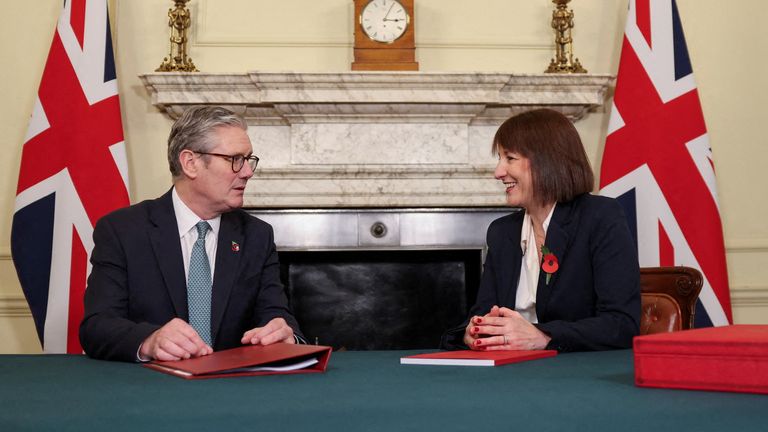
Pic: Reuters
This, it’s worth saying, is not a very large margin by which to meet your fiscal rule. A typical budget can see revisions and changes that would swamp that in one fell swoop. And part of the explanation for why there has been so much speculation about tax rises over the summer is that the chancellor left herself so little “headroom” against the rule. And since everyone could see debt interest costs were going up, it seemed quite plausible that the government would have to raise taxes.
Then, over the summer, the OBR, whose job it is to make the official government forecasts, and to mark its fiscal homework, told the government it was also doing something else: reviewing the state of Britain’s productivity. This set alarm bells ringing in Downing Street – and understandably. The weaker productivity growth is, the less income we’re all earning, and the less income we’re earning, the less tax revenues there are going into the exchequer.
The early signs were that the productivity review would knock tens of billions of pounds off the chancellor’s “headroom” – that it could, in one fell swoop, wipe off that £9.9bn and send it into the red.
Read more:
Main budget announcements – at a glance
Enter your salary to see how the budget affects you
That is why stories began to brew through the summer that the chancellor was considering raising taxes. The Treasury was preparing itself for some grisly news. But here’s the interesting thing: when the bad news (that productivity review) did eventually arrive, it was far less grisly than expected.
True: the one-off productivity “hit” to the public finances was £16bn. But – and this is crucial – that was offset by a lot of other, much better news (at least from the exchequer’s perspective). Higher wage inflation meant higher expected tax revenues, not to mention a host of other impacts. All told, when everything was totted up, the hit to the public finances wasn’t £16bn but somewhere between £5bn and £6bn.
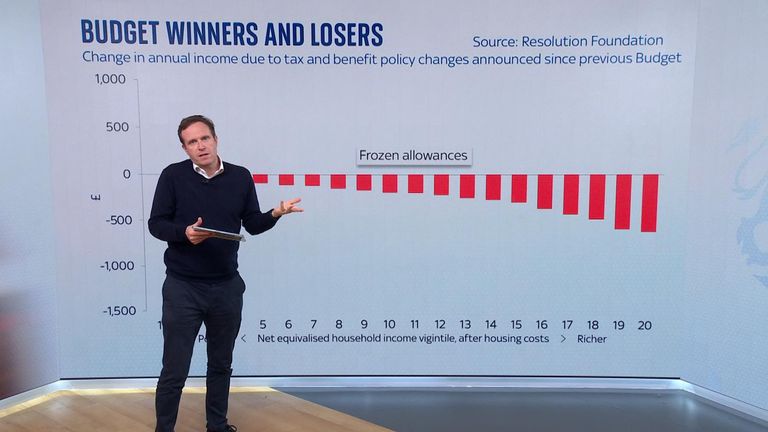
Budget winners and losers
Why is that number significant? Because it’s short of the chancellor’s existing £9.9bn headroom. Or, to put it another way, the OBR’s forecasting exercise was not enough to force her to raise taxes.
The decision to raise taxes, in other words, came down to something else. It came down to the fact that the government U-turned on a number of its welfare reforms over the summer. It came down to the fact that they wanted to axe the two-child benefits cap. And, on top of this, it came down to the fact that they wanted to raise their “headroom” against the fiscal rules from £9.9bn to over £20bn.
These are all perfectly logical reasons to raise tax – though some will disagree on their wisdom. But here’s the key thing: they are the chancellor and prime minister’s decisions. They are not knee-jerk responses to someone else’s bad news.
Yet when the prime minister explained his budget decisions, he focused mostly on that OBR report. In fact, worse, he selectively quoted the £16bn number from the productivity review without acknowledging that it was only one part of the story. That seems pretty misleading to me.

Sir Keir Starmer has denied he and the chancellor misled the public and the cabinet over the state of the UK’s public finances ahead of the budget.
The prime minister told Sky News’ political editor Beth Rigby “there was no misleading”, following claims he and Rachel Reeves deliberately said public finances were in a dire state, when they were not.
Politics latest: Reeves says Cabinet briefed on morning of budget
He said a productivity review by the Office for Budget Responsibility (OBR), which provides fiscal forecasts to the government, meant there would be £16bn less available so the government had to take that into account.
“To suggest that a government that is saying that’s not a good starting point is misleading is wrong, in my view,” Sir Keir said.
Cabinet ministers have said they felt misled by the chancellor and prime minister, who warned public finances were in a worse state than they thought, so they would have to raise taxes, including income tax, which they had promised not to in the manifesto.
At last Wednesday’s budget, Ms Reeves unveiled a record-breaking £26bn in tax rises.
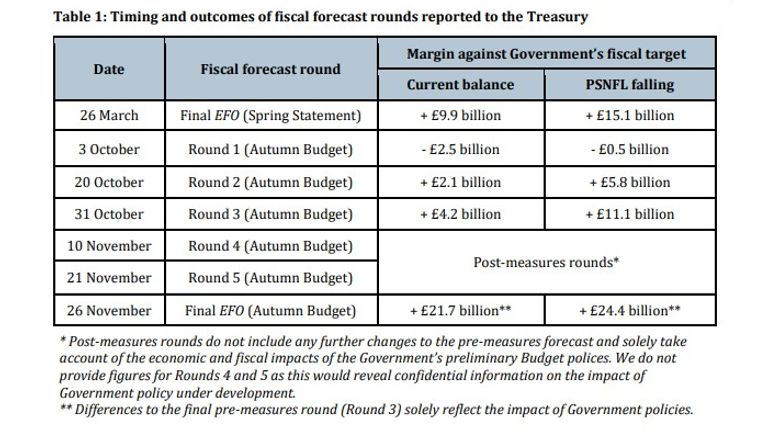
The OBR published the forecasts it provided to the chancellor in the two months before the budget, which showed there was a £4.2bn headroom on 31 October – ahead of that warning about possible income tax rises on 4 November.
The OBR’s timings and outcomes of the fiscal forecasts reported to the Treasury
Sir Keir added: “There was a point at which we did think we would have to breach the manifesto in order to achieve what we wanted to achieve.
“Late on, it became possible to do it without the manifesto breach. And that’s why we came to the decisions that we did.”
Sir Keir said a productivity review had not taken place in 15 years and questioned why it was not done at the end of the last government, as he blamed the Conservatives for the OBR downgrading medium-term productivity growth by 0.3 percentage points to 1% at the end of the five-year forecast.
Read more:
Senior cabinet minister defends Reeves
‘Of course I didn’t lie about budget forecasts, says chancellor
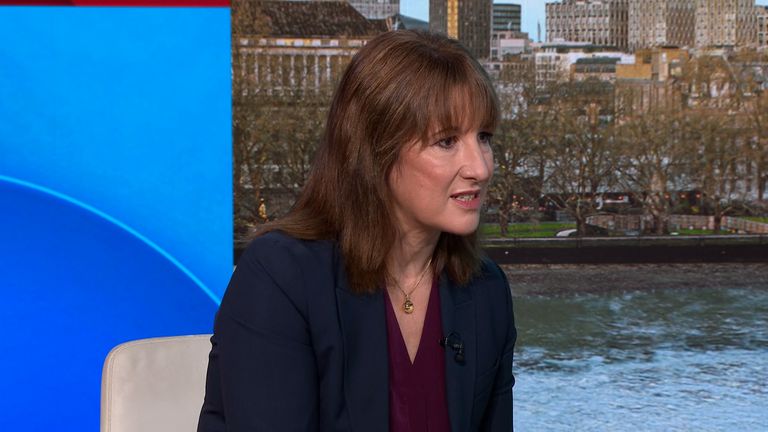
Reeves: I didn’t lie about ‘tax hikes’
The prime minister added: “I wanted to more than double the headroom, and to bear down on the cost of living, because I know that for families and communities across the country, that is the single most important issue, I wanted to achieve all those things.
“Starting that exercise with £16 billion less than we might otherwise have had. Of course, there are other figures in this, but there’s no pretending that that’s a good starting point for a government.”
On Sunday, when asked by Sky’s Trevor Phillips if she lied, Ms Reeves said: “Of course I didn’t.”
She also said the OBR’s downgrade of productivity meant the forecast for tax receipts was £16bn lower than expected, so she needed to increase taxes to create fiscal headroom.
-
 Sports2 years ago
Story injured on diving stop, exits Red Sox game
-
 Sports3 years ago
‘Storybook stuff’: Inside the night Bryce Harper sent the Phillies to the World Series
-
 Sports2 years ago
Game 1 of WS least-watched in recorded history
-
 Sports3 years ago
Button battles heat exhaustion in NASCAR debut
-
 Sports3 years ago
MLB Rank 2023: Ranking baseball’s top 100 players
-
Sports4 years ago
Team Europe easily wins 4th straight Laver Cup
-
 Environment3 years ago
Japan and South Korea have a lot at stake in a free and open South China Sea
-
 Environment1 year ago
Here are the best electric bikes you can buy at every price level in October 2024