Environment
Chevy Brightdrop finally gets a lease deal worth writing about

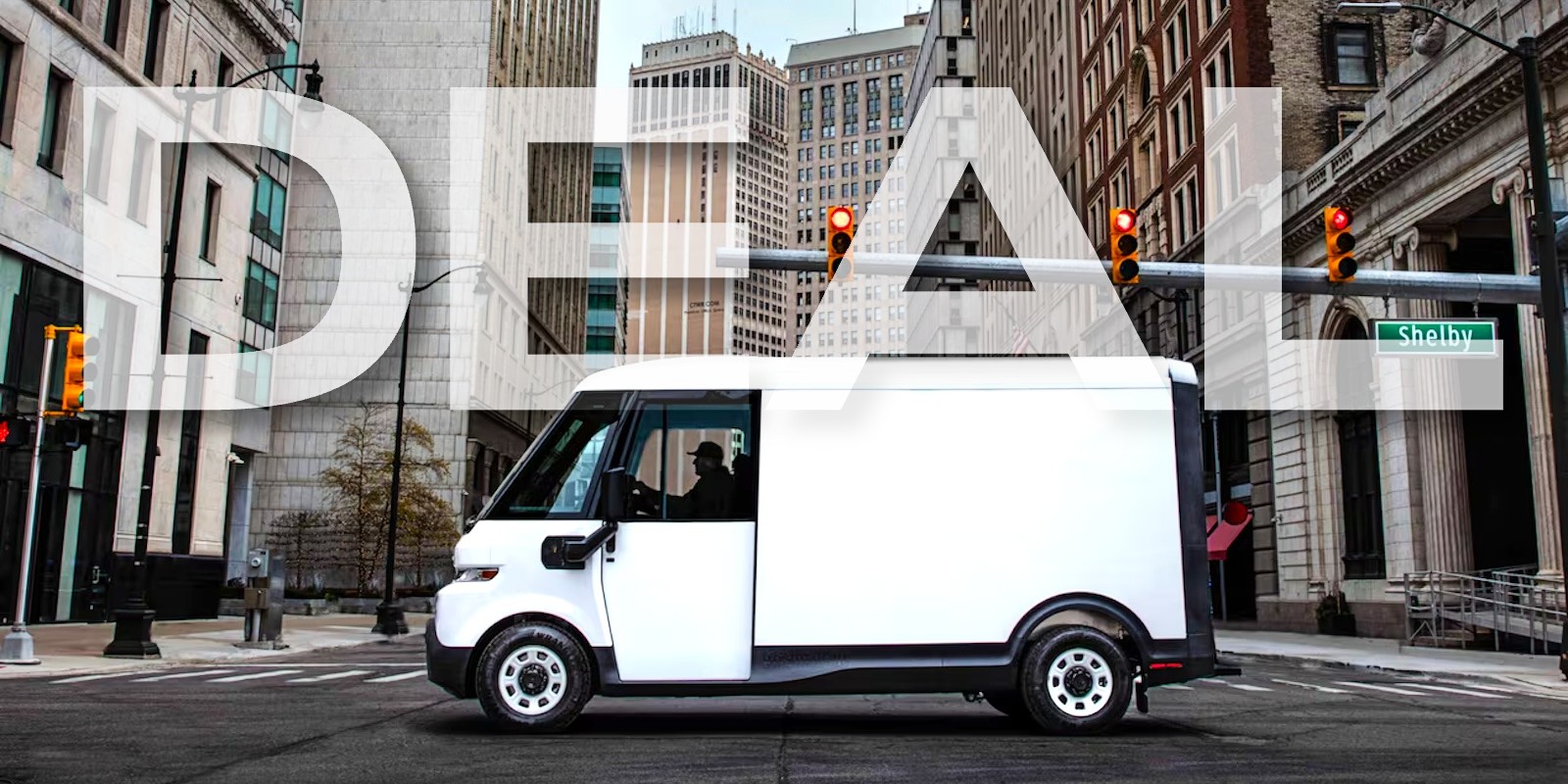

GM may have decided to pull the plug on the forward-looking Chevy Brightdrop electric van a few months ago, but don’t let that stop you, but don’t let that fool you. Right now might be the best time ever to get your hands on one.
SKIP THE STORY: jump right to the deals (trusted affiliate link).
It’s hard to overstate how good the deals on Chevy’s Brightdrop got while GM was still trying to build up demand for its fleet-focused van, and now that the company has decided to stop production, the deals have gotten even better, with a newly announced $699 lease for 39 mo. with $2,999 down through January 2nd — and that’s before you factor in an additional $3,000 discount reserved for Costco Executive Members!
Despite that, I’ve heard more than one fleet manager express hesitation at the thought of adding a discontinued product to their fleet, even if it is a killer discount. To them, I offer the following, model-agnostic rebuttal:
Legacy brands support their products

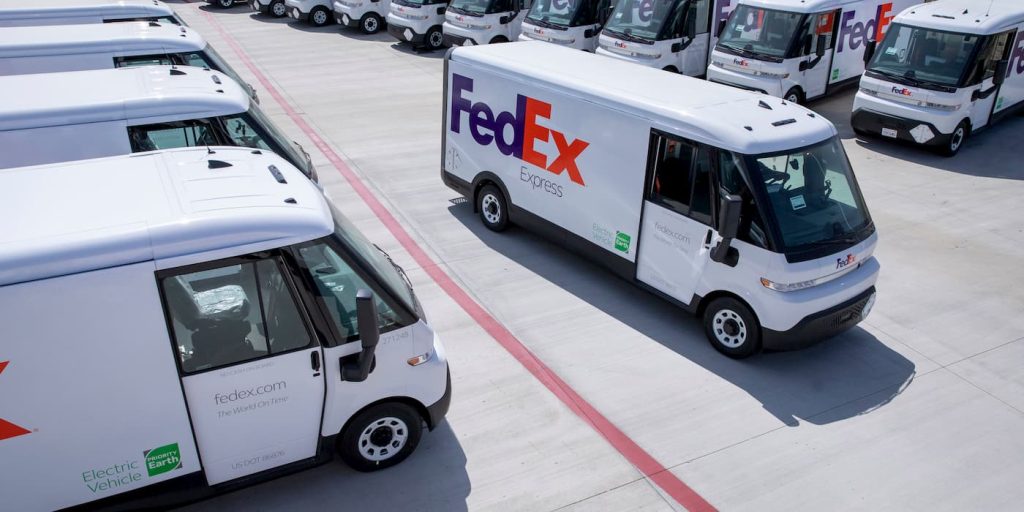
Companies like GM aren’t going anywhere soon, and neither are the customers they’ve spent millions of dollars acquiring over the past several decades. They’ll keep building parts and offering service and maintenance on vehicles like the Brightdrop for at least a decade — not least of which because they have to!
GM sells each Brightdrop with a minimum 8 year/100,000 mile warranty on the battery and other key components, which can be extended either through GM itself or through reputable third-party companies like Xcelerate Auto for seven more.
There are precious few large fleets out there looking at 15 year, 200-plus thousand mile vehicle replacement cycles. For those that are, however, all indications so far are that the vehicle’s battery health and general performance will still be well within usable limits.
So, yes: parts longevity and manufacturer support will be there (something I’d be less confident about with a startup like Rivian or Bollinger, for example), but there’s more.
Section 179 and local incentives

The One Big, Beautiful Bill Act (OBBBA) of 2025 gutted America’s energy independence goals and ensuring its auto industry would fall even further behind the Chinese in the EV race, but the loss of Section 45W wasn’t the only change written into the IRS’ rulebook. Section 179, an immediate expense reduction that business owners can take on depreciable equipment assets, has been made significantly more powerful for 2025.
The section 179 expense deduction is limited to such items as cars, office equipment, business machinery, and computers. This speedy deduction can provide substantial tax relief for business owners who are purchasing startup equipment.
The revised Section 179 tax credit (or, more accurately, expense reduction) allows for a 100% deduction for equipment purchases has doubled to $2.5 million, with a phase-out kicking in at $4 million of capital investments that drops to zero at $6.5 million. That credit and can be applied to new and used vehicles, as well as charging infrastructure, battery energy storage systems, specialized tools, and more (as long as they’re new to you).
What’s more, with regional incentives like the up to $15,000 off a new medium-duty van available from Illinois utility ComEd, the net cost of GM’s $699 promo lease drops to ~$315/mo., and there is still state money out there, as well, depending on where you live.
All of which is to say: don’t let a little thing like GM discontinuing the Brightdrop convince you to skip it. If you do that, the bean counters that killed off the Buick Grand National, GMC Syclone, and Pontiac Fiero win.
SOURCE | IMAGES: GM Envolve.


If you’re considering going solar, it’s always a good idea to get quotes from a few installers. To make sure you find a trusted, reliable solar installer near you that offers competitive pricing, check out EnergySage, a free service that makes it easy for you to go solar. It has hundreds of pre-vetted solar installers competing for your business, ensuring you get high-quality solutions and save 20-30% compared to going it alone. Plus, it’s free to use, and you won’t get sales calls until you select an installer and share your phone number with them.
Your personalized solar quotes are easy to compare online and you’ll get access to unbiased Energy Advisors to help you every step of the way. Get started here.



FTC: We use income earning auto affiliate links. More.