
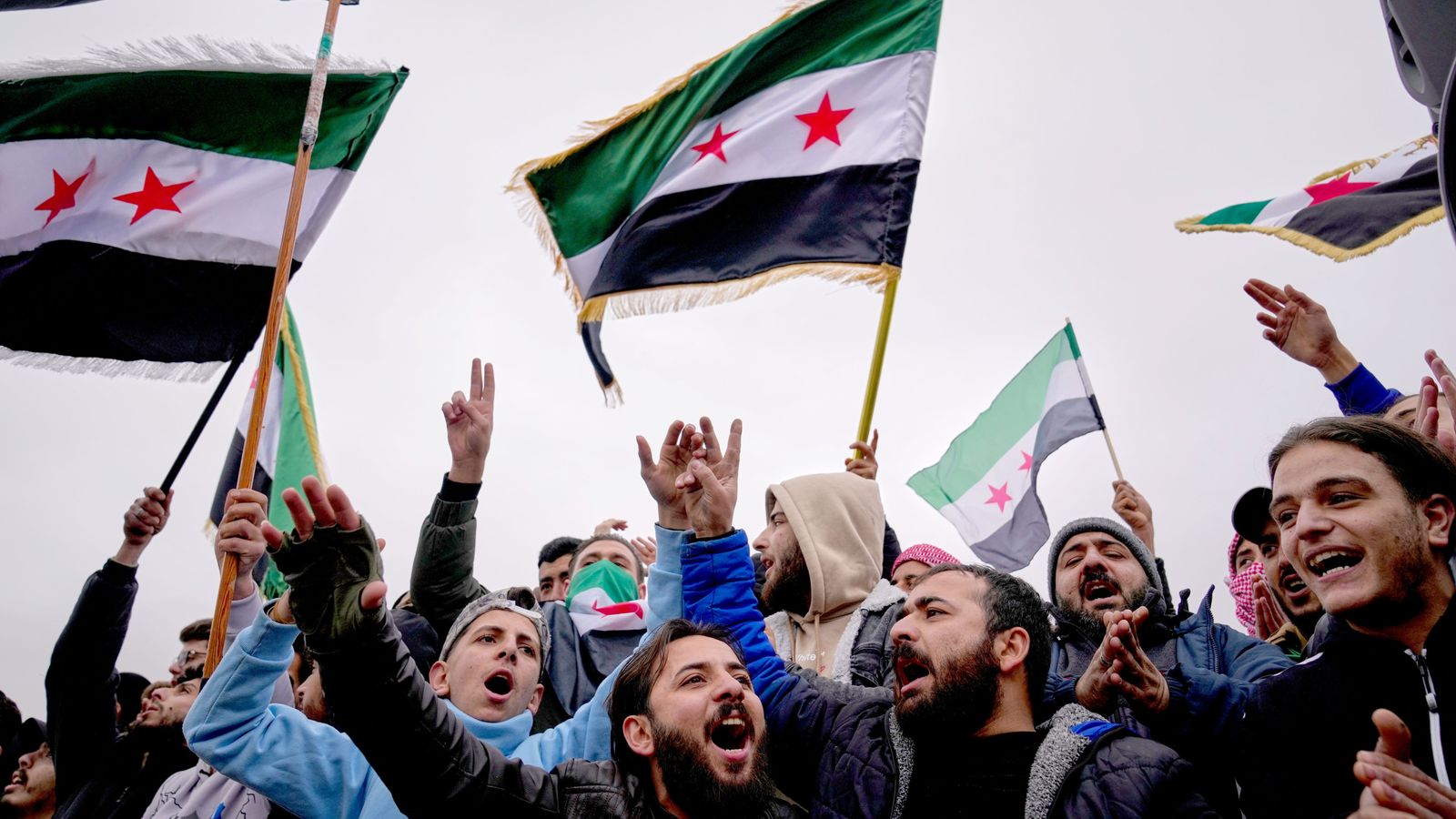
Syria one year on: ‘Opportunity and huge jeopardy’ as nation moves past Assad

Those lucky enough to have been there at the dawn of Syria’s new future will never forget it.
After more than half a century of repression, an entire nation erupted in deafening celebration. Guns blazed upwards into the skies over Damascus, tens of thousands came out to sing, dance and do whatever else had been banned for decades.
The hated, wicked Bashar al Assad and his murderous clan had been routed, sent packing to Moscow and Syrians took to the streets and romped through his forbidden palaces to savour their freedom.
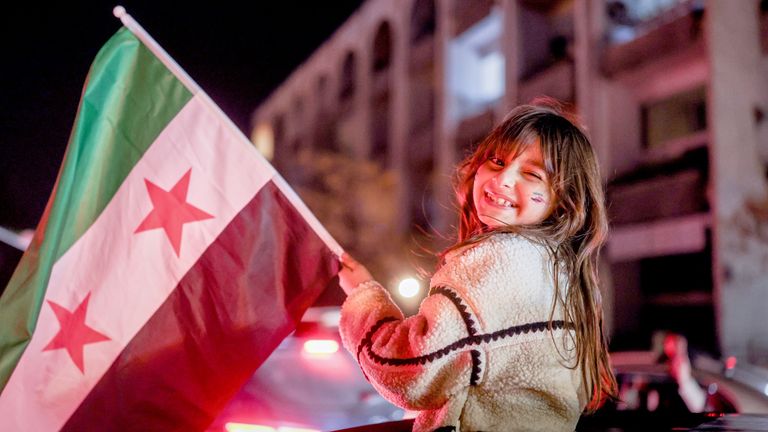
A girl holds a Syrian flag in Damascus during weekend-long celebrations marking one year since the fall of Bashar al Assad. Pic: AP
But a year on, the country faces enormous challenges.
The good news first. Syria has not descended into chaos and bedlam as have other revolutions. There is an order and stability of sorts, with some regrettable and bloody exceptions.
Ahmed al Sharaa, the Al Qaeda jihadi turned revolutionary leader, has achieved the most on the world stage. In a startling diplomatic tour de force, he has charmed his way from Riyadh to Washington.
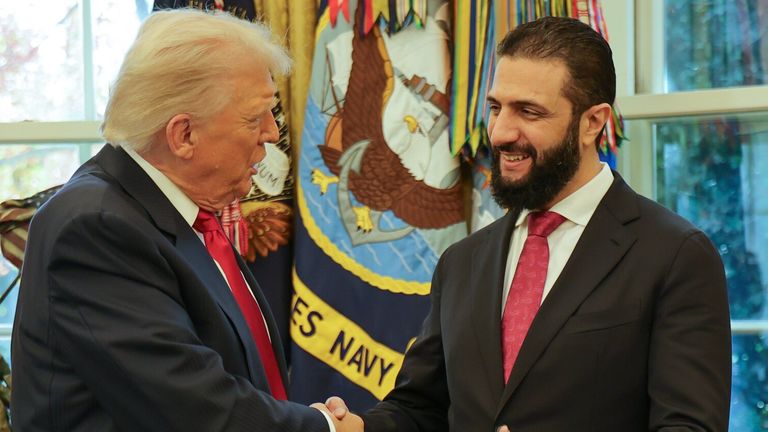
The first Syrian leader ever to visit the White House, he was feted by US President Donald Trump, who even sprayed him with aftershave. Al Sharaa’s wooing of the American president, with the help of Middle Eastern allies, has been as successful as it was unexpected.
‘We’ve all had rough pasts’
US sanctions are being lifted, promising the economic relief his country so desperately needs. Foreign investment is beginning to pour in from Turkey and the Gulf.
Some neighbours have been less helpful. Israel has chosen a path of suspicious cynicism. Having opposed the Assads for decades, it has appeared unwilling to give the benefit of the doubt to the forces that removed it.
Read more:
Syria jubilantly marks a year since Assad’s fall
From enemy to ally: Why Sharaa’s Trump meeting matters
Israeli airstrikes have destroyed much of the military hardware the new government could have used to maintain control and order. Israeli forces have seized a chunk of southern Syria and continue to violate the sovereignty of its neighbour with operations deep inside its territory.
Ahmed al Sharaa has been successful in removing the repressive apparatus of the Assad regime, emptying its hated prisons and disbanding its secret police. Fears of a Taliban-style Syrian state have proven so far unfounded. Alcohol is tolerated, and women are encouraged to play a role in the state.
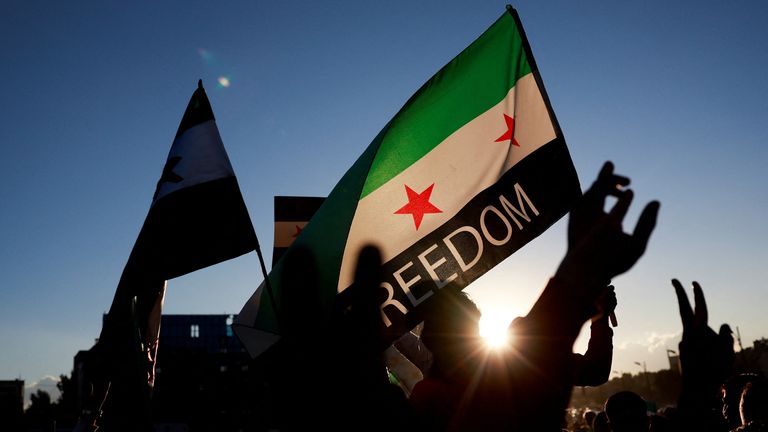
People gather to celebrate in Damascus on December 13 last year after Bashar al Assad was ousted. Pic: Reuters
But there are reasons to be worried. The new government’s security forces have been blamed for the slaughter of Alawite and Druze minorities, whose welfare Israel claims to be protecting in its interventions.
Al Sharaa’s efforts to forge a new political settlement, including all Syria’s many communities, are looking opaque and slow. He will need to do a lot more if he wants to build the foundations of a stable and modern state.
Mr Trump says Al Sharaa and his country deserve a chance. Syria’s new leader must not squander it. There was enormous hope and promise on the streets of Damascus in the days after Assad’s spectacular fall.
As with every revolution, there is both opportunity and huge jeopardy, and the window for progress narrows as those memories fade.
World
Ukraine war: The signs Putin is expecting more conflict, not less – and the frank conversation Keir Starmer needs to have
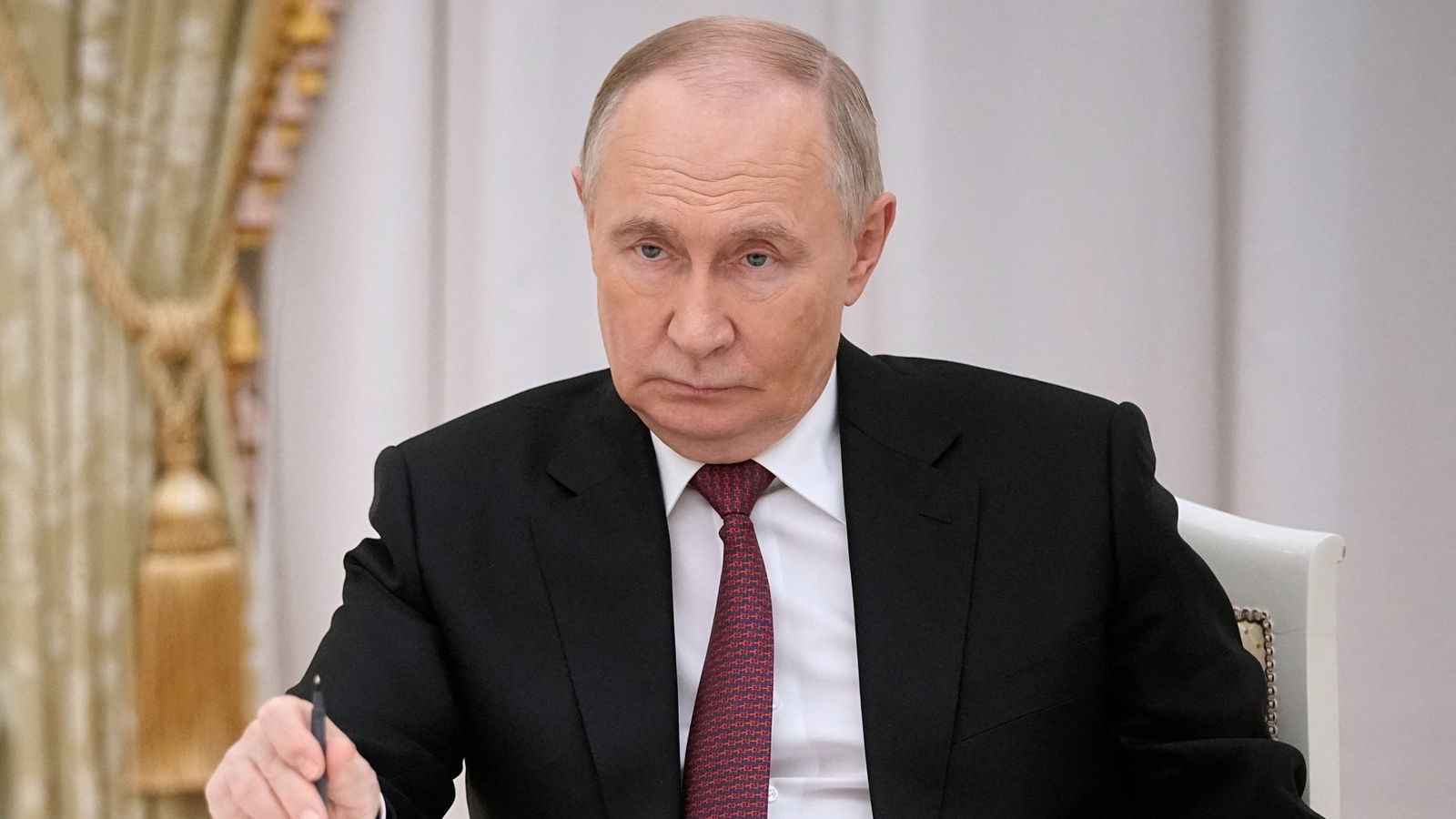
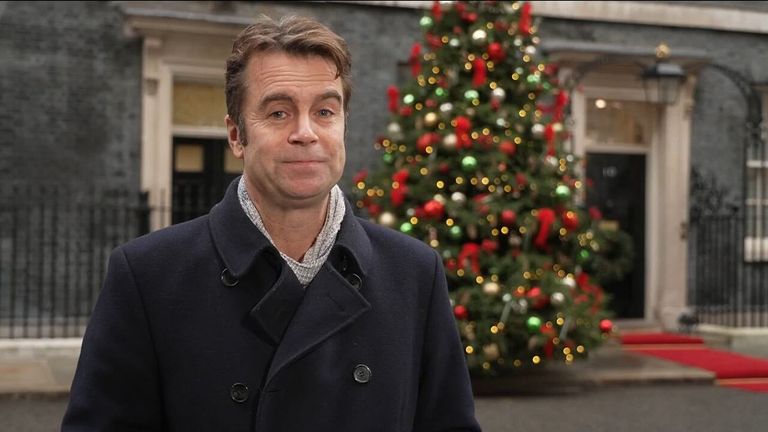
With more than a thousand troops being killed or wounded every day, there’s no sign that Donald Trump’s push to end Russia’s war in Ukraine is reducing the battles on the ground.
Quite the opposite.
Ukraine‘s military chief says Vladimir Putin is instead using the US president‘s focus on peace negotiations as “cover” while Russian soldiers attempt to seize more land.
That means much greater pressure on the Ukrainian frontline, even as Russian and American, or American and Ukrainian, or Ukrainian and European, leaders shake hands and smile for cameras before retreating behind closed doors in Moscow, Alaska, and London.
This was not an upbeat meeting of Ukraine and its allies
Putin’s not counting on peace
The lack of any indicators that the Kremlin is looking to slow its military machine down also makes the risk of war spreading beyond Ukraine’s borders increasingly likely.
It takes a huge amount of effort, time, and money to put a country on a war footing as Putin has done, partially mobilising his population, allocating huge portions of government spending to the military and realigning Russia’s vast industrial base to produce weapons and ammunition.
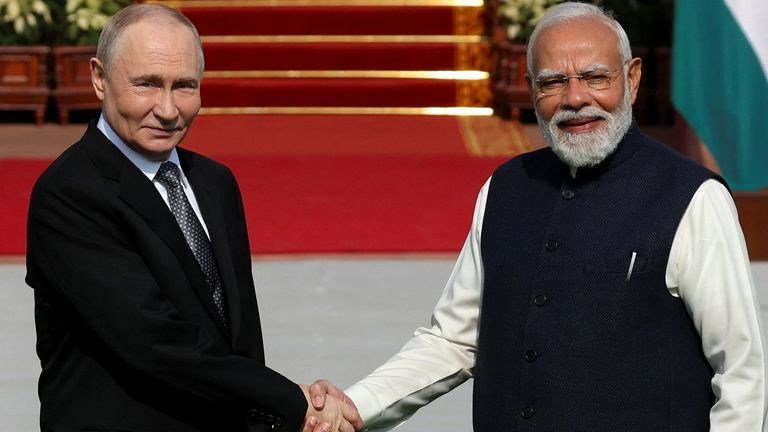
Putin has been in India to shore up support from Narendra Modi. Pic: Reuters
But when the fighting stops, it requires almost as much focus and energy to switch a society back to a peace time rhythm.
Deliberately choosing not to dial defence down once the battles cease means a nation will continue to grow its armed forces and weapons stockpiles – a sure sign that it has no intention of being peaceful and is merely having a pause before going on the attack again.
The absence of any preparations by Moscow to slow the tempo of its military operations in Ukraine – where it has more than 710,000 troops deployed along a 780-mile frontline – is perhaps an indicator that Putin is anticipating more not less war.
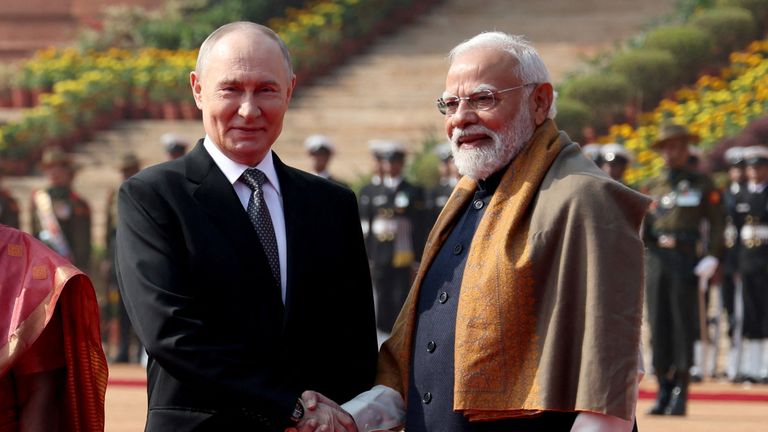
What is Putin trying to achieve in India?
How could the war end?
What happens next in Europe will depend on the content of any peace deal on Ukraine.
An all-out Russian defeat is all but impossible to conceive without a significant change of heart by the Trump White House and a massive increase in weapons and support.
The next best result for Ukraine would be a settlement that seeks to strike a fair balance between the warring sides and their conflicting objectives.
This could be done by pausing the fighting along the current line of contact before substantive peace talks then take place, with Ukraine’s sovereignty supported by solid security guarantees from Europe and the US.
But such a move would require Europe’s NATO allies, led by the UK, France and Germany, genuinely to switch their respective militaries and populations back to a wartime footing, with a credible readiness to go to war should Moscow attempt to test their support of Ukraine.
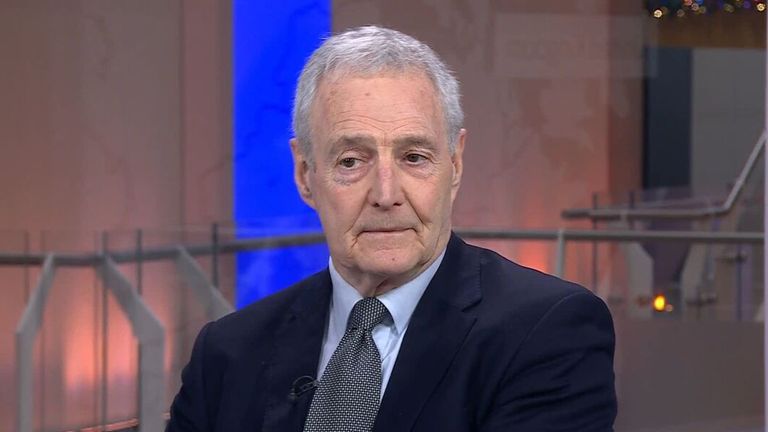
Why Ukraine’s allies may welcome Trump walking away
Will Starmer level with the public?
That does not just mean increased spending on defence at a much faster rate – in the UK at least – than is currently planned. It is also about the mindset of a country and its willingness to take some pain.
France is already openly saying that parents may have to lose their children in a war with Russia, while Germany is requiring all 18-year-old men to undergo medical checks for possible national service.
No such tough but frank conversation is being attempted by Sir Keir Starmer with the British public.
The furthest his military chief has gone is to say “warfighting readiness” is his top priority.
But that is meaningless jargon for most of the public. Being ready for war is about so much more than what the professional armed forces can do.
Armies fight battles. Countries fight wars.
Read more:
UK unveils undersea tech
Navy chief offers chilling warning
Does Britain’s threat to Russia ring hollow?
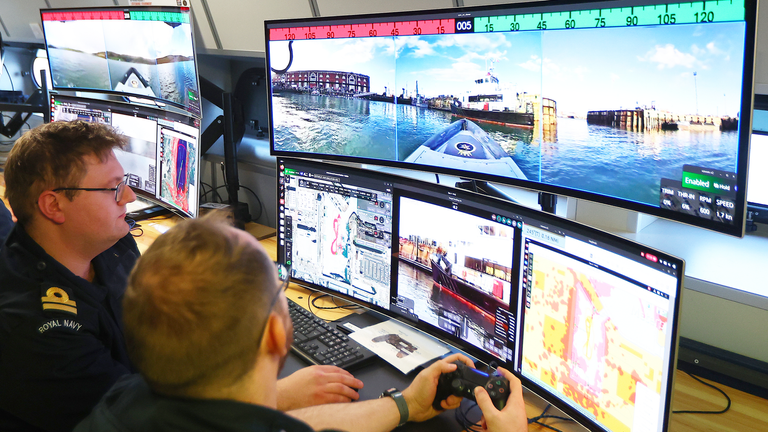
New UK military technology unveiled
Worst case scenario?
The other alternative when it comes to Ukraine is a scenario that sees a sidelined Europe unable to influence the outcome of the negotiations and Kyiv forced to agree to terms that favour Moscow.
This would include the surrender of land in the Donbas that is still under Ukrainian control.
Such a deal – even if tolerated by Ukraine, which is unimaginable without serious unrest – would likely only mean a temporary halt in hostilities until Putin or whoever succeeds him decides to try again to take the rest of Ukraine, or maybe even test NATO’s borders by moving against the Baltic States.
With Trump’s new national security strategy making clear the US would only intervene to defend Europe if such a move is in America’s interests, it is no longer certain that the guarantees contained in NATO’s founding Article 5 principle – that an attack on one member state is an attack on all – can be relied upon.
To have a sense of how a war with Russia might play out without the US on NATO’s side, Sky News and Tortoise ran a wargame that simulates a Russian attack on the UK.
In the scenario, Washington does not come to Britain’s defences, which leaves the British side with very few options to respond short of a nuclear strike.
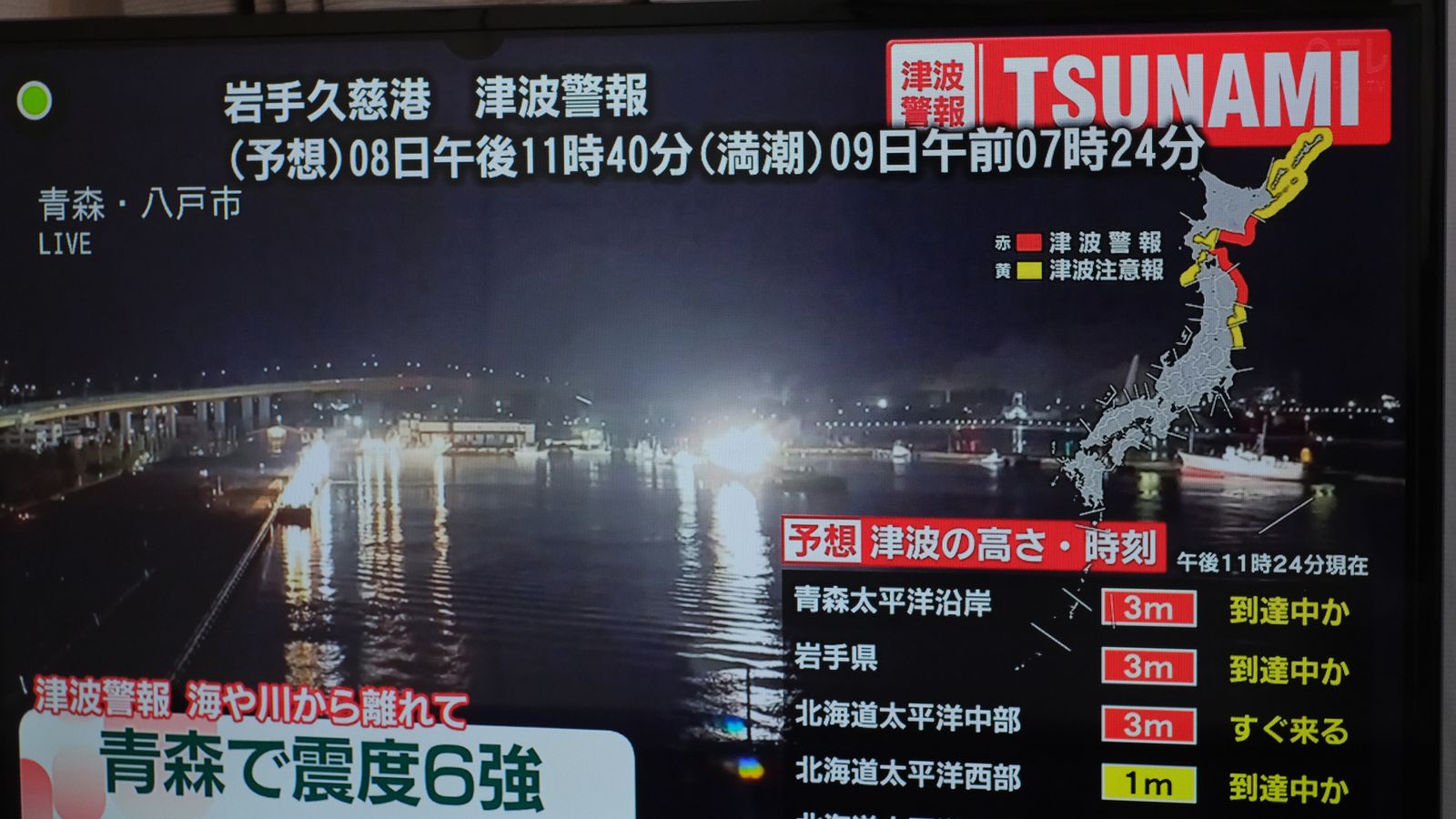
A powerful earthquake struck off northern Japan, injuring 33 people and unleashing a tsunami.
The 7.5-magnitude quake struck at about 11.15pm local time, around 80 kilometers off the coast of Aomori prefecture.
Japan’s Fire and Disaster Management Agency said 33 people were injured, including one seriously, with most hurt by falling objects.
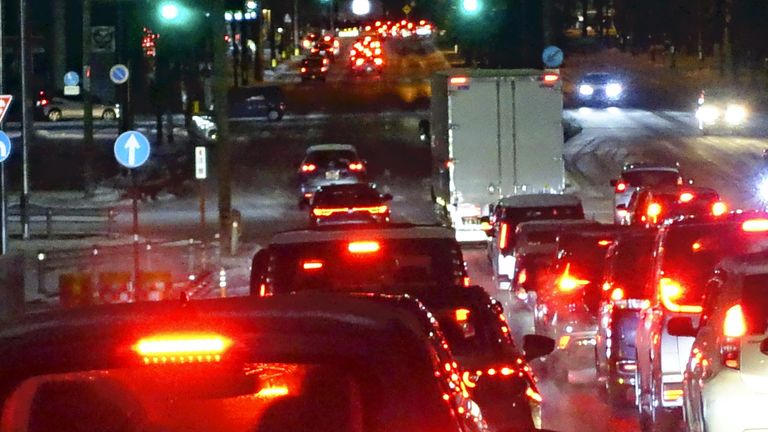
A road is congested with cars heading for higher ground in Tomakomai City December 8, 2025 after a magnitude 7.6 earthquake. Pics: AP
A tsunami of 70cm was measured just south of Aomori, in Kuji port, Iwate prefecture, while levels of up to 50cm struck elsewhere in the region, the Japan Meteorological Agency said.
“I’ve never experienced such a big shaking,” said Nobuo Yamada, who owns a convenience store in Hachinohe, Aomori, in an interview with public broadcaster NHK.
Earlier on, the meteorological agency issued an alert for potential tsunami surges of up to 3m/10ft, with 90,000 residents ordered to evacuate.
Residents were urged by chief cabinet secretary Minoru Kihara to go to higher ground or seek shelter until advisories were lifted.
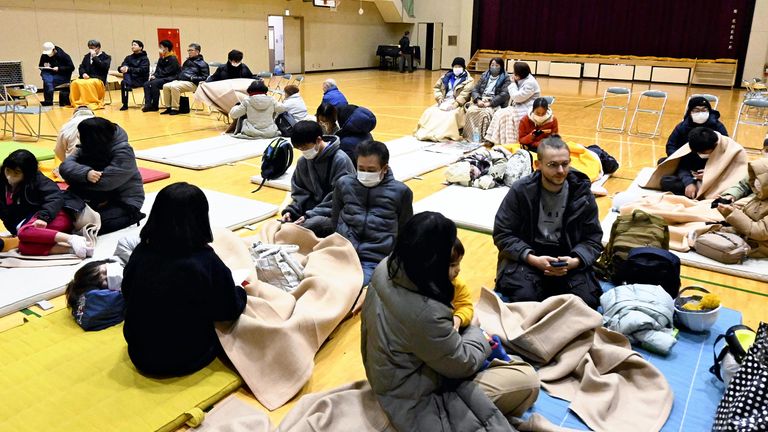
People sheltering today in Kamaishi Elementary School in Kamaishi City, Miyagi Prefecture. Pic: AP
He said about 800 homes were without electricity, and that the Shinkansen bullet trains and some local lines were suspended in parts of the region.
Some 480 residents took shelter at the Hachinohe Air Base, defence minister Shinjiro Koizumi said, with 18 defence helicopters mobilised for damage assessments.
While Satoshi Kato, vice principal of a public high school in the same town, encountered traffic jams and car accidents en-route to the school as panicked people tried to flee.
Japan has recent experience of the perils of earthquakes – one in 2011 unleashed a tsunami that killed some 20,000 people and triggered a nuclear meltdown at the Fukushima Daiichi Nuclear Power Plant.
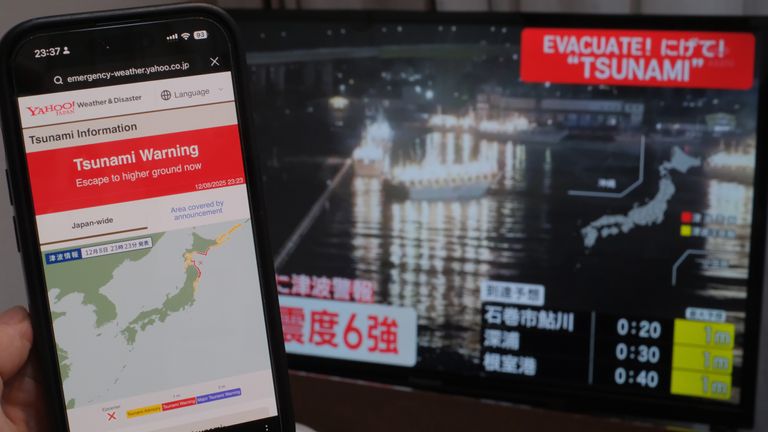
The earthquake warning off the coast of Aomori Prefecture, Japan. Pic: AP
Today’s quake caused about 450 litres of water to spill from a spent fuel cooling area at the Rokkasho fuel reprocessing plant in Aomori, the Nuclear Regulation Authority said.
But water levels remained within the normal range and there was no safety concern, the authority added.
Read more:
Tokyo overtaken as world’s biggest city
Japan sends in troops over deadly bear attacks
The Japanese government has now lifted all remaining tsunami advisories, but warned people to remain alert for another week in case of aftershocks.
Satoshi Harada, from the meteorological agency’s earthquake and volcano division, cautioned that the 2011 quake could repeat itself.
“You need to prepare, assuming that a disaster like that could happen again,” he said.
World
Israeli government accused of intimidation and harassment after raid on UN building in Jerusalem
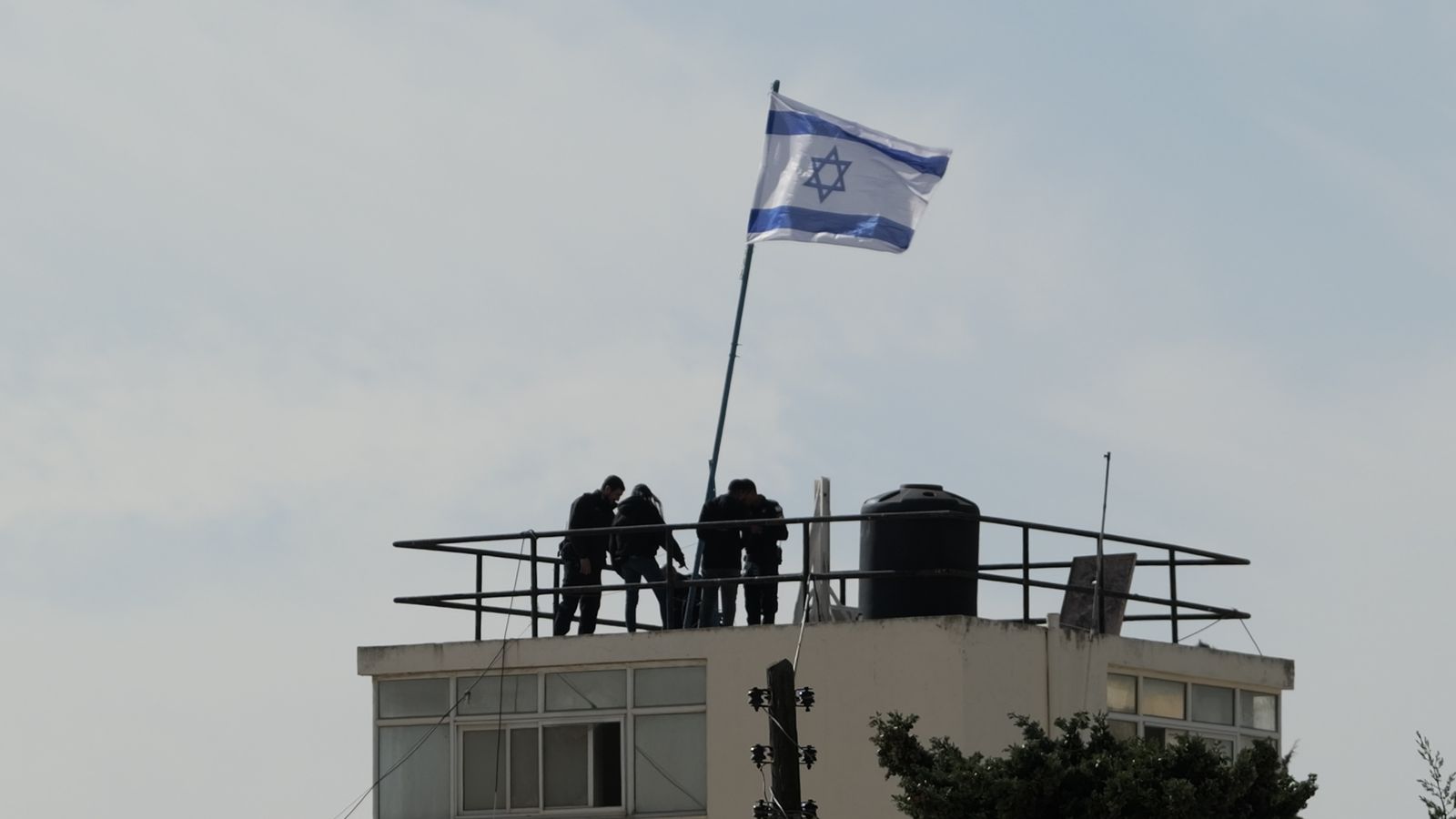
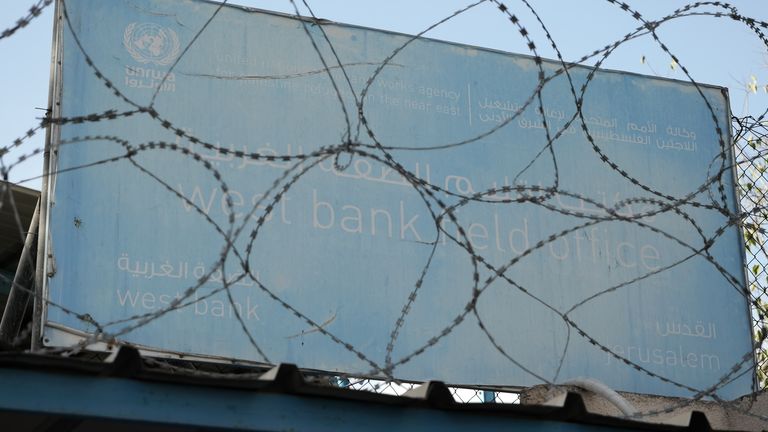
The Israeli government has been accused of intimidation, harassment and a “blatant disregard” of its obligations by the United Nations after Israeli officials raided a UN building in Jerusalem.
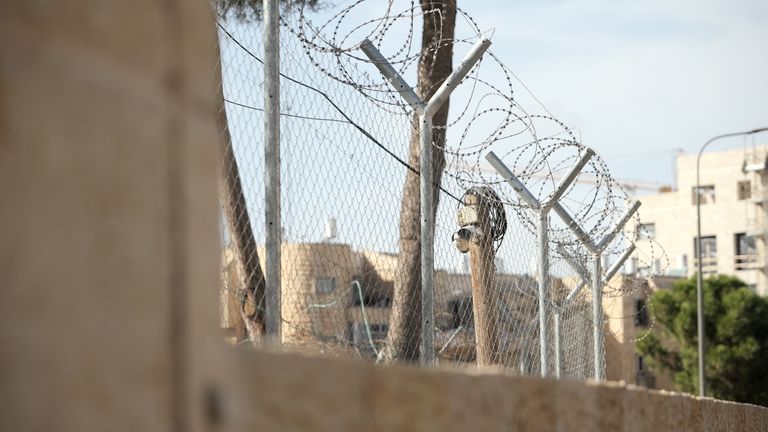
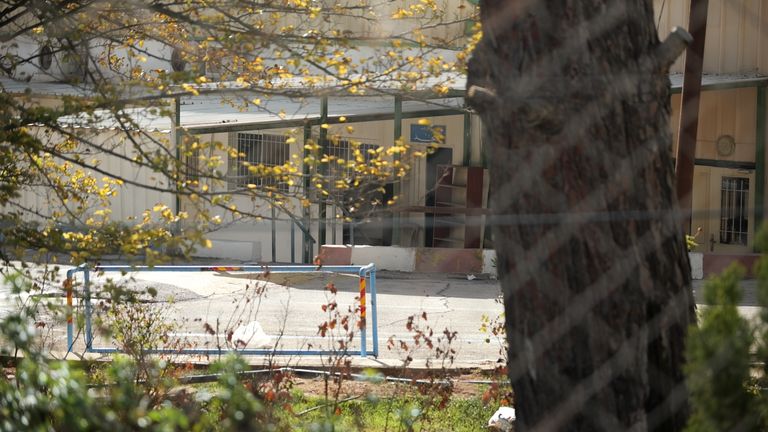
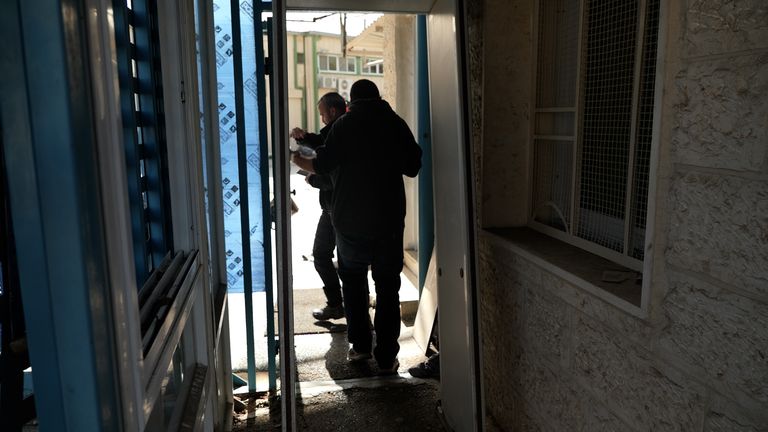
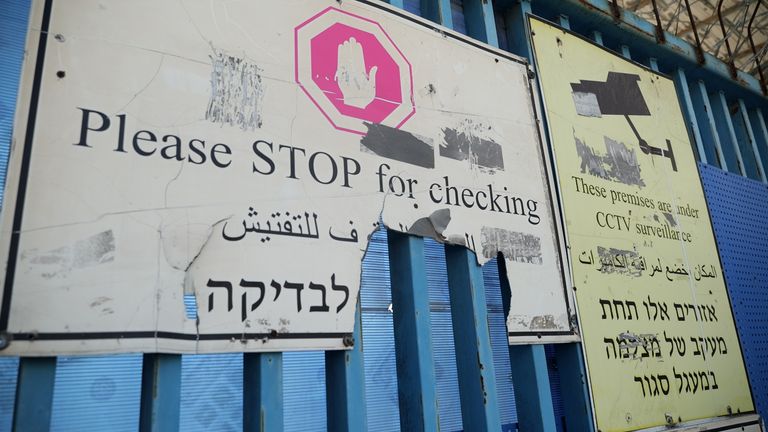
Police officers, along with officials from the town council, entered the East Jerusalem compound of UNRWA, the UN agency that provides services to Palestinian refugees.
The compound has been empty since January, when the Israeli government ordered UNRWA to close the building, accusing the agency of being “infested” with members of Hamas.
The United Nations denied that accusation vehemently.
Read more: What were UNRWA workers in Gaza accused of?
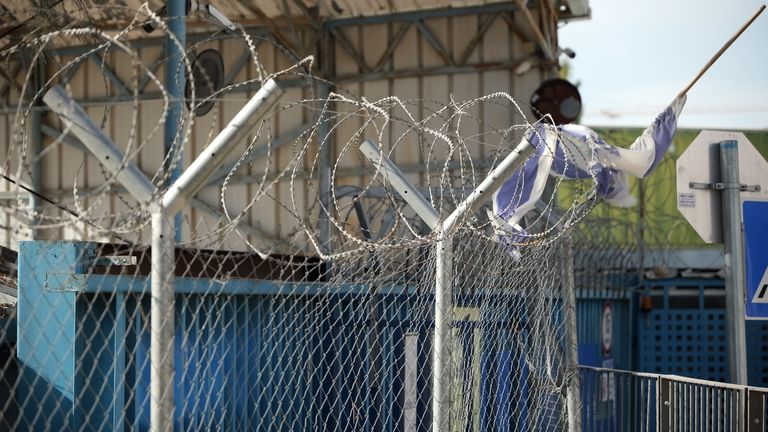
Having gained entry to the compound, the officials filled vehicles with possessions, including office furniture, and raised an Israeli flag in place of the United Nations flag.
They claimed that the building had been raided because UNRWA owed around hundreds of thousands of pounds worth of local taxes.
However, under the UN charter, UN buildings are exempt from such taxes and are also considered “inviolable”, meaning that, rather than raiding the building, Israel has an obligation to protect it.
Since its staff were told to leave, there have been attempts to break into the compound, which has been secured by a team of guards employed by the UN.
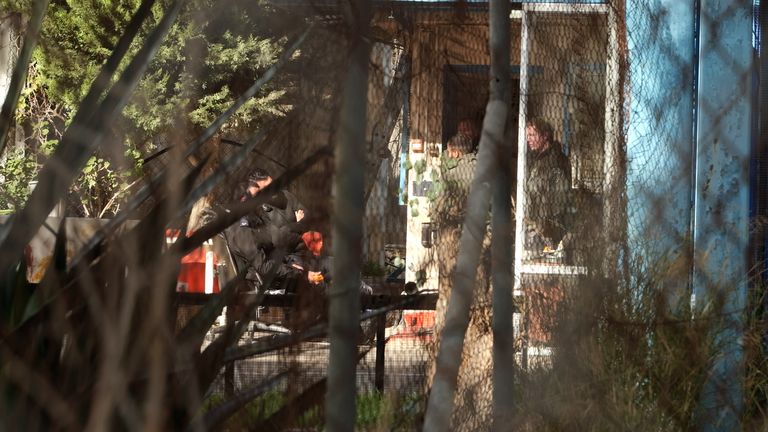
Sky News has been told that, when the Israeli officials arrived on Monday morning, the security guards were detained in a room within the compound.
“We didn’t let them in when they first came to the compound, but they cut the chains and the locks and took control,” said George, the head of security, who was standing outside the front gate when we arrived.
“They told my guards to stay in one room, took their phones from them, and told them they couldn’t leave.”
‘The false accusations led to this’
UNRWA’s commissioner-general, Philippe Lazzarini, said the raid was “a blatant disregard of Israel’s obligation as a United Nations Member State to protect and respect the inviolability of UN premises”.
He said that failing to cooperate with UN agencies “represent a new challenge to international law, one that creates a dangerous precedent anywhere else the UN is present across the world”.
His anger was not isolated. Outside the gates of the UNRWA compound, we met Hakam Shahwam, who used to work here as UNRWA’s chief of staff. It was, he said, “a very sad day”.
Shahwam says the claims that UNRWA was a breeding ground for Hamas had led to the raid.
He told me: “The false accusations led to this. This is a shameful day, not only for the United Nations but also for the government of Israel.
“There must be a strong protest, and a response from the international community. This is unacceptable.”
Read more from Adam Parsons:
Gaza longs for normality, but quasi-anarchy reigns
Israeli forces kill two Palestinians after apparent surrender
‘It is time for UNRWA to be dismantled’
The Israeli government remains adamant that its criticism of UNRWA is justified.
When I asked Shosh Bedrosian, a spokesperson for Prime Minister Benjamin Netanyahu, about the raid, she said: “UNRWA is a stain on the United Nations.”
She added: “It is time for UNRWA to be dismantled. It is not part of the solution for Gaza, it is part of the problem.”
She did not comment on the legality of the raid, or on Israel’s ongoing commitment to the UN Charter.
-
 Sports2 years ago
Story injured on diving stop, exits Red Sox game
-
 Sports3 years ago
‘Storybook stuff’: Inside the night Bryce Harper sent the Phillies to the World Series
-
 Sports2 years ago
Game 1 of WS least-watched in recorded history
-
 Sports3 years ago
Button battles heat exhaustion in NASCAR debut
-
 Sports3 years ago
MLB Rank 2023: Ranking baseball’s top 100 players
-
Sports4 years ago
Team Europe easily wins 4th straight Laver Cup
-
 Environment3 years ago
Japan and South Korea have a lot at stake in a free and open South China Sea
-
 Environment1 year ago
Here are the best electric bikes you can buy at every price level in October 2024