Environment
Tezeus Swift review: This lightweight carbon fiber folding e-bike really surprised me

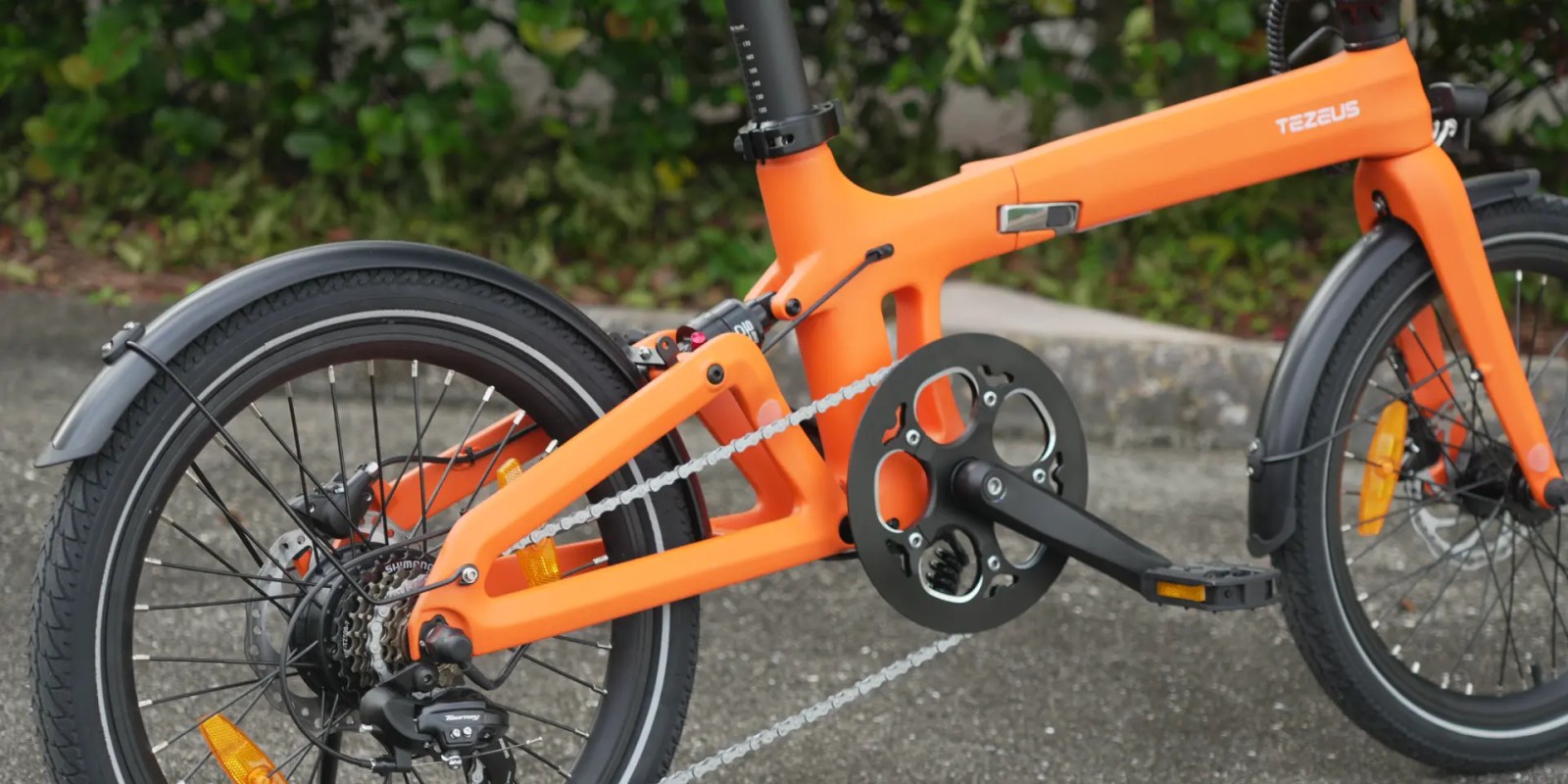

Folding e-bikes come in all shapes, sizes, and questionable design choices, but every once in a while, one comes along that makes me take a second look. After so much time on heavier folding e-bikes, that was my experience with the Tezeus Swift, a carbon fiber folding e-bike I recently spent a couple of weeks riding.
On paper, it looks like a lightweight urban commuter with modest power. In practice, it turned out to be a surprisingly polished little machine that feels far more refined than most of the budget folders we tend to see.
Let’s dive into what makes the Swift interesting, where it excels, and a couple of areas where I think Tezeus could still tighten things up.


Carbon fiber and compact practicality
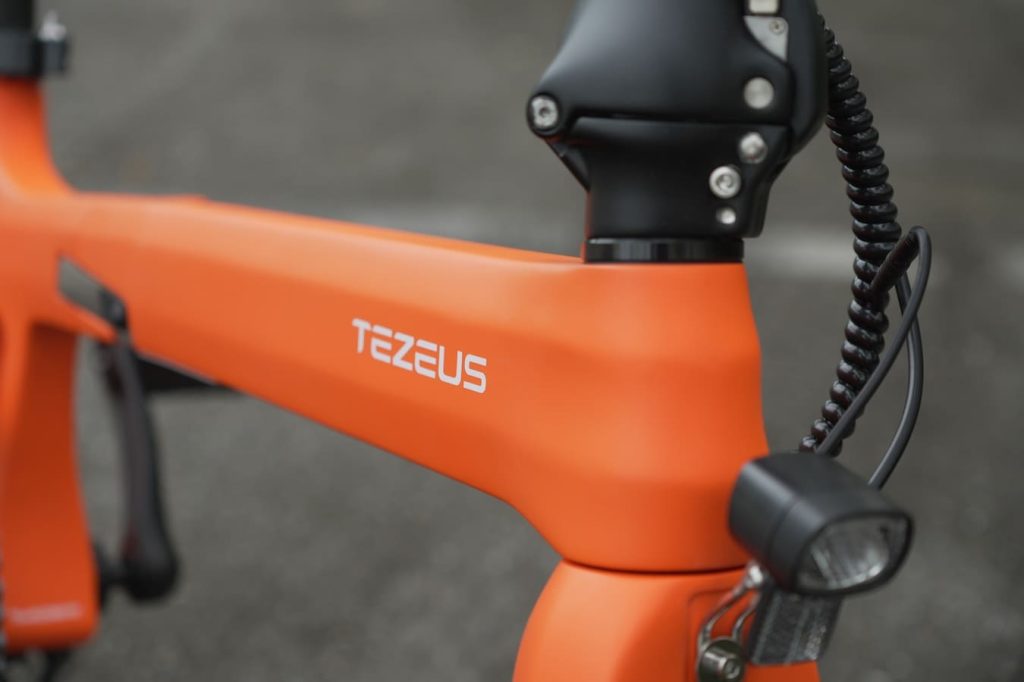
The obvious selling point here is the frame. Folding e-bikes are almost always aluminum and usually fairly chunky because they have to maintain stiffness around the folding mechanisms. Tezeus went with carbon fiber on the Swift, and the result is immediately noticeable.
At around 36 pounds, this is one of the lightest full-featured folding e-bikes I’ve tested in quite a while. This is the kind of bike you can actually carry up a flight of stairs without questioning your life choices or icing your back.
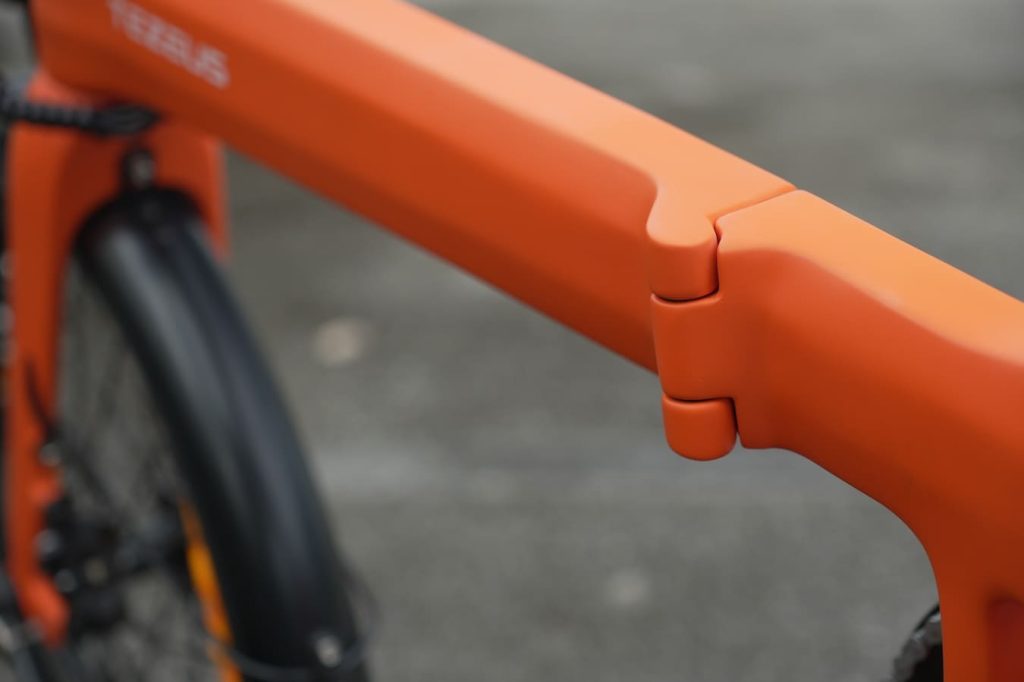
The overall shape and hinge layout are fairly typical for a 20-inch folding bike, but the execution is cleaner and the mechanism looks less bulky.
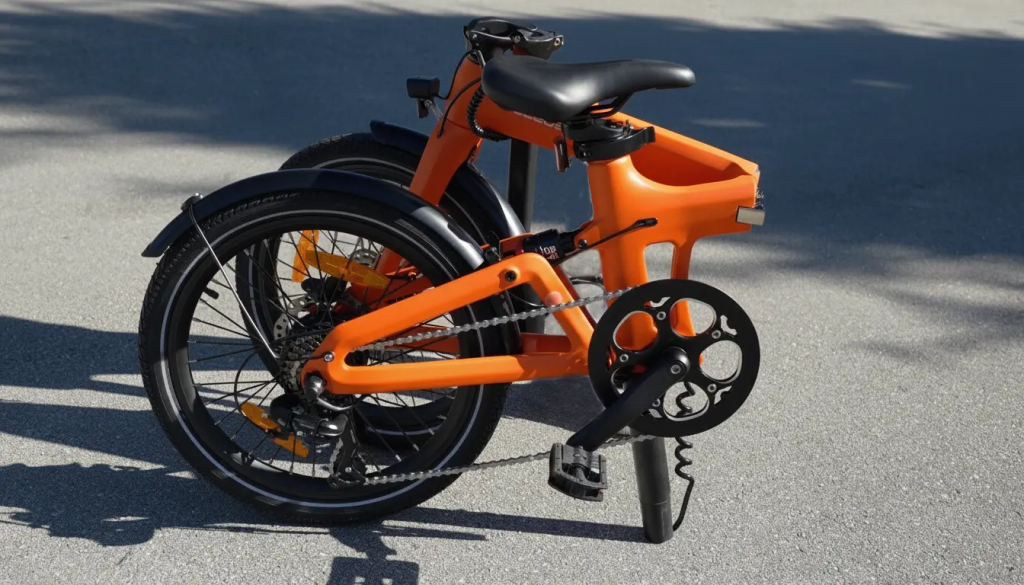
Cable routing is internal, the frame is smooth, and the whole bike feels like it got a little extra attention at the design table. It folds down reasonably compact – not tiny in the way a Brompton does, but certainly in the “subway-friendly” category. If you live in a walk-up or take public transit regularly, this bike fits that lifestyle very well.
At just $1,199, you wouldn’t expect carbon at this price, but the bike delivers!
Ride quality: small wheels, good manners
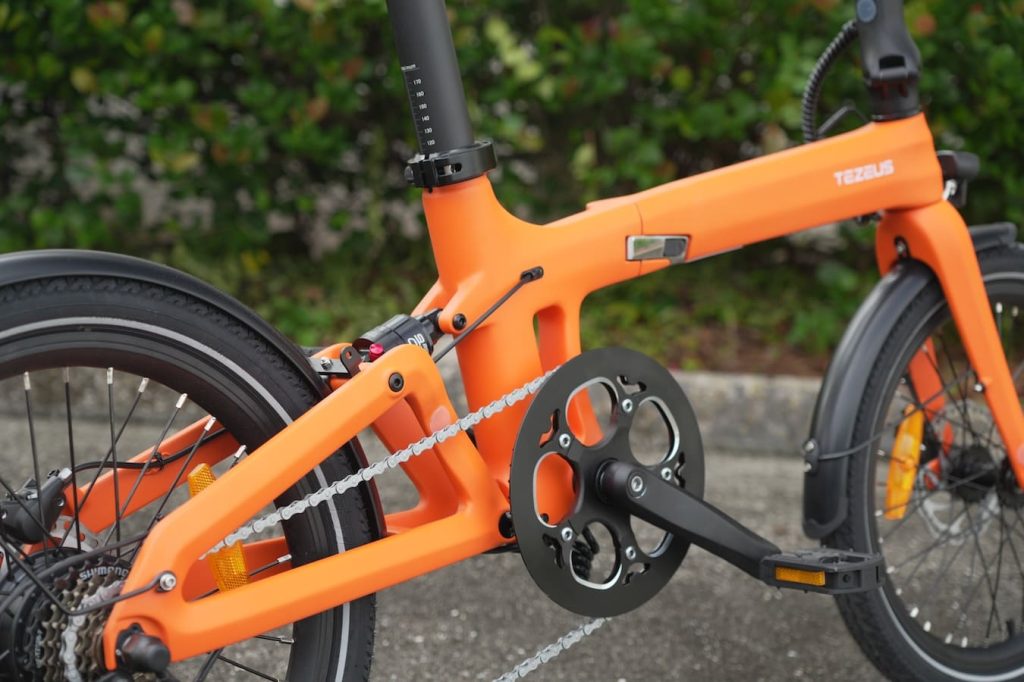
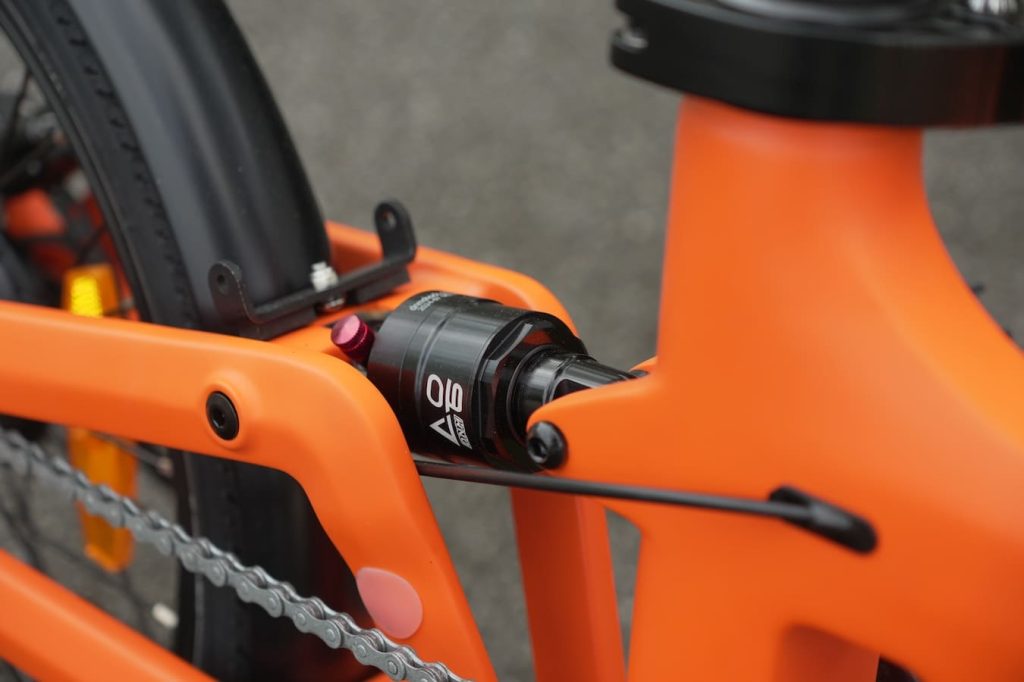
The Swift runs on 20-inch wheels paired with a rear suspension setup. Let’s be real that this isn’t exactly downhill mountain biking suspension, though.
The ride is comfortable enough to smooth out expansion joints and patchy pavement without turning the bike into a pogo stick, but it’s not going to magically make every bump and pothole disappear, that’s for sure. It’s a short travel shock in a direct suspension setup, but at least it is an adjustable air shock.
Handling is quite predictable, though, and feels confidence-inspiring. Many small-wheel folders can feel twitchy, especially at speed, but the Swift strikes a nice balance. It’s still compact and quick-steering, but never unstable.
I found myself weaving through traffic and dodging parked-car doors with the same confidence I’d expect from a larger-framed commuter bike.
Motor and power: enough for city commuting
The Swift uses a 250 W hub motor with about 30 Nm of torque, which tells you right away this isn’t a hill-crusher or a moped-wannabe.
But Tezeus tuned the controller well, and real-world performance is better than the numbers suggest. Acceleration is smooth, quiet, and linear. It’s not going to rocket you forward, but it adds just enough assist to make starts and short climbs easy without overwhelming the bike’s lightweight personality.
The assist cuts off at around 20 mph, which keeps it squarely in Class 2 territory in the US. On flat ground, I cruised comfortably in the 16–20 mph range. The Shimano 7-speed setup helps here, and it’s refreshing to see a folder that still feels like a bike rather than a throttle-dependent mini-scooter. You can genuinely ride this thing without power if you need to.
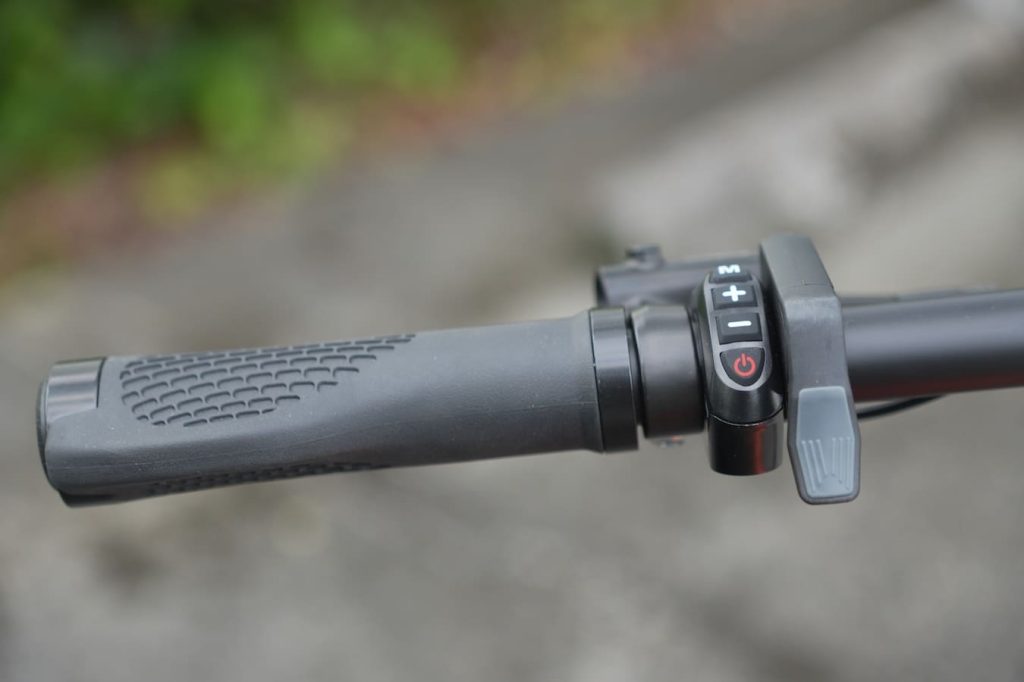
Of course, there is still a throttle, as you might have guessed by the Class 2 designation. It’s also a bit of a strange feeling thumb throttle, which isn’t my favorite style but gets the job done. The bike feels so good to pedal that I rarely go only throttle on it, and use it more just when I want to get rolling as quickly as possible. The smaller capacity battery also means that using the pedal assist is a good idea. Plus, that torque sensor does a great job of making you feel more in tune with the bike when pedaling.

Battery and range
The 36 V, 7 Ah (252 Wh) battery is hidden inside the seat tube, which is a clean design choice and keeps the bike’s silhouette tidy. It’s also removable for charging indoors.
The tradeoff, of course, is size. With 252 Wh, you’re not getting long-range weekend adventures. In my testing, riding in the city with a mix of PAS levels, I saw realistic range in the 17–25 mile (30-40 km) window.
That’s perfectly fine for the short-to-medium urban commutes this bike is designed for, but it’s worth setting expectations accordingly. This isn’t a long distance touring bike, so don’t expect to ride it like one.
Cockpit and features
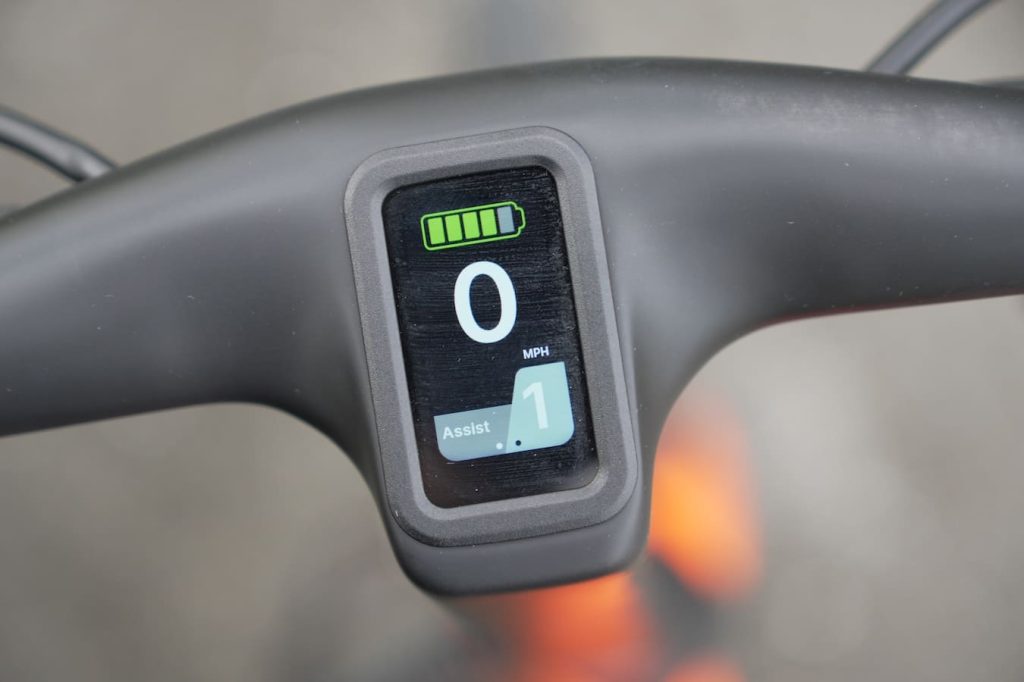
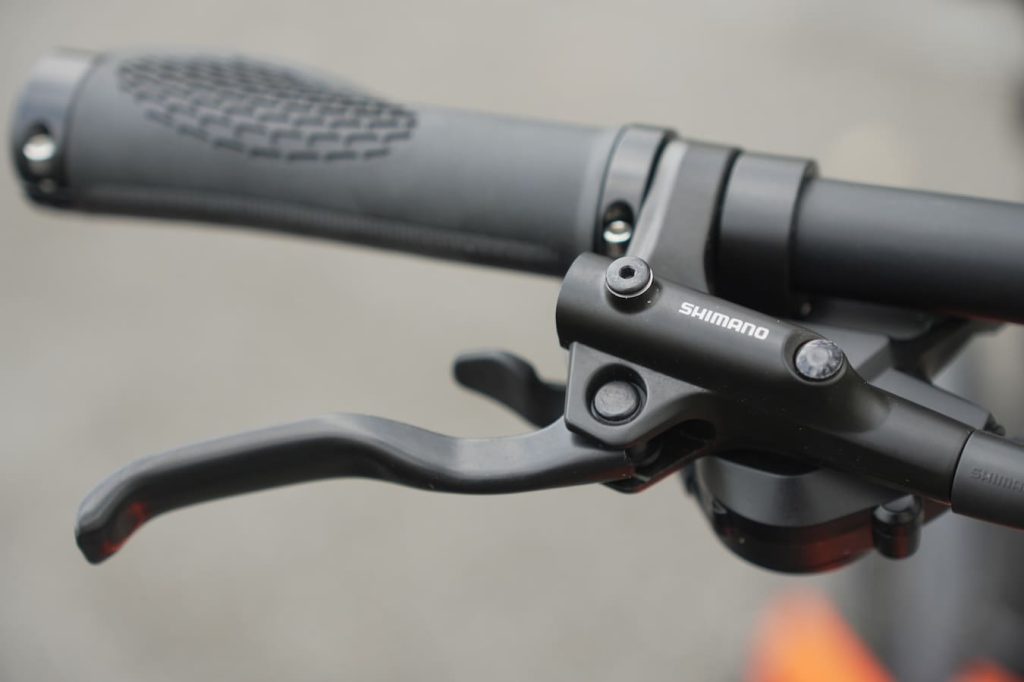
The bike includes a color display, decent-quality grips, and hydraulic disc brakes, which are a nice upgrade for more confident braking with less hand strength required. You can give a lighter pull and still get strong stopping power. The lever feel is crisp, and braking performance is solid, which matters when you’re darting between taxis and delivery vans in an urban environment.
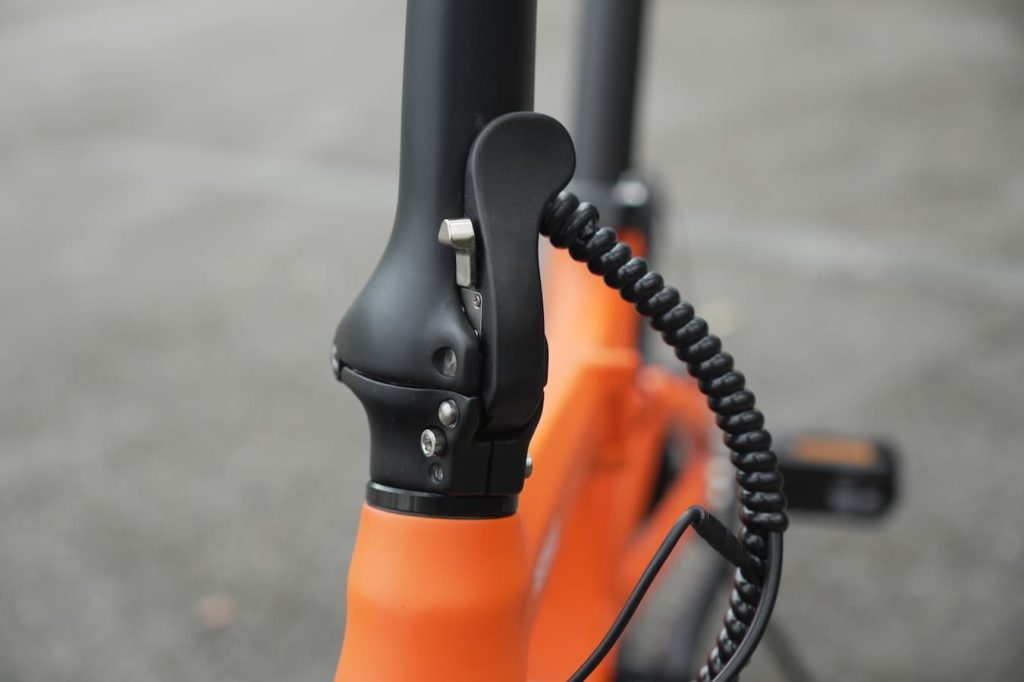
Tezeus also kept the cockpit uncluttered. Many folding bikes get messy with clamps, triggers, and hinges everywhere, but the Swift keeps things simple. I appreciated that during folding and unfolding too – the process is quick and doesn’t require a three-handed origami routine.
A few downsides
As much as I enjoyed the Swift, there are a couple of areas where the bike shows tradeoffs.
First, the small battery will be limiting for riders who want to push longer distances or who live in particularly hilly areas. It’s clearly tuned for urban environments, but a slightly larger pack option would have broadened its appeal.
Second, the small-wheel geometry means this still isn’t the plushest bike on rough pavement. The rear suspension helps, but you’ll feel cracks and potholes more than you would on a full-size commuter.
Lastly, while the carbon frame is great for weight, it also means repairs or replacement in the event of damage could be more expensive than with a simple aluminum folder. Sure, aluminum repairs aren’t something most people are going to want to deal with either, but an aluminum frame can at least take a bit more of a beating.
Final thoughts
I went into this review expecting another generic folding e-bike with a quirky frame and middling performance. Instead, the Tezeus Swift feels like a thoughtfully executed lightweight commuter that prioritizes practicality, ride quality, and clean design. It’s not built for speed demons or range-hungry riders, but for people who want a portable, well-mannered e-bike for real urban use, it hits a sweet spot.
At $1,199, there are better watt-per-dollar deals out there, but bikes like this one don’t compete on performance. Instead, they do it for the lightweight and convenience.
If you value low weight, compact storage, and a bike-like ride over brute force or big battery numbers, the Tezeus Swift is absolutely worth a look.



FTC: We use income earning auto affiliate links. More.