
50 shops a day closed in first half of 2021, and next 6 months will be ‘make or break’ for those still open

Almost 50 stores per day closed down across the UK during the first half of the year, research suggests.
Some 8,739 outlets went out of business across high streets, retail parks and shopping centres between January and June, figures from the Local Data Company suggest.
But 3,488 opened during the same period, resulting a net decline of 5,251.
When compared with last year, the data suggests the rate of closures slowed down – with 11,120 shops shutting their doors in the first half of 2020 as the COVID pandemic hit, a net decrease of 6,001.
The research was conducted for accountancy firm PwC, which said government support during the pandemic – such as the furlough scheme, business rates relief and the rent moratorium – played major roles in helping operators stay afloat.
Despite this, the firm has warned the second half of the year will be “make or break” for many stores as government help is wound down.
Fashion retailers were worst affected – with 1,063 stores shutting in the first half of the year. Some 452 charity shops, 428 car and motorbike outlets, and 337 betting shops also closed permanently.
City centres saw a 4.3% drop in the number of occupied retail outlets as people and businesses moved to suburban or out-of-town locations, reflecting the rise in people working from home.
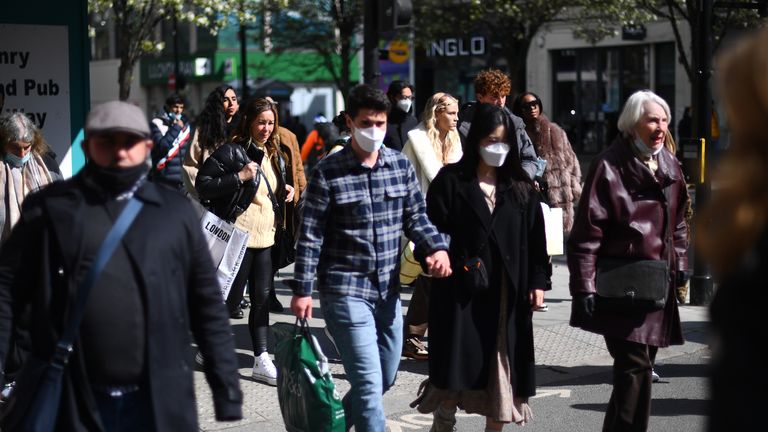
Clear demand for shops after year of online growth. Video from May.
Commuter towns saw a 3% decrease in the number of shops, while villages saw a decline of 2.3%.
Lisa Hooker, leader of industry for consumer markets at PwC UK, said: “After an acceleration in store closures last year coupled with last-minute Christmas tier restrictions and lockdowns extending into 2021, we might have expected a higher number of store closures this year.
“Government support has proved to be a lifeline.
“However, the next six months will be make or break for many, particularly with the reinstatement of business rates, the winding down of furlough and the need for agreement on rent arrears, as well as uncertainty for hospitality businesses around further lockdowns, vaccine passports, and other operating restrictions.”
Most of the closures were on the country’s high streets, while shopping centres and retail parks were affected to a lesser extent.
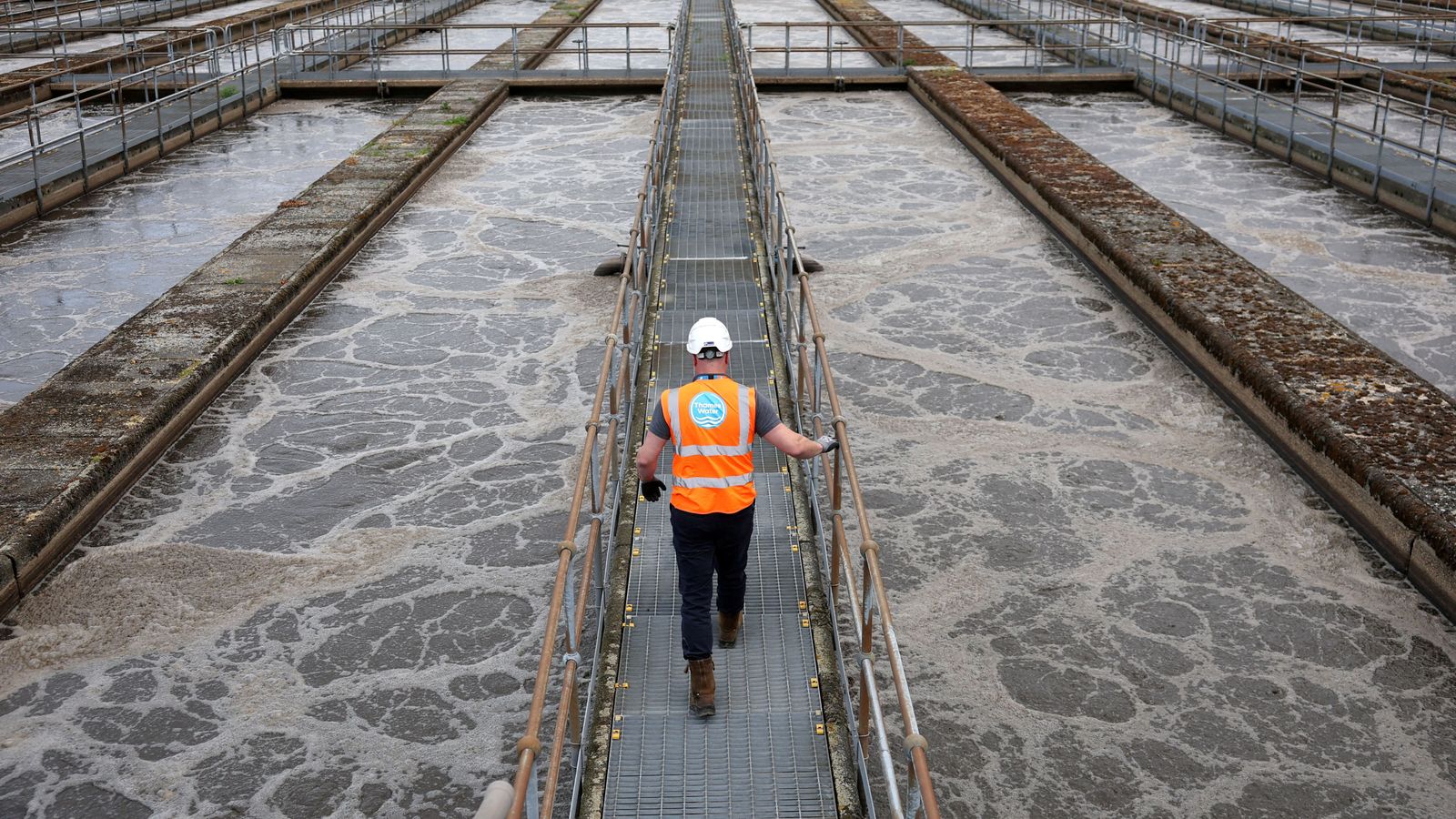
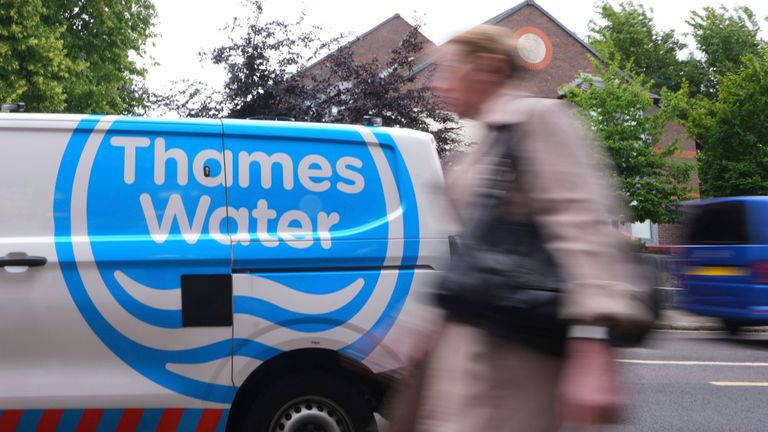
The UK’s biggest water supplier has been dealt another blow as the regulator decided to reduce its income.
Thames Water, which supplies 16 million people in England, has been told by the watchdog Ofwat its revenues will be cut by more than £187m.
It comes as the utility struggles under a £17.6bn debt pile and the government has lined up insolvency practitioners for its potential collapse.
Money blog: Nine-year-old set up Christmas tree business to pay for university
Overall, water firms face a sector-wide revenue reduction of nearly £309m as a result of Ofwat’s determination. Thames Water’s £187.1m cut is the largest revenue reduction.
This will take effect from next year and up to 2030 as part of water companies’ regulator-approved five-year spending and investment plans.
The downward revenue revision has been made as Ofwat believes the companies will perform better than first thought and therefore require less money.
Better financial performance is ultimately good news for customers.
The change published on Wednesday is a technical update; the initial revenue projections published in December 2024 were based on projected financial performance but after financial results were published in the summer and Ofwat was able to apply these figures.
Is Thames Water a step closer to nationalisation?
Thames Water and industry body Water UK have been contacted for comment.
-
 Sports2 years ago
Story injured on diving stop, exits Red Sox game
-
 Sports3 years ago
‘Storybook stuff’: Inside the night Bryce Harper sent the Phillies to the World Series
-
 Sports2 years ago
Game 1 of WS least-watched in recorded history
-
 Sports3 years ago
Button battles heat exhaustion in NASCAR debut
-
 Sports3 years ago
MLB Rank 2023: Ranking baseball’s top 100 players
-
Sports4 years ago
Team Europe easily wins 4th straight Laver Cup
-
 Environment3 years ago
Japan and South Korea have a lot at stake in a free and open South China Sea
-
 Environment1 year ago
Here are the best electric bikes you can buy at every price level in October 2024