

Boy charged with murder of 14-year-old Tomasz Oleszak in Gateshead
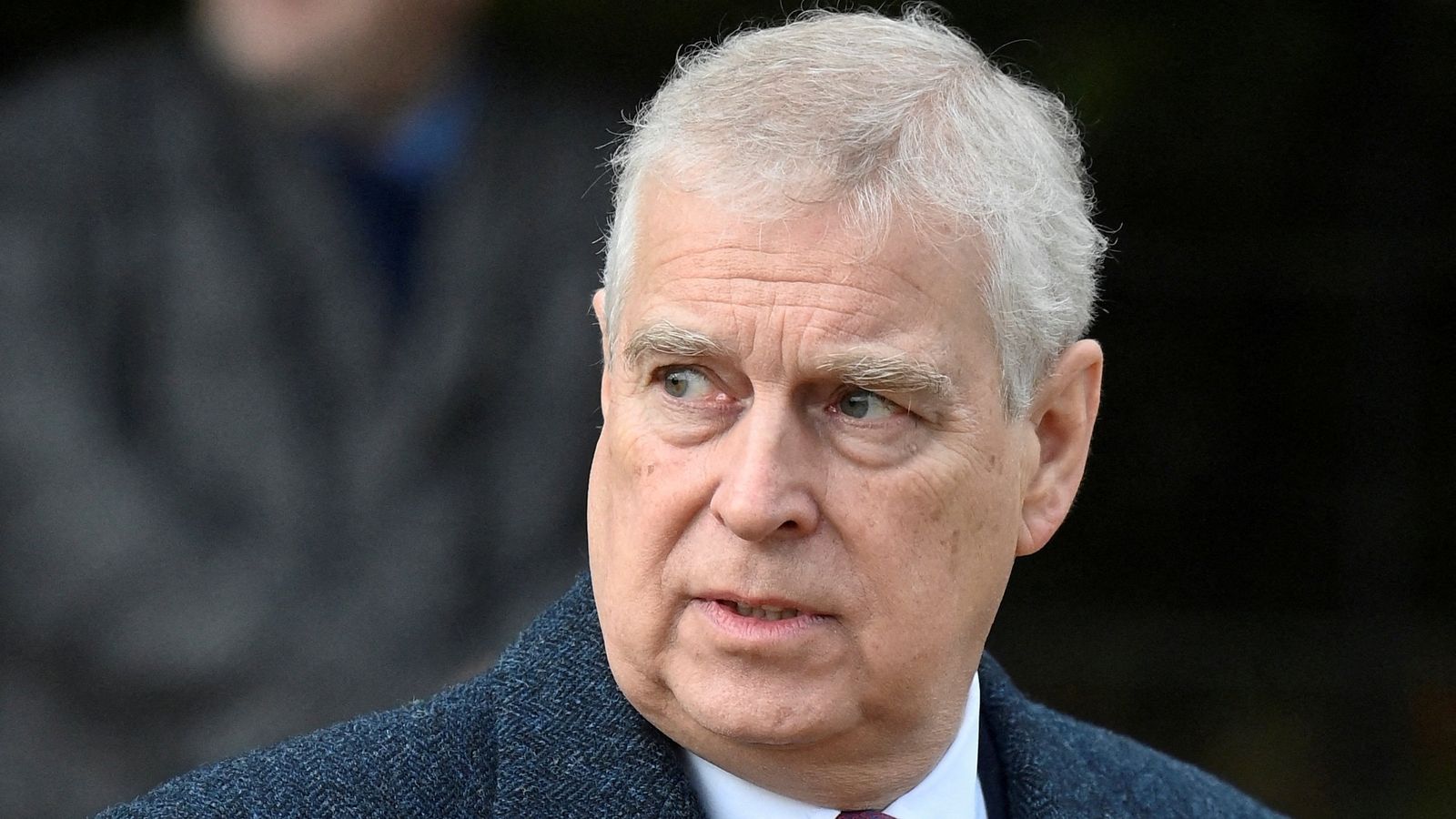
A Sandringham photograph of Andrew Mountbatten-Windsor from the Epstein files has resurfaced at a particularly uncomfortable moment for the Royal Family, just days before they gather at the estate for Christmas.
Andrew is set to move to the King’s private Norfolk estate in the next few months, after he was officially stripped of his titles, honours, and his large home on the Windsor estate.
The picture was among the thousands of Epstein files by the US Department of Justice.
It shows Andrew lying across the laps of several women whose faces have been redacted.
Looking on and laughing is Ghislaine Maxwell, Jeffrey Epstein’s former girlfriend.
The photo was taken in the stately saloon room at Sandringham House in Norfolk.
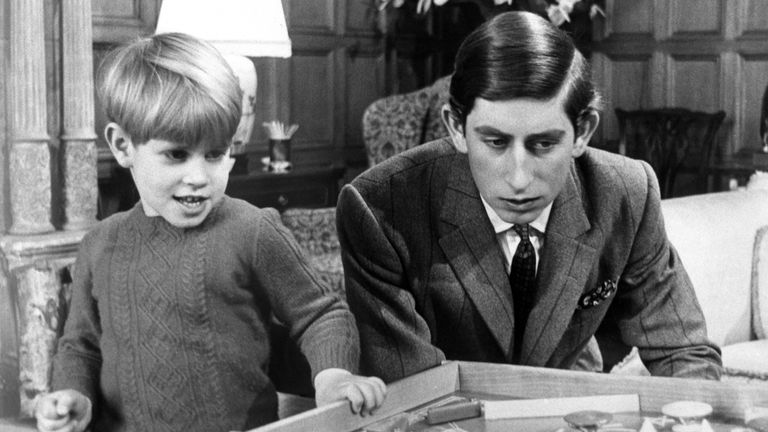
Prince Charles, now King Charles III, in the same room at Sandringham with Prince Edward in 1969. Pic: PA
Although the image is undated, we know Andrew organised a shooting weekend in 2000 for Ghislaine’s birthday.
It is a picture of intimate access to the inner royal sanctum.
Sandringham is a private royal retreat, and no one is invited here by chance.
Royal biographer, Andrew Lownie, said royal residences were used as “party places” by Andrew.

Andrew at the Royal Family’s Christmas Day service on the Sandringham estate in 2022. Pic: Reuters
“Epstein and Ghislaine took advantage of this,” he said. “They went to Balmoral, Sandringham and Windsor … This showed people just how close they were to the Royal Family.”
There’s no suggestion the wider family knew Epstein, but the timing is deeply awkward. This week Sandringham will once again host the Royal Family’s traditional Christmas gathering.
And the King will deliver his Christmas message to the country and Commonwealth.
Andrew isn’t invited to Sandringham and will be spending Christmas elsewhere. The Norfolk estate will soon become his new home; it’s understood the move will happen in the first quarter of next year.
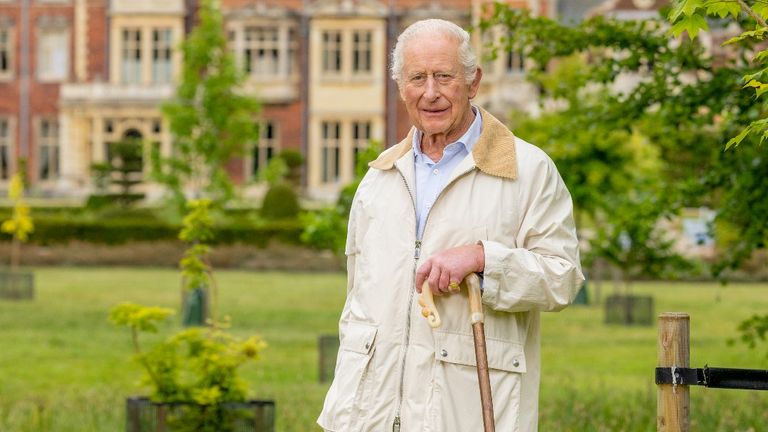
A photo of the King at Sandringham released to mark his 77th birthday last month. Pic: @MilliePilks/Sandringham Estate
For years, Andrew let Epstein and Maxwell into his privileged world.
They were guests at the 18th birthday party of his daughter, Princess Beatrice.
Read more:
Outrage over incomplete Epstein file release
The links between Epstein and UK revealed in new files
Another photo released in the files shows Andrew, Epstein and Maxwell at Royal Ascot, a firm fixture in the royal calendar.
Epstein and his former girlfriend are also photographed at another shooting party, possibly at Balmoral.
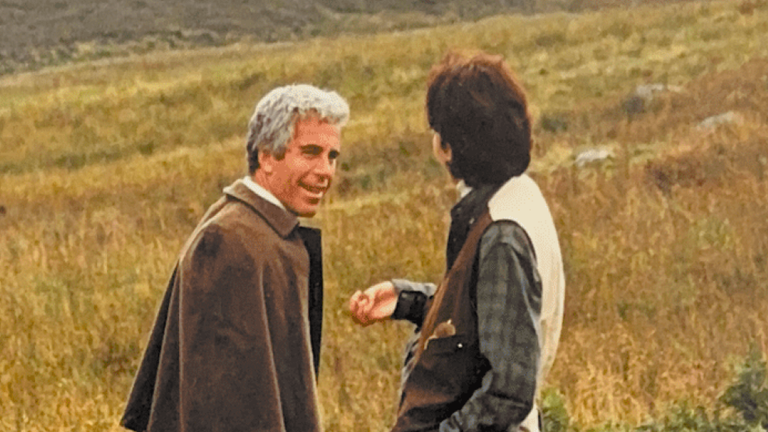
Jeffrey Epstein and Ghislaine Maxwell hunting, date unknown. Pic: US DOJ
We know the pair were once guests at the Scottish castle, pictured in the same lodge loved by the late Queen.
Mr Lownie said the pair enjoyed “extraordinary” access.
“It just shows how close Andrew was to them… for them to be socialising in these very private residences,” he added.
Andrew’s association with Epstein has cost him his royal roles, titles, and his beloved home.
He has always strongly denied any wrongdoing.
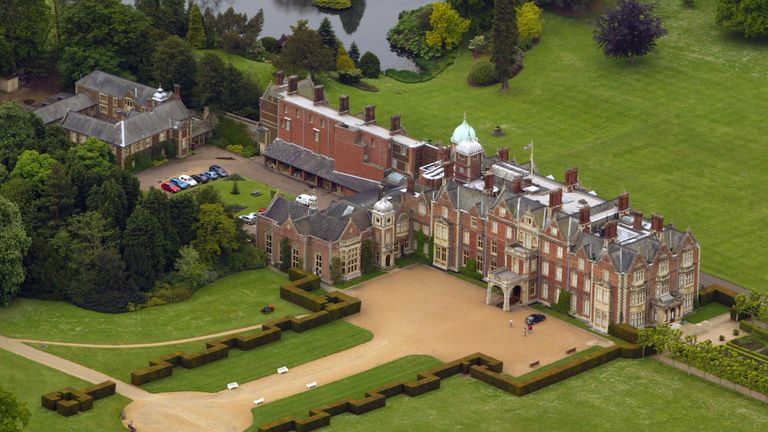
Sandringham Estate, Norfolk. Pic: PA
The images and documents released and revealed in the Epstein files contain graphic and traumatic content.
It is harrowing and retraumatising for Epstein’s victims.
And what continues to shock – is how a man like Jeffrey Epstein had proximity to the Royal Family. And why Andrew let it happen and stayed friends with him.
UK
Man due in court charged with 56 sexual offences against ex-wife – as five other men also charged

A man is due in court charged – alongside five other men – with carrying out sexual offences against his now former wife over a 13-year period.
Philip Young, 49, formerly of Swindon, has been charged with 56 sexual offences, including multiple counts of rape, against Joanne Young, 48, Wiltshire Police said.
He is also charged with administering a substance with the intent to stupefy or overpower to allow sexual activity, as well as voyeurism, possession of indecent images of children and possession of extreme images.
Five other men have also been charged with sexual offences against Ms Young, who police say has waived her automatic legal right to anonymity.
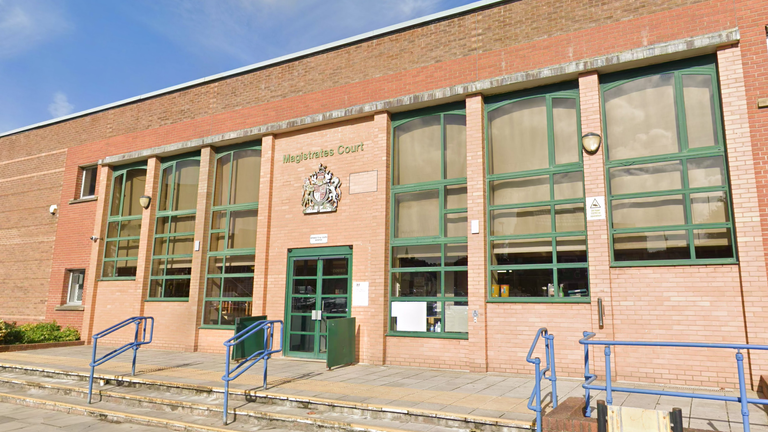
All six men will appear at Swindon Magistrates Court today, Wiltshire Police said.
Swindon Magistrates’ Court. Pic: Google Street View
The other men are Norman Macksoni, 47, of Sharnbrook, Bedfordshire. He is a black British national and has been charged with one count of rape and possession of extreme images.
Dean Hamilton, 47, of no fixed abode. He is a white British national and has been charged with one count of rape and sexual assault by penetration and two counts of sexual touching.
Conner Sanderson Doyle, 31, of Swindon. He is a white British national and has been charged with sexual assault by penetration and sexual touching
Richard Wilkins, 61, of Swindon. He is a white British national and has been charged with one count of rape and sexual touching
Mohammed Hassan, 37, of Swindon. He is a British Asian male and has been charged with sexual touching.
Police say the offences took place between 2010 and 2023.
Geoff Smith, detective superintendent for Wiltshire Police, said: “This is a significant update in what is a complex and extensive investigation.
“The victim in this case, Joanne, has taken the decision to waive her automatic legal right to anonymity.
“She has been supported by specially trained officers from the beginning of the process and she has made the decision following multiple discussions with officers and support services.”
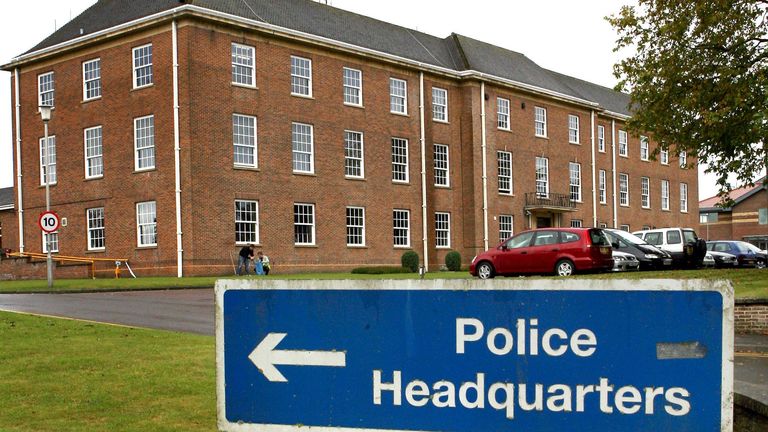
Wiltshire Police Headquarters. File pic: PA
People who allege they are victims of rape have been automatically entitled to lifelong anonymity since the Sexual Offences (Amendment) Act was passed in 1976.
This has since been extended to certain other sexual offences, though victims can waive the protection if they wish.
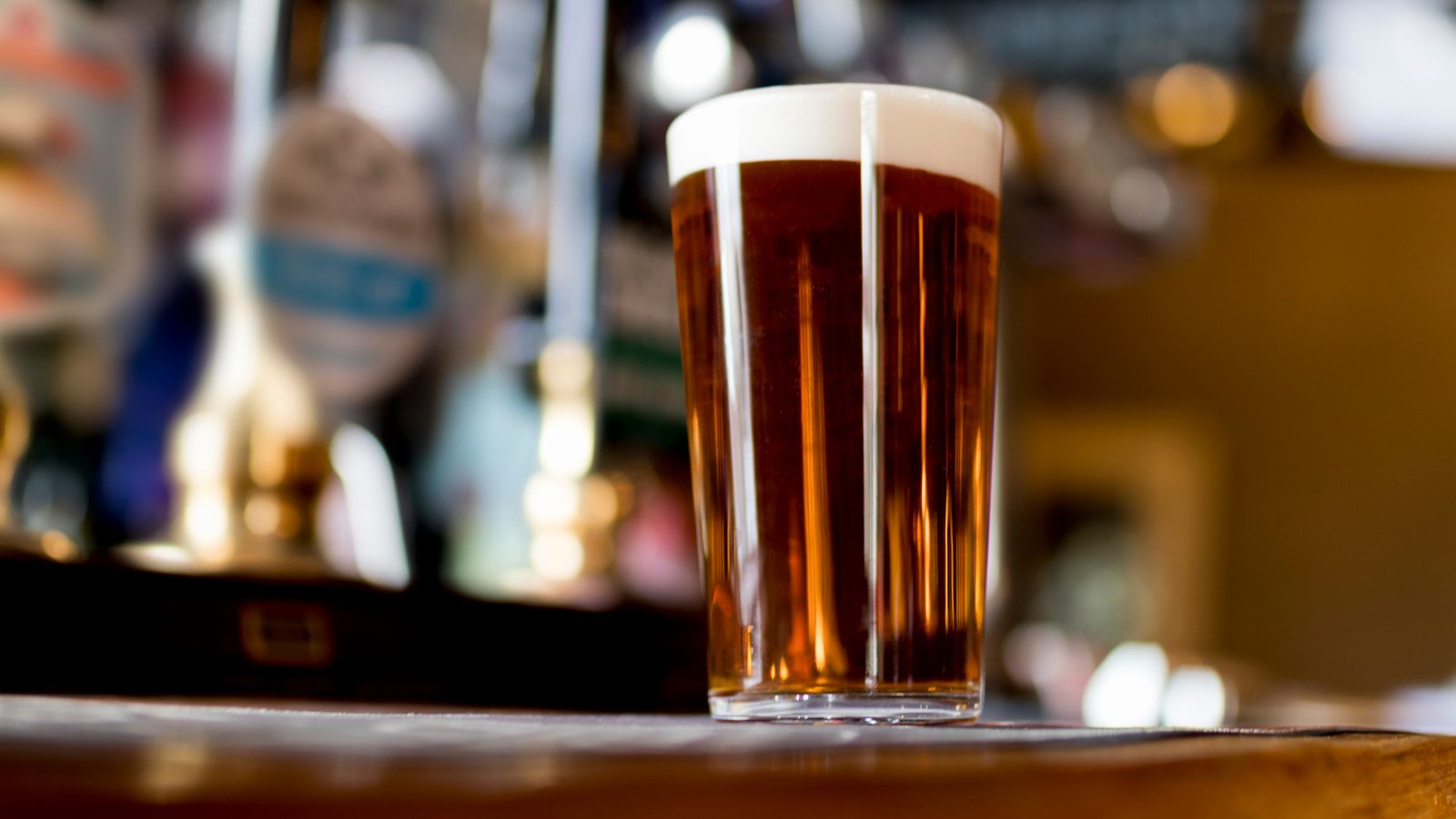
A millionaires’ playground, Poole in Dorset boasts some of the most expensive properties in the UK, and has been called Britain’s Palm Beach.
Away from the yachts and the mansions of Sandbanks, however, Poole is also a beer drinkers’ paradise, with 58 pubs in the parliamentary constituency alone.
But now many of Dorset’s pub landlords have joined a bitter backlash against rises in business rates of up to £30,000 in Rachel Reeves’s November budget.
Across the UK, it is claimed up to 1,000 publicans have even banned Labour MPs from their pubs, after the chancellor axed a 40% rates discount, introduced during COVID, from next April.
The row over the rises, brewing since the budget, came to a head in a clash between Kemi Badenoch and Sir Keir Starmer in the final Prime Minister’s Questions of 2025.
“He gave his word that he would help pubs,” said the Tory leader.
“Yet they face a 15% rise in business rates because of his budget. Will he be honest and admit that his taxes are forcing pubs to close?”
The PM replied that the temporary relief introduced during COVID – a scheme the Conservatives put in place and Labour supported, he said – had come to an end.
“But it was always a temporary scheme coming to an end,” he said.
“We have now put in place a £4bn transitional relief.”
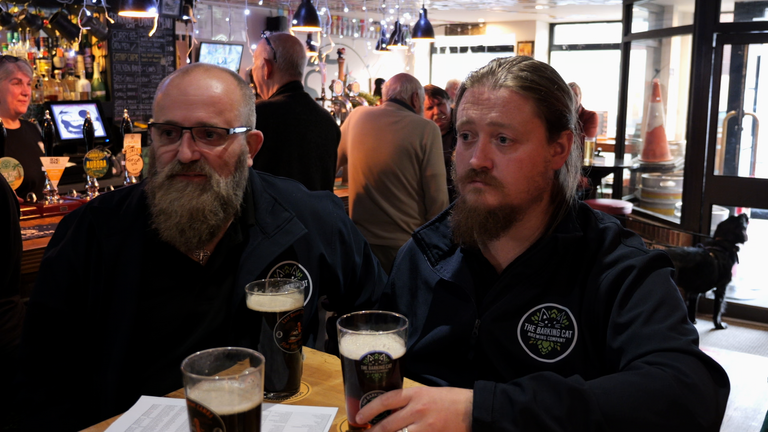
Mark and Michael Ambrose, father and son co-landlords of The Barking Cat, said the increases are a ‘pub destroyer’
But in the Barking Cat Ale House in Poole, facing an increase in business rates of nearly £9,000 a year, the father and son co-landlords fear the rises could mean last orders for many pubs.
“We’re sort of in the average area at 157%, but we’ve got a lot of local pubs that are increasing by 600%, and another one by 800%,” Ambrose senior, Mark, told Sky News.
“It’s a pub destroyer. Pubs can’t survive these kinds of increases. It’s not viable. Most pubs are just about scraping by anyway. If you add these massive increases your profit margins are wiped out.
“We struggle as it is. You can’t have that kind of increase and expect businesses to succeed.
“Fortunately, the customers understand. But they still don’t want to have to spend an extra 30 or 50 pence a pint.”
Son Michael added: “It’s all back to front. It’s really these bigger pub companies and supermarkets that need to be facing increased taxes. We can’t handle them. They can.”
Michelle Smith, landlady of the Poole Arms, the oldest pub on the town’s quay, dating back to 1635, said: “Our rates per value is due to go up £9,000 in April, so it’s quite a deal.”
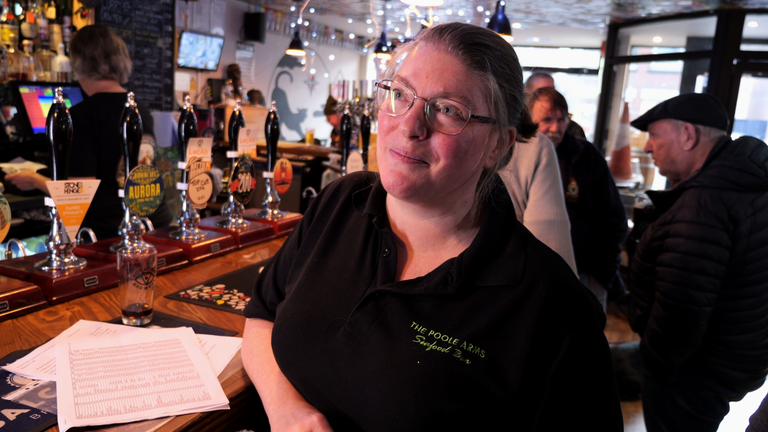
Michelle Smith, landlady of The Poole Arms, said all her prices are going up
“And we had a rates increase just gone as well,” she added. “So our rates had already increased over £1,000 a month last April. So another hit is quite considerable really.
“Prices definitely have to go up with all the different price increases that we’ve got throughout: business rates, wage increases, the beer goes up from the breweries. Everything is going up.”
Backing the publicans, Neil Duncan-Jordan, who became Poole’s first ever Labour MP last year, has written to the chancellor demanding a rethink. He said he is prepared to vote against the tax rise in the Commons.
“They’ve got to listen,” he told Sky News.
“They’ve got to listen to the high street, to publicans, people who run social clubs and listen to problems that they’re facing and the impact that these changes have made.”
Mr Duncan-Jordan said he was prepared to support an amendment to the Finance Bill, which turns the budget into law and had its second reading in the Commons last week.
Despite being suspended for four months for rebelling against welfare cuts earlier this year, he said: “I was discussing this with some MPs just this morning and I’ll be happy to support those. Sometimes you just have to say what you think is right.”
As chancellor, Ms Reeves has regularly raised a glass to pubs and promised to protect them from rising costs.
But Sir Keir has faced the wrath of a publican before, when he was thrown out of a pub in Bath during COVID by an anti-lockdown landlord.
This time, without a U-turn by the chancellor on the business rates increases, pub landlords fear the government has them over a barrel.
-
 Sports2 years ago
Story injured on diving stop, exits Red Sox game
-
 Sports3 years ago
‘Storybook stuff’: Inside the night Bryce Harper sent the Phillies to the World Series
-
 Sports2 years ago
Game 1 of WS least-watched in recorded history
-
 Sports3 years ago
Button battles heat exhaustion in NASCAR debut
-
 Sports3 years ago
MLB Rank 2023: Ranking baseball’s top 100 players
-
Sports4 years ago
Team Europe easily wins 4th straight Laver Cup
-
 Environment3 years ago
Japan and South Korea have a lot at stake in a free and open South China Sea
-
 Environment1 year ago
Here are the best electric bikes you can buy at every price level in October 2024