
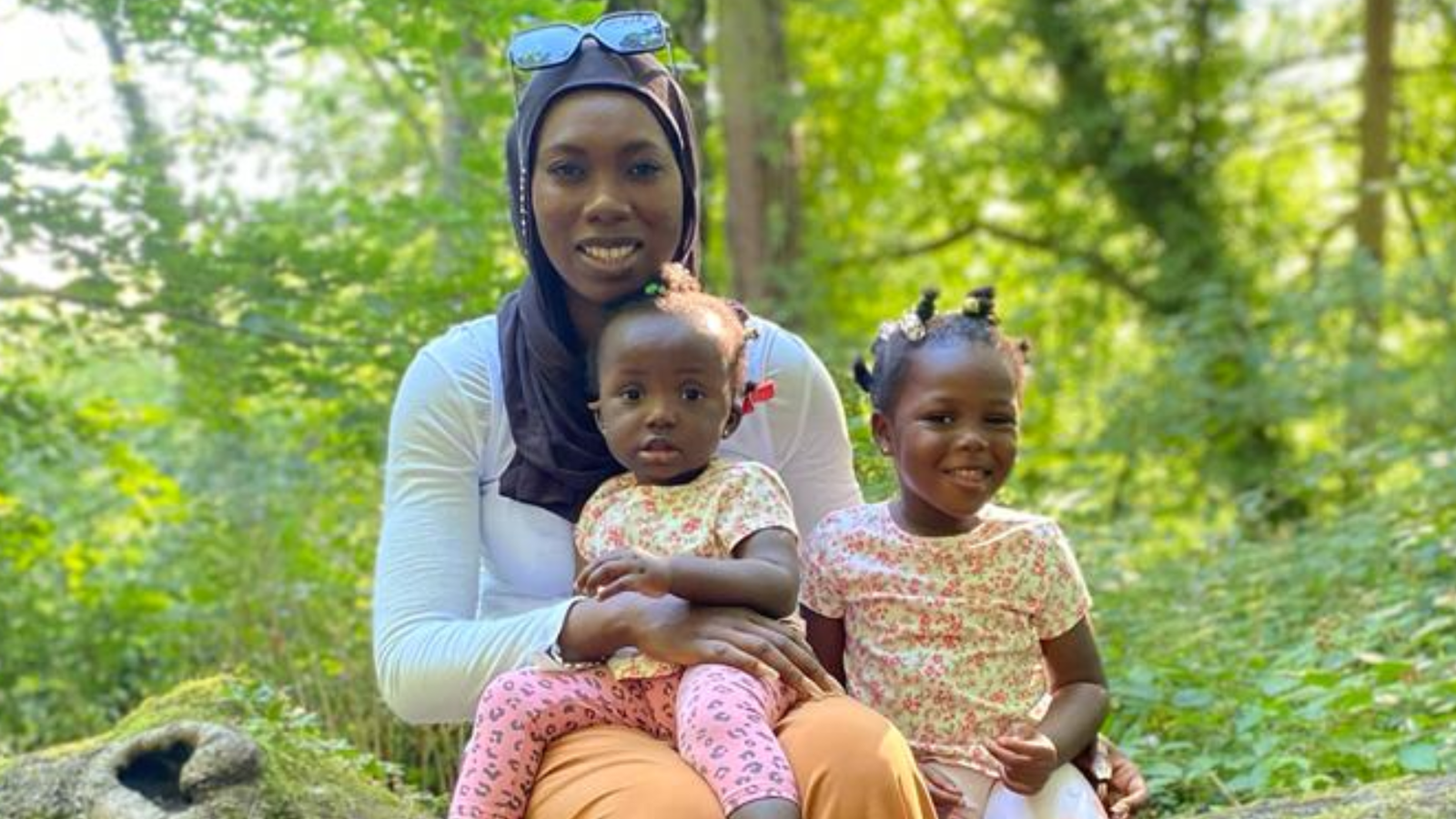
Mother in Nottingham flat fire dies as two children also killed in blaze named

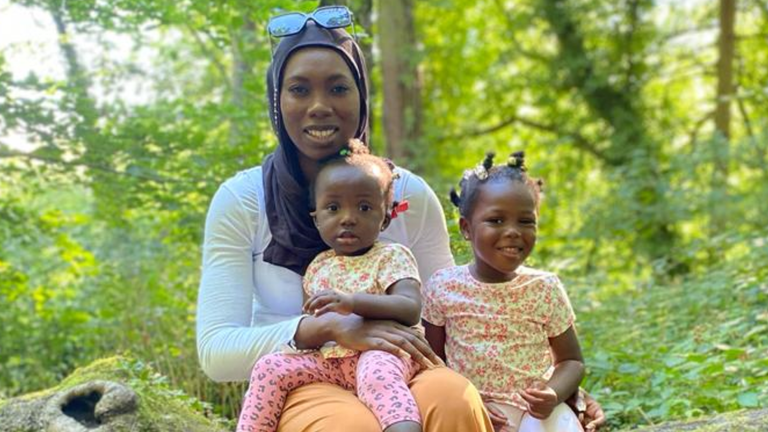
Two children killed in a Nottinghamshire flat fire have been named by police as they said their mother has also died.
Naeemah Drammeh, aged one, and three-year-old sister Fatimah, were taken to Queen’s Medical Centre along with their mother after the blaze in Fairisle Close, Clifton, in the early hours of Sunday.
The sisters were pronounced dead at the hospital.
Nottinghamshire Police said their mother Fatoumatta Hydara, aged 28, had been placed on a life support machine, but died on Tuesday morning.
Sky’s Midlands correspondent Becky Johnson, speaking from the scene of the fire, said the children’s father had been away in America at the time of the blaze.
“He was actually here yesterday,” she said. “He had boarded a plane as soon as he could to get back, having heard this dreadful news.
“He was shell-shocked when he was here and was on his way to the hospital to be at his wife’s bedside – so desperately sad for him now, not only having to cope with the loss of his two young children, but also the loss of his wife.”
A triple murder inquiry is under way after a joint fire and police investigation.
A 31-year-old man from Clifton was arrested on Sunday night on suspicion of murder.
Detectives have been given more time to question him, and he remains in custody.
Fatoumatta Hydara with her daughters Naeemah Drammeh, aged one, and three-year-old Fatimah
Detective Chief Inspector Mark Sinski, who is leading the investigation, said: “We are dealing with one of the most horrendous crimes – the death of two young children and their mother.
“This is a deeply upsetting tragedy and I can only imagine the family’s pain. They include the woman’s husband and the father of the two children, who was not in the UK at the time of the fire.”
He added: “A large team of detectives has been working long days and nights to investigate the circumstances surrounding this tragic incident.”
The fire, which started at around 3.17am, was extinguished at around 4am.
Neighbouring properties were temporarily evacuated during the incident.
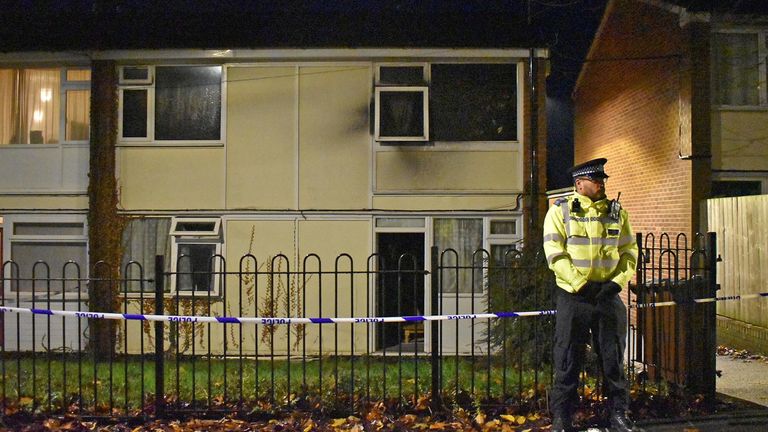
Police at the scene of the flat fire in Clifton, Nottingham
Colin Brown, a neighbour, told Sky News: “They were a nice family. She did keep herself to herself, but she would always say hello, and the kids always said hello… I don’t know who would want to do this to them.”
Police said increased patrols would continue in the area over the coming days.
DCI Sinski thanked those who have already come forward, and appealed for anyone else with information – “regardless of how insignificant you think it may be” – to contact the force.
“We would specifically like to speak to anyone who was in or around Fairisle Close between 12am and 4.30am on Sunday morning,” he said.
Witnesses or anyone with information can call 101 and ask for Nottinghamshire Police quoting incident 110 of 20 November 2022, or contact Crimestoppers anonymously on 0800 555 111.
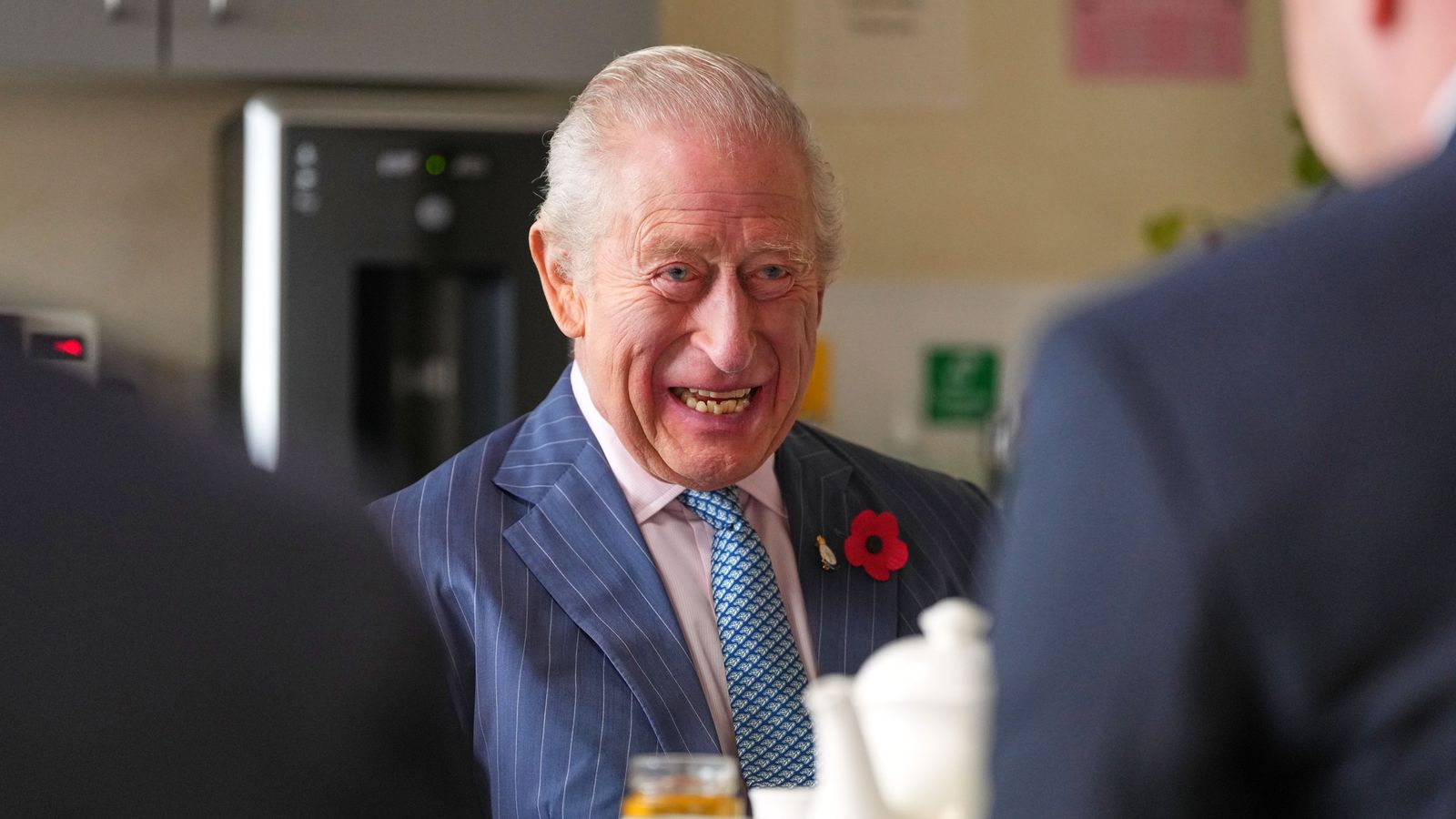
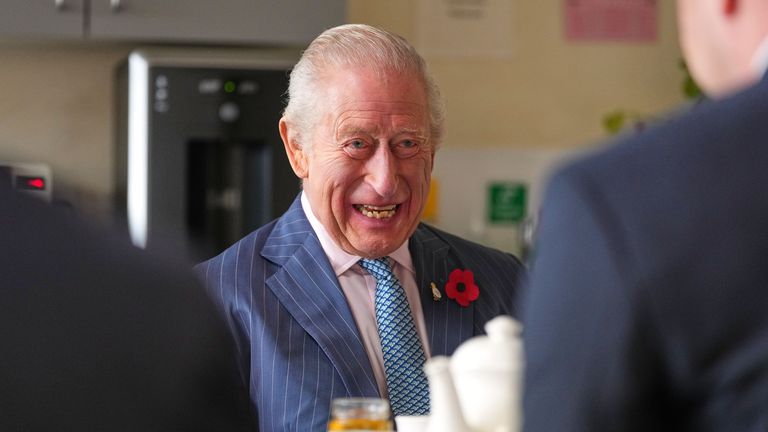
The King has shared in a television address that, thanks to early diagnosis, his cancer treatment can be reduced in the new year.
In a televised address, Charles said his “good news” was “thanks to early diagnosis, effective intervention and adherence to doctors’ orders”.
“This milestone is both a personal blessing and a testimony to the remarkable advances that have been made in cancer care in recent years,” he added.
“Testimony that I hope may give encouragement to the 50% of us who will be diagnosed with the illness at some point in our lives.”
The King announced in February 2024 that he had been diagnosed with cancer and was beginning treatment.
The monarch postponed all public-facing engagements, but continued with his duties as head of state behind palace walls, conducting audiences and Privy Council meetings.
He returned to public duties in April last year and visited University College Hospital Macmillan Cancer Centre in central London with the Queen and discussed his “shock” at being diagnosed when he spoke to a fellow cancer patient.
Sources suggested last December his treatment would continue in 2025 and was “moving in a positive direction”.
The King began returning to public duties in April last year. File pic: PA
The King has chosen not to reveal what kind of cancer he has been treated for. Palace sources have partly put that down to the fact that he doesn’t want one type of cancer to appear more significant or attract more attention than others.
In a statement after the speech aired, a Buckingham Palace spokesperson said: “His Majesty has responded exceptionally well to treatment and his doctors advise that ongoing measures will now move into a precautionary phase.”
Sir Keir Starmer praised the video message as “a powerful message,” and said: “I know I speak for the entire country when I say how glad I am that his cancer treatment will be reduced in the new year.
“Early cancer screening saves lives.”
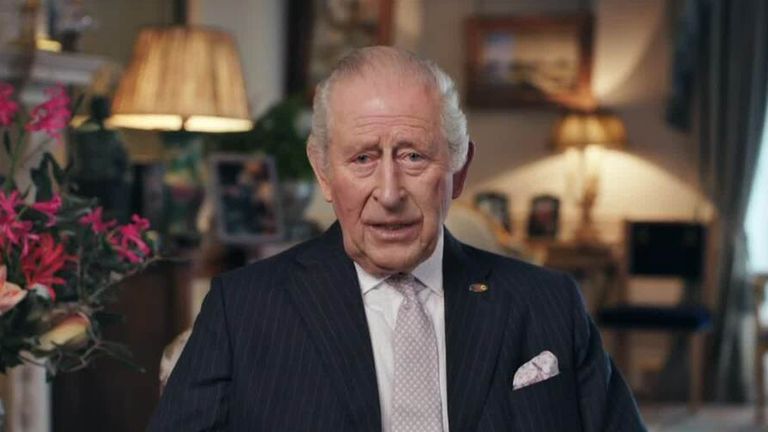
Watch: King Charles gives update on treatment
Early detection can give ‘the precious gift of hope’
His message on Friday was broadcast at 8pm in support of Stand Up To Cancer, a joint campaign by Cancer Research UK and Channel 4.
In an appeal to people to get screened for the disease early, the King said: “I know from my own experience that a cancer diagnosis can feel overwhelming.
“Yet I also know that early detection is the key that can transform treatment journeys, giving invaluable time to medical teams – and, to their patients, the precious gift of hope. These are gifts we can all help deliver.”
Charles noted that “at least nine million people in our country are not up to date with the cancer screenings available to them,” adding: “That is at least nine million opportunities for early diagnosis being missed.
“The statistics speak with stark clarity. To take just one example: When bowel cancer is caught at the earliest stage, around nine in ten people survive for at least five years.
“When diagnosed late, that falls to just one in ten. Early diagnosis quite simply saves lives.”
Minor inconvenience of screening ‘a small price to pay’
The King acknowledged that people often avoid screening “because they imagine it may be frightening, embarrassing or uncomfortable”. But, he added: “If and when they do finally take up their invitation, they are glad they took part.
“A few moments of minor inconvenience are a small price to pay for the reassurance that comes for most people when they are either told either they don’t need further tests, or, for some, are given the chance to enable early detection, with the life-saving intervention that can follow.”
Read more from Sky News:
Christmas tree chopped down hours after lights switch-on
More photos from Epstein’s estate released
Taylor Swift breaks down in tears over Southport attacks
Giving his “most heartfelt thanks” to doctors, nurses, researchers and charity workers, the King added: “As I have observed before, the darkest moments of illness can be illuminated by the greatest compassion. But compassion must be paired with action.
“This December, as we gather to reflect on the year past, I pray that we can each pledge, as part of our resolutions for the year ahead, to play our part in helping to catch cancer early.
“Your life – or the life of someone you love – may depend upon it.”
UK
‘They’re invisible within society’: Whistleblower says asylum seekers disappear ‘daily’ from hotels
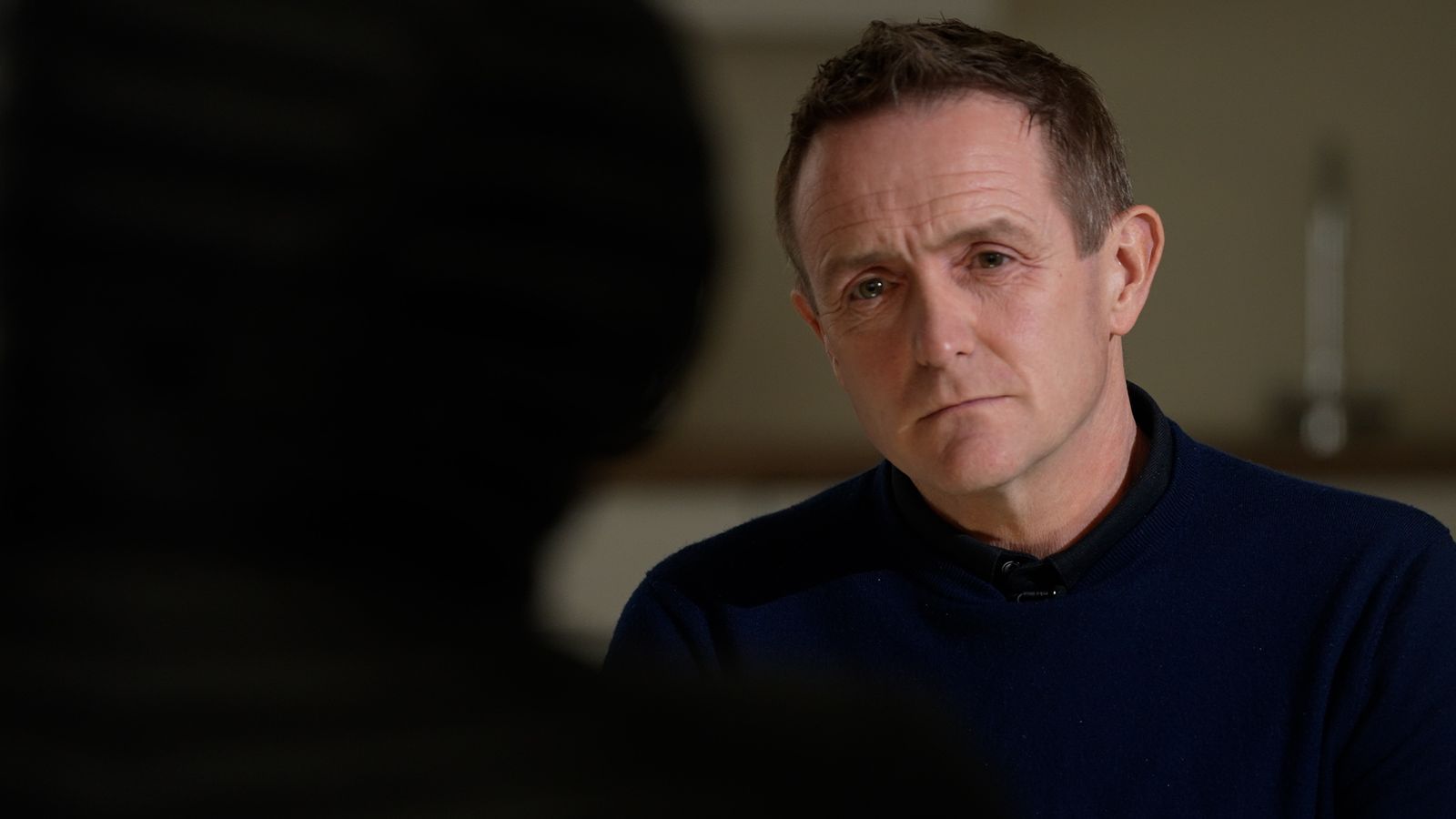
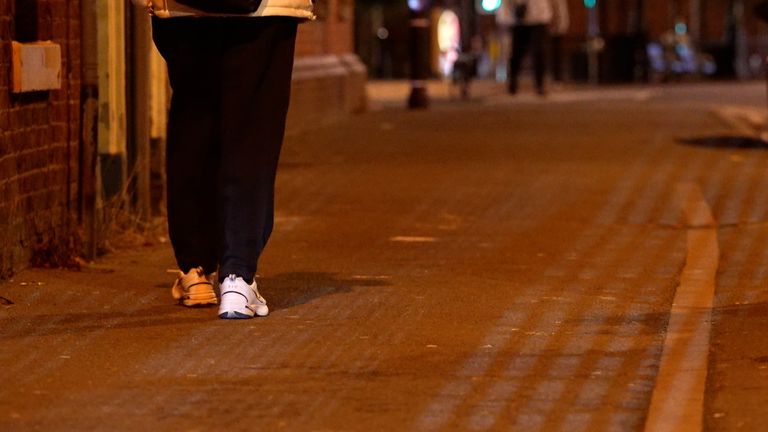
An insider has told Sky News people are still disappearing “daily” from asylum seeker hotels.
In an exclusive interview, the contractor described the chaos he sees within the system as “terrifying” because undocumented people are persistently absconding from hotels.
He spoke to us because he is deeply concerned about the ongoing lack of monitoring at a time when the government has promised to tighten the asylum system.
The man, who we are not naming, works across multiple asylum hotels in one region of England.
“When someone gets to about a week away from the hotel, they’re processed as an absconder,” he said.
“Nothing really happens there. They get marked as ‘left the hotel’ and a notification is sent to the Home Office.
“It’s at least weekly. Most of the time it can be daily.”
The government moved last month to reset its immigration policy by promising to toughen the process for asylum seekers.
The latest figures up to September this year show 36,272 asylum seekers living in hotels.
Failed asylum applicants are given a date to move out by, but they’re not actually picked up by the authorities, the insider says
Overall 110,000 people claimed asylum in the UK between September 2024 and September 2025 – higher than the previous recorded peak of 103,000 in 2002.
The hotel contractor also described to Sky News what he says happens when a resident’s claim for asylum is rejected.
“They get given a date that they need to move out by,” he said.
“You would expect immigration enforcement to go to the hotel to pick these people up. You would expect them to not even be told that they failed their asylum claim.
“You would expect them to just be collected from the hotel… that doesn’t happen.”
He told us that some residents just walk out of the door with no further checks or assistance.
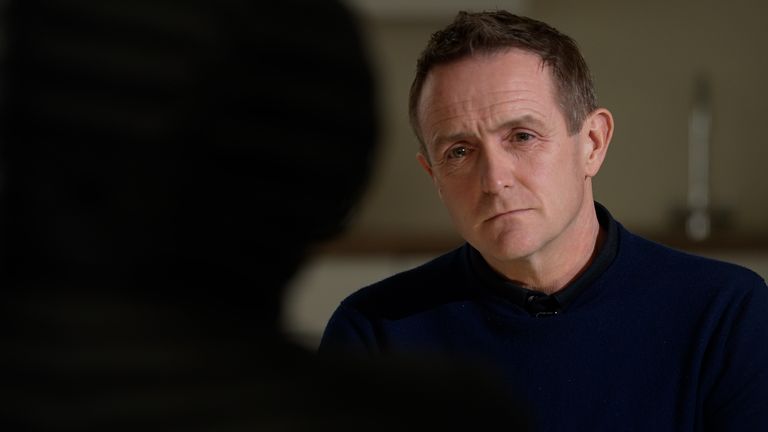
The whistleblower spoke to Sky News’ Tom Parmenter in the exclusive interview
“It must be terrifying for these people as well… ‘what do I do now? I don’t have an address’.
“So what do they do? How do they survive?
“Do they then get forced… to go into an underground world?
“They’re just completely invisible within society.
“For those people to freely be allowed, undetected and unchecked, on the streets of this country is terrifying.”
His account from within the system contrasts with the government’s promises to restore control over the asylum process.
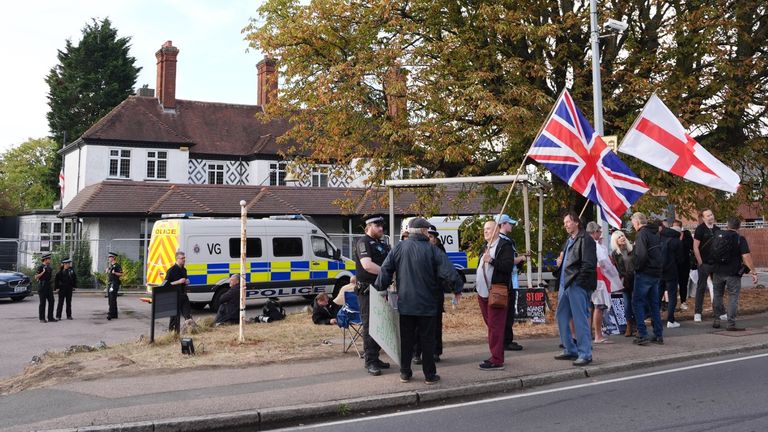
Police and protesters outside the Bell Hotel, Epping, where asylum seekers have been housed. Pic: PA
In response to the interview, a Home Office spokesperson said: “This government will end the use of hotels and have introduced major reforms to the asylum system, to scale up removals of people with no right to be here and address the factors drawing illegal migrants to the UK in the first place.
“Nearly 50,000 people with no right to be in our country have been removed and enforcement arrests to tackle illegal working are at the highest level in recent history.
“A dedicated team in the Home Office works with police, across government and commercial companies to trace absconders. Failure to return to a hotel can also lead to asylum claims and support being withdrawn.”
At a community kitchen in Greater Manchester, organisers told us they regularly see people who are living under the radar – surviving with “cash in hand” jobs.
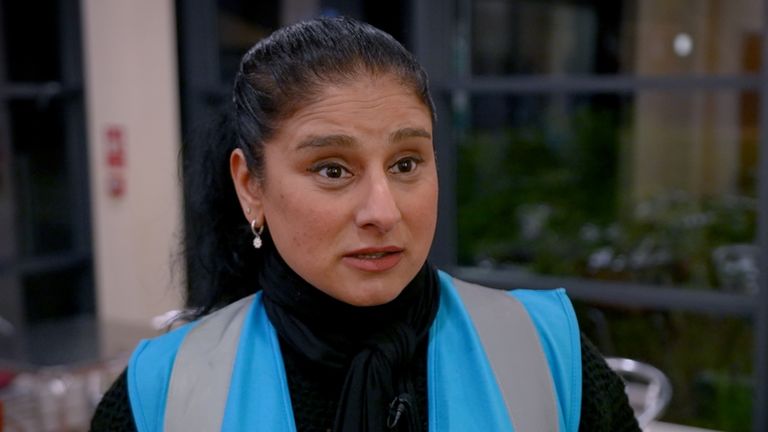
Volunteer Shabana Yunas says the situation is ‘getting worse’ and ‘it is dangerous’
Volunteer Shabana Yunas helps many hungry and desperate people. She also feels the tension it causes in her community.
“People don’t know who they are and I understand a lot of people are afraid… but if there’s those things in place where we can monitor who is around, then everybody can feel a lot safer.
“If people are coming into the UK and we don’t know who they are and they’re just disappearing, crime rates are going to go up, slavery is going to go higher, child exploitation is going to be more exposed.
“They are too afraid to go to the authorities because they are scared of being deported to a country where their lives could be at risk.
“It’s getting worse, it is dangerous and we do need to do something about this where we can support people.”
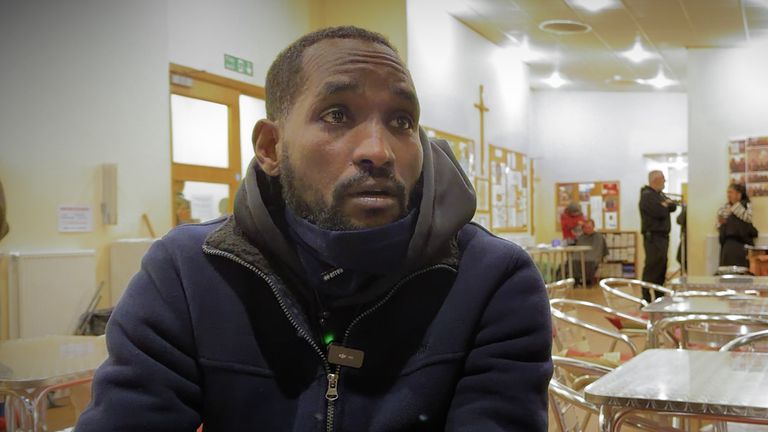
Kitchen volunteer Khalid, from Ethiopia, has had his application for asylum rejected four times
Another volunteer at the kitchen is Khalid.
He arrived in the UK in 2015 having travelled from Ethiopia – he hid on a lorry to get into England.
Read more:
The visa overstayers living under the radar
Stats show rise in asylum seekers being housed in hotels
Britain’s immigration system changes explained
He has applied for asylum and been rejected four times.
He has recently submitted another application and told us political violence at home meant he could not return.
Crucially, he knows plenty of people living off-grid.
“Yeah, they don’t care about what the government thinks, because they already destroyed their life,” he told us.
👉 Listen to Sky News Daily on your podcast app 👈
Although Khalid now has somewhere to stay, he has previously considered turning to crime to give himself the stability of life in prison.
“I was in depression. I was like, I wanna do some criminal and go jail, to stay in a prison.
“Once upon a time, I’d prefer that way.”
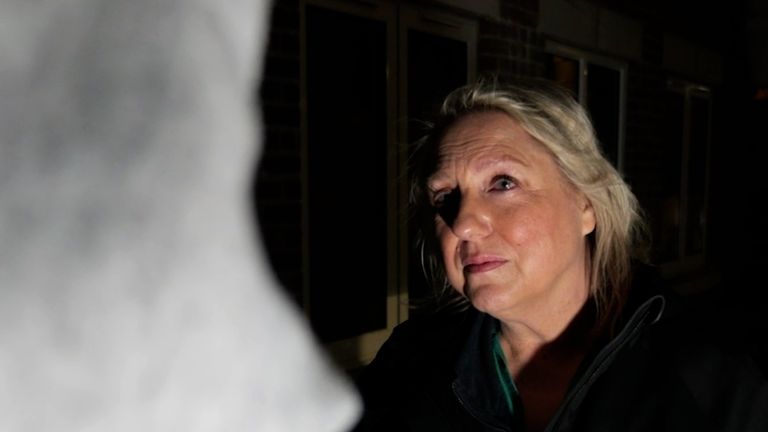
The visa overstayers in ‘soft’ Britain
Khalid is now volunteering to give his life more purpose as he waits for another decision from the Home Office.
He says he doesn’t blame people who think he should be deported back to Ethiopia.
When asked if he should have been, he said: “That is up to Home Office, like up to government.”
Stopping small boats, clearing backlogs, closing hotels, enforcing the rules and restoring faith in the system are all priorities for the Home Office – solving it all is one of the defining challenges for the Starmer government.
-
 Sports2 years ago
Story injured on diving stop, exits Red Sox game
-
 Sports3 years ago
‘Storybook stuff’: Inside the night Bryce Harper sent the Phillies to the World Series
-
 Sports2 years ago
Game 1 of WS least-watched in recorded history
-
 Sports3 years ago
Button battles heat exhaustion in NASCAR debut
-
 Sports3 years ago
MLB Rank 2023: Ranking baseball’s top 100 players
-
Sports4 years ago
Team Europe easily wins 4th straight Laver Cup
-
 Environment3 years ago
Japan and South Korea have a lot at stake in a free and open South China Sea
-
 Environment1 year ago
Here are the best electric bikes you can buy at every price level in October 2024