Connect with us

Published

on

The administrator to Joules, the collapsed fashion retailer, is on the brink of a rescue deal with the South African owner of Phase Eight.

Sky News has learnt that The Foschini Group (TFG) is close to securing an agreement to buy the majority of Joules’ stores and assets.

One source said a deal could be struck as soon as Wednesday afternoon.

If completed, it is likely to see roughly a quarter of Joules’ 132 shops closed, with the loss of “several hundred” jobs.

A more precise figure for store closures and redundancies could not be identified, with Interpath Advisory, the administrator, refusing to comment.

It remains possible that an alternative buyer such as Next or Mike Ashley’s Frasers Group could yet trump TFG’s interest with a last-ditch offer.

TFG, which also owns the women’s fashion brands Hobbs and Whistles, had been in discussions with Joules for several weeks about investing in the business prior to it calling in administrators this month.

More from Business

Based in Market Harborough, Leicestershire, Joules operates a total of 132 stores across the UK, employing over 1,600 people.

Its stores have remained open during the administration process.

Will Wright, head of restructuring at Interpath and joint administrator, said earlier this month that Joules was “one of the most recognisable names on the high street, with a unique brand identity and loyal customer base”.

“We have had an overwhelming amount of interest from interested parties.

“We will be working hard over the days ahead to assess this interest, but at this stage we are optimistic that we will be able to secure a future for this great British brand.”

Joules had been in talks with Next about a strategic investment earlier in the autumn but the two sides were unable to agree the terms of a deal as the smaller company’s share price continued to sink.

It then hired Interpath to consider an insolvency procedure – known as a company voluntary arrangement – that would have allowed it to slash its overheads through store closures, rent reductions and job cuts.

Joules said in August that it was aiming to secure an equity investment of about £15m, after warning that it would deliver a loss bigger than previous market expectations.

It also appointed Jonathon Brown, a former John Lewis and Kingfisher executive, as its new CEO.

Joules has been listed on the London stock market since 2016, having been founded in 1989 when Tom Joule began selling clothes from a country show stall in Leicestershire.

TFG could not be reached for comment.

Continue Reading

Business

Renewables group Venterra lands £40m amid leadership tensions

Published

on

By

Renewables group Venterra lands £40m amid leadership tensions

A renewable energy group founded by the former chief executive of Petrofac, the oilfield services group which collapsed during the autumn, will this week announce a £40m fundraising despite signs of growing tension over its leadership.

Sky News has learnt that Venterra, which was set up four years ago by Ayman Asfari, will unveil the capital injection as early as Monday.

Its backers will include existing shareholders Beyond Net Zero, a fund affiliated with the private equity firm General Atlantic, and First Reserve, another private equity investor.

The fundraising will come amid a challenging climate sweeping through swathes of the renewable energy sector.

While offshore wind remains an important element of the global energy transition, the shifting investment priorities, in part precipitated by Donald Trump’s second term as US president, have resulted in slower growth than anticipated for companies such as Venterra.

One source said there had been growing tensions in recent months over Mr Asfari’s role at the company and its prospects for 2026.

Venterra has already raised a total of £250m in equity since it was formed.

More on Renewable Energy

Read more: Former Petrofac chief seeks £40m for offshore wind group Venterra

Lord Browne, the former BP chief executive, sits on Venterra’s board as a non-executive director representing the Beyond Net Zero investment.

Mr Asfari, who has been a prominent figure in the UK energy services sector for years, stepped down as Petrofac chief in 2023.

Venterra did not respond to emailed enquiries from Sky News.

Continue Reading

Business

Facewatch: The controversial tech that retailers have deployed to tackle shoplifting and violence

Published

on

By

Facewatch: The controversial tech that retailers have deployed to tackle shoplifting and violence

The Christmas period is upon us, and goods are flying off the shelves, but for some reason, the tills are not ringing as loudly as they should be.

Across the country, the five-finger discount is being used with such frequency that retailers are taking action into their own hands.

With concerns about the police response to shoplifting, many are now resorting to controversial facial recognition technology to catch culprits before they strike.

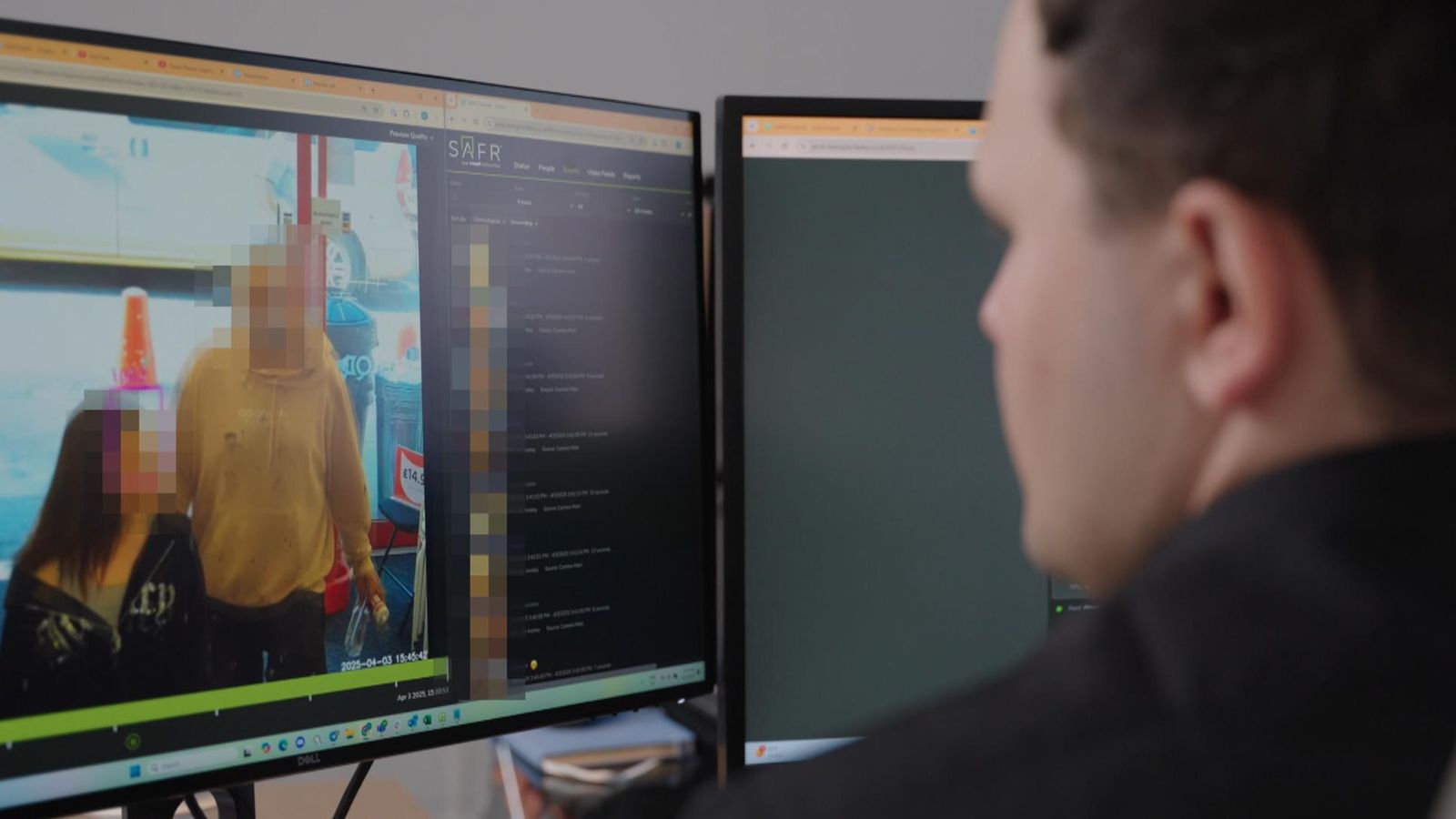
Sainsbury’s, Asda, Budgens and Sports Direct are among the high-street businesses that have signed up to Facewatch, a cloud-based facial recognition security system that scans faces as they enter a store. Those images are then compared to a database of known offenders and, if a match is found, an alert is set off to warn the business that a shoplifter has entered the premises.

It comes as official figures show shoplifting offences rose by 13% in the year to June, reaching almost 530,000 incidents. Figures reported in August showed more than 80% result in no charge.

At the same time, retailers are reporting more than 2,000 cases of violence or abuse against their staff every day. Faced with mounting losses and safety concerns, businesses say they are being forced to take security into their own hands because stretched police forces are only able to respond to a fraction of incidents.
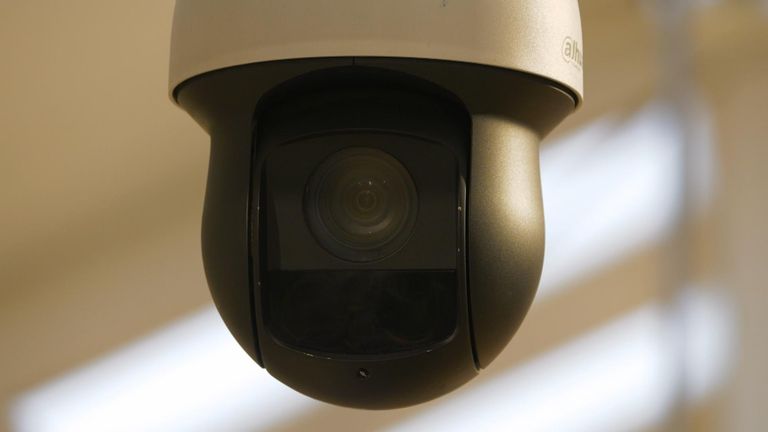
A Facewatch camera
Image:
A Facewatch camera

At Ruxley Manor Garden Centre in south London, managing director James Evans said theft had become increasingly brazen and organised, with losses from shoplifting now accounting for around 1.5% of turnover. “That may sound small, but it represents a significant hit to the bottom line,” he said, pointing out that thousands of pounds’ worth of goods can be stolen in a single visit.

More on Retail

“We have had instances where the children get sent in to do it. They know that the parents will be waiting in the car park and they’ll know that there’s nothing that we can do to stop them.”
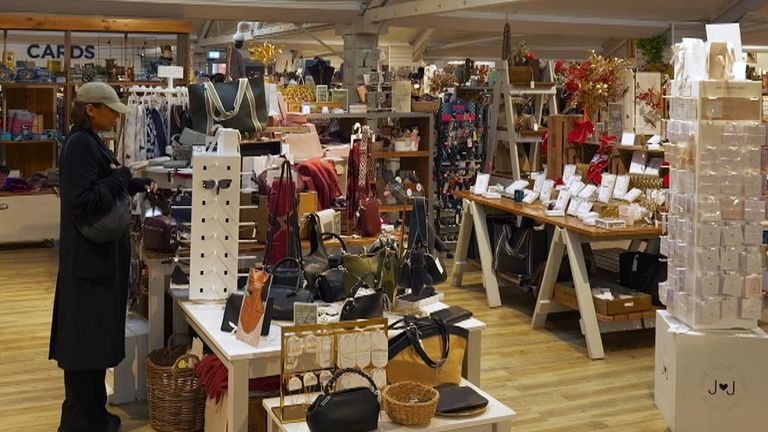
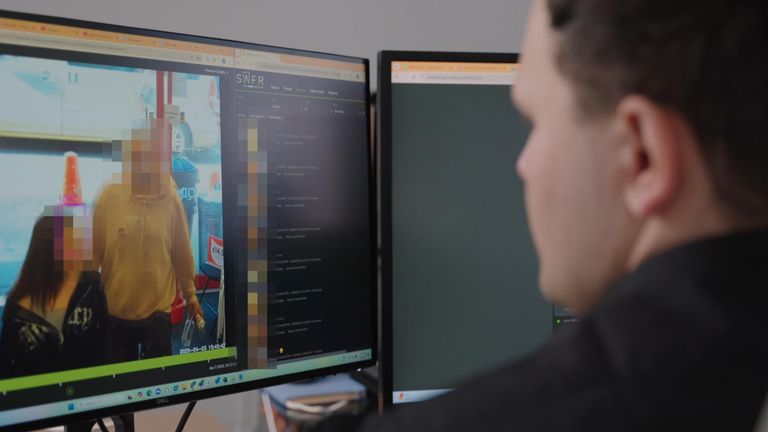
Gurpreet Narwan is seen at the garden centre while being shown how Facewatch works
Image:
Gurpreet Narwan is seen at the garden centre while being shown how Facewatch works

Staff members here have also had their fair share of run-ins with shoplifters. In one case, employees trying to stop a suspected shoplifter were nearly struck by an accomplice in a car. “This is no longer just about stock loss,” said James, “It is about the safety of our staff.”

However, the technology is not without its critics. Civil liberties groups have warned that the expansion of this type of technology is eroding our privacy.

Silkie Carlo, director of Big Brother Watch, called it “a very dangerous kind of privatised policing industry”.
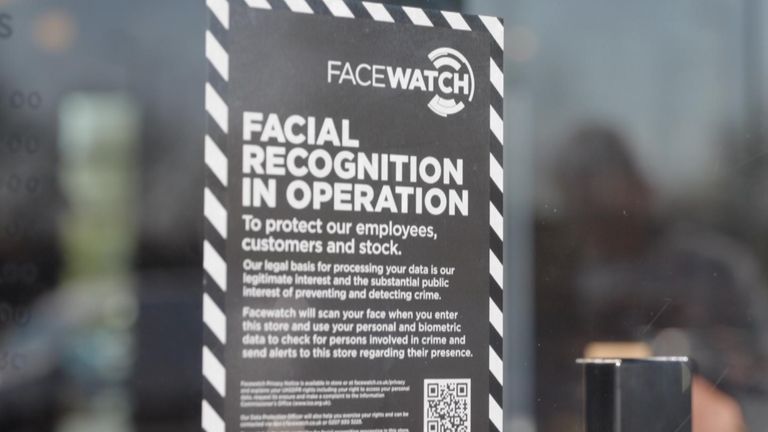
Facewatch is seen in operation as retailers look to crack down on crime.
Image:
Facewatch is seen in operation as retailers look to crack down on crime.

“[It] really threatens fairness and justice for us all, because now it’s the case that just going to do your supermarket shopping, a company is quietly taking your very sensitive biometric data. That’s data that’s as sensitive as your passport, and [it’s] making a judgement about whether you’re a criminal or not.”

Silkie said the organisation was routinely receiving messages from people who said they had been mistakenly targeted. They include Rennea Nelson, who was wrongly flagged as a shoplifter at a B&M store after being mistakenly added to the facial recognition database. Nelson said she was threatened with police action and warned that her immigration status could be at risk.
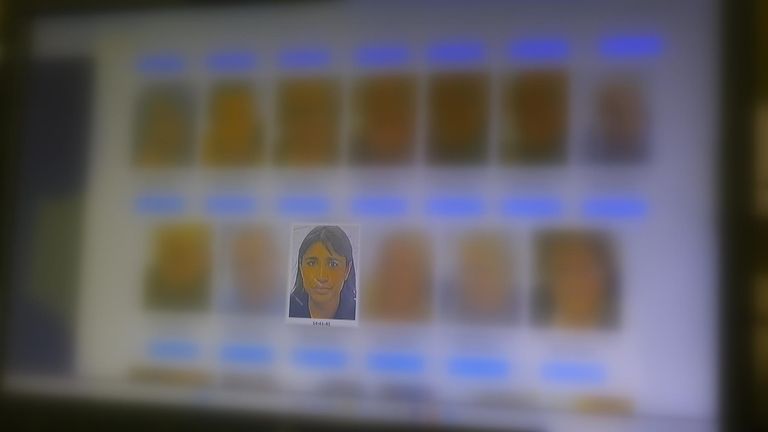
Gurpreet's profile can be seen on the Facewatch database
Image:
Gurpreet’s profile can be seen on the Facewatch database

“He said to me, if you don’t get out, I’m going to call the police. So at that point I turned around and I was like, are you speaking to me? Then he was like yes, yes, your face set off the alarm because you’re a thief… At that point, I was around six to seven months pregnant and I was having a high-risk pregnancy. I was already going through a lot of anxiety and, so him coming over and shouting at me, it was like really triggering me.”

The retailer later acknowledged the error and apologised, describing it as a rare case of human mistake.

Read more:
Elon Musk closer to becoming first-ever trillionaire
William and George help prepare Christmas lunch for the homeless

A spokesperson for B&M said: ‘This was a simple case of human error, and we sincerely apologise to Ms Nelson for any upset caused. Reported incidents like this are rare. Facewatch services are designed to operate strictly in compliance with UK GDPR and to help protect store colleagues from incidents of aggressive shoplifting.”
The cloud-based technology has critics who argue that it amounts to a misuse of personal data and privacy
Image:
The cloud-based technology has critics who argue that it amounts to a misuse of personal data and privacy

Nick Fisher, chief executive of Facewatch, said the backlash was disproportionate.

“Well, I think it’s designed to be quite alarmist, using language like ‘dystopian’, ‘orwellian’, ‘turning people into barcodes’,” he said.

“The inference of that is that we will identify people using biometric technology, hold and store their own, store their data. And that’s just, quite frankly, misleading. We only store and retain data of known repeat offenders, of which it’s been deemed to be proportionate and responsible to do so… I think in the world that we are currently operating in, as long as the technology is used and managed in a responsible, proportionate way, I can only see it being a force for good.”


Rogue retailers exposed in shoplifting crackdown

Yet, there is obviously widespread unease, if not anger, at the proliferation of this technology. Businesses are obviously alert to it, but the bottom line is calling.
Continue Reading

Business

Fashion brand LK Bennett in race for Christmas saviour

Published

on

By

Fashion brand LK Bennett in race for Christmas saviour

The owner of the fashion brand LK Bennett is this weekend racing to find a saviour amid concerns that it could be heading for collapse for the second time in six years.

Sky News has learnt that the clothing chain, which was founded by Linda Bennett in 1990, is working with advisers at Alvarez & Marsal (A&M) on an accelerated sale process.

Industry sources said on Saturday that A&M had begun sounding out potential buyers and investors in the last few days.

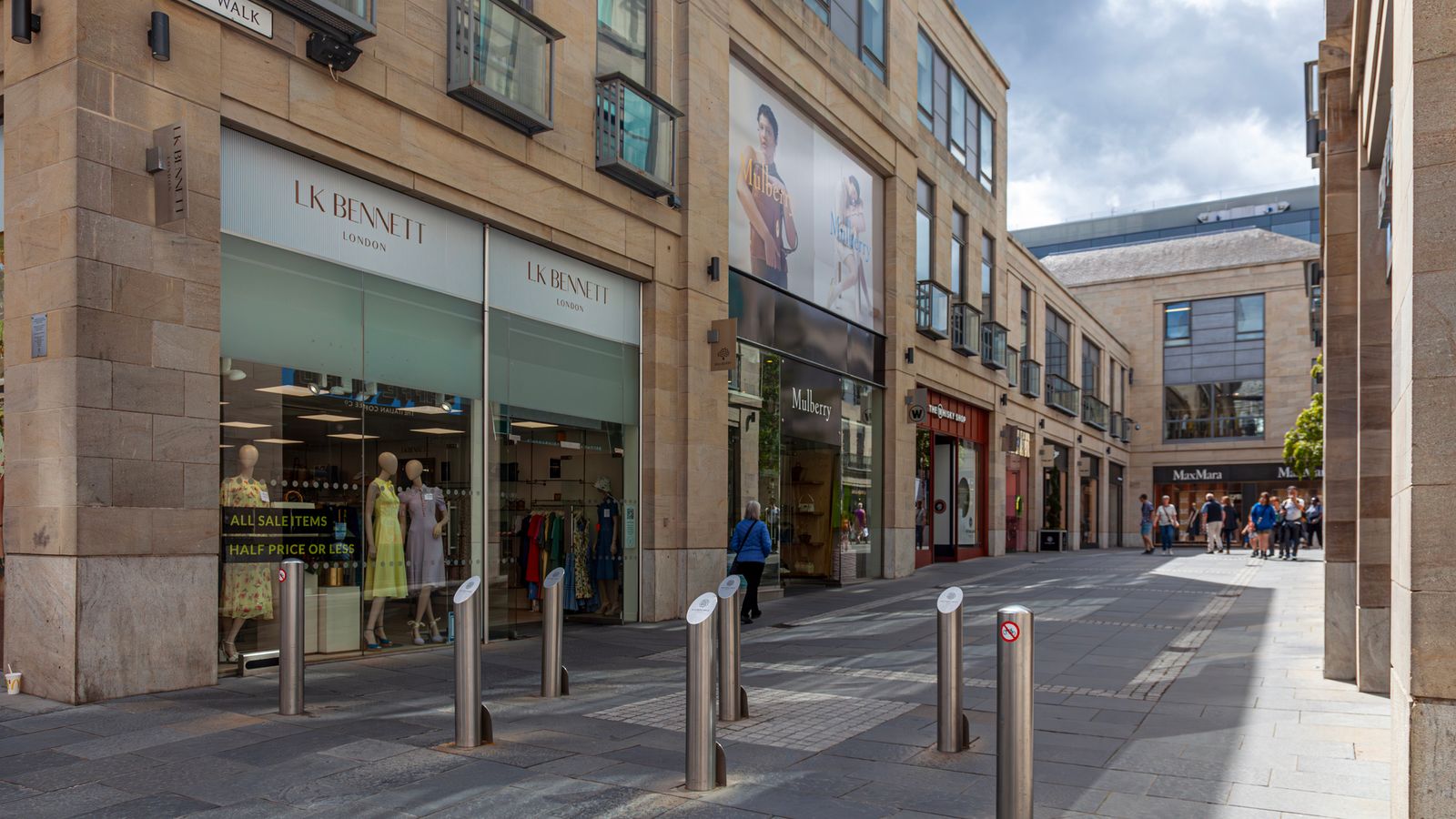
At one stage, LK Bennett was among the most recognisable brands on the high street, expanding to 200 branded outlets in the UK and overseas markets including China, Russia and the US.

In its home market it now trades from just nine standalone stores, with a further 13 listed as concessions on its website.

It was unclear whether a sale of the loss-making brand was likely or whether LK Bennett’s existing backers might be prepared to inject more funding into the business.

Contingency plans for an insolvency are frequently drawn up by advisers drafted in to run accelerated sale processes.

More from Money

The brand is owned by Byland UK, a company established in 2019 for the purpose of rescuing LK Bennett from a previous brush with insolvency.

Byland UK was formed by Rebecca Feng, who ran LK Bennett’s Chinese franchises.

At the time of that deal, Ms Feng said: “Under our plan, the business will continue to operate out of the UK, looking to maintain the long-standing and undoubted heritage of the brand.

“This will be achieved through a combination of working with quality British design, and the business’s existing supply chain.”

Accounts for LK Bennett Fashion for the period ended January 27, 2024 show the company made a post-tax loss of £3.5m on turnover of £42.1m.

The figures showed a steep loss in sales from £48.8m in 2023.

According to the accounts, LK Bennett paid a dividend of £229,000 “at the start of the year when performance was doing well”.

“Given the decline in revenue, the directors do not recommend the payment of any further dividends.”

Ms Bennett founded the eponymous chain by opening a store in Wimbledon, southwest London, in 1990, and promised to “bring a bit of Bond Street to the high street”.

Her eye for design earned her the nickname ‘queen of the kitten heel’ and saw her products worn by the Princess of Wales and Theresa May, the former prime minister.

In 2008, Ms Bennett sold the business for an estimated £100m to a consortium led by the private equity firm Phoenix Equity Partners.

She retained a stake, and then bought back the remaining equity in 2017.

The company’s administration in 2019 resulted in the closure of 15 stores.

It was unclear how many people are now employed by LK Bennett.

LK Bennett has been contacted for comment, while A&M declined to comment.

Continue Reading

Trending