

$300K Cadillac Celestiq, the brand’s second EV, is already sold out for at least a year

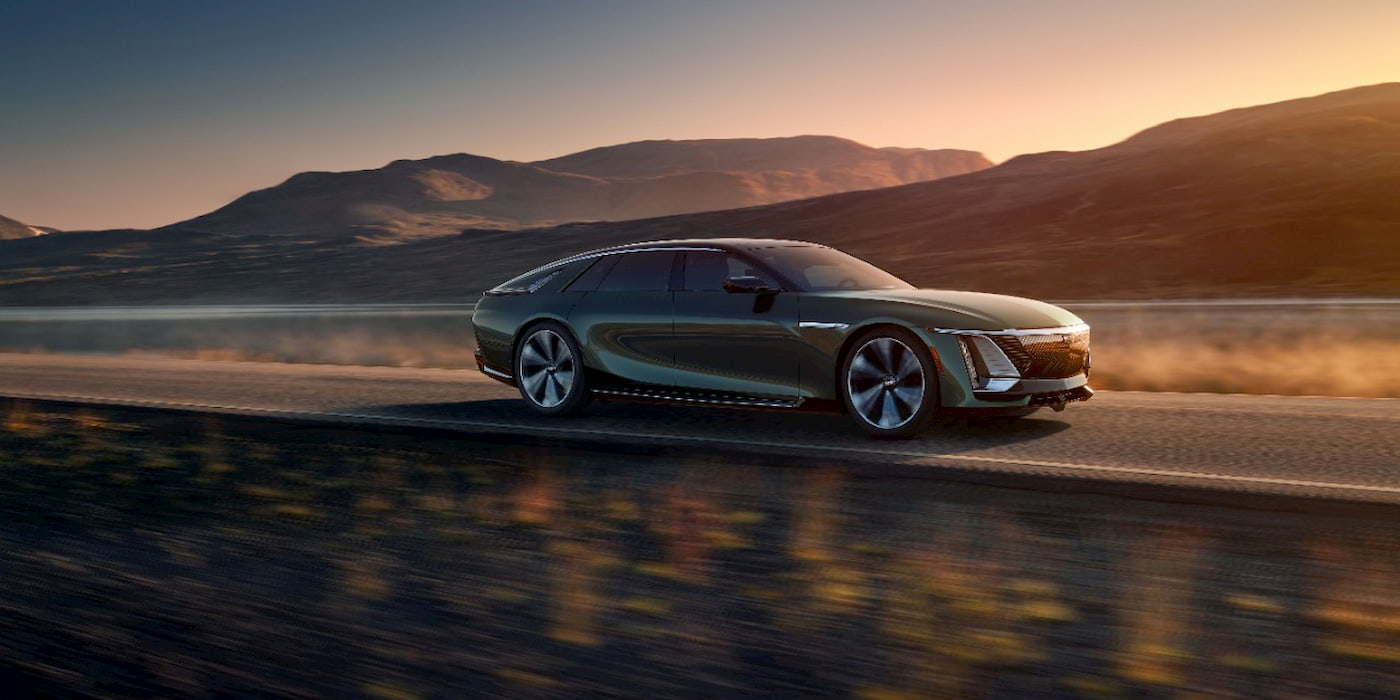
Cadillac’s electric vehicles are generating significant attention, sending shockwaves through the auto industry. The company says its $300,000 Cadillac Celestiq is already sold out through at least 2023.
Cadillac Celestiq sold out for at least 18 months
GM began transitioning Cadillac to an all-electric brand, starting with the Lyriq EV. The Cadillac Lyriq checks all the boxes with over 300 miles of real range, 190kW charging, and a price of around $60,000 (see our full review here).
The new Cadillac EV had drivers lining up at the door, selling out in under 19 minutes, showcasing the demand for luxury electric vehicles.
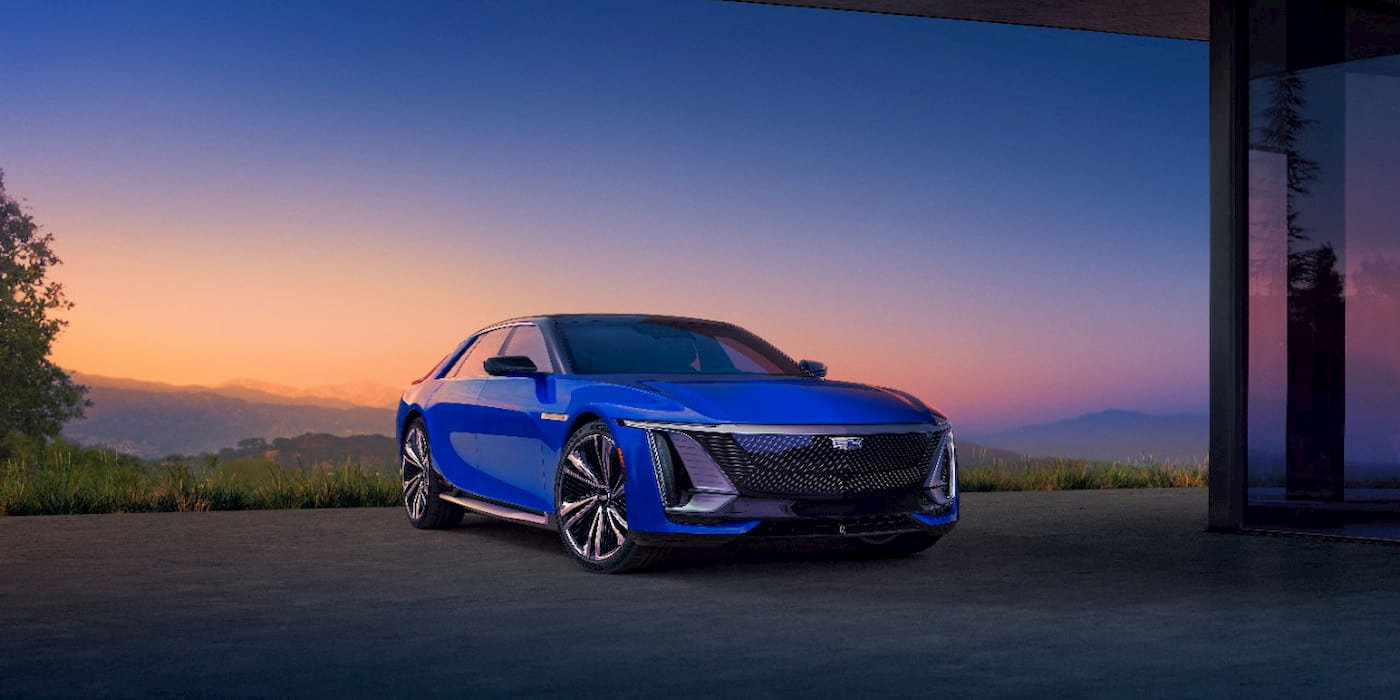
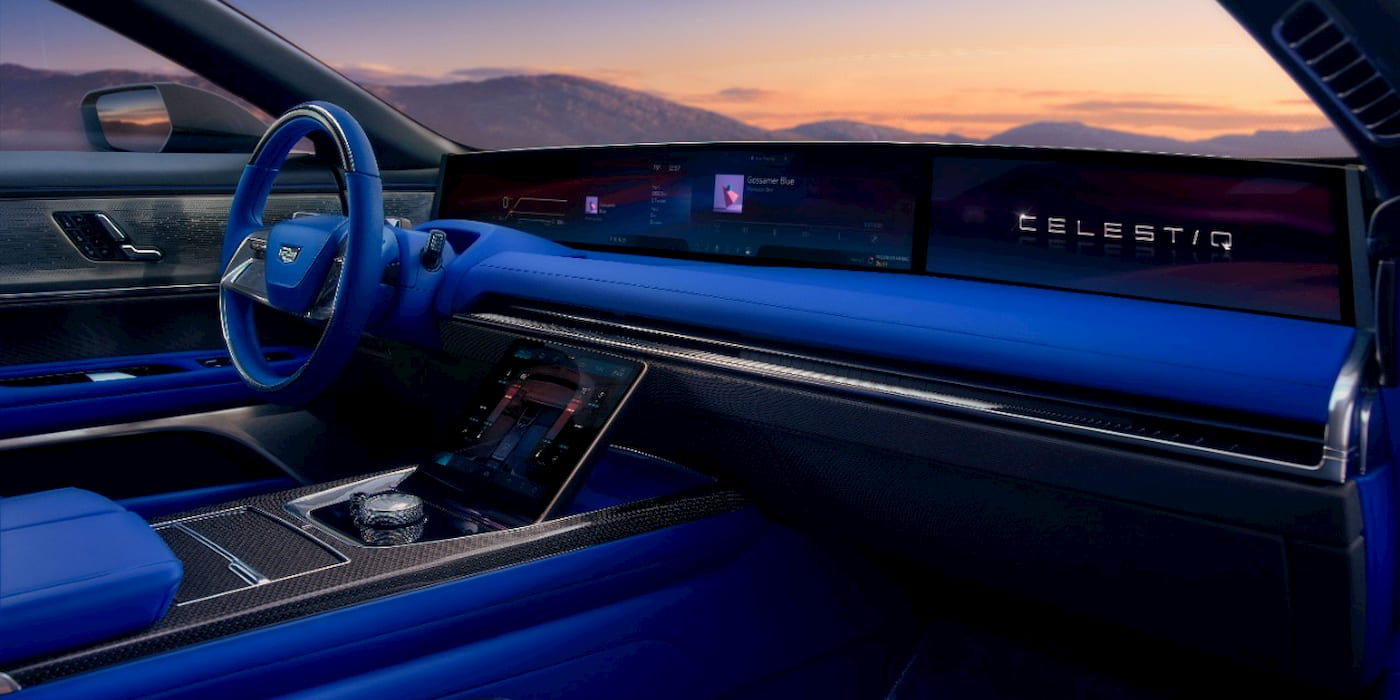
However, Cadillac has been calling its second EV, the Celestiq, its flagship electric vehicle with state-of-the-art features and driver experience. We knew the Cadillac Celestiq would be in the luxury segment, but GM revealed it would, in fact, be an ultra-luxury EV, hand-assembled in low volume.
Cadillac announced in October the price tag for the Celestiq would be upwards of $300,000, with personalized features that can run the price up further.
When General Motors revealed a new hand-built ultra-luxury electric vehicle from Cadillac, many questioned whether it would sell. Tony Roma, the chief engineer behind the Cadillac Celestiq, tells Autoline that the brand’s $300K hand-built EV is already sold out for at least 18 months.
The Cadillac Celestiq will be the first production vehicle built by hand at the GM Global Technical Center in Michigan. While production is slated for December 2023, the ultra-luxury EV is only available by waitlist.
Electrek’s Take
A new electric vehicle release selling out sounds like a broken record at this point, but it’s significant (and telling) for Cadillac’s $300K to generate such high interest.
In China, the leading EV market globally, luxury electric vehicles from startups like Nio, Xpeng, and Tesla are gaining market shares from German ICE vehicles as EV adoption continues accelerating.
The auto industry’s transition is well underway, and drivers are increasingly switching to electric vehicles. Significant advancements over the past few years allow EVs to drive longer, charge faster, and have superior features to their gas-powered counterparts.
The only question people should be asking at this point is not the demand, but why manufacturers are not building more electric vehicles. Cadillac may need to hire additional hands to build its ultra-luxury EV as the demand is only expected to continue climbing from here.
FTC: We use income earning auto affiliate links. More.

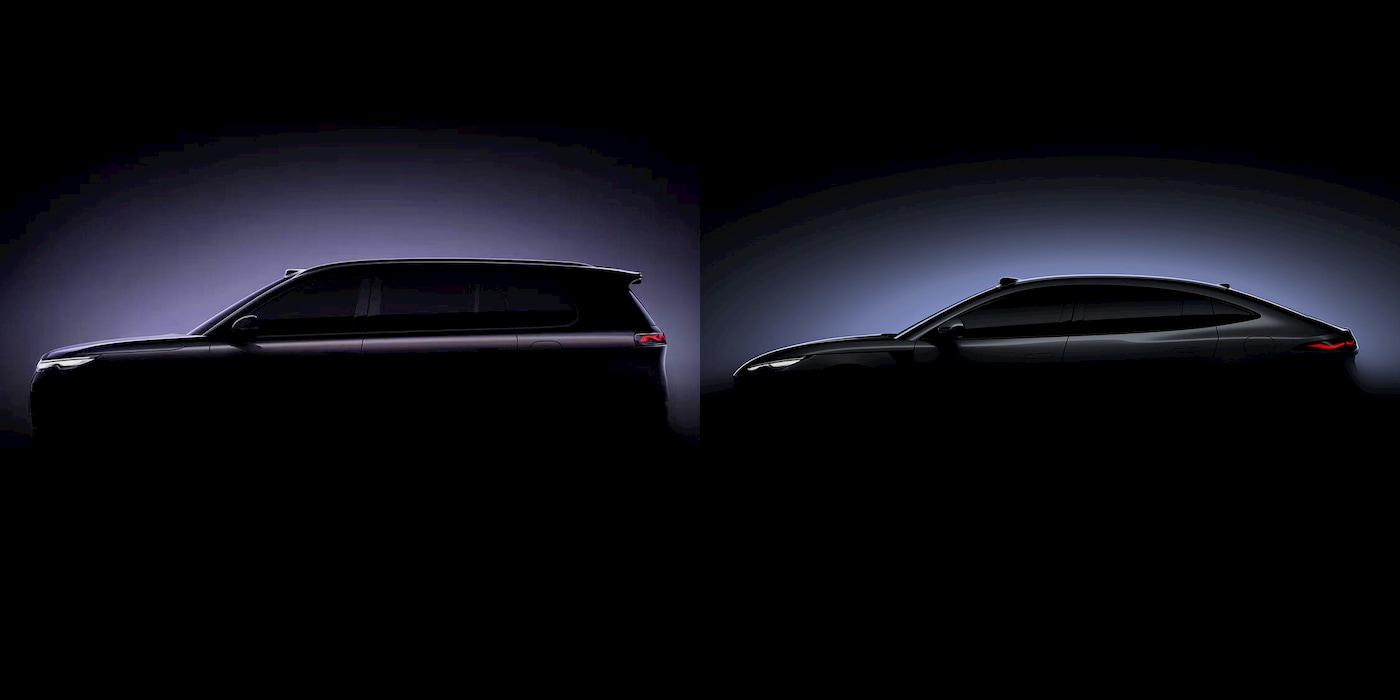
BYD offered a first look at its new flagship electric SUV and sedan, claiming the new EVs redefine high-end standards.
BYD preps to launch new flagship EV sedan and SUV
With over 480,000 new energy vehicles (NEVs) sold in November, BYD is coming off its best sales month of 2025. With new technology and vehicles launching across multiple segments, the company expects momentum to pick up in 2026.
That will include a pair of high-end flagship EVs, the Seal 08 sedan and Sealion 08 SUV. BYD confirmed the names for the first time on Monday alongside teaser images revealing the silhouette of each.
According to CarNewsChina, both models are set to debut in the first three months of 2026 and will feature BYD’s latest tech and software.
Both models are based on the Ocean S concept BYD revealed in April at the Shanghai Auto Show, featuring its latest design theme, Ocean Aesthetic 2.0.
Although China’s MIIT released a sales license for a BYD vehicle named the Seal 08 earlier this year, it launched as the Seal 06 EV this summer.
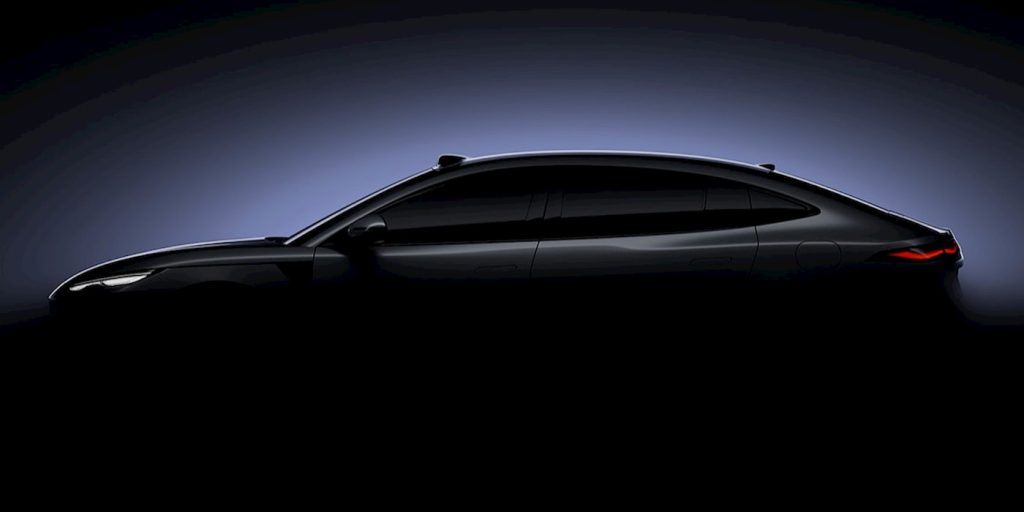
At 4,720 mm long, 1,880 mm wide, and 1,495 mm tall, the electric sedan is about the size of the Tesla Model 3. It’s offered with 46.1 kWh or 56.6 kWh battery packs, delivering a CLTC range of 470 km and 545 km, respectively.
Although BYD has yet to reveal prices or any other details, the Seal 08 is expected to deliver a longer driving range with added power.
Local news outlet 163 claims the new Sealion 08 will be 5,040 mm long, or slightly bigger than the Tesla Model Y-sized Sealion 07 SUV.
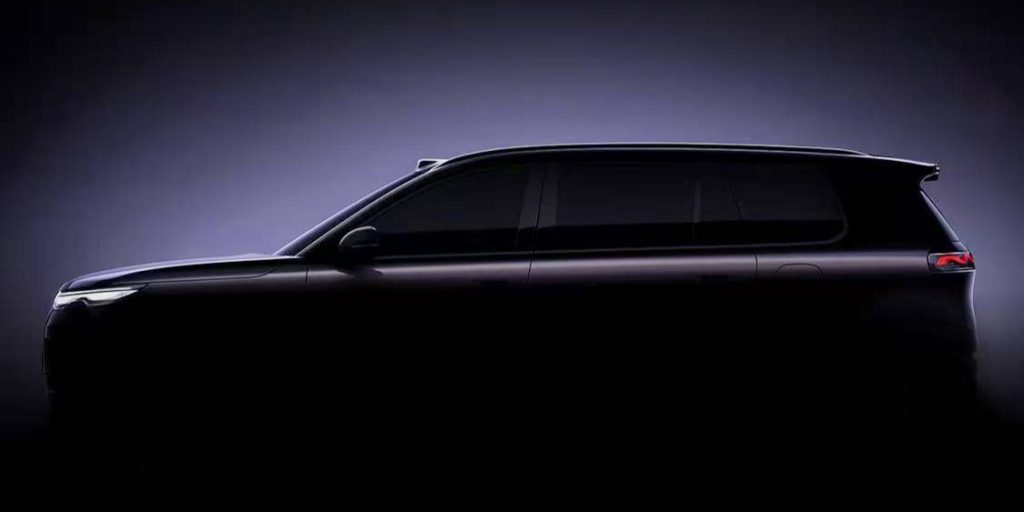
The new flagship SUV and sedan will join other BYD Ocean Series models, including the Seagull, Dolphin, Seal, and Song Plus.
Although November was BYD’s best sales month of the year, growth has slowed in 2025. BYD’s chairman and president, Wang Chuanfu, told investors (via CnEVPost) that the company’s biggest advantage lies in its advanced technologies, including next-gen batteries, smart driving features, charging, and other related EV tech.
“I say our technology isn’t sufficiently advanced now because we have major technological announcements coming, but I can’t disclose details at this time,” Wang said earlier this month.
BYD is also aggressively expanding overseas to drive growth. Last month, BYD’s exports surged 325% with a record nearly 132,000 vehicles shipped overseas.


FTC: We use income earning auto affiliate links. More.
Environment
Velotric Christmas Sale drops Summit 1 e-bike bundle back at $1,799 low, Heybike dual-battery Hauler e-bike at new $999 low, more

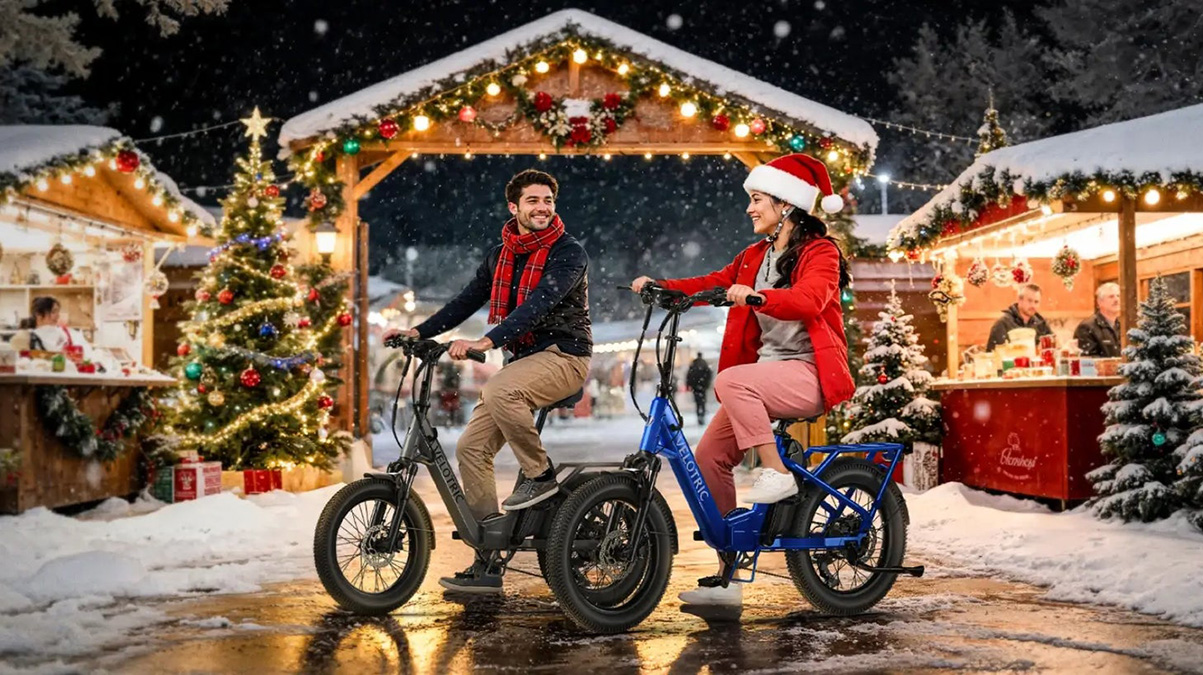
Headlining our Tuesday Green Deals this week is Velotric’s Christmas Gift Season Sale that is not only taking up to $400 off a select number of its e-bikes, but is also offering a FREE $100 gift card with purchases of $2,500 or more. Among the lineup, we spotted the Velotric Summit 1 Versatile Multi-Terrain e-bike with a $160 FREE bundle of gear back at its $1,799 low. Right behind it is Heybike’s Hauler Dual-Battery Cargo e-bike that comes with $89+ in FREE gear/gifts at a new $999 low, as well as Bluetti’s Elite 30 V2 Power Station at $204, an Autel EV Charger at its second-best pricing, and many more Christmas deals waiting for you below. And don’t forget about the hangover deals that are collected together at the bottom of the page, like yesterday’s Hiboy Christmas EV Sale, the latest EcoFlow 48-hour flash sale that ends tonight, and more.
Head below for other New Green Deals we’ve found today and, of course, Electrek’s best EV buying and leasing deals. Also, check out the new Electrek Tesla Shop for the best deals on Tesla accessories.
With its weekend flash sale now over, Velotric has switched gears and has launched its Christmas Gift Season Sale with select e-bike discounts of up to $400, free gifts, and even a free $100 gift card promotion when spending $2,500 or more. Among the small selection of deals, a standout is Velotric’s newer Summit 1 Versatile Multi-Terrain e-bike in a Royal Blue colorway with $160 in FREE gear at $1,799 shipped, matching its Black Friday pricing. This e-bike alone would normally cost $1,999 at full price (and $2,059 with the bundled gear), which we only saw 2025 discounts to $1,899 until Black Friday/Cyber Monday, when this same low price came around for the second time since 2024. Now, you’re getting another chance to score the best tracked price, with $200 cut from the tag and a total $360 savings in all. Head below to learn more about it and the other offers during this Christmas sale.
Coming in as a more affordable all-terrain trekker over Velotric’s premium Nomad 2X e-bike, the Summit 1 e-bike still provides plenty of support, regardless of the terrain you’re venturing across. It arrives equipped with a 750W rear hub motor (that peaks at 1,300W) and a 705.6Wh battery, giving you up to 20/28 MPH top speeds (depending on your laws) and up to 70 miles of PAS-supported travel. While the brand claims that throttle-only riding can continue for up to 60 miles, it’s best to expect less from using pure electric action.
One notable standout among this e-bike’s features is the SensorSwap inclusion, which allows you to utilize both a cadence and torque sensor as you ride after simply switching between them, giving you more versatile support depending on what kind of terrain you’re passing over. Other features include Shimano hydraulic disc brakes and an 8-speed derailleur, Kenda puncture-resistant tires, a light-sensing LED headlight, a brake-activated taillight, Apple Find My security integration, a 2.8 full color display with a USB port, and more.
Velotric Christmas Gift Season Sale offers:
- Fold 1 Step-Thru Folding e-bike w/ FREE $48 bundle: $1,099 (Reg. $1,547)
- 20/28 MPH for up to 55 miles
- Velotric T1 ST Plus Lightweight Urban e-bike w/ FREE $162 bundle: $1,299 (Reg. $2,059)
- 20/28 MPH for up to 70 miles
- Breeze 1 Cruiser e-bike w/ $150 FREE bundled gear: $1,799 (Reg. $1,949)
- 20/28 MPH for up to 70 miles
- Summit 1 Multi-Terrain e-bike w/ FREE $160 bundle: $1,799 (Reg. $2,059)
- 20/28 MPH for up to 70 miles
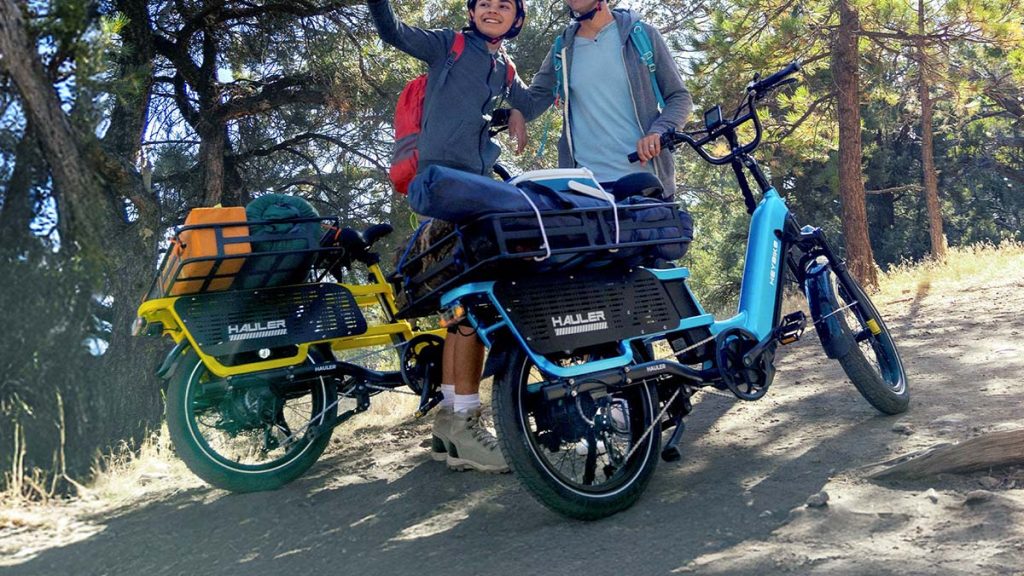
Carry packages, people, more on Heybike’s 85-mile dual-battery Hauler cargo e-bike with FREE gear/gifts at a new $999 low
As part of Heybike’s ongoing Christmas e-bike Sale, which has returned the ALPHA All-Terrain Mid-Drive model back to its lowest price, we also spotted a new cut on the Hauler Dual-Battery Cargo e-bike for $999 shipped and coming with FREE dual rear side baskets ($89 value) and a holiday gift pack. This long-range variant goes for $1,899 outside of sales, which we’ve only seen taken as low as $1,099 previously during the brand’s Black Friday sale. Now, for Christmas, you’re looking at even more savings – $989+ total – that lands it down at a new all-time low price at just $100 more than the single-battery model was before selling out of stock.
If you want to learn more about this long-range e-bike, be sure to check out our original coverage of this new low price here.
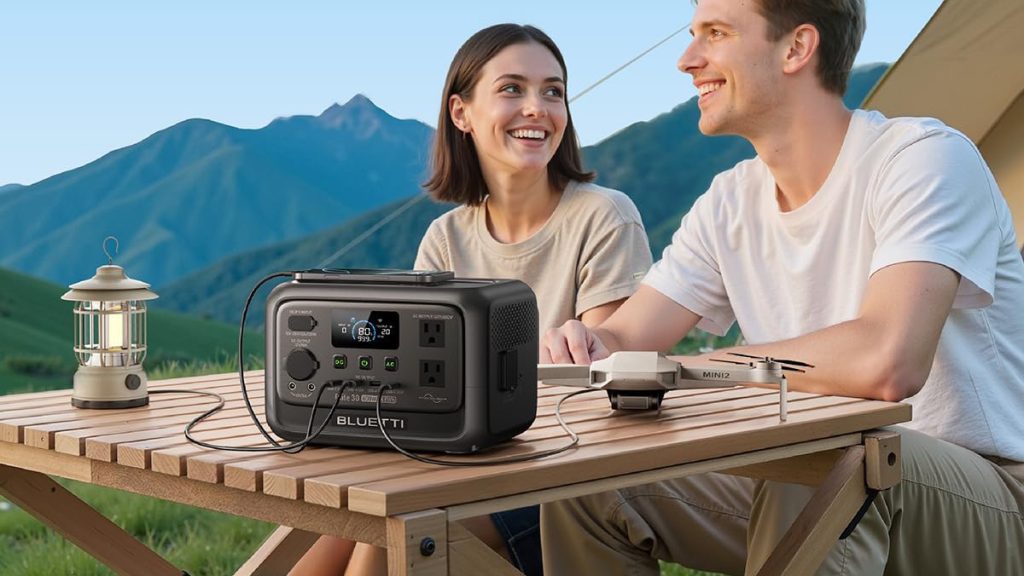
Bluetti Elite 30 V2 288Wh LiFePO4 power station and its many colorways start from $204 and arrive before Xmas
Bluetti’s official Amazon storefront is undercutting the brand’s direct Christmas Sale pricing on its Elite 30 V2 Portable Power Station at $204 shipped in a standard black colorway, while its sand grey and twilight purple colorways are priced higher at $209 shipped – the latter of these deals matching the price directly from Bluetti, where sadly, they are not eligible for the exclusive bonus savings. These stations all carry $304 MSRPs on the direct site, while Amazon starts them off a little lower at $299. Today’s rates are only beaten out by cuts further to $199 and $189 that we’ve sporadically seen, most recently during last month’s Black Friday events, with you still getting solid $95 and $90 markdowns.
If you want to learn more about this power station, be sure to check out our original coverage of this deal here.
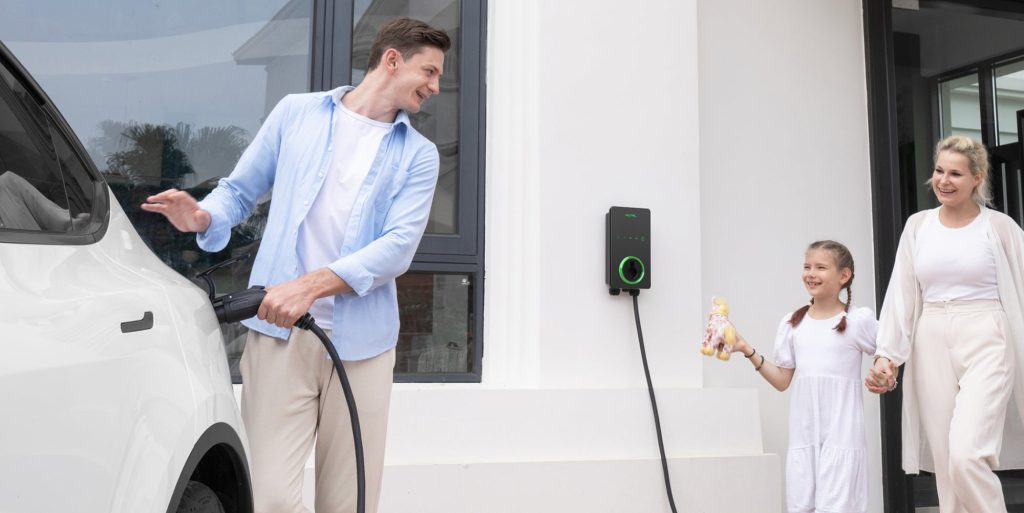
Autel’s MaxiCharger Home 40A level 2 EV charging station arrives ahead of Christmas for $319
Through the official Autel Amazon storefront, you can pick up the brand’s MaxiCharger Home 40A Level 2 EV Charger at $319 shipped, which matches the price directly from the brand. It’s coming down from its $470 full price here with a $151 markdown, landing it at the second-lowest rate we have tracked – just $8 above the low we spotted during July’s Prime Day event. If you want an even more advanced model, you can also currently find the MaxiCharger AC Lite Home 40A Smart AI Level 2 EV Charger with voice controls at this same price – with either of these stations arriving ahead of Christmas for the time being.
If you want to learn more about this EV charging solution, be sure to check out our original coverage of this deal here.
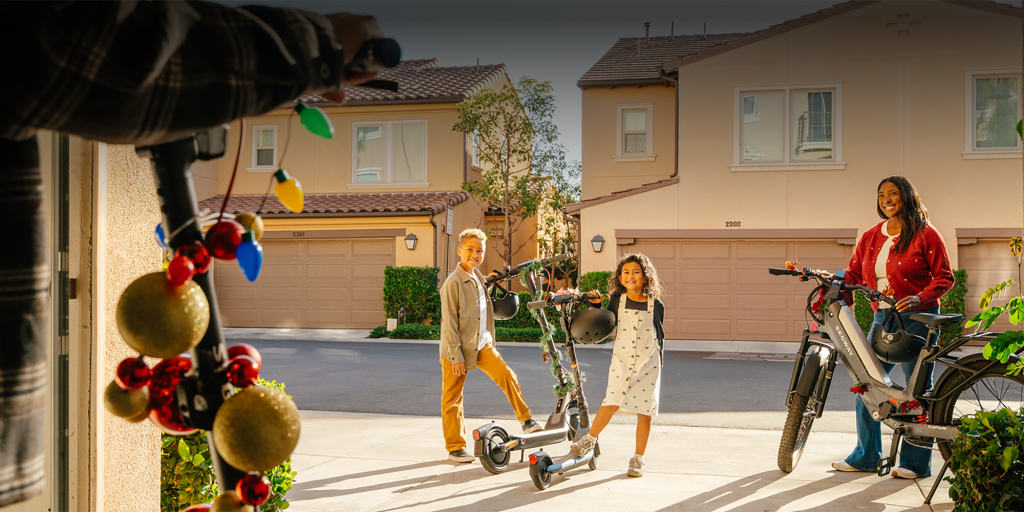
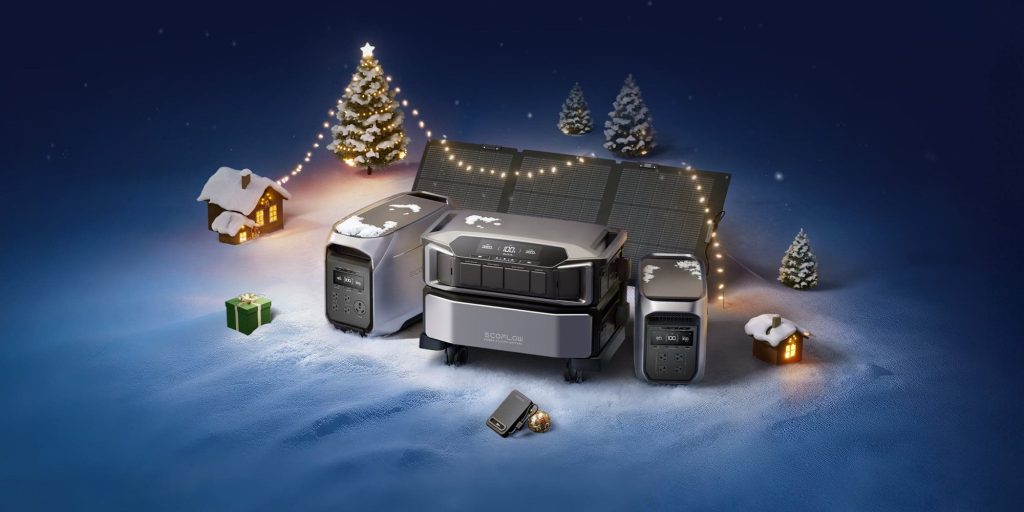

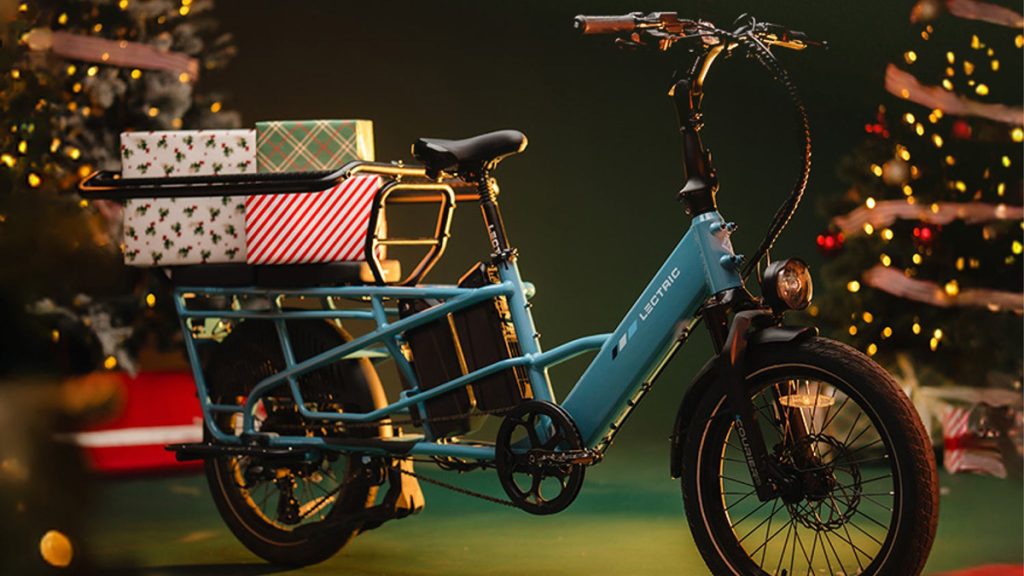
Best Winter EV deals!
- Velotric Nomad 2X e-bike (camo) with DELTA 3 Plus station: $3,048 (Reg. $3,298)
- Velotric Nomad 2X e-bike (sage or fig) with DELTA 3 Plus station: $2,948 (Reg. $3,298)
- Heybike Hero 750W Mid-Drive Carbon-Fiber All-Terrain e-bike: $2,099 (Reg. $3,099)
- Segway Xyber e-bike (at lowest price): $2,900 (Reg. $3,300)
- Lectric XPedition 2.0 35Ah Cargo e-bike w/ $893 bundle: $1,999 (Reg. $2,761)
- Ride1Up TrailRush German Mid-Drive e-bike: $1,995 (Reg. $2,095)
- Heybike Hero 1,000W Carbon-Fiber All-Terrain e-bike: $1,899 (Reg. $2,599)
- Tenways Wayfarer e-bike with $366 bundle: $1,899 (Reg. $2,199)
- Velotric Fold 1 Plus e-bike with DELTA 2 station: $1,898 (Reg. $2,198)
- Segway Xafari e-bike (at lowest price): $1,800 (Reg. $2,400)
- Aventon Aventure 3 Smart All-Terrain e-bike: $1,799 (Reg. $1,999)
- Aventon Aventure 3 Smart Step-Through All-Terrain e-bike: $1,799 (Reg. $1,999)
- Velotric Summit 1 Versatile Multi-Terrain e-bike w/ 160 bundle: $1,799 (Reg. $2,059)
- Lectric XPedition 2.0 26Ah Cargo e-bike w/ $744 bundle: $1,799 (Reg. $2,543)
- Lectric XP Trike2 750 Long-Range eTrike: $1,699 (Reg. $1,799)
- Aventon Level 3 Step-Over Smart Commuter e-bike: $1,699 (Reg. $1,899)
- Aventon Level 3 Step-Through Smart Commuter e-bike: $1,699 (Reg. $1,899)
- Lectric XPeak 2.0 Long-Range Off-Road e-bike: $1,599 (Reg. $1,699)
- Aventon Abound Cargo e-bike: $1,599 (Reg. $1,999)
- Ride1Up VORSA Modular Multi-Use e-bike: $1,595 (Reg. $1,695)
- Lectric XP Trike2: $1,399 (Reg. $1,499)
- Lectric XPeak 2.0 Standard Off-Road e-bike: $1,399 (Reg. $1,499)
- Lectric XPedition 2.0 13Ah Cargo e-bike with $346 bundle: $1,399 (Reg. $1,745)
- Heybike ALPHA All-Terrain e-bike with $266 bundle: $1,299 (Reg. $1,699)
- Lectric XPress 750 Commuter e-bikes with $518 bundle: $1,299 (Reg. $1,817)
- Lectric XP4 750 LR Folding Utility e-bikes with $514 bundle: $1,299 (Reg. $1,813)
- Lectric XP Lite 2.0 JW Black LR e-bike with $350 bundle: $1,099 (Reg. $1,449)
- Heybike Hauler Dual-Battery Cargo e-bike with $89+ bundle (new low): $999 (Reg. $1,413)
- Lectric XP4 Standard Folding Utility e-bikes with $227 bundle: $999 (Reg. $1,226)
- Lectric XP Lite 2.0 Long-Range e-bikes with $350 bundles: $999 (Reg. $1,349)
- Segway ZT3 Pro All-Terrain Electric Scooter: $850 (Reg. $1,000)
- Segway E3 Pro Electric Scooter: $600 (Reg. $700)
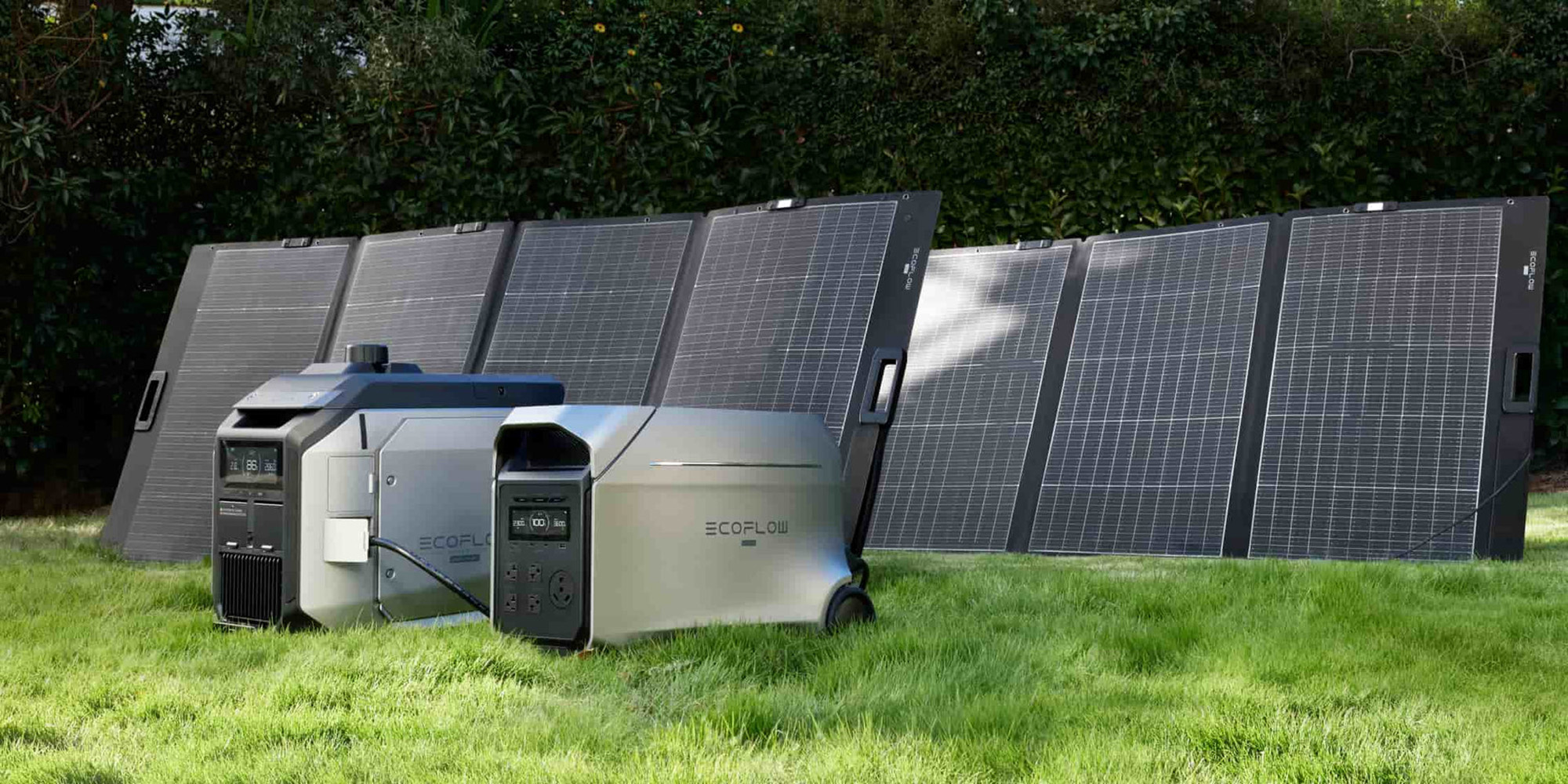
Best new Green Deals landing this week
The savings this week are also continuing to a collection of other markdowns. To the same tune as the offers above, these all help you take a more energy-conscious approach to your routine. Winter means you can lock in even better off-season price cuts on electric tools for the lawn while saving on EVs and tons of other gear.
- Latest EcoFlow Xmas flash sale drops DELTA 3 Ultra Plus 440W solar bundle to new $1,799 low (Save $1,900), more
- Hiboy’s Christmas Sale offers EV commuting solutions at up to 50% off + bonus savings codes – all starting from $150
- Pass lawn mowing to ECOVACS’ Goat O1000 RTK robot while at a new $699 low for Xmas (Reg. $1,000)
- Off-season savings take EGO’s 56V 15-inch rapid reload string trimmer down to $149 annual low ($50 off)
- Save up to $175 on Goal Zero’s compact Yeti 700 or 500 power stations at best prices in months from $375
- Electrified Weekly – Christmas sales from Lectric, Velotric, Rad Power, Anker SOLIX, EcoFlow, Bluetti, and so much more
FTC: We use income earning auto affiliate links. More.


I’ve put over 200 km (125 miles) on Tesla’s latest ‘Full Self-Driving Supervised’ (FSD) v14 update, and I’ve gathered my thoughts in this article.
In short, Tesla FSD v14 is an incremental improvement to the automaker’s advanced driver-assist system (ADAS) and the most impressive Level 2 system available in a consumer vehicle today.
However, it is still far from what Tesla sold to car buyers: unsupervised self-driving.
I briefly tested FSD v14 in a friend’s car when it launched two months ago, but now that I’ve picked up a new Model 3 with HW4, I’ve spent much more time with it and can share more thoughts.
First off, for context, I was already a somewhat heavy user of FSD on my Model 3 with HW3, which is stuck on FSD v12 because the computer has reached its limits. I’ve been using it for years.
With v12, FSD was involved in roughly 80% of my driving – mainly on the highway. I’m a responsible FSD user because I always pay attention to the road and am ready to take control at all times. I do appreciate FSD taking over most of the driving tasks so I can focus on scanning the road.
It tried to kill me a couple of times, but it is something you sign up for when you are basically a beta tester.
I haven’t had a significant update to FSD on my HW3 Model 3 for a year now, as Tesla has focused almost all its efforts on updates to vehicles equipped with the newer HW4 computer and its Robotaxi pilot program in Austin, Texas.
There’s now virtually no hope that Tesla vehicles with HW3 computers (most cars up to 2024) will ever deliver on Musk’s promise of unsupervised self-driving. He has been talking about a computer retrofit to help, but that was almost a year ago, and Tesla still hasn’t offered anything to HW3 owners beyond transferring FSD to a new car with HW4, which is what I reluctantly did.
The latest update, available only to cars with the HW4 (AI4) computer, is called FSD v14, and CEO Elon Musk has been hyping it as “sentient” and “mind-blowing.”
After driving more than 200 km (125 miles) with the FSD v14 update (v14.2.1.25 to be exact), here are my thoughts:
Tesla FSD V14 Pros
We already reported on the new point-to-point features of FSD v14, which now enable you to go from parking to parking only on FSD under the driver’s supervision.
That’s a noticeable improvement that removed a lot of disengagements.
However, that’s more a direct capability added to the system rather than an improvement in actual driving performance, which I’m focused on here.
Coming from v12, I can say with certitude that v14 feels more confident. It drives more like a human. It feels less robotic in its actions. Acceleration and deceleration are smoother.
Obviously, that’s going to depend heavily on the driving mode you choose. Much like v12, I find that the ‘Hurry’ mode is the best suited for me, as I generally like to drive above the speed limit, but not high enough to get a speeding ticket, which the new Mad Max mode would rack up quickly
FSD v14 finally tries to go back into the right lane after passing to the left – although emphasis on the word ‘tries’ as there’s a significant con to that in the next section.
Tesla FSD V14 Cons
The obvious one is: it’s not what Tesla sold to customers, unsupervised self-driving, and I don’t see it becoming that any time soon.
I had plenty of interventions and a couple of disengagements over those ~200 km. Fortunately, none of them were safety-related.
Two disengagements were due to FSD not entering the right lane at the right time. I gave it a chance until the last second, but it kept making me miss my exits or have a car cut me off at the last second, which is not acceptable to me.
From v12, I miss the ability to directly adjust the max speed live with the scroll depending on the situation. I hate it when automakers remove capabilities instead of just adding options.
As I mentioned in the ‘pros’ section, FSD v14 now tries to go back in the right lane after passing someone, something that it would do only half the time for me in v12. However, it only “tries” to do it. Half the time, it flashes its lights and moves to the right before returning to the middle of the left lane for seemingly no reason, even though it appears safe to return to the right lane.
It often does this little dance once or twice before either giving up or successfully moving to the right lane.
Electrek’s Take
My take on FSD has always been that if it were developed by Tesla in a vacuum, it would mostly be celebrated as a great driver-assistance system.
However, the fact that Tesla sold this to customers as something that “has all the hardware to support full autonomy” and will increase in price as the software will improve, until you can eventually go to sleep in the car and wake up at your destination, has changed everything.
Now, not only was Tesla wrong about the hardware and the price, but we also have to compare it to what was promised: unsupervised self-driving.
As long as it is not that, it is a failure. There’s no way around it.
I have a theory on people who are impressed by Tesla FSD v14. Putting aside biased people who are invested in Tesla’s stock, I think people who are impressed fall into one of two categories:
- People who, for whatever reason, are disconnected from Tesla selling FSD as a level 4, unsupervised self-driving system. And doing so since 2016.
- Bad drivers.
There are also people who have never experienced FSD before. For those, it is obviously impressive, but personally, I expected a bigger jump from v12 to v14.
Many people are bad drivers, and they are OK with FSD doing strange things that might confuse or upset other road users. Personally, I can’t accept that. As Tesla makes abundantly clear (in court, less so in its marketing), I’m the one responsible for the car. Therefore, its driving reflects me, and I refused to let it negatively affect other road users.
As for the claim that “no other consumer vehicle can do what Tesla FSD can” and that it is “the best level 2 ADAS,” to me, those points are moot compared to: Does it actually deliver what Tesla sold to customers?
The answer to that is undoubtedly a big fat no.
Can it get there? Of course. On HW4? I have serious doubts.
FSD v14 is “feature complete”. It can perform all the tasks related to driving, but it can’t reliably cover millions of miles without human supervision. It also lacks the redundancy that you need in a system that doesn’t require human supervision.
Maybe it can do it in a small geo-fenced environment with remote monitoring, but that’s not scalable to the customer fleet.
FTC: We use income earning auto affiliate links. More.
-
 Sports2 years ago
Story injured on diving stop, exits Red Sox game
-
 Sports3 years ago
‘Storybook stuff’: Inside the night Bryce Harper sent the Phillies to the World Series
-
 Sports2 years ago
Game 1 of WS least-watched in recorded history
-
 Sports3 years ago
Button battles heat exhaustion in NASCAR debut
-
 Sports3 years ago
MLB Rank 2023: Ranking baseball’s top 100 players
-
Sports4 years ago
Team Europe easily wins 4th straight Laver Cup
-
 Environment3 years ago
Japan and South Korea have a lot at stake in a free and open South China Sea
-
 Environment1 year ago
Here are the best electric bikes you can buy at every price level in October 2024