
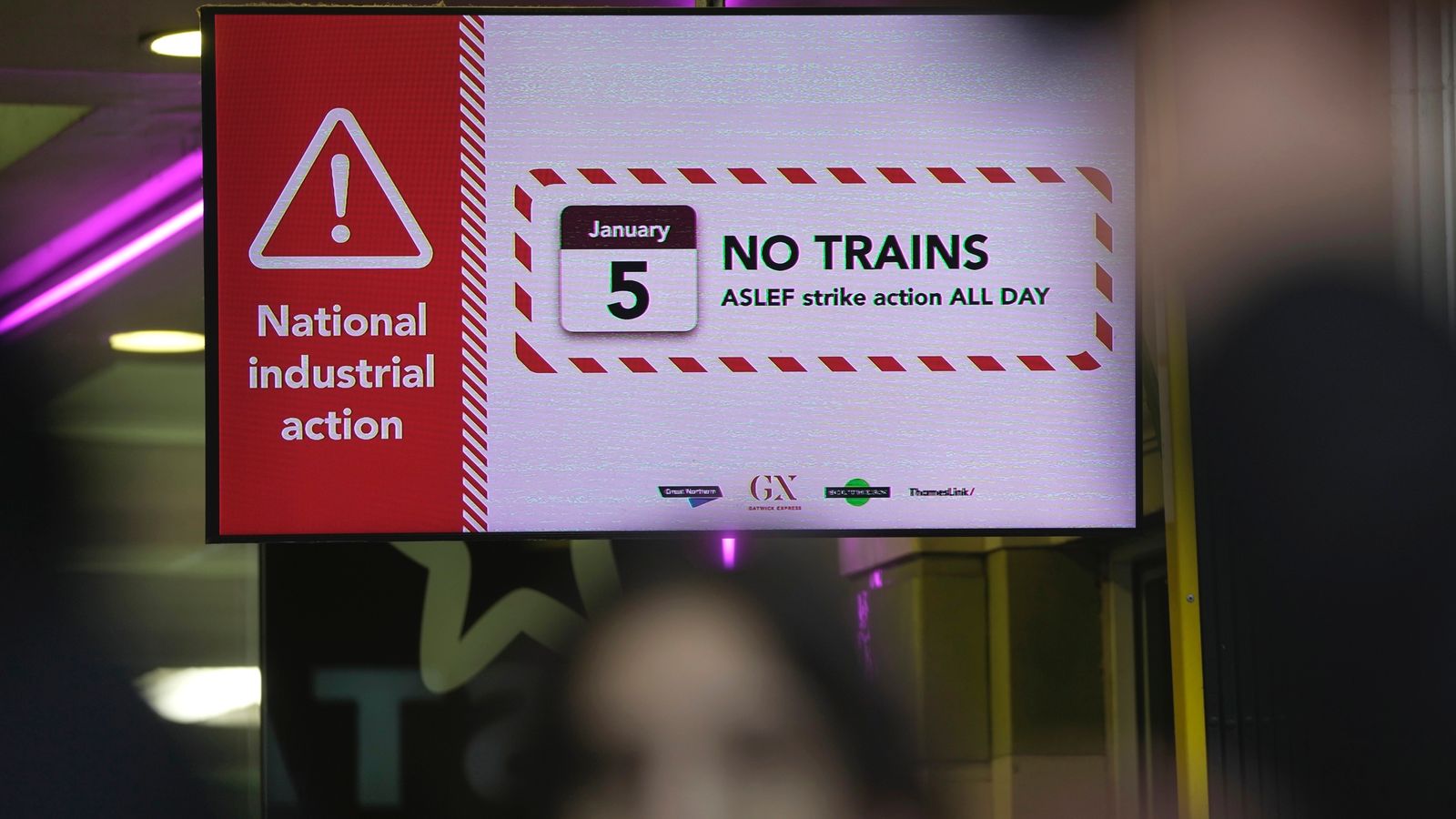
More rail strikes today amid fresh driver walkout – and some areas will have no trains at all

Rail strikes across the UK are set to escalate today as drivers begin a new walkout – meaning some areas will have no trains at all.
Although 48 hours of industrial action by the RMT union has now come to an end, members of the Aslef union are now striking as part of a long-running dispute over pay.
New year, new strikes – who is walking out and when
TUC boss: ‘PM must step up to the plate’
Drivers at 15 rail companies are involved, and here is how commuters will be affected:
• Avanti West Coast, CrossCountry, East Midlands Railway, Northern, Southern, Southeastern, Thameslink and TransPennine Express will run no trains all day
• Rail links to the UK’s two busiest airports will be cut, with Gatwick Express and Heathrow Express shutting down
• Trains will run in Wales, most of Scotland, and on parts of the South Western Railway network
• Services are also going to operate on the London Overground and Elizabeth Line
Overall, it’s estimated that just 20% of normal services will run – with passengers facing a third consecutive day of extensive disruption during the first working week of 2023.
And further strikes are looming, with the RMT set to stage another 48-hour strike on Friday and Saturday.
Analysis: Sunak says public sector pay rises will fuel inflation – economists say they won’t
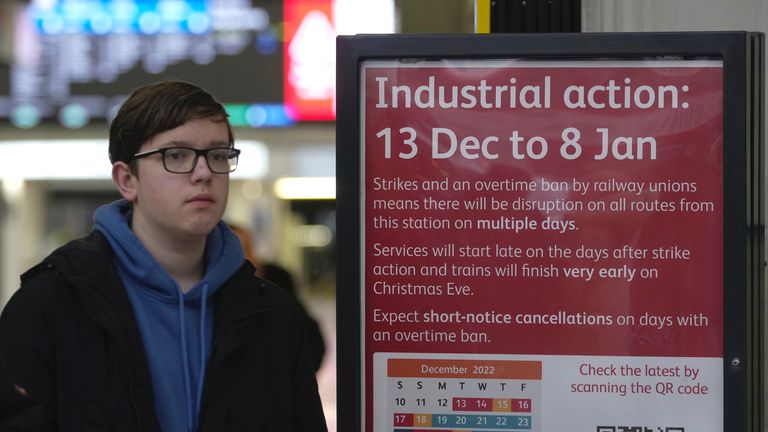
Pic: AP
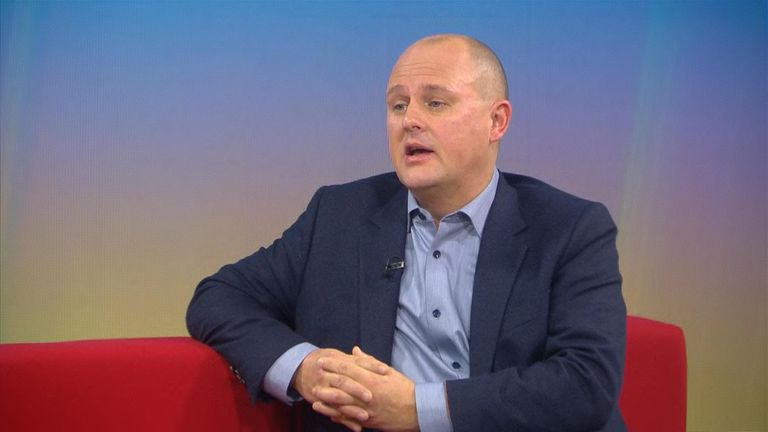
The Aslef union represents train drivers, and its general secretary Mick Whelan has warned that additional walkouts are “inevitable”.
Threatening that strike action could escalate even further, Mr Whelan said: “The situation is getting worse and my members now want to go harder and faster because of the lack of progress.”
He added: “It is inevitable that more strikes will be held and probably escalate.”
Rishi Sunak is considering measures that could allow employers to sue trade unions and sack workers, according to a report in The Times.
It’s claimed that this new law would apply to six sectors: the health service, railways, education, fire services, border security and nuclear energy.
Read more: Union urges Rishi Sunak to ‘step up to the plate’
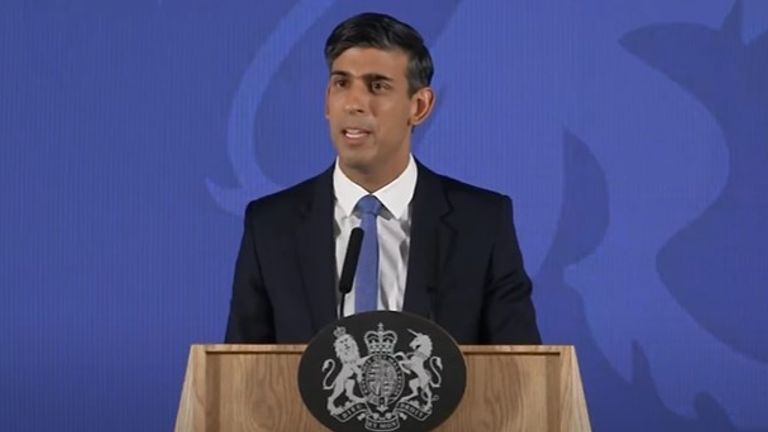
Rishi Sunak makes five promises to UK
The newspaper also suggests that a significant pay rise for public sector workers is also under consideration in an attempt to end the industrial action.
Yesterday, the prime minister insisted that his door is always open, adding: “You’ll hear more from the government in the coming days about our approach.”
And while Mr Sunak said people should have the right to strike, he warned: “That has to be balanced with the right of the British public to go about their lives without suffering undue disruption in the way we’ve seen recently.”
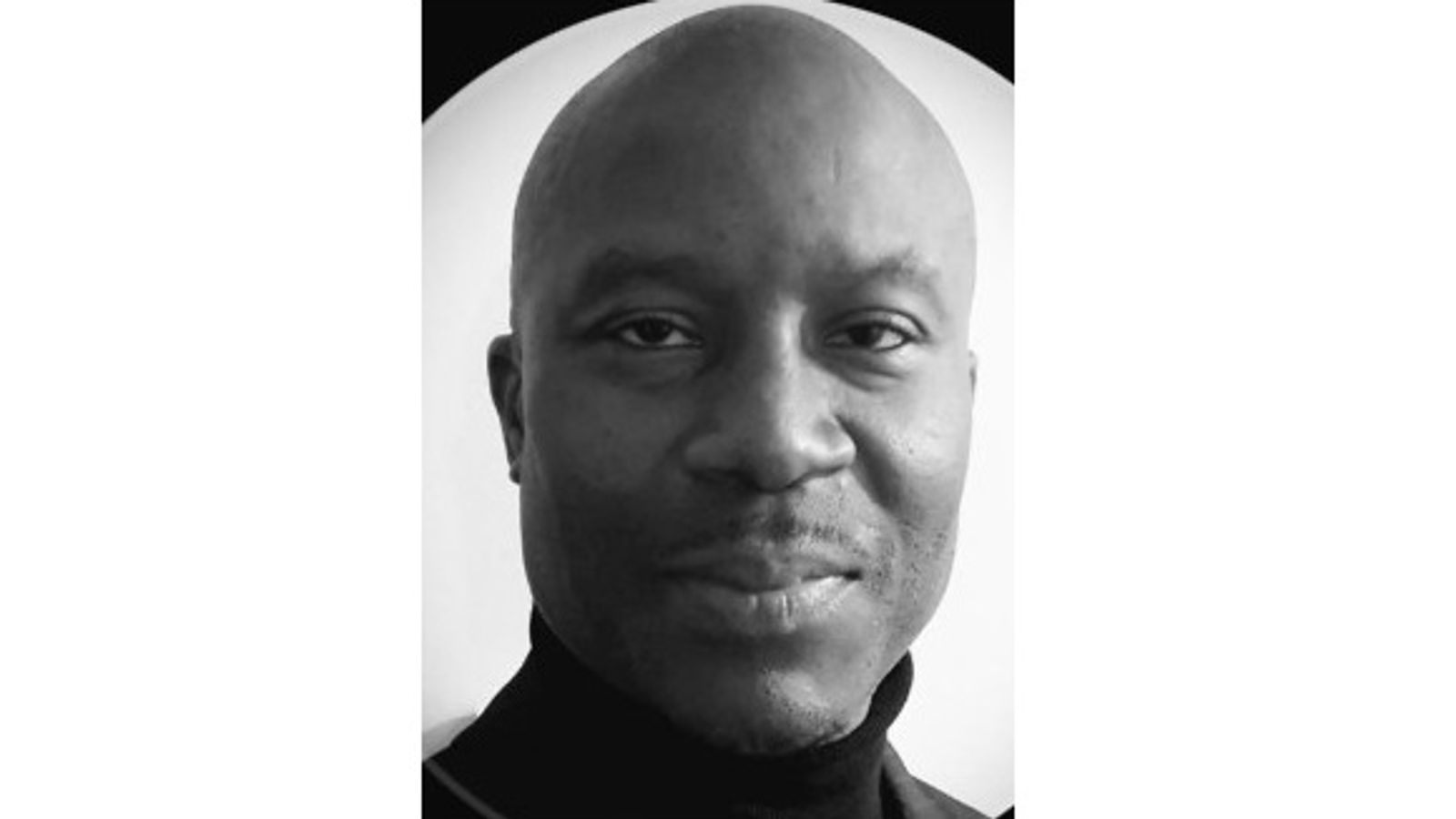
UK
Facewatch: The controversial tech that retailers have deployed to tackle shoplifting and violence
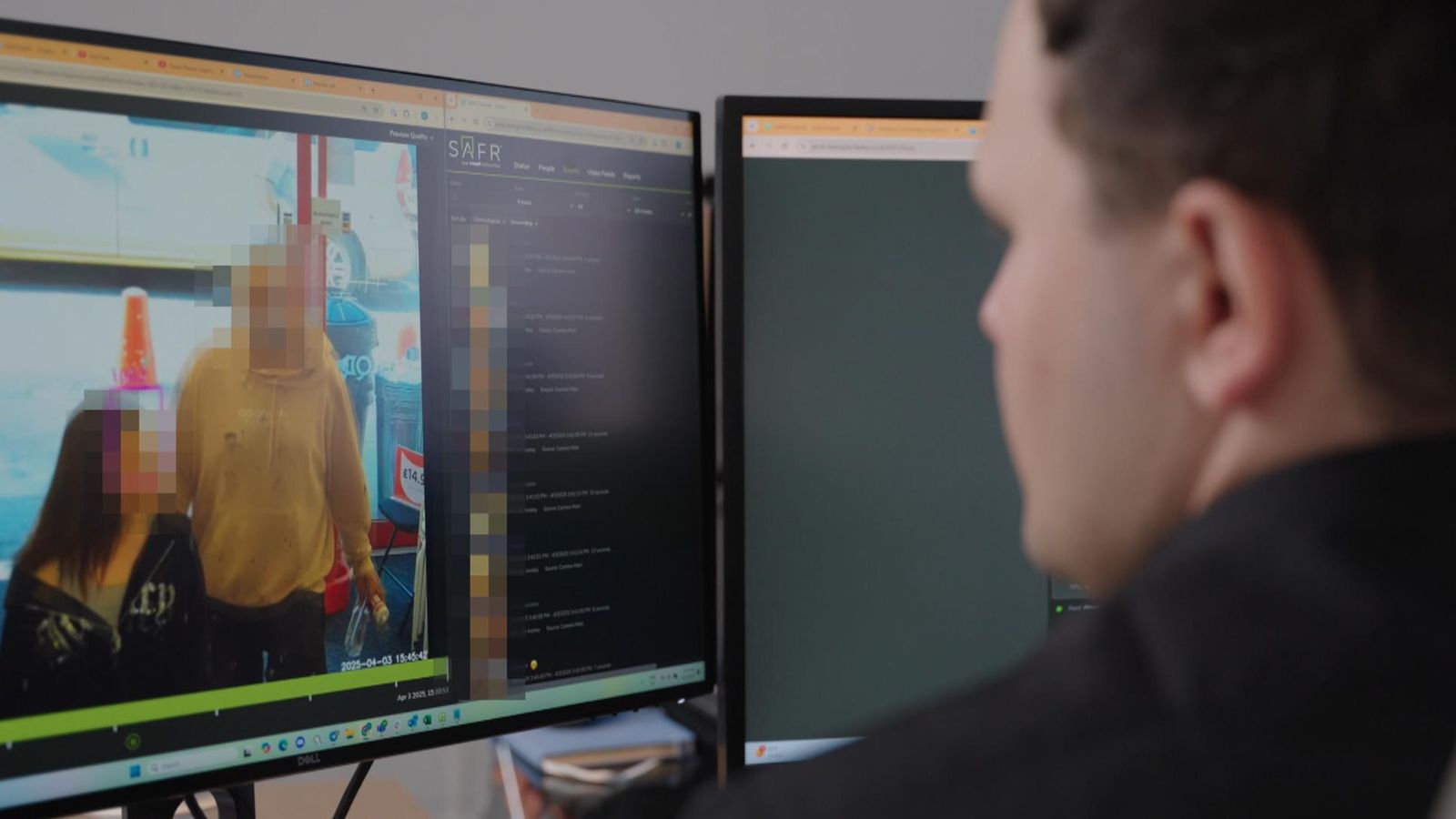
The Christmas period is upon us, and goods are flying off the shelves, but for some reason, the tills are not ringing as loudly as they should be.
Across the country, the five-finger discount is being used with such frequency that retailers are taking action into their own hands.
With concerns about the police response to shoplifting, many are now resorting to controversial facial recognition technology to catch culprits before they strike.
Sainsbury’s, Asda, Budgens and Sports Direct are among the high-street businesses that have signed up to Facewatch, a cloud-based facial recognition security system that scans faces as they enter a store. Those images are then compared to a database of known offenders and, if a match is found, an alert is set off to warn the business that a shoplifter has entered the premises.
It comes as official figures show shoplifting offences rose by 13% in the year to June, reaching almost 530,000 incidents. Figures reported in August showed more than 80% result in no charge.
At the same time, retailers are reporting more than 2,000 cases of violence or abuse against their staff every day. Faced with mounting losses and safety concerns, businesses say they are being forced to take security into their own hands because stretched police forces are only able to respond to a fraction of incidents.
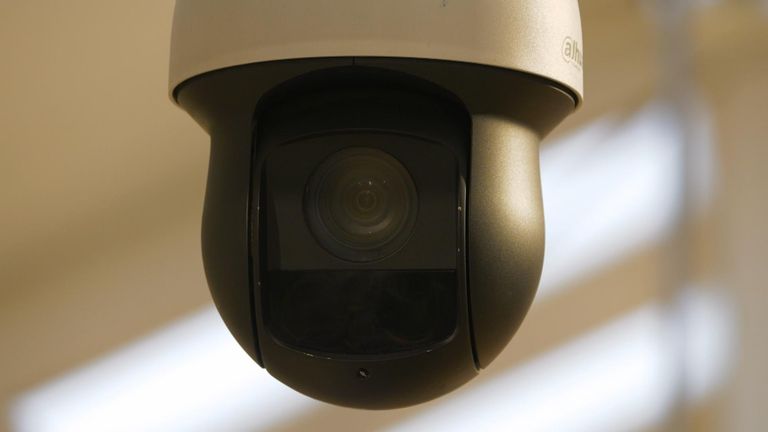
A Facewatch camera
At Ruxley Manor Garden Centre in south London, managing director James Evans said theft had become increasingly brazen and organised, with losses from shoplifting now accounting for around 1.5% of turnover. “That may sound small, but it represents a significant hit to the bottom line,” he said, pointing out that thousands of pounds’ worth of goods can be stolen in a single visit.
“We have had instances where the children get sent in to do it. They know that the parents will be waiting in the car park and they’ll know that there’s nothing that we can do to stop them.”
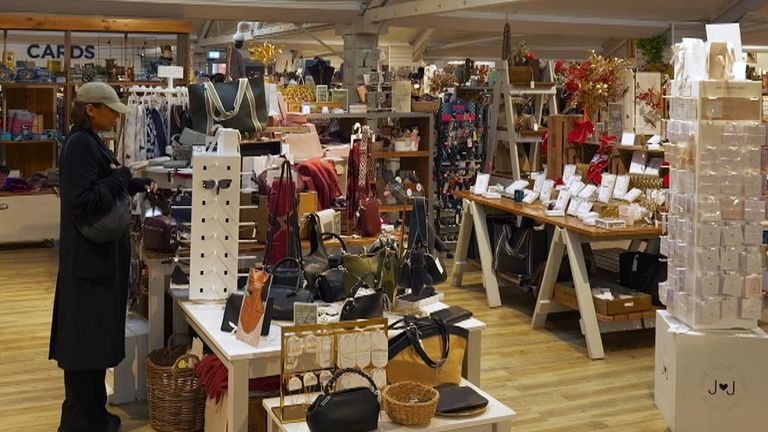
Gurpreet Narwan is seen at the garden centre while being shown how Facewatch works
Staff members here have also had their fair share of run-ins with shoplifters. In one case, employees trying to stop a suspected shoplifter were nearly struck by an accomplice in a car. “This is no longer just about stock loss,” said James, “It is about the safety of our staff.”
However, the technology is not without its critics. Civil liberties groups have warned that the expansion of this type of technology is eroding our privacy.
Silkie Carlo, director of Big Brother Watch, called it “a very dangerous kind of privatised policing industry”.
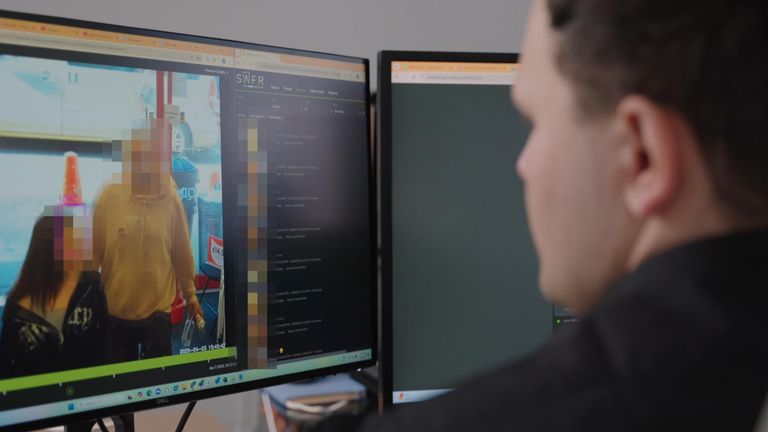
Facewatch is seen in operation as retailers look to crack down on crime.
“[It] really threatens fairness and justice for us all, because now it’s the case that just going to do your supermarket shopping, a company is quietly taking your very sensitive biometric data. That’s data that’s as sensitive as your passport, and [it’s] making a judgement about whether you’re a criminal or not.”
Silkie said the organisation was routinely receiving messages from people who said they had been mistakenly targeted. They include Rennea Nelson, who was wrongly flagged as a shoplifter at a B&M store after being mistakenly added to the facial recognition database. Nelson said she was threatened with police action and warned that her immigration status could be at risk.
Gurpreet’s profile can be seen on the Facewatch database
“He said to me, if you don’t get out, I’m going to call the police. So at that point I turned around and I was like, are you speaking to me? Then he was like yes, yes, your face set off the alarm because you’re a thief… At that point, I was around six to seven months pregnant and I was having a high-risk pregnancy. I was already going through a lot of anxiety and, so him coming over and shouting at me, it was like really triggering me.”
The retailer later acknowledged the error and apologised, describing it as a rare case of human mistake.
Read more:
Elon Musk closer to becoming first-ever trillionaire
William and George help prepare Christmas lunch for the homeless
A spokesperson for B&M said: ‘This was a simple case of human error, and we sincerely apologise to Ms Nelson for any upset caused. Reported incidents like this are rare. Facewatch services are designed to operate strictly in compliance with UK GDPR and to help protect store colleagues from incidents of aggressive shoplifting.”
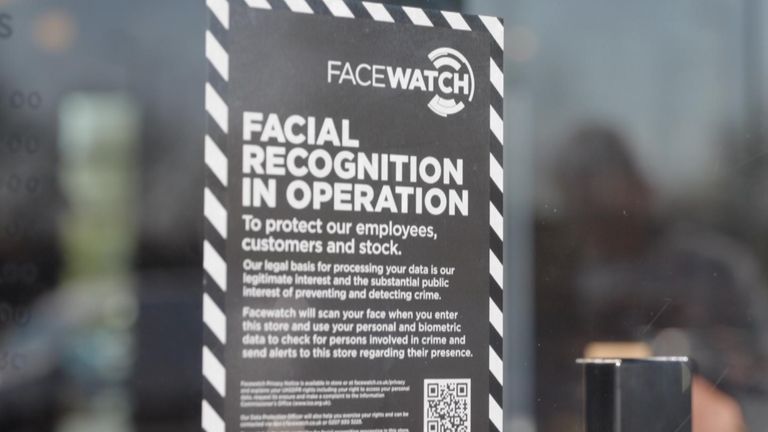
The cloud-based technology has critics who argue that it amounts to a misuse of personal data and privacy
Nick Fisher, chief executive of Facewatch, said the backlash was disproportionate.
“Well, I think it’s designed to be quite alarmist, using language like ‘dystopian’, ‘orwellian’, ‘turning people into barcodes’,” he said.
“The inference of that is that we will identify people using biometric technology, hold and store their own, store their data. And that’s just, quite frankly, misleading. We only store and retain data of known repeat offenders, of which it’s been deemed to be proportionate and responsible to do so… I think in the world that we are currently operating in, as long as the technology is used and managed in a responsible, proportionate way, I can only see it being a force for good.”
Yet, there is obviously widespread unease, if not anger, at the proliferation of this technology. Businesses are obviously alert to it, but the bottom line is calling.
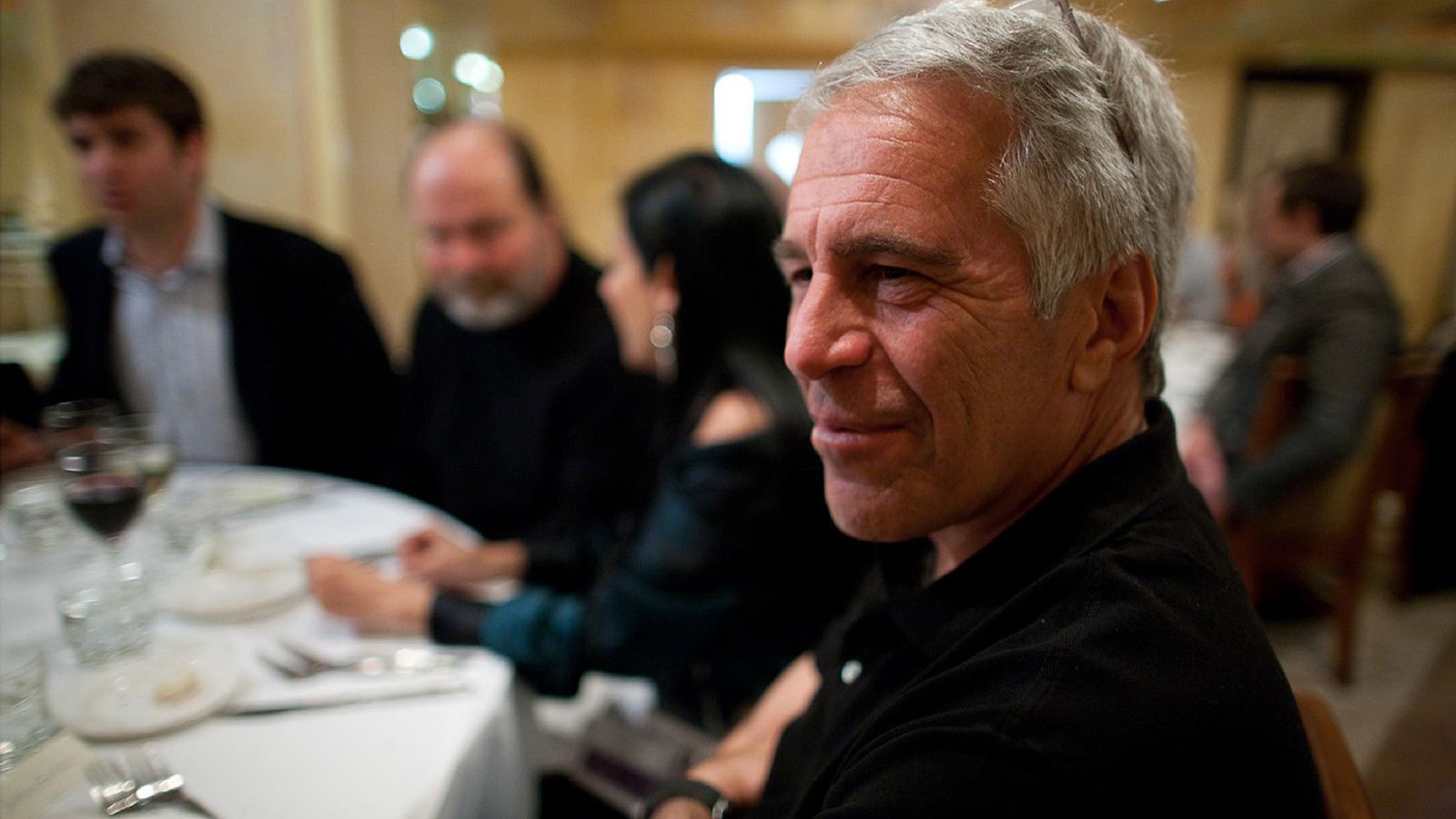
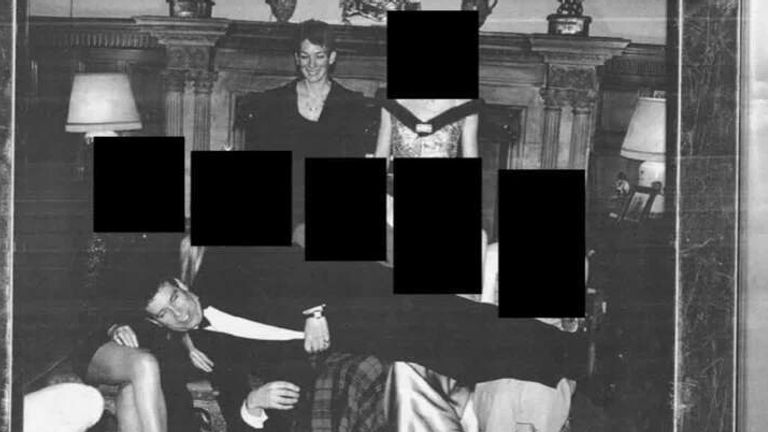
Jeffrey Epstein led two different lives – sex offender and celebrity networker – and he did that in the UK as well as the US.
The newly released Epstein documents reveal, in particular, how the paedophile financier ascended into the highest levels of British society.
This photo of Andrew Mountbatten-Windsor sprawled across the lap of several women, whose identities have been protected, speaks to his close relationship with Epstein’s former girlfriend Ghislaine Maxwell, who was jailed for child sex trafficking and other offences in connection with Epstein. But the furnishings are even more revealing.
Epstein files – latest updates
Andrew Mountbatten Windsor pictured with Ghislaine Maxwell. Note: inclusion in Epstein files does not infer wrongdoing
Sky News matched the fireplace in this photo with the one in Sandringham, the estate where the royals tend to spend Christmas – (Andrew is not invited this year).
Andrew has vigorously denied any accusations against him.
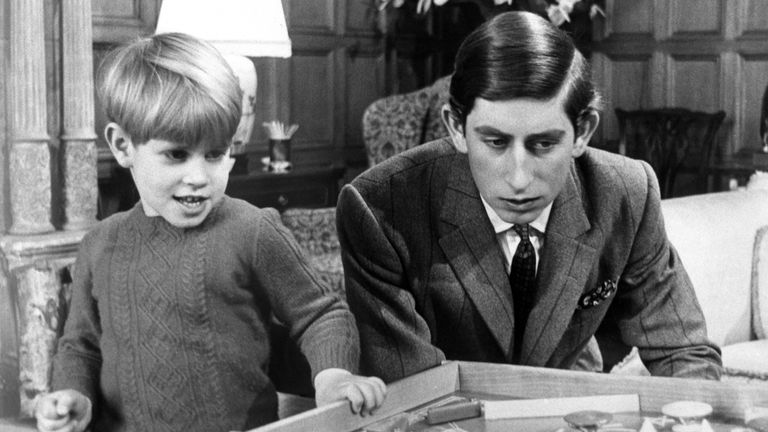
Prince Charles, now King Charles III, at Sandringham with Prince Edward. Pic: PA
Also included in the latest release are Epstein’s flight records. They provide some useful corroborating evidence.

A flight log from the Epstein files
On 9 March 2001, his plane landed at “EGGW” – Luton Airport – with JE, GM and VR on board – Jeffrey Epstein, Ghislaine Maxwell and Virginia Roberts, better known by her married name of Virginia Giuffre and perhaps Epstein’s most famous accuser.
The next day is when this photo was alleged to have been taken, in London, of Giuffre and Andrew.
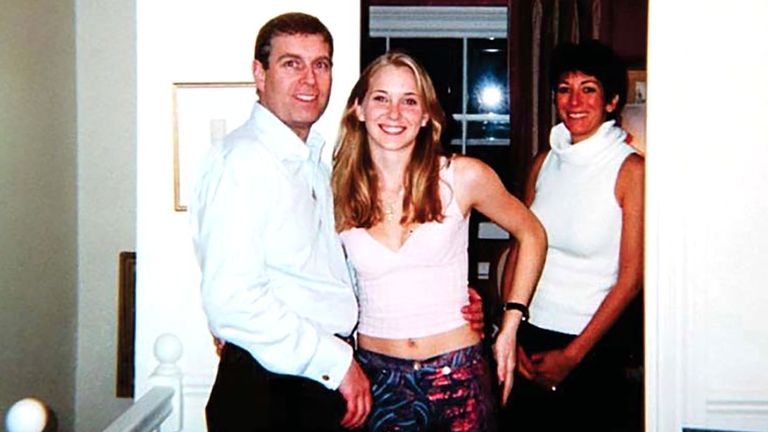
Prince Andrew, Virginia Roberts, aged 17, and Ghislaine Maxwell at Ghislaine Maxwell’s townhouse in London, in March 2001
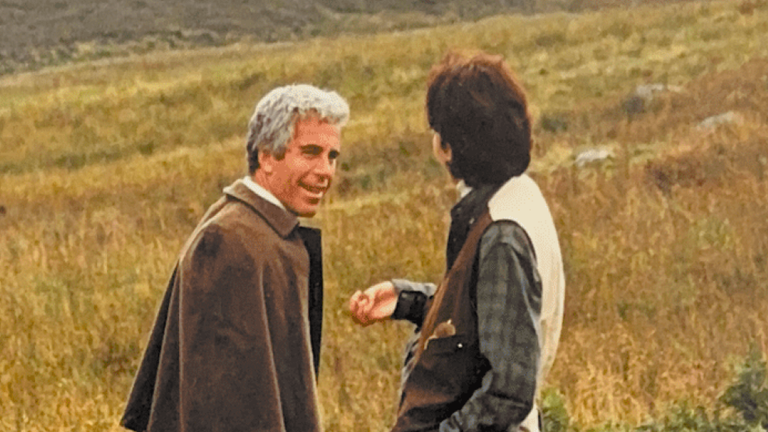
Jeffrey Epstein and Ghislaine Maxwell hunting, date unknown. Pic: US DoJ
Other photos show Maxwell on the steps of Downing Street – and power was as much a draw as celebrity.
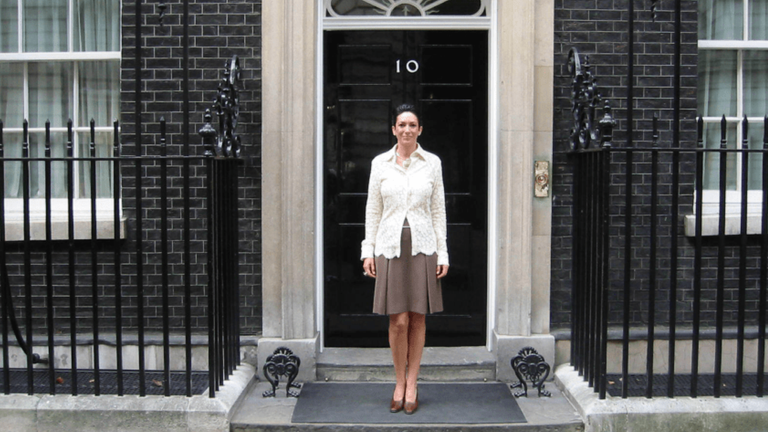
Ghislaine Maxwell outside 10 Downing Street, date unknown. Pic: US DoJ
On 15 May 2002, the flight records show Epstein again arriving at Luton.
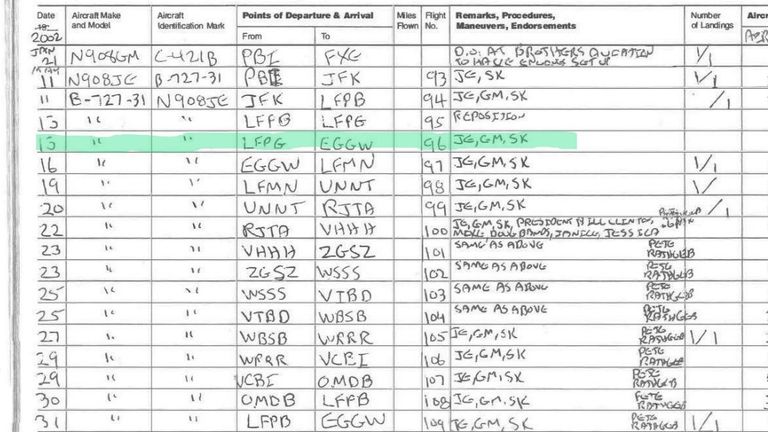
A flight log from the Epstein files
The next day is when he met Tony Blair, prime minister at the time. This was before Epstein’s first arrest and there is no suggestion of wrongdoing.
Read more:
New photos of Jeffrey Epstein’s circle released
Ghislaine Maxwell sex trafficking case material to be released
The meeting was arranged by Peter Mandelson, who lost his job as ambassador to the US because of his Epstein connections, and who features prominently in the files.
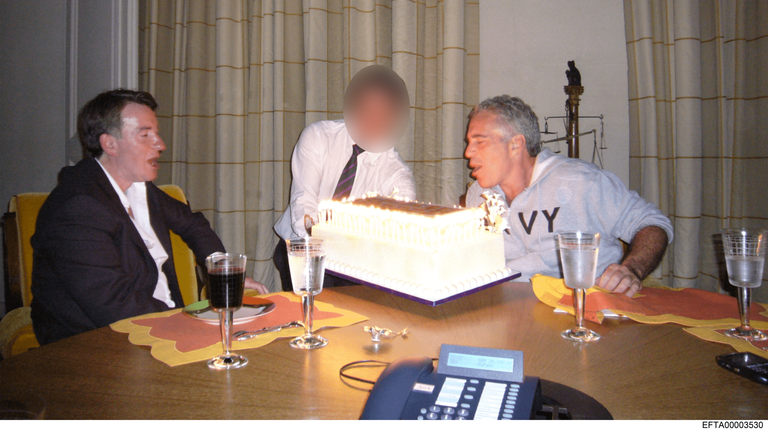
Peter Mandelson and Jeffrey Epstein. Pic: US DoJ
The UK was a draw for Epstein’s wider circle too – Maxwell here is pictured touring the Churchill War Rooms with Bill Clinton and Kevin Spacey. Neither are accused of wrongdoing or knowledge of Epstein’s crimes.
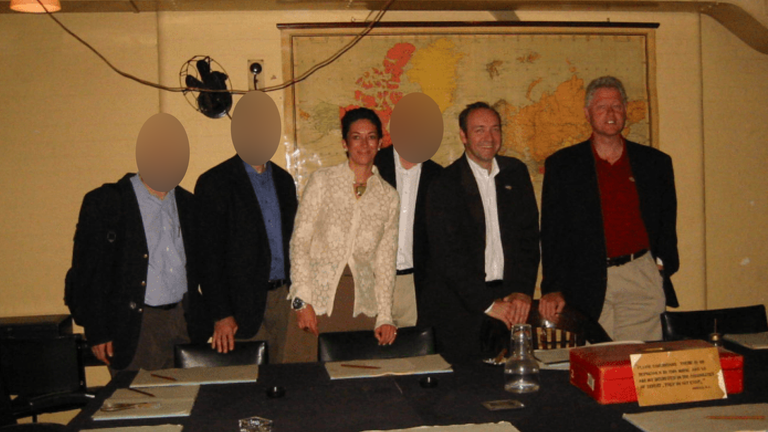
(L-R) Ghislaine Maxwell, Kevin Spacey and Bill Clinton, with three other men. Pic: US DoJ
And the other grim life that Epstein led, of sex trafficking, also had British links.
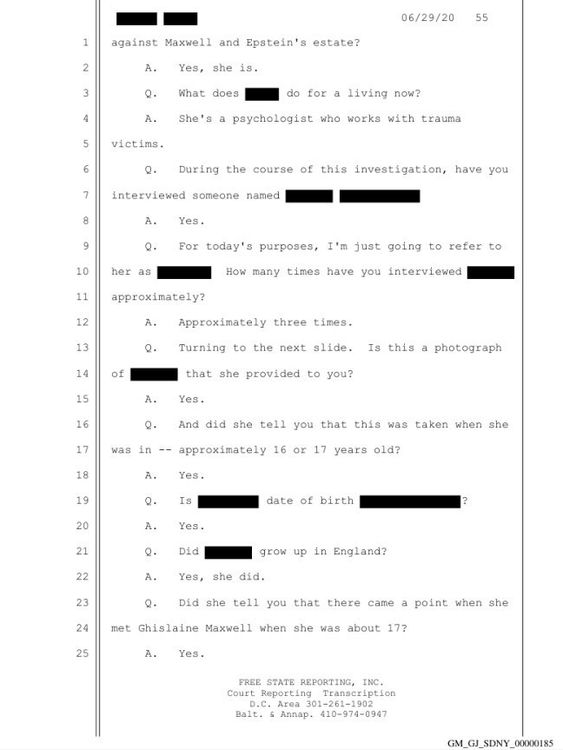
A page from the Epstein files
Another document released in the files, from 2019, shows witness testimony from Maxwell’s trial. In it, a victim is mentioned who is “17 years old” and who grew up “in England”. She would later be taken to Epstein’s private Caribbean island.
-
 Sports2 years ago
Story injured on diving stop, exits Red Sox game
-
 Sports3 years ago
‘Storybook stuff’: Inside the night Bryce Harper sent the Phillies to the World Series
-
 Sports2 years ago
Game 1 of WS least-watched in recorded history
-
 Sports3 years ago
Button battles heat exhaustion in NASCAR debut
-
 Sports3 years ago
MLB Rank 2023: Ranking baseball’s top 100 players
-
Sports4 years ago
Team Europe easily wins 4th straight Laver Cup
-
 Environment3 years ago
Japan and South Korea have a lot at stake in a free and open South China Sea
-
 Environment1 year ago
Here are the best electric bikes you can buy at every price level in October 2024