

Tesla becomes top luxury auto brand in the US

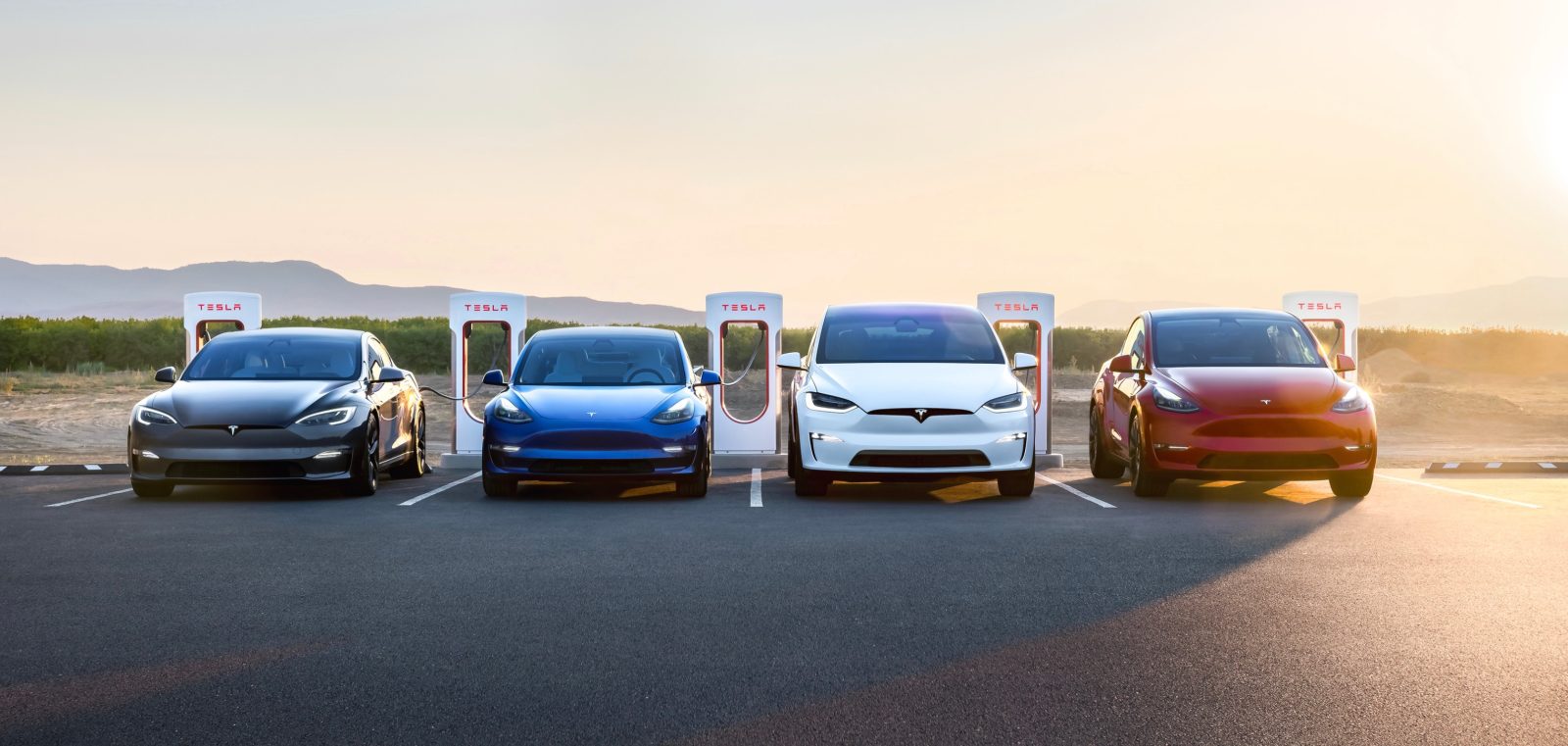
Tesla has become the top luxury brand in the US automotive market – the first time an American automaker claims the title.
For a few years now, Tesla vehicles have dominated many luxury segments in sales in the United States.
However, due to the limited number of models available, four to be exact, other automakers could still be top sellers overs – meaning that Tesla models are often best-selling in their own segments, but Tesla as an overall brand is not.
Foreign automakers, especially German automakers like Audi, Mercedes-Benz, and BMW, have historically been dominant.
But with recent increases in production capacity, Tesla is now delivering more volume in the United States even with just four models.
Now Tesla has taken the top luxury automotive position for the first time in the United States and, according to Automotive News, it’s the first time in almost 25 years that the position has been held by an American automaker.
Tesla doesn’t break down sales per market, and therefore, we have to use registration data and estimates.
The data is not perfect, but everything points to a massive beat by Tesla in 2022.
Here are the top eight best-selling luxury brands in the United States in 2022:
- Tesla: 491,000
- BMW: 332,388
- Mercedes-Benz: 286,764
- Lexus: 258,704
- Audi: 186,875
- Cadillac: 134,726
- Acura: 102,306
- Volvo: 102,038
In 2021, BMW had beaten Tesla by about 23,000 units based on estimates.
Now it appears that Tesla is the leader by easily 100,000 vehicles, thanks a significant production ramp last year.
Electrek’s Take
It’s good to see an all-electric automaker taking the position for the first time. It’s also special that it’s an American automaker for the first time in a quarter of a century in the US market.
Interestingly, I often meet people who don’t even realize that Tesla is an American automaker, even though it’s arguably the most American automaker based on the percentage of American parts in Tesla’s vehicles.
Now, of course, that’s just the luxury segment, but I think the days where the top overall automakers are all-electric ones are coming sooner than most people think.
FTC: We use income earning auto affiliate links. More.
Environment
Trump Media announces $6 billion merger with fusion company TAE Technologies; DJT stock soars 33%


Trump Media and Technology Group on Thursday announced a merger agreement with TAE Technologies, a privately held fusion power company, valued at more than $6 billion.
The all-stock deal, expected to close in mid-2026, will result in shareholders of each firm owning approximately half of the combined company.
Trump Media shares — which have plummeted more than 75% since their January highs — rocketed 33% higher after the opening bell.
The major pivot for Trump Media, which operates President Donald Trump‘s social media platform Truth Social, comes as America’s race against China for AI superiority has fueled a massive energy demand.
There are currently no commercial plants producing electricity using fusion, a futuristic technology that carries the potential to generate abundant energy without the risks associated with nuclear power.

Trump Media ($DJT) Stock Price
The merger would create “one of the world’s first publicly traded fusion companies,” according to a press release.
Trump Media “has agreed to provide up to $200 million of cash to TAE at signing and an additional $100 million is available” upon signing a regulatory filing known as a Form S-4.
Trump Media chairman Devin Nunes and TAE CEO Dr. Michl Binderbauer will serve as co-CEOs of the combined company, according to the release.
Thomas Fuller | Lightrocket | Getty Images
The announcement shows Trump Media branching out even further following its expansion into the financial services sector early this year.
“Upon closing, Trump Media & Technology Group will be the holding company for Truth Social, Truth+, Truth.Fi, TAE, TAE Power Solutions and TAE Life Sciences, among others,” the companies said.
Trump indirectly owns more than 114 million shares of Trump Media. Before taking office in January, he transferred that majority stake to a revocable trust whose sole trustee is his eldest son, Donald Trump Jr.
After Trump Media merges with TAE, the combined company aims to build “the world’s first utility-scale fusion power plant … subject to required approvals.”
“Fusion power plants are expected to provide economic, abundant, and dependable electricity that would help America win the A.I. revolution and maintain its global economic dominance,” the companies said.
TAE says it holds 1,600 patents and has raised more than $1.3 billion from investors including Google, Chevron and Goldman Sachs.
This is breaking news. Please refresh for updates.

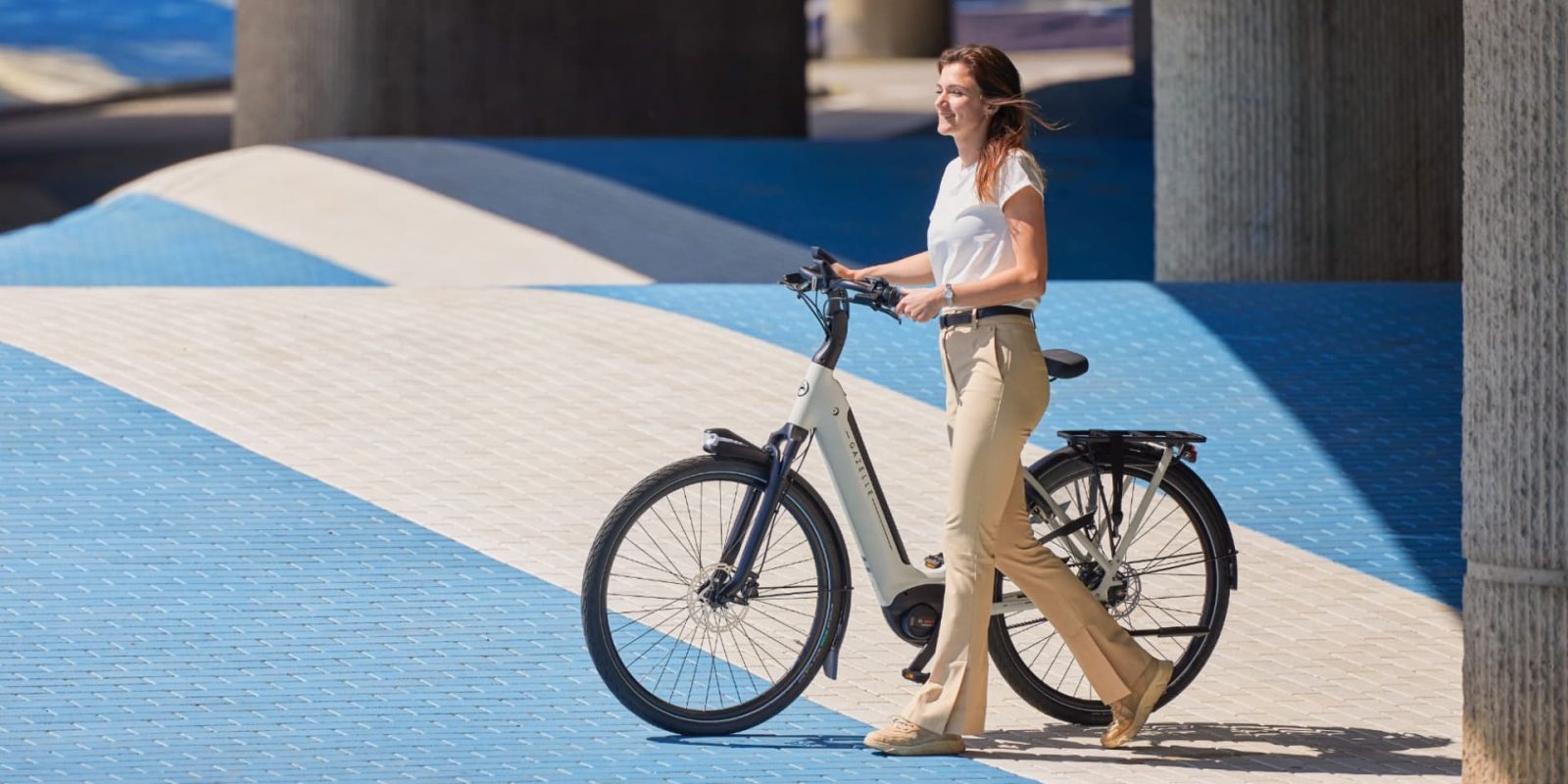
It’s fair to say that 2025 was a strange, fascinating, and sometimes downright chaotic year for electric bikes. The technology continued to mature, prices kept shifting in occasionally unexpected ways, and e-bikes found themselves squarely in the middle of broader conversations about transportation, safety, regulation, and urban life. What several years ago felt like a niche corner of the EV world is now impossible to ignore, with electric bikes influencing how cities plan streets, how families get around, and how regulators try (and sometimes struggle) to keep up.
Here at Electrek, that meant another year of e-bike stories that readers couldn’t get enough of. Some of the most popular articles weren’t about the fastest or most powerful bikes at all, but about the real-world questions people are asking: which e-bikes are actually worth buying, how new laws could affect riders, whether battery safety fears are overblown, and why so many people are quietly choosing two electric wheels instead of four gas-powered ones.
These are the e-bike stories that defined 2025, based on what resonated most with readers throughout the year. You chose these stories with your clicks and your views, so here they are one last time to ring out the year!
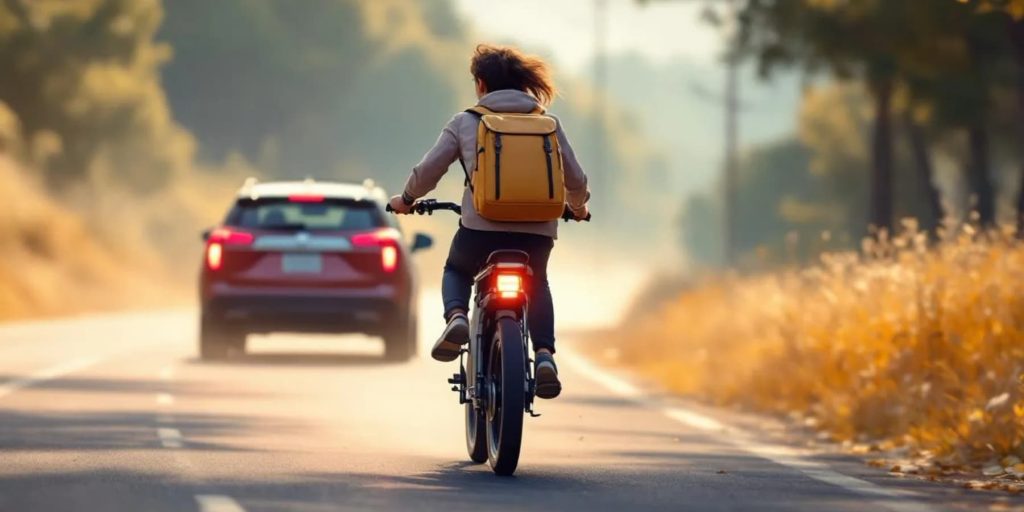
If you think electric bikes are bad, there’s a bigger menace hitting our roads
This was a very important article for me to write, and if I’m being honest, was also a bit of a bait-and-switch for the pearl clutchers out there shaking their fists at kids on e-bikes. The point was to demonstrate how if we really care about safety on the roads, then we wouldn’t be putting all of our effort into worrying about some teens on e-bikes, but rather on the road users actually maiming and killing everyone. That’s because if we’re being honest about road safety, electric bikes aren’t the real problem. Yes, some e-bike riders break rules, ride too fast, or make bad decisions – but that’s true of every mode of transportation. The difference is scale. Cars kill tens of thousands of people in the US every year, while deaths linked to e-bikes are vanishingly rare by comparison. Even in dense cities like New York, where e-bikes are often blamed for making streets more dangerous, the data shows that cars are responsible for vastly more pedestrian deaths and serious injuries. Yet e-bikes somehow get treated like a public menace, while car violence is normalized.
What’s really happening is that we’ve grown so accustomed to cars causing harm that we barely question it anymore. A multi-ton vehicle speeding through city streets is seen as normal, while a 60-pound electric bike becomes the focus of outrage and regulation. That misplaced attention leads to debates about banning e-bikes from bike lanes or restricting their power, instead of addressing the far bigger danger staring us in the face. If the goal is safer streets, scapegoating e-bikes misses the point entirely. Electric bikes aren’t the threat – they’re part of the solution, offering a safer, cleaner alternative to the vehicles that actually dominate crash and fatality statistics.
You can read the full article here, joining nearly a half million other people who did.
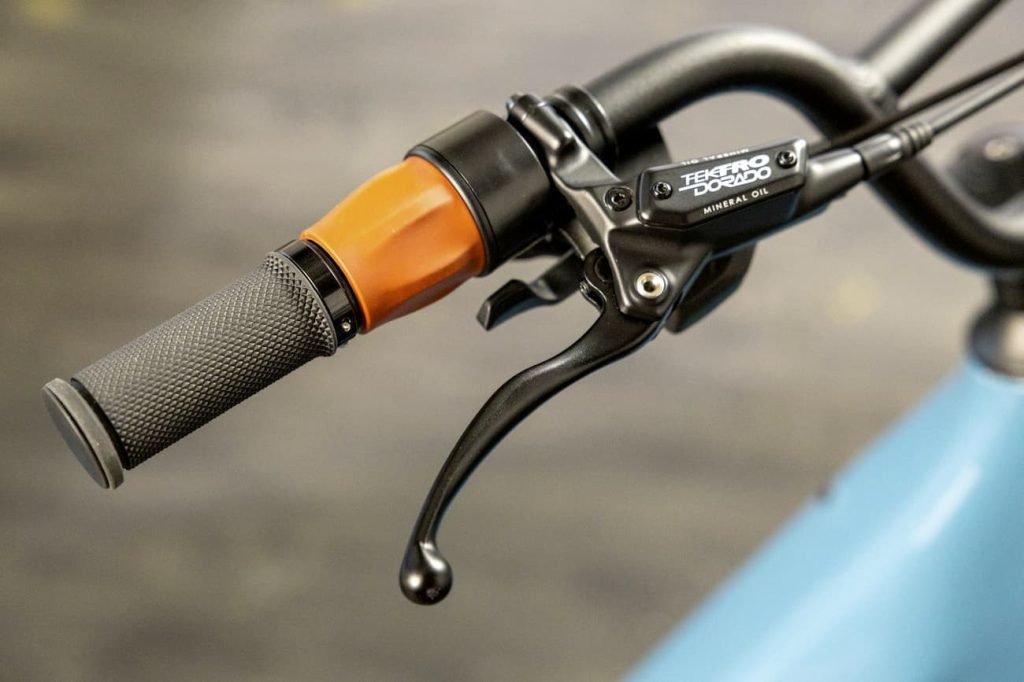
Starting today, California is coming for your e-bike throttles
California has long led the country in e-bike adoption, and now they’re also leading in e-bike regulation. Starting January 1, 2025, California officially changed the way it treats e-bike throttles with the implementation of Senate Bill 1271, and the impact is immediate: Class 1 and Class 3 e-bikes can no longer be sold or used in California with a throttle that propels the bike without pedaling. That brings the official understanding of the law more in line with its initial intention.
Under the clarified law, those Class 1 and Class 3 bikes must rely solely on pedal assist, with throttles only allowed up to around walking speed (about 3.7 mph), while throttle-powered e-bikes are limited to the slower Class 2 designation where the throttle cuts out at 20 mph. This shift codifies something that was previously a gray area in the three-class system and makes it much harder for the throttle-centric bikes many Americans love to fit into California’s legal e-bike framework.
For manufacturers and riders, the ramifications are immediate and potentially frustrating. Popular e-bikes that were marketed as Class 3 with throttles may no longer be street-legal in California unless their throttle systems are removed or redesigned, and companies will likely have to rethink how they label and configure bikes for the state’s massive market. There’s still a loophole that lets companies sell throttle-equipped bikes as Class 2 models with firmware that can be unlocked to higher speeds via pedal assist – but doing so would technically put those bikes outside California’s definition of a legal e-bike once modified. That pushes responsibility onto riders and could lead to legal uncertainties, even as the law tightens the distinction between true e-bikes and more powerful motorized two-wheelers.
Rear more about it here in the original article.
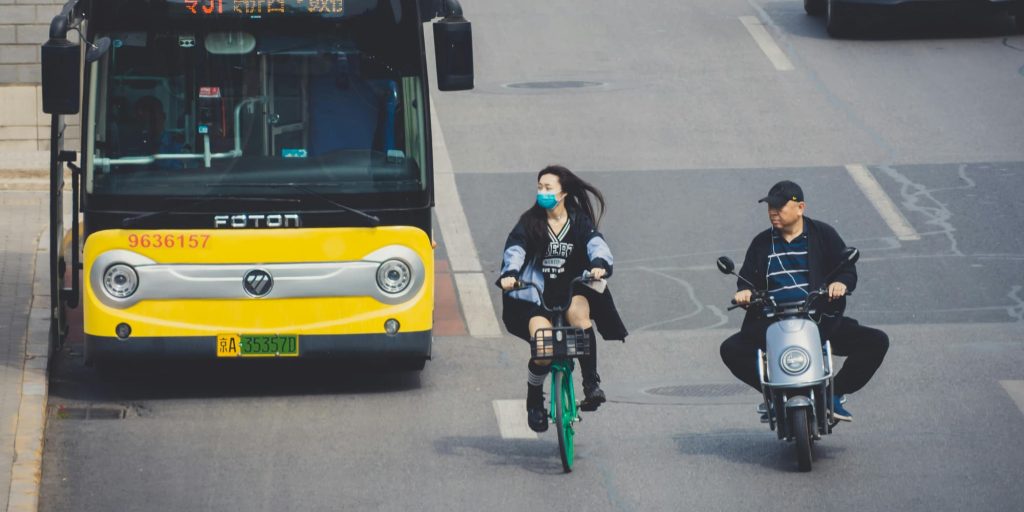
China urges citizens to trade in ‘old lithium e-bikes’ for newer lead acid electric bikes
Earlier this year, China began encouraging millions of its electric bike riders to trade in their lithium-ion battery e-bikes for newer models powered by sealed lead-acid batteries, a move that seems to run counter to the global trend toward lighter, more energy-dense battery tech. Electric two-wheelers are a dominant part of daily transportation in Chinese cities, with roughly 350 million on the road. Traditionally many of these bikes already use heavier lead-acid batteries, but over the past decade riders and manufacturers increasingly shifted to lithium-ion because of its superior range and performance. Now, government safety concerns about rare but serious lithium-ion battery fires – and the perception that lead-acid batteries are inherently safer – has prompted China’s Ministry of Commerce to roll out subsidies and trade-in incentives to push riders back toward the older battery chemistry.
Under the new program, people who turned in their old lithium battery e-bikes could get financial support to buy qualifying sealed lead-acid models, while traded-in units are meant to be dismantled and recycled to reduce safety risks and phase out older bikes. Lead-acid batteries do offer higher safety margins and simpler recycling, but they also come with significant downsides: they weigh much more, hold far less energy per pound, and generally won’t last as long as lithium batteries before needing replacement. In response to those trade-offs, some Chinese manufacturers are already looking ahead to next-generation options like sodium-ion batteries, which promise safety closer to lead-acid but efficiency approaching lithium-ion – though cost and manufacturing scale remain barriers for now.
Learn more about it in the original article here.
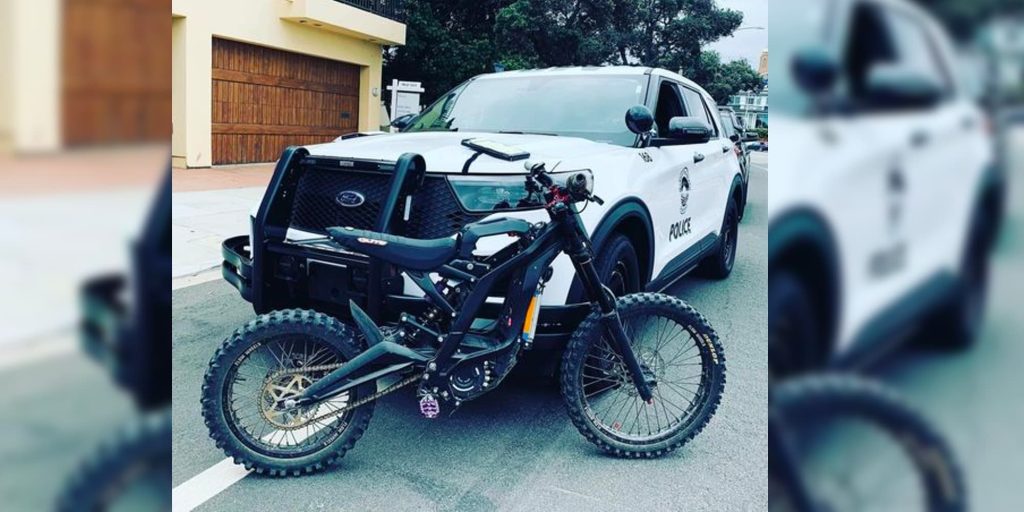
’70 MPH e-bikes’ prompt one US state to change its laws
Connecticut is rewriting its e-bike laws this fall in response to a trend some local officials say they can’t ignore: kids riding beefier electric bikes that look more like mini dirt bikes than traditional e-bikes. Police in towns like Westport noticed more teens showing up to school on high-powered moped-style bikes, and they worry that easy controller mods are enabling riders to push speeds far beyond what legal bikes are supposed to do – sometimes claiming 60 or even 70 mph in DIY YouTube tutorials. The state’s existing three-class e-bike system tops out at 28 mph, but enforcement and definitions were lagging behind what’s actually on the streets, prompting lawmakers to step in.
Under the new law, which came into effect in October 2025, any bike with more than 750 W of power was to be treated as a “motor-driven cycle,” requiring a driver’s license, and machines over roughly 3,500 W will be classified as motorcycles, with accompanying requirements for licensing, registration, and insurance. That creates a clear legal break between everyday e-bikes and high-power, high-speed machines, even if most legitimate consumer e-bikes sold today are well under those thresholds. The changes aim to close loopholes that let oversized, modified bikes roam public roads without the safety and legal framework that governs more powerful motorized vehicles.
Learn more about it in the original article here.
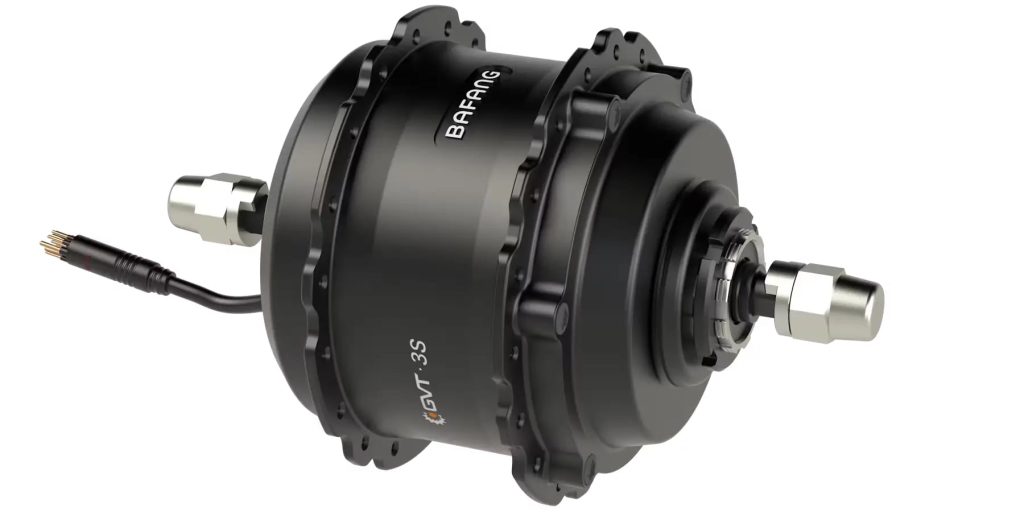
Bafang’s new automatic shifting hub motor could change urban e-biking
Earlier this year, Bafang dropped a new kind of e-bike hub motor that could make everyday urban riding feel a lot more intuitive and maintenance-free. The H730 integrates a three-speed automatic gearbox directly into the rear hub, using Bafang’s patented Gear Variable Transmission (GVT) tech to shift seamlessly based on riding speed. The system does away with derailleurs, gear levers, and any input from the rider. That means you get smooth, natural changes in pedaling resistance without ever thinking about gears, and because the whole system is enclosed and simplified, there are fewer parts to wear out or snag on the road.
The 250 W version fits within European e-bike speed limits, and its torque sensor and smart controller help deliver responsive, lag-free acceleration up to about 15.5 mph – ideal for city commuters. Because it plays nice with belt drives and minimalist bike frames, Bafang is positioning the H730 not just for everyday riders but for shared bike programs and bikes built to last in all kinds of weather and road conditions. The result is a cleaner aesthetic, less maintenance, and a ride experience that could redefine what people expect from urban e-bikes.
Learn more about it in the full article here.
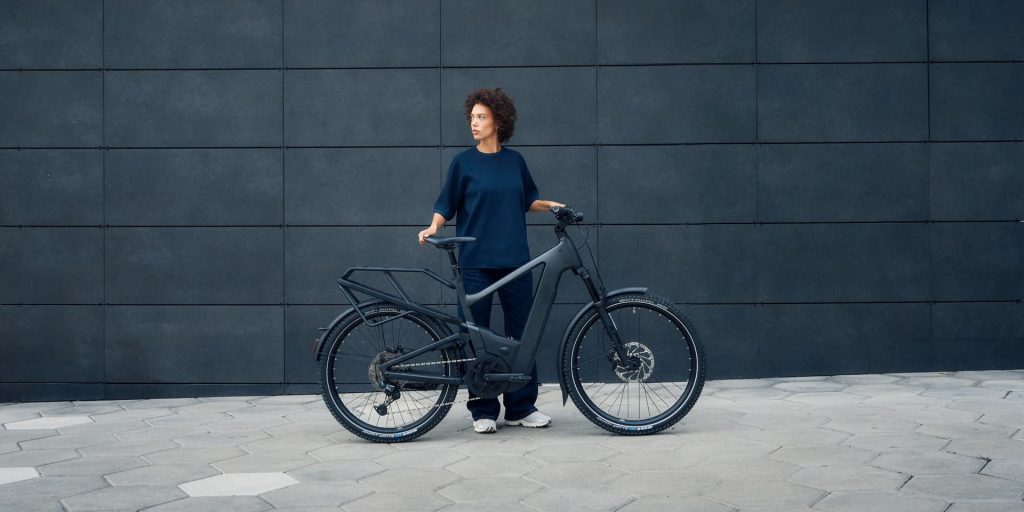
Taken together, these top e-bike stories of 2025 paint a clear picture of where the industry is heading. Electric bikes are no longer just a fun alternative or a fringe mobility option – they’re a serious part of the transportation ecosystem, complete with growing pains, passionate debates, and rapid evolution.
2025 proved that the e-bike conversation is only getting louder, broader, and more consequential. And if the past year is any indication, there’s no sign of it slowing down anytime soon.


FTC: We use income earning auto affiliate links. More.

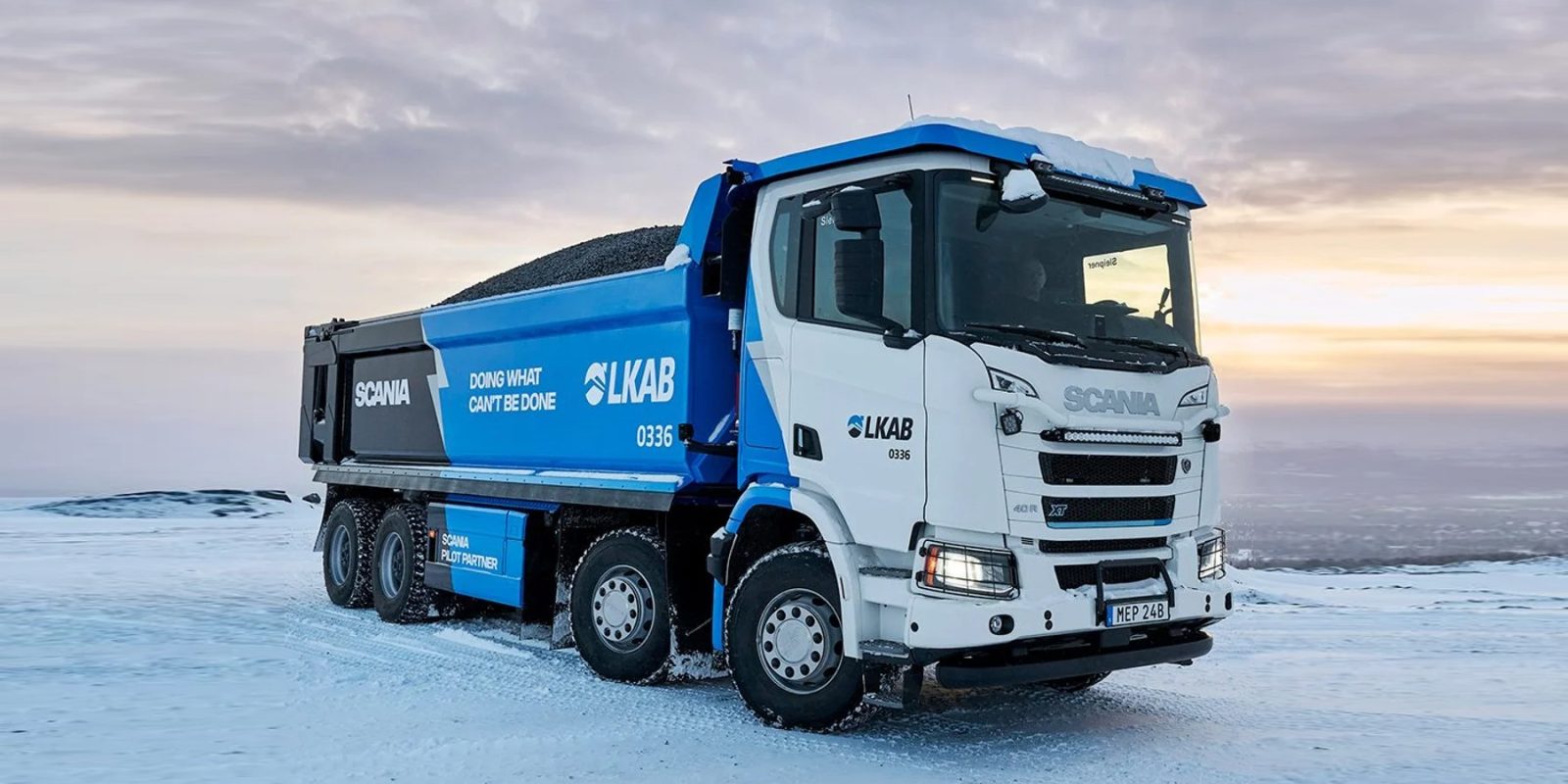
Scania is calling its first-ever, fully-electric 8×4 heavy-duty mining tipper Sleipner after the Norse god Odin’s famously powerful eight-legged ride – and it’s being put to work at Sweden’s Malmberget iron ore mine.
The first battery-electric twin steer haul truck from Swedish brand Scania, the Sleipner was co-developed with Swedish mining firm LKAB. The design takes advantage of Scania’s clever, modular HD vehicle architecture to offer greater load capacity and improved maneuverability in the tight confines of an ore mine. The result is a truck that’s perfectly suited for the demanding terrain and steep gradients of the Malmberget mine.
“Partnerships like this are essential for learning and accelerating progress,” says Tony Sandberg, Head of Scania Pilot Partner. “Each new truck we put into operation helps us and our customers understand how to scale electrification across the toughest environments. This vehicle is just the start of many more mining solutions to come.”
LKAB moves more than five million (million) tons of rock every year across its operations, and converting those high-volume loads to electric could represent a massive reduction in harmful carbon emissions, contributing to the company’s broader environmental goals.
Scania’s Sleipner features a pair of massive MP20 battery packs with 416 kWh of total capacity. That battery pack sends power to a 400 kW EM C1-4 electric motor. While Scania hasn’t published official torque figures for its electric drivetrain, the 38-tonne (~40 ton) BEV haul truck fully replaces a diesel equivalent, likely putting it in the range of ~3,000 Nm (2,000 lb-ft) of torque typical for Scania’s HD diesel engines.
Electrek’s Take
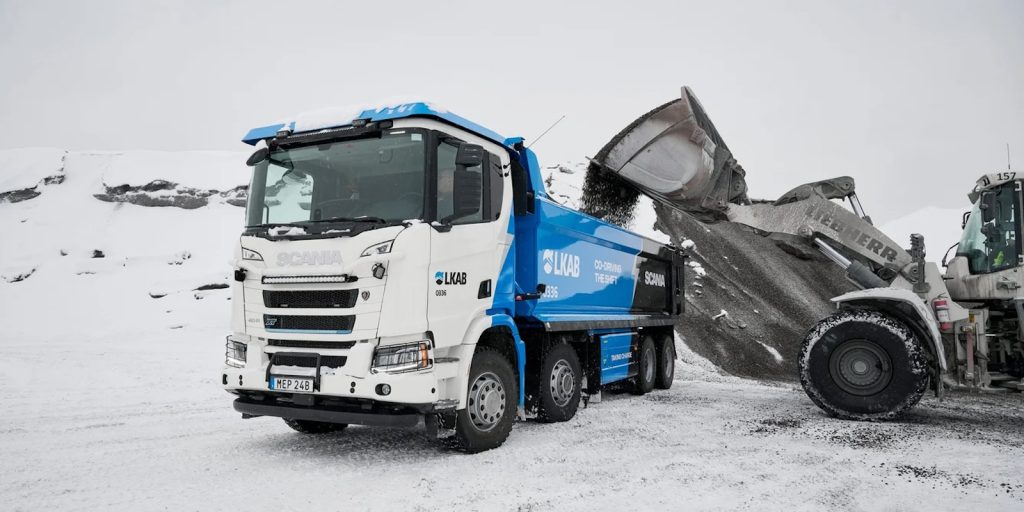
As I’ve said before, EVs and mining to together like pepperoni and pizza. In confined spaces, the carbon emissions and ear-splitting noise made by conventional, ICE-powered mining equipment can create dangerous circumstances that can lead to serious injuries (or worse), and that’s just going to make it even harder for a mining operation to keep people working and minerals coming out of the ground.
By working with companies like Scania to prove that forward-looking electric equipment can do the job as well as well as (if not better than) their internal combustion counterparts, LKAB will go a long way towards converting what’s left of the ICE faithful.
SOURCE | IMAGES: Scania; via Construction Digital, HeavyQuip.

If you’re considering going solar, it’s always a good idea to get quotes from a few installers. To make sure you find a trusted, reliable solar installer near you that offers competitive pricing, check out EnergySage, a free service that makes it easy for you to go solar. It has hundreds of pre-vetted solar installers competing for your business, ensuring you get high-quality solutions and save 20-30% compared to going it alone. Plus, it’s free to use, and you won’t get sales calls until you select an installer and share your phone number with them.
Your personalized solar quotes are easy to compare online and you’ll get access to unbiased Energy Advisors to help you every step of the way. Get started here
FTC: We use income earning auto affiliate links. More.
-
 Sports2 years ago
Story injured on diving stop, exits Red Sox game
-
 Sports3 years ago
‘Storybook stuff’: Inside the night Bryce Harper sent the Phillies to the World Series
-
 Sports2 years ago
Game 1 of WS least-watched in recorded history
-
 Sports3 years ago
Button battles heat exhaustion in NASCAR debut
-
 Sports3 years ago
MLB Rank 2023: Ranking baseball’s top 100 players
-
Sports4 years ago
Team Europe easily wins 4th straight Laver Cup
-
 Environment3 years ago
Japan and South Korea have a lot at stake in a free and open South China Sea
-
 Environment1 year ago
Here are the best electric bikes you can buy at every price level in October 2024