

‘Electric sky jeep’ plane completes maiden flight with hopes to transport doctors and supplies to countries in need

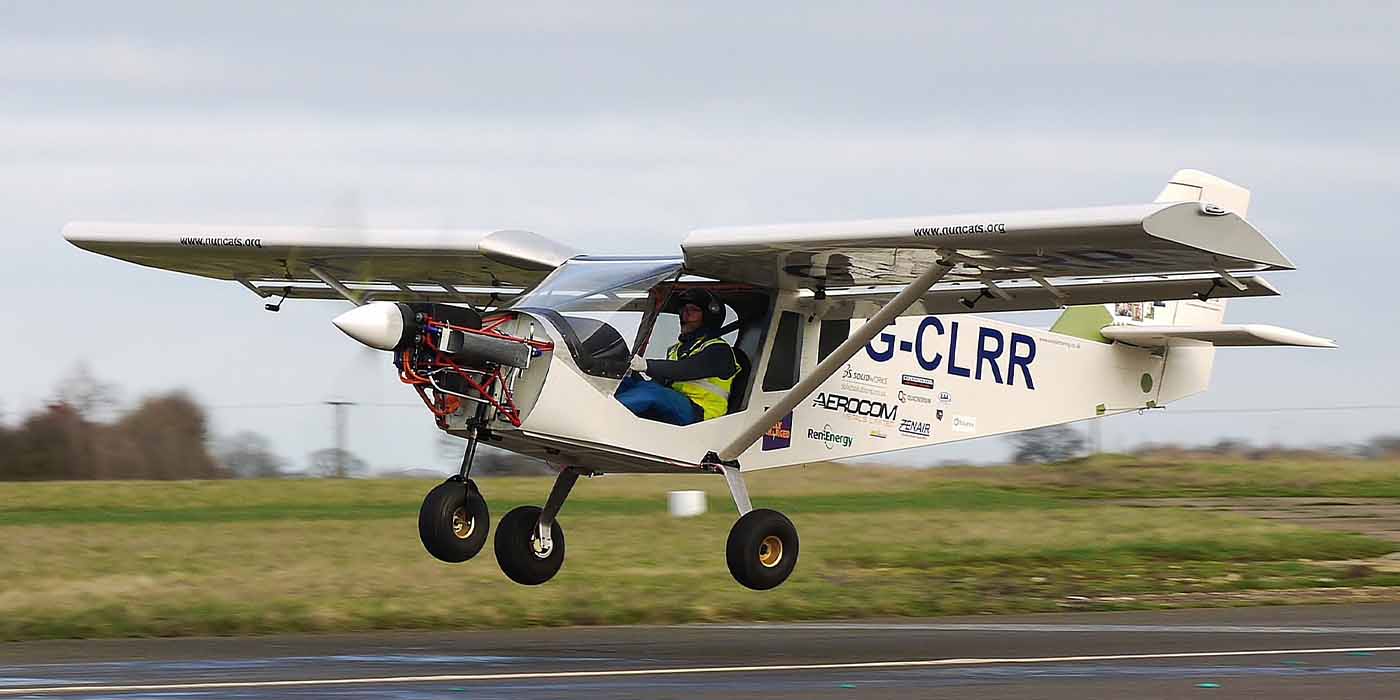
A UK-based aviation project called NUNCATS has successfully completed the maiden flight of its all-electric plane, described as an “electric sky jeep.” Looking ahead, the project’s goal is to expand the availability of healthcare by transporting doctors, medical supplies, and other cargo to remote parts of the world with zero emissions, helping save lives.
NUNCATS began as a mere idea among its cofounder while still at university and would take fifteen years before coming to fruition in 2019. It currently exists as a nonprofit social enterprise in the UK looking to combat climate change one flight at a time but utilizing electric aviation technology and renewable energy sources like solar to power it.
The name itself is an acronym that the project says describes its design philosophy:
No Unnecessary Novelty Community Air Transport Services.
NUNCATS states that the last four letters could also stand for “Community Alternative Transport Solutions” or “Clean Air Transport Solutions.” Following the project’s first successful flight with its all-electric sky jeep plane, NUNCATS is starting to accomplish a little bit of all these initialisms.

NUNCATS “electric sky jeep” plane takes flight overseas
The team recently relayed that its all-electric plane completed its maiden flight out of Old Buckenham Airfield in south Norfolk, England. The aircraft began as a Zenith CH750 kit, where the NUNCATS team removed its combustion engine and gas tank in favor of an electric motor and battery pack.
Charging for the “electric sky jeep” plane is supported by solar stations on the ground at Old Buckenham (seen in the video below). NUNCATS cofounder Tim Bridge spoke following the successful all-electric maiden flight:
Nobody else is building electric aircraft in this way. Our aim is to provide a low-cost, rugged and practical aircraft for use in rural and hard to reach communities, such as medics in Uganda and doctors in rural India.
We knew it would work but it’s great to actually see it in action. Now we have done that our next stage is to find the money to complete the second plane and replicate this so we can get them out into the field for testing.
As soon as funding allows, we hope to move towards getting this into communities where it can make a real difference. There are currently a billion people in the world with no access to healthcare, 5000 people will die because of that just today. This can be a genuine life-saver.
NUNCATS may have found success with its “electric sky jeep” plane, but it still has work to do to achieve its goal of saving lives around the world through clean and nimble aviation. The project is still seeking backers and sponsors to help fund its development.
The “electric sky jeep” kits can also be purchased as a greener option for sports flyers.
FTC: We use income earning auto affiliate links. More.

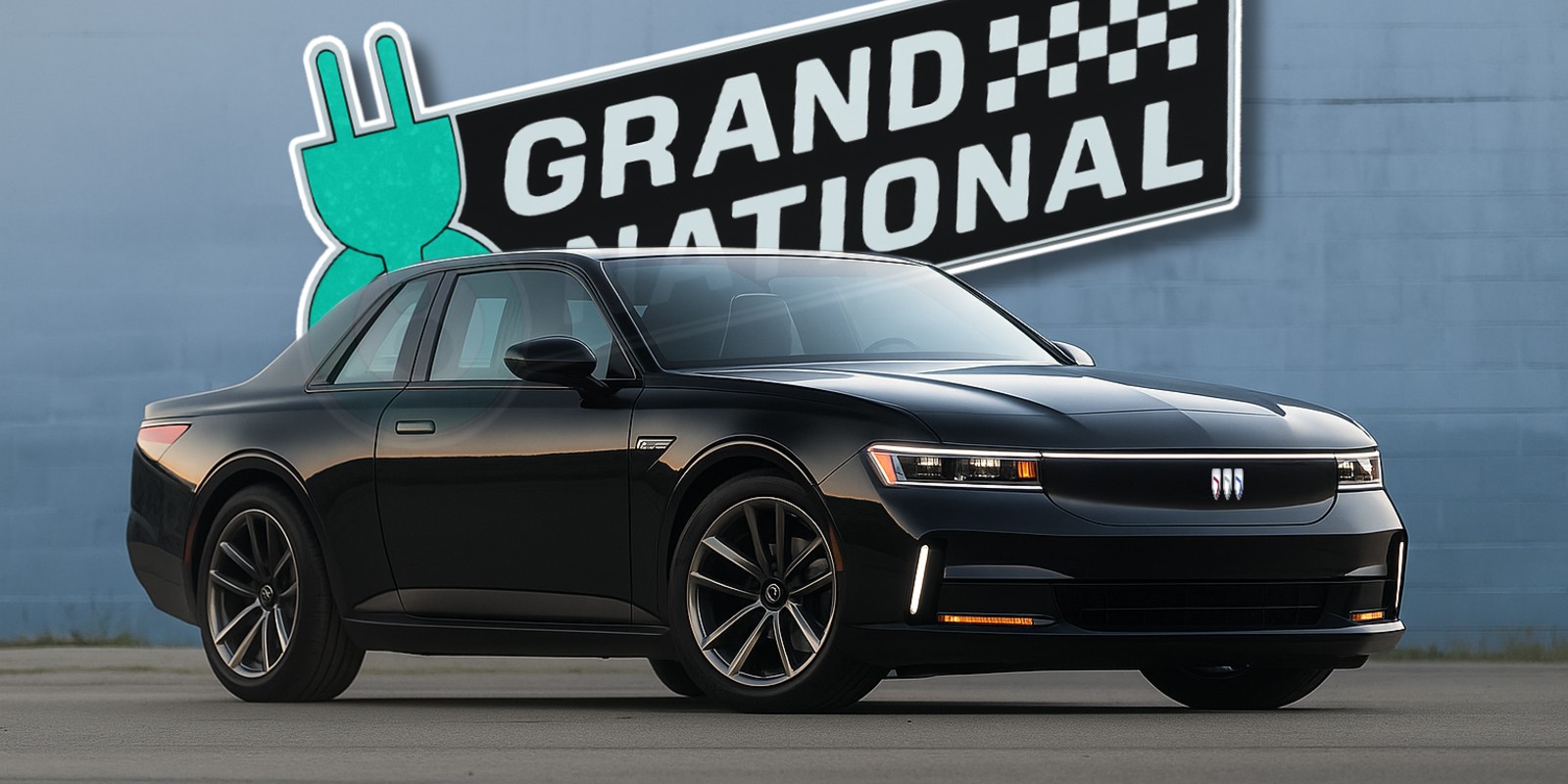
File this under “wishful thinking” if you want, but a fresh trademark filing for the Buick Electra name could mean that the storied nameplate is set for a return to US shores.
GM Authority reports that Buick parent company General Motors has renewed its trademark for the Buick Electra name in the US in a filing from 09DEC2025 with the United States Patent and Trademark Office (USPTO), and received an assigned serial number 99538079. The application carries a Goods and Services of, “Motor land vehicles, namely, automobiles.”
Electra a nameplate that holds a long history with the near-luxe Buick brand and has generally been believed to be one that’s especially relevant to Buick’s electrification strategy in the US. That’s a notion that seems especially true when you consider the following two facts:
- the Buick Electra nameplate is already featured on a number of hugely successful GM products being sold in the ultra-competitive Chinese market
- 2027 is the fortieth anniversary of the Buick Grand National, and GM’s marketers are way too smart to let that moment slide
It’s worth noting, of course, that this most recent renewal for the Buick Electra trademark is a long, long way from a confirmation of a new all-electric Buick for the US market and even further from a confirmation that we’re getting the hot, sexy Electra GM sells in China. If anything, it’s likely just a matter of course legal thing that GM needs to protect its IP in China while, at the same time, preventing some kind of disastrous Sierra Mist scenario from playing out at home (which– yeah, I get that it’s not true, but you got the idea).
That said, I want to believe.
Electrek’s Take


I’m a huge fan of GM, GM’s EVs, and the way Mary Barra has managed the General over the past several years. I also think a big, sexy sedan is sorely missing from GM’s lineup, and the fast, flashy electric sedan formula might play better at the Buick store than at the Cadillac brand.
Combine that with an overwhelming desire to see a new-age Buick Grand National parked in my garage next Christmas and you can see that I’m not to be trusted. So, what say you? Head on down to the comments and let us know what you think of an American Electra revival just in time for the 2027 model year.
SOURCE | IMAGES: GM Authority; GM.

If you’re considering going solar, it’s always a good idea to get quotes from a few installers. To make sure you find a trusted, reliable solar installer near you that offers competitive pricing, check out EnergySage, a free service that makes it easy for you to go solar. It has hundreds of pre-vetted solar installers competing for your business, ensuring you get high-quality solutions and save 20-30% compared to going it alone. Plus, it’s free to use, and you won’t get sales calls until you select an installer and share your phone number with them.
Your personalized solar quotes are easy to compare online and you’ll get access to unbiased Energy Advisors to help you every step of the way. Get started here.


FTC: We use income earning auto affiliate links. More.

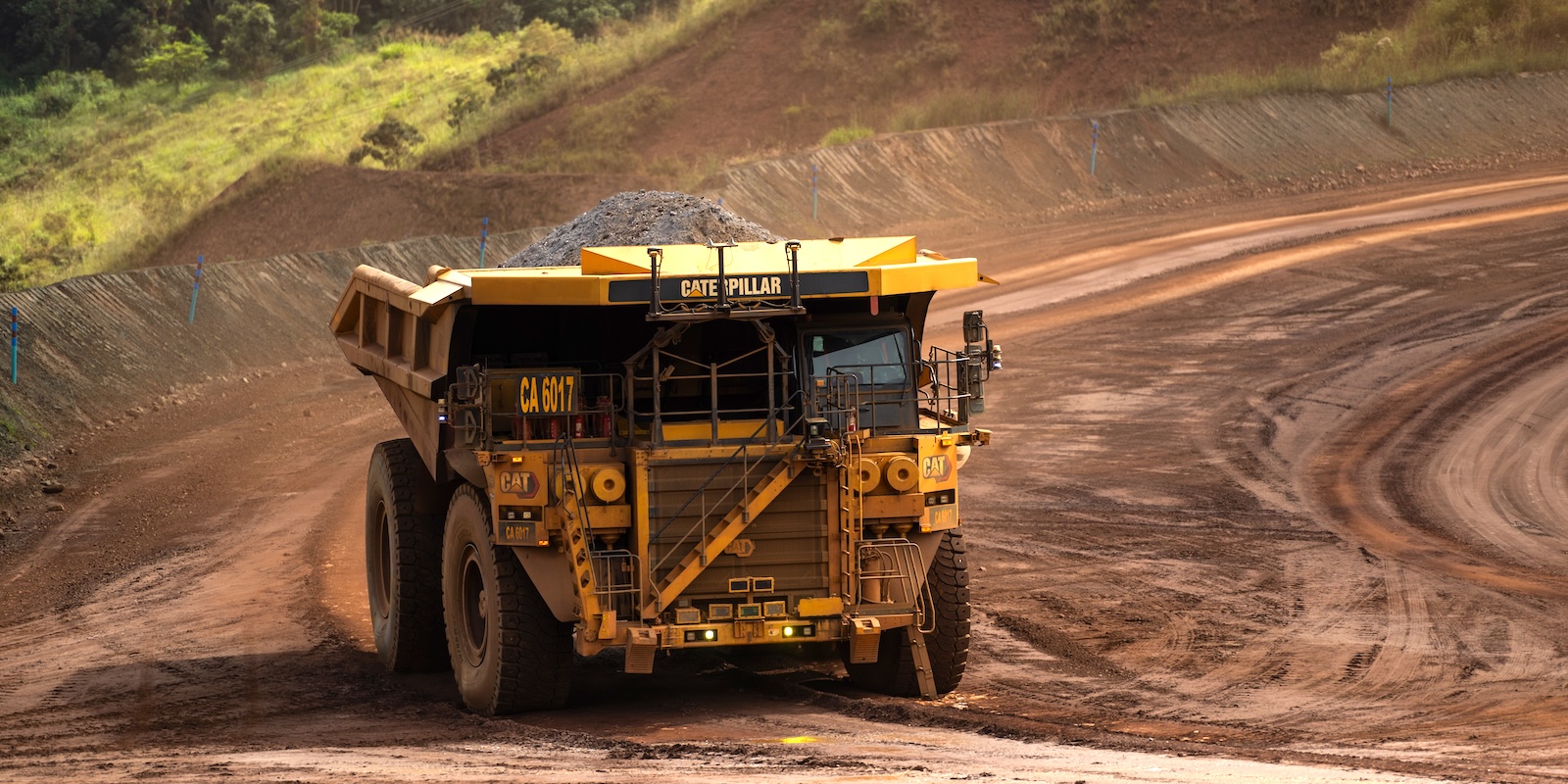
Heavy equipment giants Caterpillar have signed an agreement with Vale that will see the company dramatically expand its fleet of autonomous haul trucks deployed at iron ore operations in the Carajás region of Brazil over the next three years.
Vale’s Northern System mining operation currently has 14 CAT, 320-ton autonomous haul trucks in service. With this new deal, sold by Caterpillar’s Brazilian dealer, Sotreq, the autonomous haul truck fleet will expand to some ninety (!) of the massive, self-driving trucks by 2028. The big yellow trucks will be operated by CAT®, MineStar™ Command for hauling, and ship with a payload capacity of between 240 to an almost unimaginable 400 (!!) tons.
“We’re proud to introduce Cat Command for hauling at Vale’s Carajás site,” says Marc Cameron, Senior Vice President at Caterpillar. “By equipping Vale’s haul trucks with our autonomous technology, we will be delivering scalable solutions that meet their needs across a mixed fleet.”
CAT says this new deal represents, “a transformational leap,” citing the fact that autonomous trucks remove workers from hazardous areas and enable safer and more inclusive environments for mine employees – and more efficient operations for Vale.
That fact is backed by results from other Vale operations that have deployed large numbers of autonomous vehicles, which saw gains of up to 15% in operational performance and a 7.5% reduction in fuel use (more with electric drive), contributing to the reduction of the company’s carbon emissions. And, because this is end-stage capitalism 2025, they’re crediting AI for discovering those efficiencies.
“By integrating autonomous systems, artificial intelligence, and advanced data analysis, we are modernizing our mining operations in the Northern Corridor, becoming a global benchmark in smart mining, promoting the transformation of the industry, and connecting us to international best practices,” says Rafael Bittar, Vale Vice President, Technical.
The trucks will be delivered over the next three years, and are expected to be in full operation and up to speed by 2030.
Electrek’s Take
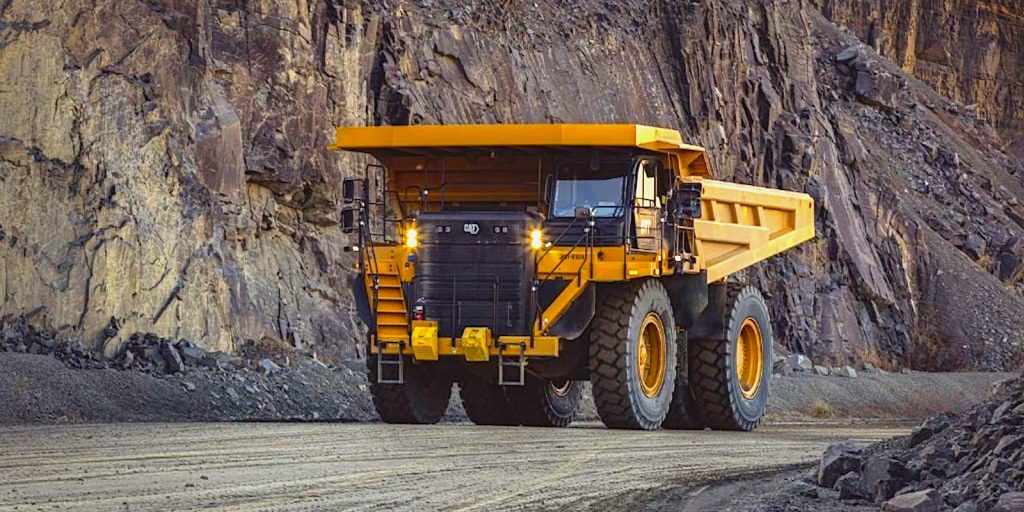
As I’ve said before, EVs and mining to together like peanut butter and jelly. In confined spaces, the carbon emissions and ear-splitting noise made by conventional, ICE-powered mining equipment can create dangerous circumstances that can lead to serious injuries (or worse), and that’s just going to make it even harder for a mining operation to keep people working and minerals coming out of the ground.
By working with companies like Caterpillar to prove that forward-looking electric equipment can do the job as well as well as (if not better than) their internal combustion counterparts, Vale will go a long way towards converting what’s left of the ICE faithful.
SOURCE | IMAGES: Vale, Caterpillar.
If you’re considering going solar, it’s always a good idea to get quotes from a few installers. To make sure you find a trusted, reliable solar installer near you that offers competitive pricing, check out EnergySage, a free service that makes it easy for you to go solar. It has hundreds of pre-vetted solar installers competing for your business, ensuring you get high-quality solutions and save 20-30% compared to going it alone. Plus, it’s free to use, and you won’t get sales calls until you select an installer and share your phone number with them.
Your personalized solar quotes are easy to compare online and you’ll get access to unbiased Energy Advisors to help you every step of the way. Get started here.
FTC: We use income earning auto affiliate links. More.

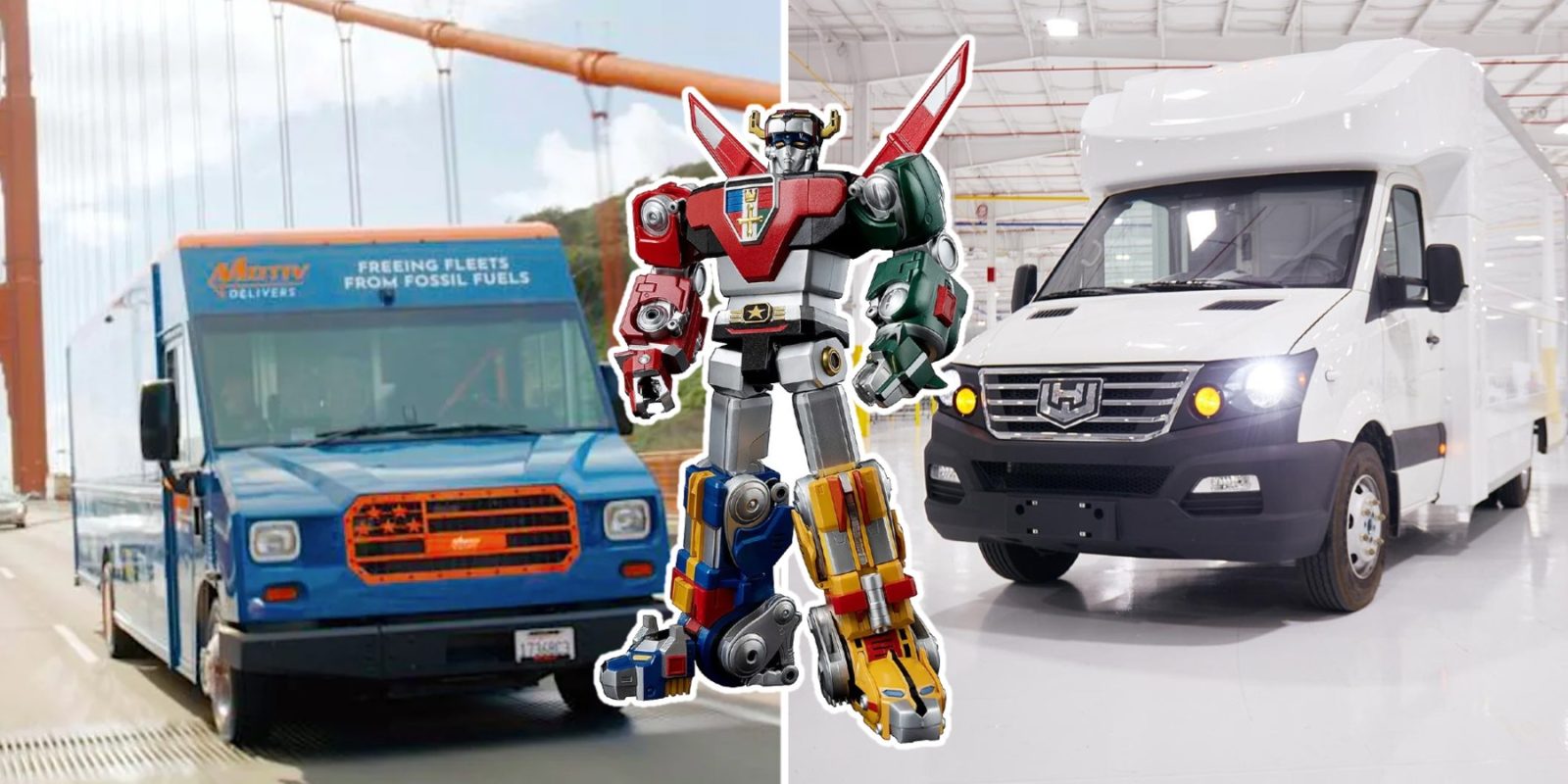
Electric medium-duty startups Motive and Workhorse have logged millions of miles across their customer fleets — and by joining forces, they’re out to prove, once and for all, that electric vehicles can get the job done.
Following shareholder votes last month, Ohio-based Workhorse and San Francisco-based Motive are merging to form one of the largest commercial electric vehicle and last-mile delivery telematics solutions companies in the industry.
The all-stock transaction, announced last week, values the combined company at approximately $105 million and is expected to close in the fourth quarter of 2025, subject to Workhorse shareholder approval.
Under the terms of the agreement, Motiv’s controlling investor will become the majority owner with approximately 62.5% of the combined company, while Workhorse shareholders will maintain a significant equity stake of approximately 26.5%.
The move is intended to combine Workhorse’ manufacturing capabilities and nationwide dealer network with Motiv’s proven product portfolio and existing fleet relationships to serve the growing $23 billion medium-duty truck segment with a full range of Class 4-6 electric vehicles that plays to the strengths of both companies while, at the same time, proving them with economies of scale they’ll need to survive the next wave of fake “the EV market is dead” headlines.
“Bringing together two leading OEMs in the medium-duty space strengthens our ability to reduce the cost of electric trucks and make the total cost of ownership even more compelling,” said Scott Griffith, CEO of Motiv, who will lead the combined company. “We believe this is a coming-of-age moment — not just for Motiv and Workhorse, but for the industry as a whole.”
The companies anticipate a minimum of $20 million in cost synergies by the end of 2026 through reductions in redundant R&D, G&A, and facility costs (and, of course, the associated layoffs).
Workhorse’s Union City facility has the capacity to eventually produce up to 5,000 trucks per year — a significant manufacturing scale for the merged operation and light years ahead of what Motiv’s existing facilities can crank out.
“This transaction represents a significant milestone for Workhorse, our customers, our stakeholders and our shareholders,” Rick Dauch, CEO of Workhorse and advisor to the new, combined company told FreightWaves. “We believe Motiv is the right partner to support the advancement of our combined product roadmap and capture new growth opportunities.”
The new, combined electric box van company will being life with 10 of the largest medium-duty fleets in North America as existing customers, and hopes to expand their line of offerings into the electric bus and RV markets in the years to come.
Electrek’s Take
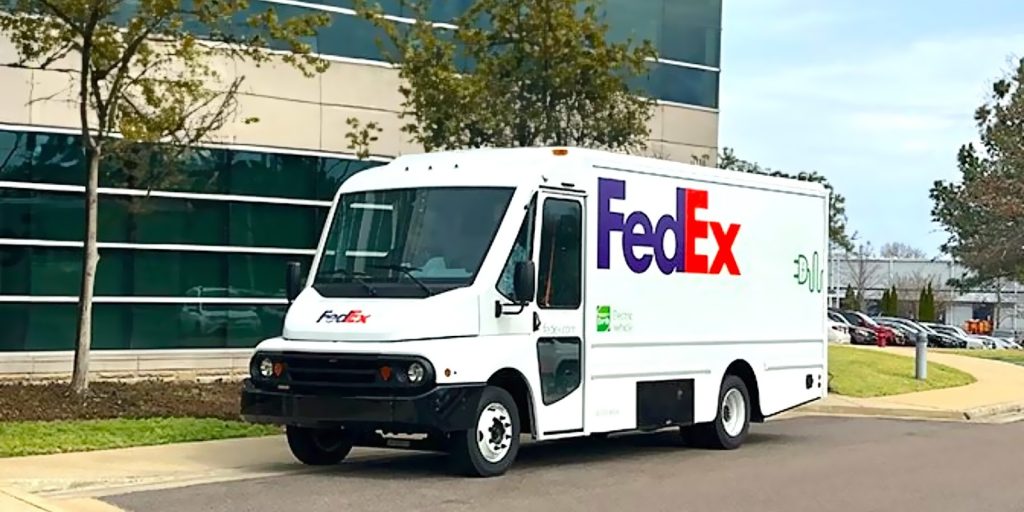
Workhorse and Motive can spin this merger however they like — but this move is as much about survival in the new, incentive-lite era of Trump 2 than it is about anything else. That doesn’t mean it’s not a smart move, as each of the parts of this new whole has eliminated a very strong competitor while, at the same time, gaining all at least some of their best features.
As cynical as I am about corporate consolidation and layoffs (especially during the holidays), I can’t help but think this could be a winning move.
SOURCE | IMAGES: Workhorse; via FreightWaves.
If you’re considering going solar, it’s always a good idea to get quotes from a few installers. To make sure you find a trusted, reliable solar installer near you that offers competitive pricing, check out EnergySage, a free service that makes it easy for you to go solar. It has hundreds of pre-vetted solar installers competing for your business, ensuring you get high-quality solutions and save 20-30% compared to going it alone. Plus, it’s free to use, and you won’t get sales calls until you select an installer and share your phone number with them.
Your personalized solar quotes are easy to compare online and you’ll get access to unbiased Energy Advisors to help you every step of the way. Get started here.
FTC: We use income earning auto affiliate links. More.
-
 Sports2 years ago
Story injured on diving stop, exits Red Sox game
-
 Sports3 years ago
‘Storybook stuff’: Inside the night Bryce Harper sent the Phillies to the World Series
-
 Sports2 years ago
Game 1 of WS least-watched in recorded history
-
 Sports3 years ago
Button battles heat exhaustion in NASCAR debut
-
 Sports3 years ago
MLB Rank 2023: Ranking baseball’s top 100 players
-
Sports4 years ago
Team Europe easily wins 4th straight Laver Cup
-
 Environment3 years ago
Japan and South Korea have a lot at stake in a free and open South China Sea
-
 Environment1 year ago
Here are the best electric bikes you can buy at every price level in October 2024