

Ford slashes price of Mustang Mach-E amid growing EV price war

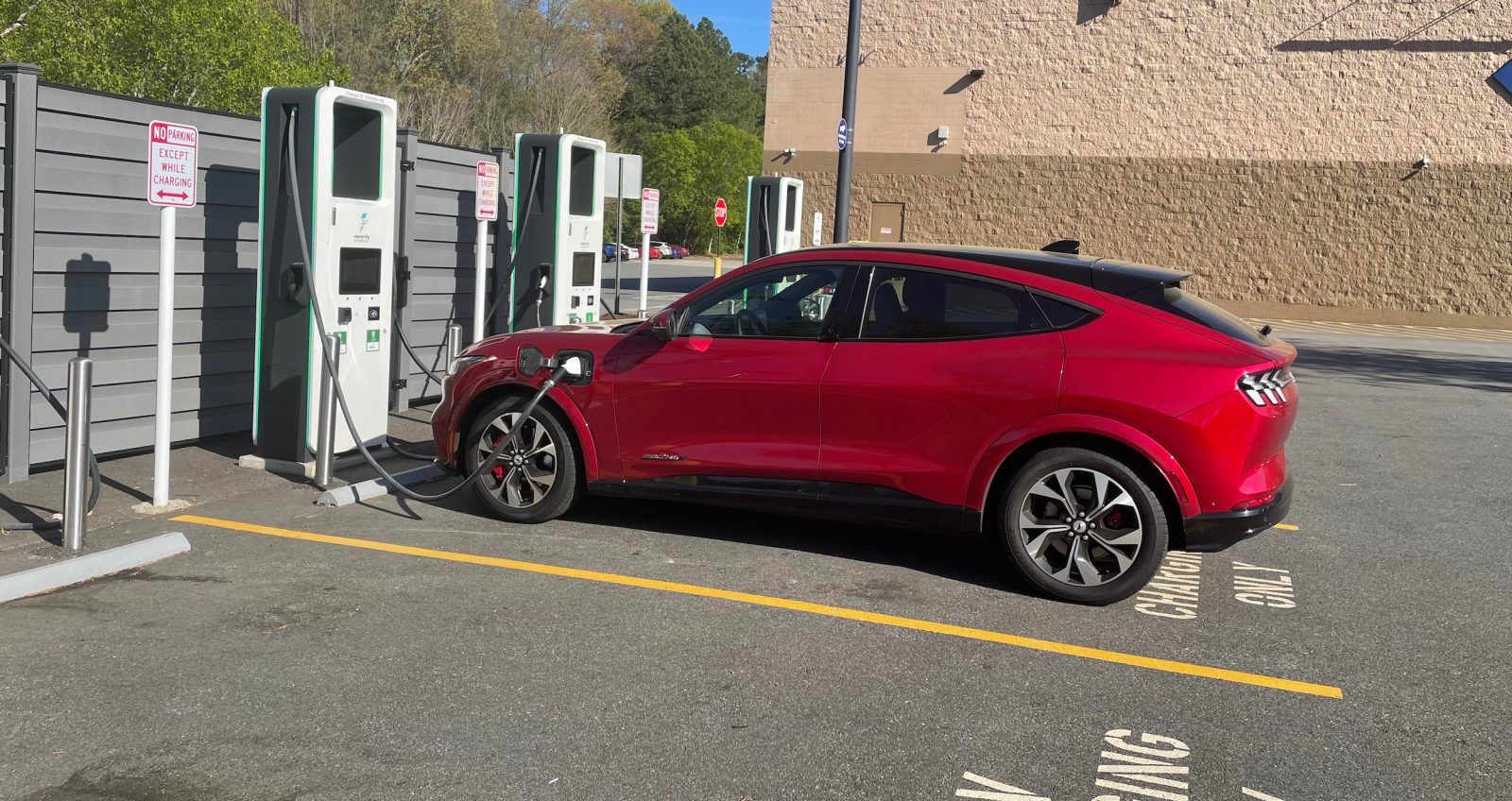
Ford announced today that it is slashing prices across all trims of its popular Mustang Mach-E electric SUV amid a growing EV price war.
We reported that we saw Tesla’s massive price cuts earlier this month as the start of an EV price war.
A few companies had to reactively slash prices.
Now Ford is announcing the same for the Mustang Mach-E. The automaker claims that it is due to a “new EV supply chain coming online,” but as most people know, companies generally try to sell products for as much as they can sell them. Prices are generally adjusted to create demand.
Ford wrote about its price adjustments today:
With its new EV supply chain coming online, Ford is significantly increasing production of the Mustang Mach-E this year to help reduce customer wait times and to take advantage of streamlined costs to reduce prices across the board, making Mustang Mach-E even more accessible to customers and keeping it competitive in the marketplace.
The Model Y saw the biggest price reduction in Tesla’s own price adjustments earlier this month and the model is seen as a direct competitor to the Mach-E.
The price cuts are not as significant as Tesla’s, but they do keep the two models in a similar range with price reductions between $600 and $5,900 per model.
Here are all the price adjustments announced by Ford on the Mustang Mach-E today:
| 2023 Mustang Mach-E | Former MSRP | Updated MSRP | Delta |
| Select RWD Standard Range Select eAWD Standard Range California Route 1 eAWD ET Premium RWD Standard Range Premium eAWD Standard Range GT Extended Range |
$ 46,895 $ 49,595 $ 63,575 $ 54,975 $ 57,675 $69,895 |
$45,995 $48,995 $57,995 $50,995 $53,995 $63,995 |
$900 $600 $5,580 $3,980 $3,680 $5,900 |
| Extended Range Battery Nite Pony Appearance Package GT Performance Package |
$ 8,600 $800 $6,000 | $7,000 $ 800 $6,000 |
$1,600 $ 0 $ 0 |
As you can see, Ford also dropped the price of the extended range battery pack by $1,600.
The price applies to customers going forward, but Ford also appears to say that it plans to offer some rebates for recent buyers:
Existing Mustang Mach-E customers awaiting delivery of their vehicle will automatically receive the adjusted price and for customers with a sale date after Jan. 1, 2023, and already have their Mustang Mach-E, Ford will reach out with a private offer.
Along with the price drop, Ford indicates that it plans to ramp up production of the Mach-E this year with the updated supply chain.
Ford delivered just short of 40,000 Mustang Mach-E electric vehicles in the US in 2022. Overall, it has a capacity of about 80,000 units a year, and it aims to increase that to 130,000 units a year.
FTC: We use income earning auto affiliate links. More.

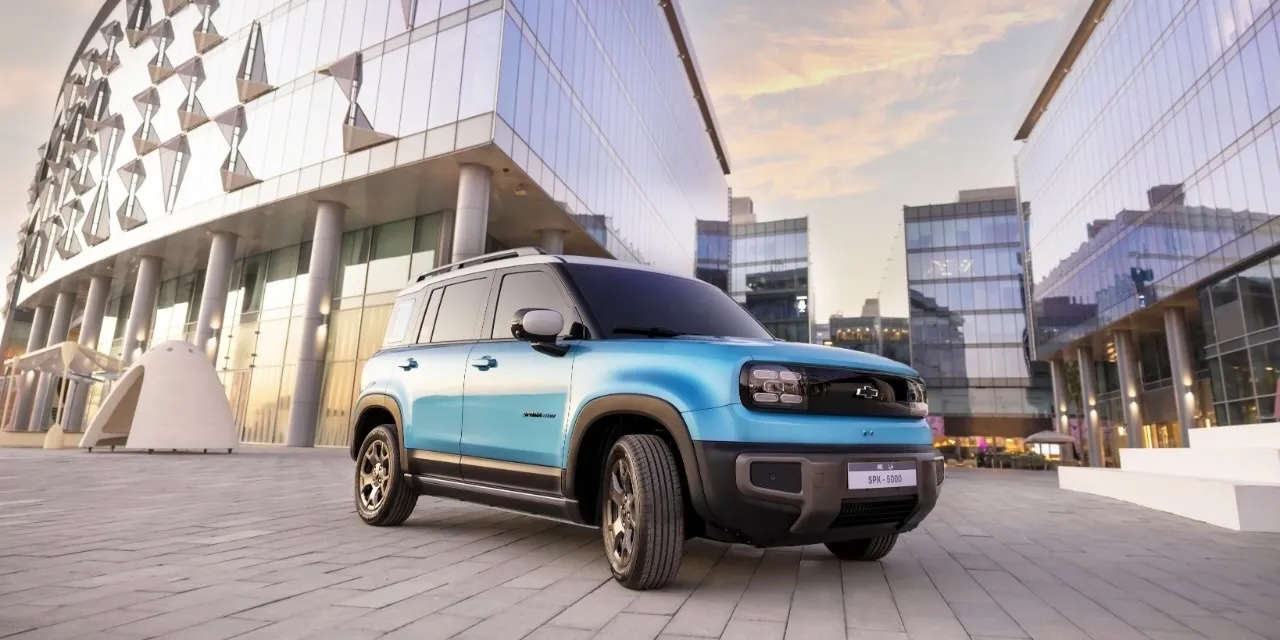
The spiritual successor to the beloved Chevy Geo Tracker, production of the new-for-2026 electric Spark EUV has officially begun in Brazil with more than 200 miles of range.
That’s right, kids. To know the Chevy Tracker is to love the Chevy Tracker. The tiny, top-heavy Suzuki-based SUV combined bold colors, fun styling, (relatively) good fuel economy, and real off-road chops (especially in ZR2 trim) with an affordable price tag to make the Tracker an early favorite among the serious rock-crawling crowds.
Like, really
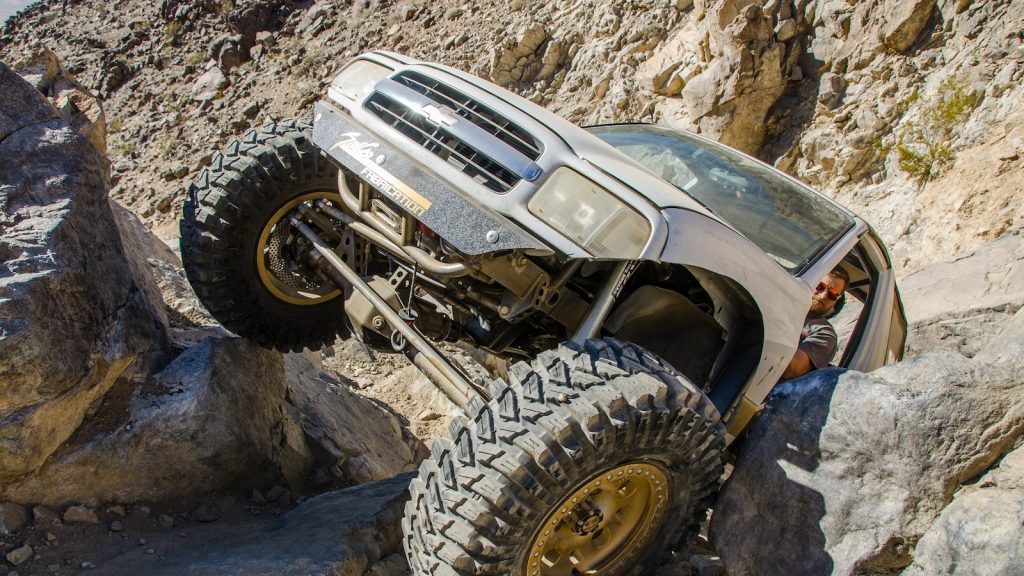
While it’s still too early to tell whether or not the all-new Chevy Spark EUV will come even close to that little proto-SUV, it seems we won’t have to wait much longer to find out – GM Authority reports that production of the 2026 Chevy Spark EUV has officially begun at Comexport’s Planta Automotiva do Ceará (PACE) plant, in the state of Ceará, Brazil.
GM Brazil invested the equivalent of $73 million to get the PACE factory ready to assemble GM’s modern, zero-emissions Chevy crossover for the South American and Middle Eastern markets – an investment big enough to earn a visit from Brazilian president Luiz Inácio Lula da Silva, who was on-hand for the December 3rd kickoff event.
“It’s not a car factory,” said Comexport Vice President and PACE shareholder, Rodrigo Teixeir. “(The) goal is to develop technology there, not simply assemble a vehicle.”
Production of the new Spark EUV began last week, with production of the equally new Chevy Captiva EV set to begin as early as Q1 of 2026.
2026 Chevy Spark EUV

The Made in Brazil Chevrolet Spark EUV is heavily based on the Chinese Baojun, and is powered by that vehicle’s single 75 kW (101 hp), 180 Nm (130 lb-ft) motor driving the front wheels. Power comes from the Baojun’s 42 kWh LFP battery that, with regenerative braking, is good for up to 360 km (220 miles) on the NEDC driving cycle.
Weirdly, the new Spark is also equipped with a 10.1″ infotainment screen and 8.8″ digital instrument cluster (above) that supports both Apple CarPlay and Android Auto standard – technology that GM claims lead to “unsafe” driver behaviors in North America.
Let us know what you think of the little electric SUV, and whether or not you think it would be a hit in the US (it would) in the comments.
SOURCE: GM Authority; images by GM, Harry Situations.

If you’re considering going solar, it’s always a good idea to get quotes from a few installers. To make sure you find a trusted, reliable solar installer near you that offers competitive pricing, check out EnergySage, a free service that makes it easy for you to go solar. It has hundreds of pre-vetted solar installers competing for your business, ensuring you get high-quality solutions and save 20-30% compared to going it alone. Plus, it’s free to use, and you won’t get sales calls until you select an installer and share your phone number with them.
Your personalized solar quotes are easy to compare online and you’ll get access to unbiased Energy Advisors to help you every step of the way. Get started here.


FTC: We use income earning auto affiliate links. More.


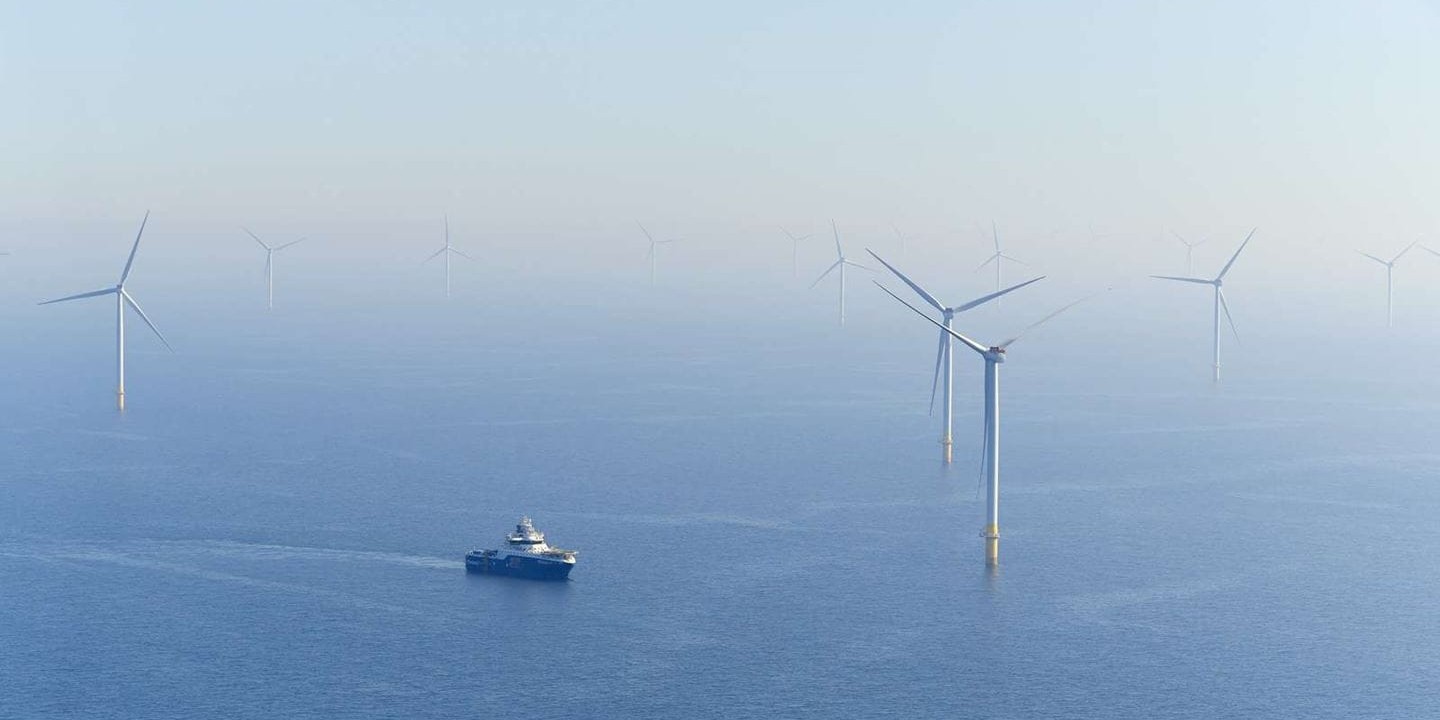
A federal judge in Massachusetts today ruled that the Trump administration’s ban on new offshore wind projects in federal waters is illegal.
Judge Patti B. Saris of the US District Court for the District of Massachusetts wrote that Trump’s executive order banning leasing of federal lands and waters for new wind farms is “arbitrary and capricious and contrary to law.”
Attorneys general from 17 states and Washington, DC, filed a lawsuit in May against the memorandum halting federal approvals of wind energy development, which was supported by industry and public interest groups.
The Attorneys general claimed that the halt “harms the States’ efforts to secure reliable, diversified, and affordable sources of energy to meet the ever-increasing demand for electricity; their billions of dollars in investments in supply chains, workforce development, and wind-industry-related infrastructure, including transmission upgrades; and their statutory- and policy-based efforts to protect public health and welfare from harmful air pollutants like nitrogen oxides and sulfur dioxide, as well as greenhouse-gas emissions.”
Because of Trump’s ban, at least seven offshore wind farms in the Northeast and Mid-Atlantic have been paused, as well as several others at earlier stages of development. Offshore wind has been a crucial part of the Northeastern states’ plans to transition to renewables, due to their geography and the plentiful wind in the winter. The region also heavily relies on natural gas, which is subject to price fluctuations.
Ted Kelly, director and lead counsel, US Clean Energy at Environmental Defense Fund, said, “We should not be kneecapping America’s largest source of renewable power, especially when we need more cheap, homegrown electricity. Striking down this unlawful ban gives relief to the communities and workers who need affordable power, local investment and jobs from wind projects that have been stuck in limbo.”
As a result of the Trump administration’s “arbitrary” policies, BloombergNEF reduced its forecast of new offshore wind power coming online by 2035 by 56%. And while the ruling is good news for the wind industry, it doesn’t mean the federal government is required to approve projects. And let’s face it: Foreign renewable companies aren’t exactly going to come running back to the US to do business. (Just today, for example, Denmark’s Eurowind Energy announced it’s shutting its US office, citing “political uncertainty.”) But at least offshore wind is no longer banned.
Oceantic Network CEO Liz Burdock said, “We thank the Attorneys General and the Alliance for Clean Energy New York for taking this case forward to protect American business interests against the politicization of our energy sector.”
Read more: Trump just killed all offshore wind zones as US power needs surge

If you’re looking to replace your old HVAC equipment, it’s always a good idea to get quotes from a few installers. To make sure you’re finding a trusted, reliable HVAC installer near you that offers competitive pricing on heat pumps, check out EnergySage. EnergySage is a free service that makes it easy for you to get a heat pump. They have pre-vetted heat pump installers competing for your business, ensuring you get high quality solutions. Plus, it’s free to use!
Your personalized heat pump quotes are easy to compare online and you’ll get access to unbiased Energy Advisors to help you every step of the way. Get started here. – *ad
FTC: We use income earning auto affiliate links. More.
-
 Sports2 years ago
Story injured on diving stop, exits Red Sox game
-
 Sports3 years ago
‘Storybook stuff’: Inside the night Bryce Harper sent the Phillies to the World Series
-
 Sports2 years ago
Game 1 of WS least-watched in recorded history
-
 Sports3 years ago
Button battles heat exhaustion in NASCAR debut
-
 Sports3 years ago
MLB Rank 2023: Ranking baseball’s top 100 players
-
Sports4 years ago
Team Europe easily wins 4th straight Laver Cup
-
 Environment3 years ago
Japan and South Korea have a lot at stake in a free and open South China Sea
-
 Environment1 year ago
Here are the best electric bikes you can buy at every price level in October 2024