
What most scares Sarah Michelle Gellar and how she moved on from ‘toxic’ Buffy set with new show Wolf Pack

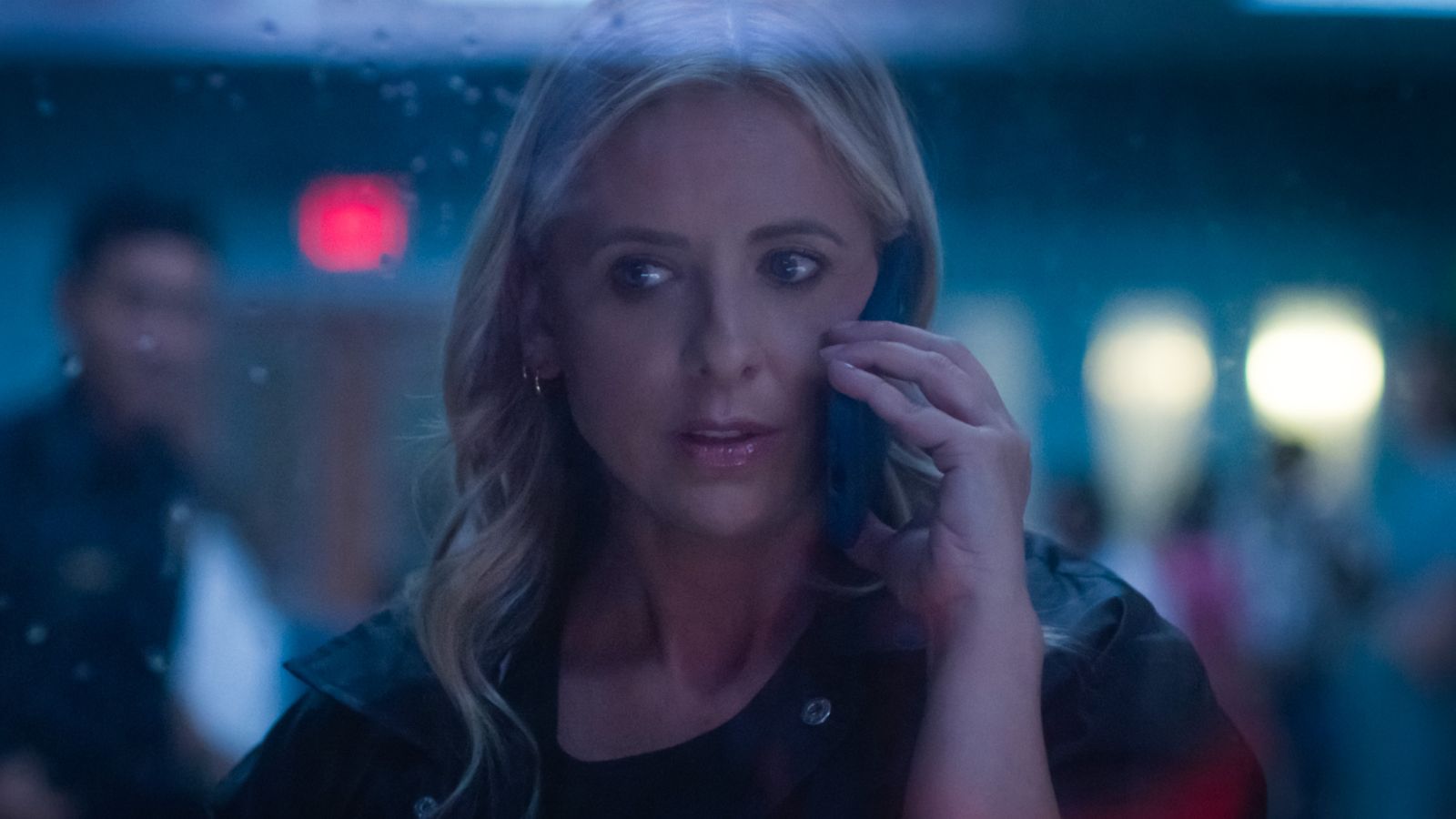
Known for her iconic role as Buffy The Vampire Slayer, Sarah Michelle Gellar is once again taking on the supernatural with her new show Wolf Pack.
Having described some behaviour on the ’90s hit drama as toxic, she told Sky News that now she’s an executive producer, she wanted to use her influence to ensure the only monsters she fights are on screen.
“I needed to have a set that was communicative, that was collaborative, where everybody had a voice,” Gellar explained.
“And, you know, when I was growing up in this industry, we were told not to, and if we did, we were difficult.
“And I think this isn’t a Hollywood thing – when you’re new in a job, you don’t want to make waves, you accept a lot of stuff that should be unacceptable, and I needed to have the power to change that and to be on the set that I wanted to be on, and not just that I wanted to be on, that everybody wanted to be on.
“Look, we get to play make believe, it’s really fun, but there’s long hours involved and there’s dangerous stunts and there’s, you know, all sorts of things, and I needed it to be a safe place for everyone.”
Gellar stars as Kristin Ramsey in Wolf Pack. Photo: Paramount+
On Wolf Pack, Gellar is no longer one of the youngest people on set. Her character is an investigator looking into a wildfire that has seemingly awakened a mysterious creature – and in the process changed the lives of two teenagers.
But learning from her own experiences, the star took practical action to ensure younger cast and crew on Wolf Pack were comfortable during filming.
She said: “I was like, here’s my cell phone, call me – and I think it was easier for them to speak to me if something was bothering them.”
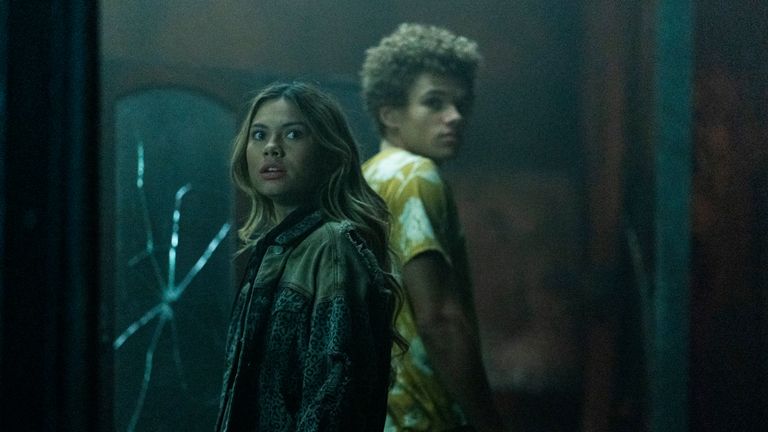
Bella Shepard as Blake Navarro and Armani Jackson as Everett Lang in Wolf Pack. Pic: Steve Dietl/Paramount+
Read more from Sky News:
Elton John gig axed minutes before start after floods
Kanye West a ‘danger to my children’, Jewish comedian says
Singer says drunk message got her on tour with Lewis Capaldi
She added: “It’s hard when it’s your producer, boss, network and everyone has a bottom line – I don’t have one, I’m here to make all of this work and work well.
“And by the way, not just for the actors – I said that to the crew, too, to the production assistants: If you’re too tired, and the hours are too long, let me know. There’s Uber now, there’s a really easy way for people not to get in car accidents when they’re working, it’s nothing to a production to call an Uber and guess what? If production won’t pay for it, I’ll get you an Uber.”

Photo: Curtis Bonds Baker/Paramount+
‘The scariest things in life emotionally scare us’
It’s 20 years since Buffy ended and Gellar says she was drawn back to the genre not by mythical creatures, but what they represent.
“To me, the scariest things in life are what emotionally scare us, and that’s what this monster is that metaphor for and really dealing with anxiety,” the actress explained.
“You know, that’s a word we throw around a lot right now, we’re all feeling it, we’re bombarded with news 24/7, and what it does and this constant stream of information.
“The idea is that anxiety is actually your body running at peak condition, but we don’t know what to do with that, so when you harness that, you can actually make that your superpower – and if we have the tools to really deal with anxiety, what would we be capable of?”
Click to subscribe to Backstage wherever you get your podcasts
How star got through COVID
But she admits she nearly didn’t get involved with Wolf Pack at all – initially saying no when asked to look at the script, joking that it was “animal instinct” that took over when she eventually relented.
“The idea of the pack to me just really hit home. It was the right time, you know, we were just coming out of COVID where if it wasn’t for my pack, my pod, if you will, I wouldn’t have gotten through it,” Gellar said.
“And what it’s like when you don’t have that and how lonely that feels.
“I surprised myself when I said yes, it surprised Jeff [Davis – the show’s creator], it surprised my team – it was a very just emotional response to material that meant something to me.”
Wolf Pack is streaming now on Paramount +
Entertainment
US director and actor Rob Reiner and wife found dead ‘with stab wounds’ at their LA home
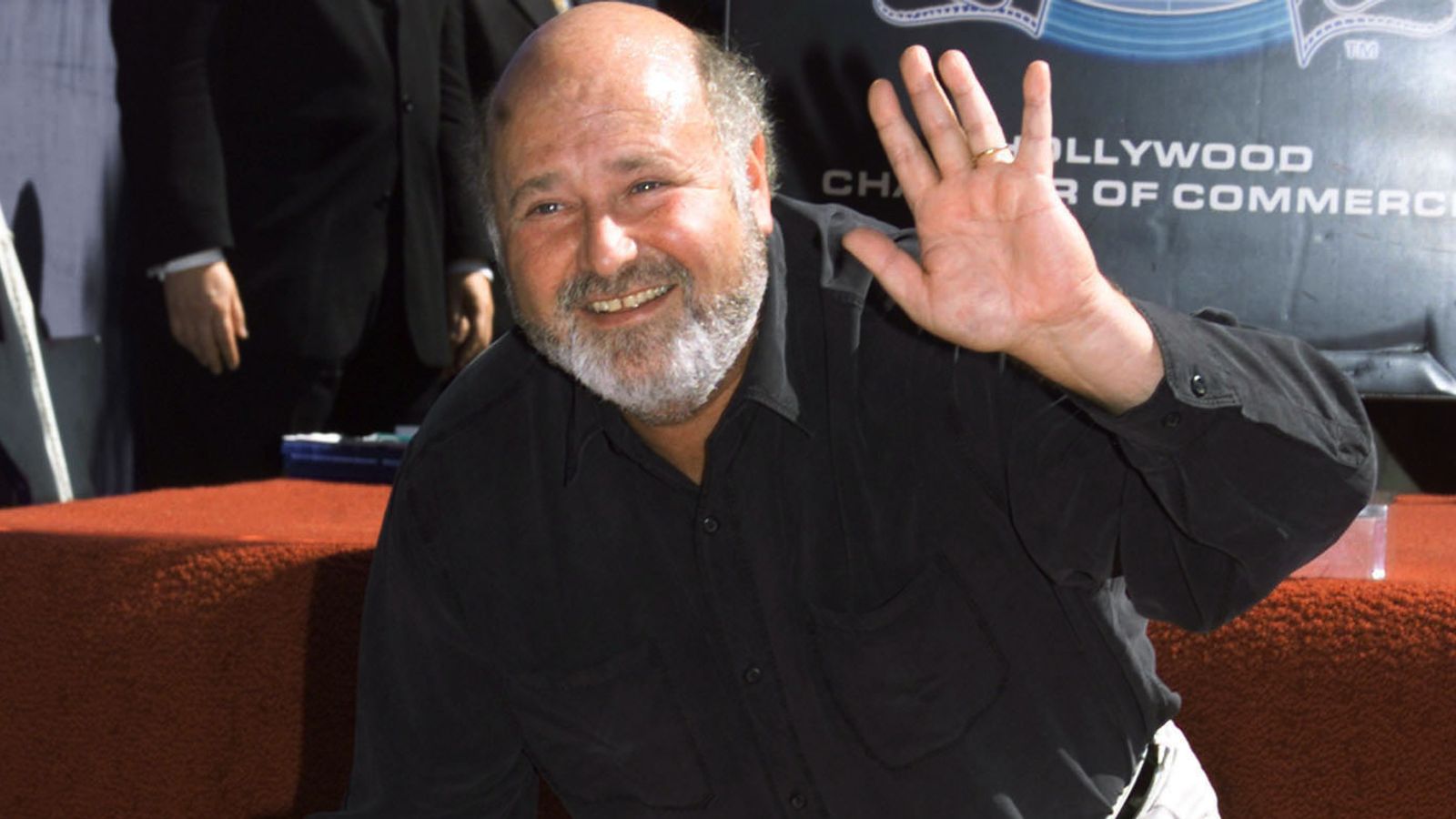
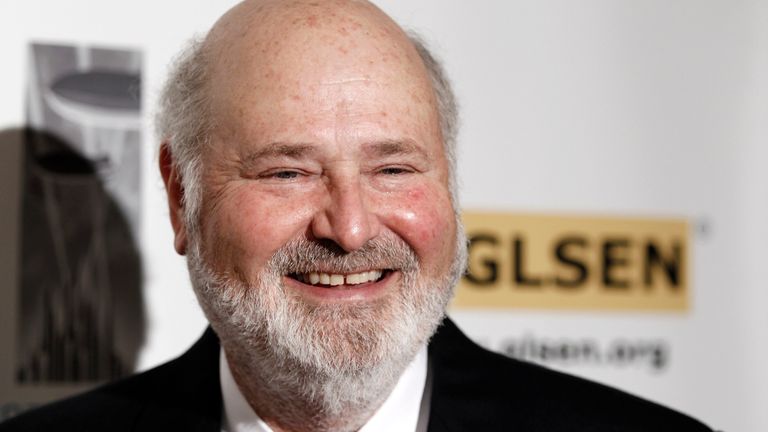
US director and actor Rob Reiner and his wife have been found dead at their home in Los Angeles.
Reiner and wife Michele Singer Reiner apparently died of stab wounds and a family member is being questioned, US media reported.
The Los Angeles Fire Department said a 78-year-old man and a 68-year-old woman were found dead inside a property, without identifying the victims. Reiner turned 78 in March.
Pic: AP
Detectives from the LAPD Robbery Homicide Division have been assigned to the case, the force said in a statement.
LAPD Captain Mike Bland said they were investigating an “apparent homicide”.
A large police presence gathered at the house.
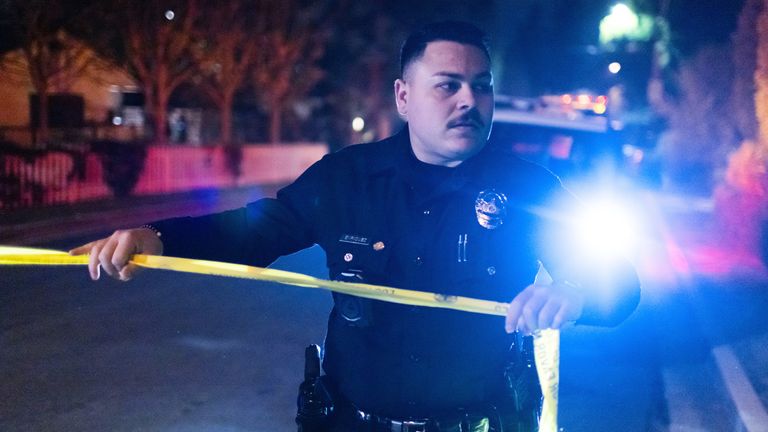
Pic: AP
‘Celebrated director’
Reiner was a celebrated director whose work included some of the most memorable movies of the 1980s and ’90s.
He directed such classics as This Is Spinal Tap, The Princess Bride, When Harry Met Sally, A Few Good Men and Stand By Me.
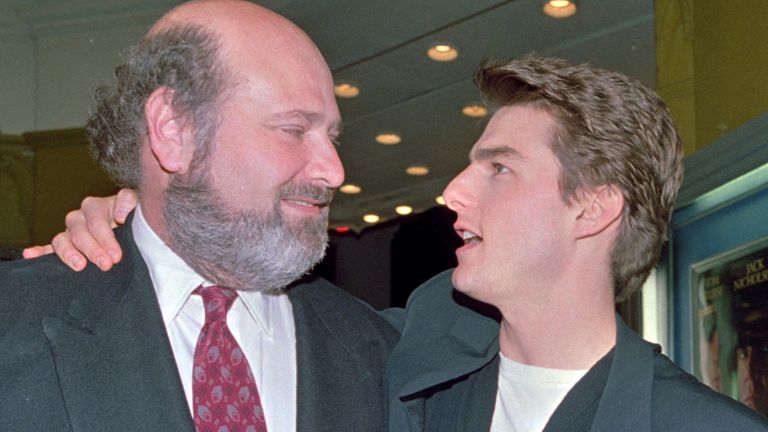
With Tom Cruise at the premiere of courtroom drama A Few Good Men in 1992. Pic: Reuters
He also acted, starring in Sleepless in Seattle and The Wolf of Wall Street among others. His most recent high-profile work was a recurring guest role in the hit show The Bear.
He met Michele Singer in 1989, while directing When Harry Met Sally. They have three children together.
Michele used to work as a photographer and took the photo of Donald Trump that appears on the cover of his book Trump: The Art Of The Deal.
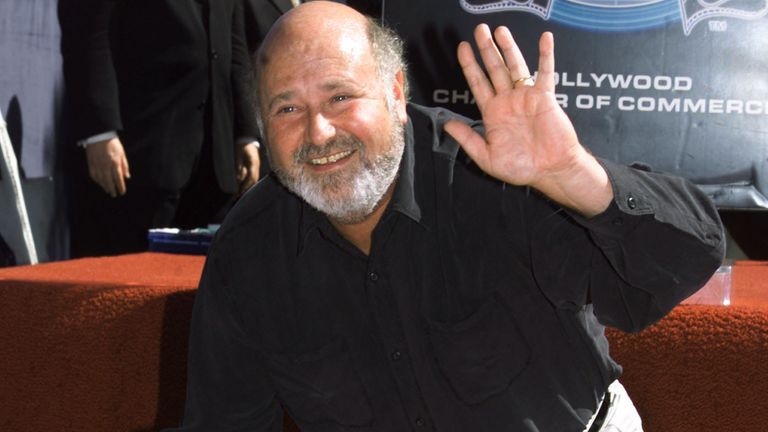
Rob Reiner on the Hollywood Walk of Fame in 1999. Pic Reuters
A spokesperson for the Reiner family said: “It is with profound sorrow that we announce the tragic passing of Michele and Rob Reiner. We are heartbroken by this sudden loss, and we ask for privacy during this unbelievably difficult time.”
Los Angeles mayor Karen Bass said Reiner’s death was a devastating loss for the city.
“Rob Reiner’s contributions reverberate throughout American culture and society, and he has improved countless lives through his creative work and advocacy fighting for social and economic justice,” she said.
“An acclaimed actor, director, producer, writer, and engaged political activist, he always used his gifts in service of others.”
‘Creative, funny, and beloved’
Reiner was a champion of liberal causes and a political activist.
In the 2004 presidential election, he backed Democratic candidate John Kerry and featured in advertisements taking aim at incumbent President George W Bush.
Reiner also supported Democratic presidential hopefuls Al Gore and Hillary Clinton.

Rob Reiner with Hillary Clinton. Pic: Reuters
Former US president Barack Obama has led the tributes. He wrote on X that “Michelle and I are heartbroken by the tragic passing of Rob Reiner and his beloved wife, Michele. Rob’s achievements in film and television gave us some of our most cherished stories on screen.”
Former House speaker Nancy Pelosi said: “It’s hard to think of anyone more remarkable and excellent in every field and endeavour they pursued.
“Rob was creative, funny, and beloved. And in all of their endeavours, Michelle was his indispensable partner, intellectual resource, and loving wife.
“Personally, Rob cared deeply about people and demonstrated that in his civic activities – whether by supporting the First 5 initiative or fighting against Prop 8 in California.
“Civically, he was a champion for the First Amendment and the creative rights of artists. And professionally, he was an iconic figure in film who made us laugh, cry and think with the movies he created.”
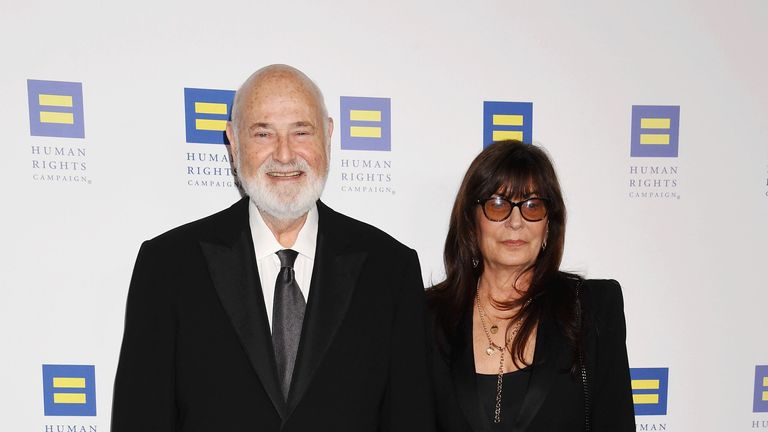
Reiner and his wife Michele Singer Reiner. Pic: AP
Actress Kathy Bates, who starred in Reiner’s film Misery, told NBC News: “I’m horrified hearing this terrible news. Absolutely devastated. I loved Rob.
“He was brilliant and kind, a man who made films of every genre to challenge himself as an artist. He also fought courageously for his political beliefs.
“He changed the course of my life. Michele was a gifted photographer. She shot my beautiful photos for the Misery campaign. My heart breaks for them both. My thoughts are with their family.”
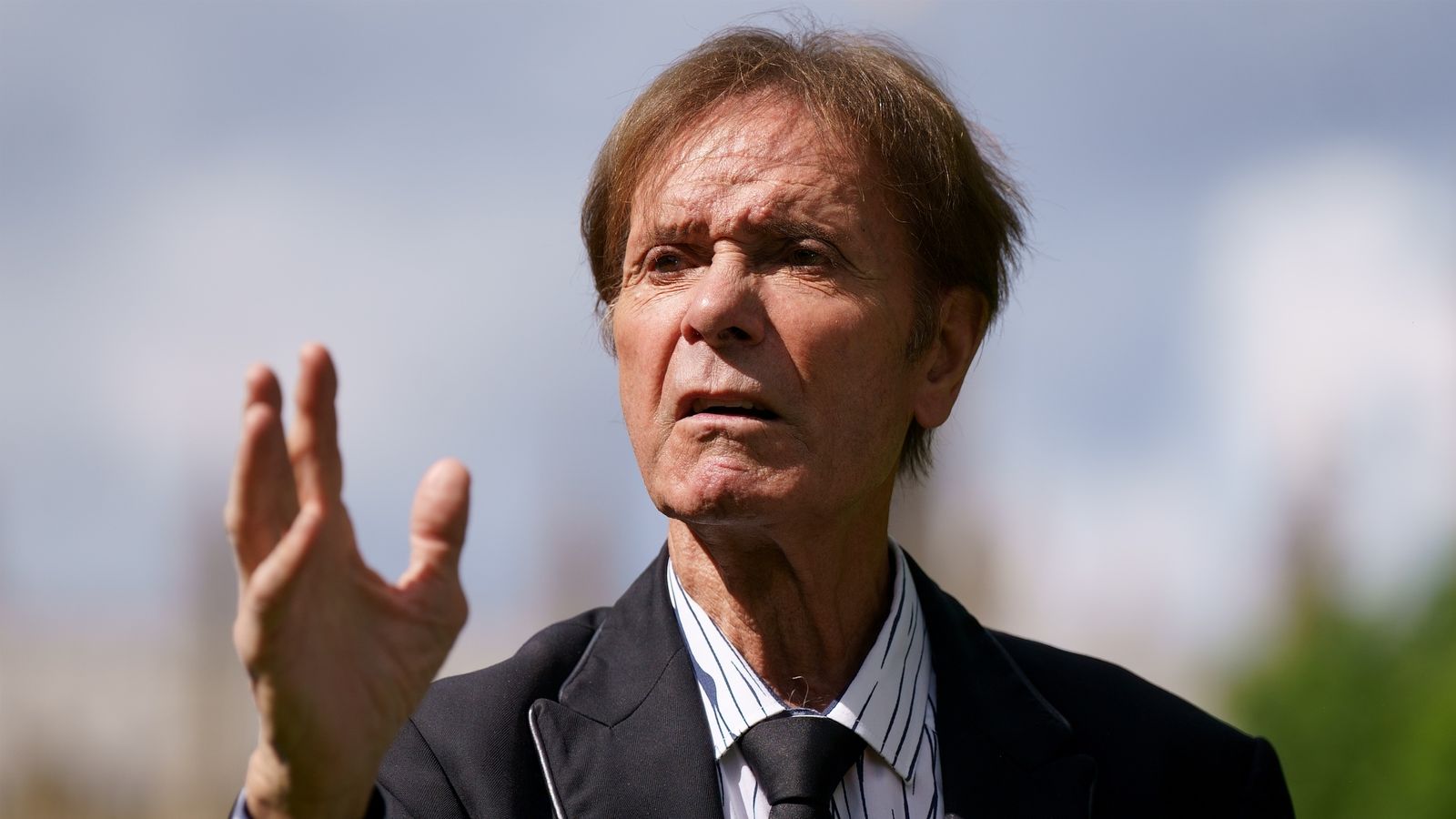
Sir Cliff Richard has revealed he has been treated for prostate cancer during the past year.
The 85-year-old singer said his cancer had “gone at the moment” and backed calls for a national screening test for men.
In an interview with Good Morning Britain, he said: “I was about to embark on a tour… I was going to Australia and New Zealand, and the promoter said ‘well we need your insurance, so you’ll need to be checked up for something’.
“They found I had a prostate with cancer, but the good fortune was, it was not very old. And the other thing is that it had not metastasized. It hadn’t moved into bones or anything like that.
“And the cancer’s gone at the moment, I don’t know whether it’s going to come back. I mean you can’t tell with those sort of things, but we need to absolutely, I’m convinced, get there, get tested, get checked.
“I think we as men… we’ve got to be seen as human beings who may die of this thing.”
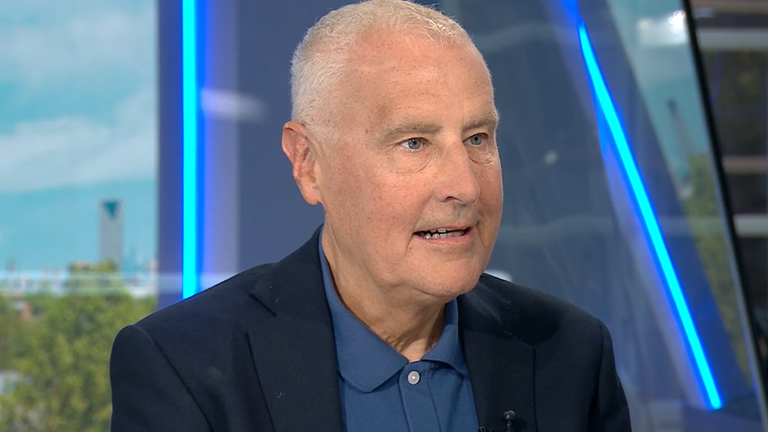
Sir Cliff made the revelation in conversation with former Sky News presenter, Dermot Murnaghan, who has himself been diagnosed with stage four prostate cancer.
Former Sky News presenter Dermot Murnaghan
Mr Murnaghan asked the singer whether he backed calls for a national prostate cancer screening programme, given that the disease is “the most prevalent cancer amongst men”.
Lending his support, Sir Cliff replied: “We have governments to look after our country and those who live in that country. We all deserve to have the same ability to have a test and then start the treatments really early.
“It’s only been one year now I’ve been in touch with cancer, but in point of fact, every time I’ve talked with anybody, this has come up, and so I think our government must listen to us.”
It comes after King Charles revealed he had reached a “milestone” in his own fight with cancer, and would be able to reduce his schedule of treatment in the new year.
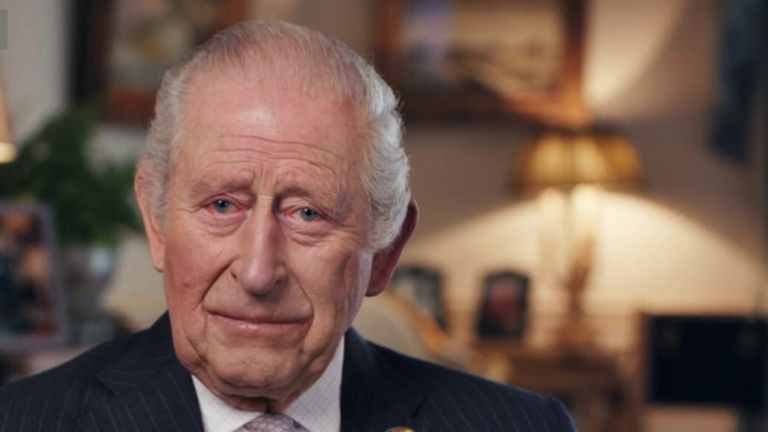
His message on Friday was broadcast at 8pm in support of Stand Up To Cancer, a joint campaign by Cancer Research UK and Channel 4.
He credited the “personal blessing” to early diagnosis when he announced the news on Friday.
He said: “Early diagnosis quite simply saves lives.
“Now, I have heard this message repeatedly during my visits to cancer centres across the country. I know too what a difference it has made in my own case, enabling me to continue leading a full and active life, even while undergoing treatment.
“Today, I am able to share with you the good news that thanks to early diagnosis, effective intervention and adherence to ‘doctors’ orders’, my own schedule of cancer treatment can be reduced in the new year.”
He continued: “This milestone is both a personal blessing and a testimony to the remarkable advances that have been made in cancer care in recent years; testimony that I hope may give encouragement to the 50% of us who will be diagnosed with the illness at some point in our lives.”
Read more:
King ‘deeply touched’ by reaction to cancer ‘good news’
NHS to offer same-day prostate cancer diagnosis
Buckingham Palace has not revealed what kind of cancer the king has, though it is confirmed not to be prostate cancer.
Mr Murnaghan asked Sir Cliff whether his own charitable efforts could be co-ordinated with the king’s on the issue of early screening.
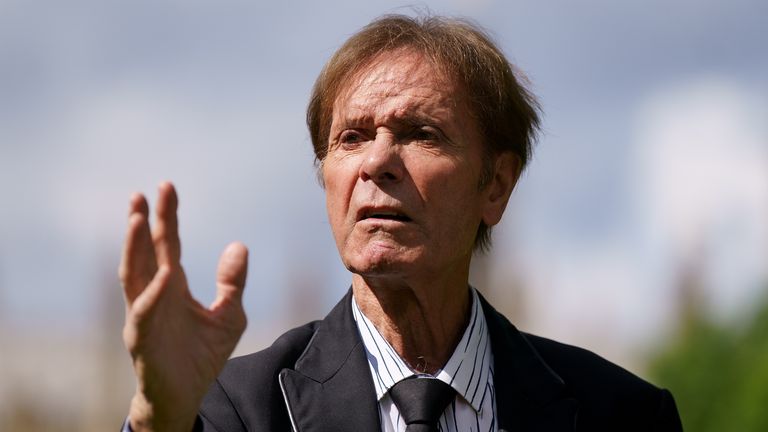
Cliff Richard. File pic: PA
The pop icon replied: “I’m sure! I mean, why not? I’ve been involved with many charities over the years, and if the king is happy to front it for us, I’m sure loads of people… I certainly would join him, I’m sure you would.
“If the king is listening, then I’m sure most of us would say, yeah, we’re available.”
Last month the UK National Screening Committee decided not to recommend mass screening for prostate cancer, saying the measure was “likely to cause more harm than good”.
Instead, it proposes a targeted screening programme every two years for men with specific genetic mutations, known as BRCA-1 and BRCA-2, between the ages of 45 and 61.
Entertainment
‘An enigma’ to the end: John le Carré’s son on his father – and how his legacy lives on
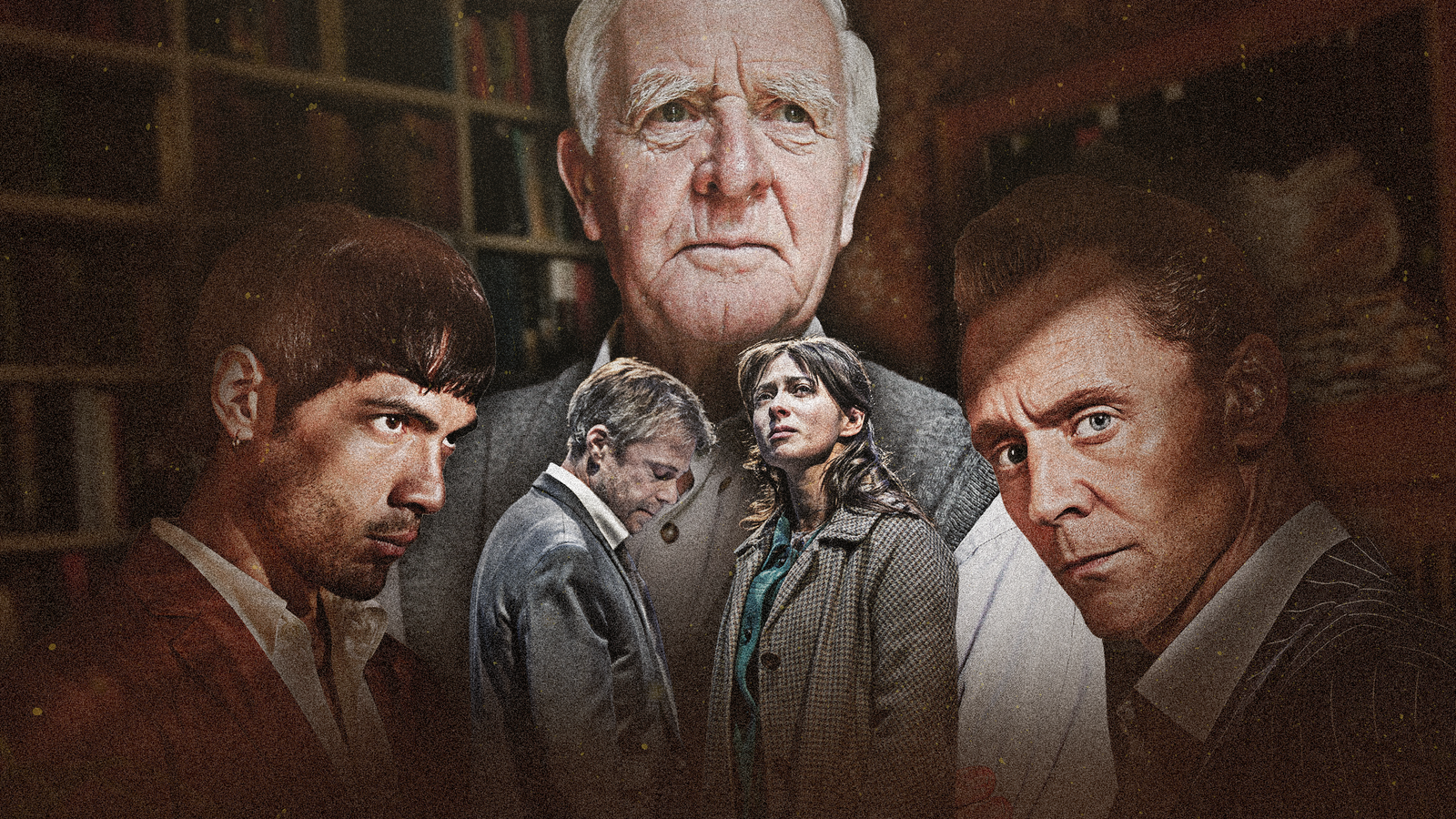
Writing 26 books and a memoir in his lifetime, John le Carré is widely considered to be one of the best spy novelists of all time.
His son, Simon Cornwell, told Sky News: “I think there was only one thing that was more important to him than his family and that was his writing.”
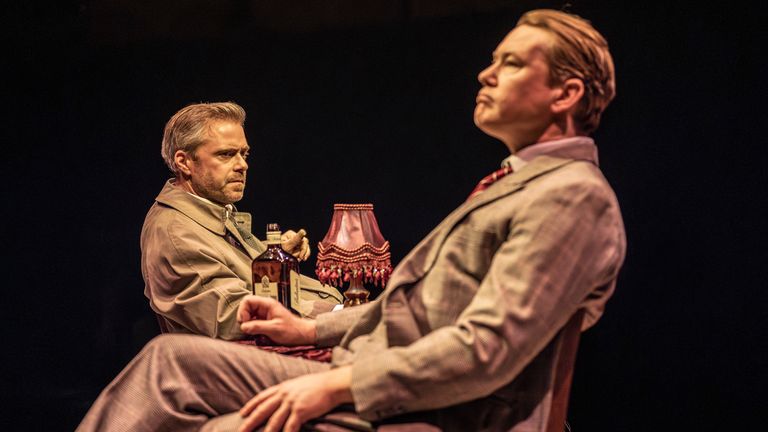
Rory Keenand and Mat Betteridge in The Spy Who Came In From The Cold. Pic: Johan Persson
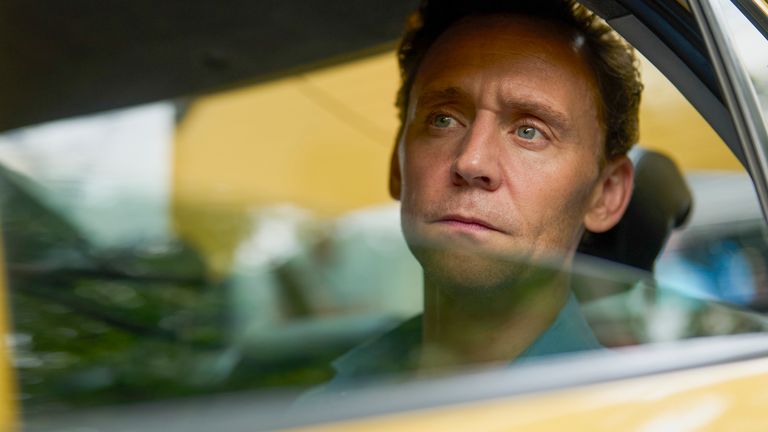
Tom Hiddleston returns in season two of The Night Manager. Pic: BBC/Ink Factory/Des Willie
First gaining attention in 1963 with his breakout novel, The Spy Who Came In From The Cold, cementing his reputation 10 years later with Tinker Tailor Soldier Spy, his work is now enjoying a resurgence.
The Spy Who Came In From The Cold has been adapted for the stage for the first time, with confirmation of a TV series to follow, while another of his works, The Night Manager, premieres its second season starring Tom Hiddleston in the new year.
There are further productions waiting in the wings, plus an unfinished le Carré play with the potential to be developed.
And archives of le Carré’s work – containing over 1,200 boxes of material – have gone on display at the Bodleian Libraries at the University of Oxford.
Writing under a pen name, le Carré, who was born David Cornwell, died in December 2020.
His elder sons, Simon and Stephen, now manage the film, TV and stage rights of his work through their studio The Ink Factory, while his youngest son, Nick, expands the George Smiley universe.

(R-L) Nick Harkaway, John Le Carré, and Simon, Stephen and Tim Cornwell. Pic: Clare Cornwell
Smiley’s continuation ‘could have gone horribly wrong’
One of le Carré’s most well-known creations, Smiley was the antidote to James Bond – bespectacled, balding and a little out of shape – and a recurring character in le Carré’s books.
Simon says Nick, who has two more Smiley books in the pipeline, was “taking on a big risk” developing the character, but insists, “he is the only person who could have done it and done it that well”.
He goes on: “He could find my father’s voice… he grew up talking every day to my dad, as we did, and he just knows at an instinctive level what’s important…
“There are so many ways in which it could have gone horribly wrong, and it went brilliantly right.”
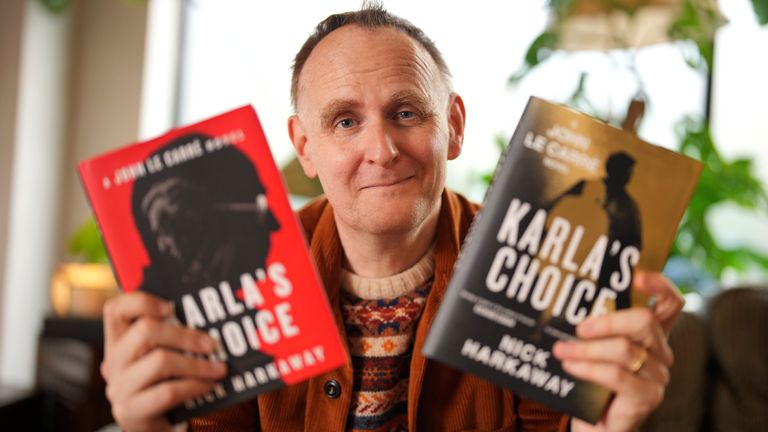
Nick Harkaway with his first Smiley continuation novel, Karla’s Choice. Pic: AP
‘A family enterprise’
Explaining how they all work together – calling it a “family enterprise in the best of ways” – Simon explains: “A lot of authors, when they die, they leave very strict instructions to their children, their estate as to how things should be managed and lots of rules and restrictions and everything else. My dad didn’t do that.”
Le Carré’s fourth son, Tim, sadly died aged 59 in 2022, shortly after editing a collection of his father’s letters, titled A Private Spy.
Le Carré is by no means the only author whose legacy lives on via others.
Announcing a staggered retirement, Lee Child passed his hit creation Jack Reacher on to his younger brother Andrew in 2020.
PG Wodehouse’s much-loved Jeeves and Wooster stories have been rewritten this Christmas by celebrity fans including Frank Skinner and Alan Titchmarsh, half a century after his death.
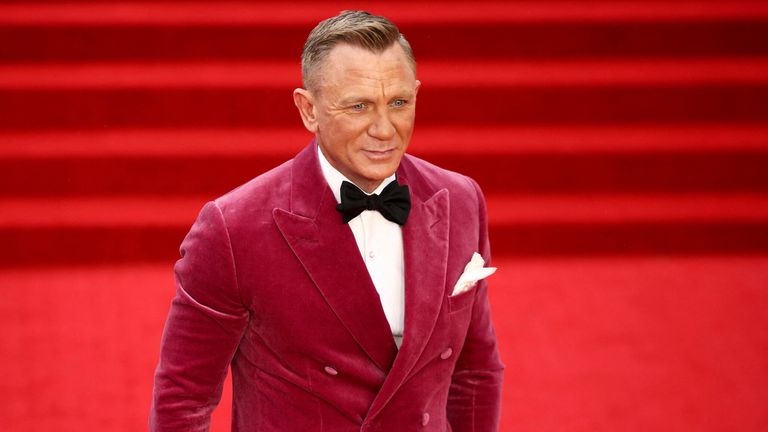
Daniel Craig at the No Time To Die world premiere in 2021. Pic: Reuters
Staying part of the conversation is key
While Ian Fleming’s James Bond has been continued by 15 authors so far, and spilling into the young adult genre, capturing a whole new generation of readers.
Mark Edlitz, intellectual expert and author of The Many Lives Of James Bond, told Sky News such continuations are essential to the survival of the work.
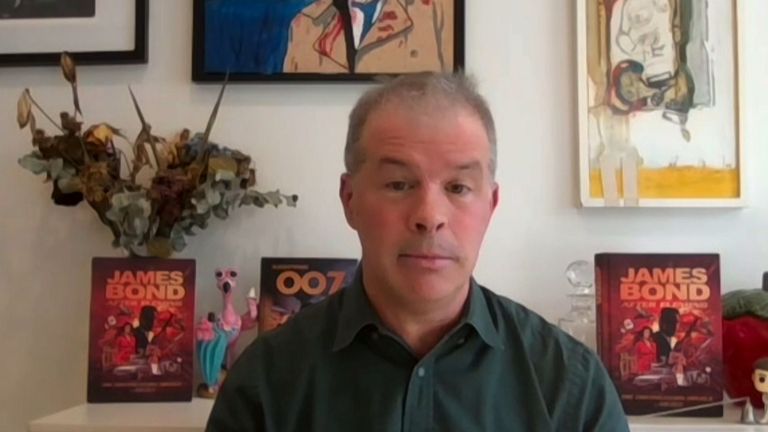
Author Mark Edlitz has written about the Bond continuation novels
“We have seen all these detectives and spies who don’t have a movie series or a TV series to bolster their eyeballs, and then they fade from public view.
“These books and movies help keep the author’s work present and viable and part of the public conversation.”
Sarah Baxter, senior contracts advisor for The Society of Authors, says remaining relevant and visible has another big benefit too.
“That kind of partnership can go on to give a whole new lease of life to works that may have been written many, many years ago, and it can go on to generate a lot of income for a literary estate.”
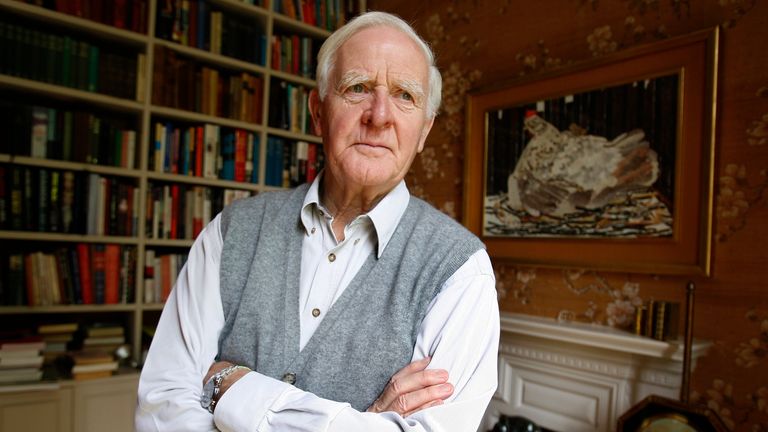
Le Carré – an enigma, even to his family, to the end. Pic: AP
‘An enigma’
More than 60 million copies of Le Carré’s books have been sold worldwide, with new adaptations likely to boost those sales further.
But Simon Cornwell says the investment in his father’s work is about more than just profits.
“We became very, very close as a family because he was very keen to be a proper dad and we were working with him and his material as well, so it was particularly towards the end of his life. It was a beautiful, thrilling thing.”
A master storyteller, the moral ambiguity of the fictional world he constructed reflected back on to its creator.
Simon says: “He remained an enigma. I think in some ways he was probably an enigma to himself…
“He was an extraordinary man to be close with, but do you ever understand somebody like that? Probably not.”
His work more widespread than ever, but the man himself – still a mystery.
The Spy Who Came In From The Cold is at @sohoplace in London’s West End to 21 February before embarking on a UK Tour.
John le Carré: Tradecraft is at the Bodleian Libraries at the University of Oxford until 6 April.
-
 Sports2 years ago
Story injured on diving stop, exits Red Sox game
-
 Sports3 years ago
‘Storybook stuff’: Inside the night Bryce Harper sent the Phillies to the World Series
-
 Sports2 years ago
Game 1 of WS least-watched in recorded history
-
 Sports3 years ago
Button battles heat exhaustion in NASCAR debut
-
 Sports3 years ago
MLB Rank 2023: Ranking baseball’s top 100 players
-
Sports4 years ago
Team Europe easily wins 4th straight Laver Cup
-
 Environment3 years ago
Japan and South Korea have a lot at stake in a free and open South China Sea
-
 Environment1 year ago
Here are the best electric bikes you can buy at every price level in October 2024