
Rhodes wildfires: What rights do holidaymakers have as thousands forced to flee hotels?


Raging wildfires on the Greek island of Rhodes have sparked the evacuation of around 2,000 tourists from its resorts.
The Greek government said it had evacuated 19,000 people in the “largest ever” wildfire evacuation in the country’s history.
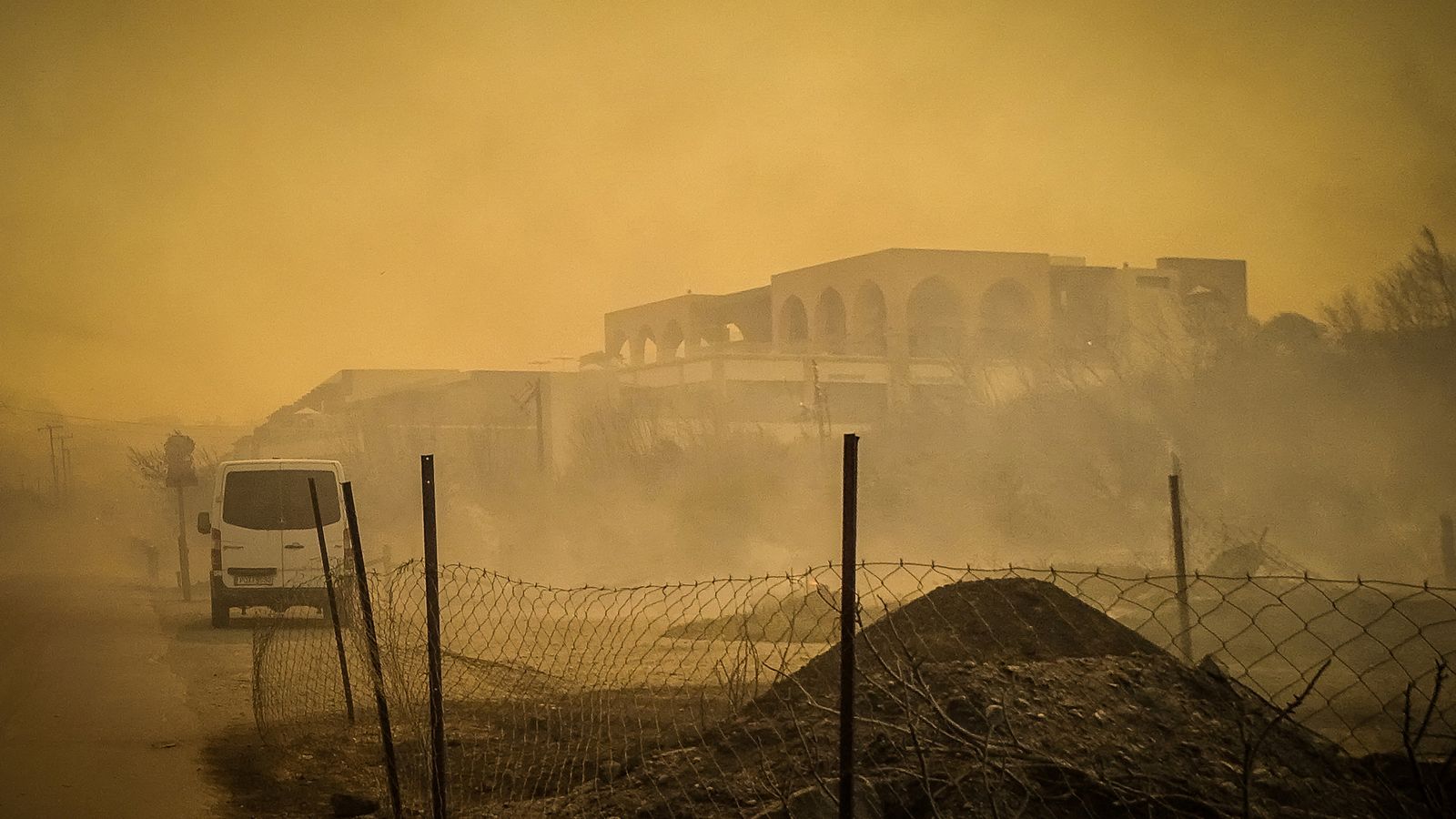
Local media said the fires had reached three hotels, which had already been evacuated, with three coastguard vessels plus one from the army evacuating people from two beaches.
But what should holidaymakers do if they have booked to travel to the island?
Largest ever evacuation from Greece – latest on Rhodes wildfires
Are airlines still flying to Rhodes?
Jet2 cancelled all flights and holidays to Rhodes until next Monday (31 July), saying “we will be contacting affected customers with regards to their refund and rebooking options”.
TUI also cancelled all flights to the island until Tuesday, with customers looking to fly out on Wednesday given the opportunity to rebook or cancel free of charge.
EasyJet cancelled package holidays until Tuesday, and though it said it is currently “operating flights as normal” it was offering those who had booked to travel to or from Rhodes the chance to transfer to another date or request a flight voucher up to next Saturday.
Meanwhile, British Airways said it is offering customers on the island who need to return home early the opportunity to change flights free of charge and Ryanair said flights were “currently operating as normal and unaffected by the forest fires”.
Thomas Cook has cancelled all holidays to areas of Rhodes most affected by the wildfire – such as Kiotari and Lardos – until July 31. The travel agency announced it had been in touch will all customers due to travel today (23 July) or tomorrow (24 July) to those areas to arrange “swift refunds”. It has also offered full refunds to customers due to depart for other parts of the island on Sunday and Monday who wish to cancel.
Thomas Cook will be in touch with people booked to travel on Tuesday to discuss their options, the firm added.
Read more:
Evacuee ‘lost everything’
British family spent night on floor
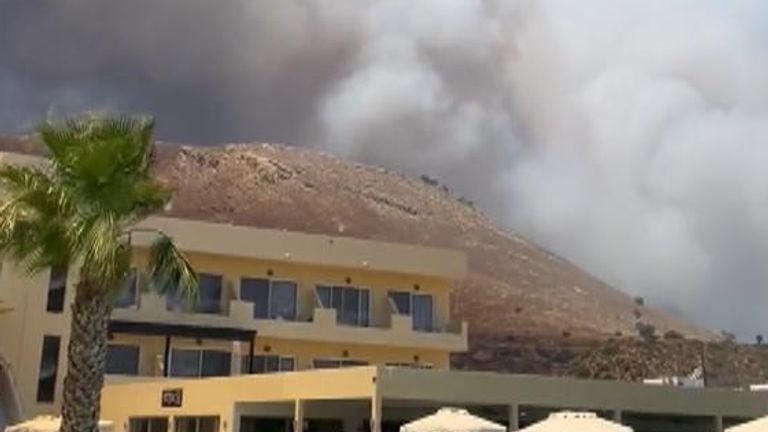
Tourists flee hotels as Greek wildfires rage
If I’m with another operator, can I get a refund or a cancellation?
If it’s a package, the Package Travel Regulations say holidaymakers can cancel and receive a full refund “if unavoidable and extraordinary circumstances occur at the place of destination or its immediate vicinity which significantly affect the performance of the package or the carriage of passengers to the destination”.
“If you have been notified that your holiday which is due to depart in the next few days has been cancelled, then your travel company will be able to discuss your options with you – that could be offering a full refund or they might be able to discuss an alternative holiday,” said Emma Brennan, a spokesperson for the Association of British Travel Agents (ABTA).
Those seeking refunds for independent travel could have less luck.
“If you booked everything independently, if you booked a flight and that flight has now been cancelled, then they will need to provide a refund for that, then you would need to go through and speak to every element of your travel provider to understand what the terms and conditions are – what’s the arrangement with the hotel or accommodation that you have booked, what’s the refund policy, the same for any transfer or car hire,” she said.
The fine print of holiday conditions will differ with each operator.
What is the foreign office saying?
The UK’s foreign office has urged British travellers affected by the wildfires to follow guidance from Greek emergency services.
“If you are planning to travel to Rhodes, please check with your travel operator or hotel prior to travel that the area you plan to visit is not impacted by the current wildfires,” it said.
However, it has stopped short of advising against travelling to Rhodes – a move that would significantly help anyone seeking compensation.
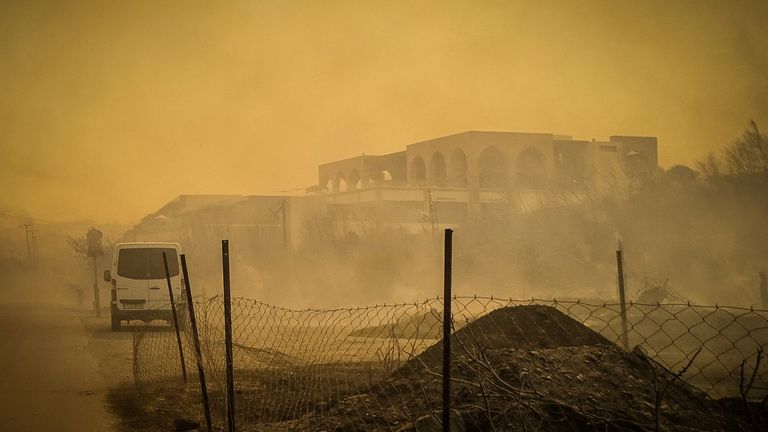
A burnt hotel during a wildfire on Rhodes
Am I covered by my travel insurance?
Whether holidaymakers are guaranteed compensation under their travel insurance policies hinges on if the UK government advises against travel to the area.
“The primary purpose of travel insurance is to cover the costs of emergency medical treatments or repatriation should the worst happen, which can run into the tens or even hundreds of thousands of pounds,” a spokesperson for the Association of British Insurers (ABI) said.
“It can cover you if you need to cancel or cut short your holiday, but it’s likely this will only be under limited circumstances, for example if you or a close family member fall ill, not because of a disinclination to travel.
“Insurance can cover you if advice from the government changes since you’ve booked your trip, and it’s no longer considered safe to travel to the destination.”
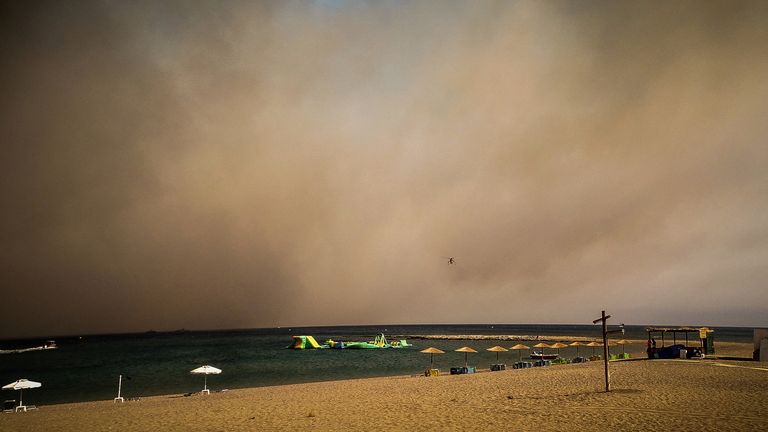
A beach covered in smoke during the wildfires
Instead, anyone concerned about travelling to the area should check with their travel provider and air carrier, the spokesperson added.
Some travel insurance policies may cover affected holidays under certain circumstances, so people are advised to check the scope of cover provided by their travel insurance.
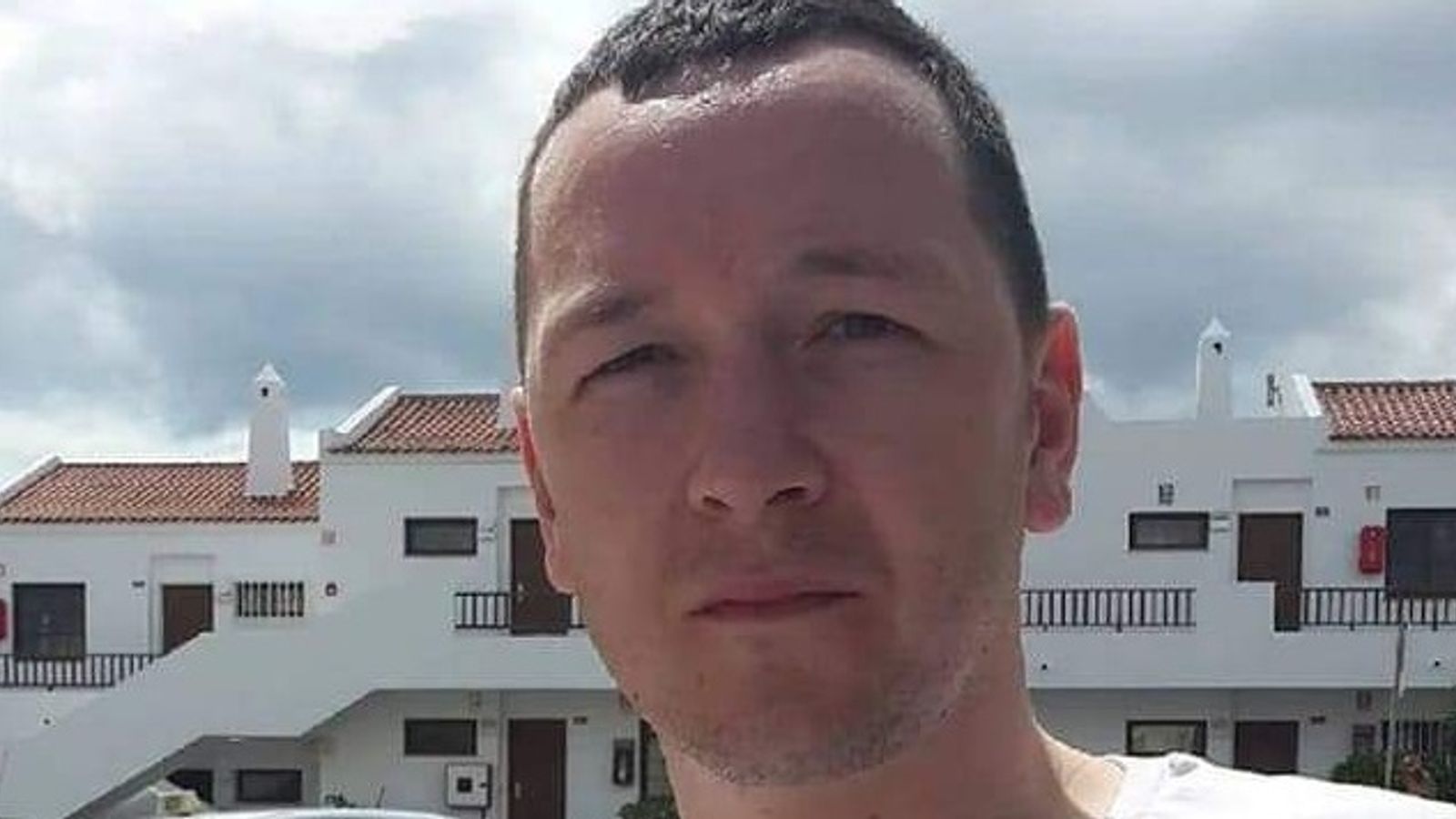
Three men and a woman have been jailed for at least 20 years for the brutal murder of a much-loved son.
Steven Hutton, 43, was hit with a hammer and stabbed in the heart during a late-night home invasion at his flat in Dundee in March 2024.
He was taken to the city’s Ninewells Hospital, but died the following day.
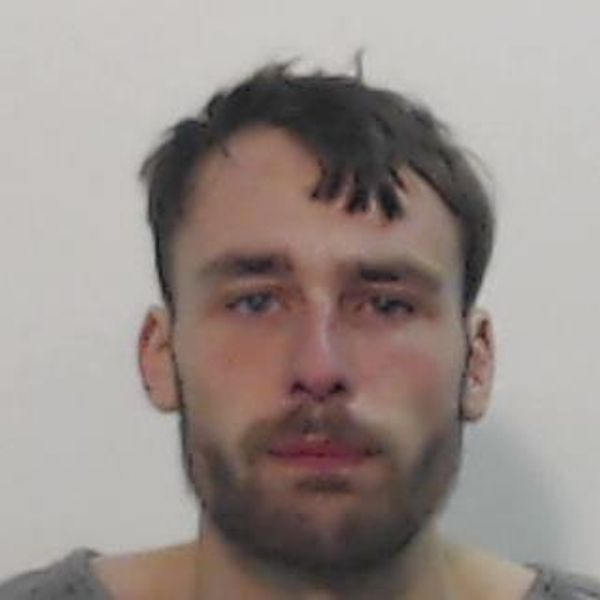
Brian Miller, 29, Scott Henderson, 40, Barry Murray, 45, and Carri Stewart, 44, were on Monday found guilty of murder following a trial at the High Court in Glasgow.
Brian Miller. Pic: Police Scotland
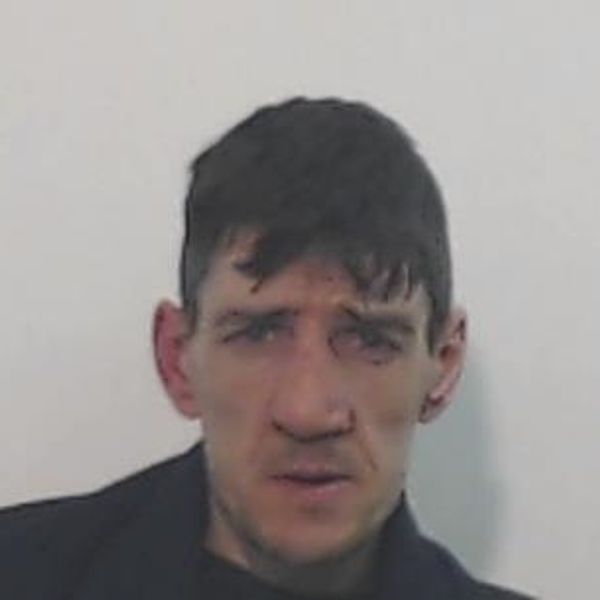
Scott Henderson. Pic: Police Scotland
The killers were each handed a life sentence, and will spend at least two decades behind bars.
In her sentencing statement, Judge Lady Haldane said the evidence provided a “compelling picture of a plan to inflict serious violence upon Mr Hutton in his own home”.
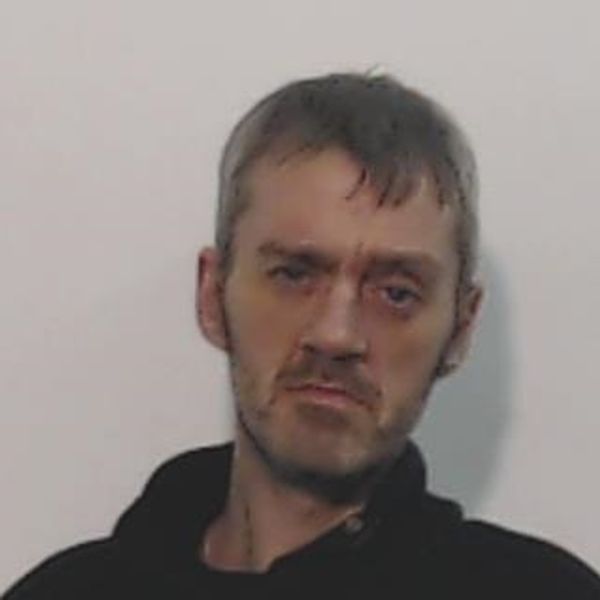
Barry Murray. Pic: Police Scotland
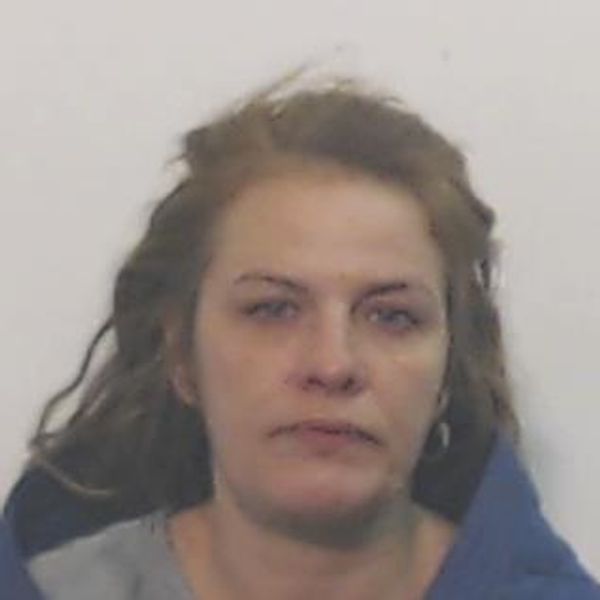
Carri Stewart. Pic: Police Scotland
The judge described it as a “frenzied assault”, which in part was sparked due to a “missing packet of Pregabalin medication”.
‘Callous’ behaviour
Lady Haldane stated: “Steven Hutton lost his life in these horrific circumstances, compounded by the fact that not one of you sought to seek assistance for him as he lay dying until you were all well clear of the property.
“That is behaviour that can only be described as callous.”
Read more from Sky News:
Public inquiry to probe how killer evaded justice for 19 years
‘Stakeknife’ spy inside IRA should be named, says report
The judge paid tribute to Mr Hutton’s family and friends.
She added: “Those close to Mr Hutton, in particular his mother, have attended faithfully every day of this trial, and their quiet dignity throughout what must have been at times harrowing and distressing evidence stands in stark contrast to your behaviour.
“Mrs Hutton has in addition provided a detailed and moving account of her relationship with Mr Hutton, her only son, and the impact his loss has had upon her.
“I thank her for taking the time to prepare this thoughtful document, and I have taken all that she has said into account.”
Detective Inspector Richard Baird said the killers “now face the consequences of their actions”.
He added: “This was an unprovoked attack that cost Steven Hutton his life. We hope this conviction brings some form of comfort to Steven’s family.”
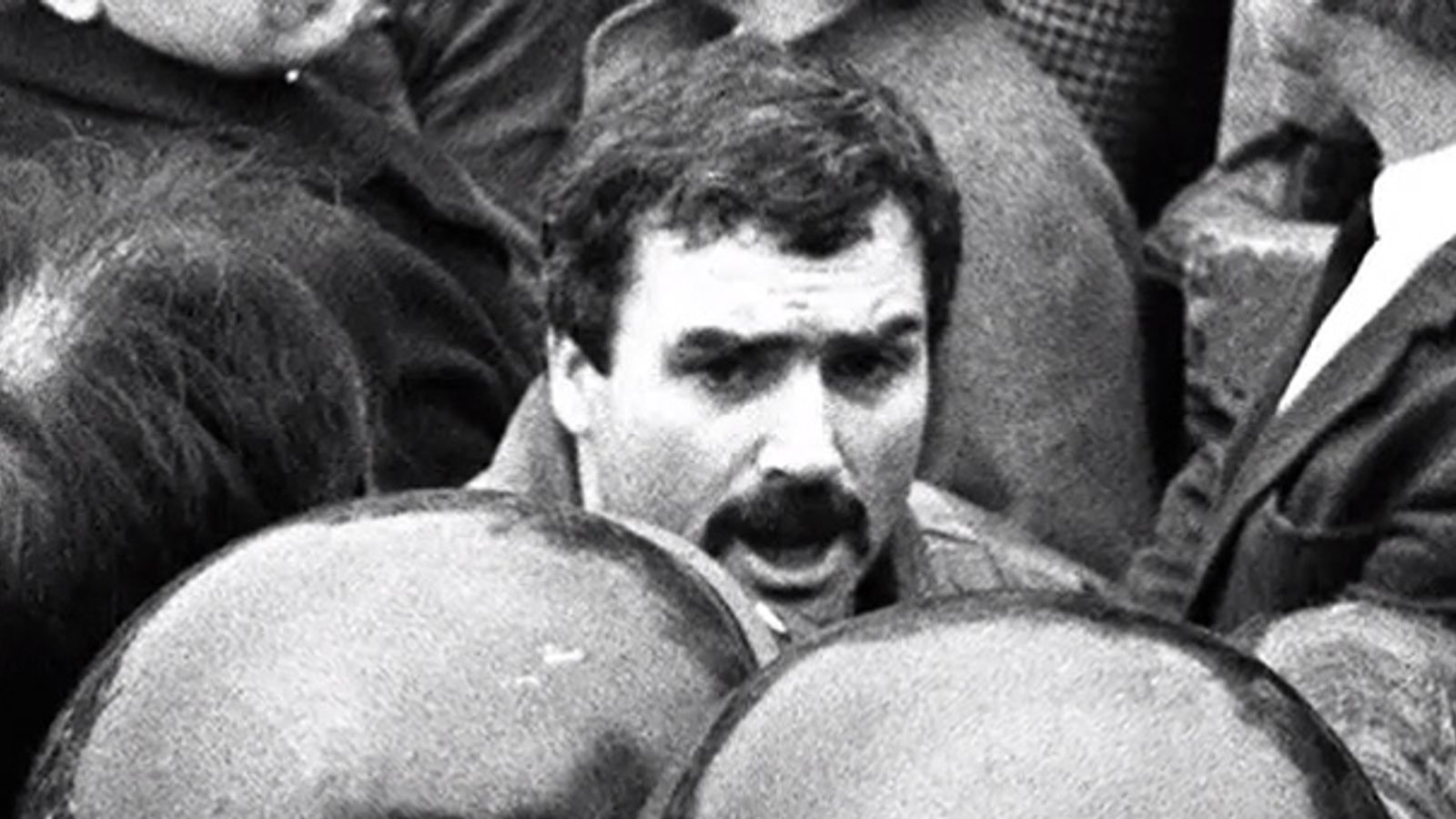

A new report into the activities of the top British spy inside the IRA during The Troubles has said that he “committed crimes of the worst possible kind”, including torture and murder, and should be publicly named by the UK government.
It’s widely accepted that the late republican Freddie Scappaticci was the agent, codenamed “Stakeknife”.
He headed the IRA‘s so-called “nutting squad”, a notorious internal security unit tasked with hunting and executing informants, but was himself operating as a mole for British intelligence.
The final report of a seven-year investigation named Operation Kenova has found that “there is a compelling ethical case” to reveal the agent’s identity.
Operation Kenova live: ‘Stakeknife’ spy inside IRA committed ‘worst possible’ crimes
Head of Kenova Sir Iain Livingstone said that “it is in the public interest that Stakeknife is named”. He urged the government to depart from its “neither confirm nor deny” (NCND) policy on the grounds of public interest.
It’s understood that the government believes Stakeknife cannot be officially named at this time due to some outstanding legal issues. Sky News has approached No 10 Downing Street for comment.
Freddie Scappaticci died two years ago denying that he was the agent, but all sides in Northern Ireland accept his denial was false.
Freddie Scappaticci. File pic: PA
The report also found a “significant failure” by MI5 in its late provision of materials to the investigation. “The further material revealed MI5 had earlier and greater knowledge of the agent than previously stated,” the report says.
Sir Ian Livingstone added that “further investigative opportunities were undoubtedly lost”, and that the confidence of the communities in Northern Ireland was undermined. Sky News has approached the security agency for comment.
Stakeknife produced a “vast” amount of intelligence. 3,517 reports from the agent were discovered, including 377 from one 18-month period. But the report found the intelligence was not shared with those who could have used it to save lives.
Read more:
Bloody Sunday shootings ‘unjustified and gratuitous’
Government will ‘look at every conceivable way’ to stop Gerry Adams payout
Last year, Operation Kenova’s interim report found the security forces were frequently aware of imminent abductions and murders but failed to protect those at risk.
Today’s report found his army handlers even took Stakeknife out of Northern Ireland for two holidays, at a time when he was sought by police for murder and kidnapping. He was flown on military aircraft and given military ID.
As a result, preventable deaths occurred with the security forces’ knowledge and those responsible were not brought to justice and were instead left free to reoffend.
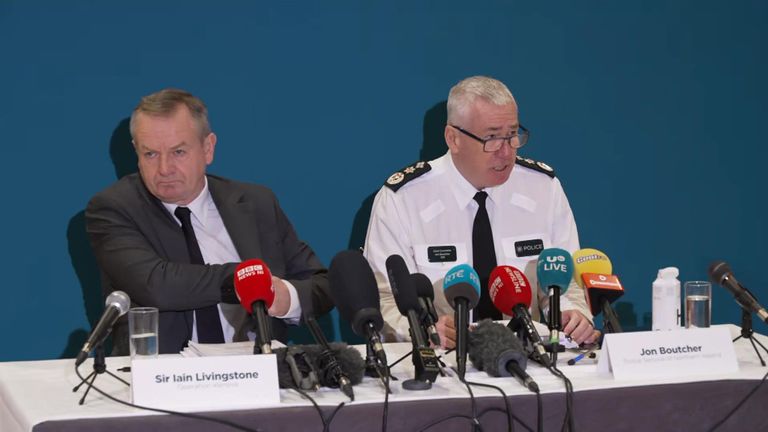
Investigation lead Sir Iain Livingstone and Northern Irish police chief Jon Boutcher speak at a conference following the report
‘Wholly unjustified criminality’
The 2024 report also concluded that Stakeknife was involved in “very serious and wholly unjustifiable criminality”, including murder, and claims his intelligence saved “countless” or “hundreds” of lives were exaggerated. It found that the number of lives saved by his spying ranged from the high single figures to low double figures.
This contradicted claims that Scappaticci had saved hundreds of lives during the years he was active, with a former defence chief describing him as “the goose that laid the golden eggs”. The interim report found that claim to be “inherently implausible” and “a comparison rooted in fables and fairy tales”.
The 2024 report also called on the UK government to apologise to bereaved families, given that many murders were avoidable.
‘Each evil act being the epitome of cowardice’
There was also a call for an apology from republican leaders for “the most shameful and evil” actions of the Provisional IRA (PIRA). “It was PIRA that committed the brutal acts of torture and murder, each evil act being the epitome of cowardice,” the report stated.
No prosecutions connected with Stakeknife will take place, prosecutors in Northern Ireland have already decided.
Families of IRA victims associated with Stakeknife will give their response to the Kenova report in a news conference later today.
They want Scappaticci to be officially named, and many are seeking an apology from the British government.
UK
Emma Caldwell: Public inquiry formally under way which will probe how killer Iain Packer evaded justice for almost 20 years
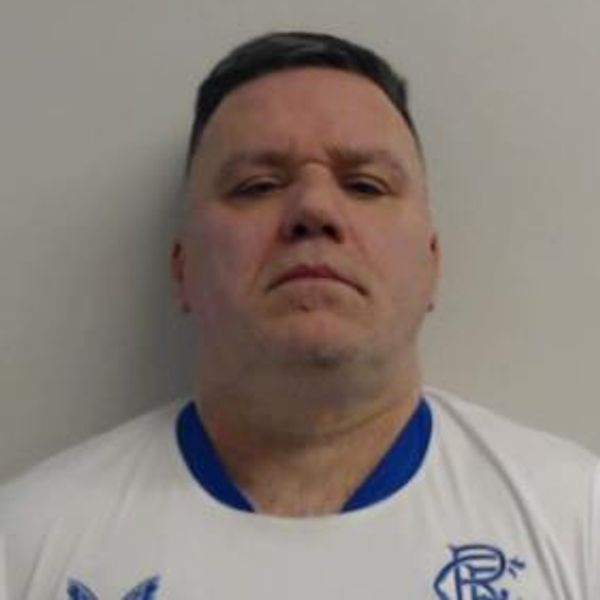
A public inquiry into the murder of a woman is now formally under way and will examine what went wrong in the police investigation that allowed a serial rapist to evade justice for almost 20 years.
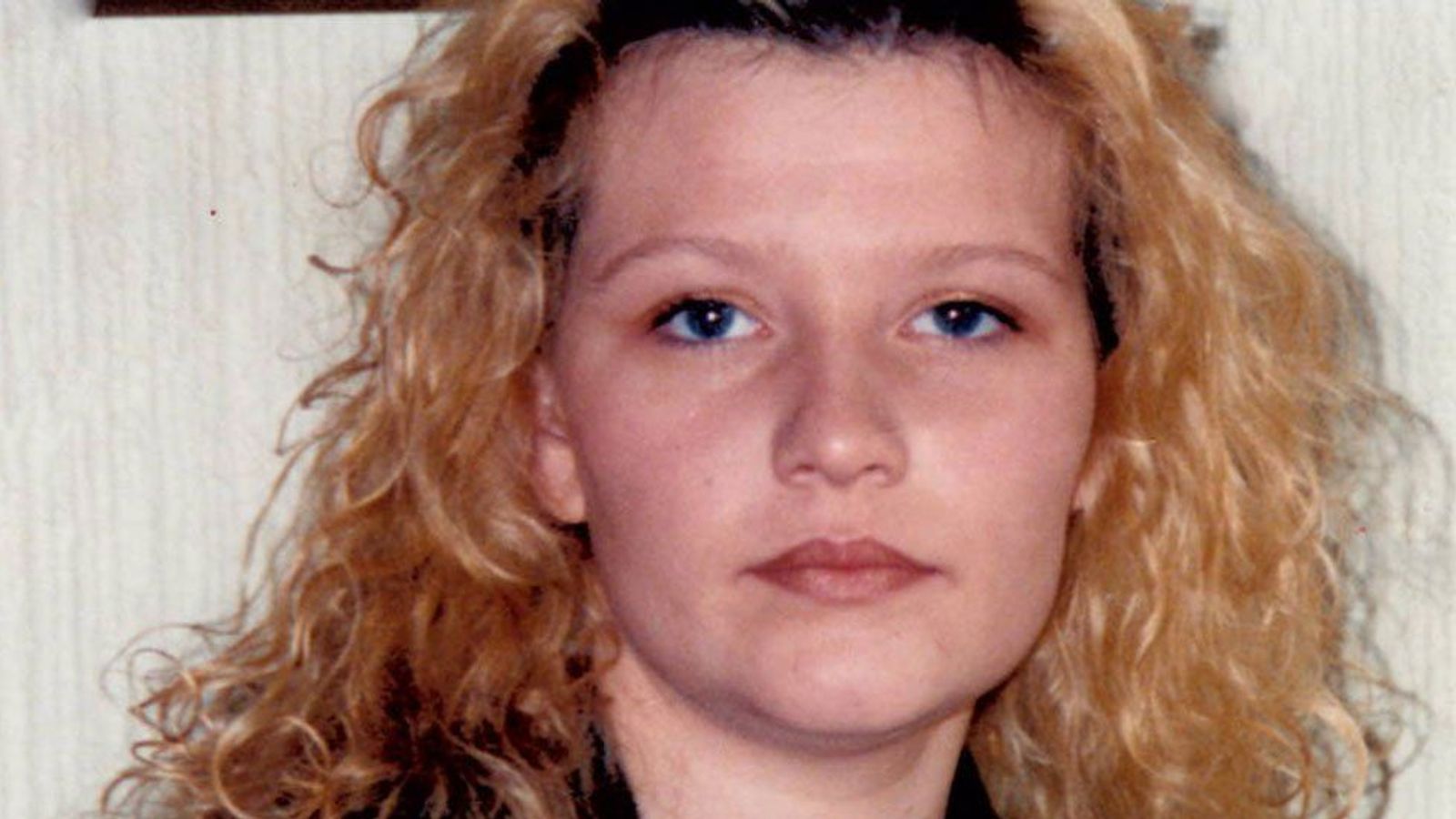
Iain Packer murdered Emma Caldwell, 27, in 2005.
In February 2024, he was ordered to serve a minimum of 36 years behind bars after being convicted of a string of violent offences.
Alongside double-murderer Andrew Innes, it is the second longest sentence ever handed down by a Scottish court, behind the 37-year minimum jail term given to World’s End killer Angus Sinclair in 2014.
Iain Packer. Pic: Police Scotland
Packer was found guilty of 33 offences following a trial at the High Court in Glasgow, including Ms Caldwell’s murder, 11 rapes and multiple sexual assaults against other women.
Following the killer’s conviction, Sky News heard testimony from several former sex workers who raised concerns to police about his dangerous sexual behaviour years before Ms Caldwell was murdered.
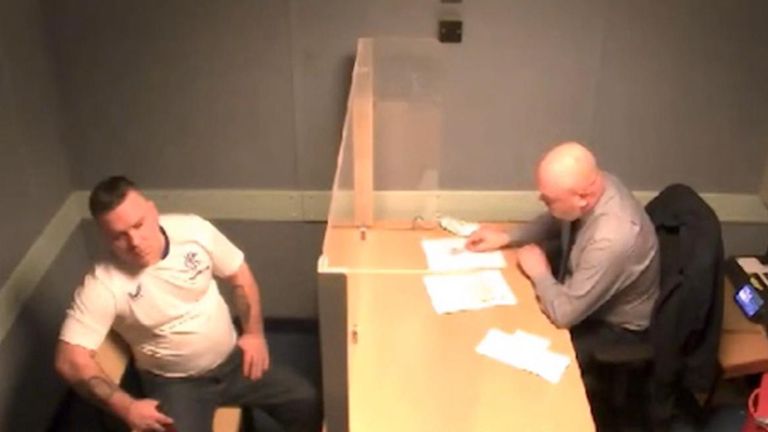
Police interviewing Packer following his arrest over Ms Caldwell’s murder
The Scottish government last year ordered a judge-led public inquiry into the police handling of the case, which will be chaired by Lord Scott.
In an update on Tuesday, Justice Secretary Angela Constance announced it has now been formally set up and work is under way.
The inquiry will examine the investigative strategy and decision-making by what was then Strathclyde Police, including the direction given by the Crown Office and Procurator Fiscal Service (COPFS).
It will probe what steps could reasonably have been taken that might have resulted in Packer being apprehended and prosecuted at an earlier stage, and any other factors relevant to the circumstances of the investigation and related prosecution.
The inquiry will also examine if any failings in training, procedures, operating models or systems of working contributed to any failures in the police and COPFS case.
The subsequent findings and any recommendations will be reported to Scottish ministers.
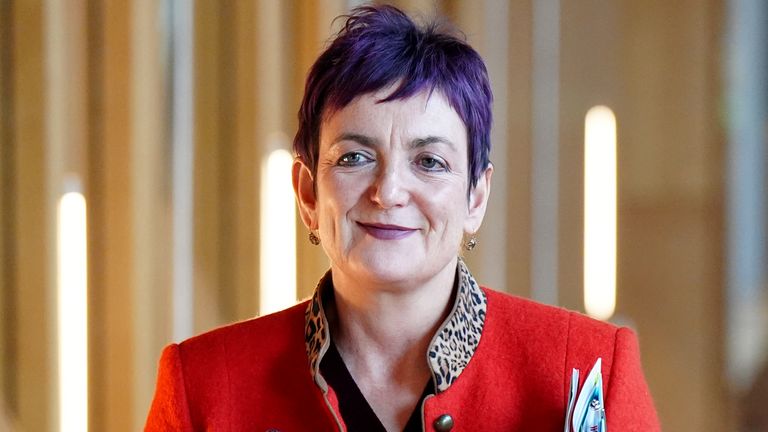
Justice Secretary Angela Constance. Pic: PA
Ms Constance said: “My thoughts continue to be with Emma Caldwell’s mother Margaret and her family, who have suffered unimaginable heartbreak.
“The public inquiry will look at what went wrong in the investigation of Emma’s murder and I hope it will provide the answers that the family need and deserve.
“I consulted with the chair, Lord Scott, on the terms of reference for the inquiry and also met the Caldwell family and other parties to discuss the inquiry’s remit.
“While these terms do not feature all of the issues raised with me during discussions, I am satisfied that they are both well focused and sufficiently flexible and broad enough to allow the chair to examine wider issues he may consider relevant to a robust, efficient and effective inquiry.”
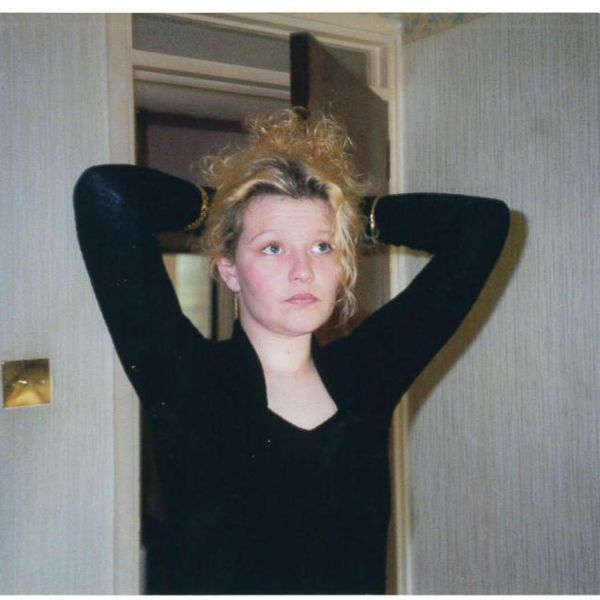
Ms Caldwell. Pic: Family handout
Ms Caldwell vanished in April 2005 just days after telling her mother about her hopes to defeat a heroin addiction, which began after her sister’s death.
She went missing in Glasgow while working as a sex worker. Her body was discovered the following month in Limefield Woods, South Lanarkshire.

During Packer’s trial, jurors were taken to the forest where Ms Caldwell’s body was dumped. Pic: Sky News
Investigating officers interviewed Packer that June but he was not convicted until almost two decades later after cold case detectives re-examined the case in 2015.
Police Scotland apologised to Ms Caldwell’s family and Packer’s other victims for how the original inquiry was handled by Strathclyde Police, saying they were “let down”.
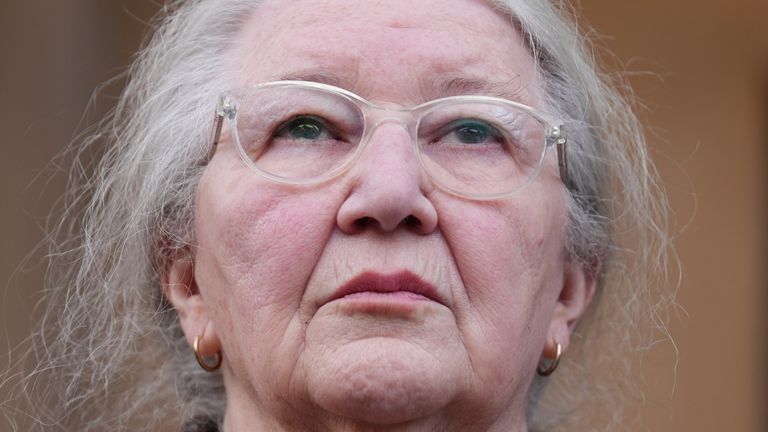
Margaret Caldwell, Ms Caldwell’s mother. Pic: PA
Margaret Caldwell, Ms Caldwell’s mother, has never given up on her pursuit of the truth.
Solicitor Aamer Anwar, the family’s lawyer, said: “The reference to Strathclyde Police in the terms of reference may be interpreted by some to mean that the inquiry can only deal with the police force up until, but not beyond when it became Police Scotland.
“Strathclyde Police ceased on 1 April 2013 when it merged into a single national service, as Police Scotland.
“If this inquiry is to pursue the truth, then it must look not only at Strathclyde Police, but what happened when Police Scotland took over responsibility.”
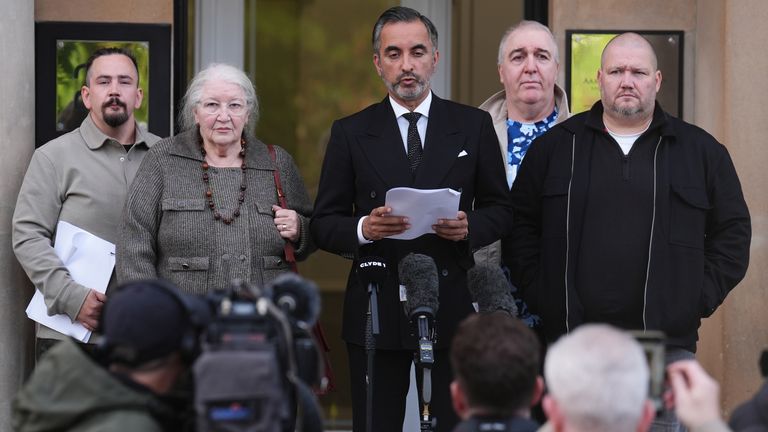
Solicitor Aamer Anwar (centre) alongside Ms Caldwell’s family earlier this year. Pic: PA
Mr Anwar said Packer’s survivors “deserve their place at the heart of this inquiry”.
He added: “A toxic culture of misogyny and corruption meant the police failed so many women and girls who came forward to speak up against Packer.
“Instead of receiving justice and compassion, they were humiliated, dismissed and in some instances arrested, whilst the police gifted freedom to an evil predator to rape and rape again.”
-
 Sports2 years ago
Story injured on diving stop, exits Red Sox game
-
 Sports3 years ago
‘Storybook stuff’: Inside the night Bryce Harper sent the Phillies to the World Series
-
 Sports2 years ago
Game 1 of WS least-watched in recorded history
-
 Sports3 years ago
Button battles heat exhaustion in NASCAR debut
-
 Sports3 years ago
MLB Rank 2023: Ranking baseball’s top 100 players
-
Sports4 years ago
Team Europe easily wins 4th straight Laver Cup
-
 Environment3 years ago
Japan and South Korea have a lot at stake in a free and open South China Sea
-
 Environment1 year ago
Here are the best electric bikes you can buy at every price level in October 2024