
Pioneer delivers strong quarterly results — but that isn’t what shines the brightest


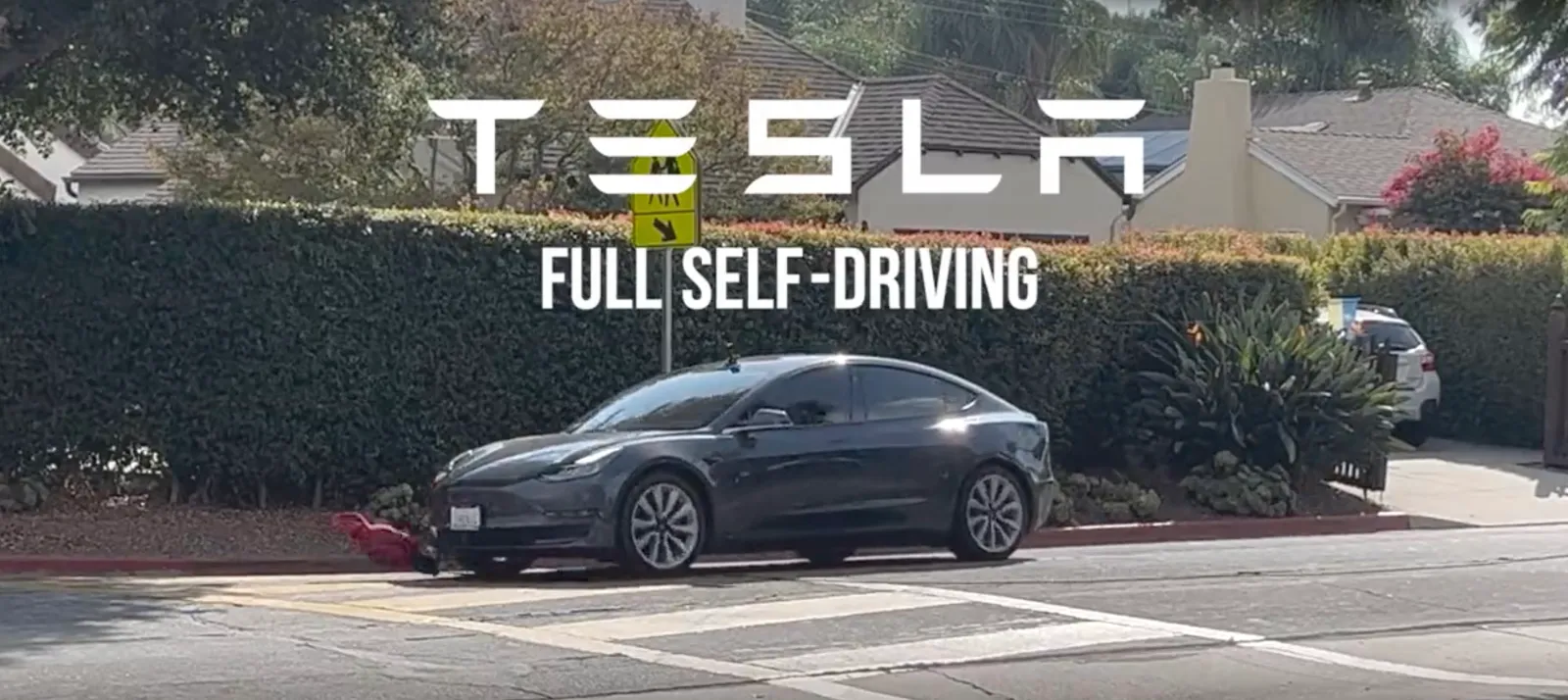
A California judge ruled late Tuesday afternoon that Tesla engaged in “deceptive marketing” in reference to its Full Self-Driving system, and that Tesla’s license to sell and produce cars in the state should be revoked for 30 days.
However, the California DMV has said it will give Tesla 60 days to comply and fix its marketing before going through with the suspension.
The ruling is big news in a case that has been ongoing for years now.
Tesla has been selling level 2 driver assist software since 2016 which it calls “Full Self-Driving” (FSD), despite that this software did not (and still does not) make its cars capable of driving themselves.
This name has attracted much consternation over the years, becoming more absurd as each of Tesla’s predicted deadlines for the advent of full autonomy blow by.
Tesla also provides software under the name “Autopilot,” another term that evokes some level of autonomy, though perhaps not as explicitly as the aforementioned FSD. Tesla long held the position that this word is meant to evoke airplane-like systems that still require a pilot, but can just do most of the work for them.
So eventually, in 2021, the California Department of Motor Vehicles (DMV) officially started an investigation into Tesla’s marketing claims, to determine whether the company had lied to consumers.
California found that the company was saying different things to the public than it was saying to the DMV.
The DMV then sent an official inquiry to Tesla in 2022, asking for it to respond to the claim that it was creating incorrect perceptions about the capabilities of its system. Tesla’s response stated that it had been allowed to lie about FSD for so long that it should get to keep going, which was apparently not persuasive enough to the courts, and the case was then slated for trial.
During this time, the California legislature got involved as well, passing a law that specifically banned automakers from deceiving consumers into thinking vehicles have more autonomous capabilities than they do.
Well, after all these investigations and waiting, we finally have an an answer, and the judge’s ruling makes it quite clear: Tesla lied to consumers about its autonomous capabilities.
California court rules Tesla lied about autonomy
The court looked at Tesla’s marketing claims and also at surveys of people exposed to those claims and their opinion of whether a Tesla would be able to drive itself, given the marketing messages put out by the company.
It found problems both with the word Autopilot and the phrase Full Self-Driving.
The word “Autopilot” was not found to be “unambiguously false,” but the court said that its use “follows a long but unlawful tradition of ‘intentionally (using) ambiguity to mislead consumers while maintaining some level of deniability about the intended meaning.’” The court found that a reasonable person could believe that a car on Autopilot doesn’t require their constant undivided attention, which is incorrect as the driver is still fully responsible for the vehicle.
On “Full Self-Driving,” the court was even more harsh. It found that this feature name is “actually, unambiguously false and counterfactual” (comically, Tesla tried to argue here that “no reasonable person” could believe that Full Self-Driving actually means Full Self-Driving).
The court noted other language used by Tesla, including marketing copy that said “the system is designed to be able to conduct short and long distance trips with no action required by the person in the driver’s seat,” and suggested that “legal reasons” are the only things holding Tesla back from full autonomy. Tesla tried to say that this was a statement of future intent, but the court found that its use of the present tense shows otherwise.
Tesla has repeatedly changed its wording around FSD, first calling it Full Self-Driving Capability, then changing that to Full Self-Driving (Supervised) to emphasize the need for a driver to supervise the vehicle. The court noted these changes, and then said it would not be a burden to force Tesla to change its marketing further to clarify that its cars do not drive themselves.
The DMV could now shut Tesla down for 30 days if it does not comply
Which leads us to the proposed legal remedy: the court said that the DMV could suspend or revoke Tesla’s licenses for 30 days, stopping its ability to sell or build cars in the state.
Tesla’s first factory is in Fremont, California, where it still builds around half a million vehicles a year and employs some ~20,000 employees. Tesla says this remedy would be “draconian,” but the court said that without this option, there’s no reason to believe Tesla would stop its misrepresentations to the public.
The court also examined the possibility of financial restitution, but deemed that inappropriate. Since the case did not establish any quantifiable financial harm done by Tesla’s misrepresentation and noted the impracticality of accounting for that harm.
This ruling does not yet mean that Tesla can’t sell cars in California, which is its largest market in the US by far. The court noted that the DMV has the option of suspension or revocation, which the DMV can do at its discretion. And the DMV has said that it will allow Tesla 60 days to comply with the order before it takes action, and that it would focus on Tesla’s dealer license rather than its manufacturing license.
This would mean, specifically, that Tesla not refer to a level 2 driving system as “Autopilot” or using language that suggests these vehicles are autonomous. It will have to change its marketing materials and stop making public statements misleading the public about its autonomous capabilities.
Tesla said after the ruling that “sales in California will continue uninterrupted.” But we’ll see what happens in 60 days, and what sort of changes Tesla does or does not make to its deceptive marketing.
Tuesday’s ruling is just one of many legal cases against Tesla right now, specifically having to do with FSD. One relevant case is a class action lawsuit in California claiming Tesla misled customers about its cars self-driving capabilities. This ruling could provide fuel for that lawsuit, given a California judge has already gone on the record with an official determination that Tesla misled the public about FSD.
The 30% federal solar tax credit is ending this year. If you’ve ever considered going solar, now’s the time to act. To make sure you find a trusted, reliable solar installer near you that offers competitive pricing, check out EnergySage, a free service that makes it easy for you to go solar. It has hundreds of pre-vetted solar installers competing for your business, ensuring you get high-quality solutions and save 20-30% compared to going it alone. Plus, it’s free to use, and you won’t get sales calls until you select an installer and share your phone number with them.
Your personalized solar quotes are easy to compare online and you’ll get access to unbiased Energy Advisors to help you every step of the way. Get started here.


FTC: We use income earning auto affiliate links. More.

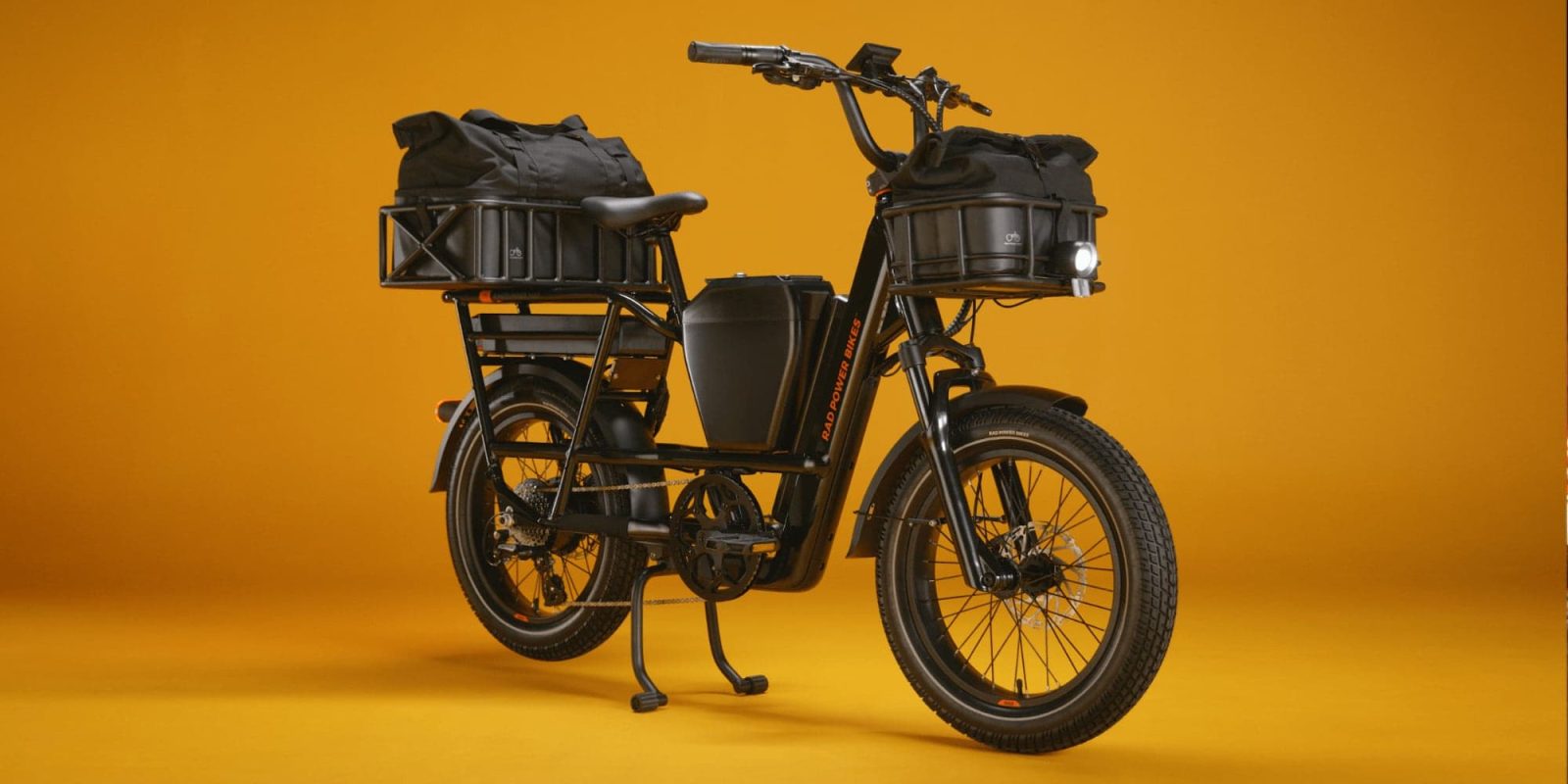
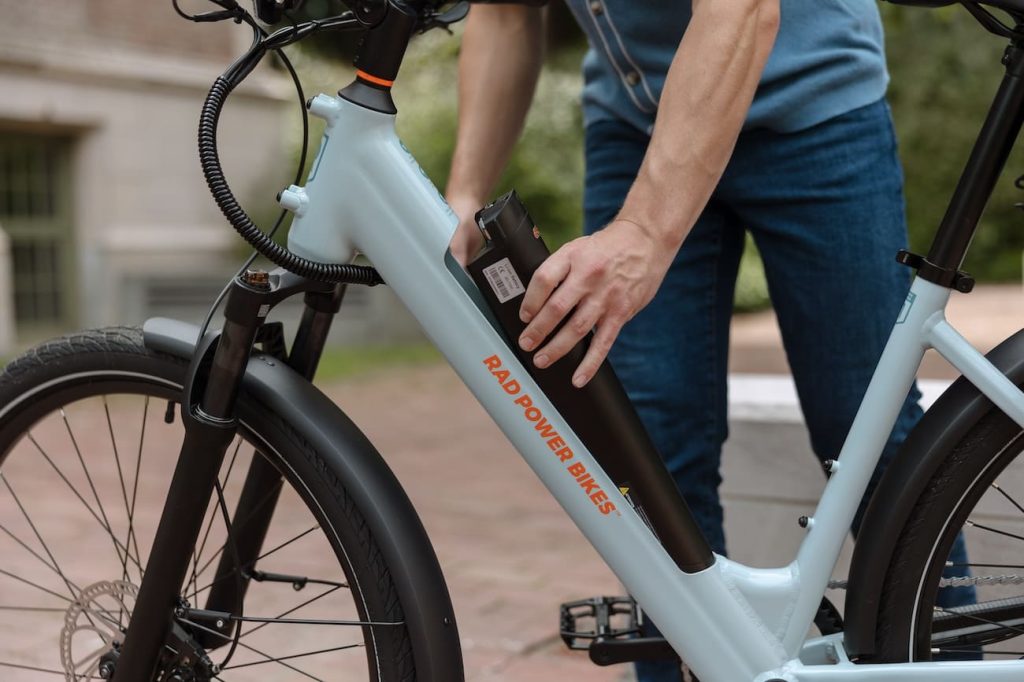
Rad Power Bikes has filed for Chapter 11 bankruptcy protection, marking a dramatic turn for one of the most recognizable names in the US electric bike industry. The Seattle-based company entered bankruptcy court this week as part of a plan to sell the business within the next 45–60 days, while continuing to operate during the process.
Court filings show Rad listing roughly $32.1 million in assets against $72.8 million in liabilities. A significant portion of that debt includes more than $8.3 million owed to US Customs and Border Protection for unpaid import tariffs, along with millions more owed to overseas manufacturing partners in China and Thailand. The company’s remaining inventory of e-bikes, spare parts, and accessories is valued at just over $14 million. Founder Mike Radenbaugh remains the largest equity holder, with just over 41% ownership.
The bankruptcy filing comes less than a month after the US Consumer Product Safety Commission issued a rare public warning urging consumers to immediately stop using certain older Rad lithium-ion batteries, citing fire risks, particularly when certain batteries are exposed to water and debris. Rad pushed back on the agency’s characterization, stating that its batteries were tested by third-party labs and deemed compliant with industry safety standards, and touting its SafeShield batteries – another, more recent version of Rad’s battery introduced last year that is likely one of the safest e-bike batteries in the industry.
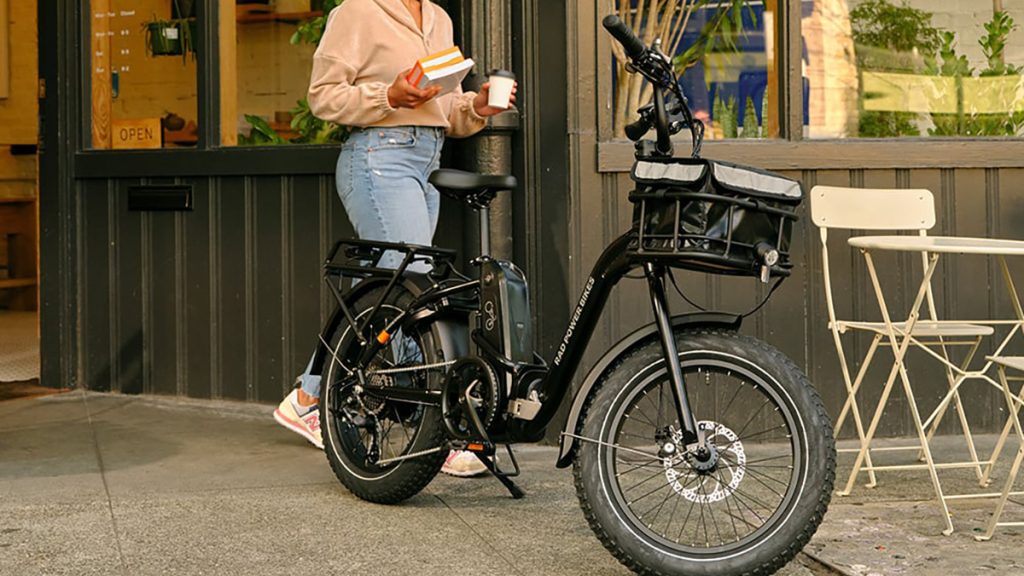
Financial pressure had been building steadily on the company. In early November, Rad Power Bikes issued a WARN notice to Washington state officials, indicating that up to 64 employees could be laid off in January, and warning that the company could shut down entirely if additional funding was not secured. That notice now reads as an early signal of the restructuring that has followed.
Chapter 11 bankruptcy is not the end of a company, and in this case, it allows Rad to continue operating while restructuring its debts under court supervision, pausing most litigation and collection efforts through an automatic stay. The company says it plans to keep selling bikes and supporting customers during the process as it works toward a sale.
The filing caps an unfortunate fall from grace for a brand that raised hundreds of millions of dollars in several funding rounds during the pandemic years. After years as a dominant force in the direct-to-consumer e-bike market, Rad now faces an uncertain future shaped by tightening margins, regulatory scrutiny, and unresolved legal and financial challenges.
via Bicycle Retailer
FTC: We use income earning auto affiliate links. More.

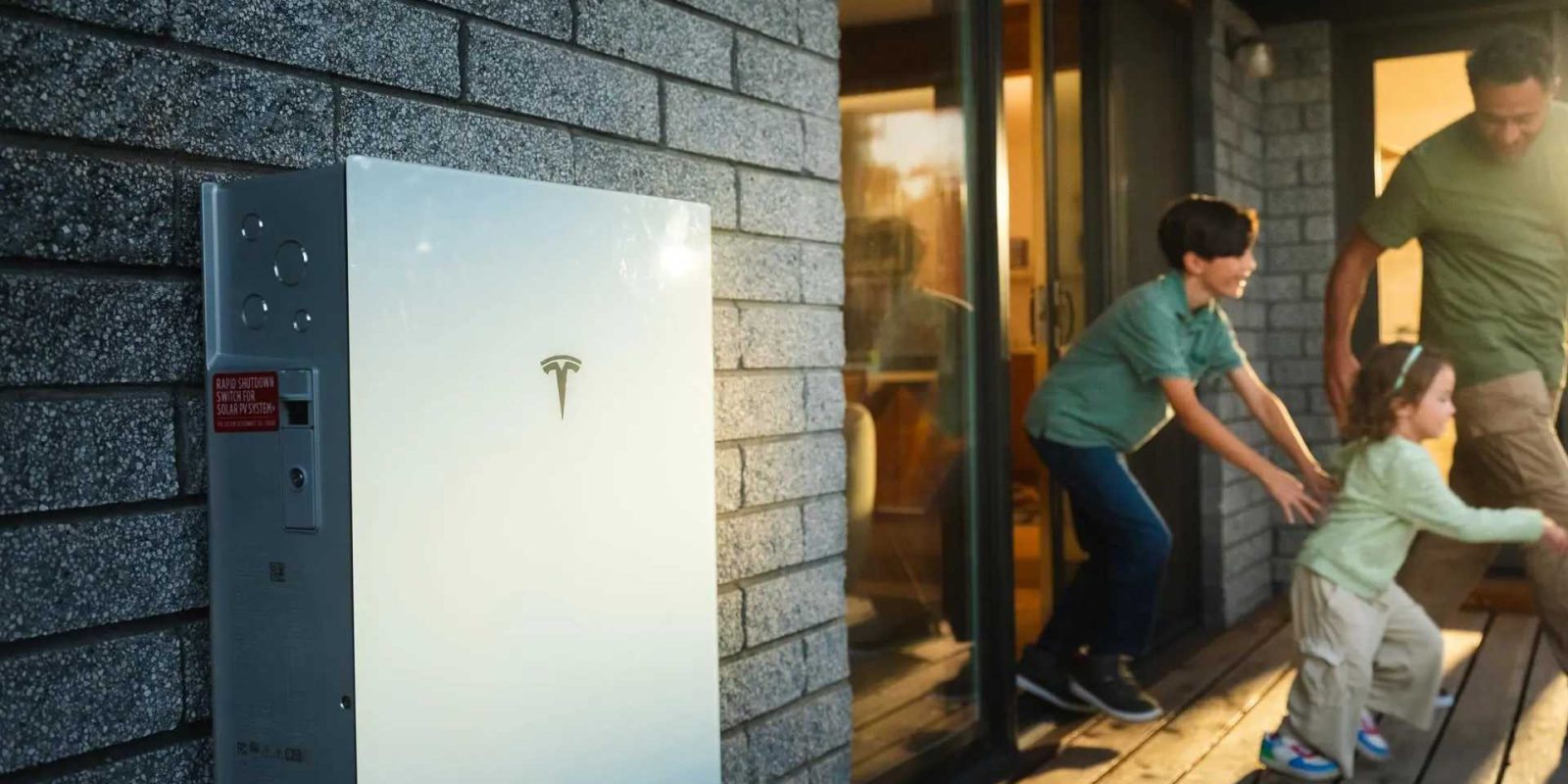
As Texas braces for tighter power margins and record demand on the ERCOT grid, Sunrun and NRG Energy are transforming home batteries into a giant virtual power plant. The two companies are integrating more home battery storage into the grid and tapping those batteries when the state needs power the most.
The solar + storage provider and energy company announced a new multi-year partnership aimed at accelerating the adoption of distributed energy in Texas, with a focus on solar-plus-storage systems that can be aggregated and dispatched during periods of high demand. The idea is simple: use home batteries as a flexible, on‑demand power source to help meet Texas’s rapidly growing electricity needs.
Under the deal, Texas homeowners will be offered a bundled home energy setup that pairs Sunrun’s solar and battery systems with retail electricity plans from NRG’s Texas provider, Reliant. Customers will also get smart battery programming designed to optimize when their batteries charge and discharge. As new and existing Sunrun customers enroll with Reliant, their combined battery capacity will be made available to support the ERCOT grid during times of stress.
“This partnership is a major step in achieving our goal of creating a 1 GW virtual power plant by 2035,” said Brad Bentley, President of NRG Consumer. “By teaming up with Sunrun, we’re unlocking a new source of dispatchable, flexible energy while giving customers the opportunity to unlock value from their homes and contribute to a more resilient grid.”
Sunrun, which has one of the largest fleets of residential batteries in the US, will be paid for aggregating the capacity, and participating Reliant customers will be compensated by Sunrun for sharing their stored solar energy.
The arrangement gives Texas households a way to earn money from their batteries while also improving grid reliability in a state that continues to see rapid population growth, extreme weather, and rising electricity demand.
Read more: The US’s first residential V2G power plant is running on Ford F-150 Lightning trucks
If you’re looking to replace your old HVAC equipment, it’s always a good idea to get quotes from a few installers. To make sure you’re finding a trusted, reliable HVAC installer near you that offers competitive pricing on heat pumps, check out EnergySage. EnergySage is a free service that makes it easy for you to get a heat pump. They have pre-vetted heat pump installers competing for your business, ensuring you get high quality solutions. Plus, it’s free to use!
Your personalized heat pump quotes are easy to compare online and you’ll get access to unbiased Energy Advisors to help you every step of the way. Get started here. – *ad
FTC: We use income earning auto affiliate links. More.
-
 Sports2 years ago
Story injured on diving stop, exits Red Sox game
-
 Sports3 years ago
‘Storybook stuff’: Inside the night Bryce Harper sent the Phillies to the World Series
-
 Sports2 years ago
Game 1 of WS least-watched in recorded history
-
 Sports3 years ago
Button battles heat exhaustion in NASCAR debut
-
 Sports3 years ago
MLB Rank 2023: Ranking baseball’s top 100 players
-
Sports4 years ago
Team Europe easily wins 4th straight Laver Cup
-
 Environment3 years ago
Japan and South Korea have a lot at stake in a free and open South China Sea
-
 Environment1 year ago
Here are the best electric bikes you can buy at every price level in October 2024