

Kia is reviving its affordable mini Ray EV, Korea’s first electric car

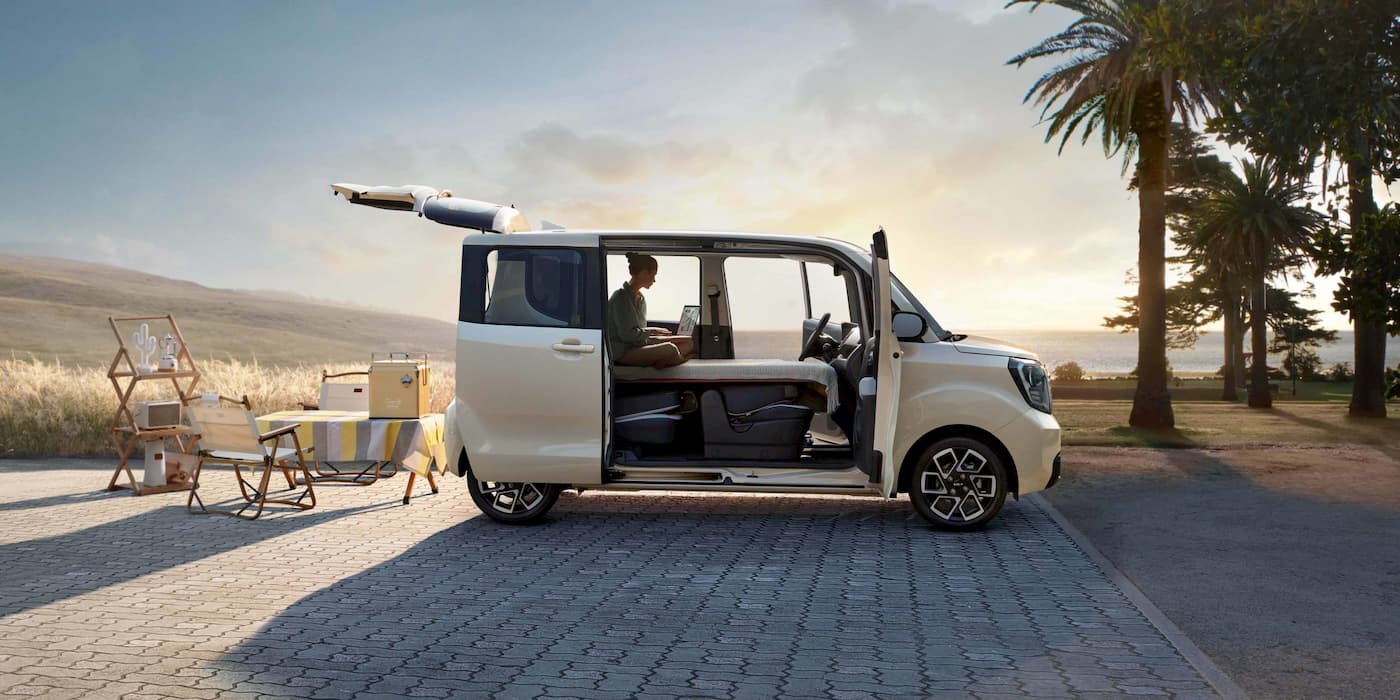
Korea’s first all-electric production car is due for a resurrection. Kia is set to revive the Ray EV next month, an entry-level minicar, to meet the growing demand for affordable electric cars.
Kia first introduced the Ray EV in December 2011, a close relative to the gas-powered Ray CUV, as Korea’s first 100% electric production car.
Powered by a 50 kW electric motor and a 16.4 kWh lithium-ion battery, the Ray EV offered up to 86 miles (139 km) range on a full charge. Although it may not seem like much today, with many EVs offering well over 300 miles range, the minicar was designed for domestic city travel.
Despite weighing 412 lb. (187 kg) more than the gas-powered model, the mini EV packed 77% more torque (167 Nm), enabling quicker acceleration (0-62 mph in 15.9 secs).
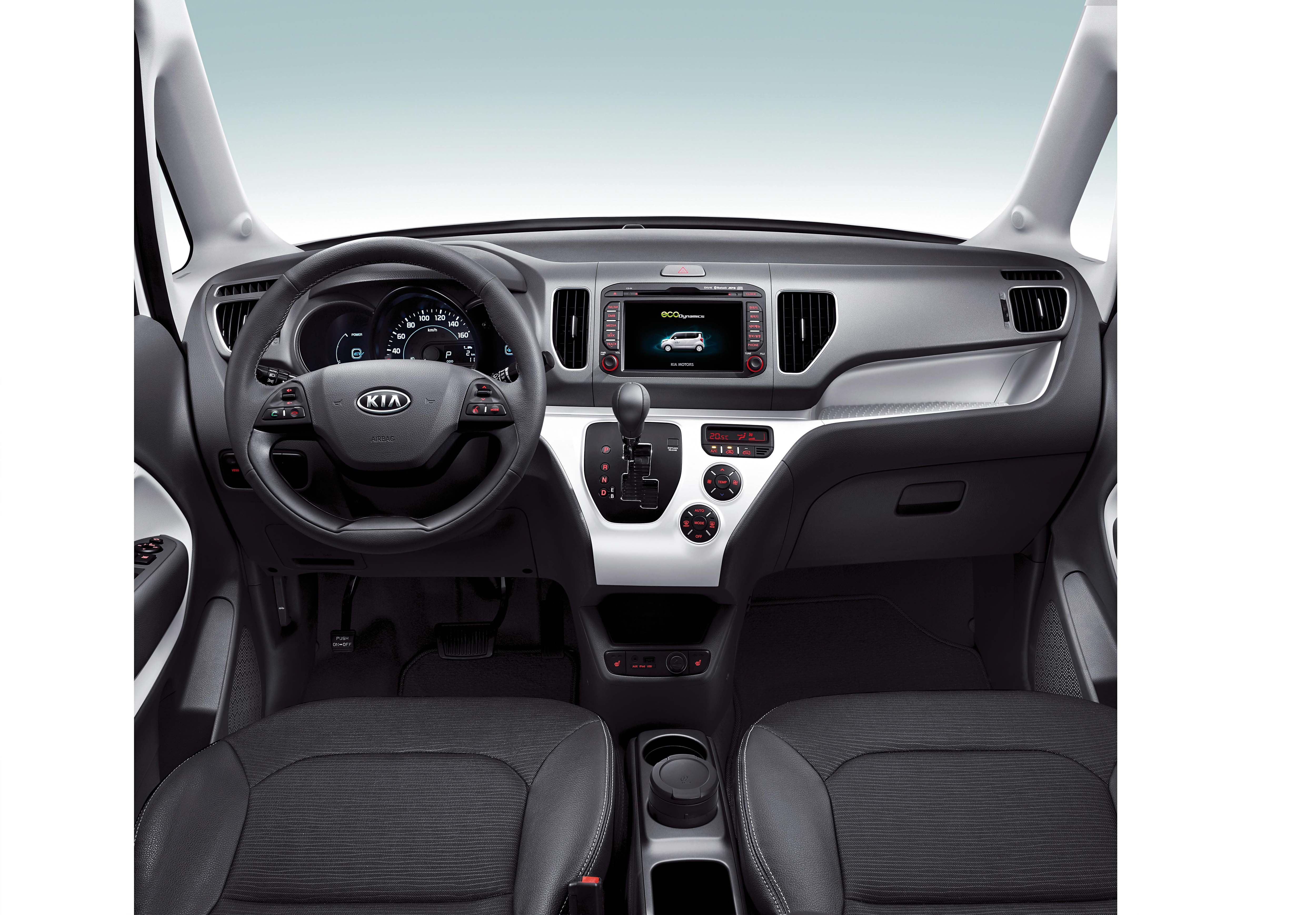
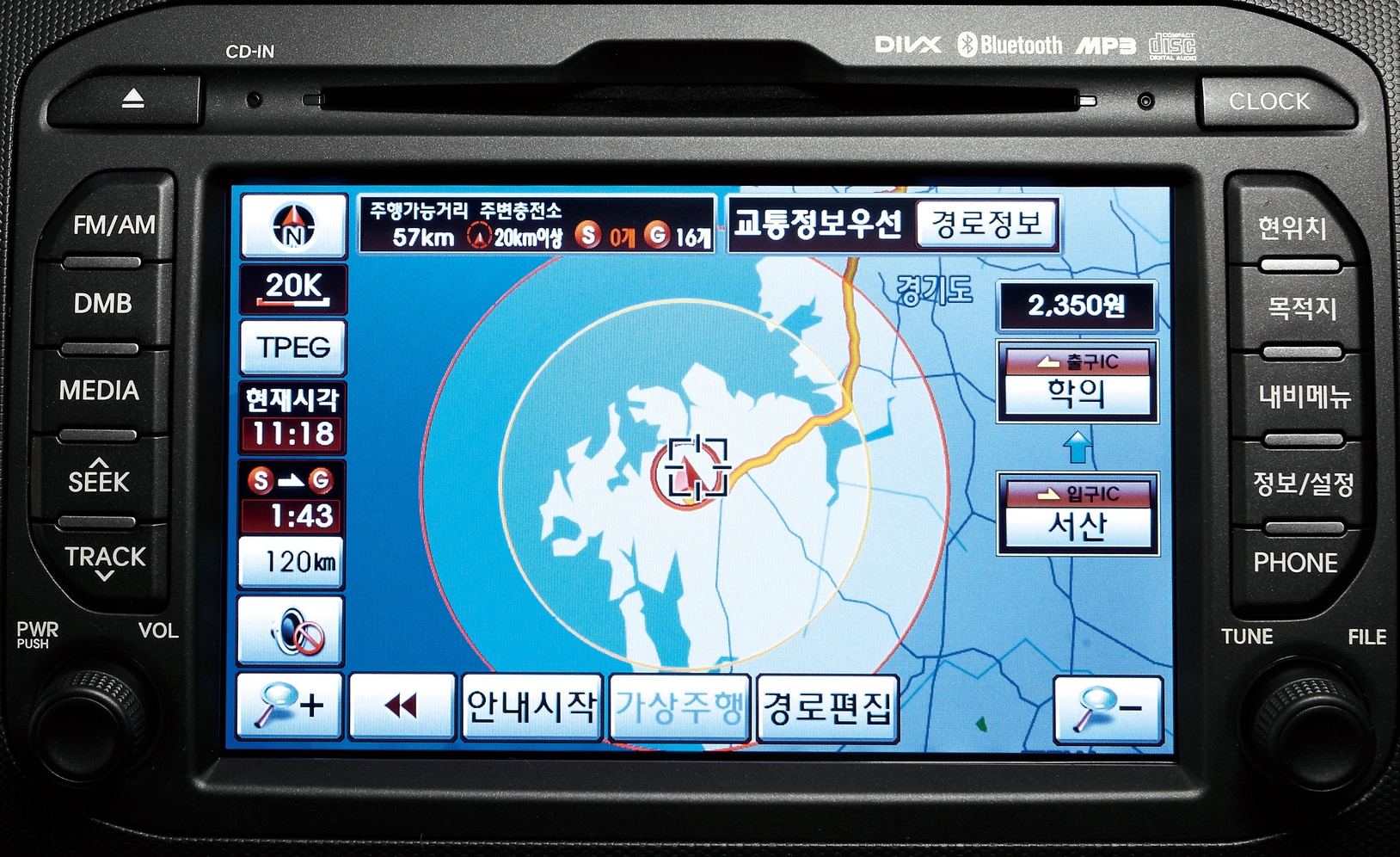
The compact city car also offered fast-charging capabilities in 25 minutes or six hours using a 220V. Inside, it featured Kia’s first EV-specific navigation system providing charging information for nearby locations.
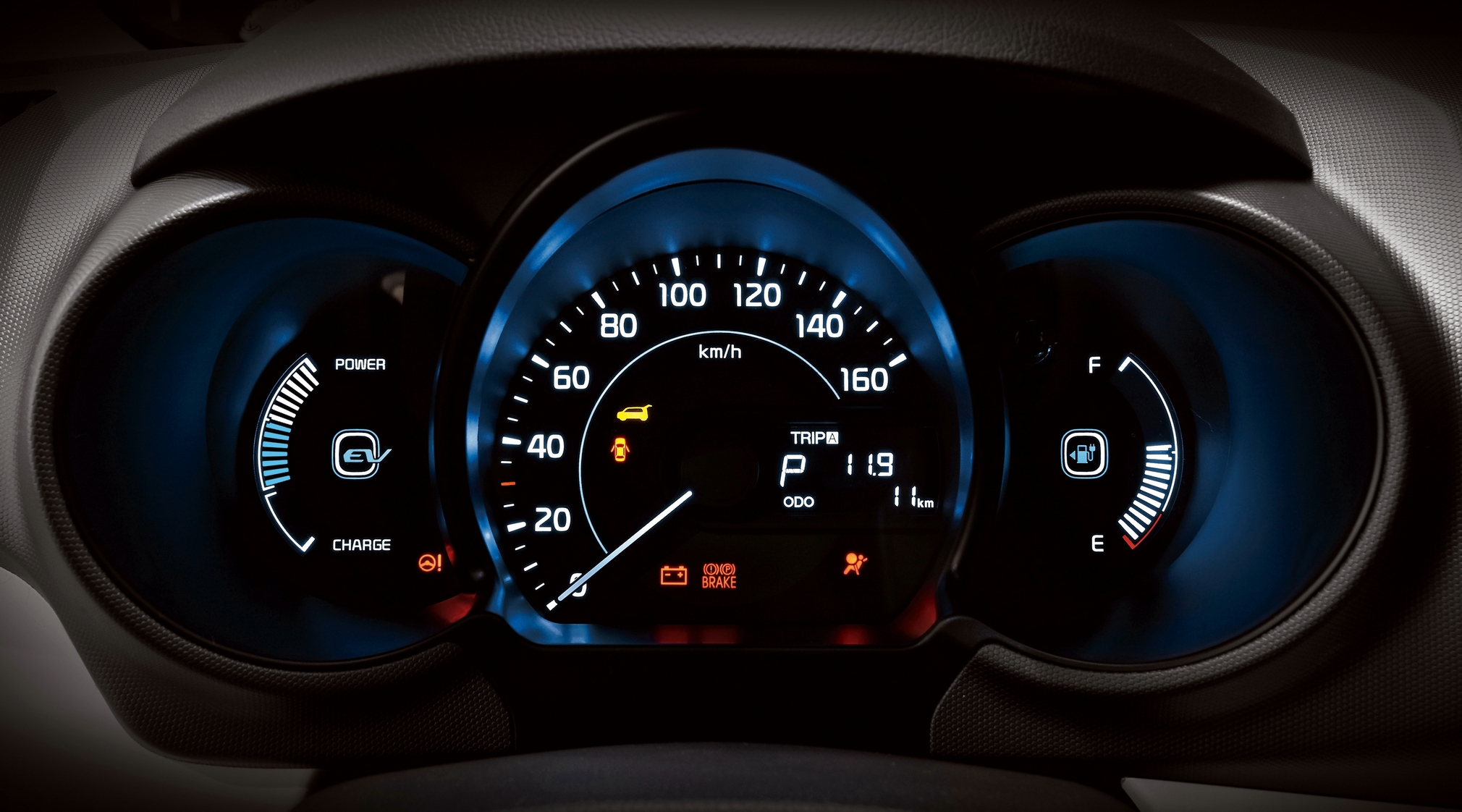
It also included a unique instrument cluster displaying battery status, level of battery, and distance to recharge.
However, the Kia Ray EV was released ahead of its time. The mini-electric car was discontinued in 2018 amid the region’s lack of charging infrastructure and limited range.
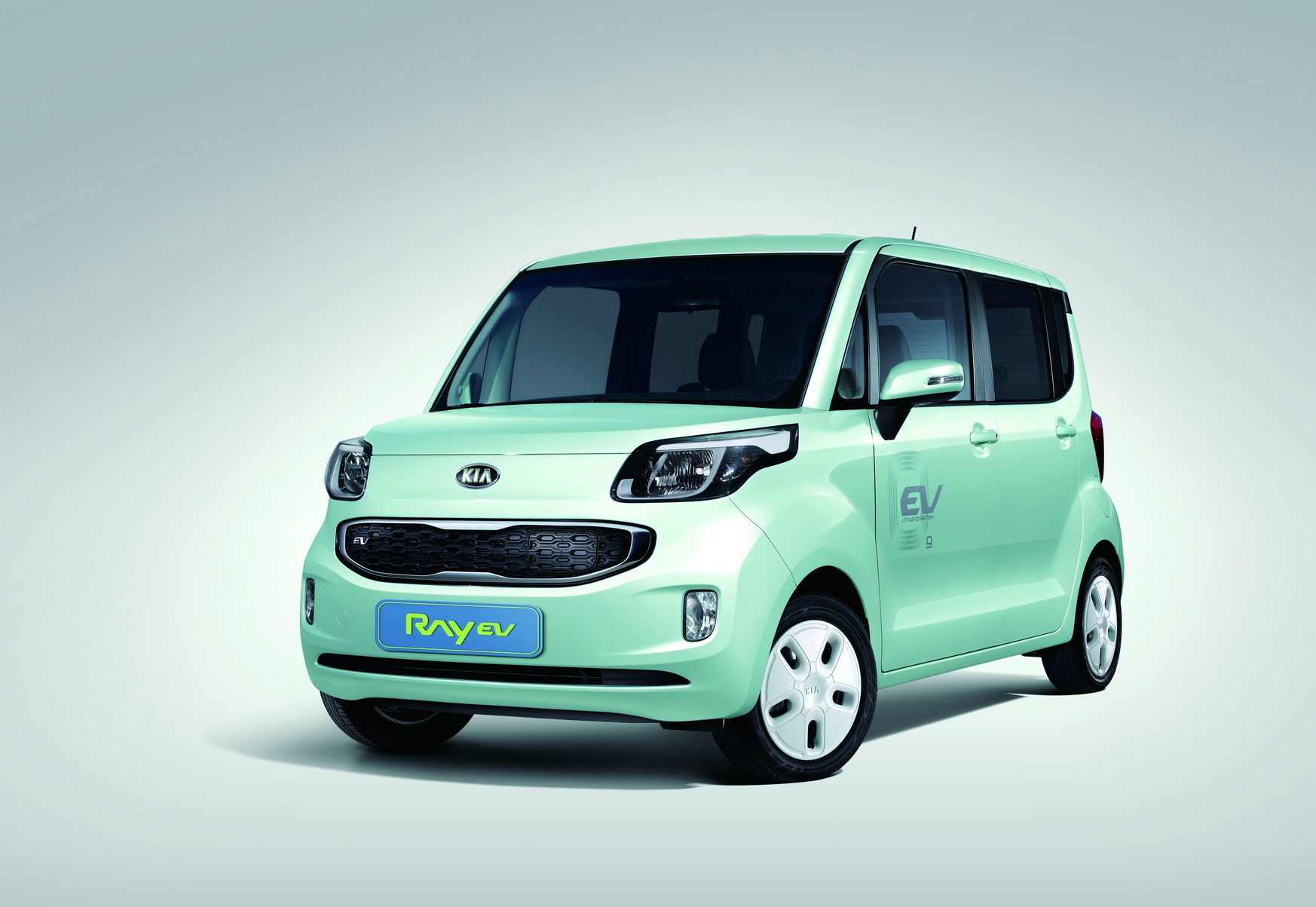
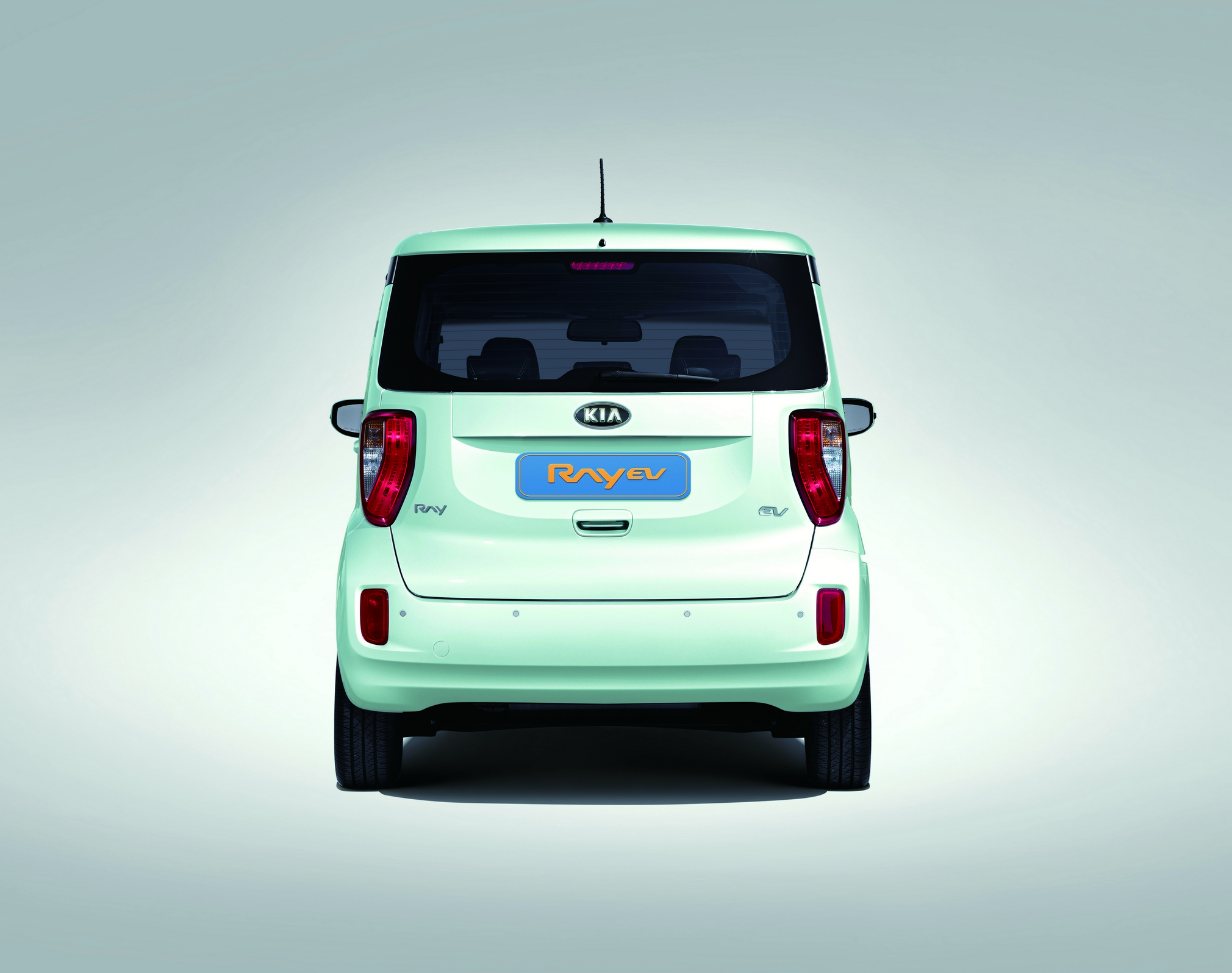
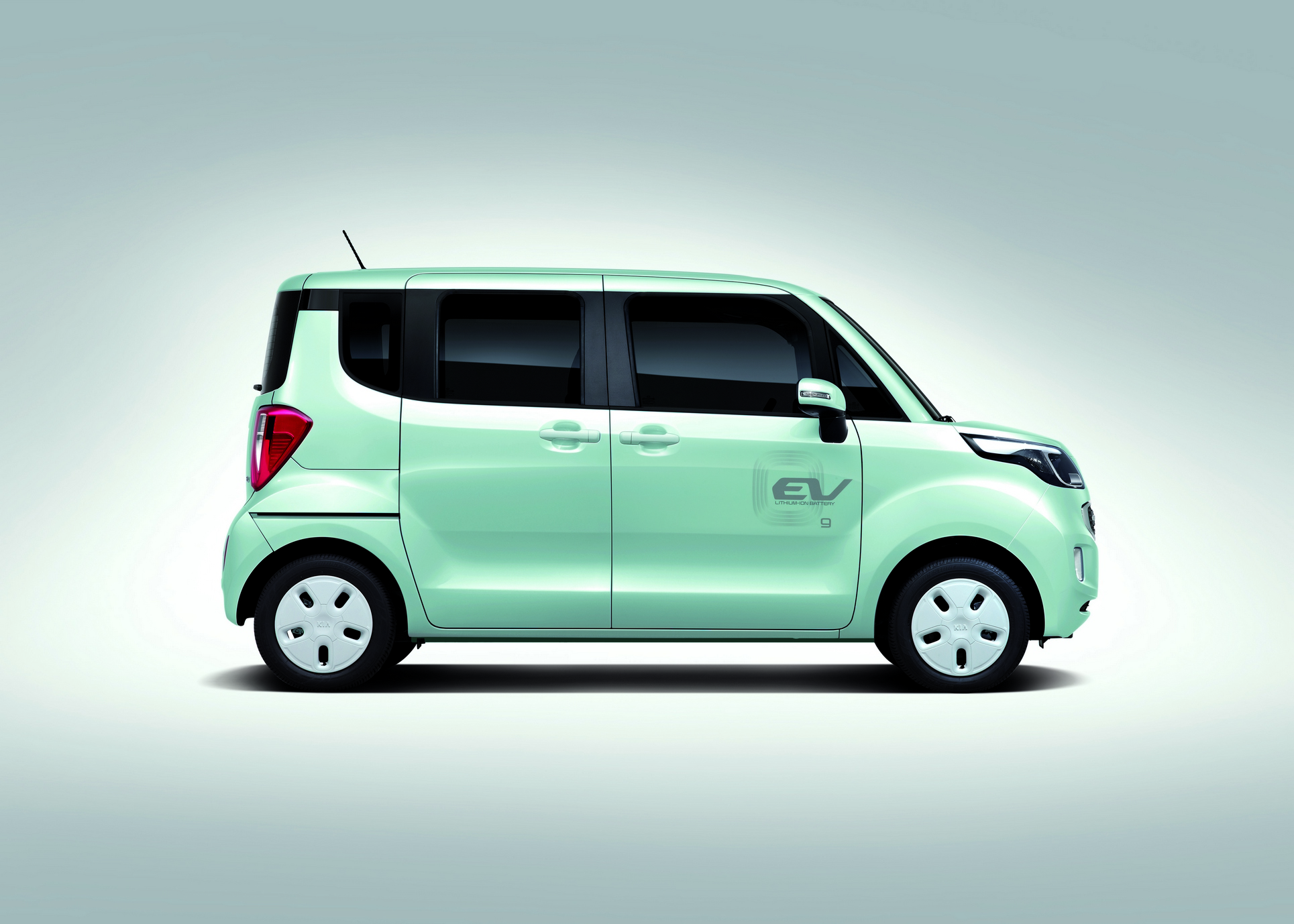
Kia reviving the Ray EV minicar
Kia is planning to revive the Ray EV in a move to target Korea’s electric minicar segment with an affordable option.
The new all-electric Ray will feature nearly twice the range of its predecessor (130 mi/210 km) with a 63.3 kW electric motor (30% improvement) and 35.2 kWh battery that nearly doubles cell capacity.
A Kia official told KED Global:
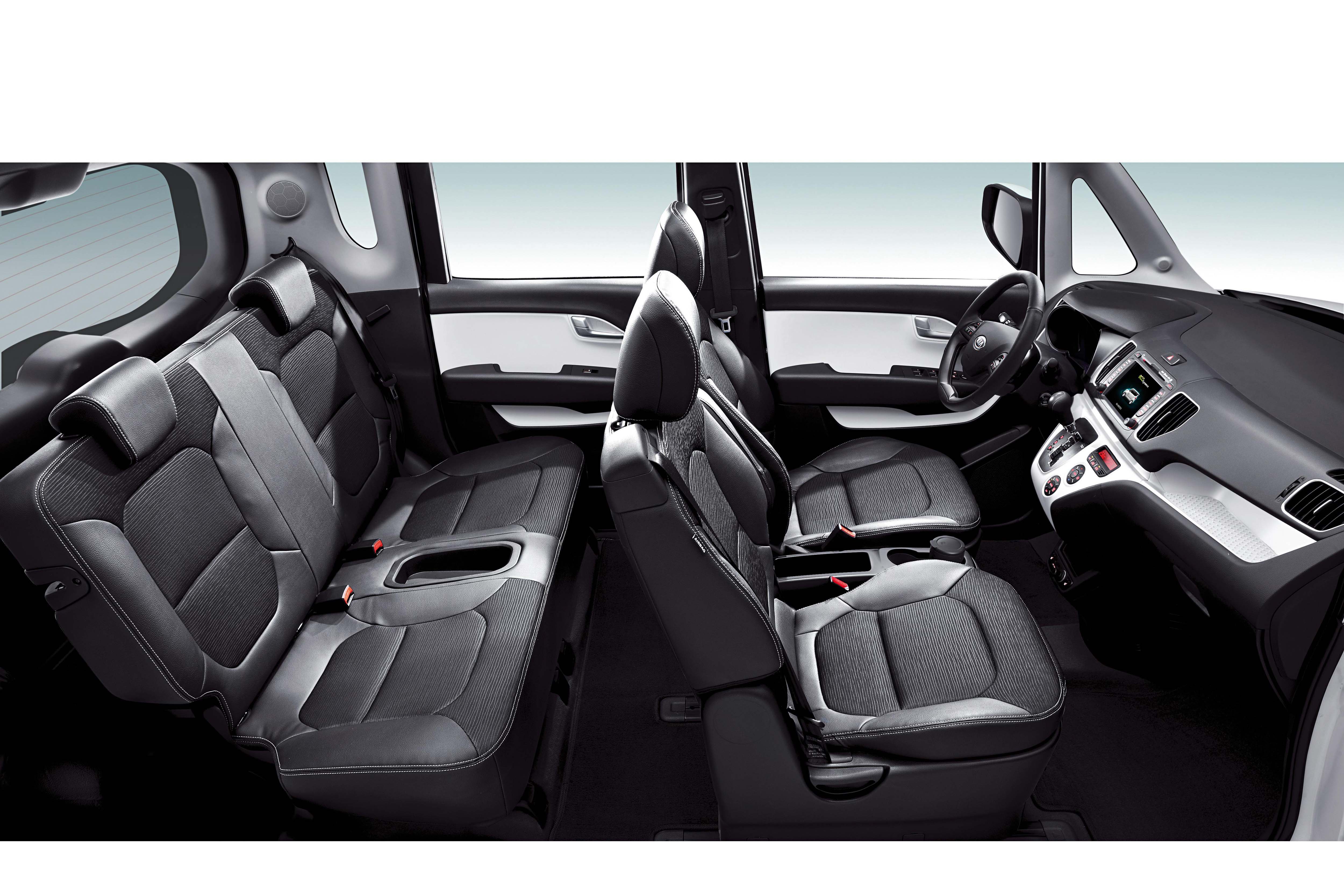
The new Ray EV is set to expand customers’ options with a mileage of more than 200 km, optimized driving performance for the metropolitan center and a spacious interior.
The official added, “It s the best choice for customers waiting for an entry electric minicar.” Kia also plans to unveil a single-seater van version to target small business owners and the self-employed.
Industry sources are predicting the new Ray EV will help revitalize South Korea’s minicar segment. Small electric cars are in high demand, with customers looking for affordable EV options.
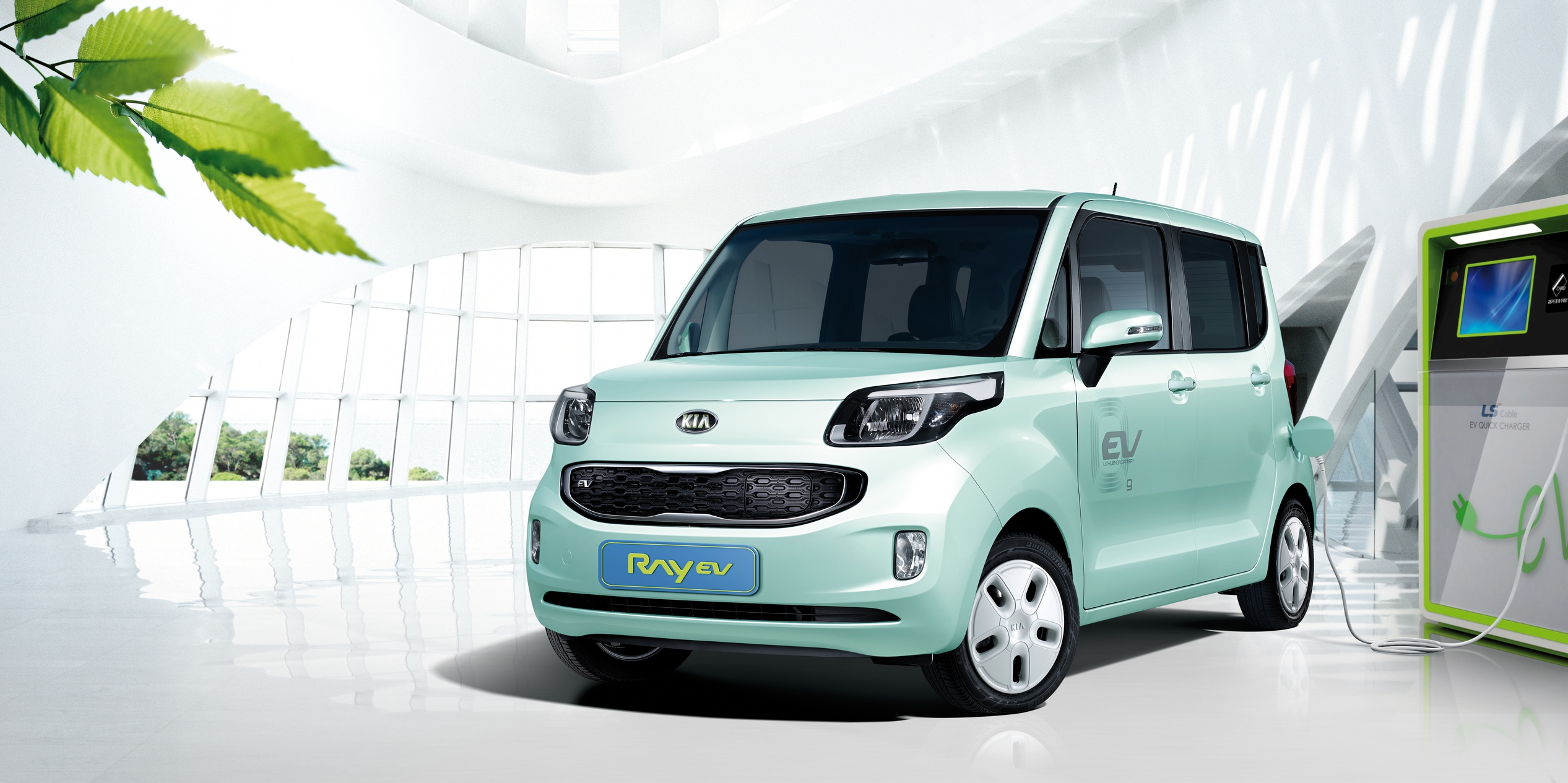
For example, Nissan’s Sakura electric minicar is proving to be a “game changer” for the Japanese market, starting at 2,333,100 ($16K) with up to 111 mi (180 km) WLTC Japan cycle range. Nissan says the mini EV gathered over 50,000 orders in Japan at the end of July.
Sales of Kia’s gas-powered Ray have been steadily climbing since 2017, with over 44.5K sold in 2022. With charging infrastructure expanding and new battery tech enabling longer range, the Ray EV is due for a revival.
For the first time since its introduction in 2011, industry sources expect the Kia Ray EV to land on the top 10 best-selling cars list in South Korea.
The Kia Ray EV is expected to launch next month, but it will only be available in its domestic market of South Korea.
FTC: We use income earning auto affiliate links. More.
Environment
Rivian confirms new purple exterior color called ‘Borealis’ and is exploring interior scents

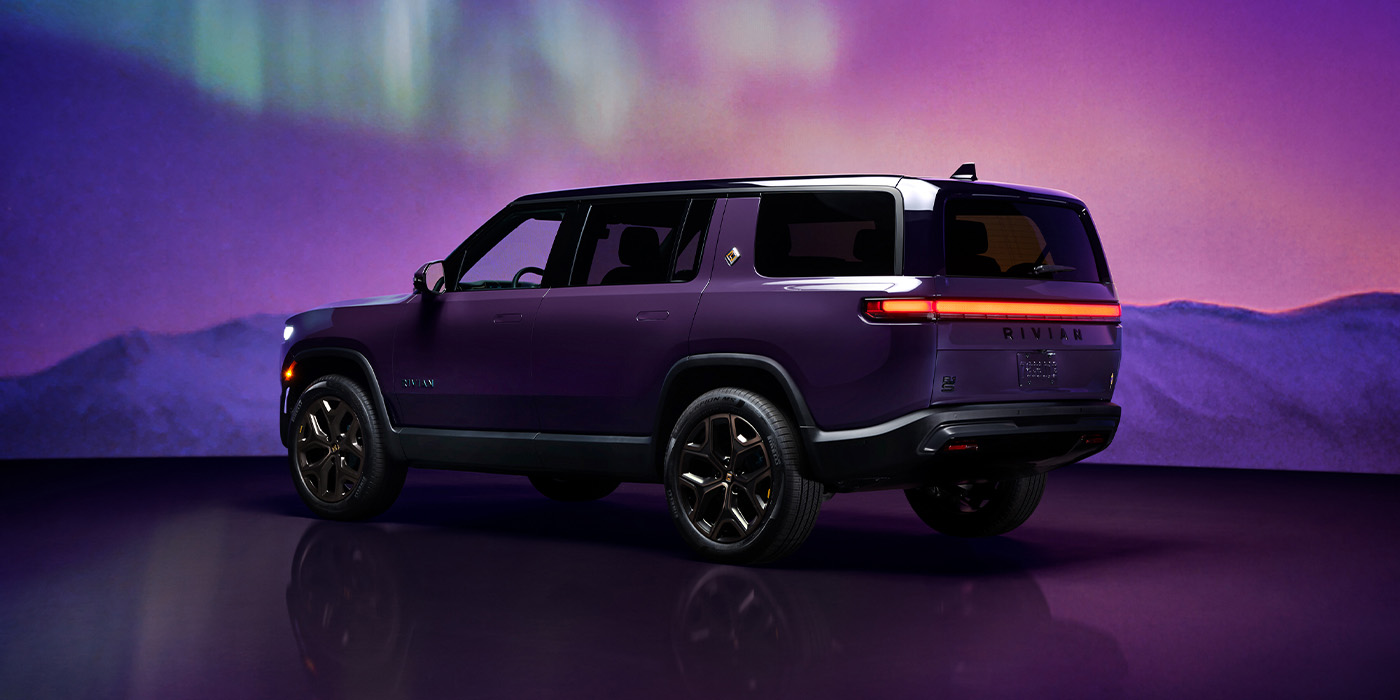
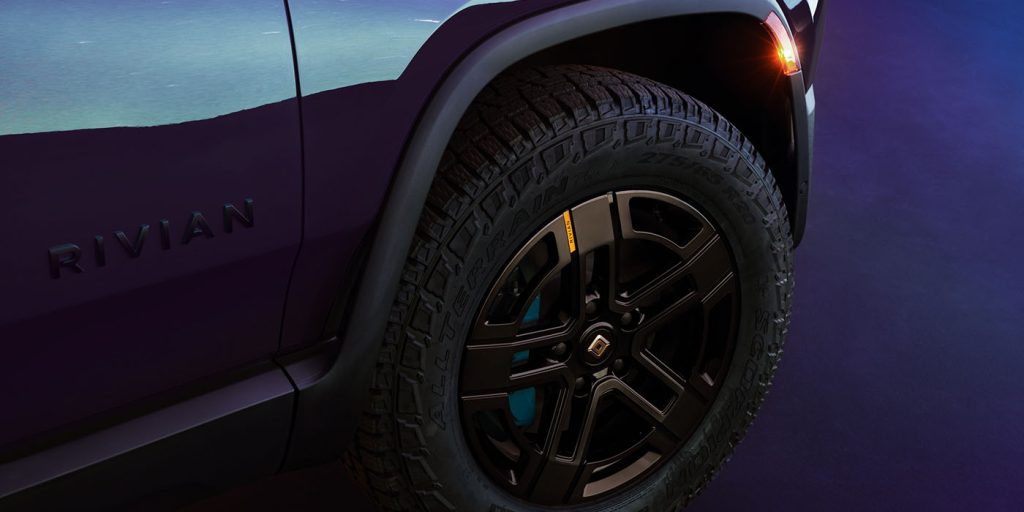
After nearly a year of speculation online, Rivian has confirmed it will begin offering a new purple exterior color, and we now have the name – Borealis. Inspired by its own community, Rivian’s latest color will be available for a limited time on select variants and arrives as part of a broader design initiative focused on sensory experiences.
Welp, Rivian is actually offering purple EVs.
We had a feeling that this news might be coming at some point, and the confirmation has been nearly a year in the making. Earlier in 2025, some Redditors in the Rivian community started posting images of what appeared to be a purple R1S Quad out in the wild.
We covered the news about 8 months later when fresh images once again emerged of the same truck and the same dealership plates. We could confirm there was at least one purple Rivian, still owned and operated by the American EV automaker, in existence.
What we could not confirm was whether the Grimace-mobile was a one-off or a hint at plans for a new exterior color option. At the time, representatives for Rivian said they could not comment on speculation, but also did not dismiss any indications that a new purple exterior could be in the works.
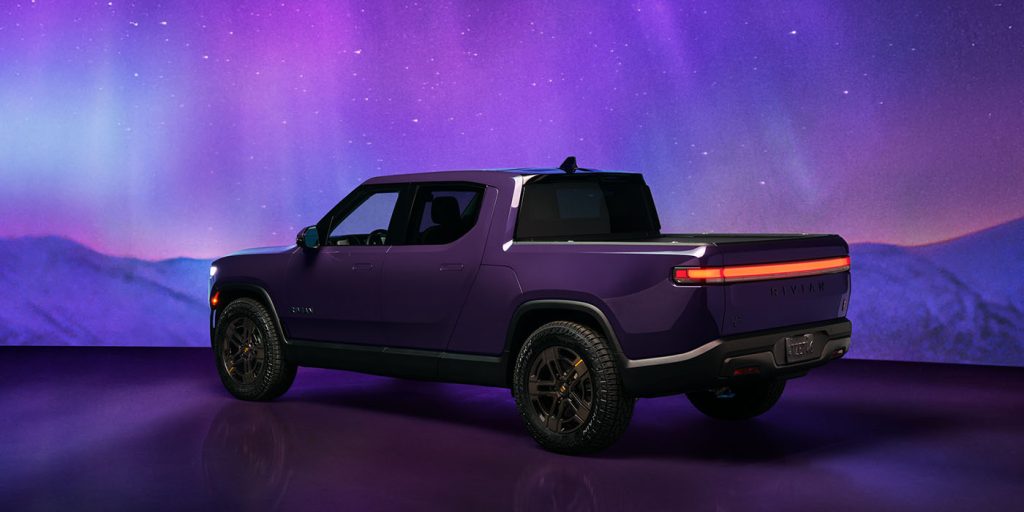
This morning, Rivian made its presence known at Collins Park during Art Week Miami Beach, where it has set up a multi-sensory exhibition that includes scent, touch, and, of course, the sight of the new Borealis purple exterior. Check it out.

Rivian to offer customers a purple exterior option
During Art Week Miami Beach 2025, which kicked off earlier this week, Rivian has unveiled an exhibition called “Rewilding the Future,” an “immersive exploration of the natural systems” that shape Rivian’s design process.
This multi-sensory exhibit will expose visitors to a range of experiences, including a tactile “touch” where they can create their own objects from recycled and upcycled materials. Rivian also shared that it is exploring scents and has developed one for the exhibit highlighted in The Scent of Terrain. Visitors can first deconstruct the unique scent by smelling the individual top, mid, and base notes in glass flasks before sniffing an oil that combines them all into one sensory experience. Liz Guerrero, Sr. Director of Marketing Experiences at Rivian, elaborated:
Scent is uniquely memorable and we want to get to a place where we have a scent that becomes synonymous with the Rivian brand, sparking that amazing recall that you almost don’t realize you have. This is the next step in the learning process, and we’re excited to see the response.
It is unclear whether there is a specific goal in mind for Rivian’s scent-tric “learning process,” but it could involve brand-specific aromas inside or outside its EVs. Perhaps that new car smell will be “Terrain,” or you will be able to buy some Rivian cologne next holiday season. Rivian has not confirmed any of this, although we did request more information on its plans to integrate scent into design (or not).
Last but not least, Rivian’s Miami exhibit is focused on sight – more specifically, the public debut of its new Borealis purple exterior color. Per Rivian:
This color is a dynamic, deep velvety purple that shifts with the light and captures the essence of the aurora borealis, nature’s most spectacular light show. The inspiration for Borealis came directly from our community. During a 2024 solar event, a group of Rivian owners shot photos of their vehicles glowing under the surreal, purple-washed sky and it captured our design team’s imagination. Borealis pays homage to the spirit of exploration that defines our owners and celebrates the unexpected beauty found in mother nature.
In addition to Borealis, Rivian also debuted a new 20″ All-Terrain Burnished Bronze wheel (pictured above), available exclusively on its new Quad-Motor R1 lineup. As for the purple, Rivian said it is available to customers now on Tri and Quad configurations, but only for a limited time.
The Borealis debut is just one of several color stories being told at the Rivian art exhibit, and those purple EVs will be joined by the automaker’s R1S Quad Miami Edition, which will be on display at Miami Rivian Spaces in Aventura and Brickell beginning today.


FTC: We use income earning auto affiliate links. More.


Tesla has received a brutal reality check from Germany this week. The country’s closely watched TÜV Report 2026 has not only ranked the Tesla Model Y as the absolute worst car for reliability in its age group but noted that it has the highest defect rate of any vehicle tested in the last ten years.
It’s a tough look for the world’s best-selling car, though the details paint a more nuanced picture than just “the car is falling apart.”
The TÜV Association (Technischer Überwachungsverein) is the organization responsible for mandatory vehicle safety inspections in Germany. These aren’t just consumer surveys; they are rigorous mechanical exams that every car must pass to remain road-legal.
In its latest “TÜV Report 2026,” which analyzed 9.5 million vehicle inspections, the Tesla Model Y came in dead last among all cars in the 2-to-3-year-old category.
According to the data, 17.3% of Model Ys failed the inspection with “significant” or “dangerous” defects. For context, the average failure rate for this age group is roughly 6.5%. The Model Y didn’t just fail; it failed spectacularly, posting the worst score TÜV has seen in a decade.
The Model 3 didn’t fare much better, landing in the third-to-last spot with a 13.1% failure rate.
So, what is actually breaking?
According to the report, the main culprits are the same ones we’ve been hearing about for years: suspension components and brakes.
TÜV inspectors flagged frequent issues with axle suspension parts, such as the notorious control arm bushings that have plagued Tesla owners for a long time. They also found significant problems with brake discs. Because EVs use regenerative braking for most deceleration, the physical friction brakes rarely get used. In Germany’s wet climate, this leads to rust and corrosion on the discs, causing them to fail safety inspections even if they “work” mechanically.
Lighting defects were also a major contributor to the failure rate.
In stark contrast, other EVs performed exceptionally well. The Mini Cooper SE had a defect rate of just 3.5%, and the Audi Q4 e-tron sat at 4.0%, proving that this isn’t an “electric vehicle problem”—it’s a specific Tesla problem.
Electrek’s Take
We need to separate the signal from the noise here.
First, let’s address the brakes. Failing a safety inspection because of rusty brake discs is a known issue for all EVs, but it seems to hit Tesla harder. If that’s the case, we should look into why that’s happening.
While it’s technically a “defect” in the eyes of TUV as it doesn’t achieve the required safety standards, it doesn’t mean the car is unreliable in the sense that it will leave you stranded. That said, Tesla owners should be careful. I enjoyed one pedal driving more than anyone, but I do make an effort to use my brain regularly. You don’t want to have a problem with them when you actually need them.
The suspension issues are a different story.
We have been reporting on Tesla’s suspension problems for years. They have been NHTSA investigations about it and recalls. It is disappointing to see that even on 2-to-3-year-old Model Ys, these parts are still failing at an alarming rate. When nearly one in five cars is failing its first mandatory inspection, you can’t just wave that away as “FUD.”
The good news is that Tesla’s powertrain is solid and doesn’t contribute much to the poor reliability rate.
FTC: We use income earning auto affiliate links. More.

-
 Sports2 years ago
Story injured on diving stop, exits Red Sox game
-
 Sports3 years ago
‘Storybook stuff’: Inside the night Bryce Harper sent the Phillies to the World Series
-
 Sports2 years ago
Game 1 of WS least-watched in recorded history
-
 Sports3 years ago
Button battles heat exhaustion in NASCAR debut
-
 Sports3 years ago
MLB Rank 2023: Ranking baseball’s top 100 players
-
Sports4 years ago
Team Europe easily wins 4th straight Laver Cup
-
 Environment3 years ago
Japan and South Korea have a lot at stake in a free and open South China Sea
-
 Environment1 year ago
Here are the best electric bikes you can buy at every price level in October 2024