

Booking.com customers warned of ‘well-designed scam’ putting details for sale on dark web
UK
Online sleuths and fake news: The world of missing people and the torture their families have to endure

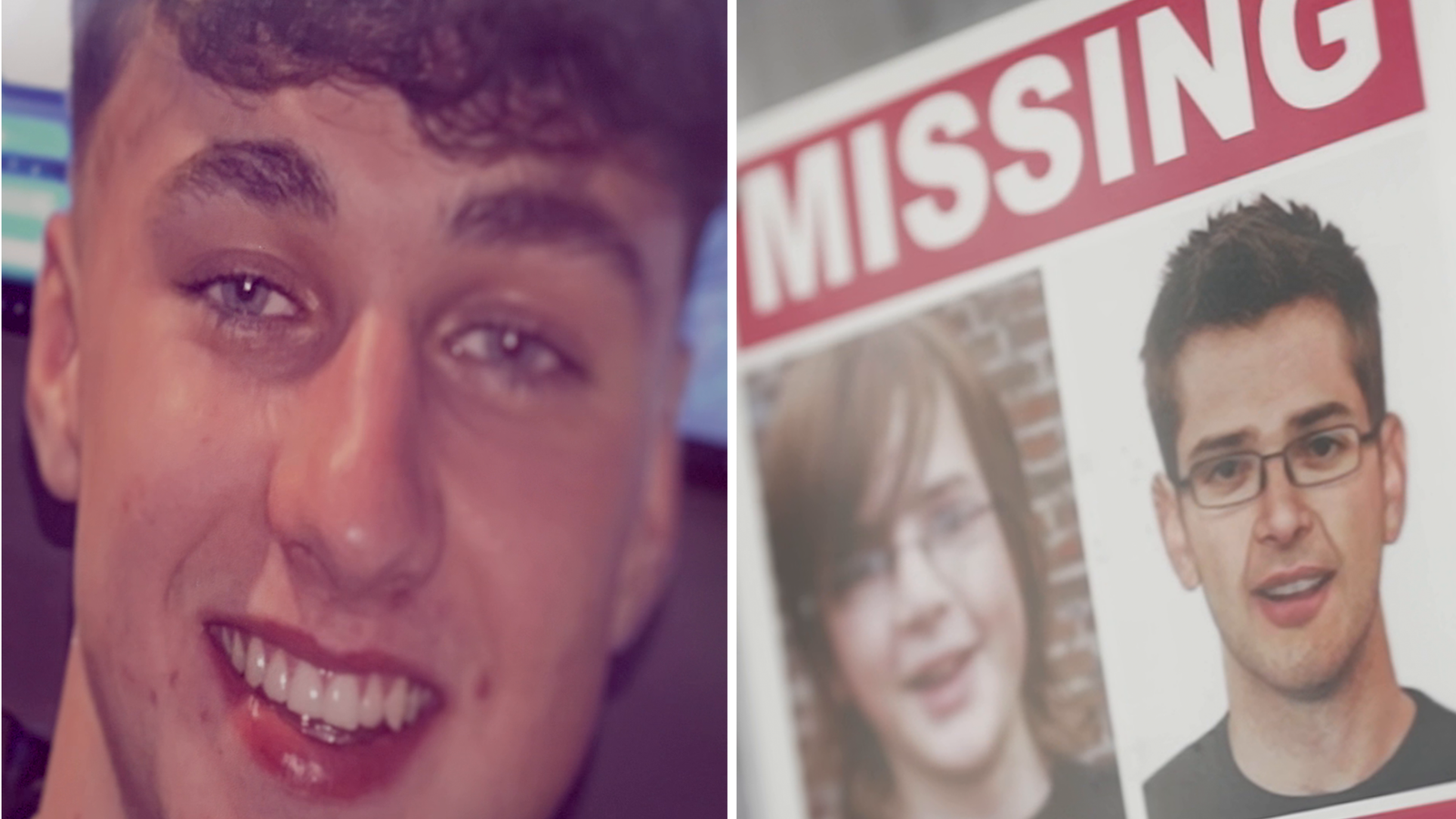
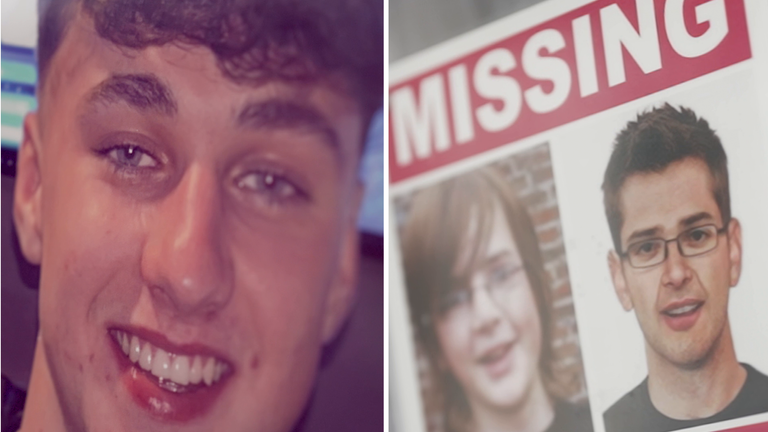
“When will it end, when will it stop?” It’s the question that Jay Slater’s mother still can’t answer.
The constant stream of vitriol, misinformation, and abuse online has continued every day for the past 18 months.
“I’ve just been absolutely crucified and ripped to pieces,” Debbie Duncan told us, as she read out the online comments that have hurt the most:
• “Debbie deserved to lose her son”
• “How can you possibly respect a mother grifting off her own son’s death?”
• “How do you know it’s Jay in that coffin – he needs digging up.”
“Just scroll, scroll and scroll, and they are still there,” Debbie said. “Jay’s just been dehumanised.”
Families of Jay Slater (left) and Andrew Gosden (right) have spoken of horrific online abuse following the disappearance of their loved ones
There are hundreds of millions of pieces of Jay Slater content online, and it’s constantly being created – even after a coroner ruled his fall in a remote ravine in Tenerife was a tragic accident.
“I don’t think I’d be here if I sat every day and read everything that was being said,” Jay’s mum told us.
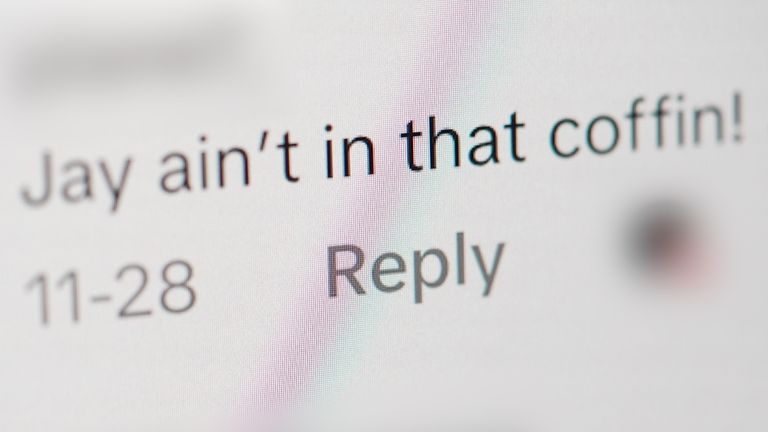
Conspiracy theories about Jay have persisted online
This is why she is campaigning – in her son’s name.
She has tried and failed many times to get misinformation and the worst abuse taken down from online platforms.
“We just want to have some legislation around content,” she said.
“It’s about the [social media] platforms having that responsibility to take down the misinformation, the harassment, bullying.”
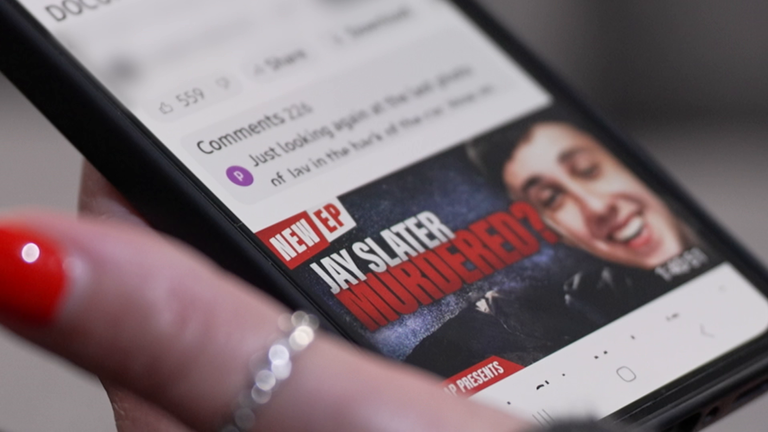
Jay’s family has become a victim of a surge in online sleuthing
New levels of tragedy trolling
Jay’s case took the febrile world of online sleuthing and tragedy trolling to new levels.
Her campaign to give a degree of control back to families suffering this abuse is backed by the charity Missing People.
They work with a growing number of relatives being attacked online and trying to tackle callous misinformation.
“It feels quite out of control,” Josie Allan from the charity told us.
“We know with the development of AI, there’s going to be even more complicated issues.
“People creating fake news about missing cases, potentially making fake content using missing people’s faces or voices.
“We know that that would just be horrendous for families to have to see and could really misdirect police resources and investigations.”
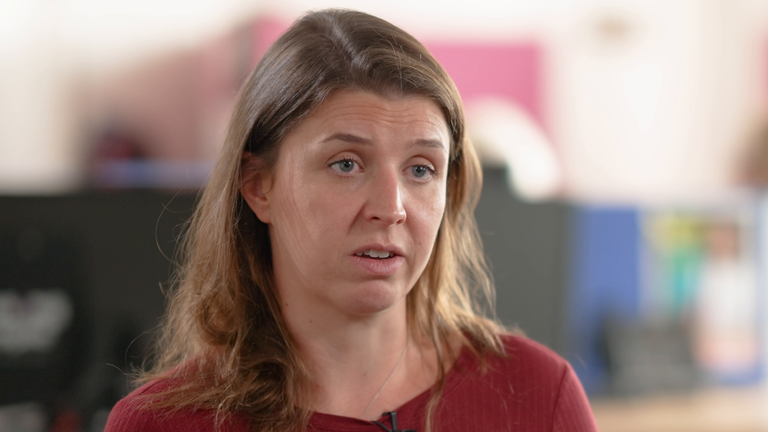
Josie Allan from the charity Missing People
Bogus posts of missing people
Malicious content like this is appearing more regularly.
Anonymous accounts create bogus missing people posts – often it sits in front of a fake advert or has a link to a scam website.
It exploits the natural goodwill people feel towards missing person cases.
In Australia, the search for a missing boy, Gus Lamont, was recently disrupted by a fake AI image of a man carrying what appeared to be the four-year-old.
It wasn’t real.
It is an emerging and disturbing problem for people searching for a loved one.
In the UK, the family of Andrew Gosden, who has been missing for the past 18 years, has been through a similar ordeal.
Kevin Gosden’s son was 14 years old when he disappeared in 2007.
Andrew caught a train to London from his hometown of Doncaster, South Yorkshire.
His family has never given up hope of him returning.
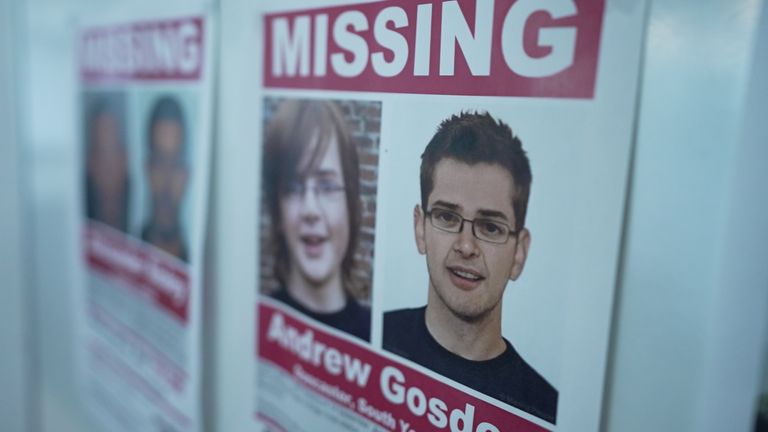
Andrew Gosden’s family have never given up hope of finding him
Father close to breakdown
“Just before the 18th anniversary of Andrew’s disappearance… we suddenly became aware that there were articles online circulating and being shared,” his father told us.
“Claiming that Andrew’s body had been found, that his DNA had been found somewhere… the police have been concealing some CCTV footage with him.
“Utter nonsense. None of that’s true.
“If you’ve got a lot of false information out there, it just doesn’t help find the lad we love.
“We need to know that Andrew is still being looked for.
“I have been very close to what I know is going to be a breakdown, again with it a number of times.”
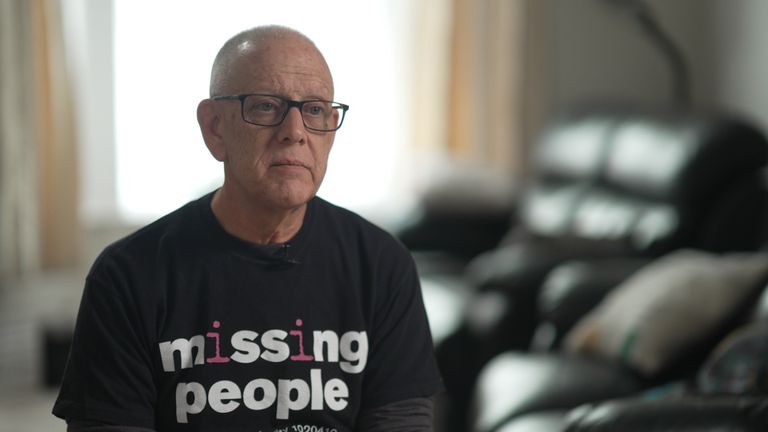
Kevin Gosden
Clicks are driving content
The monetisation of clicks online is one of the driving forces behind this constant stream of content.
At the CrimeCon conference in Manchester, we spoke to true crime content creators and fans of this growing genre about where the moral boundaries lie.
Andy Hobbs, who sells murder mystery games, told us: “Unfortunately, views means more money. And until that gets looked at, I don’t think any regulation will come in.
“It’s in the interest of social media networks to get more views, more hits.”
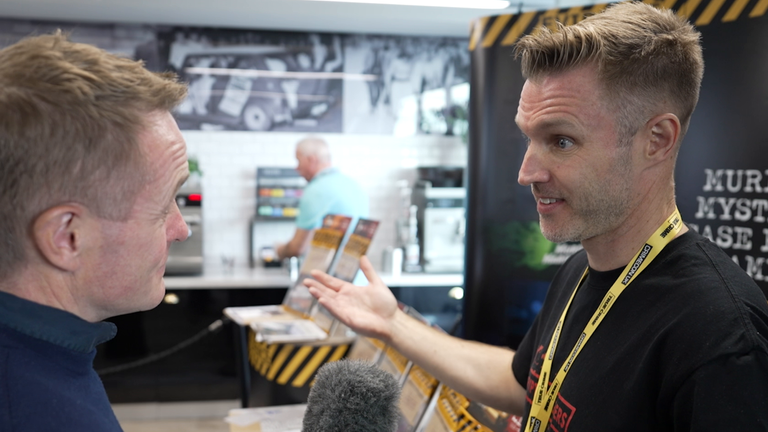
Andy Hobbs speaks to Sky’s Tom Parmenter
Ruth Berry, a true-crime fan, pointed out that online investigators can, in some instances, turn up new information: “They’ve helped solve in some cases, haven’t they?
“They’ve helped to unpick things that maybe authorities haven’t had the resources to do, and they’ve had the time and the resources to do.
“But also is it their jurisdiction and is that evidence actually valid and reliable? Because how did they get hold of it, who knows?”
Annie Robinson and Beth Kent host the Grave Secrets true-crime podcast.
“It’s not something you can control, is it really?” Annie said.
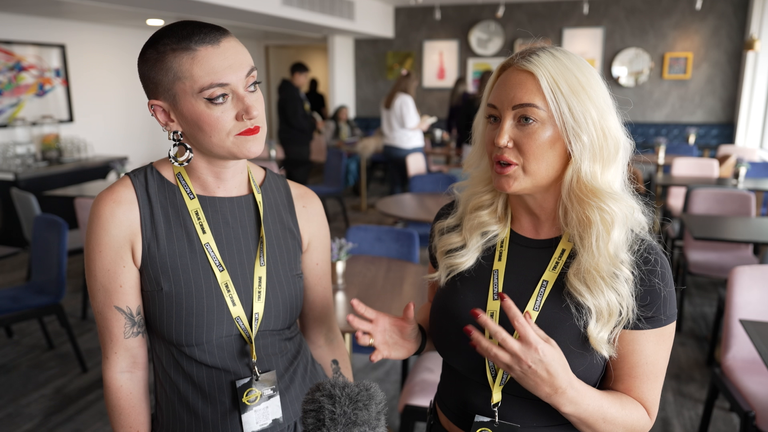
True crime podcasters Annie Robinson and Beth Kent
Beth added: “Everyone obviously deserves to have their say, I think I would just be mindful and cautious that you are having an opinion knowing that nobody has all the facts.
“It’s sort of easy to talk about it, as in like, it’s not a real person you’ve got to remember these are still victims and victims’ families,” Annie added.
Some sleuths ‘very dangerous’
“Some amateur sleuths are very dangerous,” forensic psychologist Kerry Daynes told Sky News.
“Because people want their 15 minutes of fame on social media we can’t do things that knowingly hamper police investigations.
“You know, in any other world that would result in a prosecution.
“So I think that we do need to clamp down on those small number of people who do actually cause a great amount of carnage and damage.”
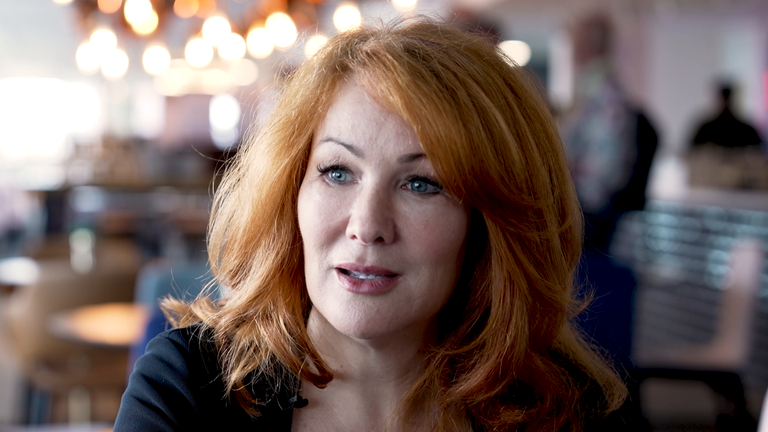
Forensic psychologist Kerry Daynes
Some content creators have turned up to insert themselves into active police searches but the wider problem of misinformation online is also hindering officers.
Read more from Sky News:
Police failed to tackle social media risks
Conspiracy theories are disrupting police
Fake news ‘misdirecting police’
Assistant Chief Constable Damien Miller, the national policing lead for missing persons, told us: “It takes policing away from those inquiries that we need to be following, because it’s fake, it’s false information.
“It’s hurtful, it is harmful to the families, but it’s also then misdirecting police investigations.
“People have freedom of speech, but there is a line and what I would say to those members of the public is please do not cross that line.
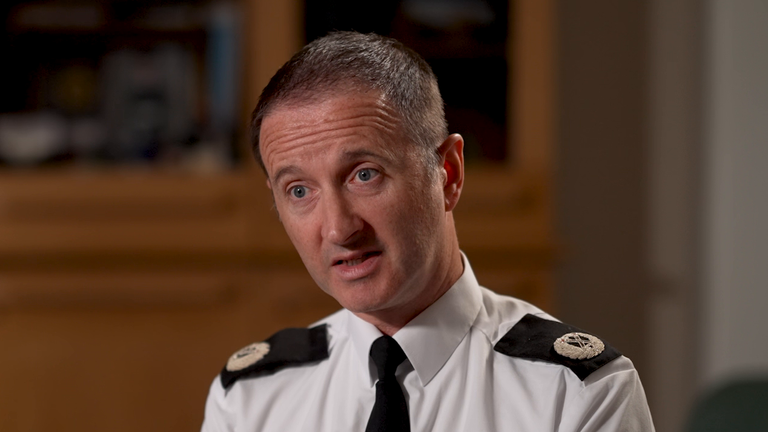
Assistant Chief Constable Damien Miller
He, too, would like to see social media companies helping remove misleading content sooner.
‘I wouldn’t wish it on anyone’
“I think what we need to do is work with those providers to make sure that when mis or disinformation is put on social media, that it’s removed at its earliest opportunity because otherwise it gains momentum,” he said.
That incessant flow of content is what Jay’s mum, Debbie Duncan has been hit by. She is determined to do all she can so that other families don’t have to go through the same ordeal.
“I wouldn’t wish it on anybody what we have been through,” she said while contemplating everything that’s happened.
She has kept boxes of cards and gifts in Jay’s bedroom at home in Lancashire – reminders of all the compassion and support they have received as well as the online hatred.
“It’s torture,” she said while looking at the many photos of her son.
“I just look at his picture and if it’s the last thing I can do for you Jay – I’ll try my blimmin’ hardest.”
Debbie’s petition can be found here.
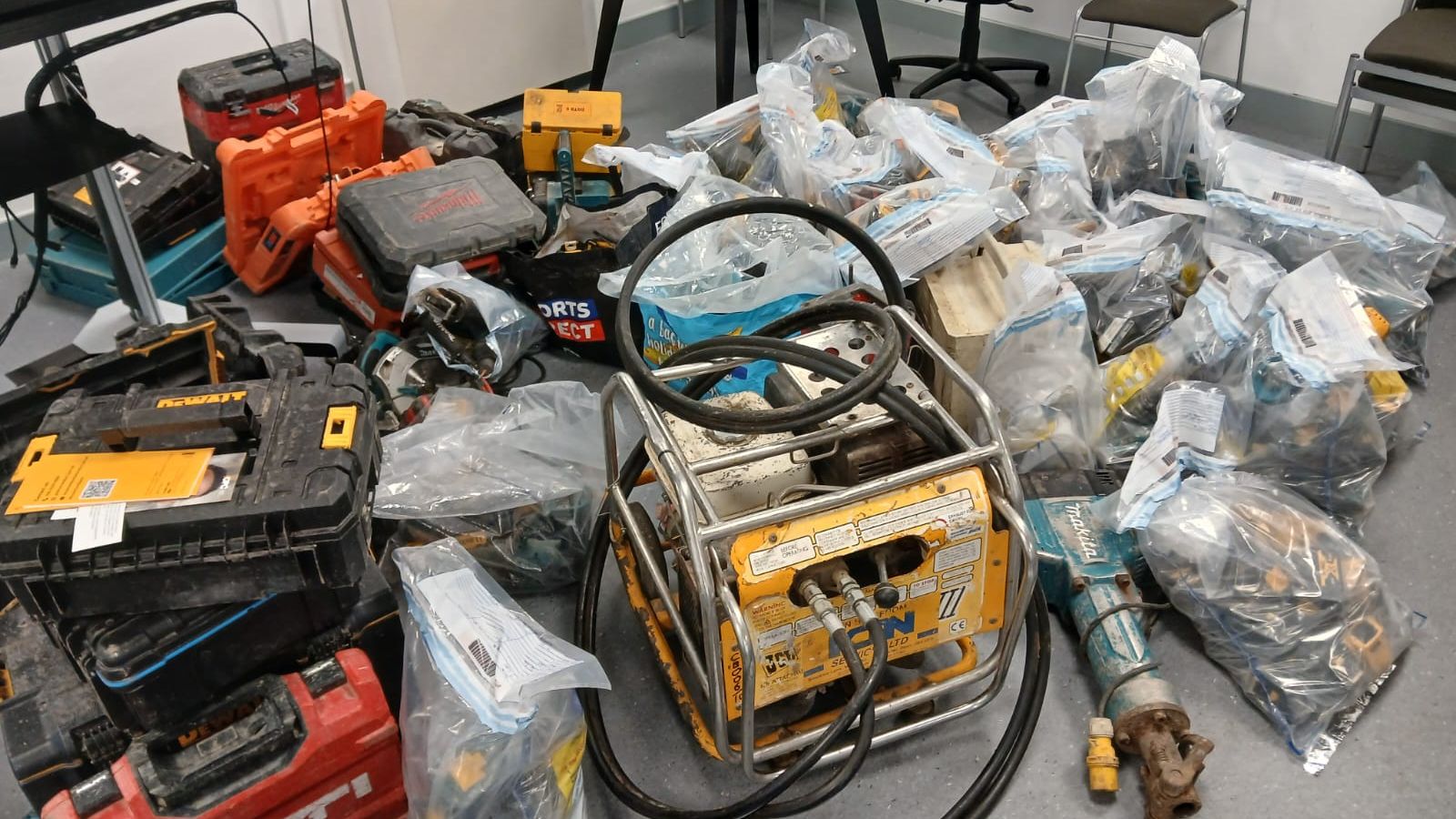
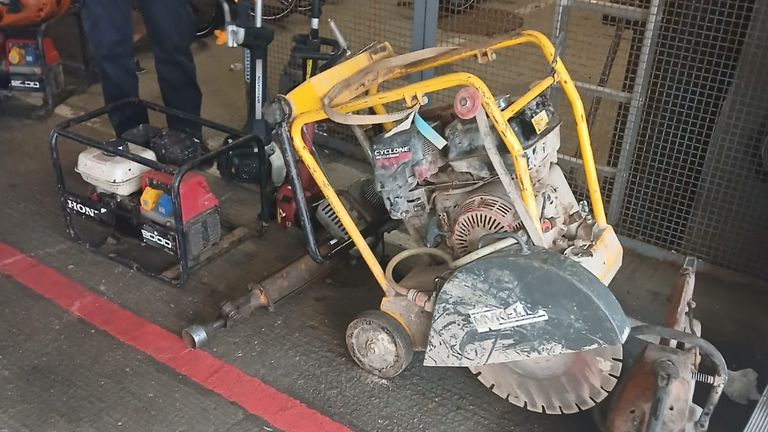
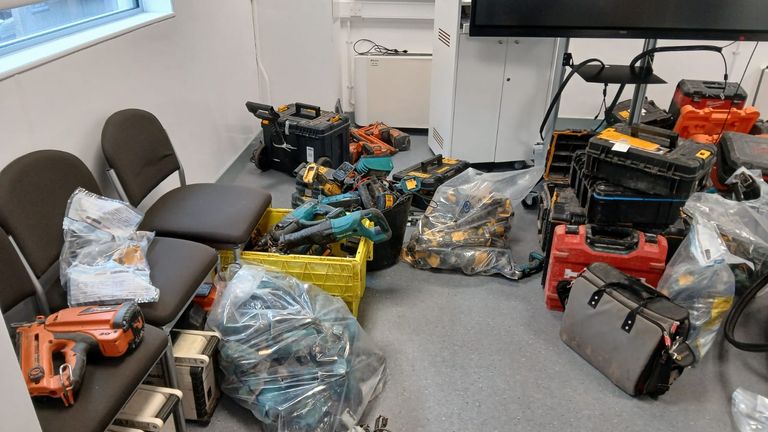
Around £80,000 worth of suspected stolen power tools have been seized by police at a car boot sale in west London.
The Metropolitan Police recovered 400 items in the operation on 11 December.
Two men, aged 55 and 54, and two 15-year-old boys have been arrested on suspicion of handling stolen goods.
The objects seized by officers at the Hounslow Heath car boot sale included power drills, nail guns, electric saws, and a concrete mixer.
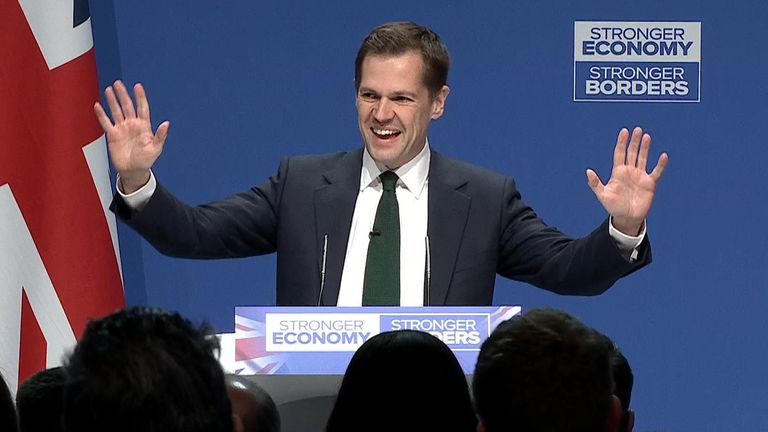
Shadow justice secretary Robert Jenrick
It comes after shadow justice secretary Robert Jenrick visited the sale last month and posted a social media video highlighting concerns about the sale of suspected stolen goods.
The Met said its operation was in response to worries about tool theft and was working to identify the tools and trace their original owners.
Superintendent James Rawlinson, of Hounslow’s local neighbourhood policing team, said: “We are listening to Londoner’s concerns about tool theft because we understand the significant impact it has on tradespeople and their livelihoods.
“We are targeting the prolific offenders and organised criminal groups that drive this trade in stolen tools through proactive, intelligence-led operations.”
Pic: Metropolitan Police
Pic: Metropolitan Police
Read more from Sky News:
Controversial FBI deputy director to resign next month
All trials of Ajax armoured vehicles halted again
The force said tool theft between April and December was down 20.3%, compared with the same period last year as a result of Met operations targeting tool thieves.
Officers seized more than £500,000 worth of stolen tools during operations at two large-scale boot sales and associated premises in Romford and Rainham and made several arrests earlier this year.
Police have advised power tool owners to mark and take photographs of their property, and record the items’ serial numbers, to increase the chance of returning them if stolen.
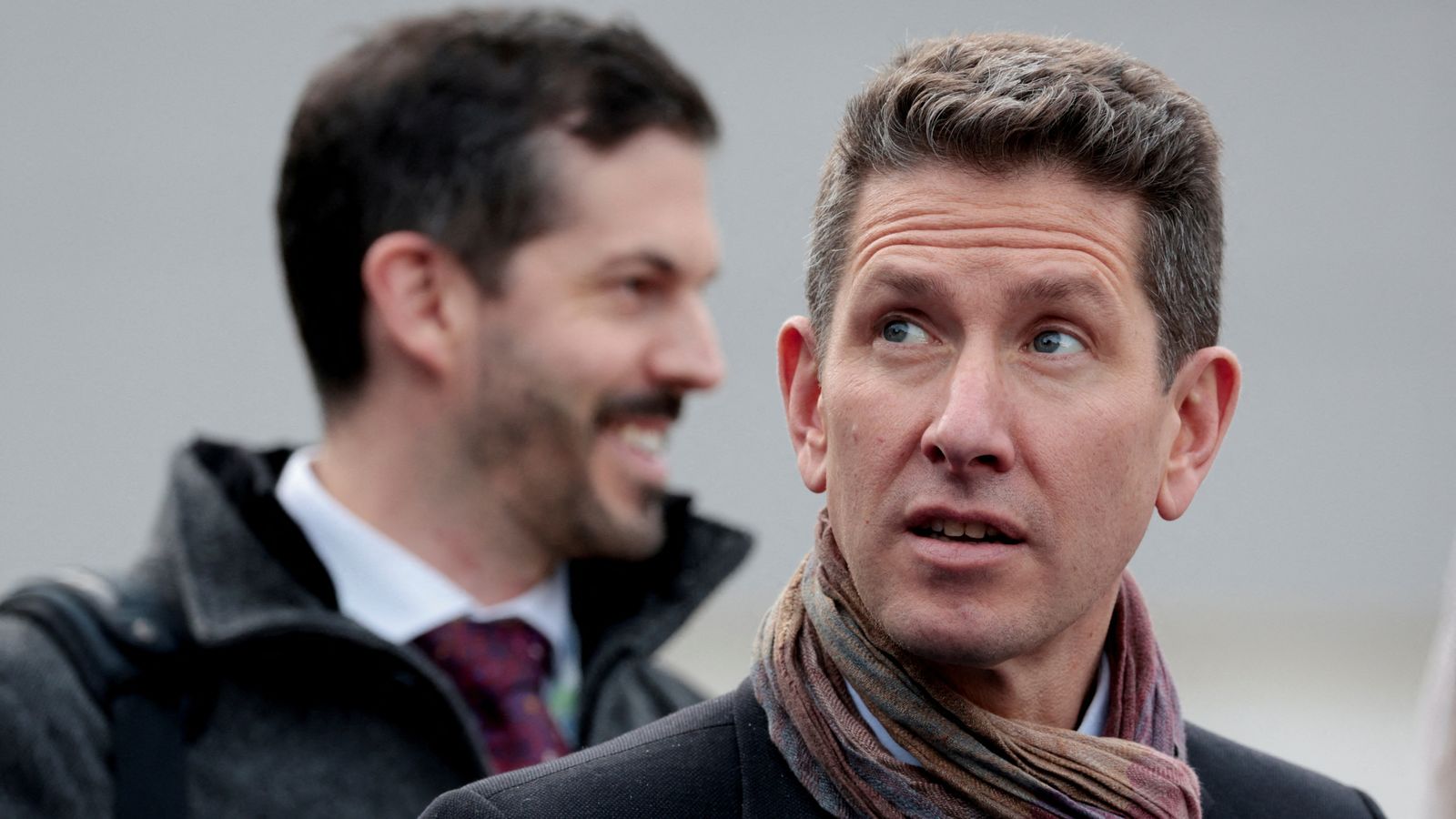
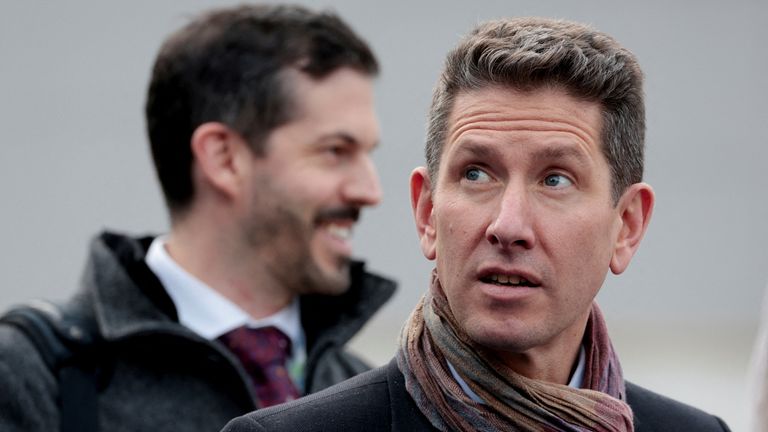
Christian Turner is a mandarin’s mandarin. His appointment to the most glamorous posting in the UK diplomatic service is a victory for the Sir Humphreys over the politicians.
After the disaster and humiliation of Peter Mandelson‘s demise over his links to Jeffrey Epstein, it always made sense to appoint a scandal-free career diplomat as his successor.
Father-of-two Dr Turner is 53 but looks half his age. But his youthful appearance hides a long experience as a diplomat and civil servant serving prime ministers dating back to Tony Blair.
Christian Turner during a G7 foreign ministers’ meeting in Italy in 2024. Pic: Reuters
The Foreign Office announcement of his appointment describes him as “one of the UK’s most experienced diplomats”. And the top mandarins at the FCDO will be delighted they’ve got their man.
When Lord Mandelson was appointed last year, the senior cabinet minister Peter Kyle told Sky News the government had decided that he was “worth the risk”.
And what a risk it turned out to be. Will they never learn? “Mandy” – as he’s always been known in Westminster – had previously been forced to resign from the cabinet not once, but twice.
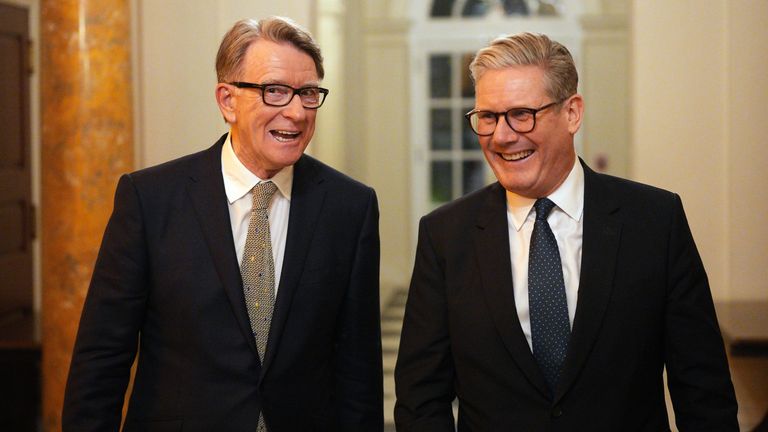
Lord Peter Mandelson and Sir Keir Starmer. File pic: PA
He declared in an angry and defiant victory speech when he held his Commons seat in Hartlepool: “I’m a fighter, not a quitter.” But not long after that, he quit to become a Brussels commissioner.
Dr Turner, on the other hand, has enjoyed a stellar and unblemished career as a diplomat. His most high-profile international post so far was high commissioner to Pakistan, where he was said to be immensely popular.
One of his earlier diplomatic posts was high commissioner in Kenya, when he had to lead the UK’s response to the Westgate Mall terrorist attack, in which 71 people were killed.
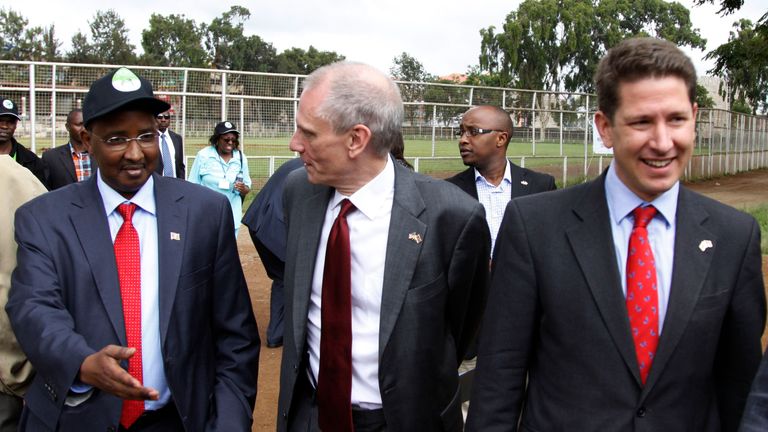
UK high commissioner to Kenya Christian Turner, right, and US ambassador to Kenya Robert F. Godec, centre, in 2012. File pic: AP
So he’s seen as a safe pair of hands and is unlikely to attract scandal and controversy in the way that his predecessor did, with his relationships with colourful tycoons and oligarchs as well as love of the high life.
Nevertheless, the Washington posting comes with some of the best perks in the diplomatic world, notably the luxurious Lutyens mansion that serves as the ambassador’s residence on Massachusetts Avenue.
Dr Turner saw off some distinguished rivals for the top job in the diplomatic service, including chief Varun Chandra, Sir Keir Starmer‘s business adviser, who is credited with being the architect of recent trade agreements with President Trump.
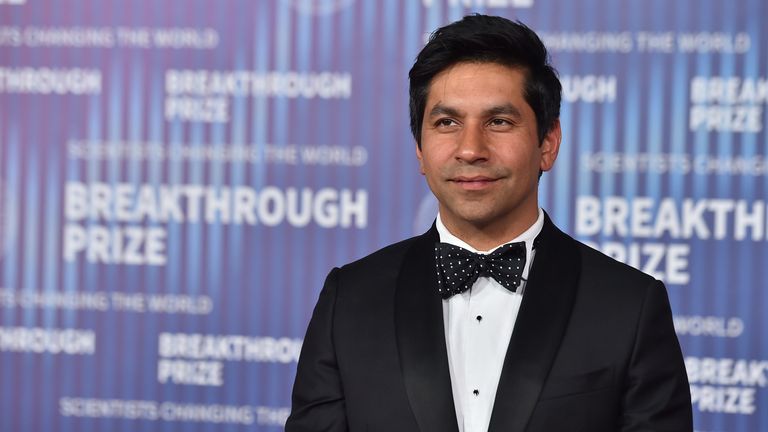
Varun Chandra. File pic: AP
Until this week, he was seen as the frontrunner for the job, and as a sop for not getting the Washington post, he will now have an expanded role, including taking a lead role in trade talks with the US.
A late entry in what became a three-horse race was Nigel Casey, Britain’s ambassador in Moscow.
But ultimately, he was seen as indispensable in his current role, given the volatile relations with Vladimir Putin and the continuing war in Ukraine.
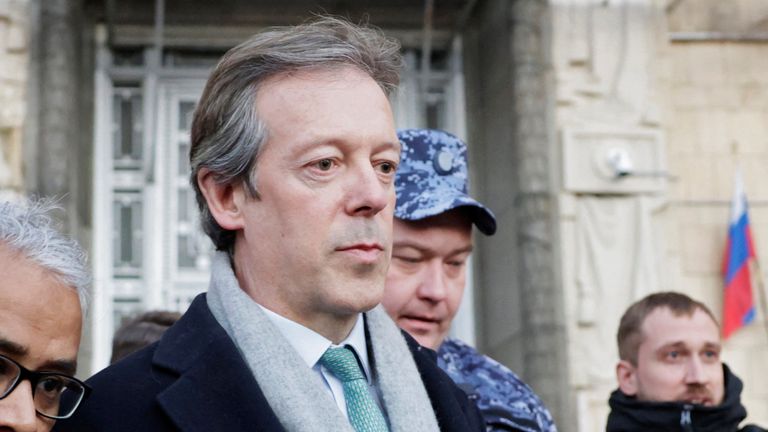
British Ambassador to Russia Nigel Casey. File pic: Reuters
The PM interviewed all three candidates last week and his choice of Dr Turner is seen as a victory for Sir Olly Robbins, the Foreign Office’s top diplomat, whose career has prospered despite criticism of his role as the UK’s post-Brexit negotiator, over government ministers.
Read more from Sky News:
Russia ‘reveals secret chat’ with MI6 chief
Former footballer wins claim against top surgeon
Insiders claim there will be champagne corks popping in the Foreign Office’s King Charles Street HQ because Dr Turner is their man and will report back to the FCDO rather than No 10.
If Lord Mandelson – the “prince of darkness” in his days as a Labour spin doctor – was seen as Sir Keir’s “Trump whisperer”, Dr Turner will be the PM’s – and, more importantly, the Foreign Office’s – eyes and ears.
-
 Sports2 years ago
Story injured on diving stop, exits Red Sox game
-
 Sports3 years ago
‘Storybook stuff’: Inside the night Bryce Harper sent the Phillies to the World Series
-
 Sports2 years ago
Game 1 of WS least-watched in recorded history
-
 Sports3 years ago
Button battles heat exhaustion in NASCAR debut
-
 Sports3 years ago
MLB Rank 2023: Ranking baseball’s top 100 players
-
Sports4 years ago
Team Europe easily wins 4th straight Laver Cup
-
 Environment3 years ago
Japan and South Korea have a lot at stake in a free and open South China Sea
-
 Environment1 year ago
Here are the best electric bikes you can buy at every price level in October 2024