
Enphase Energy will lay off roughly 10% of workforce as part of restructuring plan

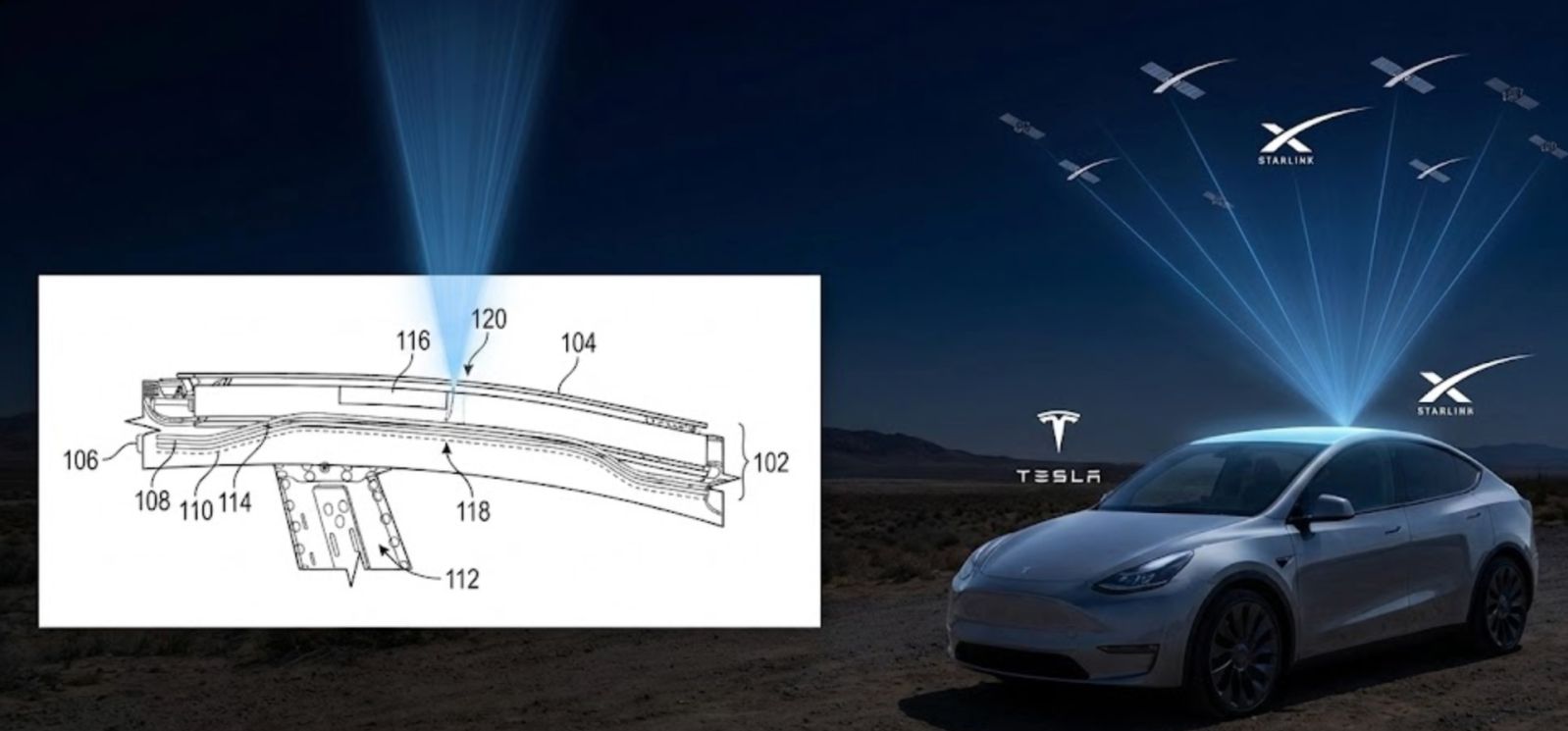
Tesla has filed a new patent that strongly suggests the automaker is preparing to integrate Starlink satellite receivers directly into its vehicles.
The reason why is still unclear.
Tesla vehicles are already some of the most connected machines on the planet, relying heavily on cellular networks for everything from Autopilot data collection to over-the-air software updates and streaming features.
But cellular coverage has limits.
Now, a new patent filing reveals Tesla’s solution.
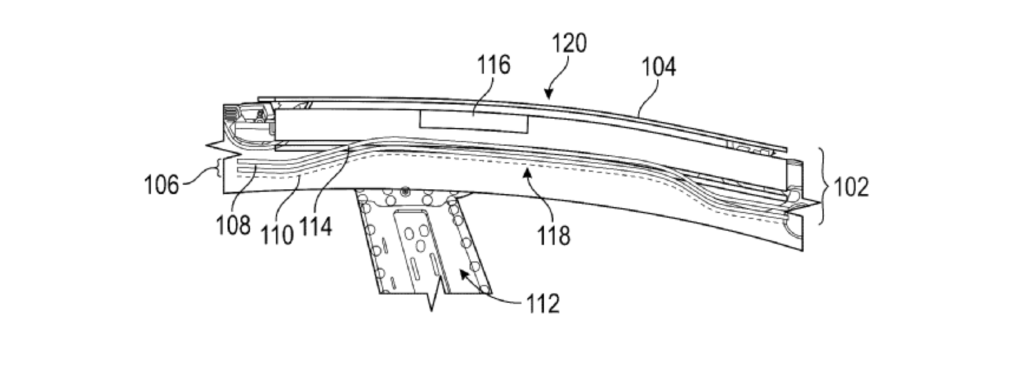
The patent, titled “Vehicle Roof Assembly with Radio Frequency Transparent Material,” describes a new roof structure designed specifically to allow satellite signals to pass through.
The filing notes that traditional automotive glass and metal roofs often block or attenuate satellite signals, making it difficult to hide an antenna inside the cabin. Tesla’s solution is to use specific polymer blends, such as polycarbonate or acrylonitrile styrene acrylate, that are “radio frequency (RF) transparent.”
The patent explicitly mentions that this assembly allows for the integration of “antennae directly into the roof structure, facilitating clear communication with external devices and satellites.”
Here is a drawing from the patent showing the multi-layer roof structure designed to hide the antenna while maintaining structural integrity:
While the patent doesn’t name “Starlink” directly (patents rarely name specific commercial products), the implications are obvious. Starlink, SpaceX’s satellite internet constellation, is a high-bandwidth, low-latency satellite network capable of supporting the kind of data Tesla vehicles consume.
We have already seen some Tesla owners retrofit Starlink Mini dishes onto their cars for off-grid camping, but this patent suggests a factory-integrated solution where the antenna is completely invisible, hidden inside the roof lining.
This would allow a Tesla to seamlessly switch between 5G cellular networks and the Starlink satellite network, depending on coverage, ensuring the car is always online.
Electrek’s Take
Cars don’t necessarily need satellite connections.
For a while, some thought it could be needed for autonomous driving by enabling constant connectivity, but it is generally accepted that you can’t rely on any kind of internet or in-car communication for self-driving. The risk is too high.
For the most part, a cellular connection is perfectly fine for a car.
However, I wouldn’t mind this if it’s offered as an option for people who are looking to stay connected in more remote areas. It could make sense for that.


FTC: We use income earning auto affiliate links. More.
Environment
Oil rebounds from lowest levels since 2021 after Trump orders Venezuela oil tanker blockade


U.S. crude futures rose more than 1% Wednesday as Trump ordered “a total and complete” block of all sanctioned oil tankers entering and leaving Venezuela.
Chinaface | E+ | Getty Images
Crude oil prices bounced back from near four-year lows Wednesday, after President Donald Trump said the U.S. will block sanctioned tankers from entering and leaving Venezuela.
U.S. crude oil rose $1.03, or 1.86%, to $56.30 per barrel by 7:52 a.m. ET. Global benchmark Brent was trading at $59.96, up $1.04 or 1.77%.
The U.S. benchmark had fallen to the lowest levels since early 2021 on Tuesday, as traders see a potential peace agreement in Ukraine bringing Russian crude back to a well supplied market.
Oil, 5 years
But Trump’s pressure campaign against Venezuelan President Nicolas Maduro has lifted prices from those lows. The president said he ordered a “total and complete” blockade of sanctioned oil tankers leaving and entering Venezuela.
Trump’s blockade comes after the U.S. seized a sanctioned oil tanker off Venezuela’s coast last week in a major escalation.
Venezuela is a founding member of OPEC and has the largest proven crude oil reserves in the world. It is exporting about 749,000 barrels per day this year, with at least half that oil going to China, according to data from Kpler.

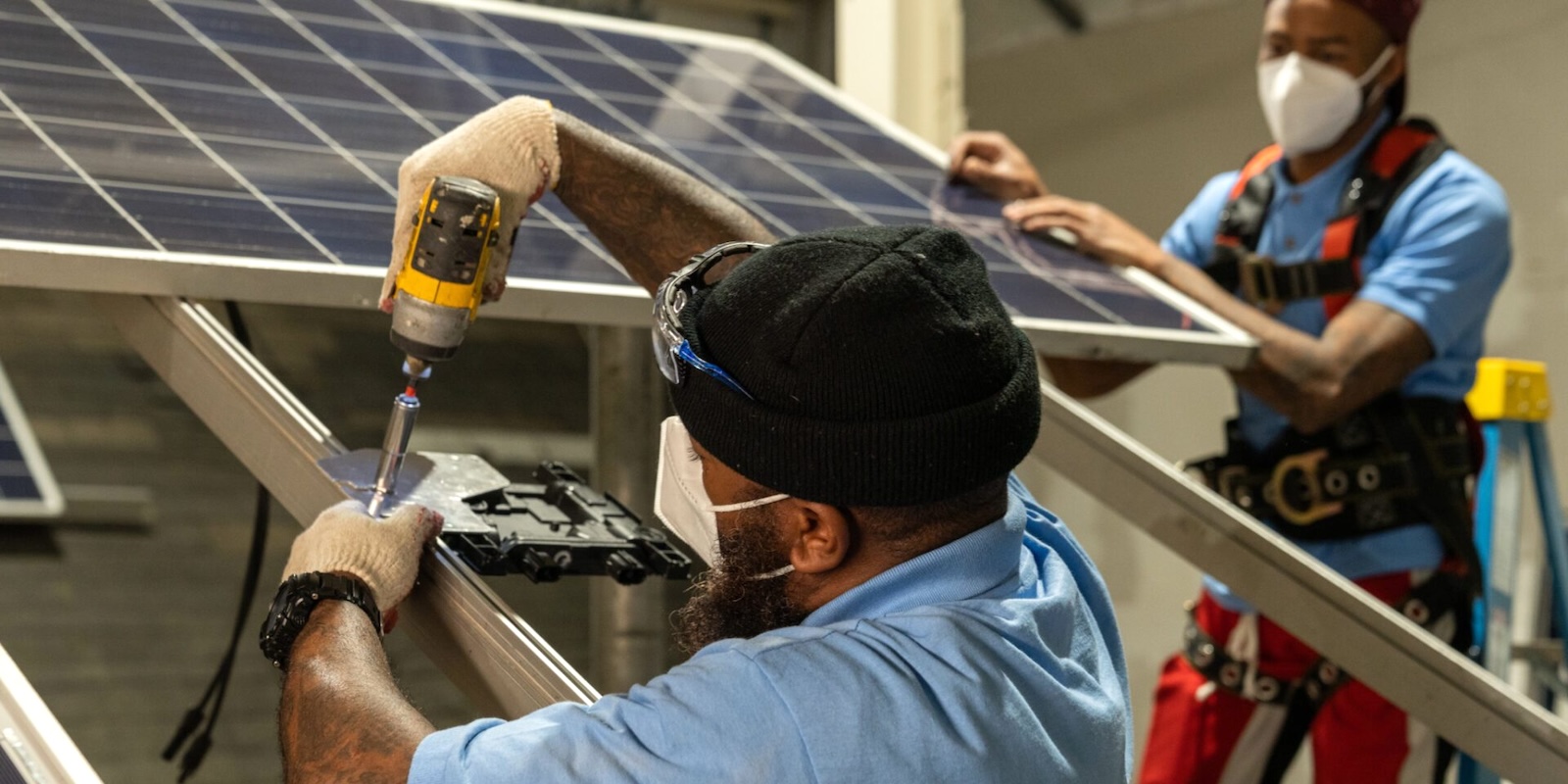
Through the Exelon Foundation, local utility Baltimore Gas and Electric (BGE) has granted $250,000 to Civic Works’ Baltimore Shines solar initiative to support no-cost rooftop solar installations for low- and moderate-income homeowners.
Exelon-owned BGE is working with Civic Works to ensure that up to thirty (30) qualifying homeowners will be able to receive no-cost rooftop solar installations as part of a BGE-funded initiative to add more clean, renewable, and affordable energy to the Baltimore grid.
“BGE is committed to investing in solutions that make energy more affordable and help our customers manage their bills. Baltimore Shines is making a real difference by helping families lower their energy costs while expanding access to clean, renewable power,” explains Tamla Olivier, president and CEO of BGE. “Today’s completion of the 50th solar installation brings affordable energy where it is needed most. Thank you to Civic Works for helping us build a more equitable, sustainable Baltimore.”
Each selected home will get the roof and electrical upgrades needed to go solar, along with a 20 year maintenance plan to make sure the systems continue to cut fossil fuel dependence, support BGE’s clean energy goals, and deliver real progress on environmental justice and energy equity for years to come.
“We are also deeply appreciative of this new grant from BGE and the Exelon Foundation, which will expand access to clean energy and allow us to provide no-cost solar installations to additional limited- and moderate-income households,” says Eli Allen, senior program director of Civic Works. “Together, we are reducing monthly expenses for families and strengthening resilience across Baltimore neighborhoods.”
Once completed, those thirty homes are expected to generate more than 180,000 kWh of electricity per year, and cut more than 275,000 pounds of carbon dioxide emissions, annually. This solar initiative is also supported by the Maryland Energy Administration and the Mayor’s Office of Recovery Programs.
SOURCE | IMAGES: BGE, Civic Works.

If you’re considering going solar, it’s always a good idea to get quotes from a few installers. To make sure you find a trusted, reliable solar installer near you that offers competitive pricing, check out EnergySage, a free service that makes it easy for you to go solar. It has hundreds of pre-vetted solar installers competing for your business, ensuring you get high-quality solutions and save 20-30% compared to going it alone. Plus, it’s free to use, and you won’t get sales calls until you select an installer and share your phone number with them.
Your personalized solar quotes are easy to compare online and you’ll get access to unbiased Energy Advisors to help you every step of the way. Get started here.
FTC: We use income earning auto affiliate links. More.
-
 Sports2 years ago
Story injured on diving stop, exits Red Sox game
-
 Sports3 years ago
‘Storybook stuff’: Inside the night Bryce Harper sent the Phillies to the World Series
-
 Sports2 years ago
Game 1 of WS least-watched in recorded history
-
 Sports3 years ago
Button battles heat exhaustion in NASCAR debut
-
 Sports3 years ago
MLB Rank 2023: Ranking baseball’s top 100 players
-
Sports4 years ago
Team Europe easily wins 4th straight Laver Cup
-
 Environment3 years ago
Japan and South Korea have a lot at stake in a free and open South China Sea
-
 Environment1 year ago
Here are the best electric bikes you can buy at every price level in October 2024