


US Representative Stephen Lynch pressed Federal Reserve Vice Chair Michelle Bowman on Tuesday over her past remarks encouraging banks to “engage fully” with digital assets, questioning the Fed’s role in advancing crypto frameworks while showing confusion over the definition of stablecoins.
In a Tuesday oversight hearing, Lynch asked Bowman, the Fed vice chair for supervision, about remarks she had made at the Santander International Banking Conference in November. According to the congressman, Bowman said she supported banks “[engaging] fully” with respect to digital assets.
However, according to Bowman’s comments at the conference, she referred to “digital assets” rather than specifically cryptocurrencies. The questioning turned into Lynch asking Bowman about distinctions between digital assets and stablecoins.
The Fed official said that the central bank had been authorized by Congress — specifically, the GENIUS Act, a bill aimed at regulating payment stablecoins — to explore a framework for digital assets.
“The GENIUS Act requires us to promulgate regulations to allow these types of activities,” said Bowman.

While the price of many cryptocurrencies can be volatile, stablecoins, like those pegged to the US dollar, are generally “stable,” as the name suggests. Though there have been instances where some coins have depegged from their respective currencies, such as the crash of Terra’s algorithmic stablecoin in 2022, the overwhelming majority of stablecoins rarely fluctuate past 1% of their peg.
Related: Atkins says SEC has ‘enough authority’ to drive crypto rules forward in 2026
Bowman said in August that staff at the Fed should be permitted to hold small “amounts of crypto or other types of digital assets” to gain an understanding of the technology.
FDIC acting chair says stablecoin framework is coming soon
Also testifying at the Tuesday hearing was Travis Hill, acting chair of the Federal Deposit Insurance Corporation. The government agency is one of many responsible for implementing the GENIUS Act, which US President Donald Trump signed into law in July.
According to Hill, the FDIC will propose a stablecoin framework “later this month,” which will include requirements for supervising issuers.
Magazine: When privacy and AML laws conflict: Crypto projects’ impossible choice

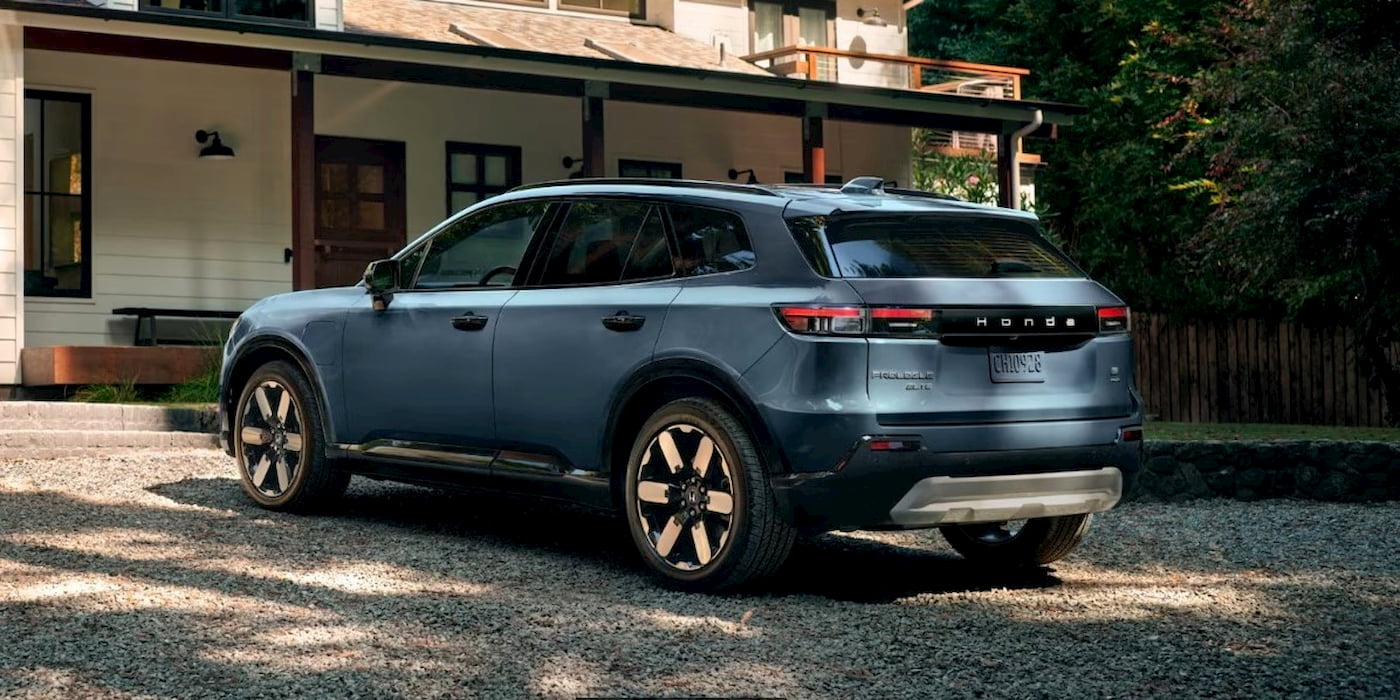
The Honda Prologue was a top-selling EV, thanks in part to discounts that climbed over $20,000 at times. But after losing the $7,500 tax credit, sales of the electric SUV fell 86% in November.
Honda Prologue sales fall in November despite discounts
After launching the Prologue last March, the electric SUV quickly became one of the most popular EVs in the US, thanks to its competitive range, affordable price, and Honda’s trusted name.
By the second half of 2024, the Honda Prologue was the second-best-selling electric SUV, trailing only the Tesla Model Y.
The momentum carried into this year, with the Prologue consistently ranking among the most popular EVs alongside the Tesla Model Y, Model 3, Chevy Equinox EV, Hyundai IONIQ 5, and Ford Mustang Mach-E.
Thanks to policy changes under the Trump administration, including the elimination of the $7,500 tax credit at the end of September, nearly every automaker reported significantly fewer EV sales in November. Ford, Hyundai, Kia, and Toyota all reported significant EV sales declines last month, and Honda was no exception.
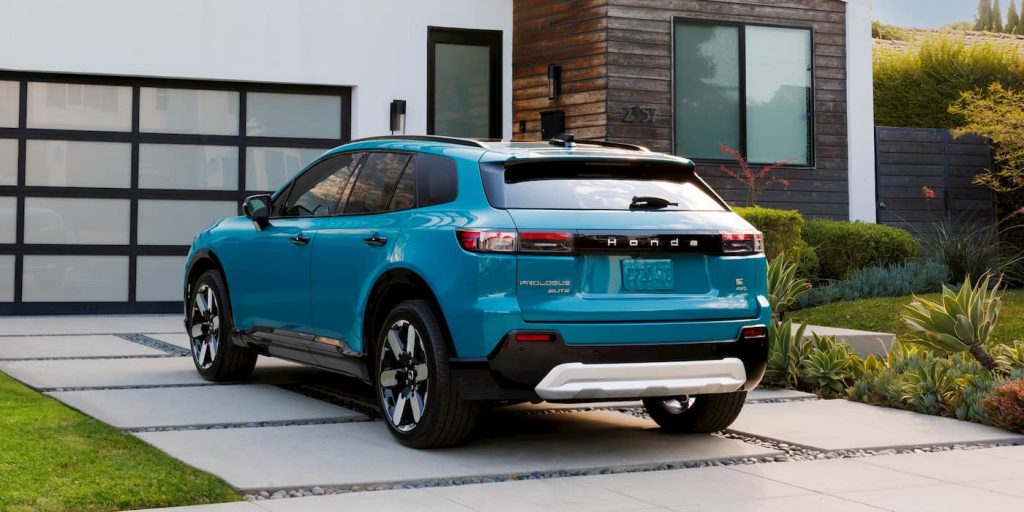
Honda sold just 903 Prologues in November, 86% fewer than the over 6,800 it sold the year prior. Through November, Honda sold 38,262 Prologues, which is still more than the roughly 33,000 it sold in all of 2024.
Despite the lower EV sales, Honda said “electrified” vehicles, which are mainly gas-powered hybrids, reached 30.9% of brand sales. With another 28,258 units sold last month, Honda’s electrified vehicle sales reached 385,453 through November, a new annual sales record.

Although Honda confirmed the Acura ZDX will not return for a 2026 model year, the Prologue will remain on sale for at least another year.
The Prologue is built on GM’s Ultium platform, the same one that underpins all electric Chevy, GMC, and Cadillac vehicles.

Honda has been offering some of the most significant discounts on the Prologue, with combined savings exceeding $20,000 in some months. Even after the tax credit expired, Honda is still offering nearly $17,000 off select Prologue models.
Next year, Honda will introduce its new 0 Series electric vehicles, based on a dedicated EV platform. The first vehicle based on the platform will be an SUV in 2026, followed shortly by a sedan.
Of the over 102,000 vehicles Honda sold in the US last month, only 925 were all-electric vehicles (including the Prologue and Acura ZDX), or less than 1%. Those 0-series EVs can’t come soon enough.
As most automakers agree, the policy changes under the Trump administration led to a rush of buyers ahead of the tax credit expiration at the end of September. Despite reports claiming the credit created false demand for EVs, the market is expected to reset over the next few months.
With nearly $17,000 in savings, the Prologue is still a great deal. If you’re looking to test drive one for yourself, we can help you get started. You can use our link to find the Honda Prologue in your area.


FTC: We use income earning auto affiliate links. More.
-
 Sports2 years ago
Story injured on diving stop, exits Red Sox game
-
 Sports3 years ago
‘Storybook stuff’: Inside the night Bryce Harper sent the Phillies to the World Series
-
 Sports2 years ago
Game 1 of WS least-watched in recorded history
-
 Sports3 years ago
Button battles heat exhaustion in NASCAR debut
-
 Sports3 years ago
MLB Rank 2023: Ranking baseball’s top 100 players
-
Sports4 years ago
Team Europe easily wins 4th straight Laver Cup
-
 Environment3 years ago
Japan and South Korea have a lot at stake in a free and open South China Sea
-
 Environment1 year ago
Here are the best electric bikes you can buy at every price level in October 2024