
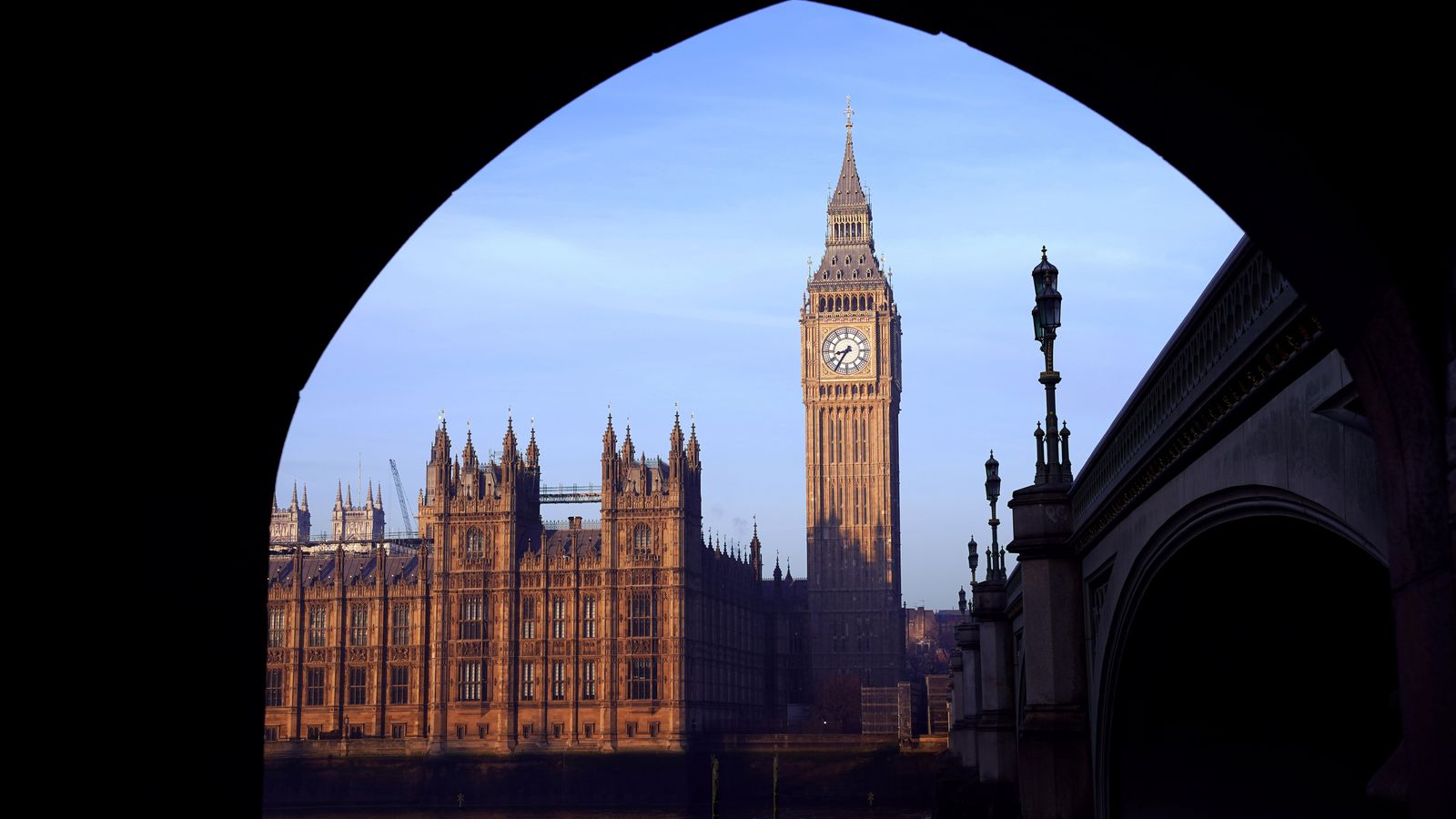
Tax cuts, a new PM and a Nigel Farage comeback – what 2024 could have in store for UK politics

With the start of a new year, the 2024 general election campaign will officially get under way. The time for festive frivolity and fun is over.
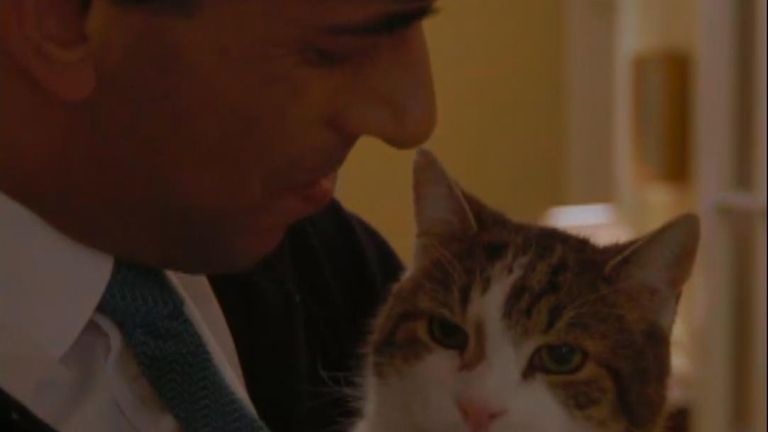
Rishi Sunak poked fun at himself with a highly amusing Home Alone-style video filmed in Number 10 Downing Street for Christmas day. Sir Keir Starmer and wife Victoria went to the pub for a Christmas day drink.
But politics is about to get deadly serious now. And, possibly, dirty and nasty too, with the two main parties unleashing bitter personal attacks on their opponent’s leader.
PM ‘Home Alone’ at Christmas
So buckle up. It’s going to be a bumpy ride. The starting gun for the election campaign is about to be fired.
Here’s how 2024 is likely to shape up, month by month
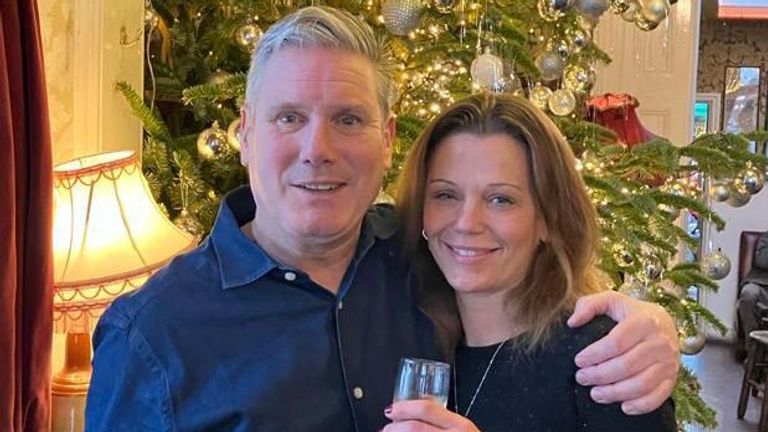
Sir Keir Starmer posed in the pub with his wife
JANUARY
The big new year battle between the parties – and between Rishi Sunak and his mutinous Tory backbenchers – will be a parliamentary dogfight over the government’s controversial Rwanda Bill, or – to give it its full title – the Safety of Rwanda (Asylum and Immigration) Bill.
The prime minister comfortably won the vote at second reading with a majority of 43. But that was because Tory right-wingers, who claim the bill is feeble and won’t “stop the boats”, were persuaded to abstain rather than vote against it.
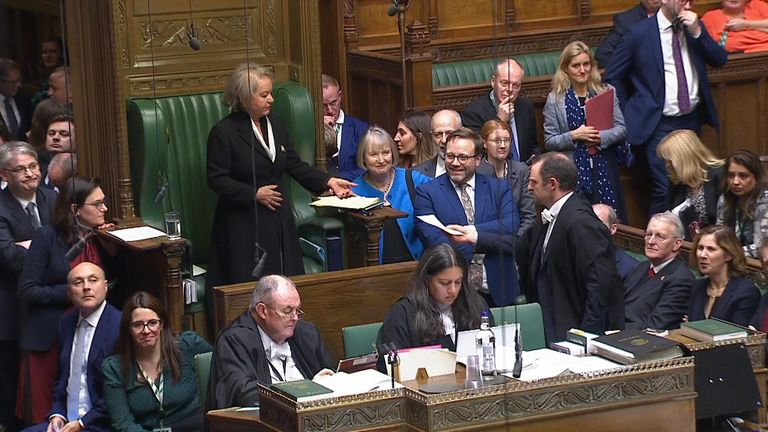
The Rwanda Bill passed through on its second reading – but what next?
So what did the PM promise them? And will they block the bill in its later stages, which are expected to begin in the week beginning 15 January? At its worst, defeat on such a flagship piece of legislation could bring down the government. And we’d be into a very, very early election.
The Rwanda battle is a big test for the increasingly gaffe-prone Home Secretary James Cleverly, who was accused of calling the Rwanda scheme “bats**t”, a Labour MP’s constituency a “s**t-hole” – both of which he denied – and joked about giving his wife a date-rape drug, which he didn’t deny but apologised for.
If the Rwanda Bill and the “stop the boats” policy fails, Mr Cleverly will surely get the blame. The embattled home secretary can’t even rely on the experienced former immigration minister Robert Jenrick for help any more. He’s now one of the rebels.
Before the parliamentary clashes, Mr Sunak and Sir Keir are expected to kick off the year with big policy speeches, setting out their priorities, as they did last year. That was when Mr Sunak unveiled his five pledges, including “stop the boats”. And haven’t they gone well!
Sir Keir, meanwhile, is understood to be poised to announce alternatives to the government’s Rwanda plan, designed to neutralise Tory attacks that seek to brand him as weak on immigration. Good luck, as they say, with that.
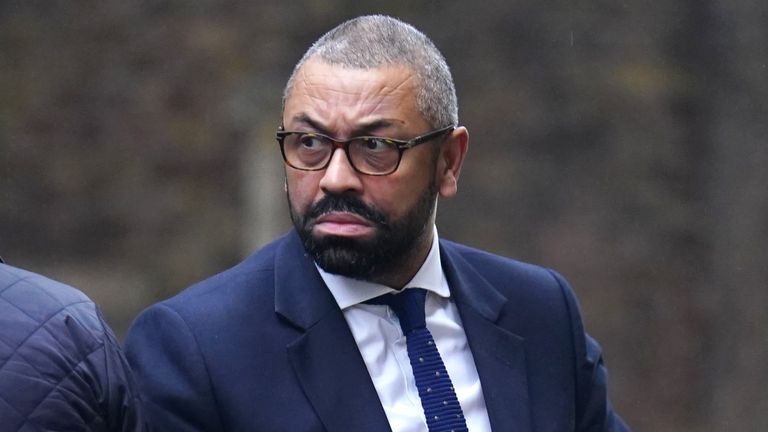
Mr Cleverly could get the blame if the Rwanda Bill fails
FEBRUARY
After seven bruising parliamentary by-elections in 2023, another is looming for Rishi Sunak in Wellingborough, Northamptonshire, after the maverick and somewhat eccentric Tory MP Peter Bone was ousted in a recall petition after being found guilty in a parliamentary inquiry of bullying and exposing himself to a staff member.
Although it was held by Labour from the 1997 Tony Blair landslide until 2005, it’s a safe Tory seat with a majority of 18,540. So what’s the problem for the Conservatives? Well, the Tory majority was 20,137 in Selby and Ainsty, 19,634 in Tamworth and a massive 24,664 in Mid Bedfordshire – and all three fell to Labour in by-elections.
It’s also possible that Mr Bone, who continues to protest his innocence, will stand as an independent, making it even harder for the Conservatives to hold the seat.
And let’s not forget that another by-election is likely later in the year in the much more marginal seat of Blackpool South, where Tory MP Scott Benton is facing suspension and possible recall petition after being caught in a lobbying sting. His majority was only 3,690.
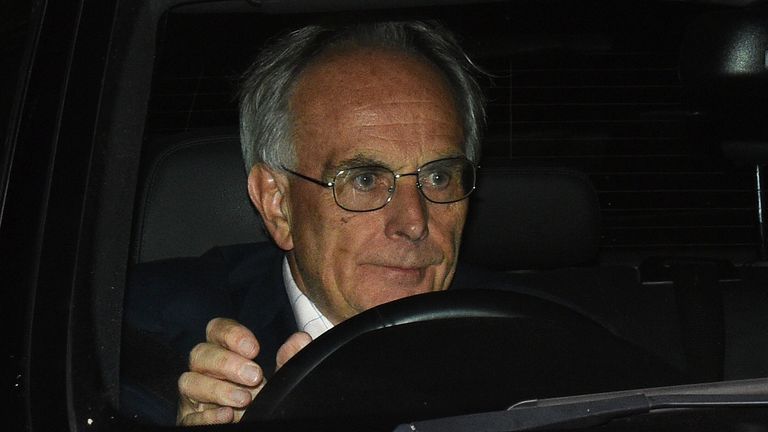
Peter Bone’s is the latest by-election headache for the prime minister
MARCH
We now know that Jeremy Hunt’s budget will be on 6 March, fewer than 10 weeks away and unusually early for a spring budget. Last year’s was on 15 March.
The reason it’s so early? Well, obviously to leave open the option of an early election, in May. Or, more likely, to make Labour believe the Tories are keeping open the option of a dash to the polls.
In 1992, Norman Lamont’s pre-election giveaway budget was on 10 March. He brought in the 20% tax rate for low earners and raised thresholds. John Major called an election the next day and on 9 April won an unexpected victory with a majority of 21. Rishi Sunak would gladly take that, given the state of the opinion polls at the turn of the year.
One option for Mr Hunt is to cut or abolish inheritance tax. That would delight Tory right-wingers, but many red wall MPs believe there are better ways to cut taxes and help those on lower and average incomes. Labour would also condemn it as a tax cut for millionaires.
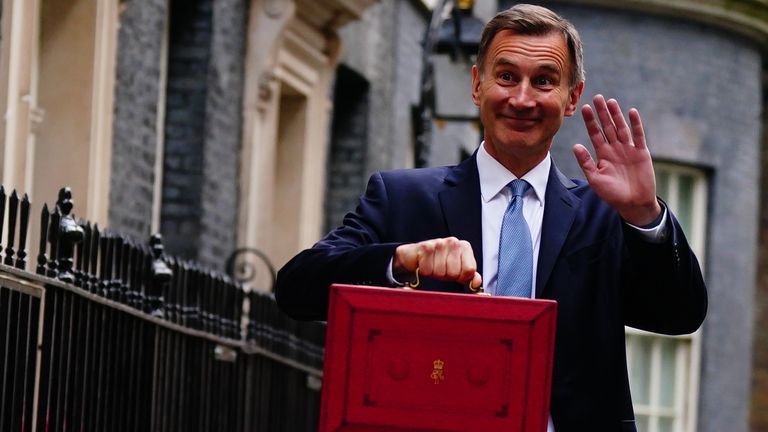
Chancellor Jeremy Hunt will unveil his budget in the first full week of March
Tories who back scrapping inheritance tax argue, however, that it would create a clear dividing line with Labour, unlike raising the 40% income tax threshold or cutting the 20% basic rate, which Labour might support.
March is also the month when parliament would have to be dissolved if there’s to be a May election. Since the abolition of the Fixed Term Parliaments Act, an election is now held 25 working days after dissolution, not counting weekends and bank holidays.
APRIL
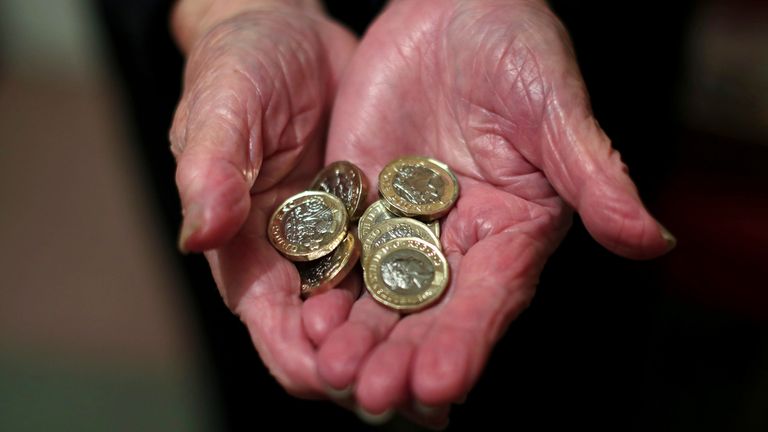
The government will be hoping to hand out tax cuts in April
The start of a new financial year in April is when Mr Hunt and Mr Sunak want any tax cuts to land in people’s pay packets, especially if there is to be a May election.
Even if the election is not until October, the Conservatives will want voters to feel the benefit of budget tax cuts. That’s why Tory MPs are so desperate for the chancellor to cut taxes as soon as possible, hoping a tax giveaway will help cut Labour’s stubborn opinion poll lead, which is around 20 percentage points at the turn of the year.
MAY
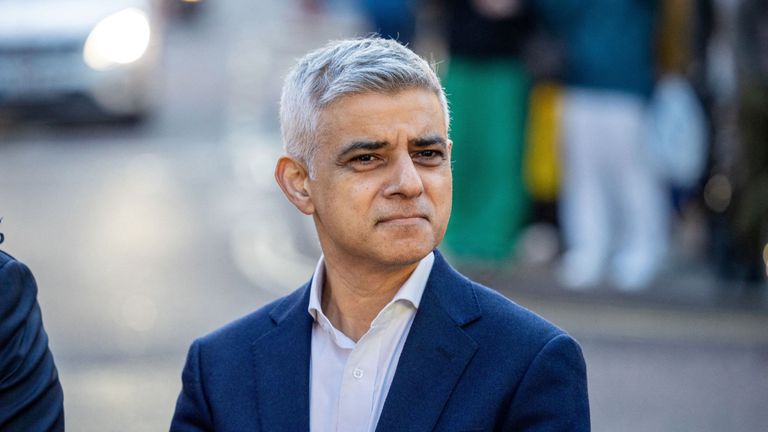
Sadiq Khan will be looking for a record third term as London mayor
Unless Mr Sunak calls a snap election in the spring, the final test of public opinion before a general election takes place on 2 May, with local elections in England and Wales.
There are polls in metropolitan boroughs, unitary authorities and district councils and for big city mayors and police and crime commissioners.
After benefiting from a ULEZ backlash in the by-election in Boris Johnson’s former constituency of Uxbridge and South Ruislip in July, the Tories will be hoping to turn the London mayoral election into a referendum on ULEZ.
Click to subscribe to Politics at Jack and Sam’s wherever you get your podcasts
But despite the unpopularity of ULEZ, Labour’s Sadiq Khan is odds on to win a record third term, largely because the Conservatives picked a relatively unknown candidate, Susan Hall, as his opponent.
A more significant mayoral election will be Tory mayor Andy Street’s bid to win re-election in the West Midlands, a region full of marginal parliamentary constituencies which is always a key general election battleground.
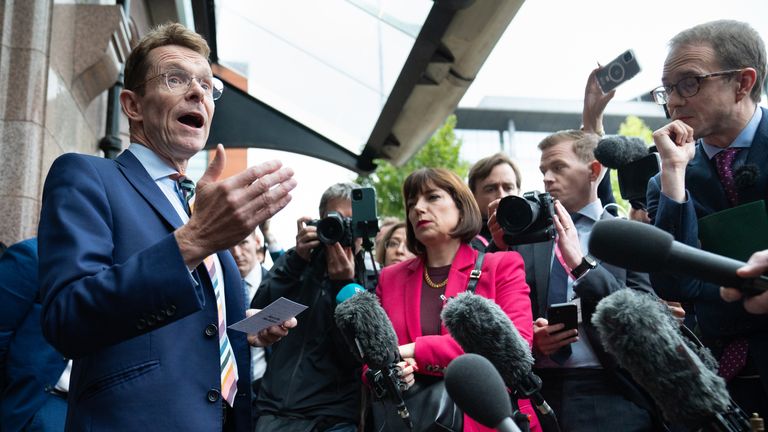
West Midlands mayor Andy Street will also be facing the electorate
JUNE
A Tory rout in the May elections – possible, if the end-of-year opinion polls are to be believed – will trigger severe Tory jitters and blind panic among many backbenchers convinced they’re on course to lose their seat in the general election.
And with Nigel Farage‘s former party, Reform UK, now polling at between 9% and 11% in opinion polls, MPs and activists on the right of the Conservative Party will see Mr Farage, a hero to many after his I’m a Celebrity jungle exploits, as their saviour.
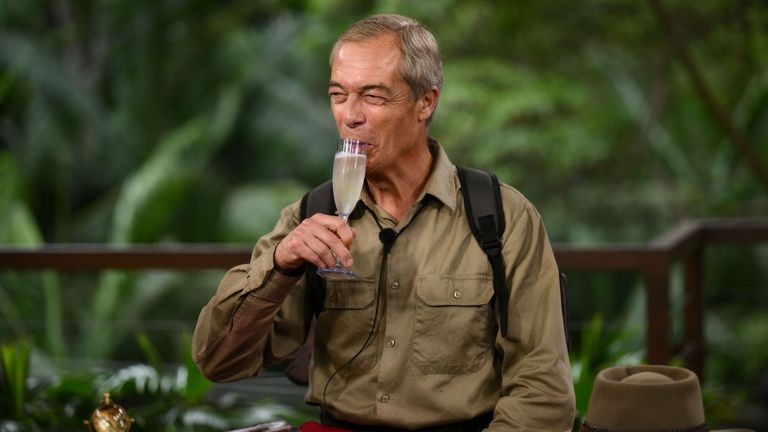
Could Nigel Farage’s jungle adventure grow his popularity in the UK? Pic: ITV/Shutterstock
There’s a clamour for a Farage comeback from some, and the Conservatives may be open to a deal that persuades current Reform UK leader Richard Tice to drop his threat to stand in every constituency in the UK, including against Eurosceptic Tory MPs. That threat surely cannot hold until the general election.
What price Lord Farage or Lord Tice, in return for a pledge not to oppose Tory MPs in the election? Mr Farage has said he plans to “sit out” the next general election. In other words, not stand as a candidate. After all, he has stood for parliament unsuccessfully seven times. Yes, seven.
King’s Birthday Honours, anyone?
JULY
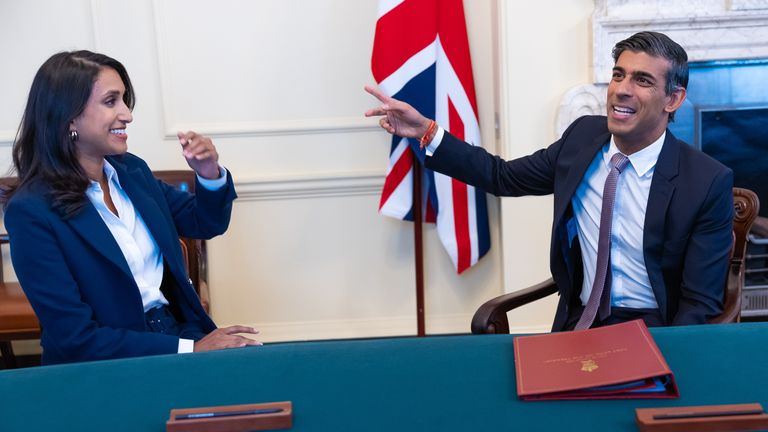
Claire Coutinho could become the first female chancellor of the exchequer
If Rishi Sunak is planning an October election, July is his last chance to freshen up his top team ahead of the election in a cabinet reshuffle.
One possible move is easing out, or sideways, Jeremy Hunt, and installing his protege and favourite Claire Coutinho as chancellor. Some MPs think Mr Sunak wants to do that to rob Labour’s Rachel Reeves of the honour of becoming the UK’s first female chancellor.
Currently energy secretary, after a rapid rise to the cabinet since her election as MP for former chancellor Sir Geoffrey Howe’s Surrey East constituency in 2019, she’s only 38.
Unless Mr Hunt turned down a sideways move, he’d be a good fit for home secretary, replacing gaffe-prone Mr Cleverly, and would complete the trio of serving in all three so-called “great offices of state”, having previously been foreign secretary.
AUGUST
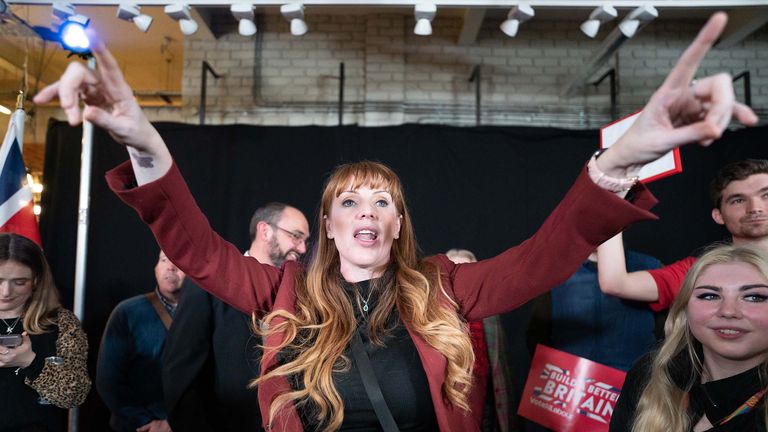
Angela Rayner will be on the campaign trail over the summer
No let-up in campaigning if we’re hurtling towards an October election. Expect to see Tory attack dog Richard Holden, the party chairman whose parliamentary seat is disappearing in boundary changes, let off the leash.
And for Labour, look out for the party’s deputy leader Angela Rayner as she takes her “Rayner on the road” campervan to your town. We can even expect to see lots of seaside campaigning. Just what you want when you’re sunbathing on the beach!
SEPTEMBER
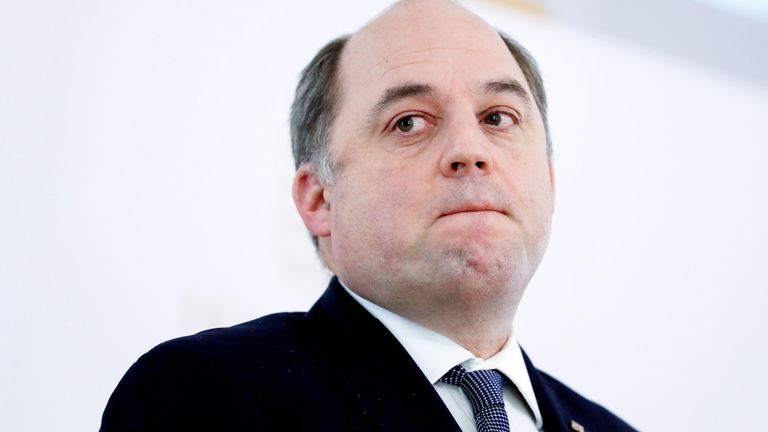
Ben Wallace
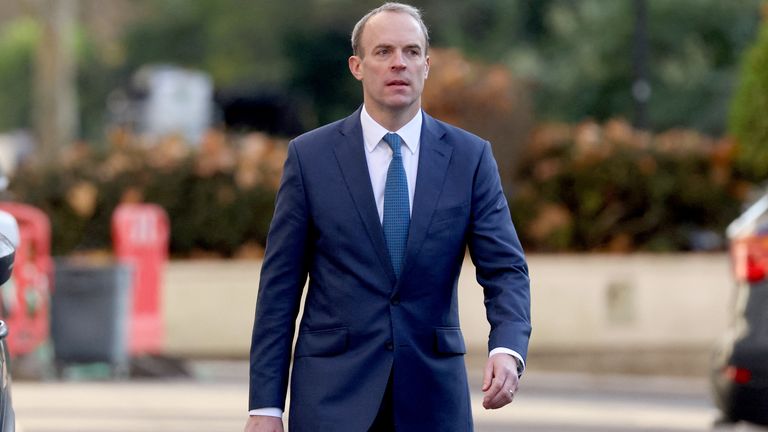
Dominic Raab
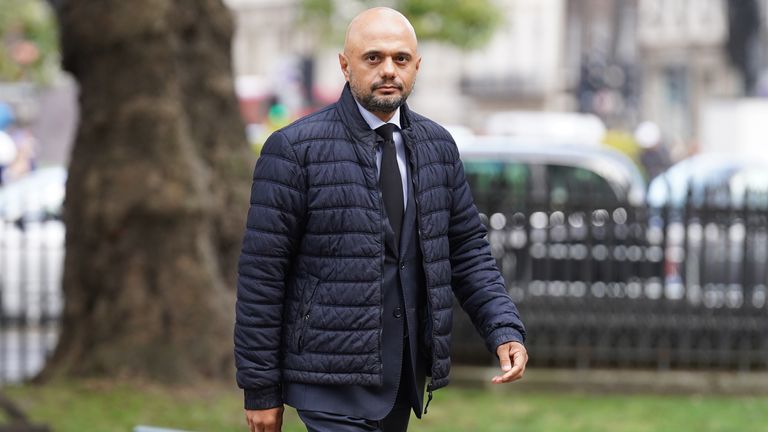
Sajid Javid
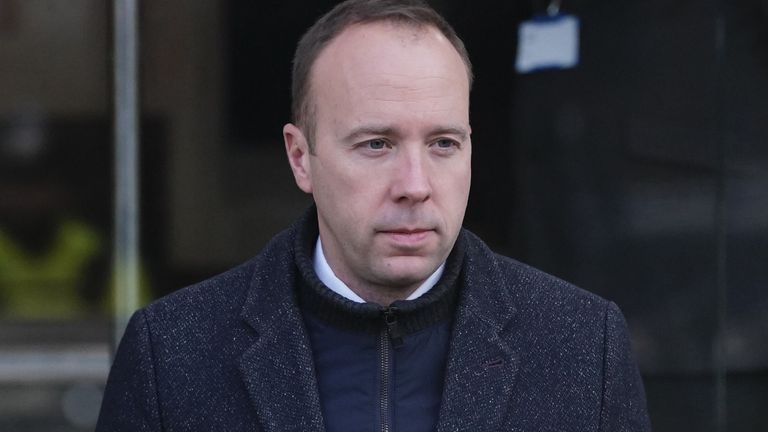
Matt Hancock
Parliament will meet for what’s known as “wash-up”, tidying up and completing all unfinished business in the parliamentary session.
But it will also be time for the House of Commons to say goodbye to several big beasts who’ve held senior positions in their party and are standing down. Some of them are veterans, but some are not so mature.
Senior Tories leaving the Commons include Ben Wallace, Dominic Raab, Sajid Javid and Matt Hancock and from Labour Harriet Harman, Dame Margaret Beckett and Dame Margaret Hodge. Most will surely soon be back in parliament in the House of Lords.
A September dissolution probably means no party conferences, though since they make money there may be moves to keep them. More likely, though, there’ll be campaign rallies around the country instead.
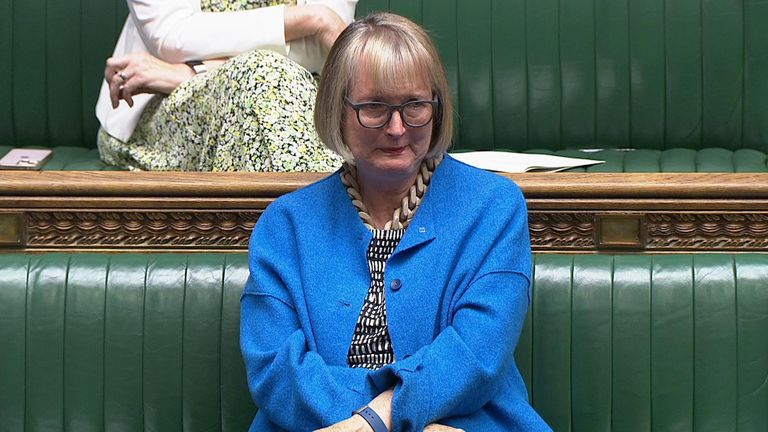
Harriet Harman
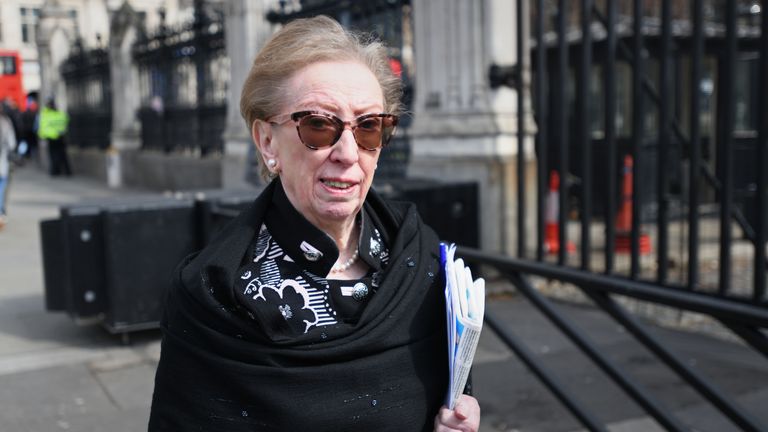
Dame Margaret Beckett
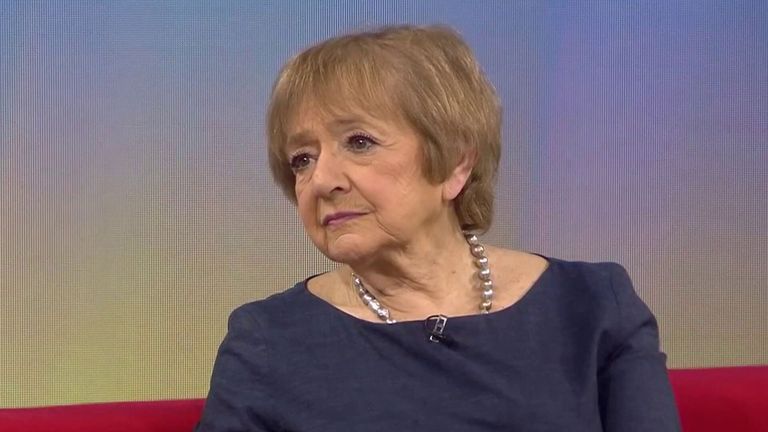
Dame Margaret Hodge
OCTOBER
The election date? The Tories had considered 31 October, but it’s Halloween, of course, and they wouldn’t want headlines about an election “fright night”. So the week before, Thursday 24 October, looks the favourite.
During the campaign, the two main parties are likely to bring some of their top box office performers out of retirement to work their magic on the voters.
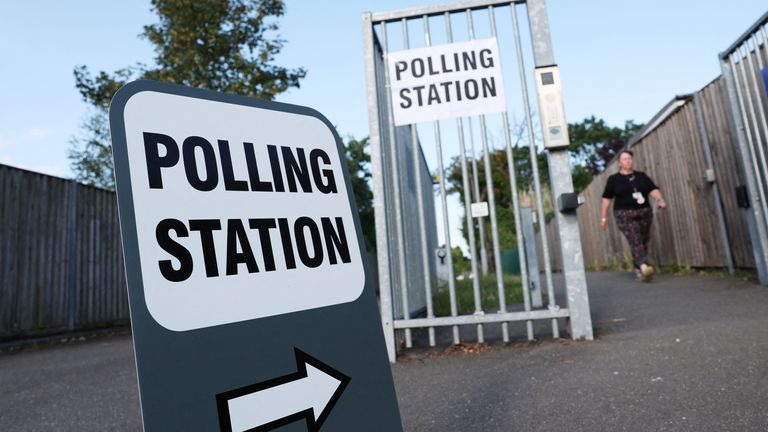
October is likely to see an election
So, for the Tories, despite his “Marmite” appeal, Boris Johnson will no doubt be urged to woo red wall voters in the former Labour seats with his brand of Brexity populism, while the housewives’ favourite, the new foreign secretary Lord David Cameron is likely to be asked to charm posh middle class Tories in the shires.
For Labour, Sir Tony Blair hasn’t lost his magic and will be back. And even grumpy Gordon Brown is revered by Scots and will surely be deployed to repel the yellow peril of the SNP north of the border.
And the result? If there’s a hung parliament, it could all take weeks or even months to sort out, as it did in 2010 when the Lib Dems took an age before deciding to go into coalition with Mr Cameron. And a fat lot of good it did them in the 2015 election!
NOVEMBER

Donald Trump and Boris Johnson could return in November
Don’t underestimate the impact of the US presidential election, on Tuesday 5 November, on UK politics and indeed on international affairs if Donald Trump returns to the White House.
Nigel Farage, whether he’s inside or outside the Tory big tent by then, will surely be among the first on a plane to Washington. Closely followed, almost certainly, by Boris Johnson.
A Trump victory in the US is likely to trigger a loud and excitable “bring back Boris” campaign if the Tories have lost an October election.
A Trump presidency will also be a nightmare for whoever is UK PM, whether it’s still Mr Sunak or Sir Keir finding his feet in Downing Street. Ukraine and the Middle East would become dangerous political minefields for a UK prime minister as well as brutal war zones.
If Mr Sunak has lost, he’ll no doubt be out in days. The Tory party is very unforgiving of a loser.
DECEMBER
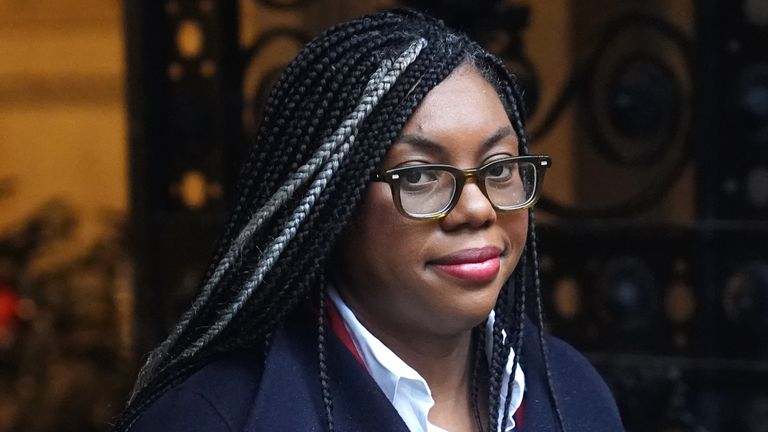
Kemi Badenoch will likely run to be leader if the Tories lose the general election
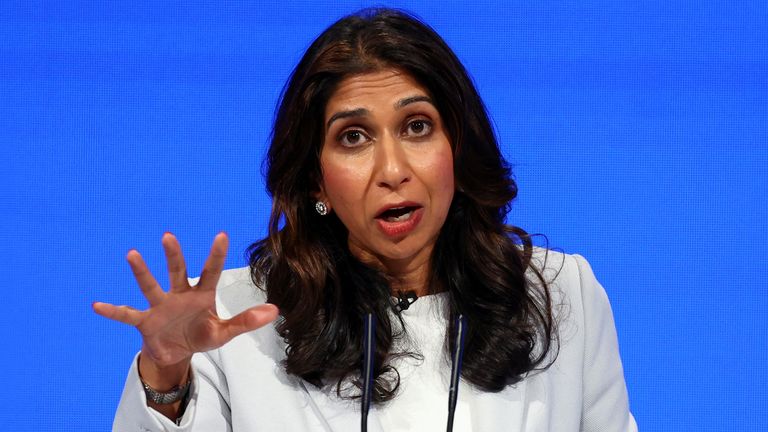
Former home secretary Suella Braverman could fancy her chances at replacing Rishi Sunak
But who will succeed Mr Sunak in a pre-Christmas Tory leadership election if he has lost the general election? Suella Braverman and Kemi Badenoch, rival queens of the Tory right, will certainly run.
Boris Johnson? We may hear his famous quote – “If the ball came loose from the back of the scrum…” from him once again.
Nigel Farage? He did say “Never say never” after his jungle jaunt, in what was seen as a hint that he might return to the Tories as part of a dream ticket with Mr Johnson.
Far-fetched? Probably. But Margaret Thatcher famously said that in politics “the unexpected always happens”. And who would’ve predicted the return of Lord Cameron as he strode up Downing Street that November morning?
Click to subscribe to the Sky News Daily wherever you get your podcasts
With the party’s big lead in the polls, a Labour win in 2024 is widely predicted. But could Mr Sunak repeat John Major’s shock victory of 1992?
If he does he’ll be able to record another Home Alone video in Downing Street next Christmas. And Sir Keir and his wife will have more time to go to the pub.
Politics
Watchdog criticises ‘unprecedented’ government offer to delay local elections – as five councils confirm requests for postponement
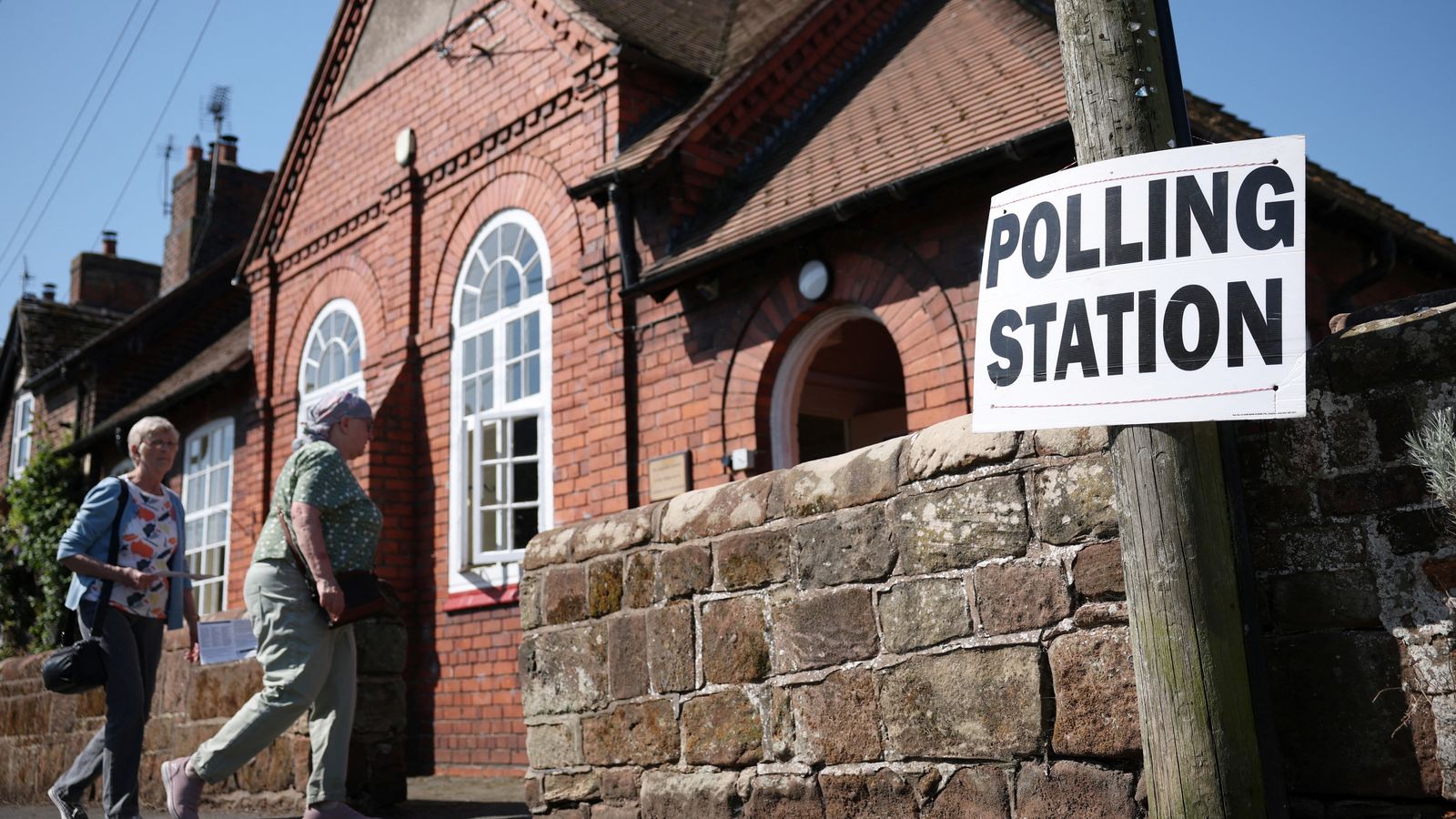
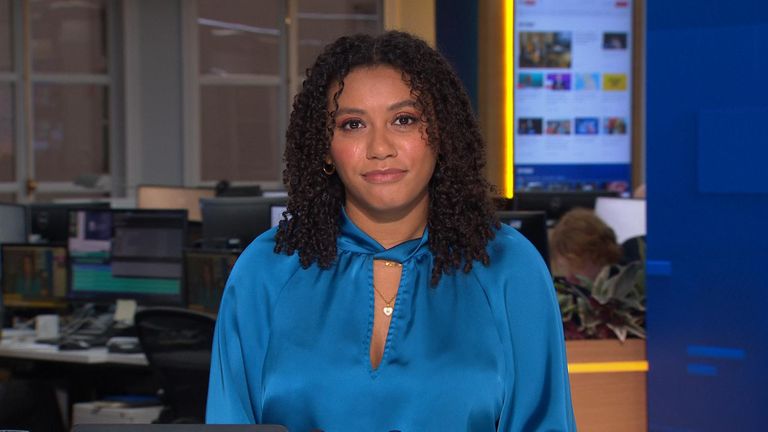
The elections watchdog has criticised the government for offering to consider delaying 63 local council elections next year – as five authorities confirmed to Sky News that they would ask for a postponement.
On Thursday, hours before parliament began its Christmas recess, the government revealed that councils were being sent a letter asking if they thought elections should be delayed in their areas due to challenges around delivering local government reorganisation plans.
The chief executive of the Electoral Commission, Vijay Rangarajan, hit out at the announcement on Friday, saying he was “concerned” that some elections could be postponed, with some having already been deferred from 2025.
“We are disappointed by both the timing and substance of the statement. Scheduled elections should, as a rule, go ahead as planned, and only be postponed in exceptional circumstances,” he said in a statement.
“Decisions on any postponements will not be taken until mid-January, less than three months before the scheduled May 2026 elections are due to begin.
“This uncertainty is unprecedented and will not help campaigners and administrators who need time to prepare for their important roles.”
Mr Rangarajan added: “We very much recognise the pressures on local government, but these late changes do not help administrators. Parties and candidates have already been preparing for some time, and will be understandably concerned.”
He said “capacity constraints” were not a “legitimate reason for delaying long planned elections”, which risked “affecting the legitimacy of local decision-making and damaging public confidence”.
The watchdog chief also said there was “a clear conflict of interest in asking existing councils to decide how long it will be before they are answerable to voters”.
Sky News contacted the 63 councils that have been sent the letter about potentially delaying their elections.
At the time of publication, 17 authorities had replied with their decisions, while 33 said they would make up their minds before the government’s deadline of 15 January.
Many councils told Sky News they were surprised at yesterday’s announcement, saying that they had been fully intending to hold their polls as scheduled.
They said they were now working to understand the appropriate democratic mechanism for deciding whether to request a postponement of elections. Some local authorities believe it should be a decision made by their full council, while others will leave it up to council leaders or cabinet members to decide.
Multiple councils also emphasised in statements to Sky News that the ultimate decision to delay elections lay with the government.
Reform UK has threatened legal action against ministers, accusing Labour and the Tories of “colluding” to postpone elections in order to lock other parties out of power – a sentiment echoed by Liberal Democrat leader Sir Ed Davey.
But shadow local government secretary Sir James Cleverly told Sky News this morning that the Conservative Party “wants these elections to go ahead”. Sky News understands that the national party is making that position clear to local leaders.
A spokesperson for the Ministry of Housing, Communities, and Local Government, said it was taking a “locally-led approach”, and emphasised that “councils are in the best position to judge the impact of postponements on their area”.
They added: “These are exceptional circumstances where councils have told us they’re struggling to prepare for resource-intensive elections to councils that will shortly be abolished, while also reorganising into more efficient authorities that can better serve local residents.
“There is a clear precedent for postponing local elections where local government reorganisation is in progress, as happened in 2019 and 2022.”
The five councils that confirmed they would be seeking postponements were:
- Blackburn with Darwen Council (Labour);
- Chorley Borough Council (Labour);
- East Sussex County Council (Conservative minority);
- Hastings Borough Council (Green minority);
- West Sussex County Council (Conservative).
The councils in Chorley, and East and West Sussex, had decided prior to Thursday’s government announcement that they would request a delay.
An East Sussex County Council spokesperson told Sky News: “It is welcome that the government is listening to local leaders and has heard the case for focussing our resources on delivery in East Sussex, particularly with devolution and reorganisation of local government, as well as delivering services to residents, such high priorities.”
They also pointed to the cost of electing councillors for a term of just one year, and argued that it would be “more prudent for just one set of elections to be held in 2027”.
Read more from Sky News:
David Walliams dropped by publisher
Woman jailed for plotting to murder husband
Christmas number one revealed
West Sussex County Council echoed those reasons and said it would cost taxpayers across the county £9m to hold elections in 2026, 2027, and 2028, as currently planned.
Chorley and Blackburn councils also cited the cost of delivering elections, and said they would prefer that money be spent on delivering the local government reorganisation and delivering services to local residents.
Meanwhile, 12 councils confirmed to Sky News that they would not be requesting delays:
- Basingstoke and Deane Borough Council (Liberal Democrat-Independents);
- Broxbourne Borough Council (Conservative);
- Colchester City Council (Labour-Liberal Democrat);
- Eastleigh Borough Council (Liberal Democrat);
- Essex County Council (Conservative);
- Hart District Council (Liberal Democrat-Community Campaign);
- Hastings Borough Council (Green minority);
- Isle of Wight Council (no overall control);
- Newcastle-under-Lyme Borough Council (Conservative);
- Portsmouth City Council (Liberal Democrat minority);
- Rushmoor Borough Council (Labour minority);
- Southampton City Council (Labour).
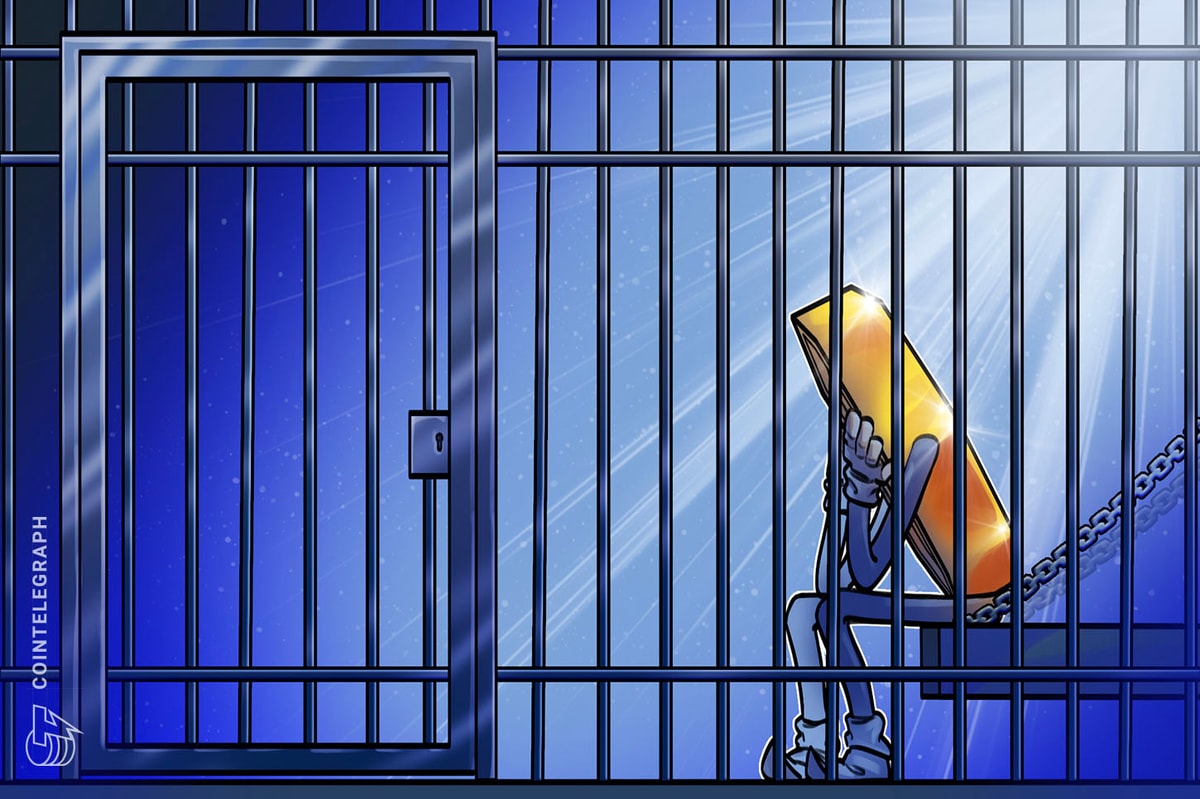

Keonne Rodriguez, who pleaded guilty to one felony count related to his role at Samourai Wallet, is calling on US President Donald Trump to pardon him, citing similar language that has been successful in previous pardon applications.
In a Thursday X post, Rodriguez said he would report to prison on Friday, where he will serve a five-year sentence for operating an illegal money transmitter. The Samourai co-founder claimed there were no “victims” to his crime, and blamed his incarceration on “lawfare perpetrated by a weaponized Biden DOJ.”
In a message tagging Trump, Rodriguez expressed hope that the US president would issue a federal pardon for him and William “Bill” Lonergan Hill, another Samourai executive who pleaded guilty and was sentenced to four years. Rodriguez blamed “activist judges” for his legal troubles, claiming he was targeted by a “political anti-innovation agenda.”
“I maintain hope that [Trump] is a fair man, a man of the people, who will see this prosecution for what it was: an anti innovation, anti american, attack on the rights and liberties of free people,” said Rodriguez. “I believe his team […] and others truly want to end the weaponization of the DOJ that the previous administration wielded so effectively […] I believe he will continue to wield that power for good and pardon me and Bill.”
Related: Samourai Wallet co-founders to now plead guilty to US charges
Rodriguez’s public plea followed Trump’s statement that he would “take a look” at a pardon for the Samourai co-founder, claiming that he had no knowledge of the case. It’s unclear whether Rodriguez filed an official application for a pardon or is relying on public statements to get the president’s attention.
Other crypto execs successfully lobbied for a Trump pardon
One of Trump’s first acts as president in January was to issue a pardon for Silk Road founder Ross Ulbricht, who had been serving a life sentence for his role in creating and operating the darknet marketplace.
Former Binance CEO Changpeng “CZ” Zhao, who pleaded guilty to one felony in 2023 related to the exchange’s Anti-Money Laundering program, served four months in prison but also received a pardon from the president. Trump later said he “[knew] nothing about” Zhao when asked about the pardon in a November interview.
Rodriguez’s language addressing Trump mirrored comments from the White House on previous pardons. For example, Press Secretary Karoline Leavitt said it was a “weaponization of justice from the previous administration” when the president commuted the sentence of David Gentile, who was convicted of defrauding “thousands of individual investors in a $1.6 billion” scheme in 2024.
Crypto users on Polymarket were not given the choice of betting on the odds of a Trump pardon of Rodriguez as of Friday. At the time of publication, Trump ally Steve Bannon had the highest odds, at 9%.
Magazine: When privacy and AML laws conflict: Crypto projects’ impossible choice
-
 Sports2 years ago
Story injured on diving stop, exits Red Sox game
-
 Sports3 years ago
‘Storybook stuff’: Inside the night Bryce Harper sent the Phillies to the World Series
-
 Sports2 years ago
Game 1 of WS least-watched in recorded history
-
 Sports3 years ago
Button battles heat exhaustion in NASCAR debut
-
 Sports3 years ago
MLB Rank 2023: Ranking baseball’s top 100 players
-
Sports4 years ago
Team Europe easily wins 4th straight Laver Cup
-
 Environment3 years ago
Japan and South Korea have a lot at stake in a free and open South China Sea
-
 Environment1 year ago
Here are the best electric bikes you can buy at every price level in October 2024