
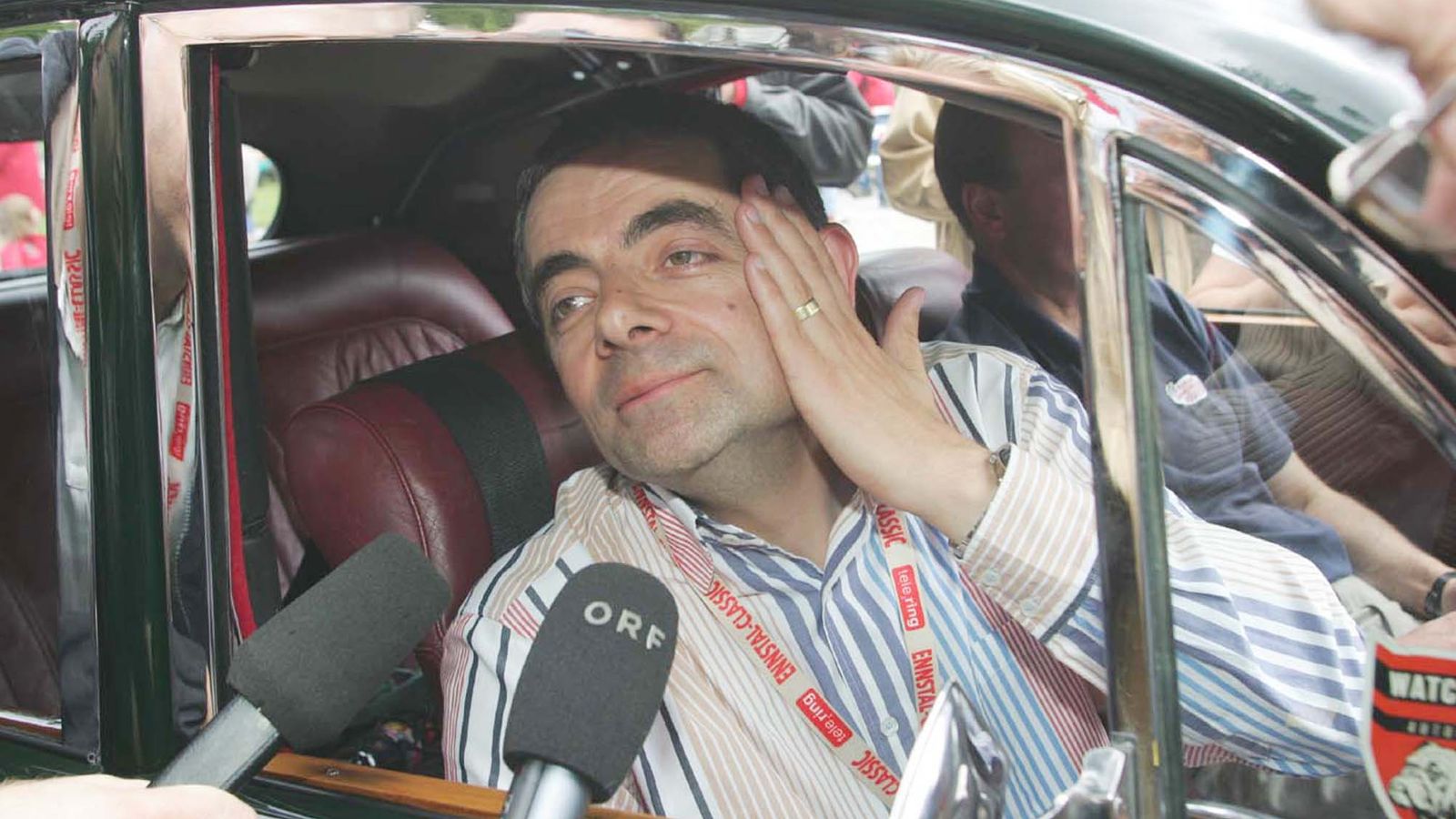
Mr Bean actor Rowan Atkinson blamed for slow electric car sales

Rowan Atkinson has been blamed for “damaging” the reputation of electric vehicles (EVs) and contributing to slow sales.
The Mr Bean actor was name-checked in the House of Lords on Tuesday during its environment and climate change committee meeting.
Thinktank Green Alliance gave its views on the main obstacles the government faces in its bid to phase out petrol and diesel cars before 2035, and said a comment piece by the Johnny English star published in June 2023 was damaging to the cause.
The pressure group told peers in a letter that was shared: “One of the most damaging articles was a comment piece written by Rowan Atkinson in The Guardian which has been roundly debunked.
“Unfortunately, fact checks never reach the same breadth of audience as the original false claim, emphasising the need to ensure high editorial standards around the net zero transition.”
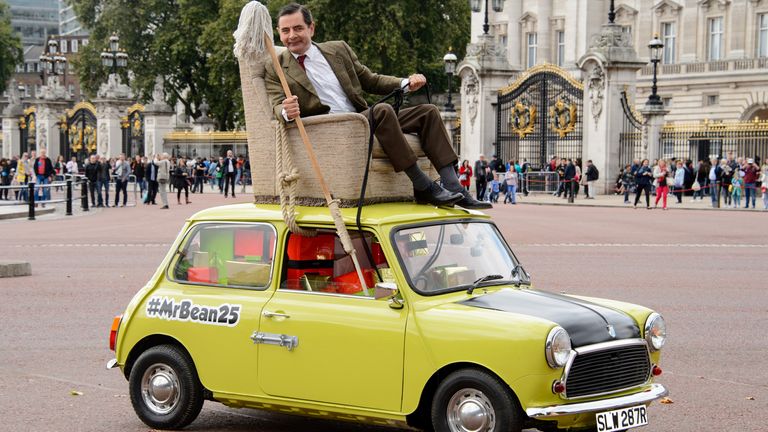
Atkinson pictured on top of Mr Bean’s famous yellow Mini Cooper. Pic: AP
The 69-year-old actor’s piece was headlined: “I love electric vehicles – and was an early adopter. But increasingly I feel duped.”
Atkinson wrote that EVs were “a bit soulless” and criticised the use of their lithium-ion batteries.
He suggested solutions like drivers keeping the same car for longer periods of time and increased use of synthetic fuel would negate the need for EVs, saying: “Increasingly, I’m feeling that our honeymoon with electric cars is coming to an end, and that’s no bad thing.”
Read more:
Taylor Swift threatens to sue student
Red Bull F1 boss facing hearing over ‘inappropriate behaviour’
The actor, who described himself as a “car person” having got a degree in electrical and electronic engineering, said he advised friends to “hold fire for now” on EVs unless they have an old diesel vehicle.
The Guardian published a response the following week from Simon Evans, deputy editor and senior policy editor of climate news site Carbon Brief, which looked to debunk Atkinson’s claims.
Mr Evans wrote: “Atkinson’s biggest mistake is his failure to recognise that electric vehicles already offer significant global environmental benefits, compared with combustion-engine cars.”
Atkinson’s views were used to make a wider point about “misleading” reports stunting EV sales.
Other challenges highlighted during the committee meeting included insufficient numbers of charging points, higher prices on EVs and “a lack of clear and consistent messaging from the government”.

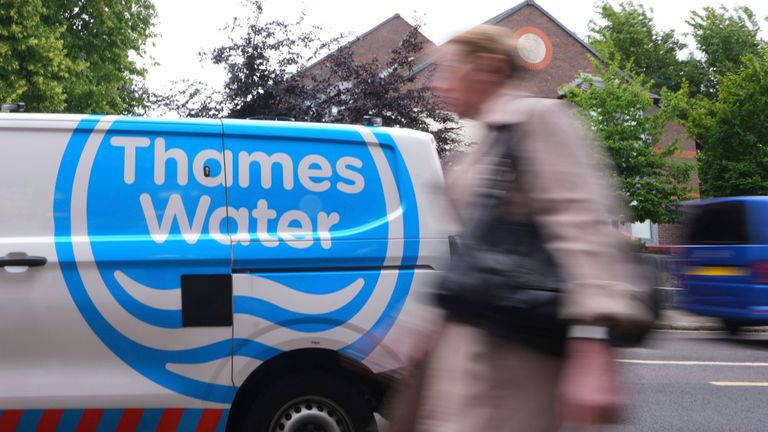
The UK’s biggest water supplier has been dealt another blow as the regulator decided to reduce its income.
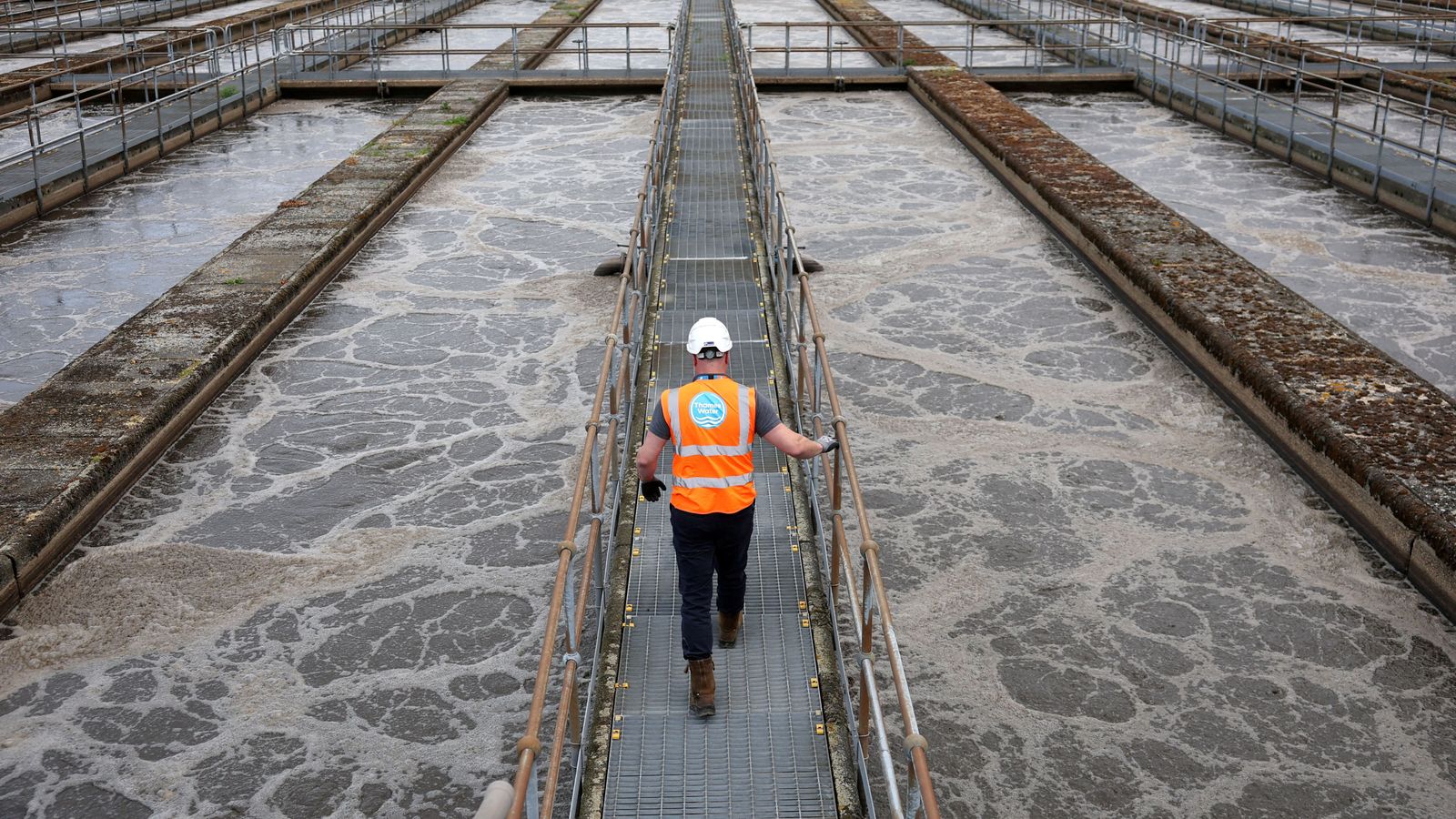
Thames Water, which supplies 16 million people in England, has been told by the watchdog Ofwat its revenues will be cut by more than £187m.
It comes as the utility struggles under a £17.6bn debt pile and the government has lined up insolvency practitioners for its potential collapse.
Money blog: Nine-year-old set up Christmas tree business to pay for university
Overall, water firms face a sector-wide revenue reduction of nearly £309m as a result of Ofwat’s determination. Thames Water’s £187.1m cut is the largest revenue reduction.
This will take effect from next year and up to 2030 as part of water companies’ regulator-approved five-year spending and investment plans.
The downward revenue revision has been made as Ofwat believes the companies will perform better than first thought and therefore require less money.
Better financial performance is ultimately good news for customers.
The change published on Wednesday is a technical update; the initial revenue projections published in December 2024 were based on projected financial performance but after financial results were published in the summer and Ofwat was able to apply these figures.
Is Thames Water a step closer to nationalisation?
Thames Water and industry body Water UK have been contacted for comment.
-
 Sports2 years ago
Story injured on diving stop, exits Red Sox game
-
 Sports3 years ago
‘Storybook stuff’: Inside the night Bryce Harper sent the Phillies to the World Series
-
 Sports2 years ago
Game 1 of WS least-watched in recorded history
-
 Sports3 years ago
Button battles heat exhaustion in NASCAR debut
-
 Sports3 years ago
MLB Rank 2023: Ranking baseball’s top 100 players
-
Sports4 years ago
Team Europe easily wins 4th straight Laver Cup
-
 Environment3 years ago
Japan and South Korea have a lot at stake in a free and open South China Sea
-
 Environment1 year ago
Here are the best electric bikes you can buy at every price level in October 2024