
Tory MPs have ‘never worked harder’, says Jeremy Hunt after ‘zombie parliament’ accusations


Conservative MPs have “never worked harder”, the chancellor has claimed following accusations Rishi Sunak is presiding over a “zombie parliament”.
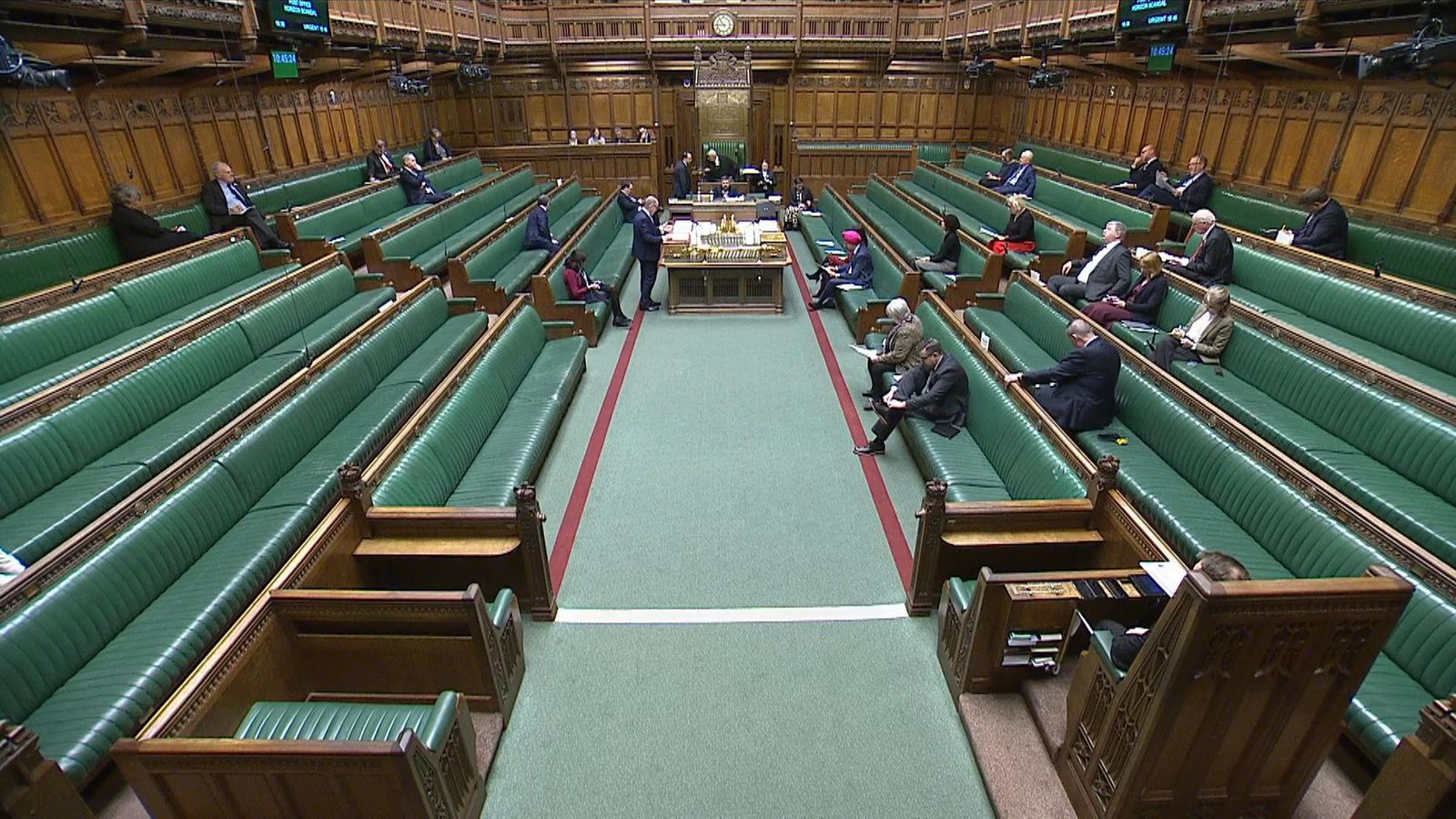
The average length of a Commons sitting day has been shorter this parliamentary session than any other in the past 25 years, according to analysis by the Financial Times.
Politics Live: Sunak chicken’ stunt after PM rules out 2 May election
But Jeremy Hunt insisted on Friday that constituency work was the most important part of an MP’s job, and parliamentarians were working harder than ever in their seats.
The chancellor told reporters: “I think that there are lots of things people want from their MPs but more laws being passed is probably not top of the list.
“I think the most important thing is how hard MPs are working in their constituencies, and I would say, certainly when it comes to Conservative MPs, I’ve never seen a parliament where Conservative MPs have worked harder than this parliament to do the right thing for their constituents.”
The prime minister’s official spokesman said the government was delivering “a packed legislative agenda” with 26 bills introduced in the current session and remained “committed to facilitating debates on critical issues”.
MPs’ jobs involve more than speaking and voting in the Commons chamber, and include participating in other parliamentary business such as select committees and helping constituents.
Jeremy Hunt claimed Conservative MPs have ‘never worked harder’. Pic: PA
Read More:
PM rules out general election on 2 May
Armed forces minister to stand down at election
But the FT’s findings have led to accusations that the current session is a “zombie parliament”, with little legislative work being done and the Commons often rising early.
The average duration of a Commons sitting day in the current parliamentary session, which started in November, has been seven hours and nine minutes – a record low since New Labour came to power in 1997, the newspaper found.
On 5 March, the day before the budget, the Commons sat for less than four and a half hours.
But even before the current session, Labour had criticised the government for a lack of parliamentary business.
In June last year, after the Commons had sat on one day for less than three hours, the then shadow leader of the house Thangam Debbonaire asked: “How are Tory ministers spending their time?
“Because they are clearly not delivering in their departments. Are they racing home to watch daytime TV instead?”
At the time, a Number 10 spokesperson denied this was the case, saying there were “a number of important pieces of legislation going through the House”.


-
 Sports2 years ago
Story injured on diving stop, exits Red Sox game
-
 Sports3 years ago
‘Storybook stuff’: Inside the night Bryce Harper sent the Phillies to the World Series
-
 Sports2 years ago
Game 1 of WS least-watched in recorded history
-
 Sports3 years ago
Button battles heat exhaustion in NASCAR debut
-
 Sports3 years ago
MLB Rank 2023: Ranking baseball’s top 100 players
-
Sports4 years ago
Team Europe easily wins 4th straight Laver Cup
-
 Environment3 years ago
Japan and South Korea have a lot at stake in a free and open South China Sea
-
 Environment1 year ago
Here are the best electric bikes you can buy at every price level in October 2024