
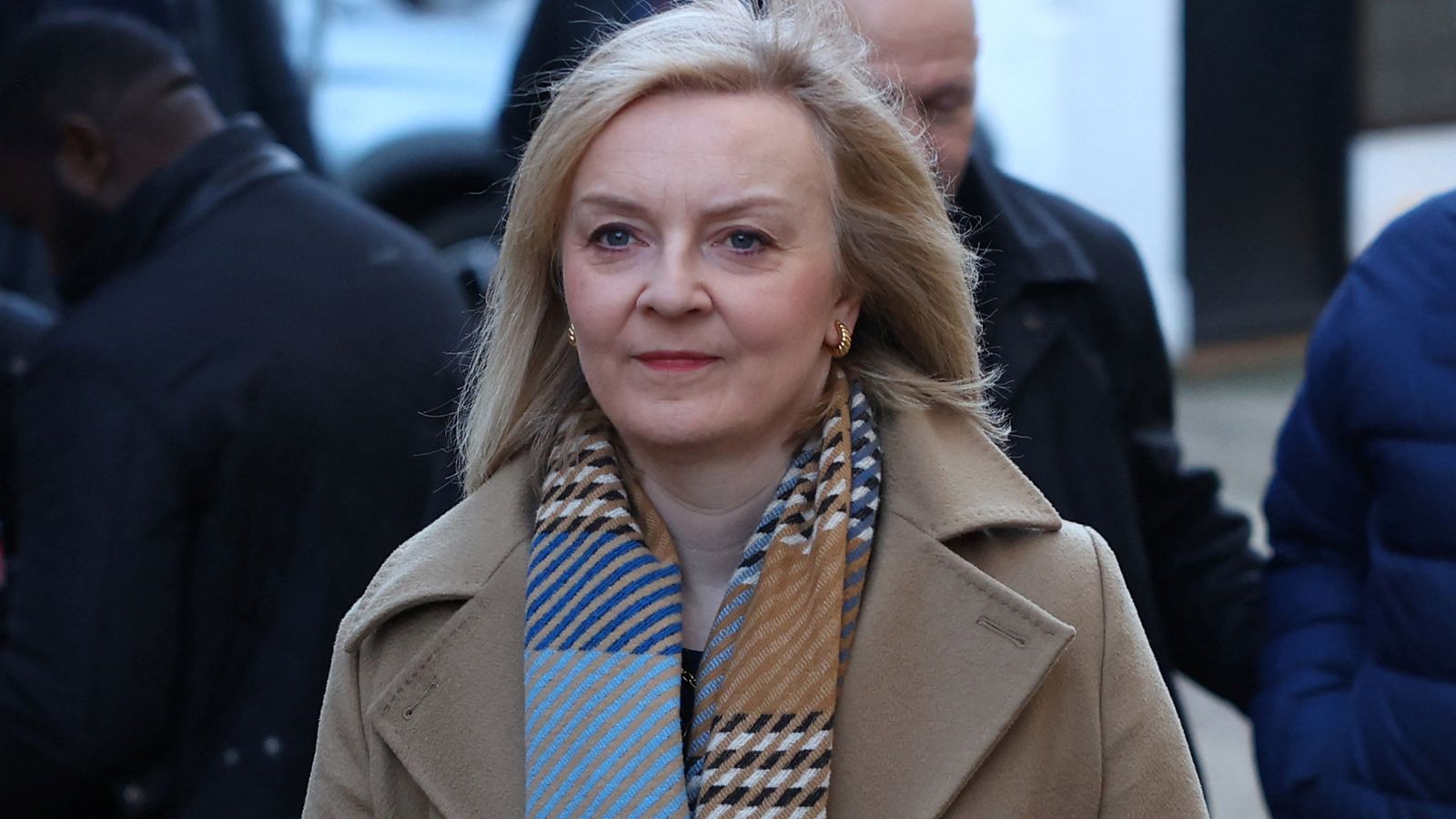
Liz Truss ‘furious’ after MPs accused of blocking transgender reform bill



KuCoin announced an exclusive multiyear deal with Tomorrowland Winter and Tomorrowland Belgium from 2026 to 2028, making the exchange the music festival’s exclusive crypto and payments partner.
The move comes just weeks after KuCoin secured a Markets in Crypto-Assets Regulation (MiCA) service provider license in the European Union.
KuCoin’s MiCA play goes mass‑market
KuCoin EU Exchange recently obtained a crypto asset service provider license in Austria under the EU’s MiCA regime, giving it a fully regulated foothold in the bloc as Brussels’ new rulebook for exchanges, custody and stablecoins comes into force.
The Tomorrowland deal signals how KuCoin plans to use that status, not just to run a compliant trading venue, but to plug crypto rails directly into mainstream culture.
KuCoin said the Tomorrowland deal will cover Tomorrowland Winter 2026 in Alpe d’Huez, France, and Tomorrowland Belgium 2026 in Boom, Belgium, with the same arrangement continuing through 2028.
Related: Burning Man-inspired festival in Bali goes full Web3: Here’s how
From sponsorship to payment rails
KuCoin insists this is not just a logo play. A spokesperson at KuCoin told Cointelegraph that as an exclusive payments partner, the exchange is working with Tomorrowland to weave crypto into the festival’s existing payments stack so that “financial tools” sit behind the scenes of ticketing, merch and food and drink.
The stated goal is to keep the rails “intuitive and invisible,” rather than forcing festivalgoers through clunky wallets or unfamiliar flows, with KuCoin positioning itself as facilitating the secure and efficient movement of value while fans focus on the music.
The company declined to spell out exactly which assets and rails will be supported on‑site, or whether every purchase will run natively onchain, but said that KuCoin’s “Trust First. Trade Next.” mantra runs through its messaging.
The spokesperson stressed advanced security, multi‑layer protection and adherence to EU standards as the foundation for taking crypto beyond the trading screen and into live events.
Related: What is Markets in Crypto-Assets (MiCA)?
Learning from FTX’s Tomorrowland flop
Tomorrowland’s organizers have been here before. In 2022, the festival announced a Web3 partnership with FTX Europe that promised NFTs and “the future of music festivals” before collapsing along with the exchange itself months later.
That experience makes the choice of a MiCA‑licensed partner, and the emphasis on user protection, more than cosmetic; it is a second attempt at bridging culture and crypto (this time with regulatory scaffolding and clearer guardrails).
Rather than setting public hard targets for user numbers or payment volumes by 2028, KuCoin is pitching success as “seamless integration” of crypto into the festival experience:
“We aim to demonstrate that digital assets can be a core component of global digital finance, moving from a niche technology to a mainstream utility. “
Related: Spain’s regulator sets out MiCA transition rules for crypto platforms
Screenshots of an internal email outlining plans to wind down Shima Capital have surfaced online, days after the US Securities and Exchange Commission sued the crypto venture firm and its founder over allegations of investor fraud.
On Nov. 25, the SEC charged Shima Capital Management LLC and its founder, Yida Gao, with making false and misleading statements while raising almost $170 million from investors, the agency announced on Dec. 3.
The complaint, filed in the US District Court for the Northern District of California, alleged that Gao inflated his investment track record in marketing materials used to raise capital for Shima Capital Fund I between 2021 and 2023.
According to the SEC, Gao claimed one prior investment had delivered a 90x return, when the actual return was closer to 2.8x. The regulator also alleged that when discrepancies in the pitch deck were about to be reported publicly, Gao told investors the issues were the result of clerical errors.
SEC alleges $1.9 million undisclosed gain
Separately, the SEC claimed that Gao raised about $11.9 million through a special purpose vehicle tied to BitClout tokens, telling investors that they would be protected by discounted token purchases. While Gao did acquire tokens at a discount, the SEC said he sold them to the SPV at a higher price without disclosing that he personally retained about $1.9 million in profits.
Related: Crypto fundraising sets new record of $3.5B in a single week
In a Wednesday post on X, crypto journalist Kate Irwin shared screenshots of an email allegedly sent by Gao to portfolio founders. In the screenshots, Gao purportedly said he would step down as managing director of Shima Capital and that the fund would undergo an “orderly wind-down.”

The screenshots purportedly show Gao stating that the SEC and Department of Justice actions are related to his personal conduct, not that of Shima Capital’s portfolio companies, and claiming that no fines have been imposed on the company.
The screenshots also show that independent advisers from FTI Consulting and FTI Capital Management would oversee the wind-down process and monetization of investments, while Shima’s finance team would remain in place. Gao allegedly said he would remain involved with portfolio support “as permitted,” but without management control.
Cointelegraph could not independently verify the email. We reached out to Shima Capital and some of the fund’s portfolio companies for confirmation, but had not received responses at the time of publication.
Related: A beginners guide on raising funds using cryptocurrencies
Shima Capital launched with $200 million debut fund
In 2022, Shima Capital announced the launch of its first venture fund, Shima Capital Fund I, raising $200 million to back early-stage blockchain startups. Founded in 2021 by Gao, the firm said the fund received backing from a range of prominent investors, including Dragonfly Capital, Animoca Brands, OKX Blockdream Capital, Republic and Andrew Yang.
Shima Capital has invested in numerous crypto projects, including Humanity Protocol, Berachain, Monad, Pudgy Penguins, Shiba Inu and many others.
Magazine: 2026 is the year of pragmatic privacy in crypto — Canton, Zcash and more
-
 Sports2 years ago
Story injured on diving stop, exits Red Sox game
-
 Sports3 years ago
‘Storybook stuff’: Inside the night Bryce Harper sent the Phillies to the World Series
-
 Sports2 years ago
Game 1 of WS least-watched in recorded history
-
 Sports3 years ago
Button battles heat exhaustion in NASCAR debut
-
 Sports3 years ago
MLB Rank 2023: Ranking baseball’s top 100 players
-
Sports4 years ago
Team Europe easily wins 4th straight Laver Cup
-
 Environment3 years ago
Japan and South Korea have a lot at stake in a free and open South China Sea
-
 Environment1 year ago
Here are the best electric bikes you can buy at every price level in October 2024