
Post Office scandal: Ex-boss accused subpostmasters in email of having ‘their hand in the till’

A Post Office boss blamed cash shortfalls caused by computer glitches on branch managers “with their hand in the till”.
An email written by Alan Cook, who was managing director of the group from 2006 to 2010, has been read out to the public inquiry into the Horizon IT scandal.
Giving evidence on Friday, he said it was an expression he would “regret for the rest of my life”.
Mr Cook was at the helm when about 200 prosecutions were brought against subpostmasters.
Despite being in charge, he said he was “unaware” it was the Post Office that had brought criminal proceedings against individuals – and that during his time in the top job, it did not feel like the Post Office “had a crisis on its hands”.
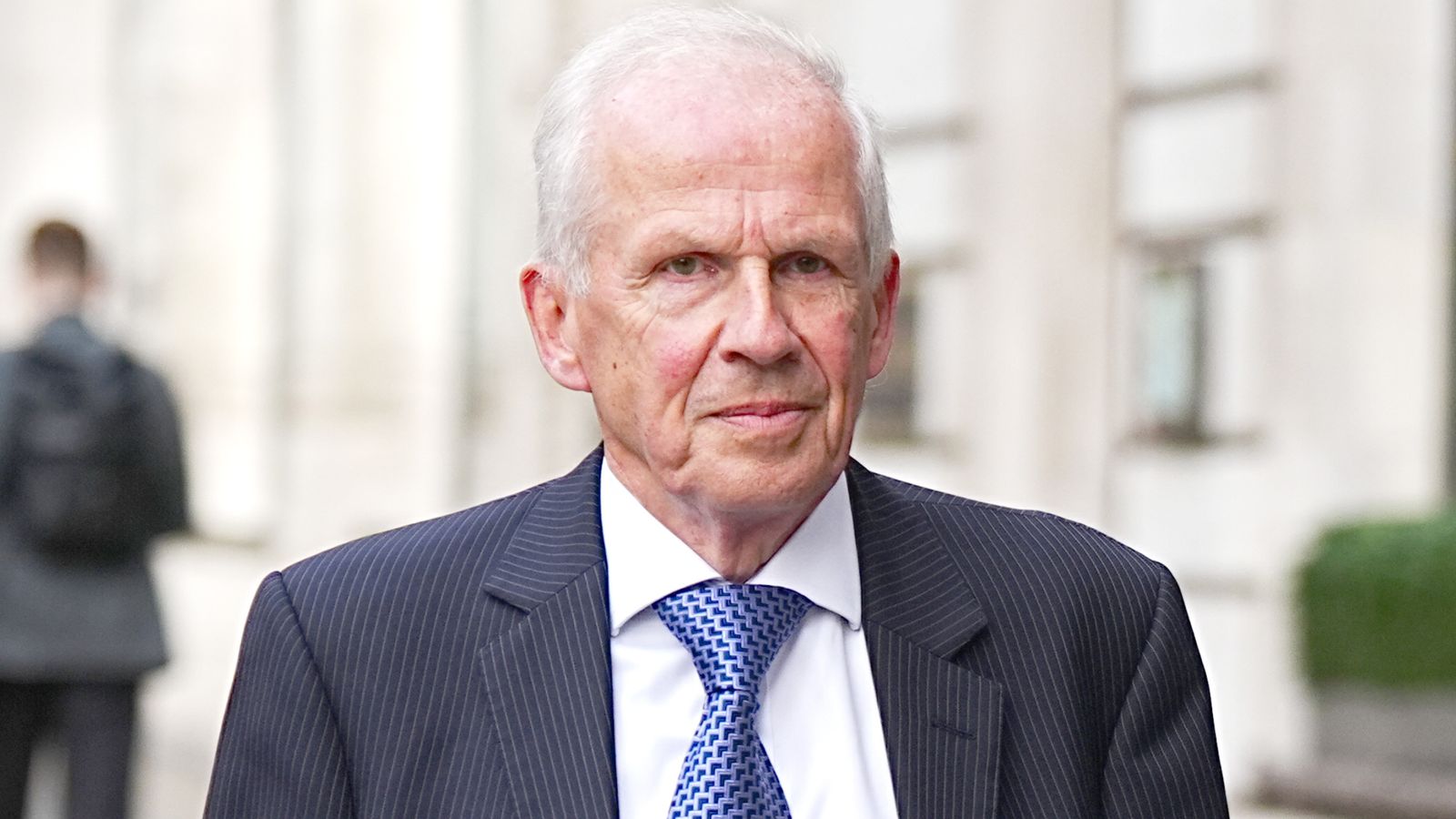
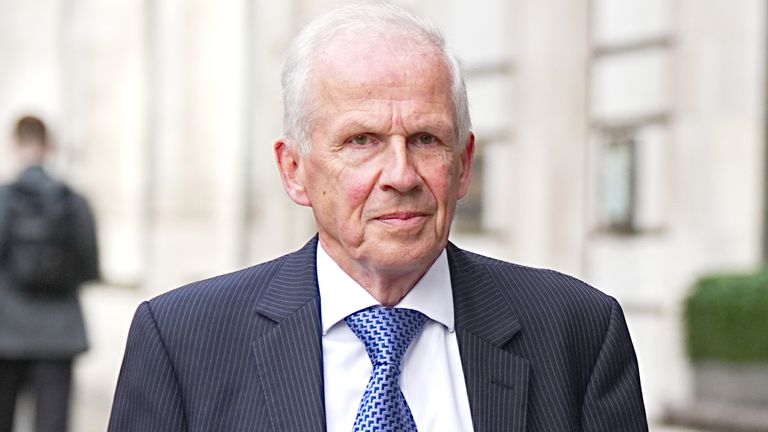
Alan Cook arrives to give evidence to the Post Office inquiry. Pic: Reuters
An email sent by Mr Cook in October 2009 to a Royal Mail Group press officer said: “For some strange reason there is a steadily building nervousness about the accuracy of the Horizon system and the press are on it now as well.
“It is… strange in that the system has been stable and reliable for many years now and there is absolutely no logical reason why these fears should now develop.
“My instincts tell me that, in a recession, subbies (subpostmasters) with their hand in the till choose to blame the technology when they are found to be short of cash.”
Pressed over his remarks at the inquiry, Mr Cook said: “Well that’s an expression I will regret for the rest of my life. It was an inappropriate thing to put in an email – not in line with my view of subpostmasters.”
Hundreds of people were wrongly convicted of stealing after bugs and errors in the Horizon accounting system made it appear as though money was missing at their branches.
Victims faced prison and financial ruin, others were ostracised by their communities, while some took their own lives.
Fresh attention was brought to the scandal after ITV broadcast the drama Mr Bates Vs The Post Office, prompting government action.
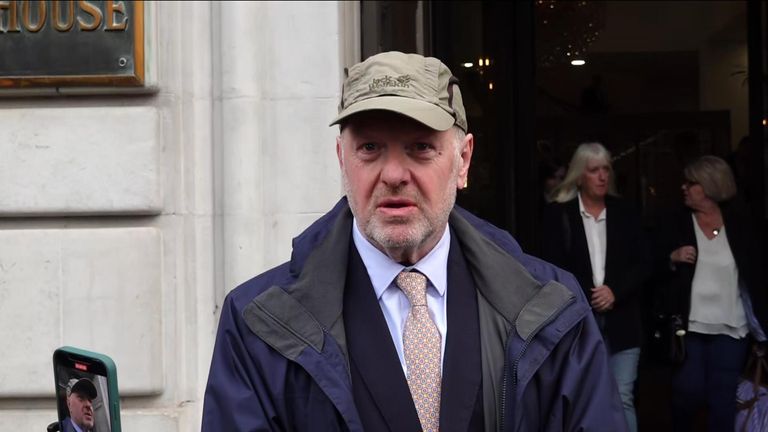
Alan Bates speaks at Post Office inquiry
Earlier, as he began giving evidence, Mr Cook said he wanted to “put on record most strongly my personal apology and sympathies with all subpostmasters their families and those affected by this”.
He also told the inquiry: “I was unaware that the Post Office were the prosecuting authority.
“I knew there were court cases but didn’t realise that the Post Office in about two-thirds of the cases had initiated the prosecution as opposed to the DPP (director of public prosecutions) or the police.”
During his time as non-executive director of the Post Office, Mr Cook said it was his “regret” he failed to properly understand minutes of a meeting which said the organisation had a “principle of undertaking prosecutions”.
He said: “It never occurred to me reading that that the Post Office was the sole arbiter of whether or not that criminal prosecution would proceed.”
Mr Cook added: “I had never come across a situation before that a trading entity could initiate criminal prosecutions themselves.
“I’m not blaming others for this, it’s my misunderstanding but I’ve just not encountered that type of situation.”
He acknowledged he should have known the Post Office was making prosecutorial decisions.
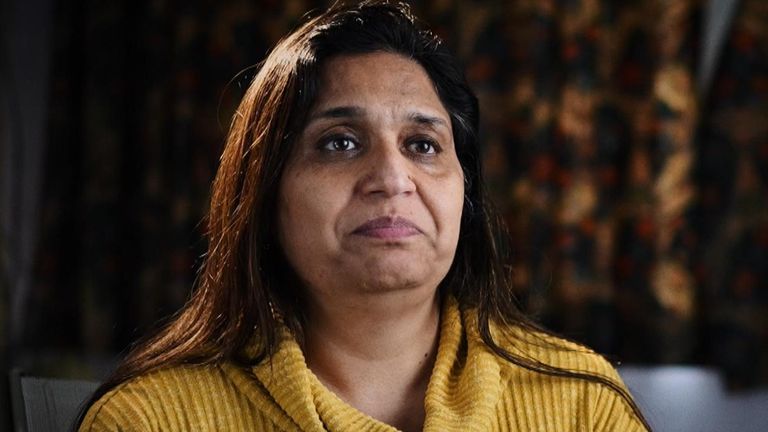
Jailed subpostmistress watches evidence
Counsel to the inquiry Sam Stevens asked: “Your evidence is still that in no point in the years that you were the managing director, (nobody) in the security or investigations team raised the fact that they made decisions to prosecute?”
Responding, Mr Cook said: “That is my position, definitely.”
He went on: “I never asked that question – well I did obviously when we got to the Computer Weekly article (in 2009) which we’ll get to but prior to that point I had gone through not picking up that.
“I’m not blaming them for not spelling it out enough, to be frank I’m blaming me for not picking up on it.”
During his time at the Post Office, Mr Cook said in his witness statement it was not apparent there was a problem with the Horizon system, pointing out that financial audits “did not identify a systemic issue”.
He added: “It is a matter of deep regret to me that I did not recognise that the early issues raised in 2009 were an indication of a systemic issue before I left POL (Post Office Limited) in February 2010.
“In addition, I have since learned that the annual rate of prosecutions brought by POL in the seven years prior to my appointment (ie since 1999) had remained steady during that time, and continued to remain steady during my time in office and thereafter. It did not feel, at the time, that POL had a crisis on its hands.”

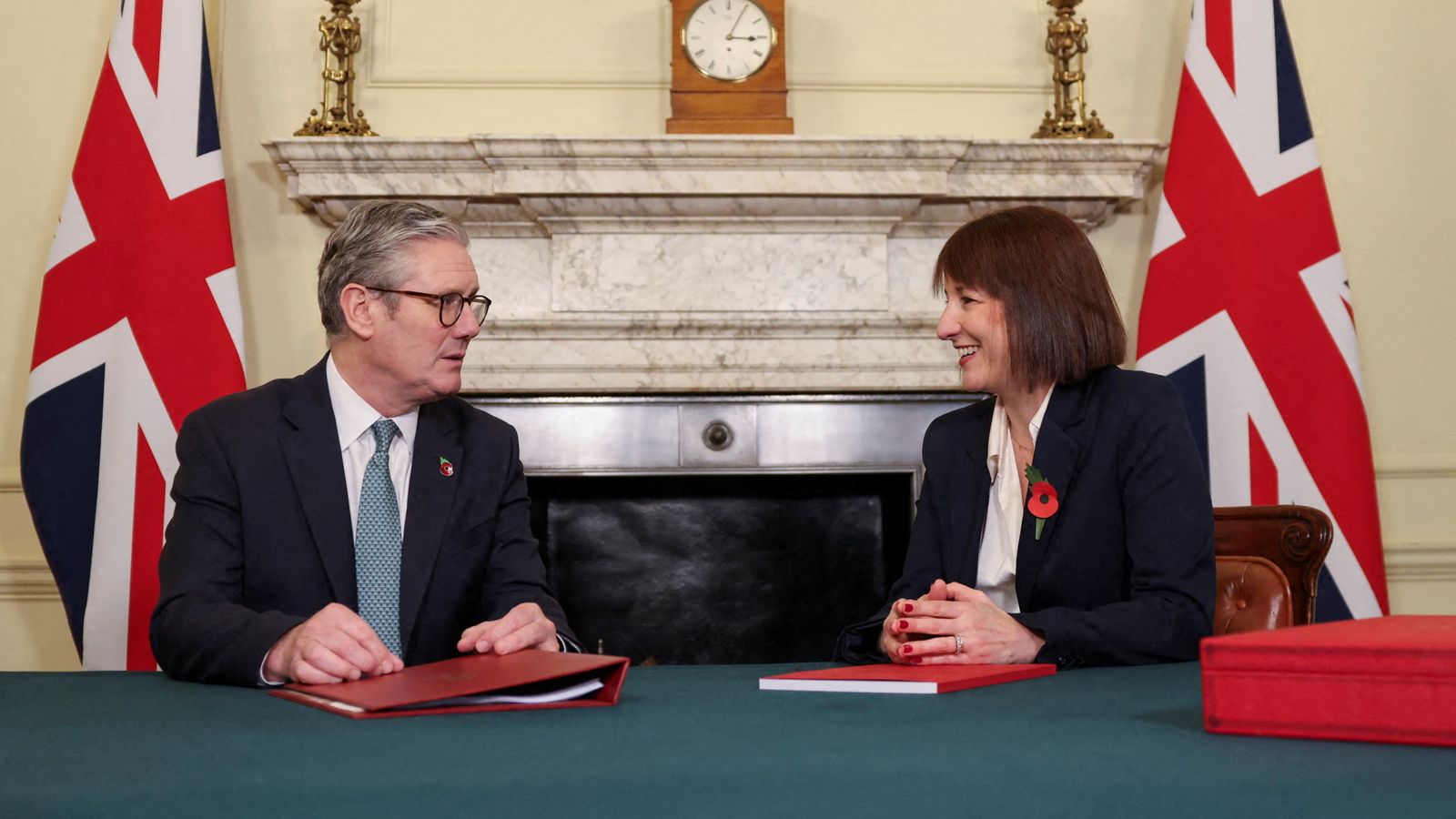
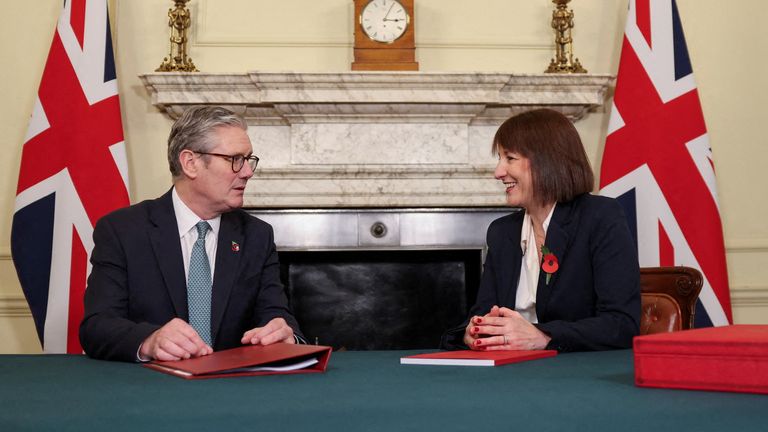
Sir Keir Starmer will deliver a speech today defending the decisions the government made in the budget, following criticisms of sweeping tax rises and accusations the chancellor lied to the country about the state of public finances.
The prime minister is expected to set out how the budget, which saw £26bn of tax rises imposed across the economy, “moves forward the government’s programme of national renewal”, and set “the right economic course” for Britain, Downing Street says.
He will also confirm that ministers will try again to reform the “broken” welfare system, after Labour MPs forced the government to U-turn on its plans to narrow the eligibility for Personal Independence Payments (PIP) earlier this year.
Sir Keir Starmer will give a speech later defending last week’s budget. Pic: Reuters
‘Of course I didn’t’ lie about public finances, says Reeves
“We have to confront the reality that our welfare state is trapping people, not just in poverty, but out of work – young people especially. And that is a poverty of ambition,” Sir Keir will say.
“And so while we will invest in apprenticeships and make sure every young person without a job has a guaranteed offer of training or work, we must also reform the welfare state itself – that is what renewal demands.”
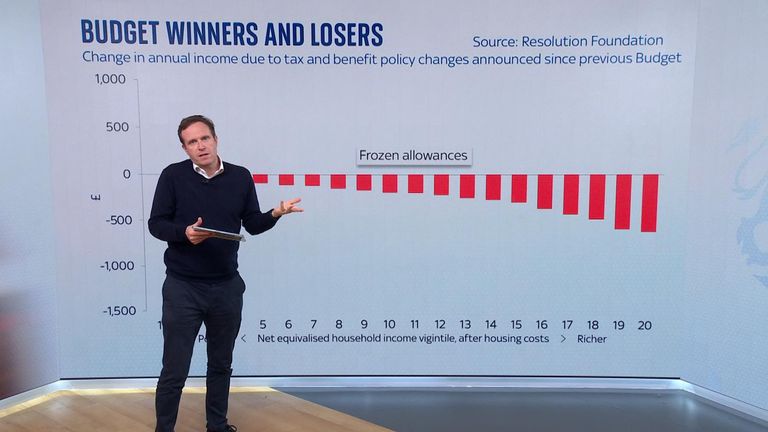
Sky’s Ed Conway looks at the aftermath of the budget and explains who the winners and losers are
The prime minister will add: “This is not about propping up a broken status quo. Nor is it because we want to look somehow politically ‘tough’. The Tories played that game and the welfare bill went up by £88bn. They left children too poor to eat and young people too ill to work. A total failure.”
Instead, he will argue it is about “potential”, saying: “If you are ignored that early in your career, if you’re not given the support you need to overcome your mental health issues, or if you are simply written off because you’re neurodivergent or disabled, then it can trap you in a cycle of worklessness and dependency for decades, which costs the country money, is bad for our productivity, but most importantly of all – costs the country opportunity and potential.
“And any Labour Party worthy of the name cannot ignore that. That is why we have asked Alan Milburn on the whole issue of young people, inactivity and work. We need to remove the incentives which hold back the potential of our young people.”
The announcement will come after the Conservative opposition described the budget as one for “benefits street”, following the chancellor’s decision to lift the two-child benefit cap from April, at a cost of £3bn.
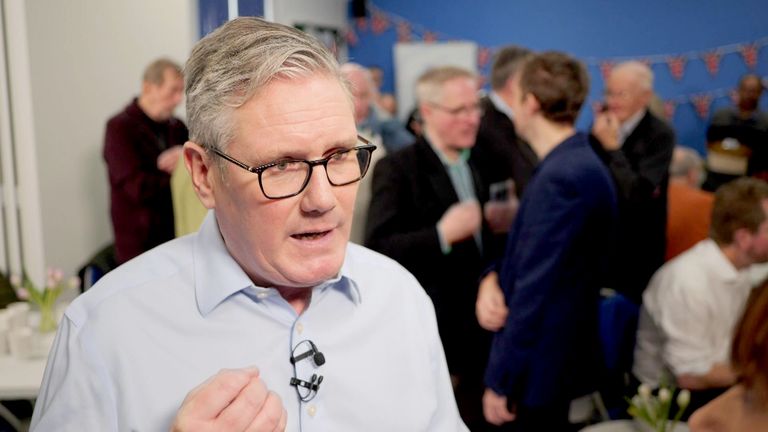
Prime Minister defends the budget
‘Government must go further and faster on growth’
The prime minister is also expected to launch a staunch defence of the budget overall, saying it will bear down on the cost of living through measures like money off energy bills and frozen rail fares; increase economic stability; and protect investment in public services and infrastructure that will drive economic growth.
He will argue that “economic growth is beating the forecasts”, but that the government must go “further and faster” to encourage it.
He will also reiterate his vow to scrap regulation across the economy, which he will argue is not only pro-business, but also a way to deal with the cost of living.
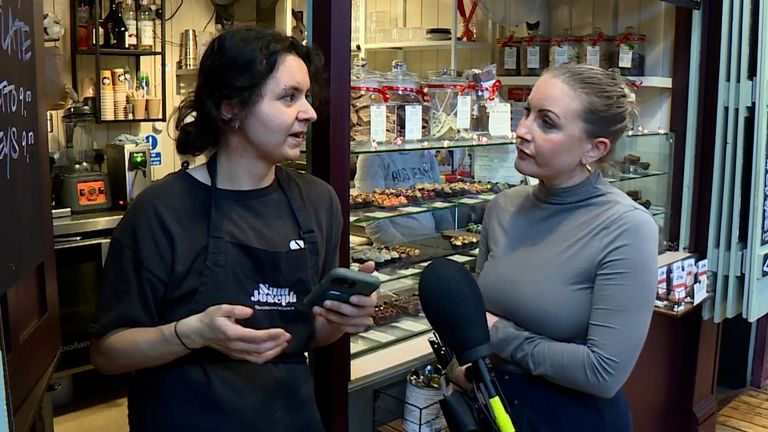
How will your personal finances change following the budget announced by the chancellor?
“Rooting out excessive costs in every corner of the economy is an essential step to lower the cost of living for good, as well as promoting more dynamic markets for business,” the prime minister will say.
He will confirm reforms to the building of nuclear power plants, after the government’s nuclear regulatory taskforce found that “pointless gold-plating, unnecessary red-tape and well-intentioned, but fundamentally misguided environmental regulation had made Britain the most expensive place to build nuclear power”.
“We urgently need to correct this,” the prime minister will say.
Business secretary Peter Kyle will be tasked with applying the same deregulatory approach to major infrastructure schemes and to accelerate the implementation of Labour’s industrial strategy.
In response, Tory shadow chancellor Sir Mel Stride said: “It is frankly laughable to hear the prime minister say Rachel Reeves’s Benefits Street budget has put the country on the right course and that he wants to fix the welfare system.
“His chancellor has just hiked taxes by £26bn to pay for a welfare splurge, penalising people who work hard and making them pay for those who don’t work at all. And she misrepresented why she was doing it, claiming there was a fiscal black hole to fill that she knew didn’t exist.
“Labour’s leadership have repeatedly shown they lack the backbone to tackle welfare and instead are just acting to placate their left-wing backbenchers.”
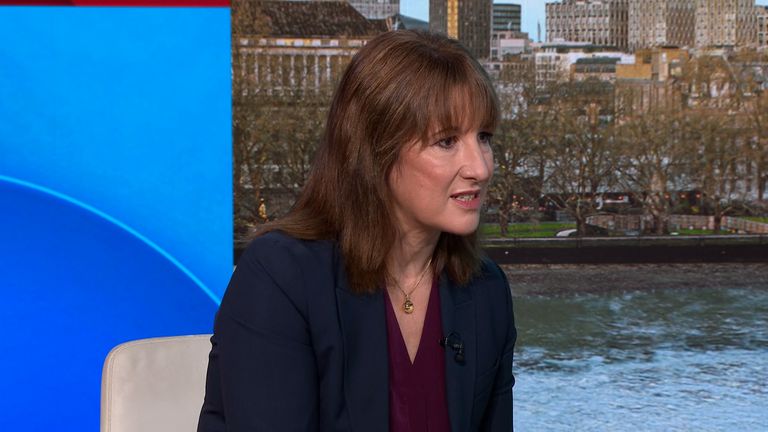
Rachel Reeves tells Sky News she did not lie about the state of the public finances
Chancellor accused of ‘lying’
Sir Mel is referring to the chancellor’s speech on 4 November in which she laid the ground for tax rises due to the decision by the independent Office for Budget Responsibility (OBR) to review and downgrade productivity over recent years, at a cost of £16bn, which led to a black hole in the public finances.
But the OBR revealed on Friday that it had told the Treasury days earlier that there was actually a budget surplus of £4.2bn, leading to outrage and claims that she misled the country about the state of the public finances.
Rachel Reeves was asked directly by Sky’s Trevor Phillips if she lied, and she replied: “Of course I didn’t.”
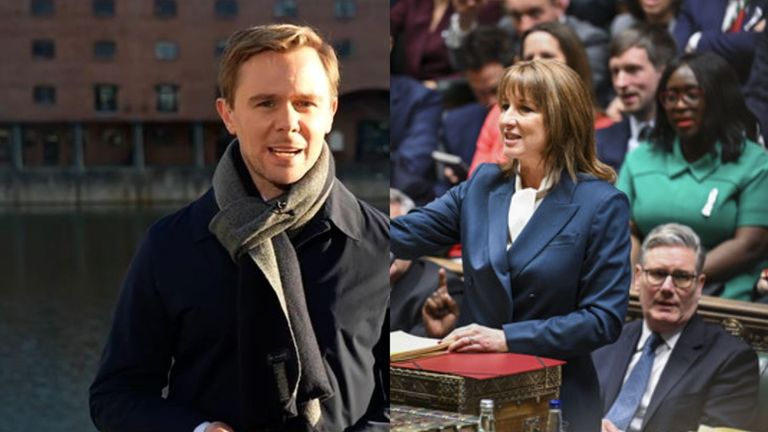
Why did Reeves make the situation sound ‘so bleak’?
She said: “I said in that speech that I wanted to achieve three things in the budget – tackling the cost of living, which is why I took £150 off of energy bills and froze prescription charges and rail fares.
“I wanted to continue to cut NHS waiting lists, which is why I protected NHS spending. And I wanted to bring the debt and the borrowing down, which is one of the reasons why I increased the headroom.
“£4bn of headroom would not have been enough, and it would not give the Bank of England space to continue to cut interest rates.”
Ms Reeves also said: “In the context of a downgrade in our productivity, which cost £16bn, I needed to increase taxes, and I was honest and frank about that in the speech that I gave at the beginning of November.”

Badenoch says Rachel Reeves should resign
But Tory leader Kemi Badenoch said: “I think the chancellor has been doing a terrible job. She’s made a mess of the economy, and […] she has told lies. This is a woman who, in my view, should be resigning.”
Report due on OBR breach
The tumultuous run-up to the 26 November budget culminated in the OBR accidentally publishing its assessment of the chancellor’s measures 45 minutes before the speech began, in what was an unprecedented breach of budget security.
👉 Listen to Sky News Daily on your podcast app 👈
The chair of the OBR, Richard Hughes, apologised for the “error”, and announced an investigation into how it happened.
The chancellor has said that she retains confidence in him, despite the “serious breach of protocol”, and confirmed to Trevor that the investigation report will be delivered to her on Monday, although it is not clear when it will be published.

-
 Sports2 years ago
Story injured on diving stop, exits Red Sox game
-
 Sports3 years ago
‘Storybook stuff’: Inside the night Bryce Harper sent the Phillies to the World Series
-
 Sports2 years ago
Game 1 of WS least-watched in recorded history
-
 Sports3 years ago
Button battles heat exhaustion in NASCAR debut
-
 Sports3 years ago
MLB Rank 2023: Ranking baseball’s top 100 players
-
Sports4 years ago
Team Europe easily wins 4th straight Laver Cup
-
 Environment3 years ago
Japan and South Korea have a lot at stake in a free and open South China Sea
-
 Environment1 year ago
Here are the best electric bikes you can buy at every price level in October 2024