

UK to get at least 25 new warships thanks to defence spending rise – Shapps

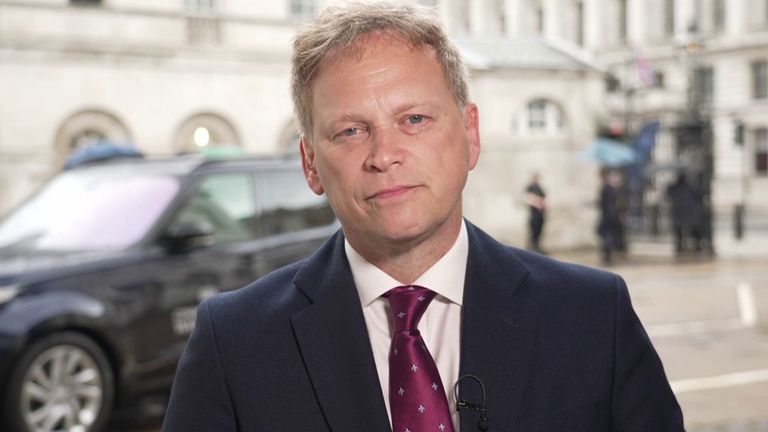
The Royal Navy will get 25 new warships – and could get three more – as the government indicates where its planned rise in defence spending will go.
Defence Secretary Grant Shapps told Sky News there are 28 new ships and submarines in the design or construction stage at the moment for the UK’s armed forces.
He clarified that 22 ships are “already in the system” – but there is less clarity over six new warships he announced for the Royal Marines today.
The defence secretary said that the government is committing to three of the new “versatile” ships for the Marines, “and then possibly another three as well”.
He said this is a “very, very large shipbuilding programme, a lot of warships, the golden era of shipbuilding here”.
Mr Shapps added: “It’s all possible because just last month we agreed as a government to spend 2.5% of our GDP on our defence sector because we think it’s very, very important to make sure that those who would seek to do us harm are put off, that they are dissuaded because they can see that we’re serious about our defence.”
Labour has pledged to reach 2.5% of GDP on defence spending when economic conditions allow it, while the Conservatives have said they would reach that number by 2030.
But defence spending fell in the early years of the Conservative government, which has been in power for 14 years, and spending was not boosted when Ukraine was invaded in 2014 or 2022.
Mr Shapps accused Labour’s defence plan of posing a danger to security
Mr Shapps said the Tory pledge is different to Labour’s because the Conservatives have “set out a timeline”.
“We’ve also said how we would go about largely funding this, and that’s by reducing the size of the civil service, which is much bigger than it was before COVID,” he said.
“We want to get it back down to the size it was before and use that money to spend on defence.
“I have to say, as defence secretary, with everything that I know in this role, that I think that the Labour position presents a danger to this country because it will send a signal to our adversaries that we’re not serious about our defence if we won’t set out that timetable.”
More politics:
Rwanda law to be ‘disapplied’ in N Ireland
MPs to be barred from parliament after serious arrests

Keep up with all the latest news from the UK and around the world by following Sky News
Labour’s shadow work and pensions minister Alison McGovern said she is “sceptical” about the Conservatives’ claim about how they will fund the spending rise.
She said Labour has had to pledge the rise for when the economy allows “because of what the Conservative Party have done to our economy” – as she accused Liz Truss and Rishi Sunak of implementing “big unfunded tax cuts”.
Ms McGovern added: “I think everybody would expect Rachel Reeves as the shadow chancellor to say, well, we will make our plans when we’ve got access to all of the books, all of the details of Ministry of Defence spending.”
Mr Shapps said the government did not spend as much on defence previously because countries such as China, North Korea, Iran and Russia were not such a threat.
The defence secretary added: “We were living in very, very different times.”
He said the government has also added £24bn to the defence budget over the past couple of years and the UK is “by a country mile the largest spender on defence in Europe, with the second largest in NATO after only the US”.

HMS Bulwark will not be scrapped before its end of service date. Pic: PA
Discussing the UK’s current fleet, Mr Shapps said sister ships HMS Albion and HMS Bulwark are due to come out of service in 2033-2034 but the defence secretary said they will not be scrapped before that.
Albion and Bulwark are currently used as the Royal Navy’s landing platform docks to transport the Royal Marines.
Mr Shapps also announced HMS Argyll and HMS Westminster, two frigates with a combined service of 63 years, are to be retired, with HMS Argyll sold to BAE Systems to be used to support apprentice shipbuilder training.
The new ships being built include Type 26 and Type 31 frigates in Scotland, Astute and Dreadnought submarines in Barrow-in-Furness, and Fleet Solid Support ships in Belfast and Devon.
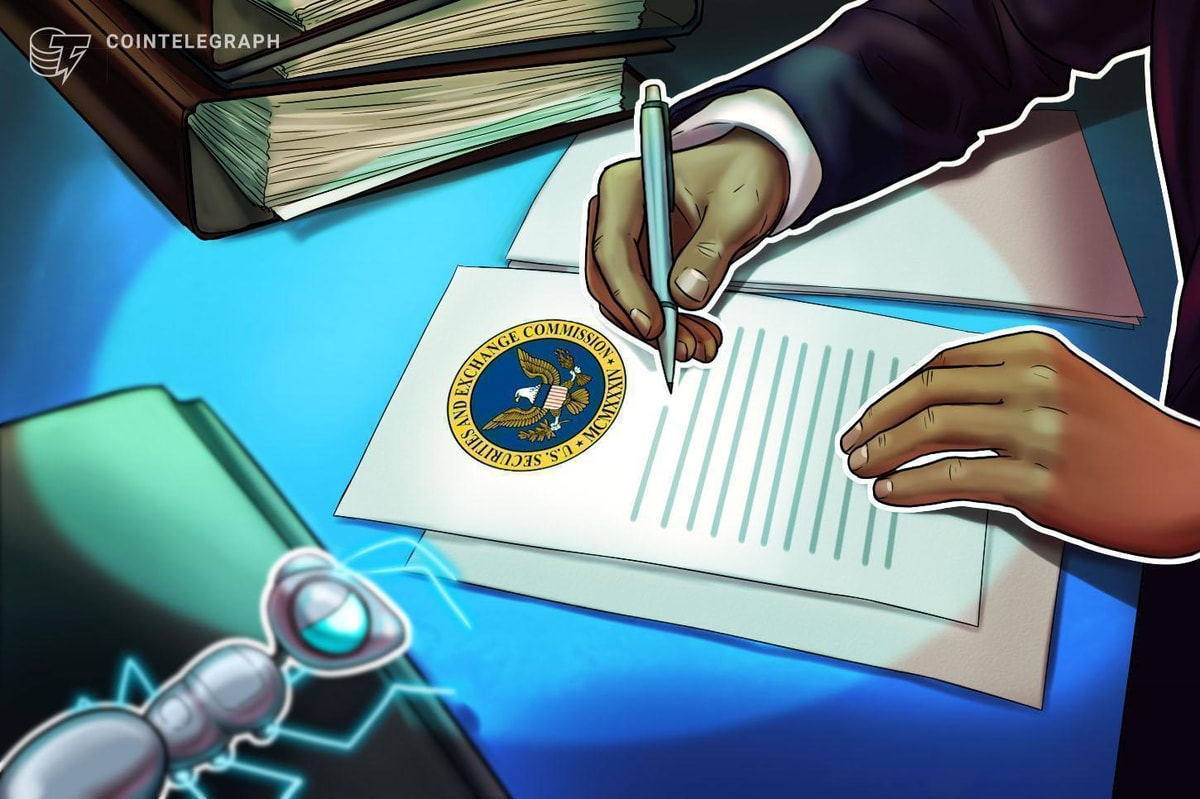
Screenshots of an internal email outlining plans to wind down Shima Capital have surfaced online, days after the US Securities and Exchange Commission sued the crypto venture firm and its founder over allegations of investor fraud.
On Nov. 25, the SEC charged Shima Capital Management LLC and its founder, Yida Gao, with making false and misleading statements while raising almost $170 million from investors, the agency announced on Dec. 3.
The complaint, filed in the US District Court for the Northern District of California, alleged that Gao inflated his investment track record in marketing materials used to raise capital for Shima Capital Fund I between 2021 and 2023.
According to the SEC, Gao claimed one prior investment had delivered a 90x return, when the actual return was closer to 2.8x. The regulator also alleged that when discrepancies in the pitch deck were about to be reported publicly, Gao told investors the issues were the result of clerical errors.
SEC alleges $1.9 million undisclosed gain
Separately, the SEC claimed that Gao raised about $11.9 million through a special purpose vehicle tied to BitClout tokens, telling investors that they would be protected by discounted token purchases. While Gao did acquire tokens at a discount, the SEC said he sold them to the SPV at a higher price without disclosing that he personally retained about $1.9 million in profits.
Related: Crypto fundraising sets new record of $3.5B in a single week
In a Wednesday post on X, crypto journalist Kate Irwin shared screenshots of an email allegedly sent by Gao to portfolio founders. In the screenshots, Gao purportedly said he would step down as managing director of Shima Capital and that the fund would undergo an “orderly wind-down.”

The screenshots purportedly show Gao stating that the SEC and Department of Justice actions are related to his personal conduct, not that of Shima Capital’s portfolio companies, and claiming that no fines have been imposed on the company.
The screenshots also show that independent advisers from FTI Consulting and FTI Capital Management would oversee the wind-down process and monetization of investments, while Shima’s finance team would remain in place. Gao allegedly said he would remain involved with portfolio support “as permitted,” but without management control.
Cointelegraph could not independently verify the email. We reached out to Shima Capital and some of the fund’s portfolio companies for confirmation, but had not received responses at the time of publication.
Related: A beginners guide on raising funds using cryptocurrencies
Shima Capital launched with $200 million debut fund
In 2022, Shima Capital announced the launch of its first venture fund, Shima Capital Fund I, raising $200 million to back early-stage blockchain startups. Founded in 2021 by Gao, the firm said the fund received backing from a range of prominent investors, including Dragonfly Capital, Animoca Brands, OKX Blockdream Capital, Republic and Andrew Yang.
Shima Capital has invested in numerous crypto projects, including Humanity Protocol, Berachain, Monad, Pudgy Penguins, Shiba Inu and many others.
Magazine: 2026 is the year of pragmatic privacy in crypto — Canton, Zcash and more


Two US Senators have introduced legislation aimed at cracking down on crypto fraud and scams by equipping law enforcement with better tools to spot attacks and identify perpetrators.
The Strengthening Agency Frameworks for Enforcement of Cryptocurrency (SAFE) Act, introduced by Democrat Elissa Slotkin and Republican Jerry Moran on Monday, seeks to coordinate action between the US Treasury, law enforcement, regulators and private sector players to tackle crypto fraud and scams.
“This task force, established by the SAFE Cryptocurrency Act, will allow us to draw upon every resource we have to combat fraud in digital assets,” Slotkin said, while Moran added:
“As cryptocurrency becomes more widely used, this legislation would help counter threats and make certain all Americans are better protected from crypto scams.”
The Federal Bureau of Investigation reported Americans lost $9.3 billion to crypto-related investment scams in 2024, marking a 66% increase from 2023. Individuals over 60 were the worst affected, accounting for losses of $2.84 billion.
It should be noted that the figure includes any investment scam that simply mentions crypto as part of its ploy. Many do not involve blockchain or cryptocurrencies.
Despite public and private efforts to raise awareness, crypto fraudsters and scammers have found more sophisticated ways to steal funds from investors.
However, Gabriel Shapiro, general counsel of crypto investment firm Delphi Labs, noted that a successful implementation of the SAFE Crypto Act could prompt crypto fraudsters and scammers into a state of panic .
“Scammers will probably end up shitting themselves if this goes hard,” Shapiro said in a post to X on Tuesday, noting that the attorney general, the director of the Financial Crimes Enforcement Network and the director of the United States Secret Service would be among the highest-ranking officials involved in pursuing crypto criminals.
Shapiro said the SAFE Crypto Act could be “very useful” as the US securities and commodity regulators currently aren’t as focused on enforcement action against hackers, scammers and Ponzi scheme operators.
TRM Labs among the private players to lend a hand
Blockchain forensic firm TRM Labs is among the private sector players ready to assist US officials, with its vice president and global head of policy, Ari Redbord, stating that a collaboration would help track and disrupt illicit networks in real-time:
Related: How crypto is used in 2025: YouTube, Pokémon cards and more
“By bringing industry and law enforcement together, we can meaningfully reduce criminals’ ability to exploit transformative technologies for harm.”
Magazine: Meet the onchain crypto detectives fighting crime better than the cops


Digital asset platform Exodus has partnered with MoonPay to launch a US dollar-backed stablecoin for everyday payments.
The Exodus Movement, which is also behind a popular crypto wallet, announced on Tuesday that its fully reserved dollar stablecoin is planned for launch in early 2026. The stablecoin will be issued and managed by MoonPay, a leading crypto payments platform and fiat on-ramp.
The stablecoin will be developed using M0, a stablecoin infrastructure platform that allows companies to build, issue and manage their own custom stablecoins.
The new stablecoin, which has not been named, aims to simplify digital dollar transactions for consumers without requiring crypto knowledge. It will integrate into Exodus Pay, allowing users to spend and send money while maintaining self-custody.
“Stablecoins are quickly becoming the simplest way for people to hold and move dollars onchain, but the experience still needs to meet the expectations set by today’s consumer apps,” said JP Richardson, co-founder and CEO of Exodus.
The stablecoin gold rush continues
MoonPay launched its enterprise stablecoin business in November to issue and manage digital dollars across multiple blockchains while integrating with M0’s open infrastructure.
“Enterprises want stablecoins that are programmable, interoperable and tailored to a specific product experience,” said Luca Prosperi, co-founder and CEO of M0.
Related: US banks could soon issue stablecoins under FDIC plan to implement GENIUS Act
Banks and crypto firms have rushed to offer their own stablecoins this year, spurred by the passage of the GENIUS Act in July, which introduced a clear federal regulatory framework for fiat-backed stablecoins in the United States.
The Trump family DeFi platform, World Liberty Financial, launched the USD1 stablecoin in March, global payments platform Stripe introduced stablecoin-based accounts to clients in over 100 countries in May, and Tether announced a regulatory-compliant stablecoin called USAT in September.
Two stablecoin players dominate the sector
The new Exodus and MoonPay stablecoin is entering a crowded market still dominated by two primary players.
Tether (USDT) remains the biggest stablecoin issuer with a market share of around 60% and a circulating supply of $186 billion, while Circle’s USDC is second with a 25% share and $78 billion market cap.
These two alone comprise 85% of the total stablecoin market capitalization, which is over $310 billion, according to CoinGecko.
Magazine: Do Kwon sentenced to 15 years, Bitcoin’s ‘choppy dance’: Hodler’s Digest
-
 Sports2 years ago
Story injured on diving stop, exits Red Sox game
-
 Sports3 years ago
‘Storybook stuff’: Inside the night Bryce Harper sent the Phillies to the World Series
-
 Sports2 years ago
Game 1 of WS least-watched in recorded history
-
 Sports3 years ago
Button battles heat exhaustion in NASCAR debut
-
 Sports3 years ago
MLB Rank 2023: Ranking baseball’s top 100 players
-
Sports4 years ago
Team Europe easily wins 4th straight Laver Cup
-
 Environment3 years ago
Japan and South Korea have a lot at stake in a free and open South China Sea
-
 Environment1 year ago
Here are the best electric bikes you can buy at every price level in October 2024