
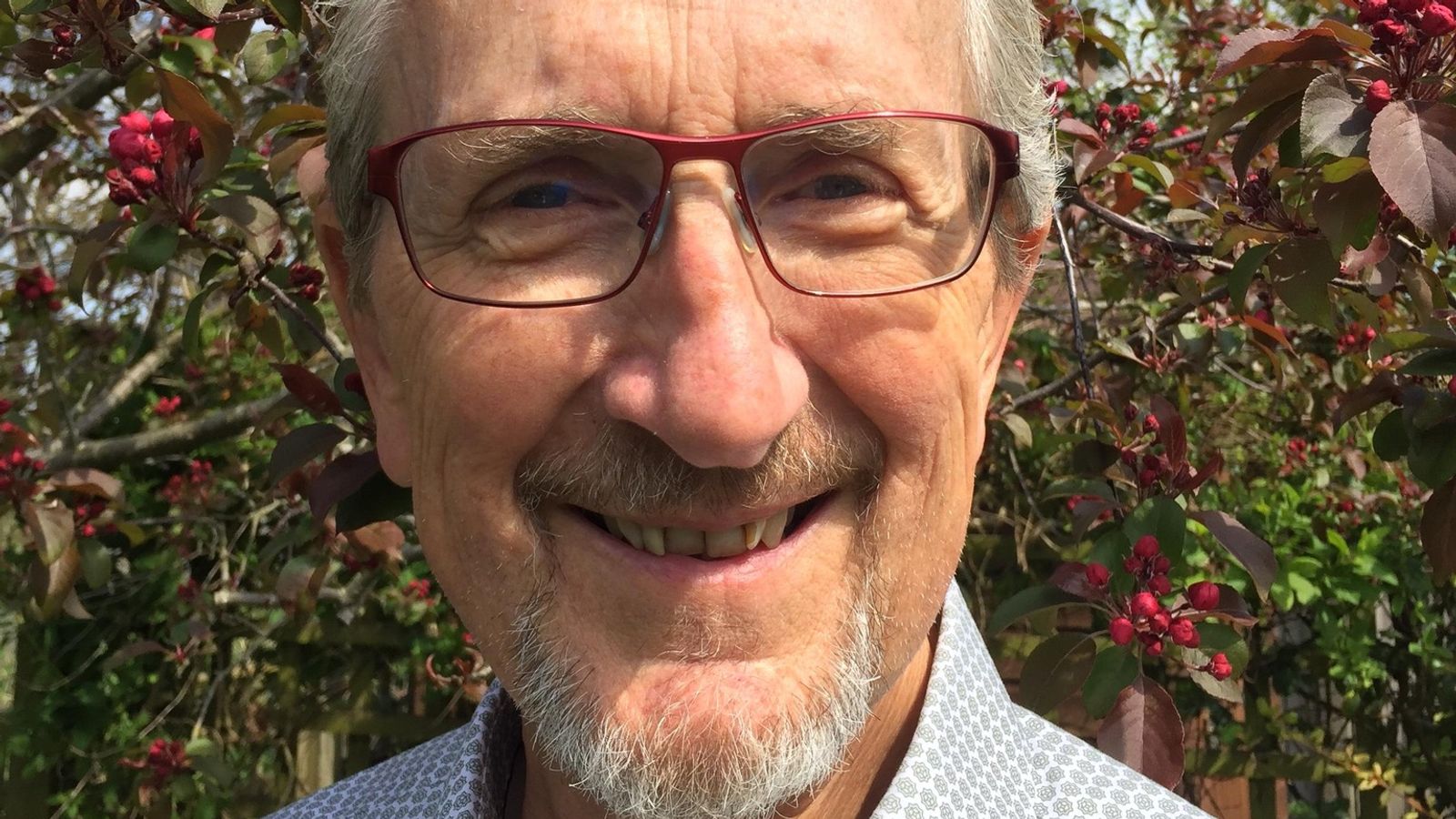
British man who died after severe turbulence on flight named as Geoff Kitchen

The 73-year-old British man who died from a suspected heart attack after “sudden extreme turbulence” on a London-Singapore flight has been named as Geoff Kitchen.
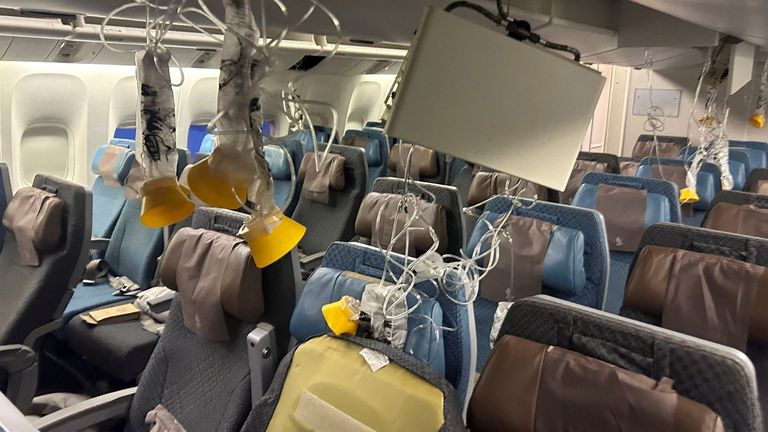
Dozens more were injured in the incident, with passengers describing people being “launched into the ceiling” and overhead lockers.
Singapore Airlines flight SQ321 from Heathrow was forced to make an emergency landing at Bangkok Airport in Thailand.
Mr Kitchen, from Thornbury near Bristol, was on a six-week holiday with his wife to Singapore, Indonesia and Australia.
In a post on Facebook, Thornbury Musical Theatre Group paid tribute to Mr Kitchen: “It is with a heavy heart that we learn of the devastating news of the passing of our esteemed colleague and friend Geoff Kitchen in the recent Singapore Air Incident.
“Geoff was always a gentleman with the utmost honesty and integrity and always did what was right for the group.
“His commitment to TMTG was unquestionable and he has served the group and the local community of Thornbury for over 35 years, holding various offices within the group, including chairman, treasurer and most recently secretary.
“Our thoughts and prayers go out to his wife and the family at this difficult time, and we ask that you respect their privacy.”
Extreme turbulence comes ‘out of the blue’
Kittipong Kittikachorn, head of Bangkok airport, said earlier that the 73-year-old died from a probable cardiac arrest.
Forty-seven Britons were among the 211 passengers and 18 crew onboard the plane, a Boeing 777-300ER.
A spokesperson for Samitivej Srinakarin Hospital said: “Seventy-one people needed treatment and six of them had critical injuries.”
However, Singapore Airlines seemed to contradict those numbers and said only 30 people had been taken to hospital.
Read more:
Images show damage in plane after one killed in turbulence
Is flight turbulence getting worse – and what types are there?
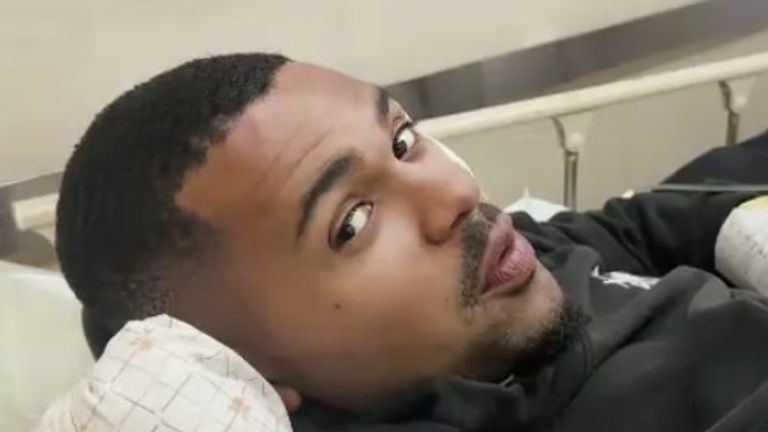
Plane passengers speak from hospital
Speaking to Sky News, passengers said seatbelts spared some from injury, while others described flight attendants as having cuts to their heads.
Australian Teandra Tukhunen, who had her left arm in a sling in Bangkok’s Samitivej Srinakarin Hospital, said she was asleep and “woken up because I was thrown to the roof and then to the floor”.
Ms Tukhunen, 30, said when the seatbelt sign came on “pretty much immediately, straight after that I was flung to the roof, before I had time to put my seatbelt on unfortunately”.
“It was just so quick, over in a couple of seconds and then you’re just shocked. Everyone’s pretty freaked out.”
Passenger Dzafran Azmir also said: “Some people hit their heads on the baggage cabins overhead and dented it, they hit the places where lights and masks are and broke straight through it.”

Keep up with all the latest news from the UK and around the world by following Sky News
Singapore Airlines also said the pilot declared a medical emergency and landed in Bangkok after “sudden extreme turbulence over the Irrawaddy Basin at 37,000 feet about 10 hours after departure”.
In a statement, the UK Foreign Office said: “We are supporting the family of a British man who has died in Bangkok and are in contact with the local authorities.”
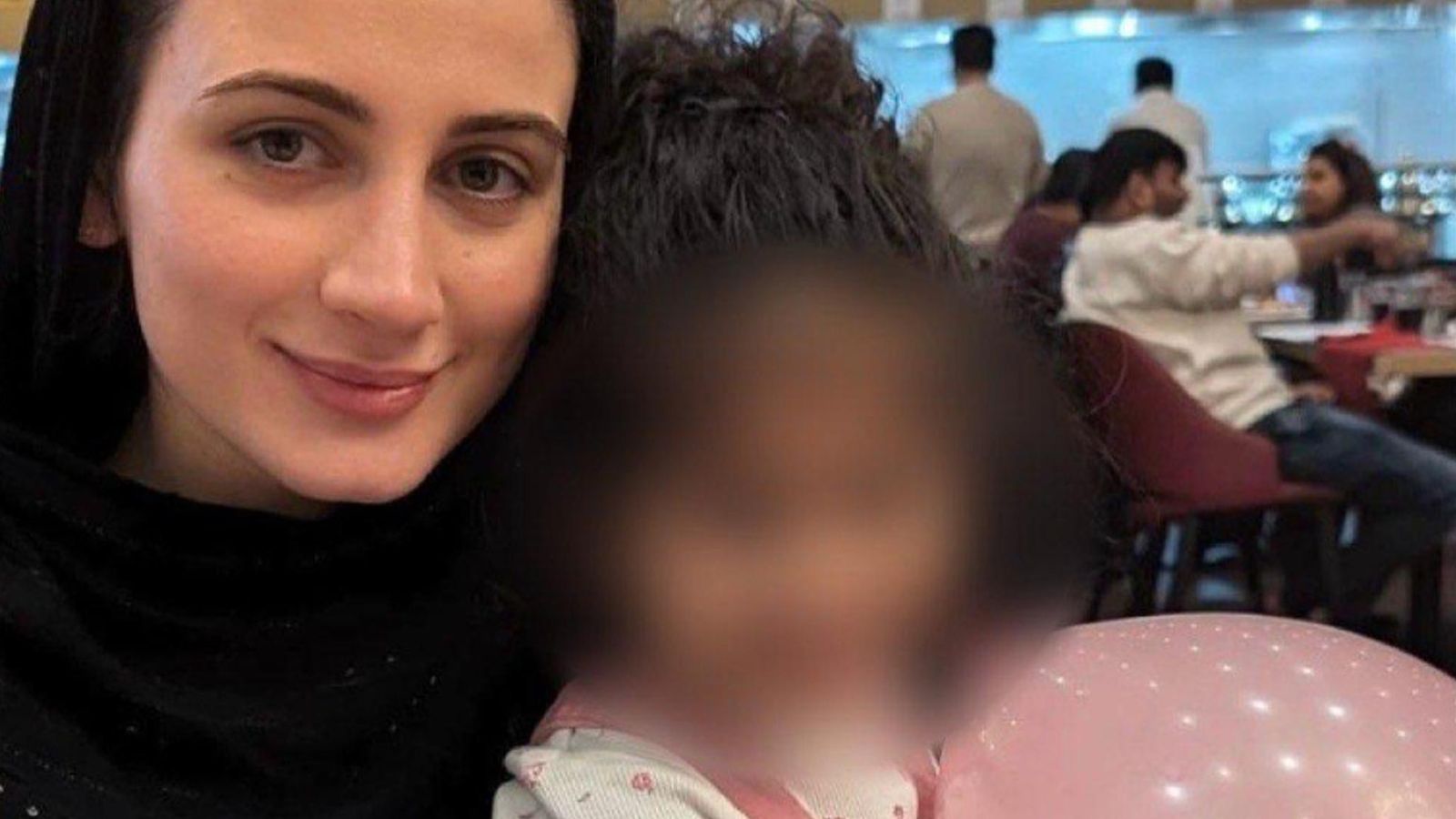
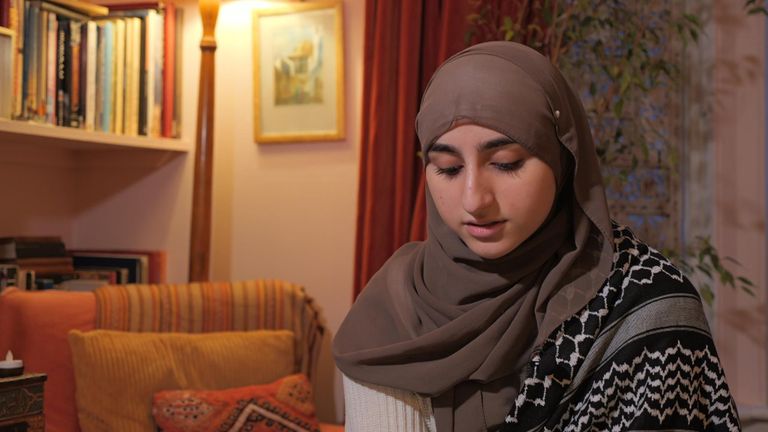
The family of a Palestine Action prisoner on day 43 of a hunger strike says she could die in prison if the UK government does not intervene.
Teuta Hoxha, 29, has been on remand, awaiting trial for 13 months. Her sister told Sky News she suffers from continuous headaches, mobility issues, and can no longer stand for prayer.
They fear the worst.
“I know that she’s already instructed the doctors on what to do if she collapses and she’s instructed them on what to do if she passes away,” Teuta’s younger sister Rahma said. “She’s only 29 – she’s not even 30 yet and nobody should be thinking about that,” she added.
“She’s been on remand for over a year, her trial’s not until April next year and bail keeps getting denied.”
Teuta Hoxha’s sister, Rahma
Rahma, 17, said despite ill health, Teuta calls her from prison every day to help with homework.
“She’s like my mother figure,” she said. “Our mother passed away when I was really young.
“Teuta took care of me and my siblings and made sure to read us bedtime stories. She’s always there for me and even from prison, she’s helping me do my homework and revise for exams.”
“My sister is a caring and loving person,” Rahma added. “It feels like the state has taken a piece of me.”
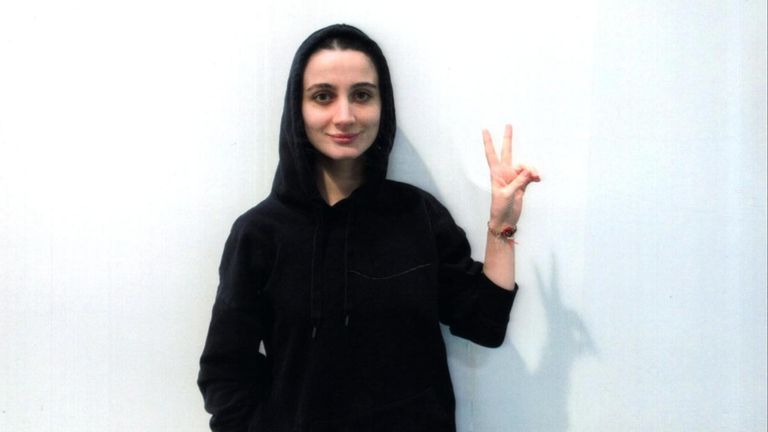
Teuta Hoxha

Teuta Hoxha with her sister Rahma
Teuta is among eight Palestine Action prisoners who have been on hunger strike. They are all on remand, awaiting trial for offences relating to alleged break-ins or criminal damage, with some having been in custody for over 12 months. They all deny the charges.
The hunger strikers demand an end to the UK’s hosting of weapons factories supplying arms to Israel, the de-proscription of Palestine Action, an end to mistreatment of prisoners in custody, and immediate bail.
Read more:
Five Palestine Action hunger strikers taken to hospital
Palestine Action can challenge terror ban after court verdict
Their families warn young British citizens will die in UK prisons having never been convicted on an offence.
UK law sets out custody time limits to safeguard unconvicted defendants by preventing them from being held in pre-trial custody for an excessive period of time. The regulations governing these limits require the prosecution to progress cases to trial diligently and expeditiously.
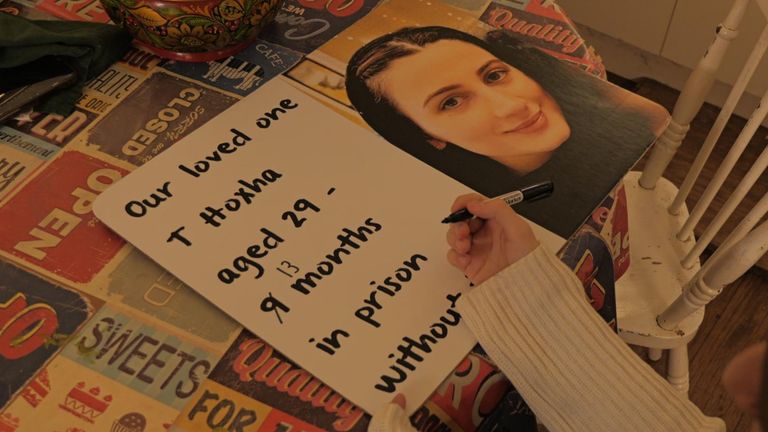
The government has said it will not intervene in ongoing legal cases.
Minister of state for prisons, probation and reducing reoffending Lord Timpson said: “These prisoners are charged with serious offences including aggravated burglary and criminal damage.
“Remand decisions are for independent judges, and lawyers can make representations to the court on behalf of their clients.
“Ministers will not meet with them – we have a justice system that is based on the separation of powers, and the independent judiciary is the cornerstone of our system. It would be entirely unconstitutional and inappropriate for ministers to intervene in ongoing legal cases.”
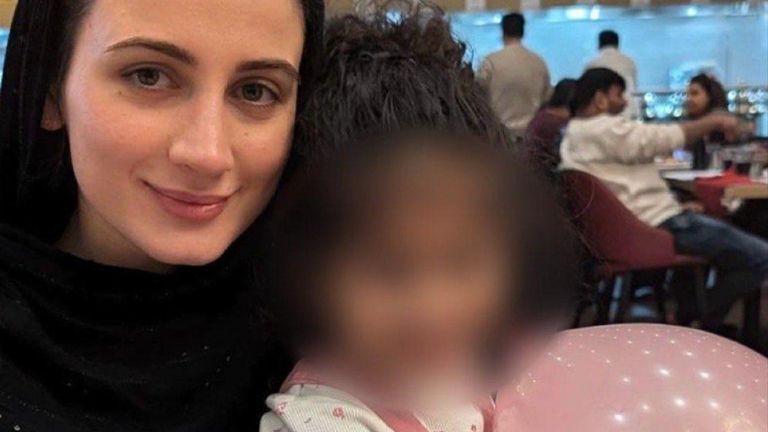
On Monday, Teuta is set to mark her 30th birthday behind bars. There will be no birthday cake, Rahma said.
“The only form of resistance she has is her body and that’s what she is using against the state.”
A spokesperson for HMP Peterborough declined to comment on specific individuals, but said all prisoners are managed in line with government policies and procedures.
They continued: “If any prisoner has specific complaints, we encourage them to raise them directly with the prison, as there are numerous channels available for addressing such concerns.”
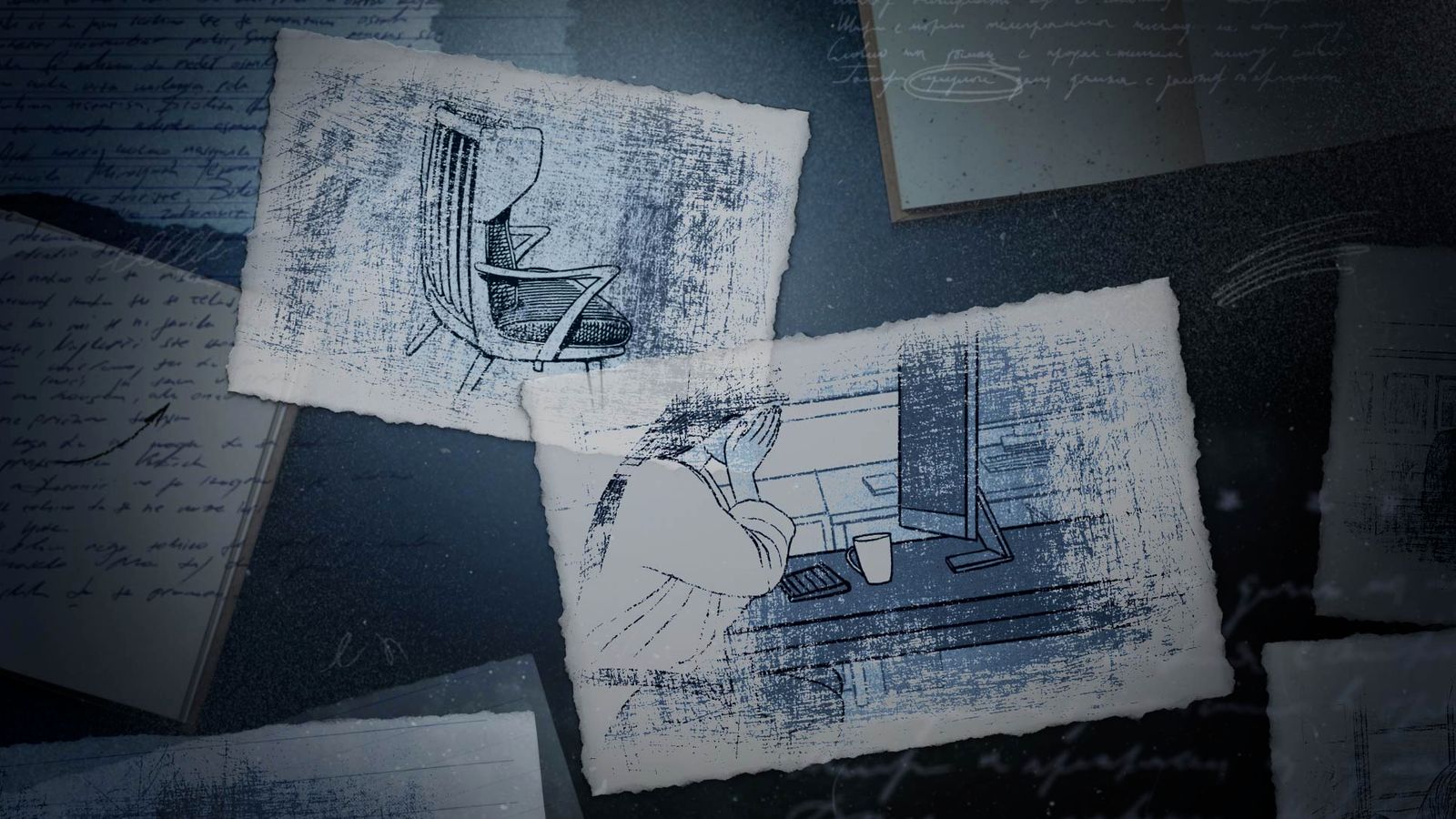
Warning: This article contains references to suicide and sexual assault
“We spoke every day… whether it was Facetime, messaging, or calling. I stopped caring about me. I had anxiety and my aim was to help her. I was suicidal for sure, and I did express that to her regularly.”
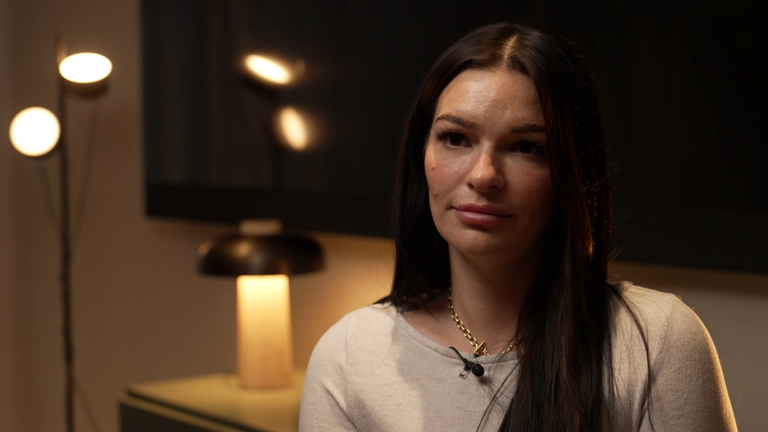
Kira Mitchell, 35, was assigned a therapist by the NHS after a bereavement in her family.
At first, they bonded over shared interests, but it soon became clear that the therapist had blurred professional boundaries.
The therapist, who was meant to be helping her, began divulging personal details, leaving Kira feeling more like the therapist than the patient.
‘I stopped caring about me,’ says Kira
“I felt anxiety around her, I was so concerned about her wellbeing. She had a family issue, someone passed away, and she told me it should have been her.
“That’s really distressing anyway… but it was my therapist who is supposed to be looking after me.”
Kira started to feel that something wasn’t right soon after the therapist started calling her and hanging up. She would later say the calls were accidents.
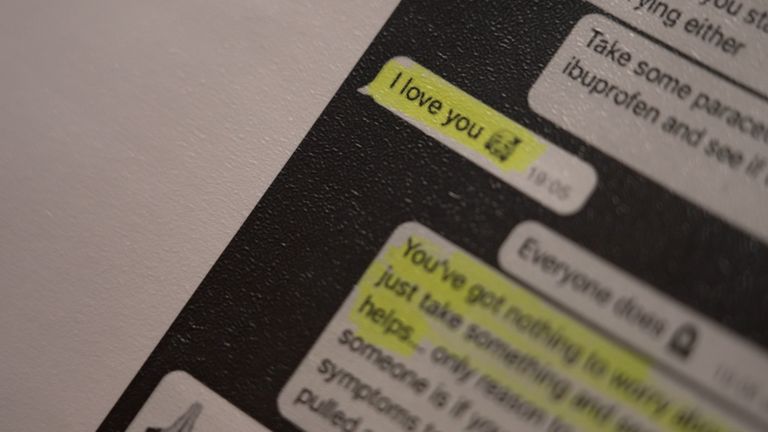
Kira’s therapist would tell her she loved her
“I stopped caring about me,” Kira says. “I had anxiety and my aim was to help her.”
As Kira’s mental health deteriorated, she reported the therapist’s behaviour and she was dismissed.
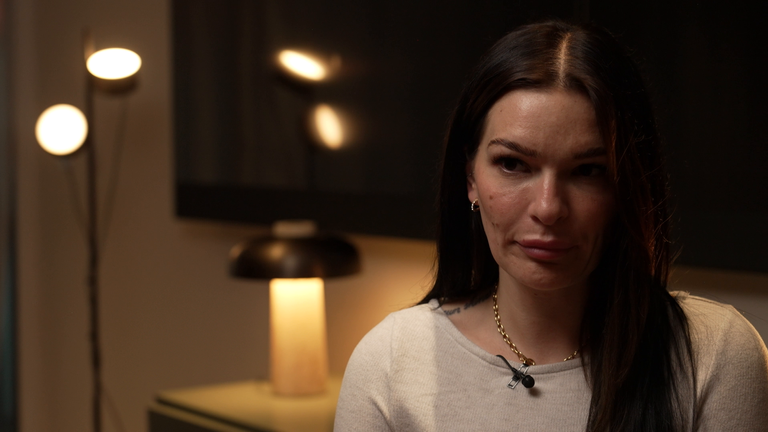
But that therapist continues to practice privately – there’s nothing stopping her from calling herself a therapist in the UK today.
She remains on a professional register and advertises her services online, without any public record of what happened.
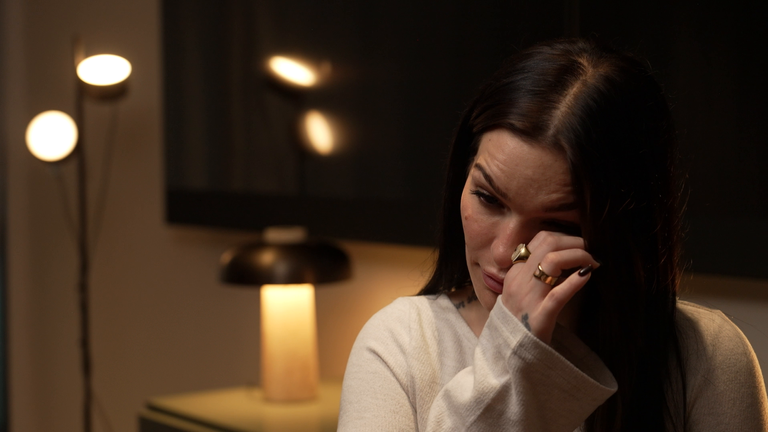
Kira’s therapist was supposed to help – but became overbearing and made her anxious
The legal grey zone
In the UK, anyone can call themself a therapist – as Kira’s story shows.
There is no regulation for counsellors and psychotherapists, while only certain types of psychologists are regulated.
These titles aren’t legally protected, so in practice, anyone can set themselves up as a therapist, without formal training, qualifications, or oversight; even after misconduct.
And not many people know this.
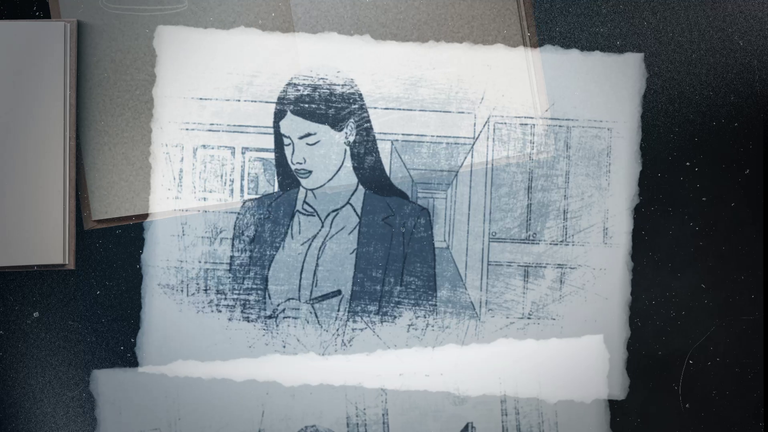
Anyone can call themself a therapist
According to the latest figures from the British Association for Counselling and Psychotherapy (BACP) and YouGov, nearly half (48%) of Britons mistakenly think that therapist is a regulated title like a doctor, midwife or dentist.
Meanwhile, nearly nine in 10 people don’t know that there are no regulations around the title “therapist” in the UK, the BACP/YouGov found.
Since the COVID pandemic, the demand for mental health support has surged, alongside a cultural boom in ‘therapy-speak’ across social media, wellness, and self-help spaces.
There have also been some high-profile cases of people being abused by their therapists.
In 2024, Ella Janneh won a civil case against therapist Michael Lousada, who sexually assaulted her during a therapy session. His defence was that Ms Janneh asked for penile penetration as a “therapeutic technique”.

Ella Janneh was sexually assaulted during therapy
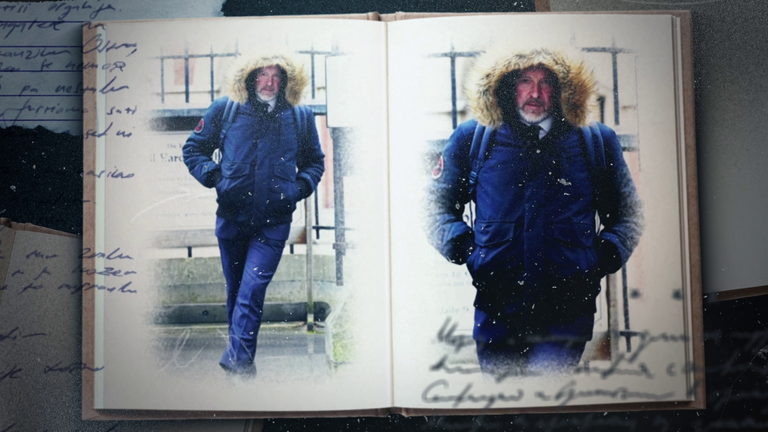
Michael Lousada was ordered to pay £217,000 in damages
Labour MP Dawn Butler, who was present at the civil court case, says the situation is urgent.
“This has to be a regulated industry,” she told me. “It’s such an abuse of power and of someone’s vulnerability, and this needs to be looked into further and the law needs to change.”
Last December, “slapping therapist” Hongchi Xiao was jailed for 10 years after a diabetic woman died following one of his workshops.
While voluntary registers like those maintained by the British Association for Counselling and Psychotherapy and the UK Council for Psychotherapy (UKCP) exist, they are not legally mandated.
This lack of statutory regulation means there is no guarantee of competence or accountability for those using these titles.
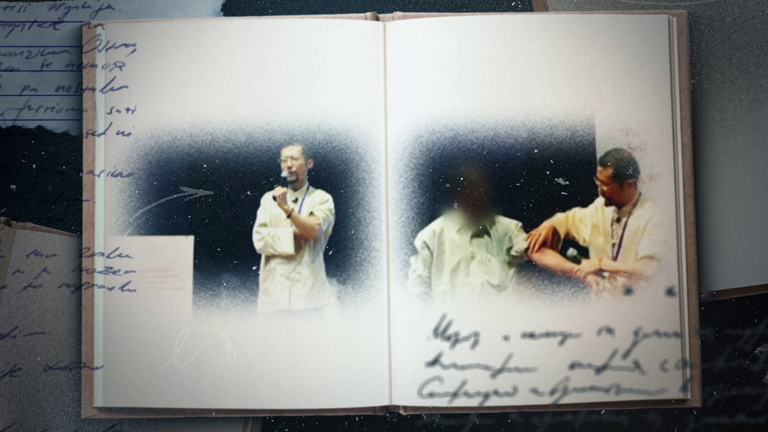
‘Slapping therapist’ Hongchi Xiao was jailed for 10 years
Lib Dem MP Layla Moran, chair of the Health and Social Care Select Committee, told me she fears “more people will die”.
“We’ve seen some tragic cases of this happening,” she said. “It’s simply not good enough. It leaves families bereft, but it also means that good therapists, people who are doing it for the right reasons, are tarnished by this brush.”
Health Secretary Wes Streeting told me that he shares concerns over the lack of regulation.
“I’m always open to looking at this,” he said.
“I think we do need to make sure that people can’t be duped, that people who present themselves as medical professionals, are medical professionals.
“So, I am very happy to get into this space and to look at where the law needs to be tightened up.”
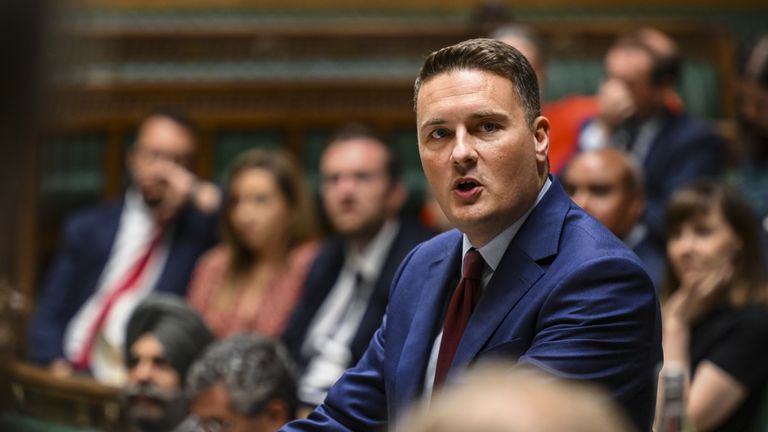
‘We need to make sure that people can’t be duped,’ says the health secretary
Alternative therapy
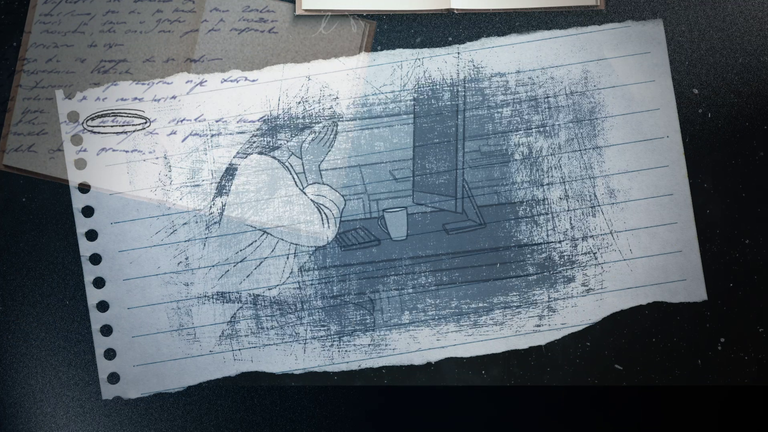
Demand for therapy is surging – with mental health services in England getting a record 5.2 million referrals during 2024 (up 37.9% from 2019), according to the British Medical Association (BMA).
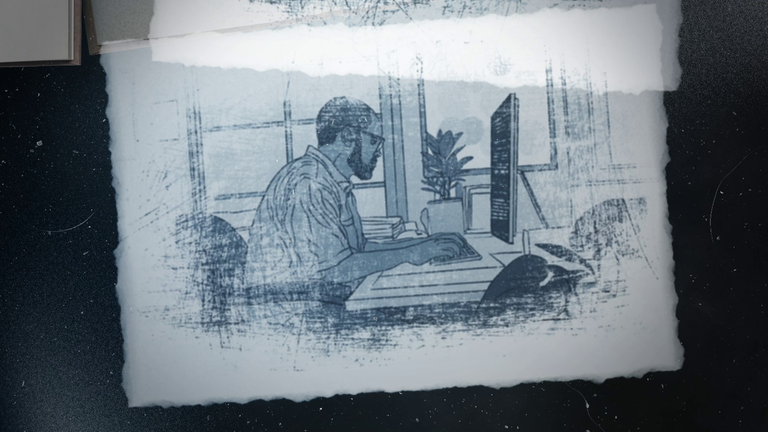
Services like Better Help and other apps have become like Uber for the mental health world, allowing users to sign up and be matched with the next available licensed board-accredited therapist within days.
But unregulated therapy isn’t a problem for everyone.
Demand for therapy is surging
With no legal protection around who can call themselves a counsellor, psychotherapist, or even psychologist, clients often rely on trust, personal rapport, or reputation rather than verified training or credentials.
This kind of situation is surprisingly common.
According to the same research from the BACP and YouGov, only half of people who have been in therapy say they checked their practitioner’s qualifications at all.
‘Therapist asked me to drive her to Selfridges’
Maryam Meddin is the founder of The Soke, an organisation she started to address the unregulated grey area in the industry.
The issue is something she has personal experience of.
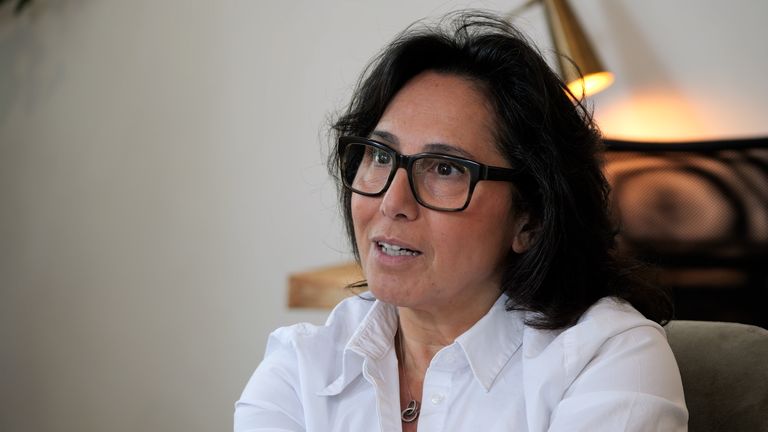
Maryam Meddin started The Soke to address the unregulated grey area in the industry
“I was very interested in finding a therapist and somebody recommended someone to me who was visiting from the States.
“I ended up having a two-hour session with a woman who made herself breakfast while I was there… she divulged some information about the mutual acquaintance, who was also one of her clients, and at the end of the session she asked me to drive her to Selfridges.”
Maryam says that it would be “a step in the right direction” if it was made compulsory – through statutory regulation – for therapists to be accredited to a particular body or organisation.
The UKCP agrees with this and says it would support statutory regulation of the profession.
Some online services allow users to be matched with therapists within days
Patients ‘putting huge trust in therapists’
The Professional Standards Authority (PSA), a healthcare regulator, said it is concerned about people accessing unregistered therapists “and the harm that can be caused”.
“Service users are placing a huge amount of trust and confidence in their therapists,” it told Sky News.
Kira’s therapist is still registered with the UKCP, which says it cannot comment on individual cases.
There is an ongoing investigation – Kira’s therapist appealed against the NHS decision, and interim suspension orders from the UKCP are only for extreme cases.
The NHS Trust which assigned Kira’s therapist says it is “unable to comment on individual employment matters” but adds the “safety and wellbeing of our patients is our highest priority”.
A spokesperson added: “The NHS is not responsible for regulating or overseeing private therapy practice and any concerns about a therapist’s conduct in private practice should be raised directly with that organisation or regulator.”
Kira’s therapist still operates and advertises her services online
Meanwhile, the UKCP said: “In the absence of statutory regulation, we urge anyone seeking therapy to choose a practitioner listed on a PSA-accredited register, such as UKCP’s.
“These registers are independently assured, set high standards for training and ethics and include clear systems for accountability and redress if something goes wrong.”
Placing trust in ethics and transparency
The word therapy has a lot of weight to it, and it’s used everywhere.
It’s become less taboo to hear people talking about their mental health and for millions of people around the UK it’s an important part of their lives.
The UK hasn’t seriously considered regulating the profession since 2010, when discussions that were previously held under the Labour government stalled when the Conservative/LibDem coalition took power.
Years later, the landscape has transformed: therapy has become an online talking point popularised by Instagram infographics, trauma-language TikToks and self-diagnosis trends.
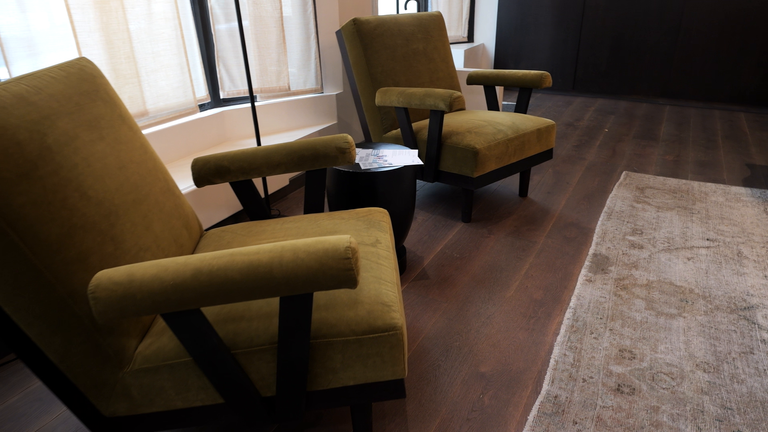
There is no regulation for counsellors and psychotherapists, while only certain types of psychologists are regulated
The quality of care often depends not on rules or oversight, but on the ethics and transparency of individual practitioners.
Some therapists maintain rigorous standards regardless of accreditation; others operate with minimal training, no supervision, and no route for accountability if something goes wrong.
The public, meanwhile, is largely unaware of the difference.
Anyone feeling emotionally distressed or suicidal can call Samaritans for help on 116 123 or email jo@samaritans.org in the UK. In the US, call the Samaritans branch in your area or 1 (800) 273-TALK
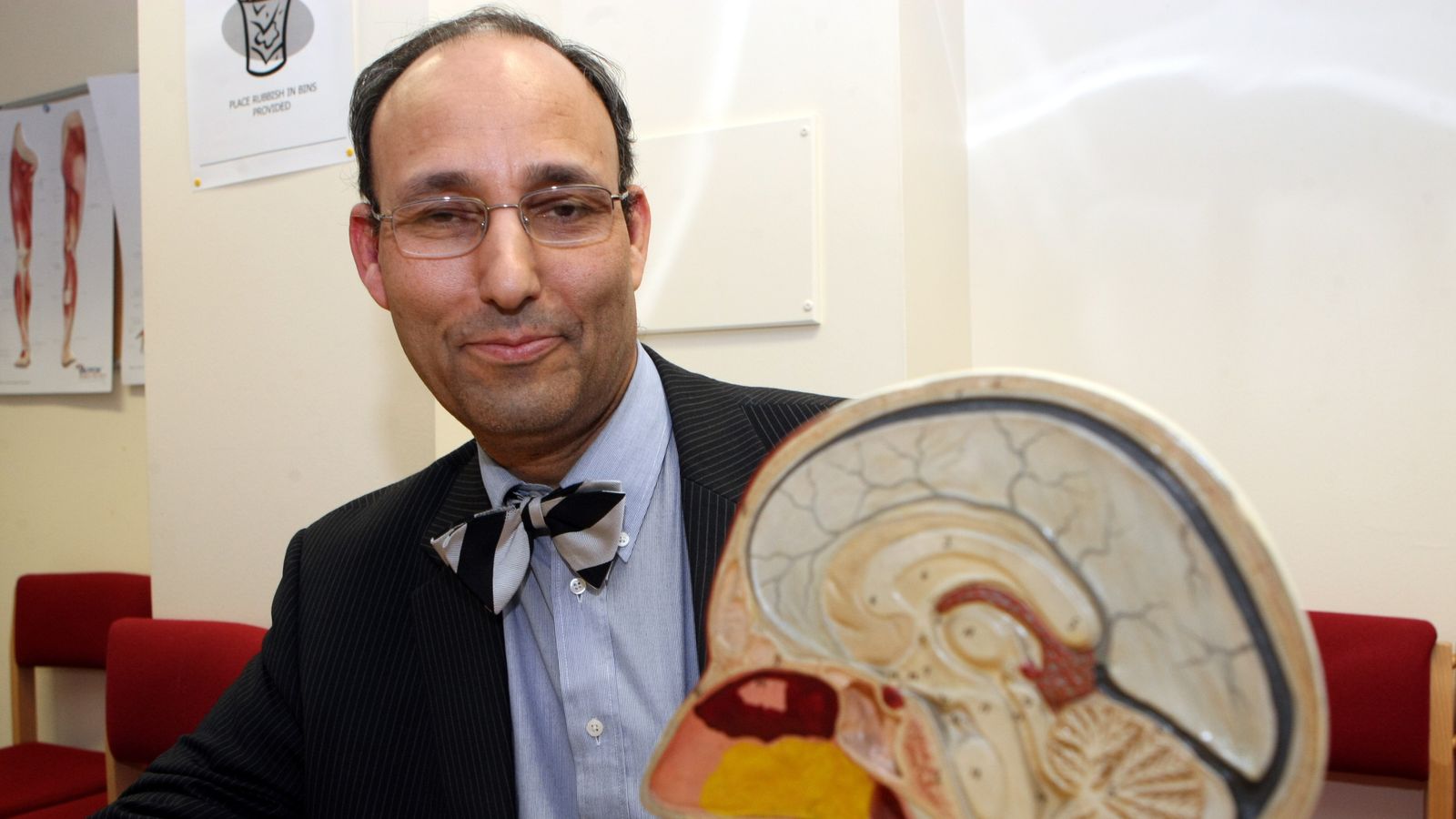
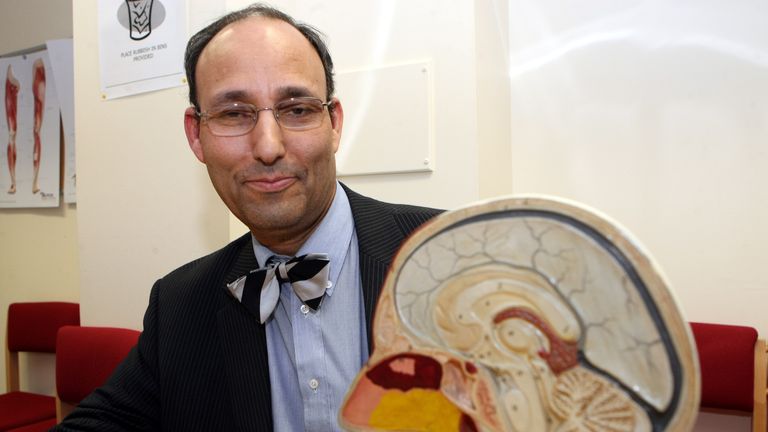
A woman who had the wrong body part removed by her surgeon is lodging a police complaint after the NHS destroyed vital evidence needed for a public inquiry.
Disgraced Dr Sam Eljamel was head of neurosurgery at NHS Tayside in Dundee from 1995 until his suspension in 2013, when a series of allegations emerged that he had harmed dozens of patients.
Police are examining around 200 complaints involving claims that Eljamel carried out life-changing “botched” brain and spinal operations.
Sky News previously heard some people left paralysed are requiring 24/7 care.
Sam Eljamel. Pic: DC Thomson & Co Ltd
NHS orders staff to stop shredding
A judge-led public inquiry is currently under way in Scotland, and NHS Tayside was given a formal “do not destroy” notice to protect vital evidence for the hearings.
It emerged in November that health bosses got rid of 40 hard copy theatre logbooks linked to the disgraced surgeon’s operations.
On Friday, NHS Tayside issued an all-staff email with an order to stop shredding documents.
Eljamel is now thought to be operating at hospitals in his native Libya.
Sky News contacted the hospital in Misrata, Libya, where an employee confirmed he works almost every day. They declined our request to speak directly to him.
Campaigners call in police
Jules Rose was Eljamel’s final patient in the UK before he was suspended in 2013.
Her tear duct was removed instead of her brain tumour. She subsequently sued the NHS and won.
Ms Rose, now a leading campaigner in the fight for justice, is lodging a police complaint against NHS Tayside over the destruction of the theatre logbooks.
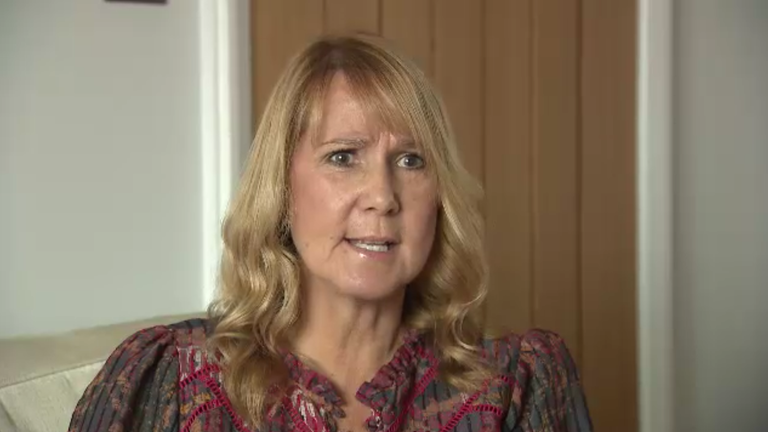
Jules Rose was Eljamel’s final patient in the UK before he was suspended in 2013
The former marathon runner, who brands Eljamel a “butcher”, is set to file a dossier with detectives in Dundee on Monday afternoon.
An excerpt of the complaint, seen by Sky News, states “the materials destroyed were capable of identifying witnesses, corroborating criminal conduct and testing the integrity of patient records”.
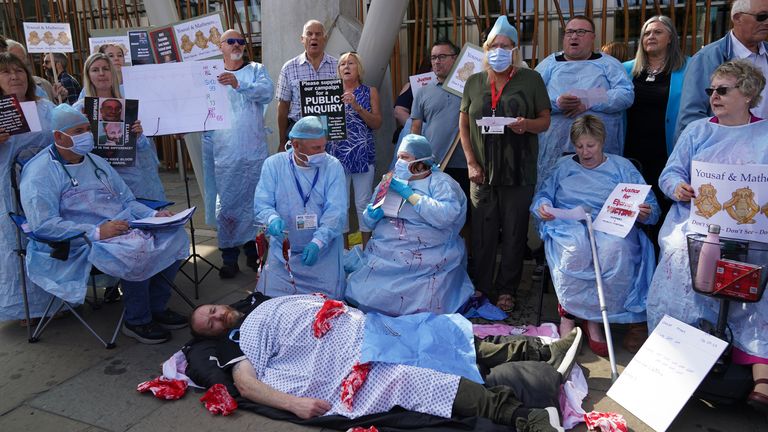
Protesters outside the Scottish Parliament in September 2023 demand a public inquiry. Pic: PA
The document suggests the shredding happened “shortly before Police Scotland sought access to these same records” as part of their ongoing investigation.
Read more from Sky News:
Shipyard delays delivery of ferry
Swinney condemns alleged bugging
Parents of sextortion victim sue Meta
NHS Tayside told Sky News the staff who destroyed the logbooks were “not aware of the connection” between Eljamel and the documents.
A spokeswoman confirmed the theatre information had been requested by police, who were later informed it had been shredded by mistake.
-
 Sports2 years ago
Story injured on diving stop, exits Red Sox game
-
 Sports3 years ago
‘Storybook stuff’: Inside the night Bryce Harper sent the Phillies to the World Series
-
 Sports2 years ago
Game 1 of WS least-watched in recorded history
-
 Sports3 years ago
Button battles heat exhaustion in NASCAR debut
-
 Sports3 years ago
MLB Rank 2023: Ranking baseball’s top 100 players
-
Sports4 years ago
Team Europe easily wins 4th straight Laver Cup
-
 Environment3 years ago
Japan and South Korea have a lot at stake in a free and open South China Sea
-
 Environment1 year ago
Here are the best electric bikes you can buy at every price level in October 2024