

Wyoming stablecoin may launch Q1 2025 —Governor Mark Gordon

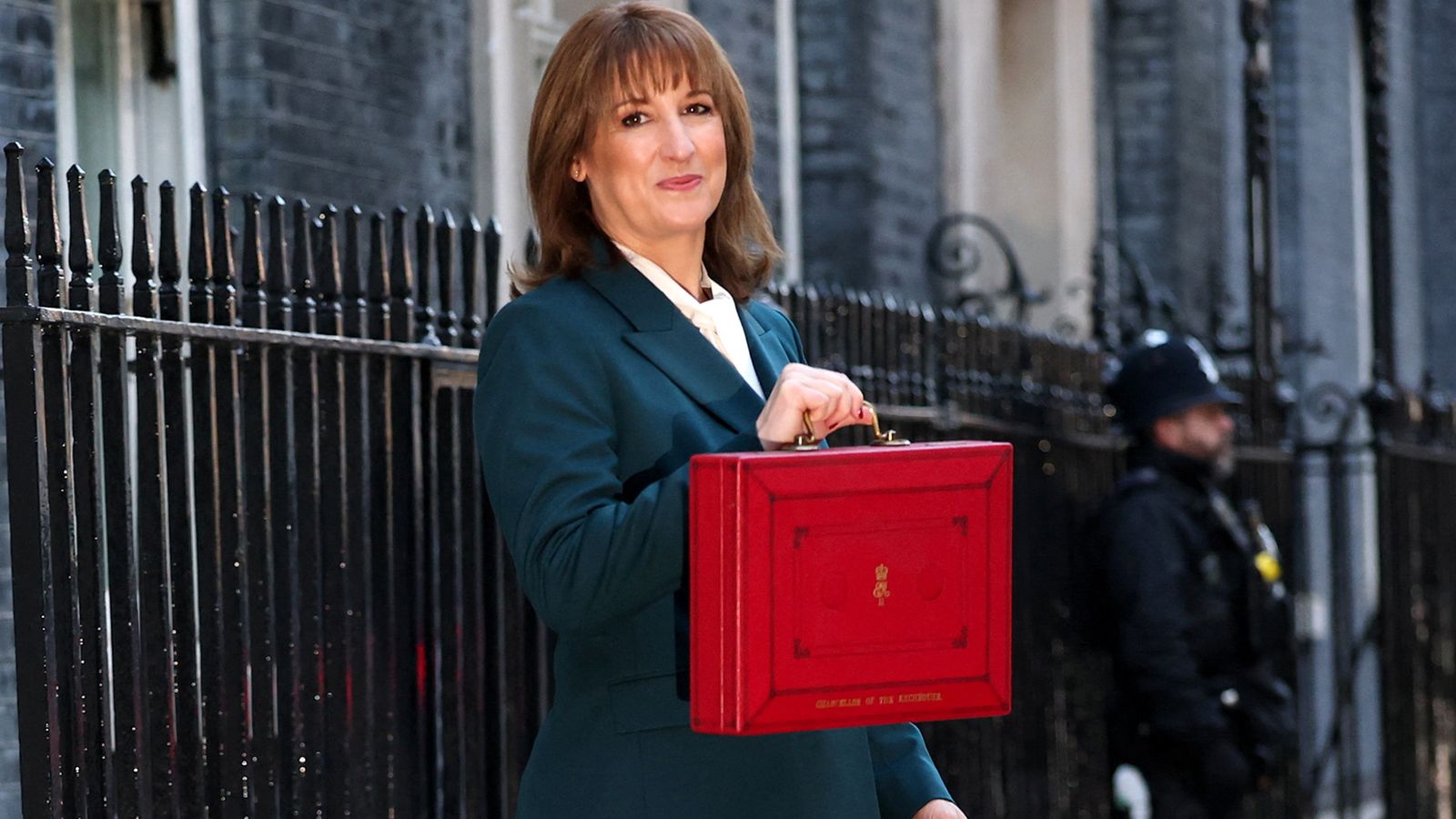
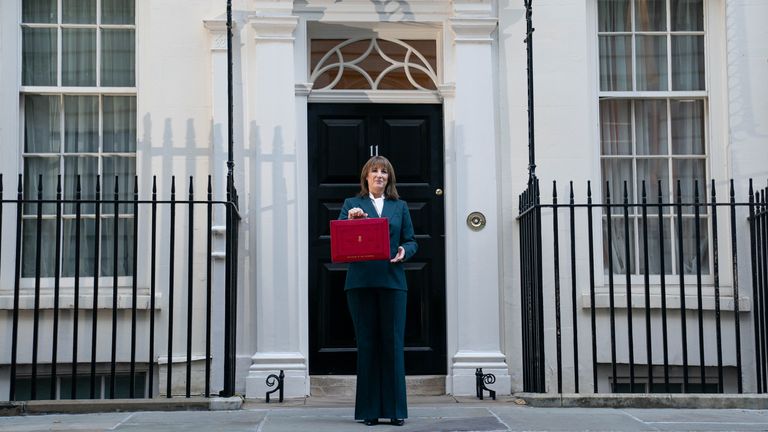
The chancellor’s spring budget will take place in March, the Treasury has announced.
Rachel Reeves will deliver the budget, known as the “spring forecast”, on 3 March 2026.
She has asked the independent budget watchdog, the Office for Budget Responsibility (OBR), to “prepare an economic and fiscal forecast” for publication on the same day.
The Treasury said the government has committed to delivering only one major fiscal event a year, at the autumn budget.
As a result, it said the spring forecast will “not make an assessment of the government’s performance against the fiscal mandate and will instead provide an interim update on the economy and public finances”.
However, the last spring statement saw the chancellor announce a series of welfare cuts, extra money for construction training and defence, and a crackdown on tax avoidance.
The 2026 spring statement is set to be another big political event, due to continuing concern over the state of the economy and the controversy in the build up to November’s budget, when Ms Reeves announced tax hikes.
Her extension to the freeze on tax thresholds last month prompted accusations of breaking Labour’s manifesto pledge not to raise taxes for working people.
She was also accused of not revealing the true state of the nation’s finances in the run-up to the budget after she repeatedly warned about a downgrade to the UK’s economic productivity forecasts.
On the day of the budget, it emerged the OBR told her in mid-September the public finances were in better shape than widely believed.
However, Ms Reeves denied misleading the public.
Read more:
Budget 2025 key points
Post-budget polling makes grim reading for Labour
She said she had been “upfront” about her decision-making, and the OBR figures were clear there had been “less fiscal space than there was”.
All eyes will also be on the OBR during the spring forecast, after it accidentally published details of Ms Reeves’ November budget nearly an hour before the chancellor stood up to deliver it.
The head of the OBR, Richard Hughes, quit over the early release. An investigation found it was due to “leadership failings” over security measures rather than a malicious cyberattack.


US President Donald Trump’s AI and crypto czar has signaled that the White House may have all the pieces in place for digital asset regulation following the confirmation of Michael Selig to chair the Commodity Futures Trading Commission.
In a Monday X post, David Sacks said the US was at a “critical juncture” for crypto regulation, and that Selig and Securities and Exchange Commission Chair Paul Atkins made up a “dream team to define clear regulatory guidelines.” Sacks’ comments were in response to Selig saying that the US Congress was preparing to complete work on a crypto market structure bill.
“We are at a unique moment as a wide range of novel technologies, products, and platforms are emerging, retail participation in the commodity markets is at an all-time high, and Congress is poised to send digital asset market structure legislation that will cement the US as the Crypto Capital of the World to the president’s desk,” said Selig on X.
The market structure bill, called the Responsible Financial Innovation Act in the Senate and building upon the CLARITY Act passed by the House of Representatives in July, is under consideration by the chamber but has been put on hold during the congressional break for the holiday season. The Senate Banking Committee is expected to hold a markup on the legislation in early January before a potential floor vote.
Related: Crypto CLARITY Act set for Senate markup in January, Sacks says
The Senate confirmed Selig last week in a 53 to 43 vote as part of a package of nominees. It’s unclear when he will take over for acting CFTC Chair Caroline Pham, who is expected to leave the commission and join crypto company MoonPay following Selig’s confirmation. Cointelegraph reached out to the CFTC and MoonPay for details on Pham’s departure but had not received a response at the time of publication.
What will the market structure bill mean for the SEC and CFTC?
Although the final text of the Senate’s market structure bill had yet to be finalized for a floor vote, drafts to date suggested that the legislation would give the CFTC more authority to regulate digital assets, a role that previously went through the SEC. Though some Republican leaders said they were moving forward with the bill, other senators have pushed back with concerns over DeFi, potentially slowing progress.
Magazine: When privacy and AML laws conflict: Crypto projects’ impossible choice


Ghana has legalized cryptocurrency trading by establishing a regulatory framework targeting the industry.
Ghana’s parliament has passed the Virtual Asset Service Providers Bill into law, Bank of Ghana (BoG) Governor Johnson Asiama said, according to a report on Sunday by the state-owned Daily Graphic news agency.
“Virtual asset trading is now legal, and no one will be arrested for engaging in cryptocurrency, but we now have a framework to manage the risks involved,” Asiama said on Friday at the BoG’s annual Nine Lessons, Carols and Thanksgiving Service.
The timing aligns with earlier central bank communications, as Asiama had previously indicated Ghana was targeting the introduction of crypto regulation by the end of 2025.
Ghana’s central bank gains supervisory powers
Under the legislation, the Bank of Ghana becomes the primary regulator for cryptocurrency activity, with powers to license and supervise crypto asset service providers (CASPs).
The law positions Ghana to better protect consumers from fraud, money laundering and systemic risks, while removing uncertainty over the legal status of cryptocurrency, Asiama said, adding:
“What this means is that now we have the framework to manage it and to manage the risks that can involve that kind of activity […] These are not just legal milestones; they are enablers of better policies, stronger supervision and more effective regulation.”
The governor also mentioned that the crypto law is intended to support innovation and expand Ghana’s financial inclusion, particularly among young people and tech-driven entrepreneurs.
Ghana ranks among Sub-Saharan Africa’s top five crypto economies
Ghana’s move to regulate cryptocurrency activity comes as the country emerges as a significant player in crypto adoption across the region.
According to Chainalysis’ 2025 Geography of Cryptocurrency Report, Ghana ranked among the top five Sub-Saharan African countries by total crypto value received between July 2024 and June 2025.
In the meantime, Nigeria continued to dominate the region, receiving at least $92 billion in crypto value over the period, or nearly three times the amount recorded by South Africa, the report showed.
Related: CAR’s crypto push fueled ‘state capture’ by elites, criminal networks: Report
The Sub-Saharan region received over $205 billion in on-chain value, up about 52% from the previous year. This growth makes it the third-fastest growing region in the world, just behind Asia-Pacific and Latin America, according to Chainalysis.
-
 Sports2 years ago
Story injured on diving stop, exits Red Sox game
-
 Sports3 years ago
‘Storybook stuff’: Inside the night Bryce Harper sent the Phillies to the World Series
-
 Sports2 years ago
Game 1 of WS least-watched in recorded history
-
 Sports3 years ago
Button battles heat exhaustion in NASCAR debut
-
 Sports3 years ago
MLB Rank 2023: Ranking baseball’s top 100 players
-
Sports4 years ago
Team Europe easily wins 4th straight Laver Cup
-
 Environment3 years ago
Japan and South Korea have a lot at stake in a free and open South China Sea
-
 Environment1 year ago
Here are the best electric bikes you can buy at every price level in October 2024