

Choke Point 2.0 is hurting Kamala Harris’ ‘crypto reset’


Hong Kong regulators will proceed with legislating licensing regimes for crypto dealers and custodians after wrapping up consultations, as part of a broader push to tighten oversight.
In a Wednesday announcement, the city’s Financial Services and the Treasury Bureau (FSTB) and the Securities and Futures Commission (SFC) said that they had concluded consultations on proposed licensing regimes, which would require firms providing crypto dealings or custody services in Hong Kong to obtain licenses once the framework takes effect.
The move adds to the city’s expanding crypto licensing framework. Earlier in 2025, Hong Kong brought its Stablecoin Ordinance into force, opening a new licensing regime for stablecoin issuers.
Hong Kong already requires crypto trading platforms to be licensed. The current mandatory regime builds on earlier opt-in framework introduced in 2020, with 11 companies having received approval from the SFC to date.
Related: Crypto may enter insurers’ portfolios as Hong Kong reviews capital rules
Hong Kong’s broader crypto initiatives
Hong Kong has long expressed its ambitions to develop into a crypto hub. The city already functions as a financial hub with its business-friendly tax regimes and its reputation as a finance gateway between mainland China and global capital markets.
Beyond crypto licensing rules, Hong Kong has also tested tokenization initiatives. In Thursday’s announcement, regulators added that the pending introduction of licensing regimes for crypto dealers and custodians is part of the city’s effort to establish a comprehensive regulatory framework for digital assets alongside stablecoins and tokenization.
Julia Leung, CEO of the SFC, said that the further development of Hong Kong’s crypto regulatory framework would help the city maintain its position in global digital asset market developments by “fostering a trusted, competitive and sustainable ecosystem.”
Related: Hong Kong launches CARF crypto tax consultation to combat evasion
New advisory and management consultation
The SFC also published a consultation paper on the same day, seeking public feedback on proposals to introduce licensing regimes for crypto advisory service providers and management service providers.
The consultation links the proposed regimes to Hong Kong’s existing Anti‑Mone‑Laundering (AML) framework and Counter‑Terrorist Financing Ordinance, and sets out how advisory and management activities involving digital assets will be brought within the regulatory framework.
It also invites comments on matters such as licensing scope, regulatory powers, sanctions and appeal arrangements, which will be taken into account in finalizing the proposals.
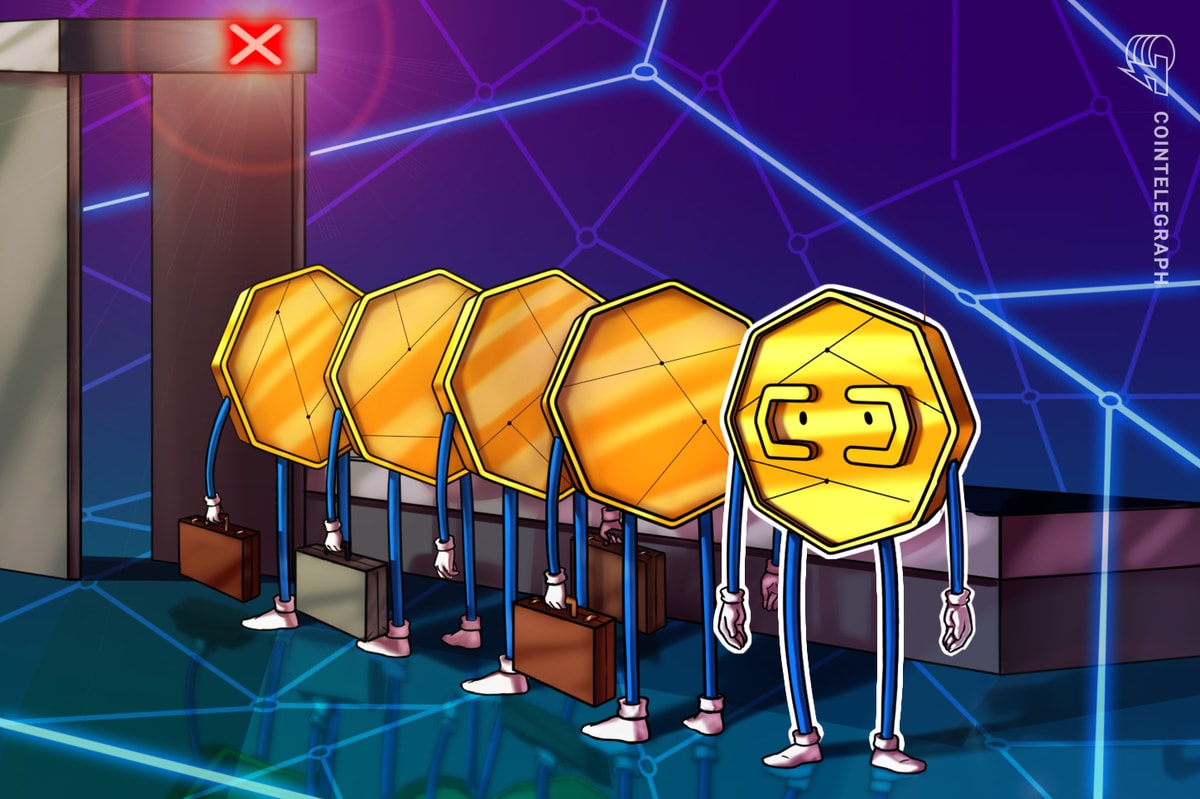

Internet service providers (ISPs) in the Philippines began blocking major crypto trading platforms as regulators moved to enforce local licensing rules on crypto service providers.
Users reported that as of Tuesday, access to global cryptocurrency exchanges Coinbase and Gemini was unavailable in the Philippines. Cointelegraph independently confirmed that both platforms were inaccessible across multiple local ISPs.
A report by the Manila Bulletin said the ISP blocks followed an order from the National Telecommunications Commission, which directed providers to restrict access to 50 online trading platforms flagged by the Bangko Sentral ng Pilipinas (BSP), the central bank, as operating without authorization.
The central bank did not publish a full list of the platforms hit by the order. However, the change signals an ongoing shift by local regulators from informal tolerance to enforcement, making local licensing the deciding factor for crypto market access in the Philippines.
Coinbase, Gemini join Binance in Philippines access block
While the Philippines has only recently blocked Coinbase and Gemini, the country has made enforcement moves against unlicensed crypto exchanges in the past.
In December 2023, the country started a 90-day countdown, giving Binance time to comply with local regulations before enforcing a ban on the crypto trading platform.
The Philippines Securities and Exchange Commission (SEC) said the period was meant to allow Filipinos to remove their funds from the exchange.
On March 25, 2024, the NTC ordered local ISPs to block Binance. Nearly a month later, the SEC ordered Apple and Google to block the exchange’s application from their stores.
After the ban was enforced, the Philippines SEC said it could not endorse ways for Filipinos to retrieve their funds.
More recently, the SEC identified 10 exchanges, including OKX, Bybit and KuCoin, operating without licenses.
Related: Grab deepens stablecoin push with StraitsX Web3 wallet and settlements
Regulated players roll out crypto products
While the country cracks down on unregulated platforms, compliant companies have been rolling out crypto-related infrastructure in the country.
On Nov. 19, regulated crypto exchange PDAX partnered with payroll provider Toku to let remote workers receive their salaries in stablecoins. This allows workers to convert earnings to pesos without wire fees or delays.
On Dec. 8, digital bank GoTyme rolled out crypto services in the Philippines following a partnership with US fintech firm Alpaca. With the rollout, 11 crypto assets can be bought and stored through the platform’s banking application.
Magazine: Sei wallets in Xiaomi, Bhutan’s gold on Solana: Asia Express
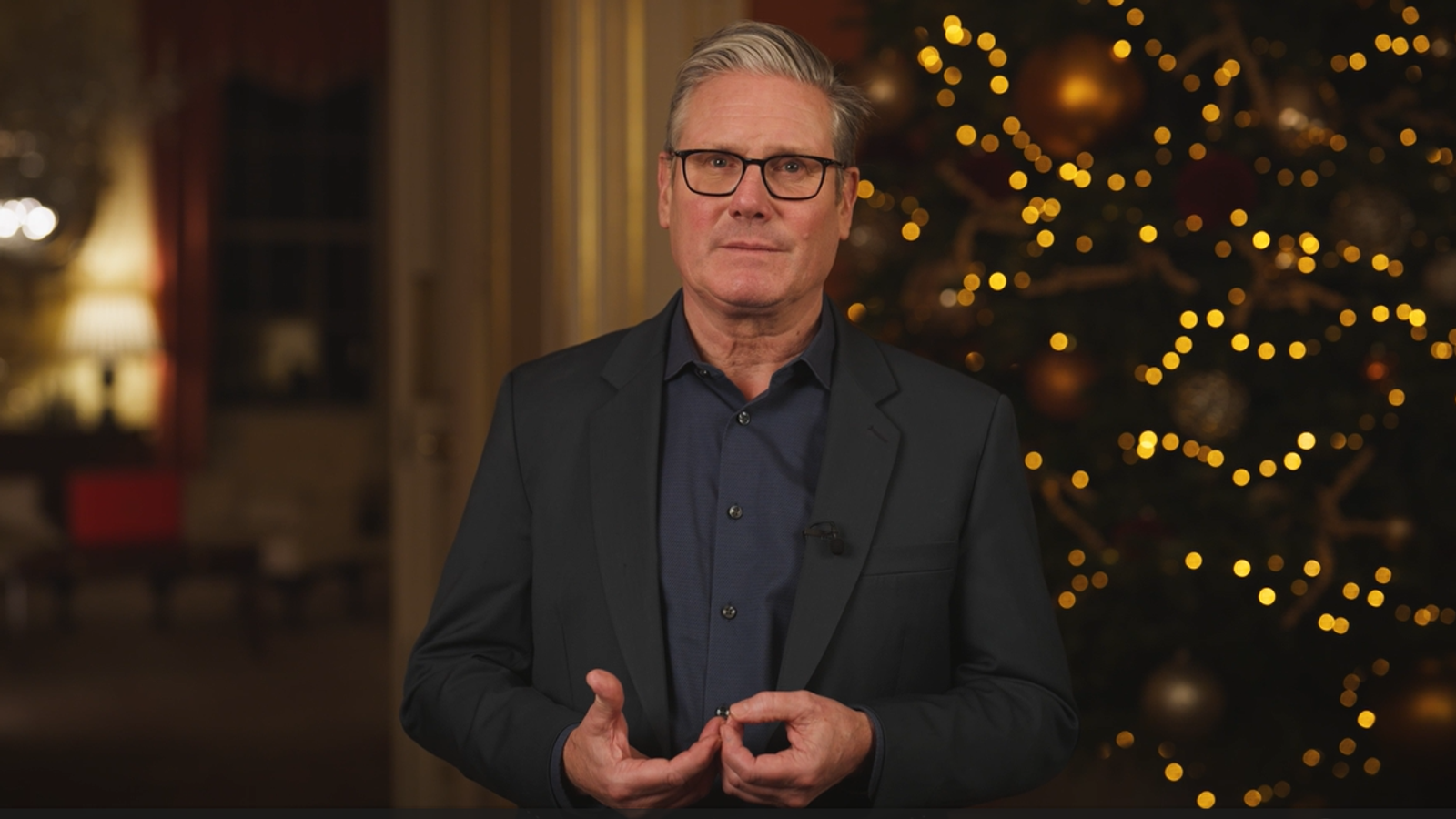
The prime minister has acknowledged Britons’ cost-of-living struggles in his Christmas message – and vowed that helping with the issue is his “priority”.
Sir Keir Starmer also urged members of the public to “each do our bit” and “reach out” to friends, relatives and neighbours during the festive period.
His message comes at the end of a difficult year for his government, with economic growth stuttering and Chancellor Rachel Reeves facing criticism over tax rises in the budget.
In a message recorded inside 10 Downing Street, Sir Keir said: “I know many across Britain are still struggling with the cost of living. Helping with that is my priority.
“But at this time of the year, which celebrates love and abundance, loss or hardship can feel even more acute.
“So call around to a neighbour. Check in on a friend or a relative who you haven’t heard from for a while. Reach out. It can make a huge difference.
“That is what Christmas is about.”
Sir Keir Starmer delivers his Christmas message from inside Downing Street. Pic: Downing Street
The prime minister thanked NHS workers along with members of the military and the emergency services who will be on duty on Christmas Day.
“Just as so many put their feet up, some truly special people will be pulling on their uniforms and heading out to work,” he said.
“Our NHS staff emergency services and the brave men and women of our armed forces, all playing their part, doing their bit to care for the nation and to keep us safe.
“Many volunteers will be out there as well. Serving food. Reaching out to help those lonely or in need.
“So on behalf of the whole country, I want to say a big thank you.
“As a nation, we should raise a glass to you this Christmas. But more than that, we should each do our bit as well.”
Read more from Sky News:
How does your Christmas compare to rest of UK? Take our quiz
The famous faces we said goodbye to this year
Conservative leader Kemi Badenoch used her Christmas message to talk about “Christian values” and thanked “everyone who has supported me during my first year as leader of the opposition”.
“It’s been the biggest challenge of my life,” she said. “But it’s also been a wonderful year. I can’t wait to get back to work next year to create a better United Kingdom.”
Liberal Democrat leader Sir Ed Davey spoke about the Christmas tree in London’s Trafalgar Square – an annual gift from Norway to thank the UK for its support during the Second World War – in his message.
While saying the tree may “look a little underwhelming” on first glance, the Liberal Democrat leader said it was a reminder of “friendship and loyalty”.
He added: “It makes me think about people standing together in tough times – whether against the Nazis in the 1940s, or right now in Ukraine.
“And yeah, it might not be perfect, but this tree in Trafalgar Square makes me think about families and friends looking out for one another right here at home.
“I can’t think of a better symbol of the Christmas spirit of generosity, love and hope. Of light in the darkness.”
-
 Sports2 years ago
Story injured on diving stop, exits Red Sox game
-
 Sports3 years ago
‘Storybook stuff’: Inside the night Bryce Harper sent the Phillies to the World Series
-
 Sports2 years ago
Game 1 of WS least-watched in recorded history
-
 Sports3 years ago
Button battles heat exhaustion in NASCAR debut
-
 Sports3 years ago
MLB Rank 2023: Ranking baseball’s top 100 players
-
Sports4 years ago
Team Europe easily wins 4th straight Laver Cup
-
 Environment3 years ago
Japan and South Korea have a lot at stake in a free and open South China Sea
-
 Environment1 year ago
Here are the best electric bikes you can buy at every price level in October 2024