
Will the Padres or Dodgers advance? Predictions and everything you need for NLDS Game 5


Would you want it any other way? After four heated National League Division Series showdowns, the San Diego Padres and Los Angeles Dodgers will meet in a win-or-go-home Game 5 at Dodger Stadium on Friday night.
Which side will get the last laugh in the intense NL West rivalry? What will decide the finale? And what drama will emerge this time around in Los Angeles?
We have you covered with pregame predictions, live updates and analysis, followed by our takeaways after the final pitch.


San Diego Padres at Los Angeles Dodgers, 8:08 p.m.
Pitching matchup: Yoshinobu Yamamoto (7-2, 3.00 ERA vs. Yu Darvish (7-3, 3.31 ERA)
What is the key to Game 5 for the Padres?
Bradford Doolittle: The Padres have to guard against getting too big in their collective approach at the plate. What made San Diego’s offense so dynamic during the season was its ability to score in different ways. Against the Dodgers, 62% of the Padres’ runs have come on long balls. That’s fine when the ball is leaving the yard, and the Padres have won two games this series in that fashion. But it has been a well-balanced attack that has gotten the Padres this far, and if the game stays close and low scoring, they need to remember who they are and not swing from the heels on every cut.
Alden Gonzalez: Luis Arráez getting going offensively. He is their leadoff hitter and in many ways a tone-setter for their offense, but he has struggled through the first four games of this series, with three hits in 18 at-bats. Given how hot Fernando Tatis Jr. has been behind him, and the presence of Manny Machado two batters later, Arráez reaching base multiple times could play a major role in reigniting the lineup after it was shut out in Game 4. The Padres scoring early runs and taking the Dodger Stadium crowd out of it will be critical to capturing a Game 5 win in a hostile environment. Arráez, perhaps more so than anybody else, holds those keys.
David Schoenfield: Yu Darvish getting the game to the bullpen with the lead. He did that in Game 2 when he allowed just one run in seven innings, a performance that led manager Mike Shildt to make the questionable decision to start Dylan Cease on short rest in Game 4 — because he wanted Darvish to start Game 5. Dodgers fans undoubtedly remember Darvish’s two poor performances in the 2017 World Series — when the Astros, of course, might have been stealing signs, although his Game 7 outing came at Dodger Stadium — but Darvish has actually been pretty good in the postseason since then (2.56 ERA in six starts with three of those going seven innings). He succeeded in Game 2 despite inducing only seven swings and misses, so Shildt will want to see if Darvish is missing bats early. If not, it might be wise to go to his bullpen sooner rather than later.
What is the key to Game 5 for the Dodgers?
Gonzalez: We don’t know how much Yoshinobu Yamamoto will be used, but Dodgers manager Dave Roberts said he will be “part of” Game 5, either to open or to come in later. Yamamoto made his Dodgers debut against the Padres and was charged with five runs in one inning. He then made his postseason debut against them and was charged with five runs in three innings in Game 1, during which the Dodgers believe he was tipping pitches. Simply put: The highest-paid pitcher in baseball history needs to be better.
Doolittle: With the Dodgers’ pitching plan a little murky, it’s imperative that they keep the score close early. It seems that when things have gone south for the Dodgers in decisive playoff games, often it has been because one pitcher falters early. They’ll be watching a reminder of that history in Game 5 with Darvish on the mound for San Diego. The Dodgers can’t get down early because as much as their offense is capable of coming from behind, you don’t want to be playing catch-up into the middle innings against this San Diego bullpen.
Schoenfield: I’m not going to get too cute here: Shohei Ohtani. Especially if Freddie Freeman is unable to go again, the Dodgers need Ohtani to deposit a pitch — or two — into the outfield seats.
This series has been full of drama. Predict the one thing we’ll all be talking about after the finale:
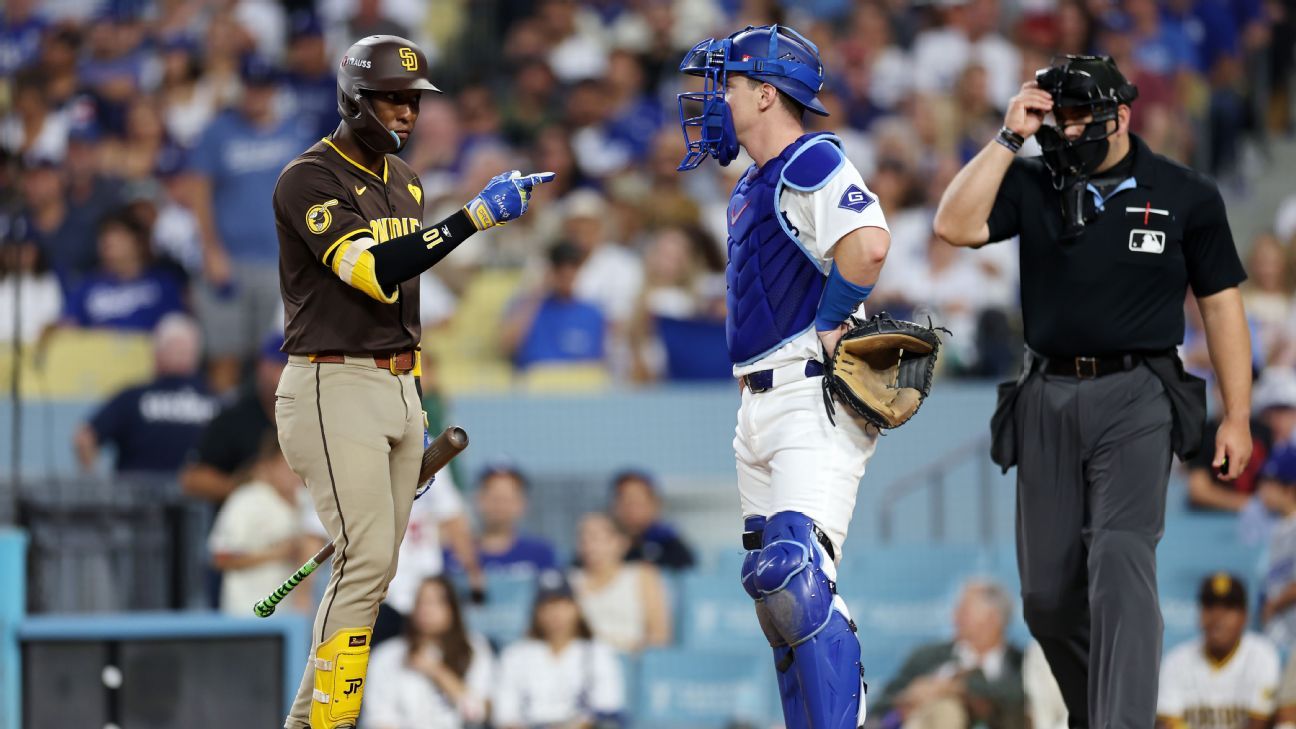
Doolittle: That testy moment in Game 5. I don’t know when it will happen and whether Machado really did anything to contribute to it, but it’s coming. It’s a great rivalry and hypnotic to watch two teams go at it with such genuine disdain. Let’s just keep the fans out of it this time.
Gonzalez: That Major League Baseball should reseed in the playoffs, making this a best-of-seven series and the winner, whether it’s the Dodgers or the Padres, suddenly the favorite to win it all. These are the two best teams remaining, even if the Padres don’t have Joe Musgrove and the Dodgers are continually uncertain about Freeman.
Schoenfield: Freeman coming off the bench to deliver a crucial pinch-hit, two-run single.
And finally, which team will move on to face the Mets in the NL Championship Series?
Doolittle: Going back to a month before the regular season ended, I was telling people that it was really hard to look at how these teams match up right now and come up with a good reason to pick the Dodgers to beat the Padres. I’m sticking with that. Darvish was excellent in his first appearance, the Padres’ bullpen is deep and dynamic, and I fully expect Machado and Tatis to feast on one or two high-leverage moments in this game.
Schoenfield: Oddly, despite the Dodgers winning the division, it now feels like all the pressure is on the Padres — especially given their, shall we say, bravado on display in Game 2. The Padres weren’t able to channel that into a series-clinching win in Game 4, however, and now they need their bats to talk. The Dodgers, meanwhile, have been expected to move on in recent years only to collapse. But this team has Ohtani. The Dodgers move on.
Live updates
Tune in at game time for live updates and analysis of Game 5.

-
Andrea Adelson
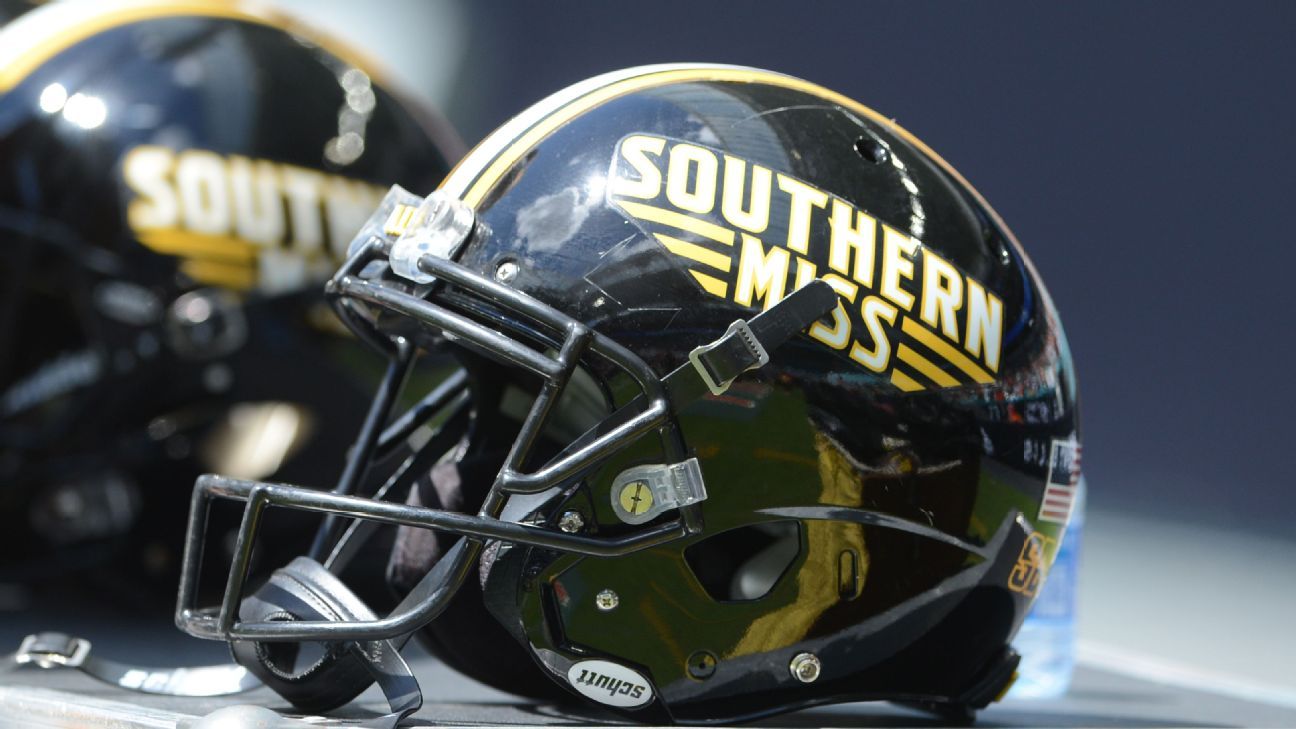
Southern Miss promoted offensive coordinator Blake Anderson to head coach on Thursday to replace Charles Huff, who recently left for Memphis.
The school had previously announced Anderson as interim coach three days earlier after Huff took the Memphis job.
Anderson, who previously was head coach at Utah State and Arkansas State, served this past season at Southern Miss as offensive coordinator, and his passing offense ranked first in the Sun Belt.
In 10 seasons as a Division I head coach, Anderson is 75-54, including nine bowl games and three conference titles.
In a statement, athletic director Jeremy McClain pointed to the success Anderson had as a head coach at his previous stops as one key factor.
“Blake is an exceptional leader, a great communicator, and has the respect of the players and the staff throughout the Duff Center,” McClain said. “We look forward to supporting him at the highest level and continuing the positive momentum for our program.”
-
 Sports2 years ago
Story injured on diving stop, exits Red Sox game
-
 Sports3 years ago
‘Storybook stuff’: Inside the night Bryce Harper sent the Phillies to the World Series
-
 Sports2 years ago
Game 1 of WS least-watched in recorded history
-
 Sports3 years ago
Button battles heat exhaustion in NASCAR debut
-
 Sports3 years ago
MLB Rank 2023: Ranking baseball’s top 100 players
-
Sports4 years ago
Team Europe easily wins 4th straight Laver Cup
-
 Environment3 years ago
Japan and South Korea have a lot at stake in a free and open South China Sea
-
 Environment1 year ago
Here are the best electric bikes you can buy at every price level in October 2024