

William Wragg: Ex-Tory MP feels ‘enormous guilt’ over Westminster honeytrap scandal

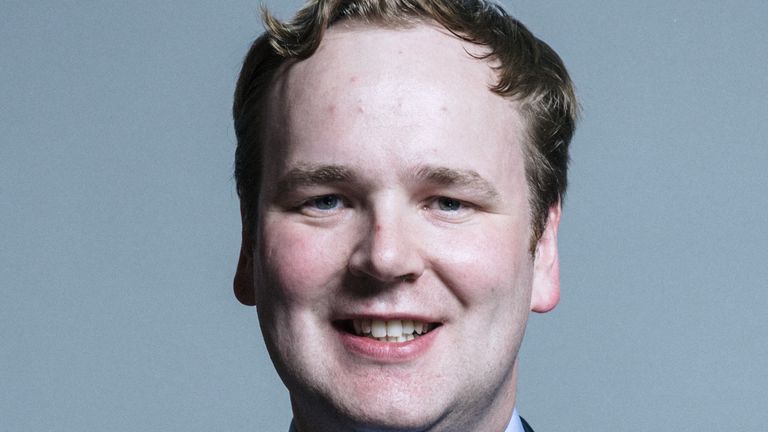
A former Conservative MP has said he felt “enormous guilt” when he found out he was the victim of a Westminster honeytrap scandal.
William Wragg resigned from the parliamentary party in April after he admitted giving out fellow politicians’ phone numbers to the suspected perpetrator of the sexting scam.
He said he felt threatened and pressured by the “catfish” after exchanging explicit photos with them.
Mr Wragg divulged the numbers to what he thought was a real person on a dating app, amid fears that the intimate images of himself would be leaked.
The former Tory party whip said he first saw news articles about the scandal when he was on a train.
The 36-year-old told the BBC: “My stomach just dropped.
“When I found out some of the things that had been going on, I just felt enormous guilt, enormous remorse.”
After the former Hazel Grove MP handed over the personal information, the catfish told Mr Wragg to vouch for their identity with their next potential victims, with the catfish telling their fresh targets they were a former researcher for Mr Wragg.
Mr Wragg agreed and this is what he feels “the most regret for” as it was “deceitful”.
Pic: PA
Panic attacks
After he was allegedly blackmailed, Mr Wragg started having panic attacks, with instances of yelling, crying, and swearing shocking his sleeping flatmates.
Police are investigating the scandal with at least 12 men with links to Westminster believed to have received unsolicited messages from the aliases “Charlie” and “Abi”.
The fake accounts were allegedly part of the scam to get MPs and other people in politics to send explicit images and other private or sensitive information.
Unlike others who were approached by the catfish accounts, Mr Wragg approached “Charlie” himself after spotting the profile on gay dating app Grindr.
And he thought the account was a real person before exchanging explicit photos with the catfish.
Suicidal thoughts
When the scandal broke, the humiliation and shame became too much for Mr Wragg.
He recounted photographers and the media camped outside his parents’ house, which is where he went to as he began to have suicidal thoughts.
Shortly after receiving medical attention, he returned to Westminster to resign as Conservative whip and from his posts on two parliamentary committees.
He had already announced he would not run in the next general election.

Keep up with all the latest news from the UK and around the world by following Sky News
Man detained
In June, a member of the Labour Party aged in his mid-20s was apprehended in Islington, north London, on suspicion of harassment and offences under the Online Safety Act.
He has since been released on bail.
Anyone feeling emotionally distressed or suicidal can call Samaritans for help on 116 123 or email jo@samaritans.org in the UK.

A growing rift has emerged in Washington, D.C., between the cryptocurrency industry and labor unions as lawmakers debate whether to ease rules allowing cryptocurrencies in 401(k) retirement accounts.
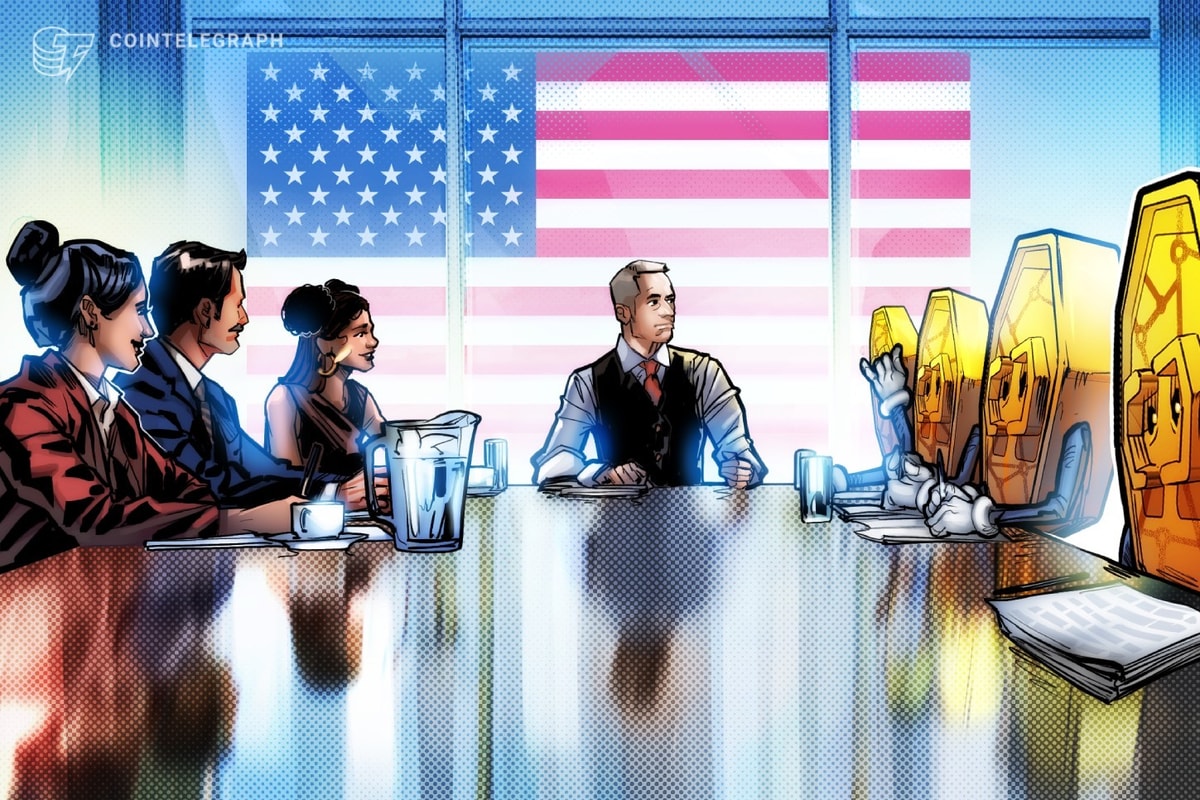
The dispute centers on proposed market structure legislation that would allow retirement accounts to gain exposure to crypto, a move labor groups say could expose workers to speculative risk. In a letter sent on Wednesday to the US Senate Banking Committee, the American Federation of Teachers argued that cryptocurrencies are too volatile for pension and retirement savings, warning that workers could face significant losses.
The letter drew immediate pushback from crypto investors and industry figures. “The American Federation of Teachers has somehow developed the most logically incoherent, least educated take one could possibly author on the matter of crypto market structure regulation,” a crypto investor said on X.

In response to the letter, Castle Island Ventures partner Sean Judge said the bill would improve oversight and reduce systemic risk, while enabling pension funds to access an asset class that has delivered strong long-term returns.
Consensys attorney Bill Hughes said the AFT’s opposition to the crypto market structure bill was politically motivated, accusing the group of acting as an extension of Democratic lawmakers.

Related: Atkins says SEC has ‘enough authority’ to drive crypto rules forward in 2026
Opposition to crypto in retirement and pension funds mounts
Proponents of allowing crypto in retirement portfolios, on the other hand, argue that it democratizes finance, while trade unions have voiced strong opposition to relaxing current regulations, claiming that crypto is too risky for traditional retirement plans.
“Unregulated, risky currencies and investments are not where we should put pensions and retirement savings. The wild, wild west is not what we need, whether it’s crypto, AI, or social media,” AFT president Randi Weingarten said on Thursday.
The AFT represents 1.8 million teachers and educational professionals in the US and is one of the largest teachers’ unions in the country.
According to Better Markets, a nonprofit and nonpartisan advocacy organization, cryptocurrencies are too volatile for traditional retirement portfolios, and their high volatility can create time-horizon mismatches for pension investors seeking a predictable, low-volatility retirement plan.

In October, the American Federation of Labor and Congress of Industrial Organizations (AFL-CIO) also wrote to Congress opposing provisions within the crypto market structure regulatory bill.
The AFL-CIO, the largest federation of trade unions in the US, wrote that cryptocurrencies are volatile and pose a systemic risk to pension funds and the broader financial system.
Magazine: 13 Christmas gifts that Bitcoin and crypto degens will love

-
 Sports2 years ago
Story injured on diving stop, exits Red Sox game
-
 Sports3 years ago
‘Storybook stuff’: Inside the night Bryce Harper sent the Phillies to the World Series
-
 Sports2 years ago
Game 1 of WS least-watched in recorded history
-
 Sports3 years ago
Button battles heat exhaustion in NASCAR debut
-
 Sports3 years ago
MLB Rank 2023: Ranking baseball’s top 100 players
-
Sports4 years ago
Team Europe easily wins 4th straight Laver Cup
-
 Environment3 years ago
Japan and South Korea have a lot at stake in a free and open South China Sea
-
 Environment1 year ago
Here are the best electric bikes you can buy at every price level in October 2024