
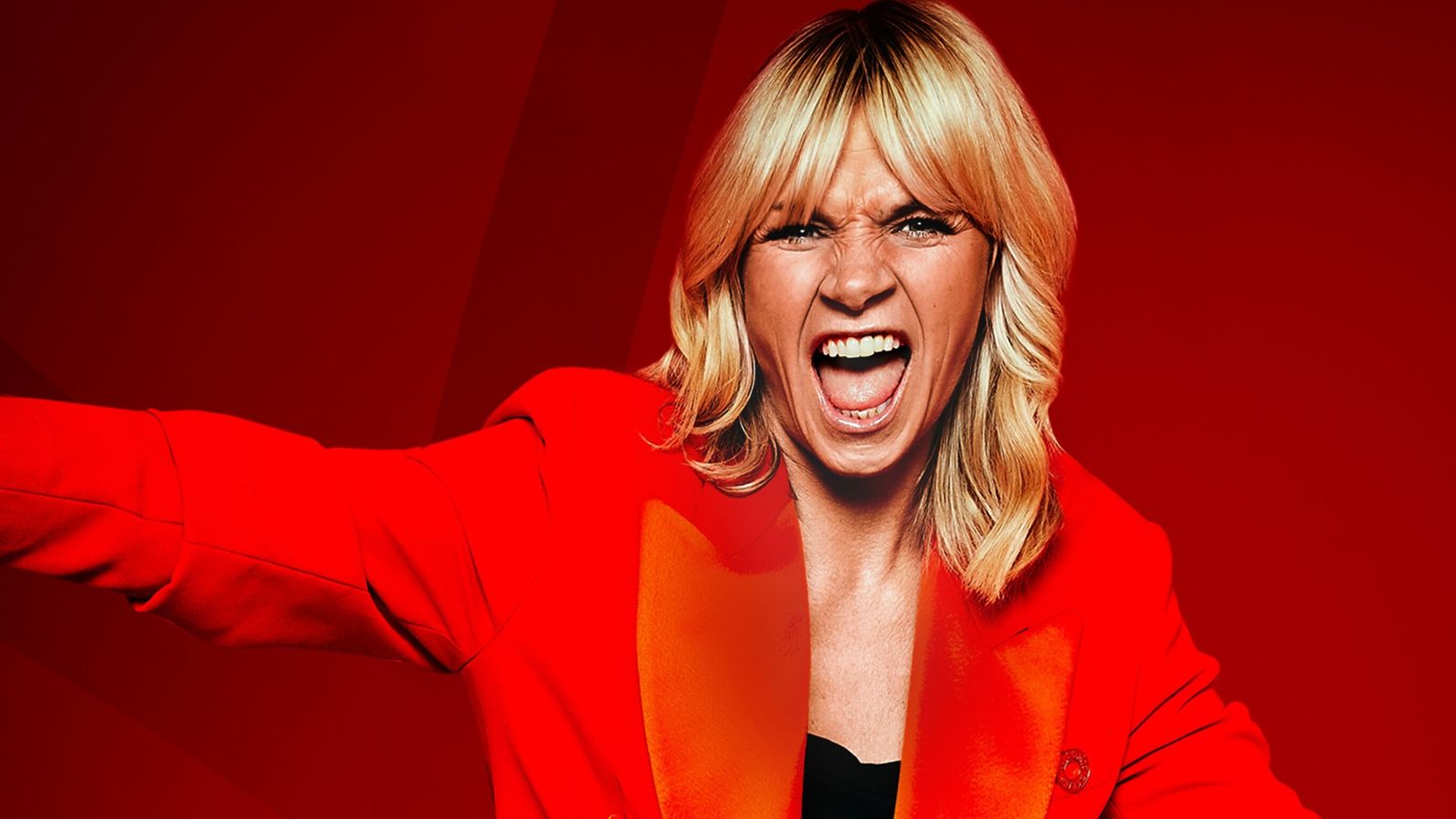
Zoe Ball to leave her BBC Radio 2 breakfast show – and will be replaced by Scott Mills

Zoe Ball is leaving her BBC Radio 2 breakfast show after six years.
The 53-year-old, who recently lost her mother to cancer, will present her last show on Friday, 20 December.
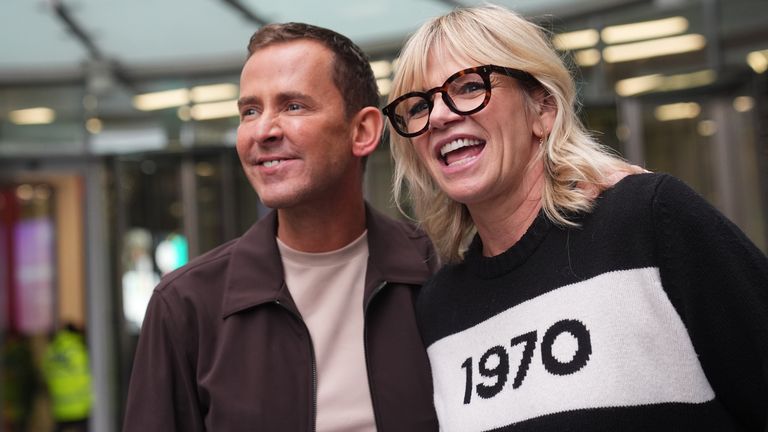
Ball leaves Wogan House with her replacement, Scott Mills. Pic: PA
She said she was leaving to focus on family, but will remain part of the Radio 2 team and will give further details next year.
Announcing the news on her Tuesday show, she said: “After six years of fun times alongside you all on the breakfast show, I’ve decided it’s time to step away from the early alarm call and start a new chapter.
“You know I think the world of you all, listeners, and it truly has been such a privilege to share the mornings with you, to go through life’s little ups and downs, we got through the lockdown together, didn’t we?
“We’ve shared a hell of a lot, the good times, the tough times, there’s been a lot of laughter. And I am going to miss you cats.”
Scott Mills will replace Ball on the breakfast show following her departure next month.
“Zoe and I have been such good friends now for over 25 years and have spent much of that time as part of the same radio family here at Radio 2 and also on Radio 1,” he said.
“She’s done an incredible job on this show over the past six years, and I am beyond excited to be handed the baton.”
Hugging outside the BBC building on the day of the announcement, Ball said she was “really chuffed for my mate and really excited about it”.
Ball was the first female host of both the BBC Radio 1 and Radio 2 breakfast shows, starting at the Radio 1 breakfast show in 1998, and taking over her current Radio 2 role from Chris Evans in 2020 after he left the show.
She took a break from hosting her show over the summer, returning in September.
Ahead of her stint in radio, Ball – who is the daughter of children’s presenter Johnny Ball – co-hosted the BBC’s Saturday morning children’s magazine show Live & Kicking alongside Jamie Theakston for three years from 1996.
She has two children, Woody and Nelly, with her ex-husband, DJ and musician Norman Cook, known professionally as Fatboy Slim.
Ball said in her announcement her last show towards the end of December will be “just in time for Christmas with plenty of fun and shenanigans”.
“While I’m stepping away from the Breakfast Show, I’m not disappearing entirely – I’ll still be a part of the Radio 2 family, with more news in the New Year,” she added.
“I’m excited to embrace my next chapter, including being a mum in the mornings, and I can’t wait to tune in on the school run!”
Helen Thomas, head of Radio 2, said: “Zoe has woken up the nation on Radio 2 with incredible warmth, wit and so much joy since January 2019, and I’d like to thank her for approaching each show with as much vim and vigour as if it were her first. I’m thrilled that she’ll remain an important part of the Radio 2 family.”
Mills, 51, got his first presenting role aged just 16 for a local station in Hampshire, and went on to present in Bristol and Manchester, before joining BBC Radio 1 in 1998.
He’s previously worked as a cover presenter on Radio 2, but this is his first permanent role on the station.
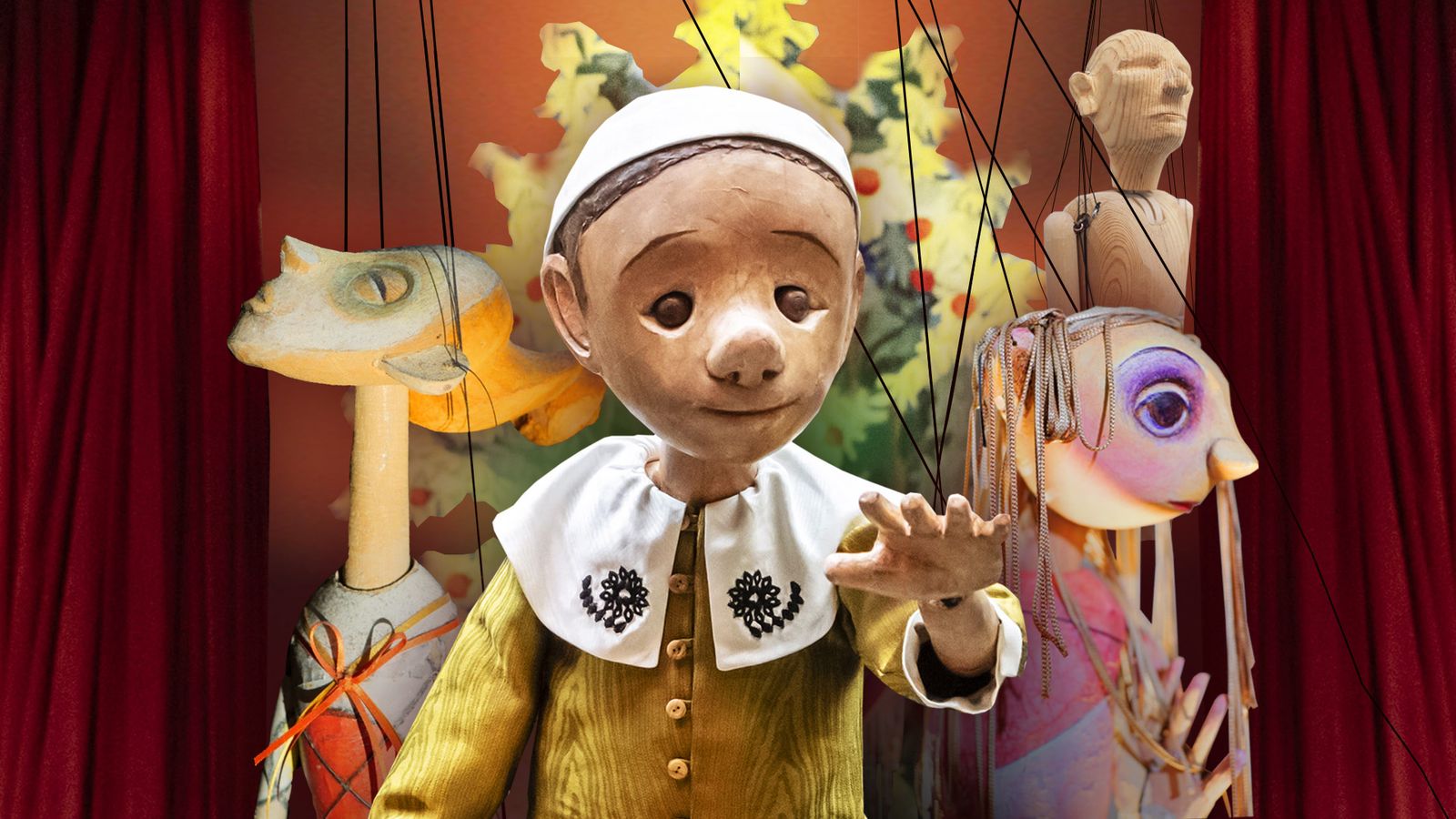
Puppetry has enjoyed a renaissance in recent years.
With the ability to tell political and philosophical stories, fairy tales and musical adventures, all with equal flair, puppeteers bringing the inanimate to life on stage is back in vogue.
A staple of the festive season, the year-round resurgence has been invigorated by hit West End shows including War Horse, The Life Of Pi, The Lion King and My Neighbour Totoro, boosting a craft that has been traced back as far as the ancient Greeks.
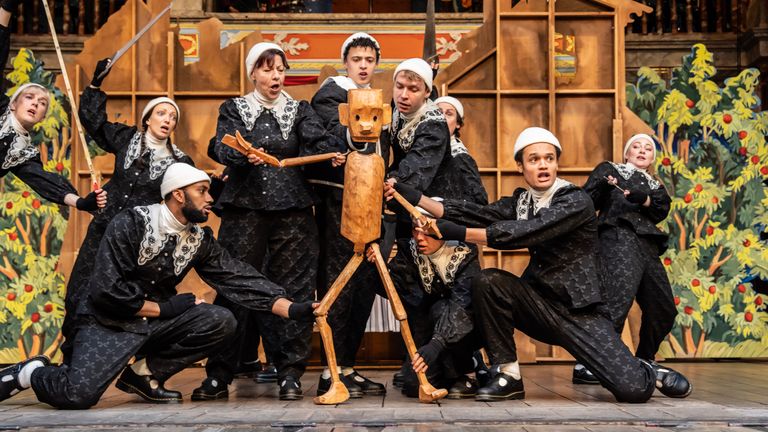
Pinocchio is this year’s Christmas show at Shakespeare’s Globe. Pic: Johan Persson
This year, puppets are centre stage at Shakespeare’s Globe, with Pinocchio their leading man.
The tale of a wooden puppet who dreams of becoming a real boy, Globe associate director Sean Holmes tells Sky News: “It seemed to fit, a boy made of wood in a theatre made of wood.
“There’s something about the kind of challenge of that storytelling, the theatricality, the magic, the puppetry, that really drew us to it.”
The performers – made up of actors and puppeteers – spent 18 months workshopping the show ahead of opening night, perfecting the challenge of skilled puppetry, acting and singing all on an open-air stage. It’s no mean feat.
The show features a range of puppets, including rod, table-top, and large-scale creations that fill the stage and marionettes – small puppets with big impact.
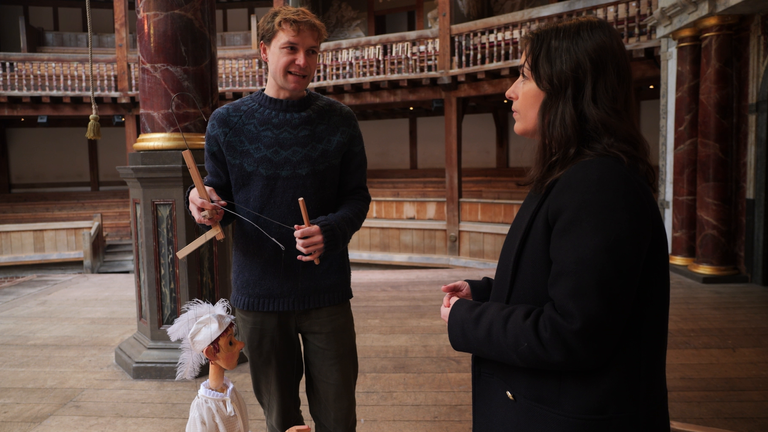
Puppeteer Stan Middleton is a marionette specialist. Pic: Patrick Hutton
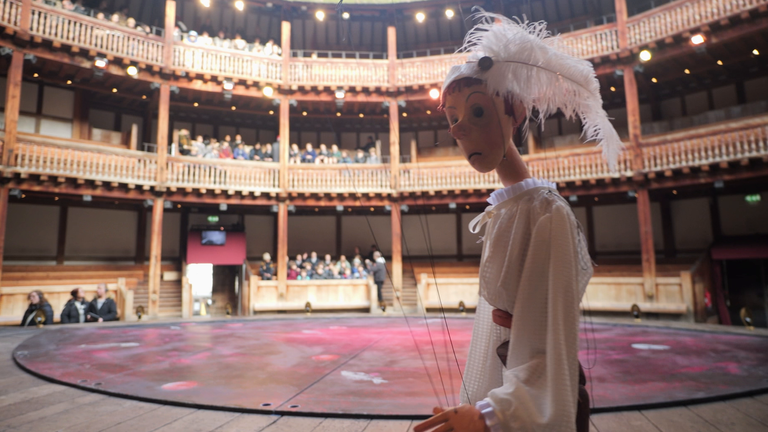
Romeo the marionette on the Globe stage. Pic: Patrick Hutton
One of the show’s puppeteers, Stan Middleton, a marionette specialist, operates a marionette Romeo puppet in part of the performance.
He tells Sky News: “I think a lot of people are scared of marionettes because they think, ‘Oh no, they’re too difficult, we can’t do them’.”
He goes on: “It’s so nice to have the marionette moment in this show, because it gives people a chance to see how beautiful they are and how enchanting…
“They’ve got a sort of delicate charm and a sort of like inner silence which I think really captivates people.”
Despite their charms, the intricate skills required to both craft and manipulate long-string marionettes mean they are under threat.
While some puppets – including War Horse-style rod and Totoro-style body ones – are enjoying success on the stage, marionettes are critically endangered.
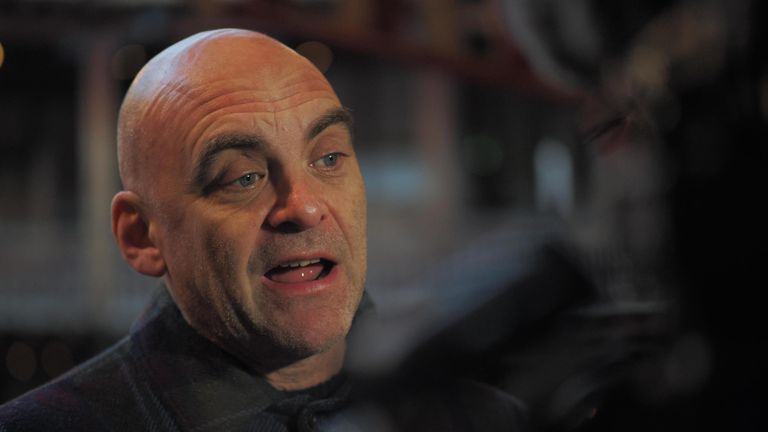
Globe associate director Sean Holmes. Pic: Patrick Hutton
Unlike dance or circus, puppetry is not recognised in its own right by Arts Council England and is instead grouped with theatre.
It means specialist puppet venues are competing for funding in the highly saturated market of theatre companies producing for children and families, with no special recognition of their craft.
Marionette-making was added to Heritage Crafts’ Red List of Endangered Crafts in 2023.
There are now calls for it to be added to the UNESCO Intangible Cultural Heritage (ICH) list too, after the UK officially joined earlier this year.
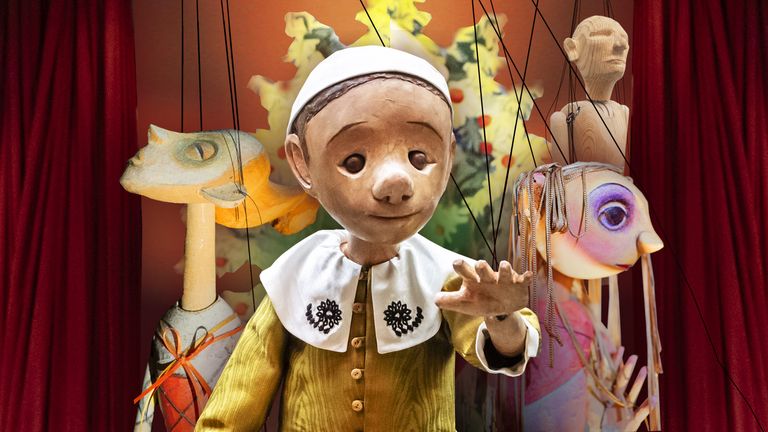
Puppets are big business, but as some types thrive, others are at risk of disappearing completely. Pic: Johan Persson/Patrick Hutton
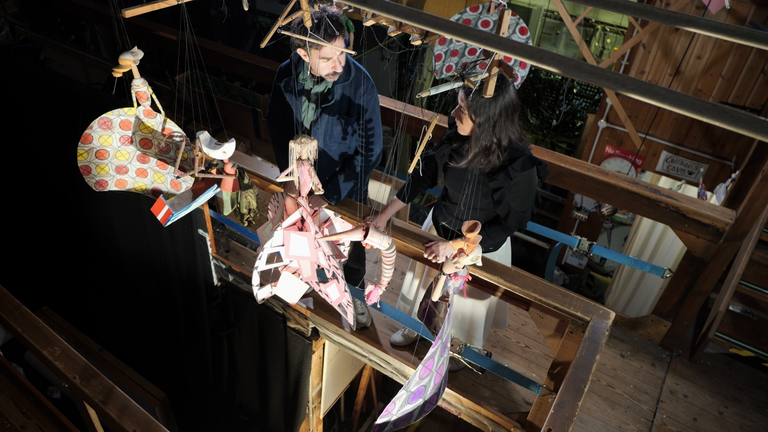
Little Angel is one of the few UK theatres to have a marionette bridge. Pic: Patrick Hutton
Little Angel Theatre, a hub for British puppetry for over six decades, is one of a handful of UK spaces where puppeteers can perform with long-string marionettes.
Boasting not one but two marionette bridges, puppeteers can walk 360 degrees all the way around the upper part of the stage, working their marionettes from a hidden vantage point above.
Trained by some of the last remaining UK makers, including Little Angel co-founder Lyndie Wright, Little Angel Associate director Oliver Hymans is a central figure in the effort to save the craft.
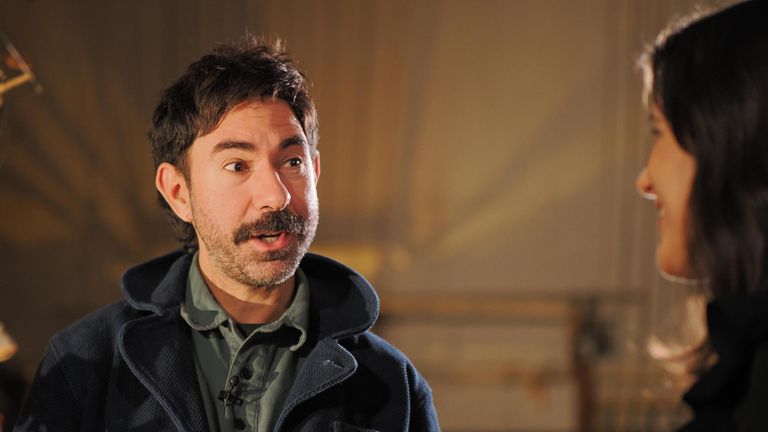
Little Angel associate director Oliver Hymans. Pic: Patrick Hutton
Inspired by seeing old marionettes hung up at the back of the stage and intrigued by why they were not being used, he is now committed to re-establishing traditional marionette-making.
Hymans tells Sky News: “The marionette is a series of nine different pendulums all wired together. You’re having to work against gravity to keep it in control.
“But the thing about the marionette is you can hide the puppeteer. So, you can completely design and develop a world where there are only puppets and scenery and scenography.”
He says the majority of master marionette makers have retired or are nearing retirement, and warns there may be just a handful left in the country.
He explains: “With the onslaught of AI, we know it’s coming. Jobs where people use their hands are going to be vitally important, and if we don’t protect these crafts, they are going to die out.”
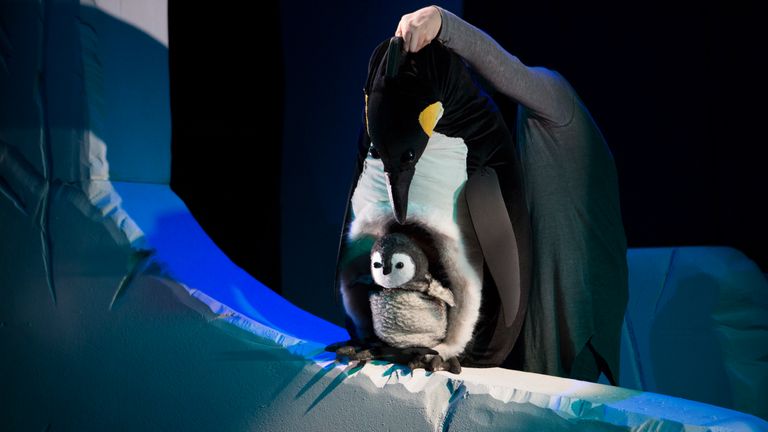
Me at Little Angel Studios. Pic: Ellie Kurttz
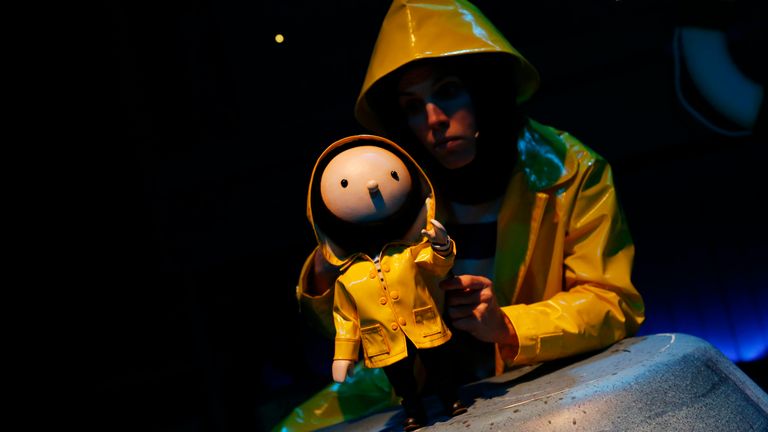
The Storm Whale at Little Angel Theatre. Pic: Northedge Photography
Putting their money where their mouth is, Little Angel is nurturing emerging talent, upskilling people in both the art of making and performing with marionettes.
They plan to have a marionette show on stage next summer.
Also joining the fight for the overlooked craft, puppetry director Rachel Warr has organised a celebration of marionettes for the last three years, with the support of the Art Workers’ Guild Outreach Committee.
An industry-focused free event, it brings the puppetry community together – with particular relevance to those who work with marionettes – or who aspire to.
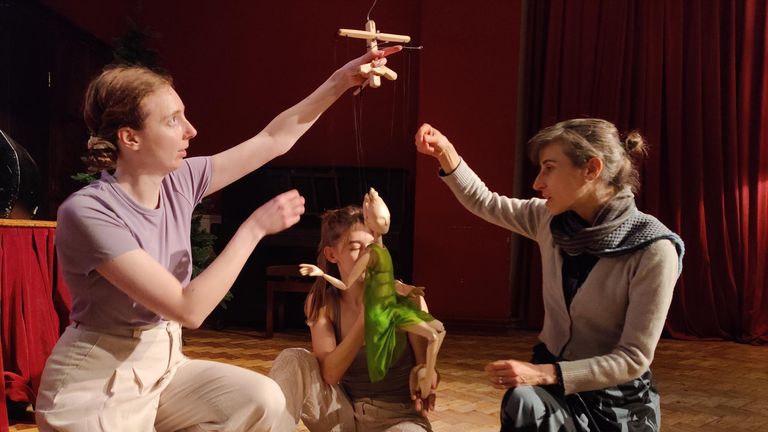
Puppetry director Rachel Warr (R) with Alicia Britt and Anna Smith. Pic. Tom Crame
Some members of the community appear in a forthcoming short documentary about puppets, Untangling, by filmmaker Hester Heeler-Frood.
Warr told Sky News: “People are often more affected by a puppet dying on stage than an actor pretending to die in character. It doesn’t have the artifice of getting up and walking away and getting on the tube at the end of the night.
“There’s something quite vulnerable about the puppet in that sense… We know that it’s not really alive, and yet we’re able to project on to it our own thoughts and feelings. It’s a blank canvas – a powerful tool.”
Meanwhile, as Pinocchio plays at the Globe, the theatre is running accompanying puppetry workshops, encouraging children to get involved in the craft – maybe inspiring future stars of puppeteering.
With their future hanging by a string, the training of the next generation is key to breathing life back into an overlooked craft, reinstating marionettes to their rightful place on the stage.
Pinocchio runs at Shakespeare’s Globe until Sunday 4 January.
The Storm Whale at Little Angel Studios runs until Saturday 24 January, and Me runs at Little Angel Theatre until Sunday 25 January.
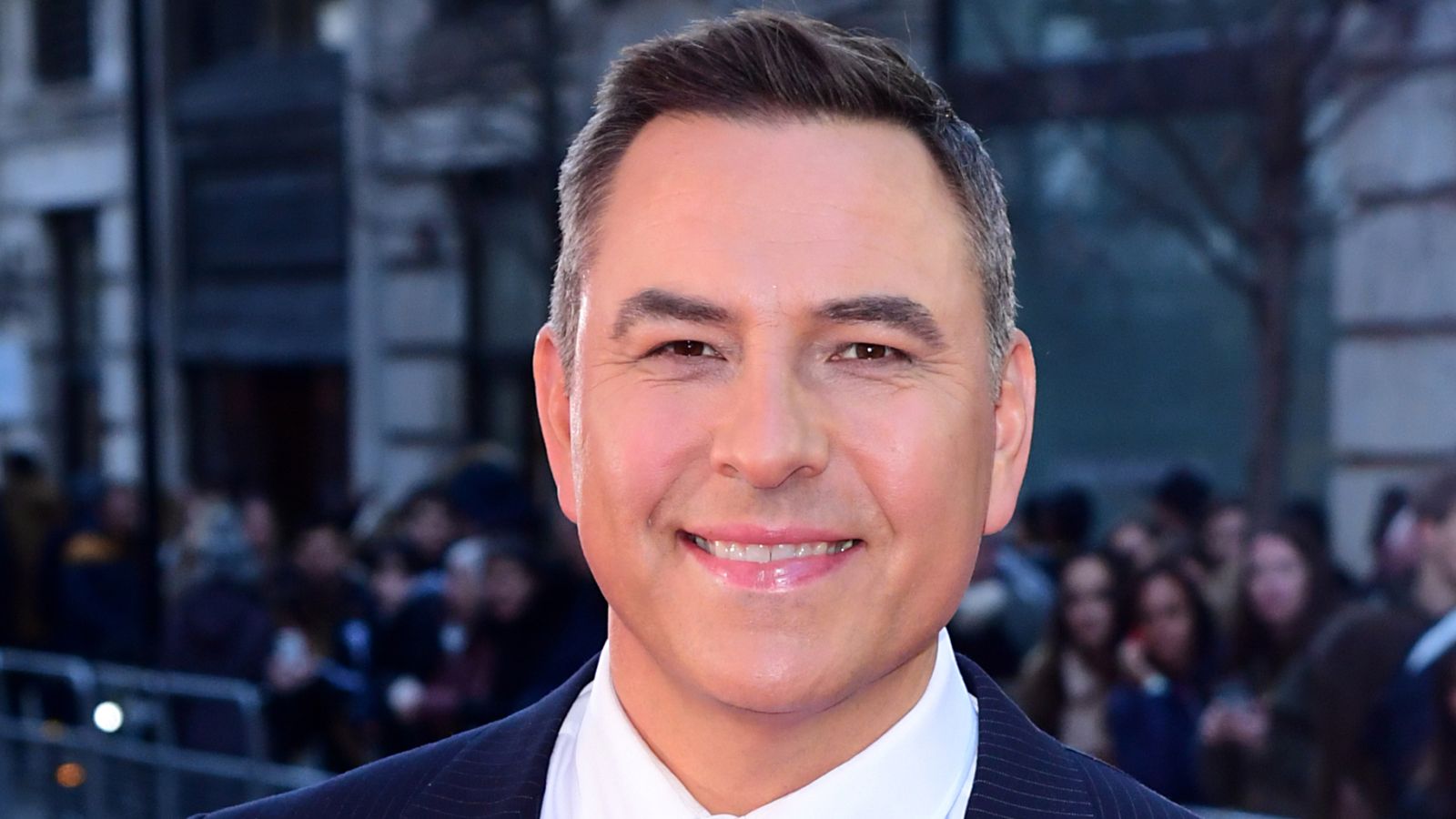
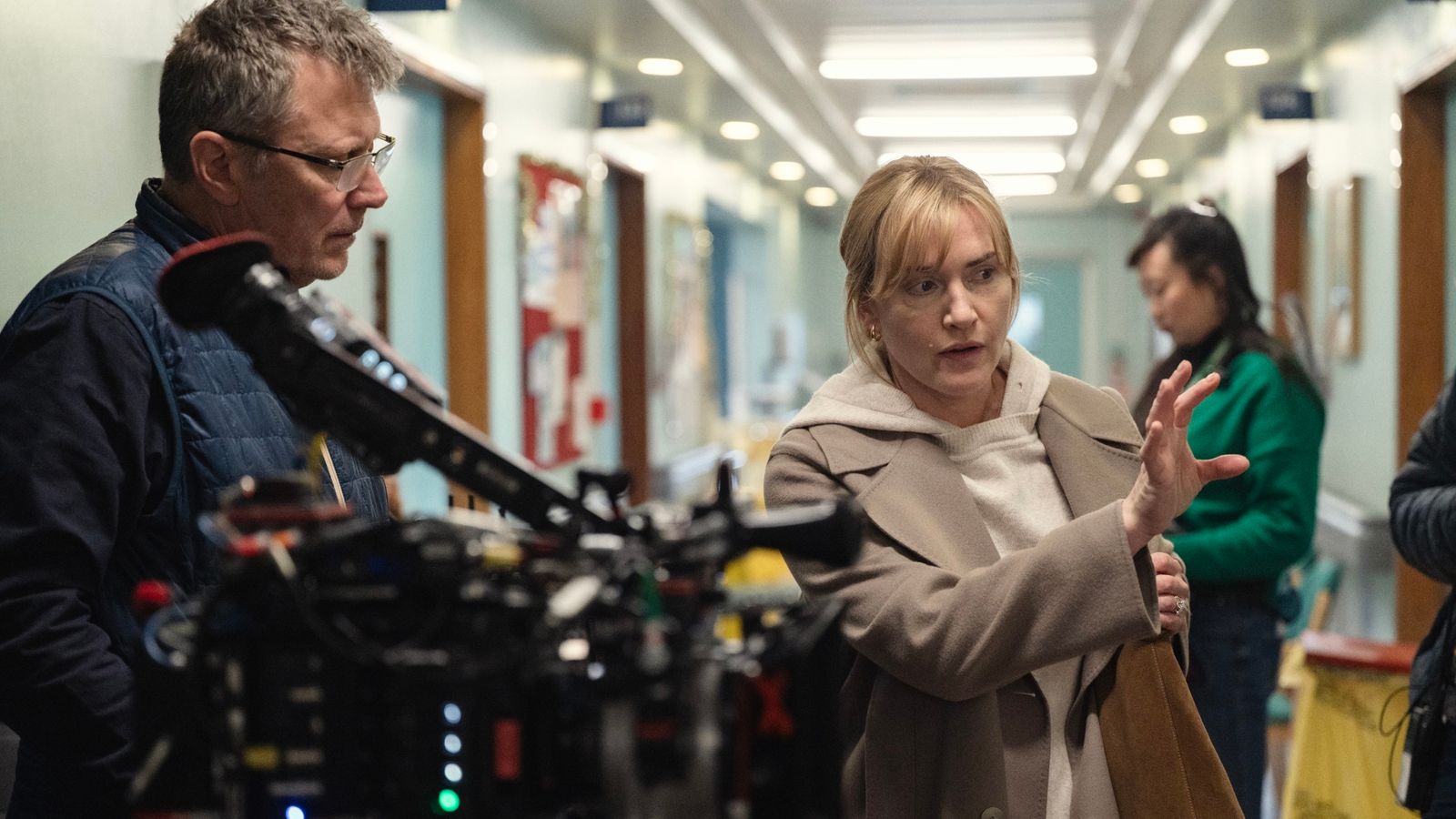
Kate Winslet says she never set out to become a director – but after reading her son’s first screenplay, she simply “couldn’t let it go”.
In 2023, Joe Anders, whose father is director Sam Mendes, signed up to a screenwriting course at the National Film and Television School.
His mother read one of his assignments and insisted it was worth making into a film – so they did.
Anders created a story around adult siblings who reunite around Christmastime to say goodbye to their dying mother.
Abiding by Mark Twain’s phrase “write what you know”, it was inspired by the death of Winslet’s mother Sally Bridgers-Winslet from ovarian cancer in 2017.
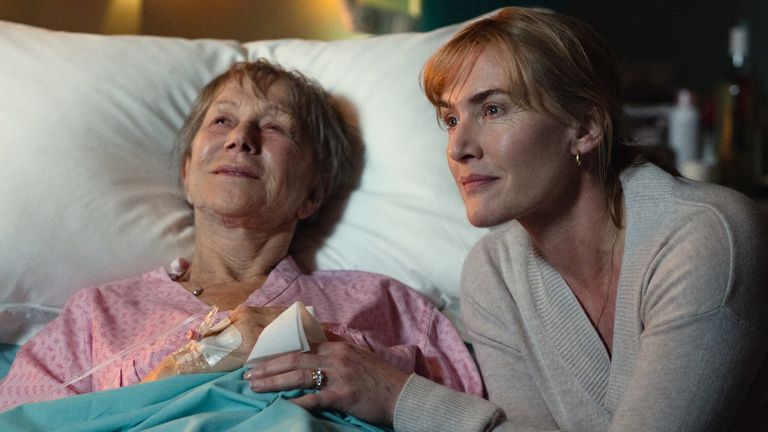
Helen Mirren (left) as June and Kate Winslet (right) as Julia in Goodbye June. Pic: Netflix
Speaking to Sky News, the Titanic actress says they learned “how to develop a completely new relationship” as colleagues”.
“I’m incredibly impressed by him and really proud of him, not least because he wrote this screenplay and started writing it when he was 19,” she says.
“But he had to adapt and learn very, very quickly that when you’re developing something, you take notes, you take feedback.
“Netflix became involved at some stage that they were also giving notes to, and then I was sort of playing the role of kind of protecting the project and also protecting him at the same time from things that, you know, may necessarily not have been useful, things that actually were great ideas.”
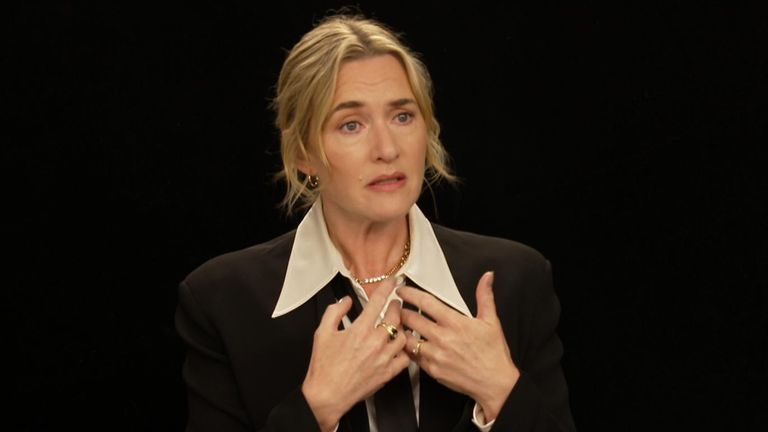
Winslet speaking to Sky News
Anders isn’t her only child to have got their start alongside their famous parent.
Mia Threapleton, who most recently starred in the Wes Anderson film The Phoenician Scheme, made her on-screen debut in the 2014 Winslet-led movie A Little Chaos.
They worked together again in the series I Am… which won Winslet a TV BAFTA award for best leading actress.
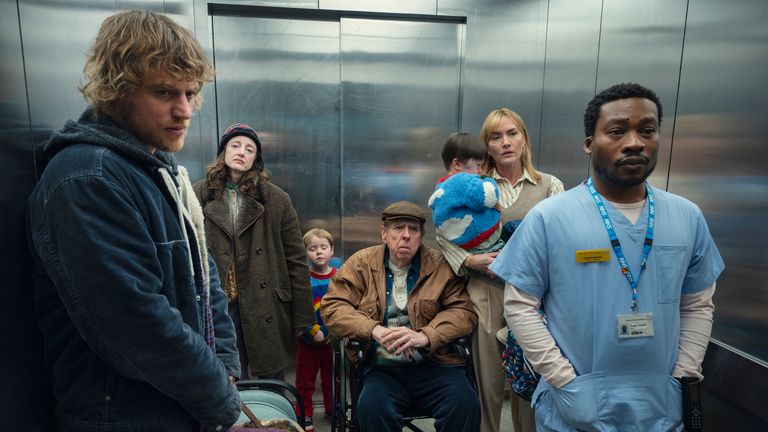
Goodbye June stars (L-R) Johnny Flynn, Andrea Riseborough, Timothy Spall, Kate Winslet and Fisayo Akinade, among others. Pic: Netflix
An actor’s director
Winslet has starred in some of the biggest films of all time, with Titanic, Avatar and Sense And Sensibility, to name a few.
She says it’s that experience in front of the camera that helped her tailor the on-set experience to help its actors explore their emotions and creativity.
“We know what works for us as actors from a director,” she says. “We know what does not work, and we also know what’s actively destructive and sometimes that can mean the environment, the working environment.
“Film sets are very busy places it can often be frantic, sometimes it’s hard to kind of follow what’s going on or what you’re doing next, and it mattered to me enormously that everybody always felt extremely safe, completely informed, and very free.”
Read more from Sky News:
Actors demand AI protections
Celebrities who died in 2025
Oscars set to leave ABC
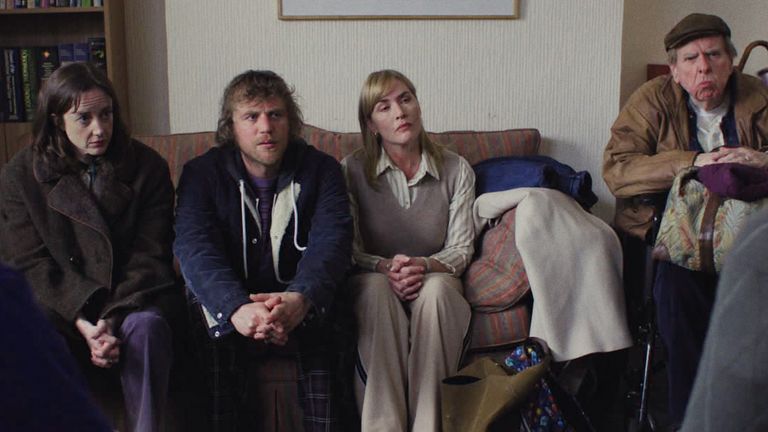
(L-R) Andrea Riseborough, Johnny Flynn, Kate Winslet and Timothy Spall in Goodbye June. Pic: Netflix
Winslet adds: “In this country, we’re not necessarily so good at processing, especially when it comes to talking about grief.
“And so hopefully through this film, which is also very funny, hopefully through this film, people might see something of themselves and connect with it in that way.”
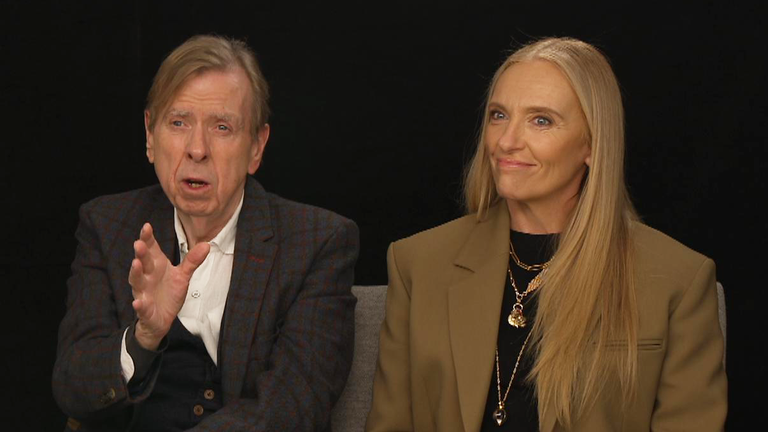
Timothy Spall, next to co-star Toni Collette, says it is not surprising Winslet is such a good director
‘One of the greats’
Co-star Timothy Spall says “it’s not surprising she’s such a good director” – and calls her “one of the great actresses in the world.”
“I worked with her when she was 20. She was impressive then, just before she got Titanic… and she’s paid attention. She’s listened. She’s a great actress,” Spall says of Winslet.
“She knows how it works, and she helps other actors to do the best they can. And she’s all over the crew. She’s great with them. She’s paid attention in every department.”
Goodbye June is out on Netflix on 24 December
-
 Sports2 years ago
Story injured on diving stop, exits Red Sox game
-
 Sports3 years ago
‘Storybook stuff’: Inside the night Bryce Harper sent the Phillies to the World Series
-
 Sports2 years ago
Game 1 of WS least-watched in recorded history
-
 Sports3 years ago
Button battles heat exhaustion in NASCAR debut
-
 Sports3 years ago
MLB Rank 2023: Ranking baseball’s top 100 players
-
Sports4 years ago
Team Europe easily wins 4th straight Laver Cup
-
 Environment3 years ago
Japan and South Korea have a lot at stake in a free and open South China Sea
-
 Environment1 year ago
Here are the best electric bikes you can buy at every price level in October 2024