
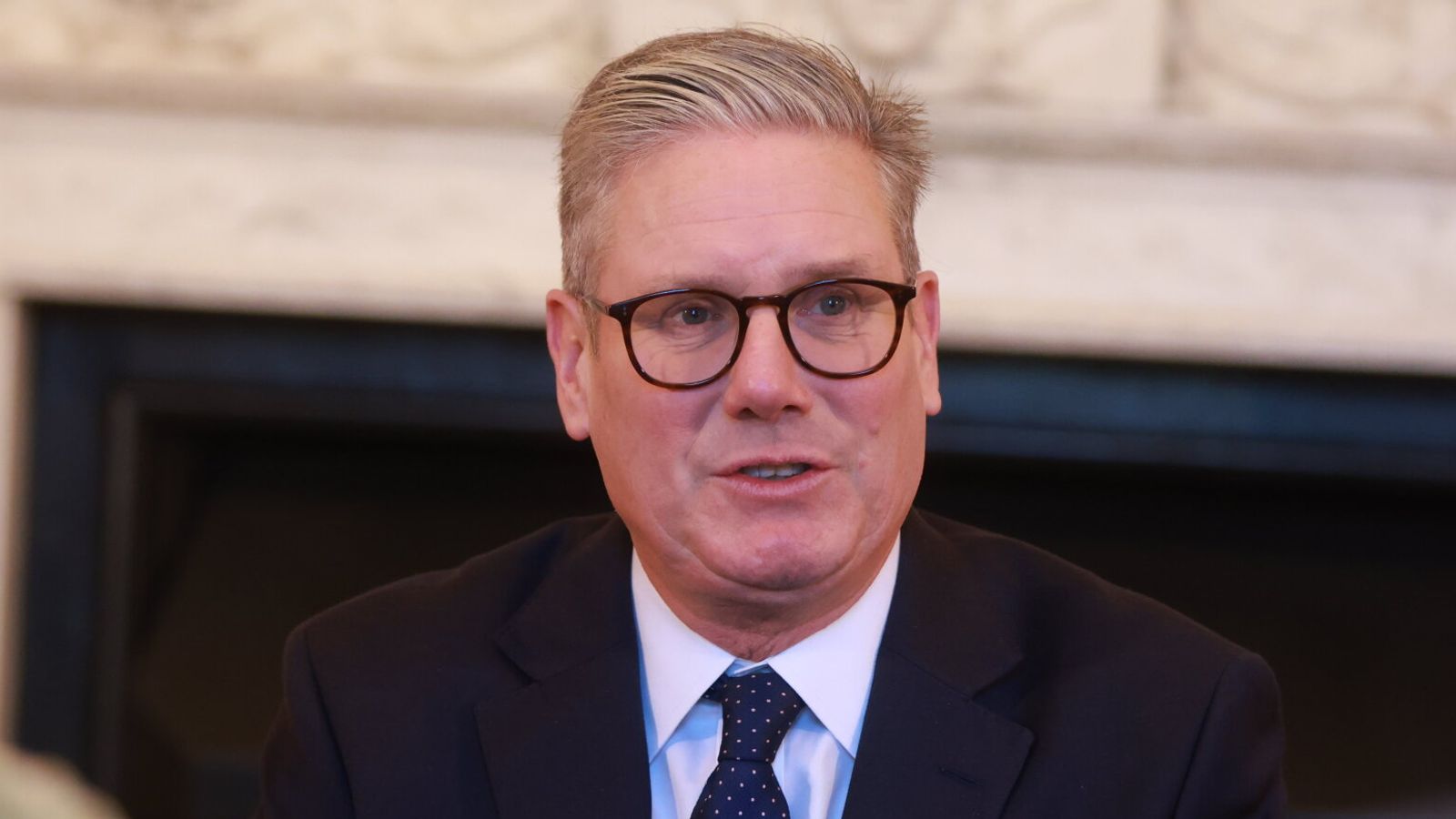
Keir Starmer blames Tories for UK’s ‘open borders’ as stats show record high


Sir Keir Starmer has accused the Tories of using Brexit to deliberately run an “open borders experiment” in the UK.
The prime minister said the British people are “owed an explanation” after revised figures showed net migration reached a record high of almost one million under the previous government’s watch.
Follow live: Spending on asylum jumps to record high
Data from the Office for National Statistics (ONS) shows net migration for the year to June 2023 reached 906,000 – a big jump on what was previously thought and four times higher than pre-Brexit figures in 2019.
In a speech from Downing Street, Sir Keir said: “Failure on this scale isn’t just bad luck. It isn’t a global trend or taking your eye off the ball.
“No, this is a different order of failure. This happened by design, not accident.
“Policies were formed deliberately to liberalise immigration. Brexit was used for that purpose – to turn Britain into a one nation experiment in open borders.”
Starmer quizzed over net migration
The ONS’s previous estimate for the year to 2023 was 740,000, which at the time was still a record amount.
The stats show net migration – the difference between people coming to live in and leaving the UK – is down 20% this year from the revised high of 2023, standing at an estimated 728,000.
Tory leader Kemi Badenoch yesterday admitted her party, which made repeated pledges to cut net migration by tens of thousands during their 14 years in office, had got immigration “wrong”.

Badenoch asked about illegal immigration
But Sir Keir said their failures were “unforgivable” and can’t be separated from the Conservative Party’s “refusal to do the hard yards on skills, on welfare reform, on giving our young people opportunities”.
“Clearly the vast majority of people who entered this country did so to plug gaps in our workforce,” he added.
In his press conference, Sir Keir said Labour would reform the points-based immigration system to require companies that are heavily reliant on foreign workers to also train British people.
This will go alongside a crackdown on abuse of the visa system, including banning employers who flout the rules from hiring overseas staff for two years.
‘Landmark’ deal struck with Iraq
Sir Keir’s speech came as Home Secretary Yvette Cooper announced a “landmark” deal with Iraq, intended to crack down on the people smuggling fuelling illegal immigration.
Iraq is one of the top 10 countries people travelling in small boats come from (3,002 in the year to June). Around £300k of UK government money will be given to the country to help it with border security and law enforcement.
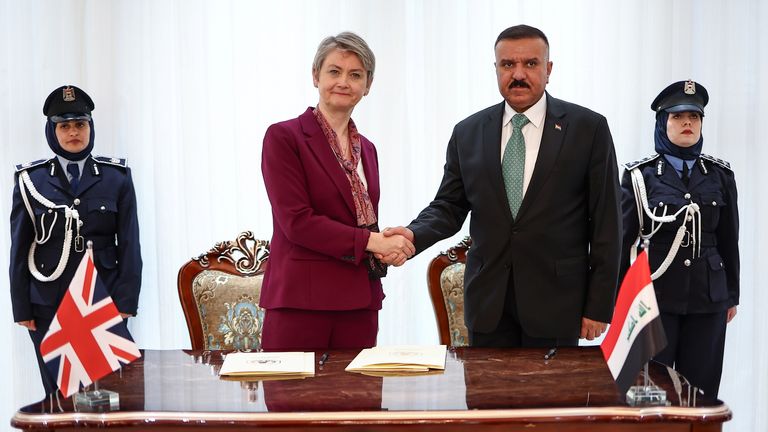
Home Secretary Yvette Cooper and Iraq’s Minister of Interior Abdul Amir Al-Shimmari shake hands after signing a Joint Statement on Border Security. Pic: PA
Home Office data released on Thursday also showed the cost of the UK’s asylum system has risen to £5bn, the highest level of spending on record, and up by more than a third in a year.
On Wednesday, Tory leader Ms Badenoch said there had been a “collective failure of political leaders from all parties over decades” to grasp migration, adding: “On behalf of the Conservative Party, it is right that I as the new leader accept responsibility and say truthfully, we got this wrong.”
Other Conservatives, including former home secretary Suella Braverman, sought to take credit for the numbers coming down in the year to July 2024, which the ONS said was driven mainly by a fall in the number of dependants arriving in the UK on study visas from outside the EU.


Indonesia’s Financial Services Authority (OJK) has published a whitelist of 29 licensed crypto platforms, officially spelling out which exchanges are legally allowed to operate in the country.
The list, which includes names of entities and their apps or platforms, is meant to serve as an official reference for users to verify whether a provider is properly licensed before trading.
OJK has urged the public to transact only with entities on the list and to treat unlisted platforms as unlicensed operators.
Global crypto players eyeing Indonesia
The clarification of who can legally offer crypto services lands as global players move to lock in Indonesian footholds.
Robinhood signed deals earlier this month to acquire Indonesian brokerage Buana Capital and licensed digital asset trader PT Pedagang Aset Kripto, a move that gives it entry to a market with more than 19 million capital‑market investors and about 17 million crypto traders.
Related: Indonesia’s digital rupiah CBDC to get ‘stablecoin’ companion backed by government bonds
Hong Kong–based OSL Group completed its acquisition of licensed local exchange Koinsayang in September, securing regulatory approval to offer spot and derivatives trading.
Related: Survey finds 6 in 10 of Asia’s rich plan to ramp up crypto buying
Tightening oversight of digital assets
The whitelist follows OJK Regulation No. 23/2025, which tightens oversight of digital financial assets, including crypto and related derivatives. The rule bars exchanges from facilitating trades in assets that are not registered or approved by a licensed digital asset exchange, and it introduces a framework for digital asset derivatives that requires prior OJK approval at the exchange level.
Platforms must implement margin mechanisms via segregated funds or digital assets, and consumers have to pass a knowledge test before accessing derivatives. These are measures the regulator said were designed to align with international supervisory standards and strengthen investor protection.
Related: Ripple’s big Singapore win: What the expanded license allows now
Among fastest-growing markets worldwide
Indonesia’s tightening grip on licensing comes as the country cements its place as a major crypto market. Robinhood and industry data providers describe Indonesia as one of Southeast Asia’s fastest‑growing crypto economies, with tens of millions of investors across capital markets and digital assets.
Chainalysis’ 2025 Global Crypto Adoption Index places Indonesia in the global top 10 for crypto adoption and notes that the country has been among the most dynamic markets worldwide, highlighting its growing presence in global digital asset activity.
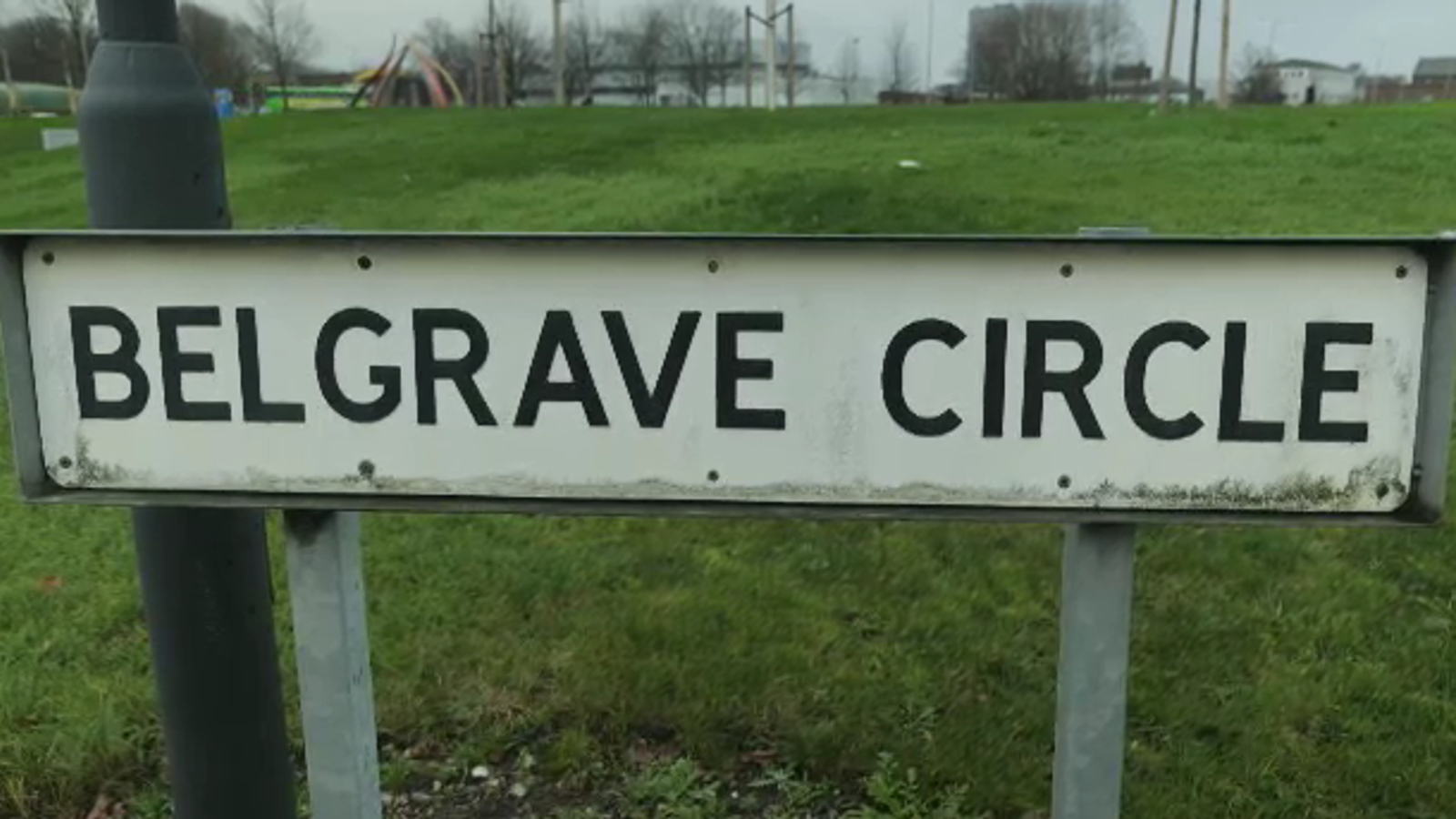
This is a story about a roundabout in Leicester.
It’s not a particularly special roundabout.
But it does tell us something about British politics.
Belgrave Circle, in the north of the city, was opened in March 2015 on the site of an old railway station known locally as “The Gateway to Skegness”.
Later that year, Leicester – along with the rest of the country – went to the polls in the 2015 general election.
The vote saw David Cameron win a majority and Ed Miliband resign as Labour leader.
But around the Belgrave Circle, something different was going on.
Because this is the spot where Leicester‘s three parliamentary constituencies meet, and in 2015 they were all held by Labour MPs who saw their majorities increase.
It’s a different story now.
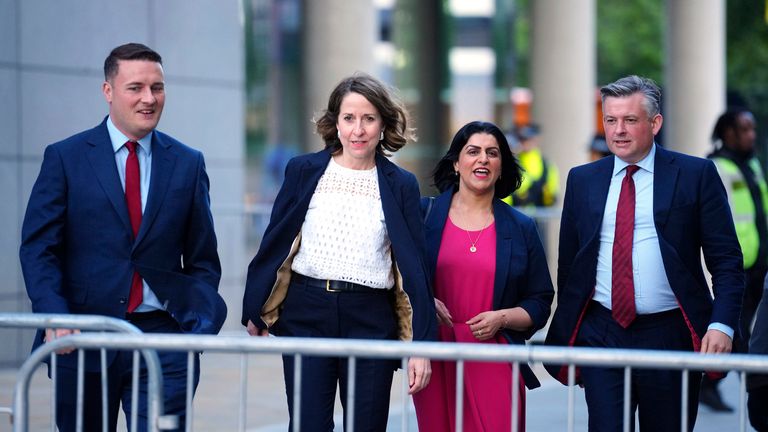
Stand in the middle of the roundabout and face towards Abbey Park and you’ll see the city’s only remaining Labour seat – that of cabinet minister Liz Kendall.
Liz Kendall (left) and Jonathan Ashworth’s (right) constituencies used to meet at Belgrave Circle roundabout until Ashworth lost his seat. Pic: AP
Turn around and face the B&M Home Store, and you’ll find the only place the Conservatives picked up at the last election.
This freak occurrence happened after the Labour vote was split by two independent candidates – both of whom also happened to be former MPs for the city.
Labour saw its vote share cut in half here, and then some.
The Tory vote dropped as well, but not by enough to stop the party coming through the middle and taking the seat by four thousand votes.
But walk to the south of this roundabout and you’ll get to where an independent candidate went one step further.
Local optician Shockat Adam won this seat last year, defeating frontbencher Jonathan Ashworth in a campaign focused mainly on Gaza and events in the Middle East.
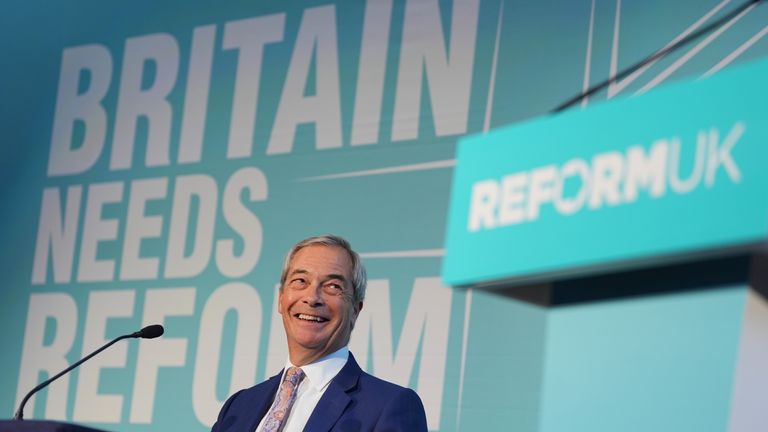
Labour have begun painting themselves as the “bulwark” to Nigel Farage. Pic: PA
What happened on this roundabout last July is no one-off. There’s plenty of evidence to suggest these phenomena could be on the rise around the country.
Since the election, Labour’s vote share has plunged, and its base has fractured as support for insurgent parties on the right and left surges.
A lot of the focus from this has been on Reform UK and how Labour can stop Nigel Farage in traditional ‘red wall’ seats in the midlands and the north.
And yes, Labour is leaking support to Reform on the right. But what’s often not talked about is the greater number of votes its losing on the left.

If the Greens do well, it could split the left wing vote, clearing the way for another party to win in a roundabout way
A rejuvenated Green Party under Zack Polanski is chasing Labour close in some polls, while Your Party is attempting to form a separate fighting force straddling ex-Corbynites, independent pro-Gaza candidates and those from the more hard-left tradition.
Come the next election, this could all have far-reaching consequences.
Sky News has ranked all 404 Labour seats according to how at risk they are to these new forces on the left. We created this ‘vulnerability index’ using factors like voting history, population and demographic data.
It shows several cabinet ministers in the top 25 most vulnerable, including Home Secretary Shabana Mahmood in fourth place, Sir Keir Starmer in thirteenth place and Deputy Prime Minister David Lammy in twenty-third place.
All three of these Labour big beasts have seen their majorities cut in the last election by a Green candidate, an independent candidate or a mix of the two.
In Birmingham Ladywood, the total number of votes won by independent and green candidates exceed the number won by the Home Secretary.
That could trigger trouble, given the Greens and Your Party have indicated they may be open to the idea of local “progressive pacts”.
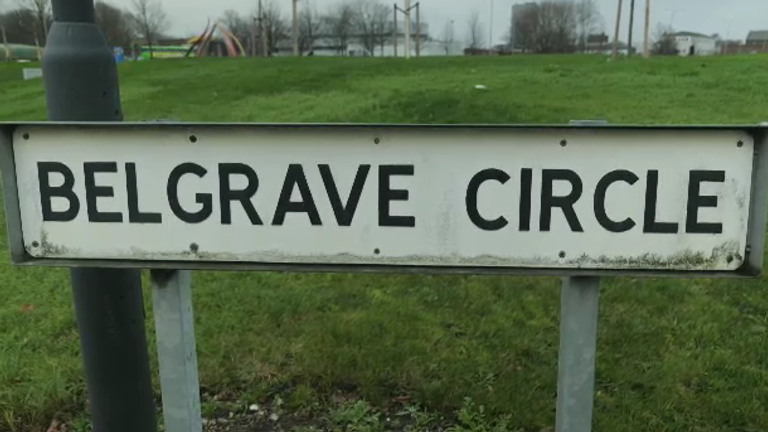
But in the neighbouring constituency of Birmingham Hodge Hill and Solihull North, the result last year shows how an altogether different result could materialise.
Here, Labour’s vote was again split by a left-wing insurgent candidate – this time from George Galloway’s Workers Party.
But the conservative vote was also cut in half by Reform.
If Nigel Farage can unite the right in places like this, he could come through the middle – in much the same way the Tories did in Leicester.
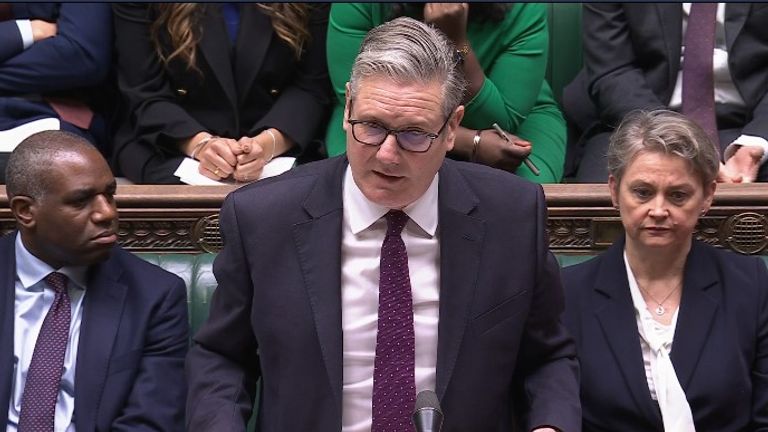
Keir Starmer’s constituency ranks thirteenth on Sky’s vunerability index. David Lammy’s is twenty third.
So how can the government fight back?
Part of the answer, according to senior figures, is attempting to tell a more appealing story about the more overly left-wing chunks of their policy platform – such as the workers rights reforms and rental overhaul.
The hope is these stories may be given more of a hearing in 2026 when (or perhaps more accurately, if) a corner starts to be turned on big domestic priorities like the economy, the NHS and migration.
If that doesn’t happen, the real saving grace for Labour could be tactical voting.
The Greens and Your Party have made it clear that they will plough on with their campaigns against the government, even if it ultimately benefits Reform.
Read more from Sky News:
Australia launches intelligence review
Engineer becomes first wheelchair user in space

If Kemi Badenoch and Nigel Farage split the right wing vote, it may allow Labour, the Liberal Democrats, or another party to come through the middle
What’s less clear is whether left-wingers across the country will.
If they are faced with the prospect of Nigel Farage in Downing Street, could they hold their nose and stick with Labour?
It all begs the question – who is their great enemy: the government or Reform?
Ministers are already trying to emphasise a binary choice when they talk about Labour being the one single “bulwark” to Nigel Farage.
Expect more attempts to mobilise this anti-Reform vote in the years ahead.
But that’s made more difficult by what happened around Leicester’s Belgrave Circle. The same political fracturing that’s dogged the right in years past now being replicated on the left.
Labour’s ability to pick up the electoral pieces may prove decisive in whether what took place on a shabby East Midlands roundabout in July 2024 is recreated across the country in a few years’ time.


A group of 18 bipartisan US House lawmakers is pushing the country’s tax agency to review its rules on crypto staking taxes before the start of 2026.
In a letter sent to Internal Revenue Service acting commissioner Scott Bessent on Friday, the lawmakers, led by Republican Mike Carey, asked for a review and update guidance on “burdensome” crypto staking tax laws.
“This letter is simply requesting fair tax treatment for digital assets and ending the double taxation of staking rewards is a big step in the right direction,” Carey said.
The letter calls for taxes from staking rewards to be applied at the time of sale, so that “stakers are taxed based on a correct statement of their actual economic gain.”
The lawmakers argued that the current laws, which see stakers taxed upon receiving rewards and again when selling them, are hindering participation in the staking market, when the laws should be designed to support a fundamental part of certain blockchains.
Related: Crypto community ‘very sorry’ over Senator Lummis’ reelection decision
“Millions of Americans own tokens on these networks. Network security — and American leadership — requires those taxpayers to stake those tokens, but today the administrative burden and prospect of over taxation discourages that participation,” the lawmakers wrote.
The letter concludes by asking if there are any administrative barriers to updating the guidance before the end of the year, and asserts that they should be changed to support the current administration’s goal of “strengthening US leadership in digital asset innovation.”
Not the only push for changes to crypto tax rules
On Saturday, House representatives Max Miller and Steven Horsford also introduced a discussion draft aiming to ease the tax obligations on crypto users by exempting small stablecoin transactions from capital gains taxes and offering a deferral option for staking and mining rewards.
In terms of staking, the reps went a slightly different route by opting for a referral option as opposed to a complete change in the current laws.
The proposal outlines that taxpayers would be allowed to elect to defer income recognition on staking or mining rewards for up to five years, rather than being taxed immediately after receiving them.
Magazine: 11 critical moments in Ethereum’s history that made it the No.2 blockchain
-
 Sports2 years ago
Story injured on diving stop, exits Red Sox game
-
 Sports3 years ago
‘Storybook stuff’: Inside the night Bryce Harper sent the Phillies to the World Series
-
 Sports2 years ago
Game 1 of WS least-watched in recorded history
-
 Sports3 years ago
Button battles heat exhaustion in NASCAR debut
-
 Sports3 years ago
MLB Rank 2023: Ranking baseball’s top 100 players
-
Sports4 years ago
Team Europe easily wins 4th straight Laver Cup
-
 Environment3 years ago
Japan and South Korea have a lot at stake in a free and open South China Sea
-
 Environment1 year ago
Here are the best electric bikes you can buy at every price level in October 2024