
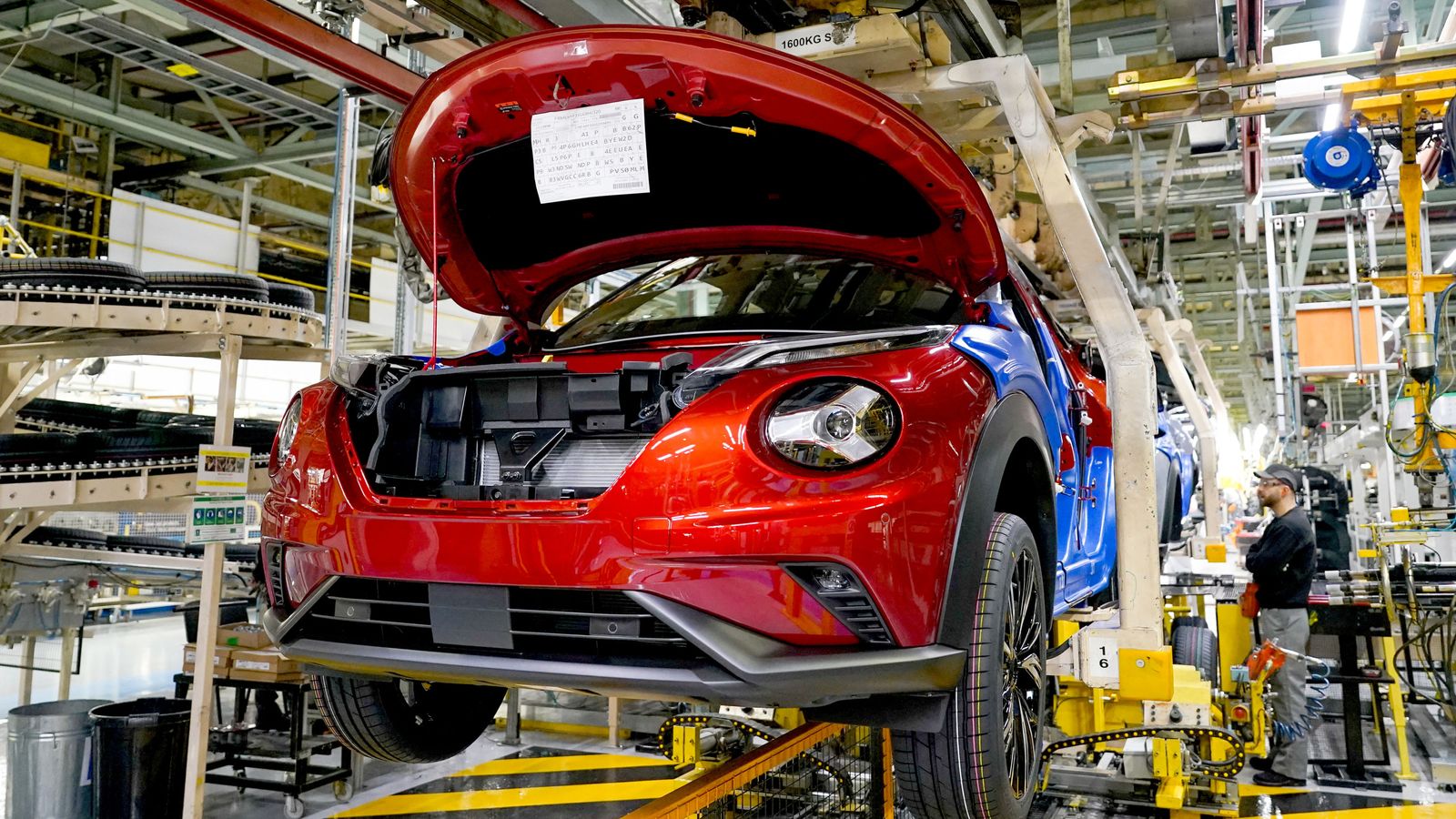
UK’s electric vehicle market is doing better than you might think


To listen to UK car manufacturers in recent weeks has been to hear a counsel of despair over the electric vehicle market.
Struggling to hit targets imposed amid mixed messages from the last government, they have lobbied the new one to relax the rules.
Yet November’s figures show an industry not just hitting the 22% zero emission mandate (ZEV) but exceeding it, with EVs accounting for a quarter of all new sales.
In the week Ford joined Vauxhall and Nissan in calling for state incentives to boost sales, what are we to conclude?
Money latest: The feature that can add up to £52k to house price
The industry says November is a blip, only the second month this year when EVs topped 22%, with the total for the year likely to fall just short of 19%, and only thanks to £4bn of discounting.
With the target rising to 28% next year, and fines of £15,000 for every vehicle by which they fall short, they say consumers need help, in the form of grants or tax breaks, to swallow their reservations about plugging in.
But the picture is not quite as simple as that.
Benefits beyond the headline target
While 22% is the headline target, manufacturers can benefit from flexibilities, including buying credits from competitors who exceed the target, to offset their shortfalls. (These carbon credits have long been a crucial revenue line for Tesla, raising almost $1.8bn (£1.41bn) last year.)
Proponents of EVs say once these are taken into account the “real” target is 19%, and with some manufacturers far exceeding targets, any shortfall can be met from competitors, with not a penny in fines going to the government.
New Automotive, which campaigns to increase the pace of the energy transition, tracks global EV sales and its latest figures show BMW-Mini, Jaguar and Vauxhall all recorded EV sales above 30%, with Peugeot, Renault, MG and Skoda exceeding 22% in November.
Ford calls for incentives to buy EVs
Biggest critics are furthest behind
According to New Automotive’s tracking of “real” targets for manufacturers, Ford, Stellantis, Nissan and VW are furthest behind.
Coincidentally or not, the first three of those have been the most vocal in calling for reform of the ZEV regime.
Consumer reservations about electric vehicles are real. Price, range and concerns over the charging network – all of which are improving – still give people pause. But the UK’s progress is remarkable.
Since 2017 new electric car registrations have grown from close to zero to 25% of the market, with petrol and diesel declining from around 95% to less than 40%, helped by the rise of hybrids. It is a fundamental change that mirrors the energy market, with the rise of wind power and the phase-out of coal.
And as with energy, the final steps to decarbonisation will be the hardest and, one way or another, the most expensive.
Which is why manufacturers are asking the state to give us a helping hand on the road.
The Bank of England has cut interest rates from 4% to 3.75%, its sixth cut since last summer.
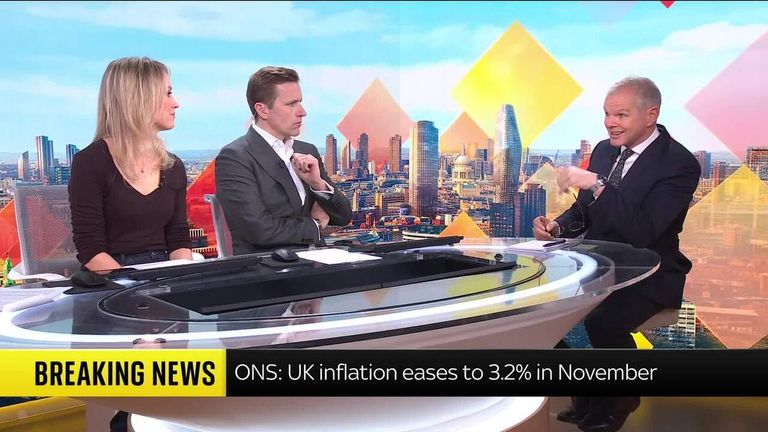
The decision follows a bigger-than-expected fall in the consumer price index rate of inflation in data released this week. While inflation is still above the Bank‘s 2% target, the fall to 3.2% helped swing today’s decision, with five of the Bank’s nine-member monetary policy committee (MPC) voting for a cut.
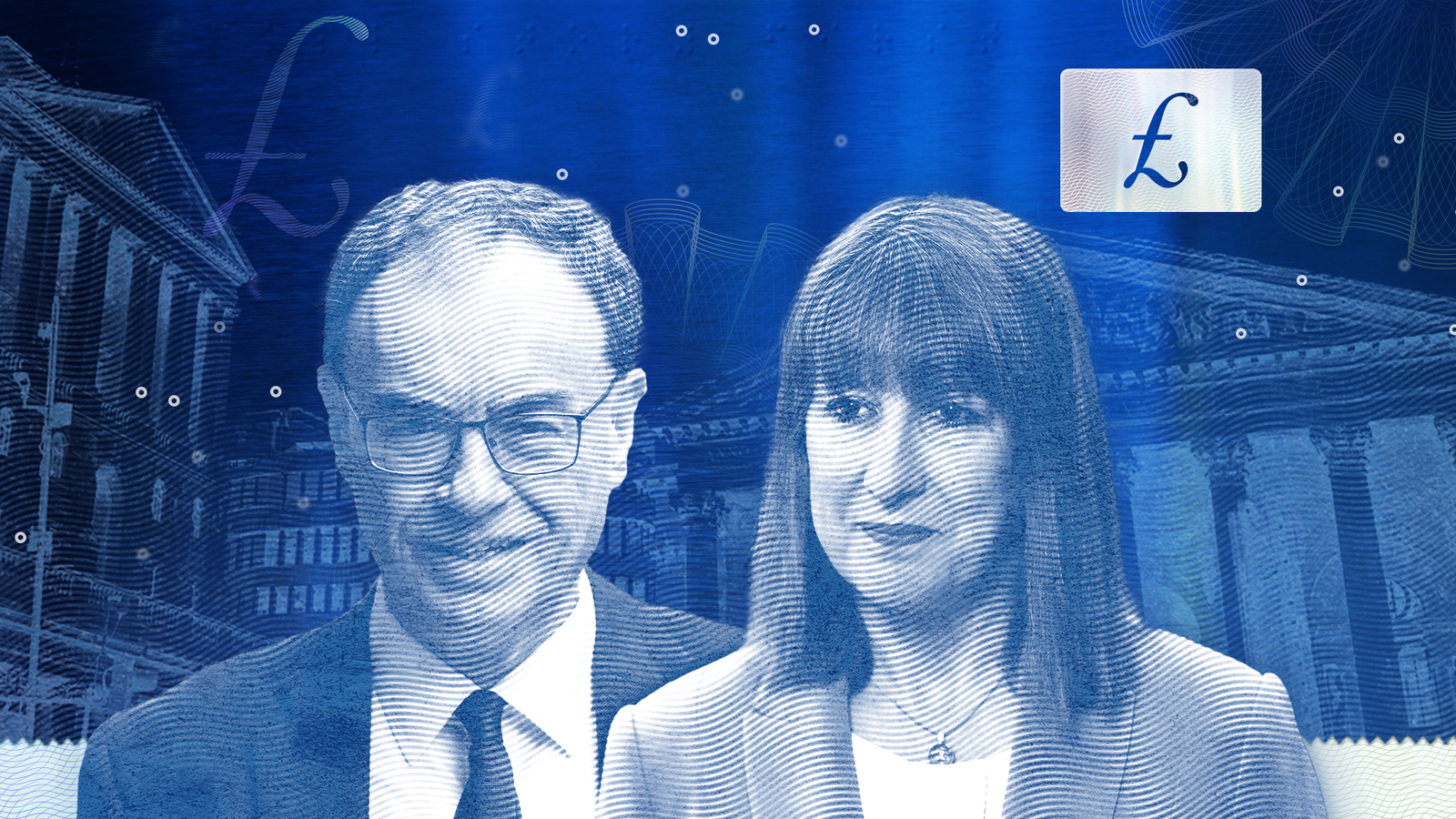
The governor, Andrew Bailey, who had voted to leave rates on hold in November pending more data on inflation, shifted his vote this time around.
Money latest: What interest rate decision means for you
“We’ve passed the recent peak in inflation and it has continued to fall,” he said, “so we have cut interest rates for the sixth time, to 3.75 per cent, today. We still think rates are on a gradual path downward. But with every cut we make, how much further we go becomes a closer call.”
The decision will mean those with floating rate mortgages should immediately see a reduction in their monthly repayments – and some lenders are now reducing fixed-rate deals to 3.5% or below.
The Bank also gave its first full assessment of the economic impact of last month’s budget. It said the budget, which included measures to reduce energy bills and freeze fuel duty, should help push inflation half a percentage point lower next year.
That would mean CPI inflation would drop to close to the Bank’s 2% target as soon as the second quarter of 2026, nearly a year earlier than it originally expected.
However, the Bank also warned that growth remained weak. It said it expected gross domestic product to flatline in the fourth quarter of the year.
Since the decision was a narrow one, with four members of the MPC voting against the cut, some investors might judge that the Bank remains finely balanced on future decisions. Right now investors expect another cut by the end of next spring and, possibly, another one thereafter.
But whether rates eventually settle at 3.5% or 3.25% – or even lower – remains a matter of debate.
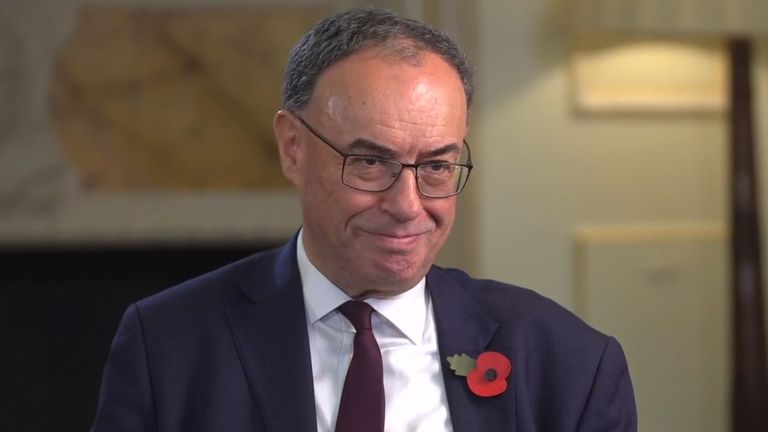
The economy may be stuttering, unemployment may be rising, inflation may be above target. But even so, the Bank of England delivered mortgage payers some welcome Christmas cheer on Thursday.
The quarter percentage point cut in interest rates was far from a surprise – the vast majority of economists and investors had expected the Bank to cut rates down from 4% to 3.75%. But even so, for those still struggling with the cost of living, the decision will help lighten the load through the winter months.
And, if the pricing in financial markets is anything to go by, there will be more cuts to come next year with one or maybe two more cuts priced in by investors.
Money latest: What interest rate decision means for you
There was Christmas cheer, too, for the chancellor, as the Bank revealed that it expected the measures in her budget to reduce inflation by half a percentage point next year, thanks largely to her measures to reduce energy bills and freeze fuel duty.
This is a hefty reduction – and means that far from having to wait until 2027 to see inflation come down to its 2% target, the Bank thinks the target will be hit as soon as next year. In short, the Bank has offered its seal of approval to Rachel Reeves, who said repeatedly that she was hoping to craft a non-inflationary budget.
However, deeper questions still remain. To what extent is Britain’s low inflation a good news story – the fruit of clever monetary and fiscal policy – or something else? For there are some who worry that instead it bears all the hallmarks of economic slowdown. The slower the economy is growing, the less people spend and the lower inflation goes. And the Bank said it expected economic growth to drop to zero in the final quarter of the year.
There are also suspicions inside the Bank that one of the consequences of Donald Trump’s trade war is that cheap imports from China, that would previously have flowed into the US, might be diverted to Europe. That would, on the one hand, push down consumer prices. However, it also risks pushing European manufacturers into the red as they struggle to compete.
On the other hand, there’s a deeper worry that, having experienced high inflation for quite a few years, consumers are now so used to it that they might “bake” higher inflation into their personal mental maps. That could, in turn, mean they push for bigger annual wage increases, which in turn pushes inflation even higher. In short, the question as to whether the inflation genie is still out of the bottle remains.
Finally, there’s the question about whether the trade war is a signal of something bigger: the end of the decades-long period of uber-globalisation. If it becomes more expensive to transport goods around the world, that implies that everything could gradually become more expensive.
Still, for the time being, the Bank has delivered its last piece of analysis and policymaking before the end of the year. And, for the most part, it’s a set of measures and analysis that most people will be cheered by.
-
 Sports2 years ago
Story injured on diving stop, exits Red Sox game
-
 Sports3 years ago
‘Storybook stuff’: Inside the night Bryce Harper sent the Phillies to the World Series
-
 Sports2 years ago
Game 1 of WS least-watched in recorded history
-
 Sports3 years ago
Button battles heat exhaustion in NASCAR debut
-
 Sports3 years ago
MLB Rank 2023: Ranking baseball’s top 100 players
-
Sports4 years ago
Team Europe easily wins 4th straight Laver Cup
-
 Environment3 years ago
Japan and South Korea have a lot at stake in a free and open South China Sea
-
 Environment1 year ago
Here are the best electric bikes you can buy at every price level in October 2024