
World
Vladimir Putin’s spymaster ‘has telephone call with MI6 chief’ as EU leaders meet to discuss Ukraine funding

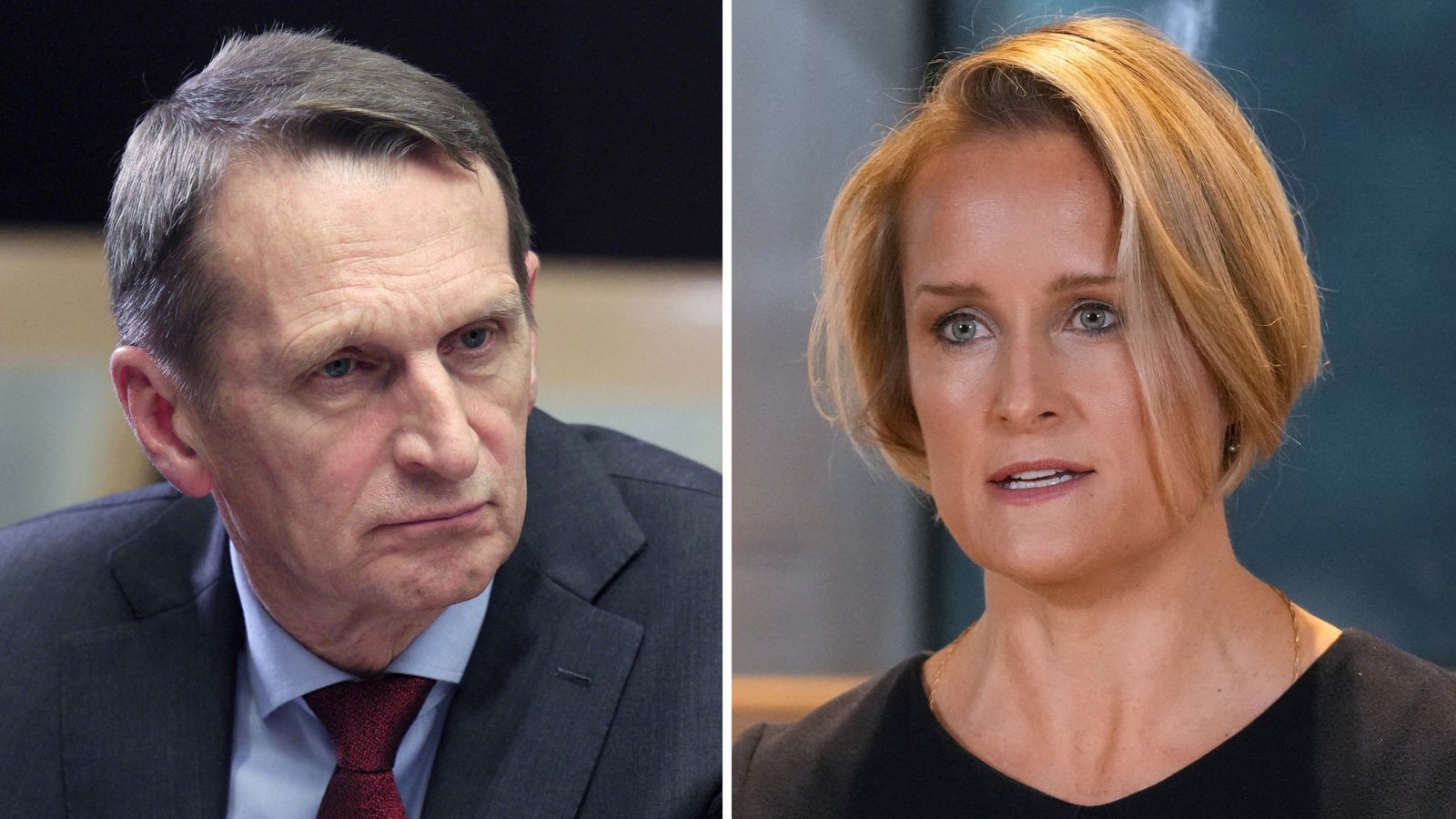
Vladimir Putin’s spymaster has said he had a “rather lengthy telephone conversation” with the new head of MI6, Russian state news agency Tass has reported.
Sergei Naryshkin, Russia’s foreign intelligence director, said: “A few days ago, I had a rather lengthy telephone conversation with the newly appointed chief of MI6 [Blaise] Metreweli.”
He added that Russian intelligence officers worked officially in London while MI6 officers worked officially in Moscow, according to Tass.
Ms Metreweli took over as chief of the Secret Intelligence Service on 1 October.
Sky News military analyst Michael Clarke believes it shows Moscow is “trying to imply that the Brits are somehow appealing to them… because of the negotiations going on in Washington”.
Further US-Russia talks are expected to take place over the coming days.
EU talks stall amid fears over ‘Russian retaliation’
Mr Naryshkin’s comments came as the European Union held crunch talks on Ukraine funding in Brussels.
EU leaders met at the bloc’s headquarters on Thursday to discuss a plan to use frozen Russian assets – but tensions have arisen, with Belgium vocally opposed to the plan amid fears of Russian retaliation.
Most of the €190bn (£166bn) of assets frozen after the start of the war in 2022 are currently held in Belgium, specifically by Euroclear, the Brussels-based financial clearing house.
Belgium’s Prime Minister Bart De Wever said the plan to loan Ukraine the frozen assets “drastically increases the risk of Russian retaliation”.
“It’s not acceptable that this happens to Belgium alone,” he added. “If we jump, we jump together.”
Read more:
Brit who fought for Ukraine jailed by Russia
Belgian PM ‘sceptical’ over Ukraine loan plan
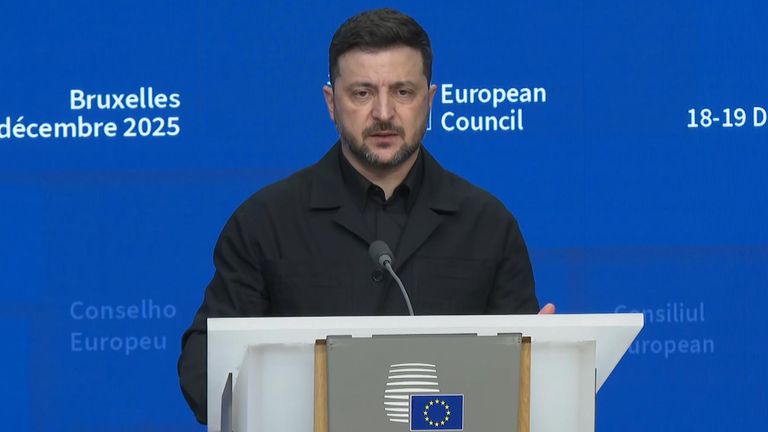
Ukraine’s President Volodymyr Zelenskyy said he understands “the risks that he is talking about, but I think that we face bigger risks”.
“Ukraine has the right to this money because Russia is destroying us,” Mr Zelenskyy said.
In a post on X, he added: “The decision now on the table – the decision to fully use Russian assets to defend against Russian aggression – is one of the clearest and most morally justified decisions that could ever be made.”
Trump claims peace deal is ‘close’
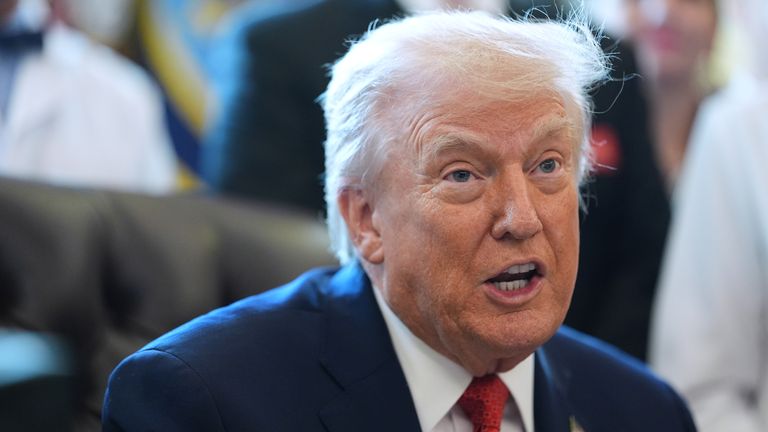
Trump in the Oval Office on Thursday. Pic: AP
On the other side of the Atlantic, Donald Trump has been pressuring Ukraine to move quickly to secure a peace deal.
The US president’s envoys are scheduled to meet with a top adviser to Mr Putin in Miami on Saturday, where they are due to discuss the evolving US peace agreement aimed at ending the war.
Mr Trump has been optimistic that a deal can be reached.
“Well, we’re getting close to something, but I hope Ukraine moves quickly because Russia is there,” he said. “Every time they take too much time, Russia changes their mind.”
Russia ‘deploys nuclear-capable missiles’ to Belarus
Russia has deployed its latest nuclear-capable missile system to Belarus according to the country’s president, Alexander Lukashenko.
The authoritarian leader said the Oreshnik, an intermediate range ballistic missile system, arrived in the country on Wednesday and is entering combat duty.
He did not provide any further details.
Russia has previously deployed tactical nuclear weapons to Belarus, the territory of which it used to launch the full-scale invasion of Ukraine in February 2022.
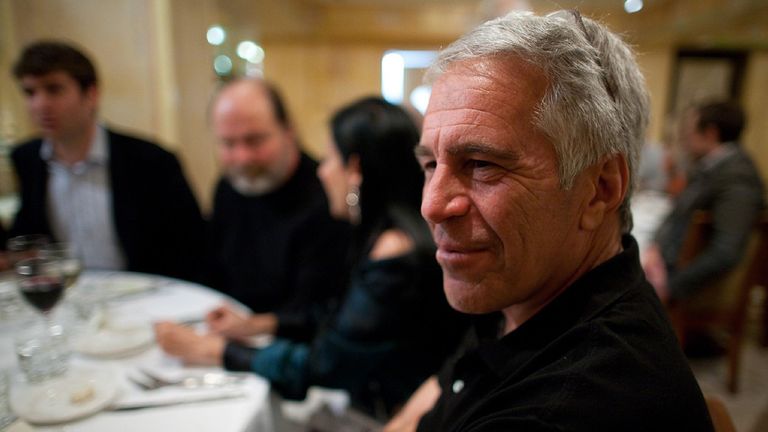
Democrats have shared more pictures from Jeffrey Epstein’s estate, a day before the government’s deadline for the full release.
The 68 photos published on Thursday are among more than 95,000 images that the House Oversight Committee Democrats said they were reviewing.
They said the images were “selected to provide the public with transparency into a representative sample of the photos” and to “provide insights into Epstein’s network and his extremely disturbing activities”.
Jeffrey Epstein. Pic: @OversightDems
But the Democrats added that they are still analysing thousands more images that are “both graphic and mundane”.
There is no suggestion of wrongdoing on the part of those pictured in the images – and the context surrounding the photos is not known.
Mystery text quotes price for ‘girl’
The latest cache includes a text message appearing to discuss the price for a girl.
It isn’t clear who sent the messages and to whom, but the screenshot shows some details on an unidentified girl, described as a teenager here.
“I will send u girls now,” one of the texts read.
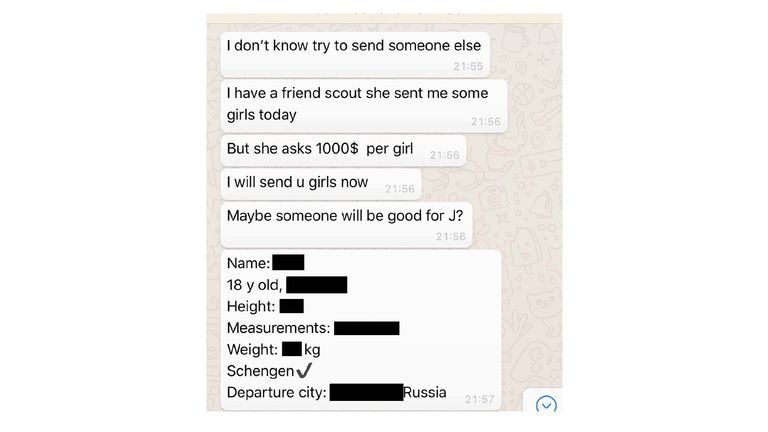
Pic: @OversightDems
Writing on body
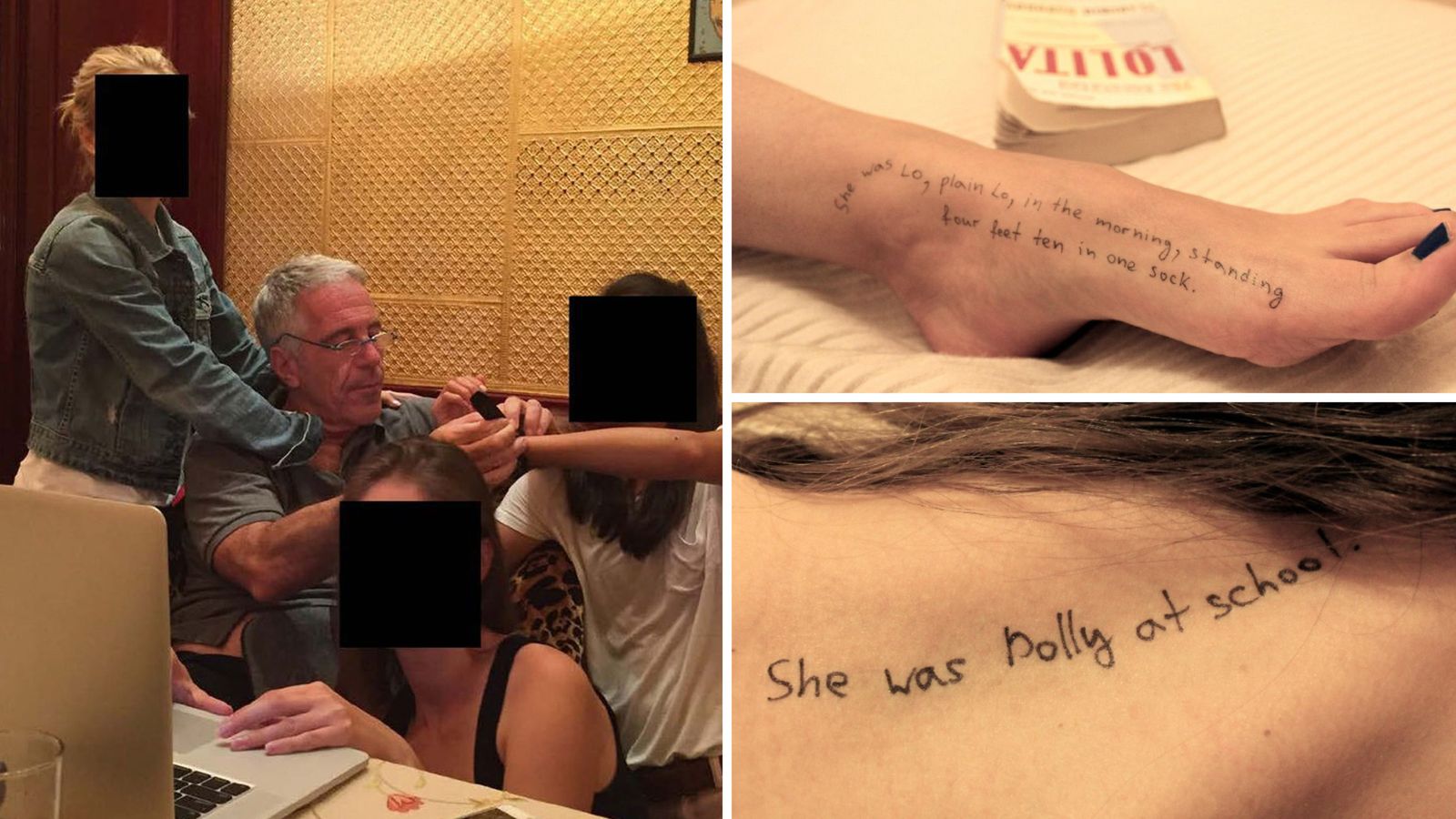
Several pictures show handwritten messages on a person’s body.
One appears to be quoting the opening paragraph of the book Lolita – which can be seen in the background of the picture.
The book was written by Vladimir Nabokov and tells the story of a girl groomed by a middle-aged literature professor.
Another shows writing on a foot, which reads: “She was Lo, plain Lo, in the morning, standing four feet ten in one sock.”
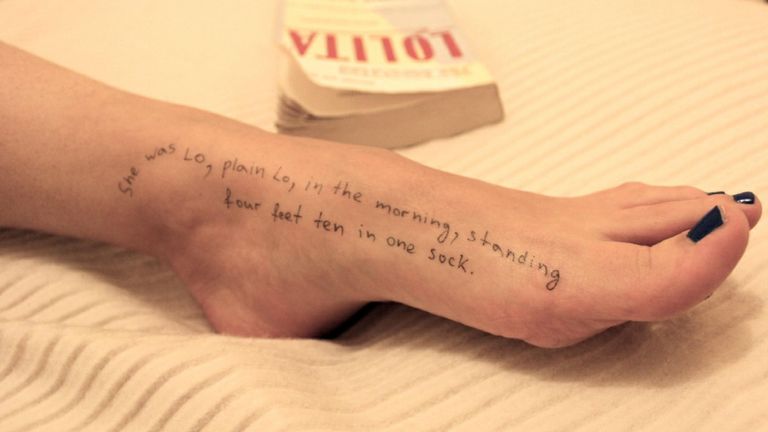
The writing appears to be quoting the opening paragraph of the book Lolita. Pic: @OversightDems
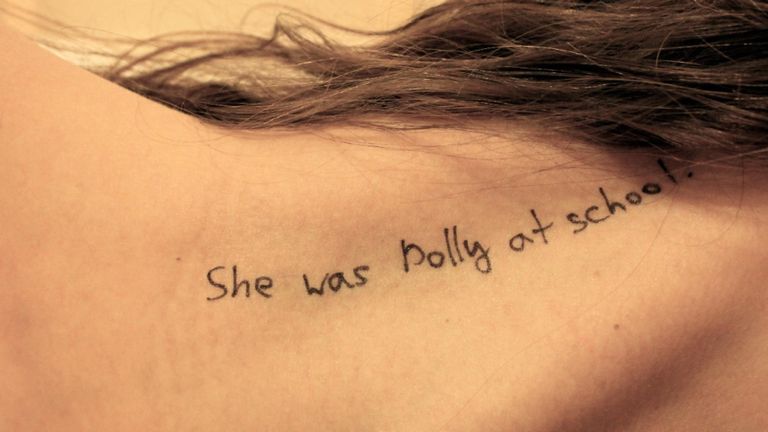
Another handwritten message. Pic: @OversightDems
Other messages can be seen on the neck, hip, back and chest, with the latter reading: “The tip of the tongue taking a trip of three steps down”.
In a different image, Epstein is pictured with three girls in his house in New York. One appears to be touching Epstein’s chest, one is holding her wrist up and another is looking at a laptop.
The identity of the women has been hidden.
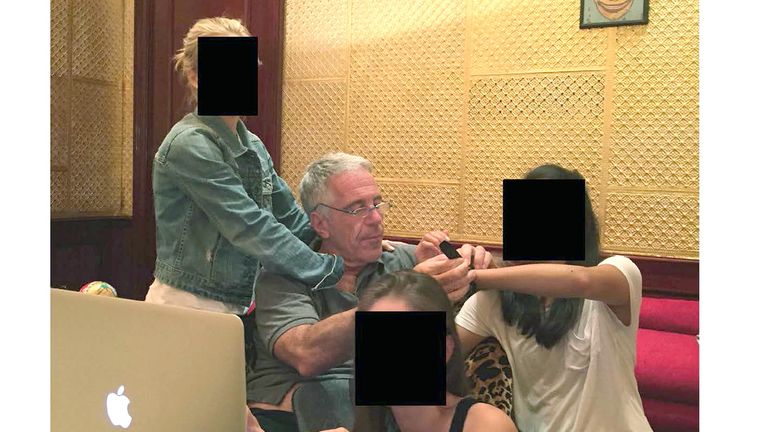
Epstein with three women whose faces have been redacted. Pic: @OversightDems
Epstein with high-profile figures
Some high-profile figures also appear in the newly released images, with one showing Epstein sitting alongside Sheikh Jabor Bin Yousef Bin Jassim Bin Jabor al Thani.
He is the chairman and director of several privately established companies and is a member of the Qatari royal family.
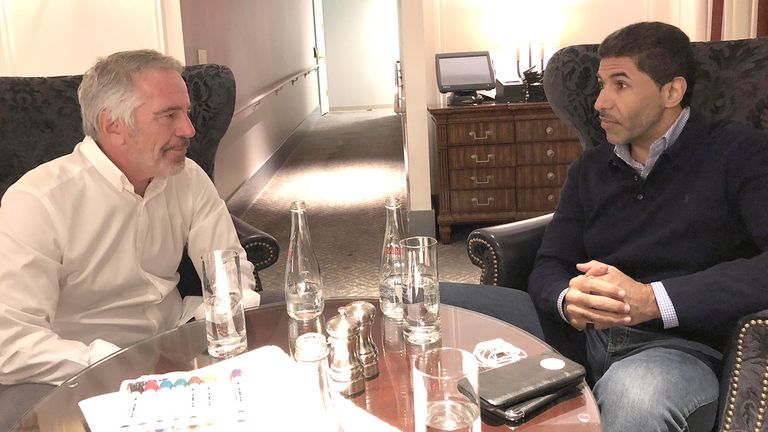
Epstein with Sheikh Jabor Bin Yousef Bin Jassim Bin Jabor al Thani. Pic: @OversightDems
Another image shows Epstein with the former president of the UN General Assembly, Miroslav Lajcak, who held the role between 2017 and 2018. He is also a former Slovakian foreign affairs minister.
Last month, he told TASR news agency: “The reopening of the Epstein case occurred after I left New York, and the full extent of his inexcusable actions, which I strongly condemn, only came to light after his arrest.”
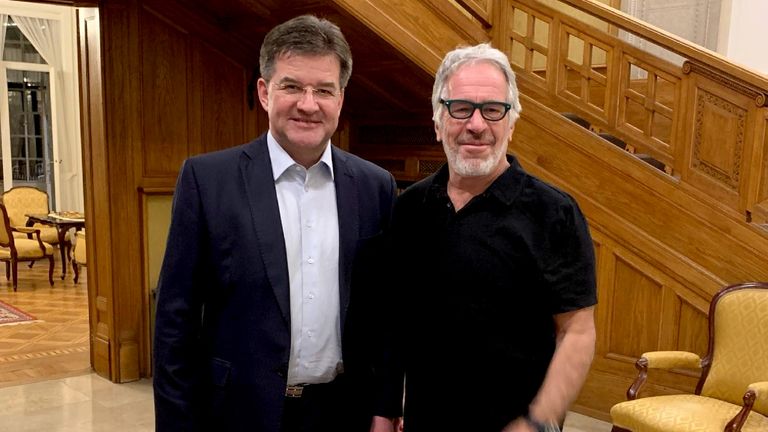
Miroslav Lajcak, former president of the UN General Assembly, next to Epstein. Pic: @OversightDems
Shaher Abdulhak, a deceased Yemeni billionaire businessman whose son is a suspect in the murder of a Norwegian woman in Mayfair, was also pictured with Epstein.
His son, Farouk Abdulhak, fled to Yemen after the rape and death of Martine Vik Magnussen in March 2008 and has been wanted for questioning ever since.
Ms Magnussen was found dead among rubble in a basement in Great Portland Street.
She and her friends had been celebrating finishing their end-of-term exams at the Maddox nightclub before she vanished. Her body was found two days later.
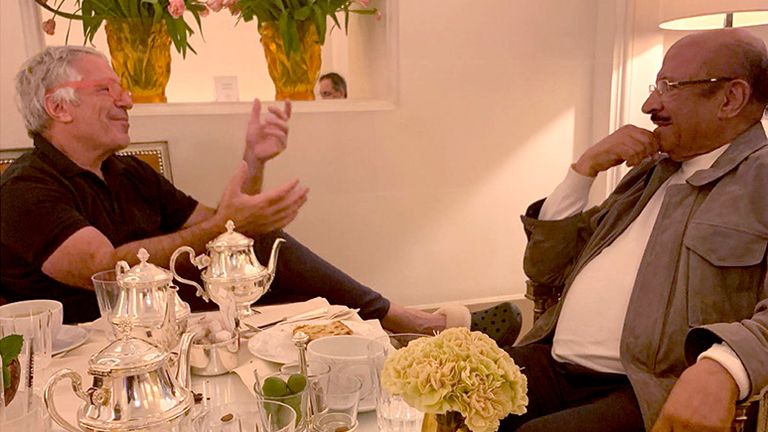
Deceased Yemeni billionaire Shaher Abdulhak with Epstein. Pic: @OversightDems
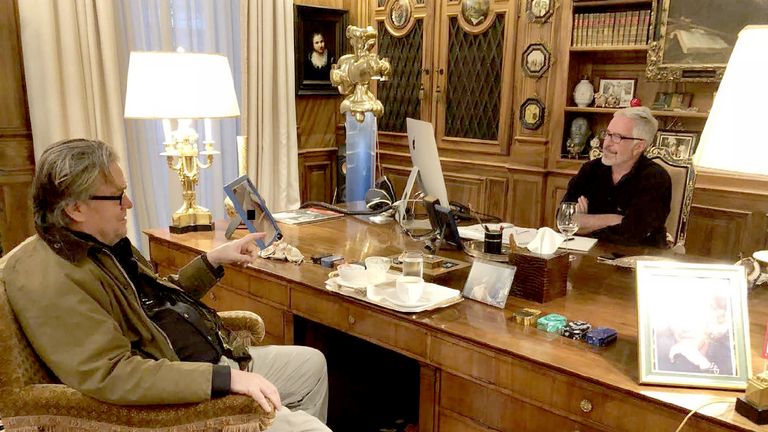
Epstein and Steve Bannon. Pic: @OversightDems
Also featured in the newly released images were former Israeli prime minister Ehud Barak, magician David Blaine, businessman Tom Pritzker, billionaire Bill Gates, director Woody Allen, talk show host Dick Cavett, Trump ally Steve Bannon, and Kuwait’s former information minister Anas al Rasheed.
Photos of identity documents with redacted names were also published, including one with text saying that “the bearer was convicted of a sex offense against a minor”, which could belong to convicted sex offender Epstein.
Also among the identification documents is a heavily redacted Russian passport. It belongs to a female, but other information has been blocked out.
The release also includes ID documents from the Czech Republic, South Africa, Ukraine, and Lithuania.
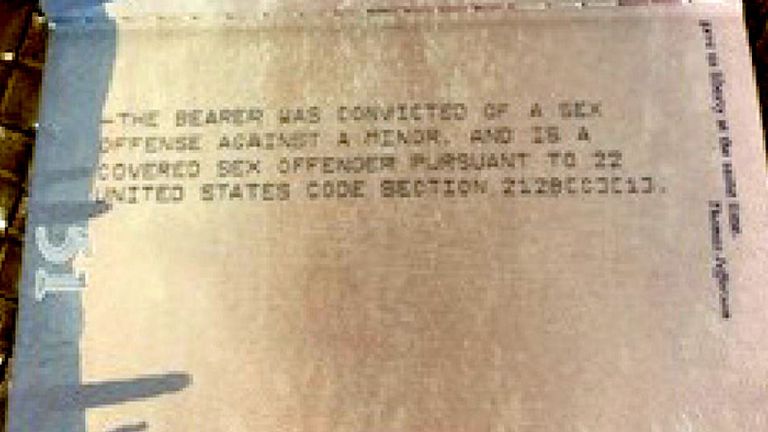
One passport appeared to belong to someone ‘convicted of a sex offense against a minor’. Pic: @OversightDems
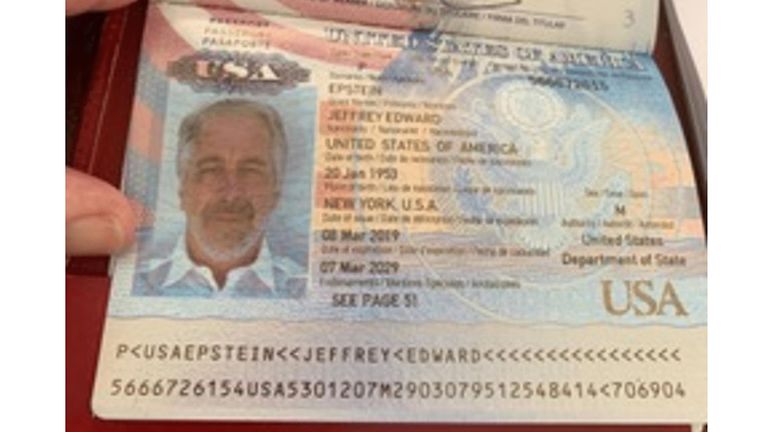
Epstein’s passport. Pic: @OversightDems
Deadline looming
The picture drop came a day before the deadline set by a bipartisan bill that compels the US Justice Department to release the Epstein files within 30 days, which was signed into law by US President Donald Trump last month.
Mr Trump had promised to release the Epstein files during his ultimately successful presidential campaign, but he later made a U-turn, even going as far as calling the Epstein files a Democratic “hoax”, before eventually changing path again to sign the bill.
House minority leader Hakeem Jeffries said ahead of the deadline that he believes the Department of Justice will release the files in time, and warned that there will be “strong bipartisan pushback” if they don’t.
“Based on my conversations with some of the top Democrats who’ve been working on this matter, related to full and complete disclosure of the Epstein files, we do expect compliance,” he told reporters on Thursday.
Full release going ‘down to the wire’
National security lawyers inside the Department of Justice are “working down to the wire” as Friday’s deadline for the full release of the Epstein files edges closer, according to Sky News’ US correspondent James Matthews.
He said those lawyers are mulling “how much is actually divulged in these documents”.
“There will be redactions… the question is, how far short of everything? How far short of the full story will the release fall?” Matthews said.
“The issue at the heart of it… where does Donald Trump feature? Remember, he emphatically denies all knowledge of Epstein’s criminal activities and any involvement in them.”
Read more:
Releasing the Epstein files: How we got here
Ghislaine Maxwell attempts to overturn conviction
‘Frustration building’
Meanwhile, frustration is building at the justice department ahead of the release, according to CNN.
A source has told the US broadcaster that there could be up to 1,000 redactions needed from each attorney.
Lawyers reportedly believe they aren’t getting clear or comprehensive direction on how to make the most information available under the law.
A previous batch of images featured more high-profile figures, including Donald Trump, Andrew Mountbatten-Windsor, Bill Clinton, British entrepreneur Richard Branson, Emirati businessman Ahmed bin Sulayem, and singer Jimmy Buffett.
Several images of a sexual nature have also been released, including a picture of a bowl of novelty condoms with a caricature of Mr Trump’s face, and various sex toys.
Democrats have shared more pictures from Jeffrey Epstein’s estate, a day before the government’s deadline for the full release.
The 68 photos published on Thursday are among more than 95,000 images that the House Oversight Committee Democrats said they were reviewing.
They said the images were “selected to provide the public with transparency into a representative sample of the photos” and to “provide insights into Epstein’s network and his extremely disturbing activities”.
Jeffrey Epstein. Pic: @OversightDems
But the Democrats added that they are still analysing thousands more images that are “both graphic and mundane”.
There is no suggestion of wrongdoing on the part of those pictured in the images – and the context surrounding the photos is not known.
Mystery text quotes price for ‘girl’
The latest cache includes a text message appearing to discuss the price for a girl.
It isn’t clear who sent the messages and to whom, but the screenshot shows some details on an unidentified girl, described as a teenager here.
“I will send u girls now,” one of the texts read.
Pic: @OversightDems
Writing on body
Several pictures show handwritten messages on a person’s body.
One appears to be quoting the opening paragraph of the book Lolita – which can be seen in the background of the picture.
The book was written by Vladimir Nabokov and tells the story of a girl groomed by a middle-aged literature professor.
Another shows writing on a foot, which reads: “She was Lo, plain Lo, in the morning, standing four feet ten in one sock.”
The writing appears to be quoting the opening paragraph of the book Lolita. Pic: @OversightDems
Another handwritten message. Pic: @OversightDems
Other messages can be seen on the neck, hip, back and chest, with the latter reading: “The tip of the tongue taking a trip of three steps down”.
In a different image, Epstein is pictured with three girls in his house in New York. One appears to be touching Epstein’s chest, one is holding her wrist up and another is looking at a laptop.
The identity of the women has been hidden.
Epstein with three women whose faces have been redacted. Pic: @OversightDems
Epstein with high-profile figures
Some high-profile figures also appear in the newly released images, with one showing Epstein sitting alongside Sheikh Jabor Bin Yousef Bin Jassim Bin Jabor al Thani.
He is the chairman and director of several privately established companies and is a member of the Qatari royal family.
Epstein with Sheikh Jabor Bin Yousef Bin Jassim Bin Jabor al Thani. Pic: @OversightDems
Another image shows Epstein with the former president of the UN General Assembly, Miroslav Lajcak, who held the role between 2017 and 2018. He is also a former Slovakian foreign affairs minister.
Last month, he told TASR news agency: “The reopening of the Epstein case occurred after I left New York, and the full extent of his inexcusable actions, which I strongly condemn, only came to light after his arrest.”
Miroslav Lajcak, former president of the UN General Assembly, next to Epstein. Pic: @OversightDems
Shaher Abdulhak, a deceased Yemeni billionaire businessman whose son is a suspect in the murder of a Norwegian woman in Mayfair, was also pictured with Epstein.
His son, Farouk Abdulhak, fled to Yemen after the rape and death of Martine Vik Magnussen in March 2008 and has been wanted for questioning ever since.
Ms Magnussen was found dead among rubble in a basement in Great Portland Street.
She and her friends had been celebrating finishing their end-of-term exams at the Maddox nightclub before she vanished. Her body was found two days later.
Deceased Yemeni billionaire Shaher Abdulhak with Epstein. Pic: @OversightDems
Epstein and Steve Bannon. Pic: @OversightDems
Also featured in the newly released images were former Israeli prime minister Ehud Barak, magician David Blaine, businessman Tom Pritzker, billionaire Bill Gates, director Woody Allen, talk show host Dick Cavett, Trump ally Steve Bannon, and Kuwait’s former information minister Anas al Rasheed.
Photos of identity documents with redacted names were also published, including one with text saying that “the bearer was convicted of a sex offense against a minor”, which could belong to convicted sex offender Epstein.
Also among the identification documents is a heavily redacted Russian passport. It belongs to a female, but other information has been blocked out.
The release also includes ID documents from the Czech Republic, South Africa, Ukraine, and Lithuania.
One passport appeared to belong to someone ‘convicted of a sex offense against a minor’. Pic: @OversightDems
Epstein’s passport. Pic: @OversightDems
Deadline looming
The picture drop came a day before the deadline set by a bipartisan bill that compels the US Justice Department to release the Epstein files within 30 days, which was signed into law by US President Donald Trump last month.
Mr Trump had promised to release the Epstein files during his ultimately successful presidential campaign, but he later made a U-turn, even going as far as calling the Epstein files a Democratic “hoax”, before eventually changing path again to sign the bill.
House minority leader Hakeem Jeffries said ahead of the deadline that he believes the Department of Justice will release the files in time, and warned that there will be “strong bipartisan pushback” if they don’t.
“Based on my conversations with some of the top Democrats who’ve been working on this matter, related to full and complete disclosure of the Epstein files, we do expect compliance,” he told reporters on Thursday.
Full release going ‘down to the wire’
National security lawyers inside the Department of Justice are “working down to the wire” as Friday’s deadline for the full release of the Epstein files edges closer, according to Sky News’ US correspondent James Matthews.
He said those lawyers are mulling “how much is actually divulged in these documents”.
“There will be redactions… the question is, how far short of everything? How far short of the full story will the release fall?” Matthews said.
“The issue at the heart of it… where does Donald Trump feature? Remember, he emphatically denies all knowledge of Epstein’s criminal activities and any involvement in them.”
Read more:
Releasing the Epstein files: How we got here
Ghislaine Maxwell attempts to overturn conviction
‘Frustration building’
Meanwhile, frustration is building at the justice department ahead of the release, according to CNN.
A source has told the US broadcaster that there could be up to 1,000 redactions needed from each attorney.
Lawyers reportedly believe they aren’t getting clear or comprehensive direction on how to make the most information available under the law.
A previous batch of images featured more high-profile figures, including Donald Trump, Andrew Mountbatten-Windsor, Bill Clinton, British entrepreneur Richard Branson, Emirati businessman Ahmed bin Sulayem, and singer Jimmy Buffett.
Several images of a sexual nature have also been released, including a picture of a bowl of novelty condoms with a caricature of Mr Trump’s face, and various sex toys.
-
 Sports2 years ago
Story injured on diving stop, exits Red Sox game
-
 Sports3 years ago
‘Storybook stuff’: Inside the night Bryce Harper sent the Phillies to the World Series
-
 Sports2 years ago
Game 1 of WS least-watched in recorded history
-
 Sports3 years ago
Button battles heat exhaustion in NASCAR debut
-
 Sports3 years ago
MLB Rank 2023: Ranking baseball’s top 100 players
-
Sports4 years ago
Team Europe easily wins 4th straight Laver Cup
-
 Environment3 years ago
Japan and South Korea have a lot at stake in a free and open South China Sea
-
 Environment1 year ago
Here are the best electric bikes you can buy at every price level in October 2024