Connect with us

Published

on

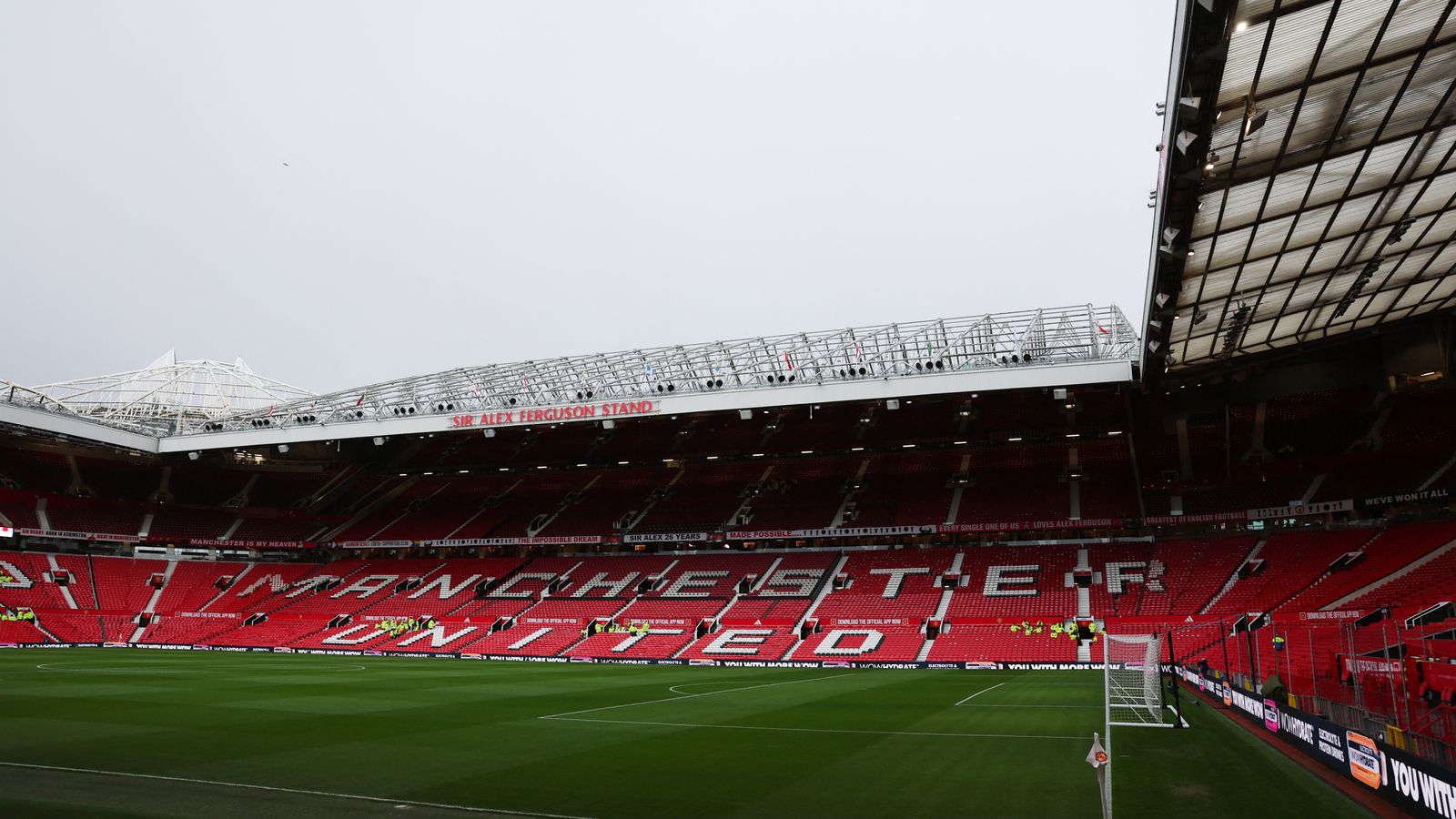
Manchester United Football Club is to cut the funding it provides to its charitable arm as part of a purge of costs being overseen by Sir Jim Ratcliffe, its newest billionaire shareholder.

Sky News has learnt that the Premier League club plans to inform the Manchester United Foundation that it intends to curb the benefits it provides – which totalled close to £1m last year – from 2025 onwards.

Sources close to the situation said a substantial element of the support given to the Foundation by the club would be axed, although Old Trafford insiders insisted on Sunday that it would still provide “significant” support to the charitable wing.

A decision is said to have been made by the club’s leadership to proceed with the cuts, with the Foundation expected to be informed about the scale of the reductions in the coming weeks.

In 2023, the club paid the MU Foundation nearly £175,000 for charity services, which include managing the distribution of signed merchandise to individuals raising funds for charitable causes.

Manchester United also provided gifts in kind amounting to £665,000 last year, which were understood to include use of the Old Trafford pitch and other facilities, alongside free club merchandise and the use of back-office services such as the club’s IT capabilities.

The MU Foundation works in local communities around Manchester and Salford to engage with underprivileged and marginalised people.

Its projects include Street Reds, which is targeted at 8- to 18-year-olds, and Primary Reds, which works in school classrooms with 5- to 11-year-olds.

It also organises hospital visits to support children with life-threatening illnesses.

Read more from Money:
Starmer throws down gauntlet to watchdogs with growth edict
Shoppers complain about Easter eggs already on shelves
Searchlight shines on £140m funding package for insurer Wefox

The disclosure about the latest target of cost-cutting by Sir Jim’s Ineos Sports group, which now owns close to a 29% stake of Manchester United, comes just a day after The Sun revealed that an association set up to facilitate relations between former players, would see its club funding axed.

A similar move has been made in relation to funding for the club’s disabled fans’ group, while hundreds of full-time staff have been made redundant in recent months and costs have been slashed across most areas of its operations.

People close to the club anticipate further cost-cutting measures being introduced as soon as next month.

One club source said it remained “proud of the work carried out by the Manchester United Foundation to increase opportunities for vulnerable young people across Greater Manchester”.

“All areas of club expenditure are being reviewed due to ongoing losses.

“However, significant support for the Foundation will continue.”

Sir Jim has injected $300m of his multibillion pound fortune into Manchester United, although it will need to raise substantially more than that to fund redevelopments to Old Trafford or a new stadium.

Last year, the club, which is listed on the New York Stock Exchange, lost more than £110m, with sizeable interest payments totalling tens of millions of pounds annually required to service its debt burden.

The men’s first team has seen an alarming run of results under Ruben Amorim, who was appointed to succeed Erik Ten Hag in the autumn.

United have lost three of their last four matches – the exception being a derby win away at Manchester City – and lie 14th in the Premier League table.

Mr Amorim has acknowledged that he could face the same fate as Mr Ten Hag unless results improve.

Dan Ashworth, who was brought in from Newcastle United FC as sporting director in the summer, left after just five months.

Responding to news of the plans, a spokesman for the Manchester United Supporters Trust (MUST) said: “The prospect of cuts to the charitable Foundation are another depressing example of the wrong priorities at United, cutting back on support to the community it purports to serve.

“Financial sustainability is important but instead of further investment to show ambition and go for growth, the Club is counter-productively trying to cut its way out of its problems.

“It’s hard not to conclude that the negative atmosphere they’re breeding is feeding its way through to the equally depressing performances on the field.”

Manchester United declined to comment formally on the proposed cuts to the funding of its charitable arm.

Continue Reading

Business

Next plots swoop on family-owned shoe chain Russell & Bromley

Published

on

By

Next plots swoop on family-owned shoe chain Russell & Bromley

Next, the high street fashion giant, is plotting a swoop on Russell & Bromley, the 145 year-old shoe retailer.

Sky News has learnt that Next, which has a market capitalisation of £16.6bn, is among the parties in talks with Russell & Bromley’s advisers about a deal.

City sources said this weekend that a number of other suitors were also in the frame to make an investment in the chain, although their identities were unclear.

The talks come amid the peak Christmas trading period, with retail bosses hopeful that consumer confidence holds up over the coming weeks despite the stuttering economy.

Russell & Bromley confirmed several weeks ago that it had drafted in Interpath, the advisory firm, to explore options for raising new financing for the business.

The chain trades from 37 stores and employs more than 450 people.

It was formed in 1880 when the first Russell & Bromley store opened in Eastbourne.

More from Money

Seven years earlier, George Bromley and Elizabeth Russell, both of whom hailed from shoemaking families, were married, paving the way for the establishment of the business.

Russell & Bromley is now run by Andrew Bromley, the fifth generation of his family to hold the reins.

Billie Piper, the actress and singer, is the current face of the brand as it tries to appeal to younger consumers as part of a five-year turnaround plan.

If it materialised, an acquisition or investment by Next would mark the latest in a string of brand deals struck by Britain’s most successful London-listed fashion retailer.

In recent years, it has bought brands such as Cath Kidston, Joules and Seraphine, the maternitywear retailer for knockdown prices.

Next also owns Made.com, the online furniture retailer, and FatFace, the high street fashion brand.

Under Lord Wolfson, its veteran chief executive, Next has defied the wider high street gloom to become one of the UK’s best-run businesses.

Its Total Platform infrastructure solution has enabled it to plug in other retail brands in order to provide logistics, e-commerce and digital service capabilities.

Both Victoria’s Secret and Gap also have partnerships with Next using the Total Platform offering.

It was unclear whether any deal between Next and Russell & Bromley would involve acquiring the latter’s brand outright or making an investment into the business.

This weekend, Next declined to comment, while neither Russell & Bromley nor Interpath could be reached for comment.

In a statement in October, Mr Bromley said: “We are currently exploring opportunities to help take Russell & Bromley into the next phase of our ‘Re Boot’ vision.

“Since the announcement of the ‘Re Boot’ earlier this year we have made significant progress, positioning us well to build on our momentum and continue along our journey.

“We are looking forward to working with our advisory team to secure the necessary investment to accelerate our expansion plans.”

Continue Reading

Business

UK economy shrank by 0.1% in October, official figures show

Published

on

By

UK economy shrank by 0.1% in October, official figures show

The UK economy contracted by 0.1% in October, according to official figures.

The surprise fall in gross domestic product (GDP) – a measure of economic output – comes after a similar unexpected 0.1% drop in September and 0% growth in August.

Economists polled by the Reuters news agency had predicted that October GDP would grow by 0.1%.

The figures, from the Office for National Statistics (ONS), represent more bad news for the chancellor over the state of the UK economy.

Commentators had warned that consumer spending was likely to be restrained in the run-up to November’s budget, amid concerns about the impact of Rachel Reeves’s potential measures on households and businesses.

UK GDP has also been hit hard by disruption to car production caused by a cyber attack on Jaguar Land Rover.

The ONS said that during October, the UK’s services sector fell by 0.3%, while construction was down 0.6%. However, production grew by 1.1%.

It found that GDP on a rolling three-month basis, to October, also fell by 0.1%.

Read more from Sky News:
Appeal court delay for first Post Office Capture case

Mail owner lines up NatWest to help fund Telegraph bid
Burger King UK lands new backing

The ONS’s director of economic statistics, Liz McKeown, said: “Within production, there was continued weakness in car manufacturing, with the industry only making a slight recovery in October from the substantial fall in output seen in the previous month.

“Overall services showed no growth in the latest three months, continuing the recent trend of slowing in this sector. There were falls in wholesale and scientific research, offset by growth in rental and leasing and retail.”

Interest rate cut ‘nailed on’

Commentators also blamed rumours and leaks in the run-up to the budget for dampening demand.

Scott Gardner, from banking giant JP Morgan, said that despite expectations of a return to growth, the economy continued to “battle a period of inconsistent productivity”.

He added: “Speculation about potential budget announcements had a numbing effect on consumers and businesses in the lead up to the chancellor’s speech at the end of November.”

Suren Thiru, from the Institute of Chartered Accountants, said the data increased the likelihood of the Bank of England cutting interest rates next week.

He said: “With these downbeat figures likely to further fuel fears among rate-setters over the health of the UK economy, a December policy loosening looks nailed on, particularly given the likely deflationary impact of the budget.”

Figures ‘extremely concerning’

Barret Kupelian, chief economist at PwC, said that while some of the blame could be attributed to the Jaguar Land Rover cyber attack, “the bigger story is that speculation around the autumn budget kept households and businesses in wait-and-see mode”.

He added: “Given the timing of the budget, November’s GDP print is likely to look similarly subdued before any post-budget effects start to show up.”

Sir Mel Stride, the Tory shadow chancellor, described the figures as “extremely concerning”, claiming they were “a direct result of Labour’s economic mismanagement”.

A Treasury spokesperson said: “We are determined to defy the forecasts on growth and create good jobs, so everyone is better off, while also helping us invest in better public services.”

Continue Reading

Business

Appeal court delay for first Capture case as Post Office requests extension

Published

on

By

Appeal court delay for first Capture case as Post Office requests extension

The first-ever Capture case has been delayed at the Court of Appeal as the Post Office asks for an extension to respond, Sky News has learned.

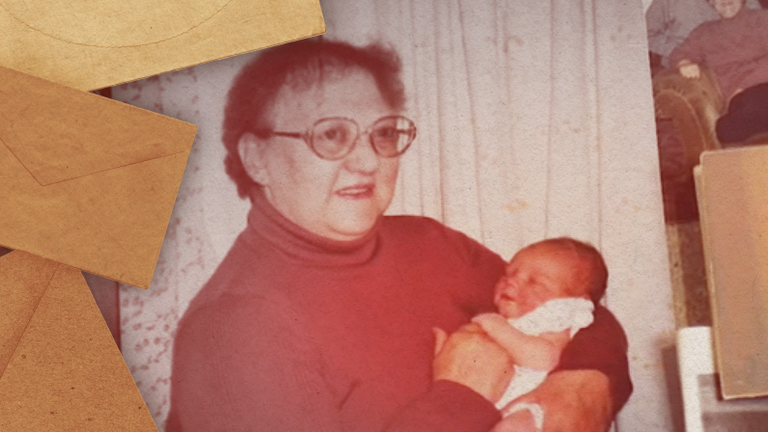
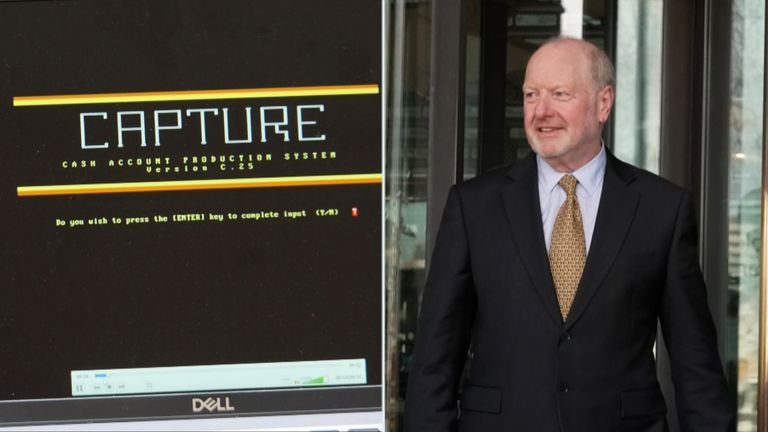
Pat Owen, a former sub postmistress who has since passed away, was convicted of stealing in 1998 based on evidence from computer software.

The system, known as Capture, was used in up to 2,500 branches in the 1990s, before the infamous Horizon system was introduced.

Hundreds of sub-postmasters were wrongfully convicted between 1999 and 2015 as part of the Horizon scandal.

Earlier this year, Sky News unearthed a 1998 report showing the Capture software was also faulty.

That report, commissioned by the solicitors acting for Mrs Owen in 1998, was served on the Post Office and may never have been seen by the jury in her case.

Please use Chrome browser for a more accessible video player

‘All we want is her name cleared’

Ms Owen was given a suspended prison sentence and fought to clear her name subsequently – but died in 2003.

More on Post Office Scandal

Her case was referred by the Criminal Cases Review Commission (CCRC) to the Court of Appeal in October.

The Post Office had until 5 December to respond to papers put forward by Mrs Owen’s defence team but they have now asked for an extension until 30 January.

Ms Owen’s daughter, Juliet Shardlow, described the family’s suffering at the lengthening wait.

“I need to emphasise the profound impact the ongoing delay is having on our family,” she said.

“The continuous uncertainty only compounds our heartache, stress, and anxiety.
Please use Chrome browser for a more accessible video player

Alan Bates: New redress scheme ‘half-baked’

“It has become the last thing I think about before I go to sleep and the first thing when I wake up.

“We have waited 27 years for justice, and this additional wait feels never-ending.”

Ms Owen’s case is the first time a conviction based on Capture has reached the Court of Appeal since the scandal was exposed.

Read more from Sky News:
Corporate manslaughter charges considered in Post Office scandal
21 ‘Capture’ cases investigated for miscarriages of justice

Lawyers have said that if Ms Owen is exonerated posthumously, it may “speed up” the handling of others.

CCRC chair Dame Vera Baird also told Sky News in the summer it could be a “touchstone case” for other victims.

The CCRC is also continuing to investigate around 30 other “pre-Horizon” convictions.

A Post Office spokesperson said: “We have sought an extension of time to fully consider and respond to the CCRC’s Statement of Reasons in Ms Owen’s case.

“We deeply regret the impact our request for further time will have on Ms Owen’s family.

“We have a duty to carefully consider the evidence presented in the Statement of Reasons submitted by the CCRC and do everything we can to fully assist the Court when it considers this conviction.”

Meanwhile, the first-ever redress scheme for victims of the Post Office Capture IT scandal was launched this autumn.

The Capture Redress Scheme will provide payments of up to £300,000, and more in “exceptional” cases, to former postmasters who suffered financial losses.

Continue Reading

Trending