

The Wanted star Max George recalls moment he wrote will from hospital bed before heart surgery
Entertainment
Primal Scream says video with alleged antisemitic imagery shown at gig was meant to provoke debate

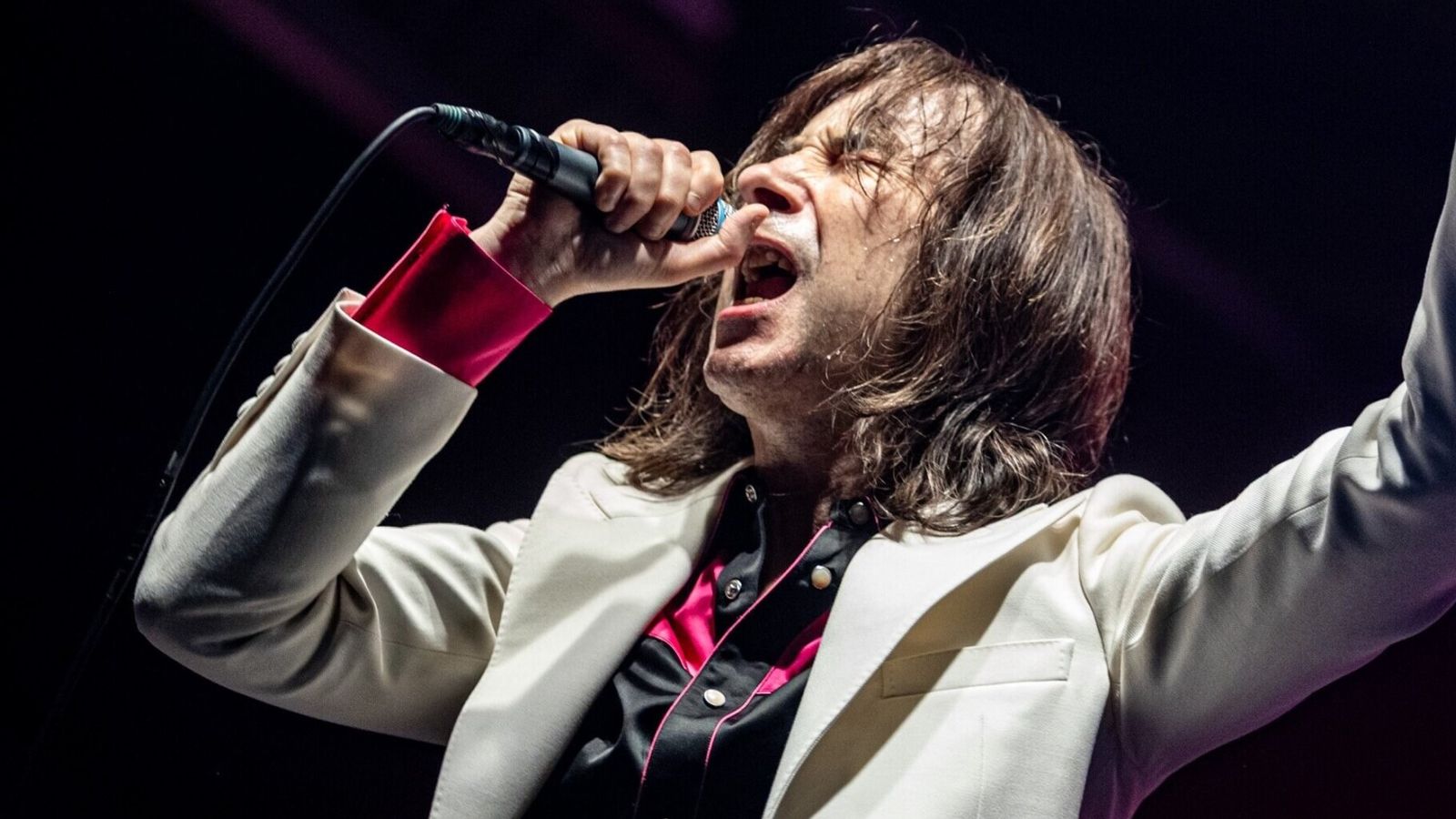
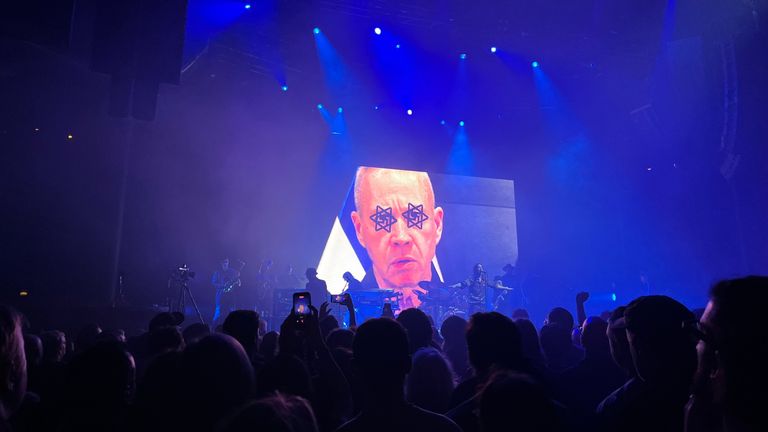
Primal Scream have said a video containing alleged antisemitic imagery was a “piece of art” and was intended to “provoke debate, not hate”.
Warning: This article contains alleged antisemitic imagery.
The Scottish rock band have been reported to the Metropolitan Police for showing a film at their Roundhouse concert in Camden, London on Monday which appeared to include imagery of the Star of David entwined with a swastika.
The force is now assessing the report.
‘Film is a piece of art’
Primal Scream said in a statement on Instagram: “The film is a piece of art. It clearly draws from history to question where the actions of current world governments sit in that context. It is meant to provoke debate, not hate.
“In a free, pluralistic and liberal society freedom of expression is a right which we choose to exercise.”
Primal Scream, founded by frontman Bobby Gillespie in 1982, were playing a 25-year anniversary show for their album XTRMNTR.
As the group performed Swastika Eyes, pictures of political figures including Israeli Prime Minister Benjamin Netanyahu appeared behind them, showing what appeared to be the Star of David combined with a swastika in their eyes.
The video from the gig that sparked the report to police
Venue ‘appalled’
The Roundhouse has apologised, saying it was “appalled” that “antisemitic imagery was displayed”, adding it was done entirely without its knowledge.
It said in a statement: “We deeply regret that these highly offensive images were presented on our stage and unequivocally apologise to anyone who attended the gig and to the wider Jewish community.”
It added: “Our organisation absolutely condemns antisemitism in every form.”
Call for ‘urgent investigation’
The Community Security Trust (CST), which provides protection for Jewish communities in the UK, said it had reported the band to police and called on the venue to carry out an “urgent investigation”.
In a statement, a CST spokesperson said: “CST is appalled by the grossly antisemitic image displayed at Primal Scream. Entwining a Star of David with a swastika implies that Jews are Nazis and risks encouraging hatred of Jews.
“There needs to be an urgent investigation by the venue and the promoter about how this happened, and we have reported this to the police.”
What have police said?
Responding to that report, a Met Police spokesperson said: “On Wednesday, 10 December, we received a report in relation to a video shown on stage during a concert at the Roundhouse in Chalk Farm Road, Camden on Monday, 8 December.
“It is being assessed by officers.”
Read more from Sky News:
Man found guilty of savage train glass bottle attack
Taylor Swift breaks down in tears over Southport attacks
‘Unadulterated hatred’
The charity Campaign Against Antisemitism said: “The Nazi swastika represents the ideology that inspired people to industrially slaughter six million innocent Jewish men, women and children by bullet, gas and any other means available.
“To visually combine that with the Star of David – the pre-eminent symbol of Judaism – is absolutely sickening and totally inexcusable.
“This isn’t art. This isn’t edgy. This isn’t political statement. It is unadulterated hatred and a clear breach of the international definition of antisemitism.
“We will be writing to the Camden Roundhouse and our legal team is examining the footage to consider further steps.”
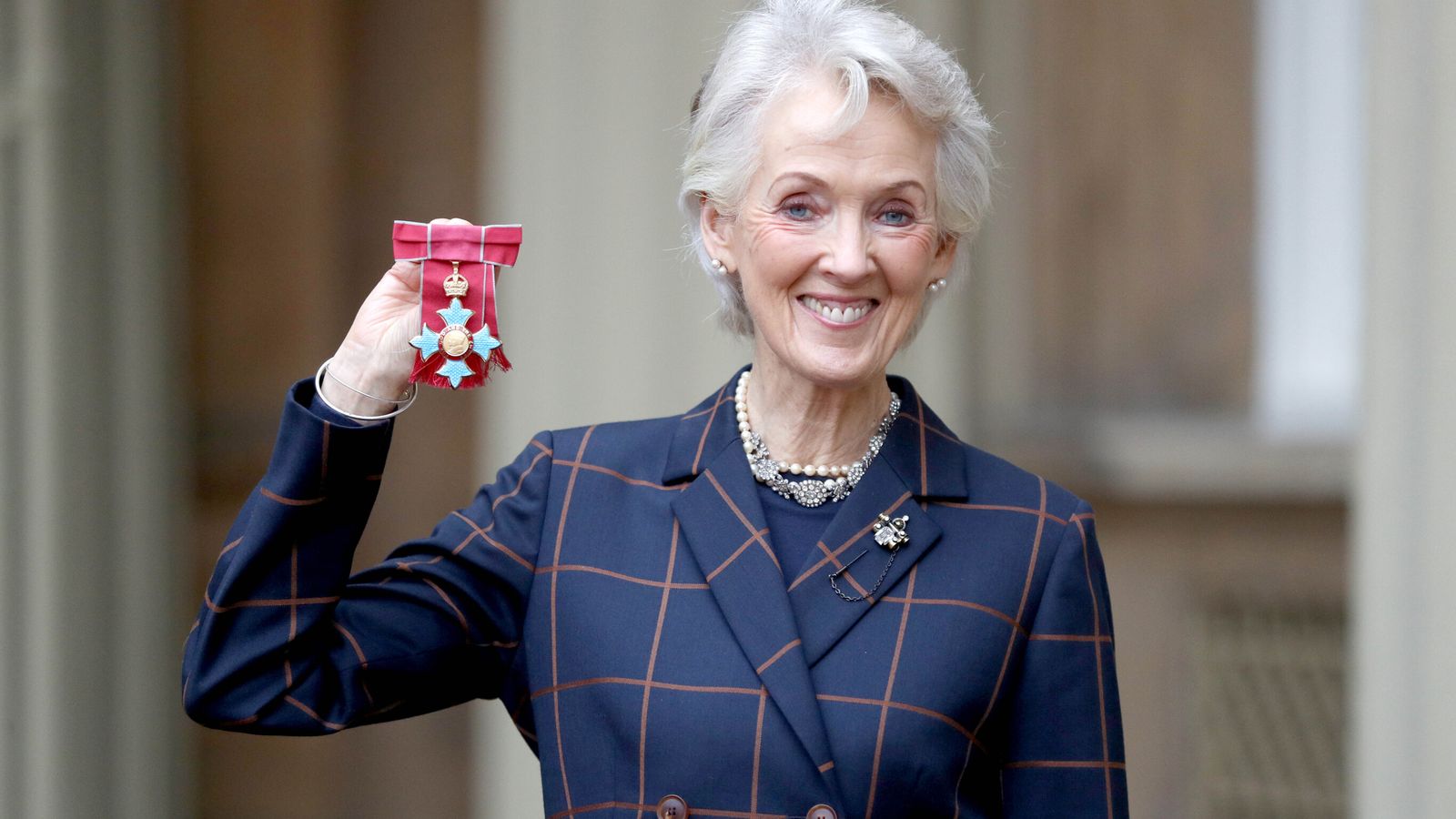
Author Joanna Trollope has died aged 82, her family has said.
Trollope was one of the nation’s most widely read authors, having published more than 30 novels during a career that began in the 1970s.
Her novels include “Aga sagas” The Rector’s Wife, Marrying The Mistress and Daughters-in-Law.
In a statement, Trollope’s daughters Antonia and Louise said: “Our beloved and inspirational mother Joanna Trollope has died peacefully at her Oxfordshire home, on December 11, aged 82.”
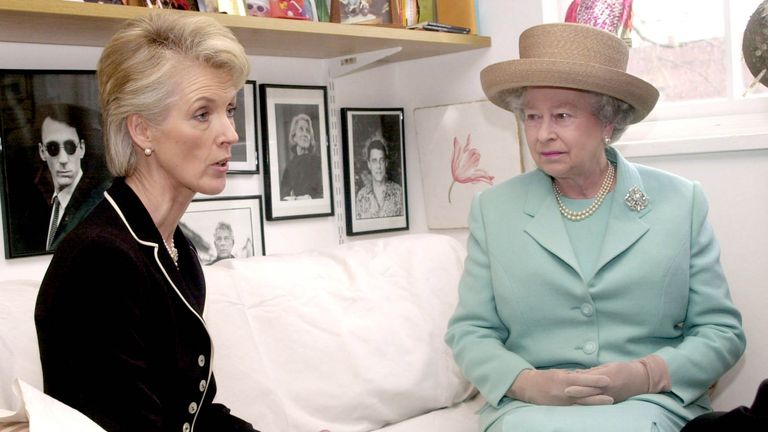
Trollope with Queen Elizabeth II in 2001. Pic: PA
Her literary agent James Gill said: “It is with great sadness that we learn of the passing of Joanna Trollope, one of our most cherished, acclaimed and widely enjoyed novelists.
“Joanna will be mourned by her children, grandchildren, family, her countless friends and – of course – her readers.”
Trollope was born in Gloucestershire in 1943. She won a scholarship to study at the University of Oxford in the 1960s.
After graduating, she joined the Foreign Office before training as a teacher and then turning to writing full-time in 1980.
The author was best known for her novels set in rural middle England and centred around domestic life and relationships.
Her early historical romances were written under the pseudonym Caroline Harvey, before she turned to contemporary fiction.
Her work tackled a range of topics from affairs, blended families and adoption, to parenting and marital breakdown.
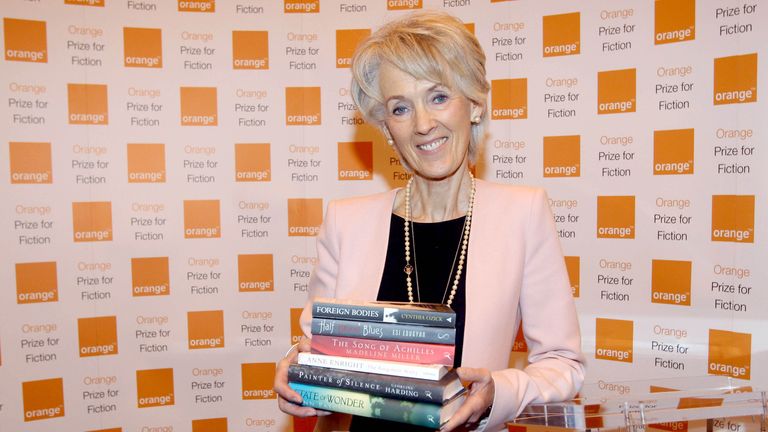
Trollope with shortlisted novels for the Orange Prize for Fiction. Pic: PA
Trollope also took part in The Austen Project, which saw six of Jane Austen’s novels retold by contemporary writers.
She wrote the first book in the series, Sense & Sensibility, published in 2013.
Read more from Sky News:
Man found guilty of murdering wife in rare retrial
UK ‘rapidly developing’ plans to prepare for war
In 1996, Trollope was awarded the Order of the British Empire (OBE) for her services to literature and later made a Commander of the Order of the British Empire (CBE) in 2019.
She won the Romantic Novel of the Year in 1980 for the book Parson Harding’s Daughter and in 2010 was given a lifetime achievement award from the Romantic Novelists’ Association (RNA) for her services to romance.
She went on to chair a number of award ceremonies, including the Costa Book Awards, formerly the Whitbread Prize, as well as the BBC National Short Story Award and the Orange Prize for Fiction.
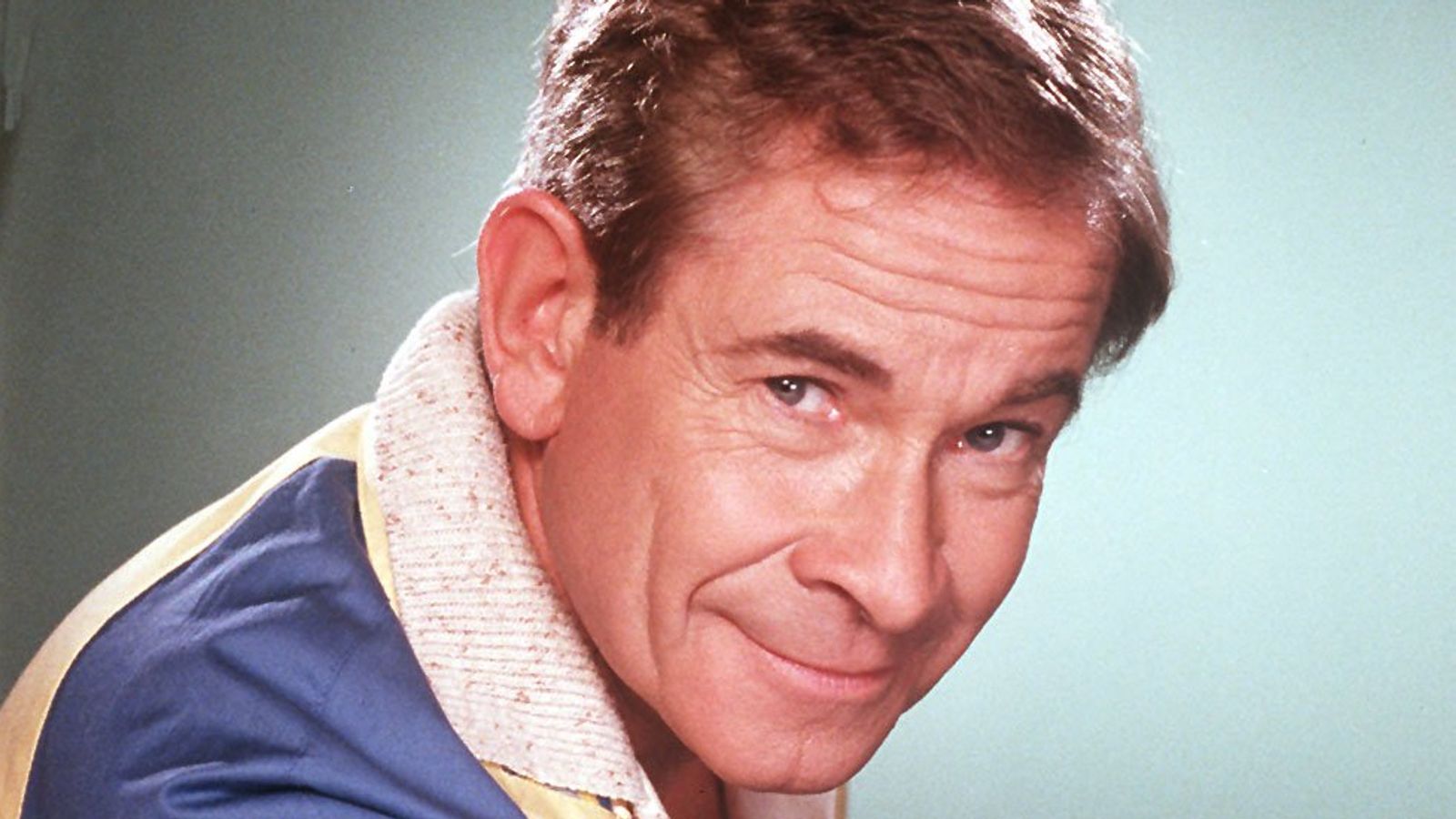
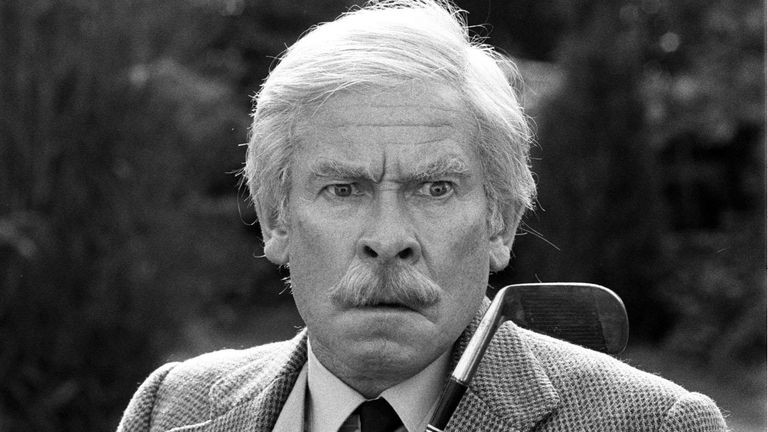
Glaswegian comic actor and impressionist Stanley Baxter has died at the age of 99.
Baxter was bold enough to mimic the Pope and even the Queen and sent up his native city with comic routines based on Glaswegian patois.
The Scot received several awards during his career, including a lifetime achievement award at the British Comedy Awards and two TV tribute programmes.
His friend and biographer Brian Beacom said the TV star died on Thursday in a north London care home for entertainment figures.
He had lived in the home, Denville Hall, since late 2023 and was a few months away from celebrating his 100th birthday.
Pic: PA
Baxter’s TV shows, in which he often appeared grotesquely in drag, attracted huge audiences and marked him out as one of the funniest, as well as sometimes one of the most controversial, comics of his generation.
Baxter was also popular on the Scottish pantomime circuit, until his retirement in 1991.
Although he did emerge occasionally and briefly from retirement, he largely disappeared from show business and from the public eye.
Baxter was married for 46 years. His wife, Moira died in 1997.
In 2020, he released a co-written biography, The Real Stanley Baxter, which revealed he was gay and had told his wife before they married.
Baxter was born on 24 May, 1926 and started his career as a child actor in the Scottish edition of BBC’s Children’s Hour.
During his National Service, he developed his skills in the Combined Services Entertainment Unit.
Read more from Sky News:
Man found guilty of murdering wife in rare retrial
King to share personal cancer update in video message
He then returned to Glasgow, and later to London, where he launched a glittering career in television.
He made his debut in the BBC’s Shop Window in 1952, followed by several guest appearances in variety shows.
But it was on the satirical BBC show On The Bright Side (1959) that he was handed his major TV break.
The Stanley Baxter Show (1963-1971) cemented his reputation and propelled him to television stardom.
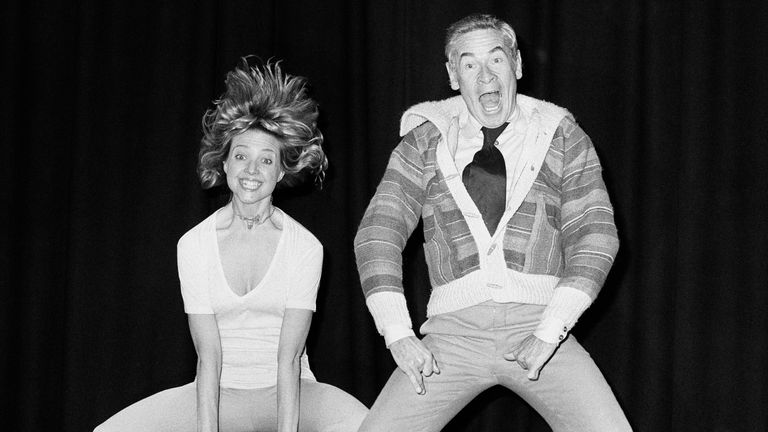
Scots comedian Stanley Baxter and Julie Dean, a Brian Rogers dancer, rehearsing for Stanley Baxter on Television in 1979. Pic: PA
Baxter also starred in various TV spectaculars, including Stanley Baxter’s Christmas Box.
Among his most successful routines was Parliamo Glasgow, which was conceived as being written by a fictitious scholar visiting the city.
The sketch took the Glasgow patois and developed it to comic effect, such as “sanoffy cold day” for “It’s an awfully cold day”.
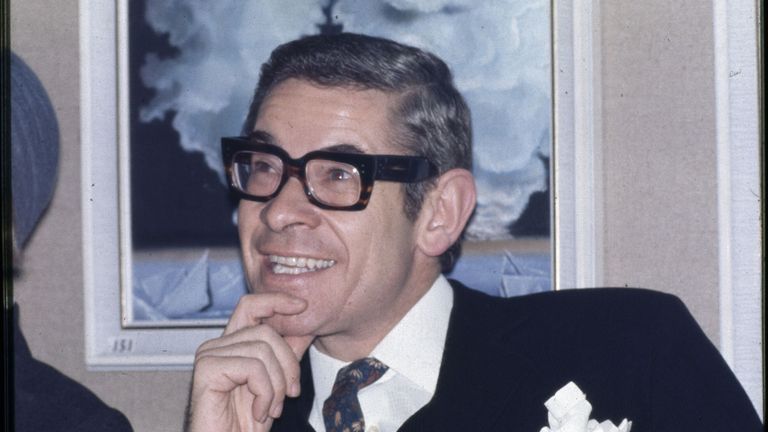
Stanley Baxter in 1969. Pic: Shutterstock
After his retirement, he appeared in 2004 in a series of three half-hour sitcoms for BBC Radio 4, entitled Stanley Baxter and Friends.
He also lent his voice to the animated children’s film Arabian Knight and the television series Meeow.
Baxter appeared in a number of films, including Very Important Person (1961), in which he played a fiercely nationalistic Scot.
Other film appearances included Geordie (1955), The Fast Lady (1962) and And Father Came Too! (1963).
Baxter also gained an Outstanding Contribution to Film and Television Award from Bafta Scotland in a digital ceremony in 2020.
-
 Sports2 years ago
Story injured on diving stop, exits Red Sox game
-
 Sports3 years ago
‘Storybook stuff’: Inside the night Bryce Harper sent the Phillies to the World Series
-
 Sports2 years ago
Game 1 of WS least-watched in recorded history
-
 Sports3 years ago
Button battles heat exhaustion in NASCAR debut
-
 Sports3 years ago
MLB Rank 2023: Ranking baseball’s top 100 players
-
Sports4 years ago
Team Europe easily wins 4th straight Laver Cup
-
 Environment3 years ago
Japan and South Korea have a lot at stake in a free and open South China Sea
-
 Environment1 year ago
Here are the best electric bikes you can buy at every price level in October 2024