

Trump just canceled the federal NEVI EV charger program

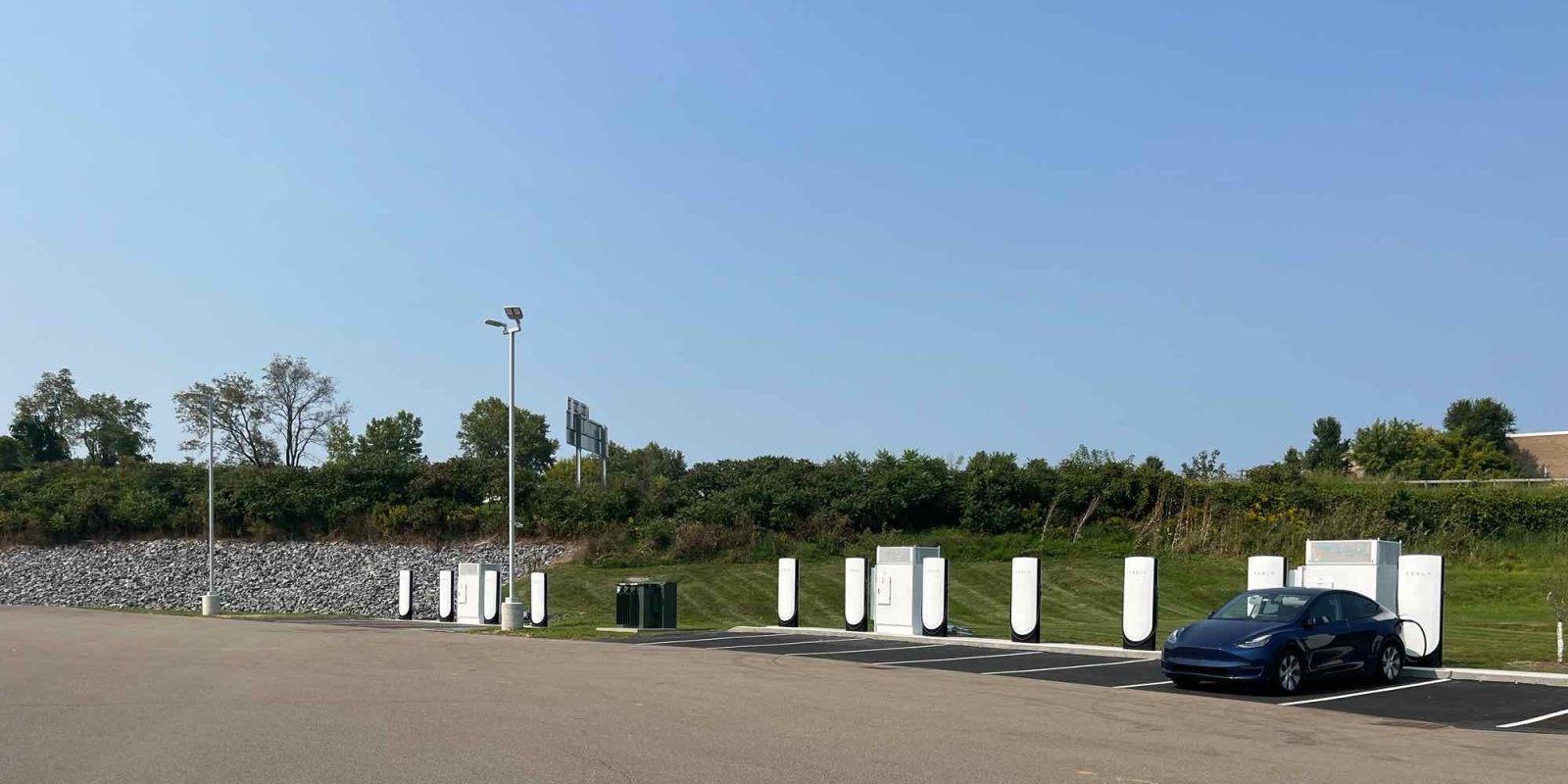
Trump’s Federal Highway Administration (FHWA) has issued a memo ordering states to suspend all state EV infrastructure deployment plans under the National Electric Vehicle Infrastructure (NEVI) Formula Program.
Trump’s FHWA orders NEVI suspension
The $5 billion NEVI program is the big rollout of EV charging infrastructure across the US that was funded by the Biden administration’s Infrastructure Act, and it’s already well underway.
Under the NEVI program, states have to send their plans to the FHWA annually, detailing how they’ll use the funds. During the Biden administration, the FHWA signed off on the first four out of five fiscal years of plans through 2025. However, not all of it has been “obligated” to EV infrastructure projects.
Trump’s FHWA has told states in this memo that they can’t commit funds that were already approved to new EV charging infrastructure. However, money that was already committed is not affected.
The memo reads:
Therefore, effective immediately, no new obligations may occur under the NEVI Formula Program until the updated final NEVI Formula Program Guidance is issued and new State plans are submitted and approved. Instructions for the submission of new State plans for all fiscal years will be included in the updated final NEVI Formula Program Guidance. Since FHWA is suspending the existing State plans, States will be held harmless for not implementing their existing plans. Until new guidance is issued, reimbursement of existing obligations will be allowed in order to not disrupt current financial commitments.
Electrek’s Take
I asked Loren McDonald, chief analyst at Paren, what his thoughts were on this latest cancellation, and he, among others (myself included), doesn’t think the FHWA has the authority to stop the NEVI program with a memo – it would need a change in law from Congress – and then the courts will settle it. (Who else is beginning to see a Trump administration theme here?) McDonald said:
I don’t believe FHWA has the authority to pause or rescind any aspect of NEVI. The Trump administration is clearly trying to stop or pause programs like NEVI for as long as they can, but I assume lawsuits from states will start soon, and this will go to court and Congress … but the Trump admin will succeed in just causing havoc and slowing things down for a while. In the end, the Trump administration will likely fail, as only Congress can fundamentally revise and stop the NEVI program.
But, as with everything else rolled back the last few weeks, this will cause chaos and delays. This will cause serious damage to businesses nationwide – from EV charging companies (including Tesla, one of the largest NEVI recipients) to convenience stores and other host sites – and will waste money and cost people jobs.
It should also be noted that NEVI is the very reason that the NACS charging standard exists in the first place.
NEVI was limited only to chargers that could serve multiple makes of vehicles – a reasonable step, that government wouldn’t want to do a giveaway to a single, proprietary company. This is what caused Tesla to release NACS as a standard in the first place, so that its chargers could access NEVI money.
Then, when the entire industry switched over to the NACS standard, that signaled a potential long period of leadership in EV charging for Tesla. The company could have been the primary energy provider for EVs in North America for years or even decades to come as a result.
Now, an administration that Elon Musk is involved in is killing the very program that could have led to his company’s dominance in energy delivery – after also firing the entire team that was responsible for making the NACS standard in the first place.
What an awesome way to make America great again.

Read more: Q4 2024 update: 12,000 more US EV charging ports in 3 months
If you live in an area that has frequent natural disaster events, and are interested in making your home more resilient to power outages, consider going solar and adding a battery storage system. To make sure you find a trusted, reliable solar installer near you that offers competitive pricing, check out EnergySage, a free service that makes it easy for you to go solar. They have hundreds of pre-vetted solar installers competing for your business, ensuring you get high quality solutions and save 20-30% compared to going it alone. Plus, it’s free to use and you won’t get sales calls until you select an installer and share your phone number with them.
Your personalized solar quotes are easy to compare online and you’ll get access to unbiased Energy Advisers to help you every step of the way. Get started here. –trusted affiliate link*
FTC: We use income earning auto affiliate links. More.

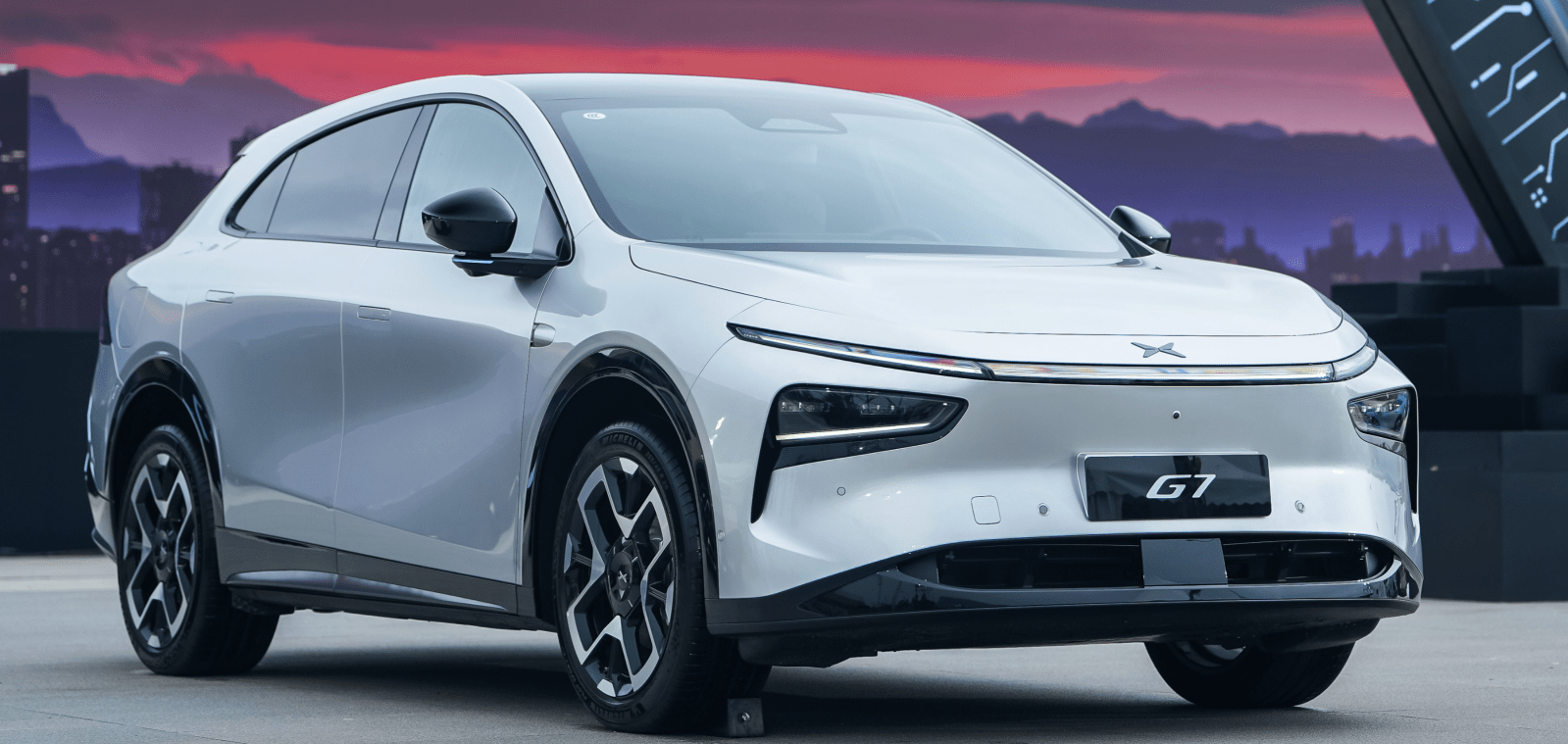
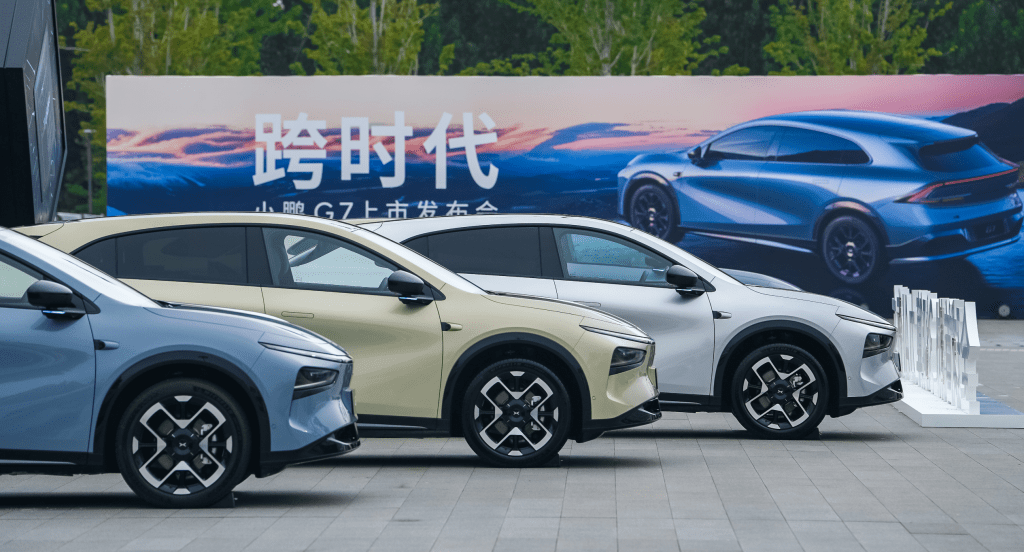
Xpeng has officially launched its new G7 electric SUV in China, entering the fiercely competitive electric crossover market with a starting price of just 195,800 yuan ($27,325 USD). The G7 is positioned squarely to compete with the Tesla Model Y and the newly unveiled Xiaomi YU7.
It is priced significantly more aggressively than the YU7, which shook up the industry just last week.
The G7, Xpeng’s seventh model, offers an attractive balance of performance, technology, and value, with an emphasis on the latter.
Like Lei Jun with the launch of the YU7 last week, He Xiaopeng was not shy about positioning the G7 against the best-selling Tesla Model Y.
He compared the specs and pricing with the leading premium crossover. Like Jun, he brought up Tesla’s comparison challenge against the new Model Y:

The G7 is powered by a single rear-wheel-drive electric motor producing 292 horsepower (218 kW), it achieves a 0-100 km/h acceleration in 6.5 seconds. Impressively, the G7 can cover between 602 km and 702 km (374-436 miles) based on China’s generous CLTC standard, depending on the battery option and wheel size.
Two battery options are available, both using lithium iron phosphate (LFP) technology: a 68.5 kWh and a larger 80.8 kWh pack. With Xpeng’s advanced 5C charging technology, drivers can recharge up to 436 km (271 miles) of range in just 10 minutes.
Additionally, the G7 supports Vehicle-to-Load (V2L) functionality, providing up to 6 kW of external power, like the YU7 announced last week.
On the design front, the Xpeng G7 adopts the company’s second-generation “X Face” styling, featuring sleek running lights connected by a continuous LED strip, a closed front end for aerodynamic efficiency, and a distinctive “Star Ring” rear taillight design. Xpeng emphasizes the vehicle’s aerodynamics with a drag coefficient of just 0.238 Cd, slightly higher than the Model Y’s 0.230 Cd.
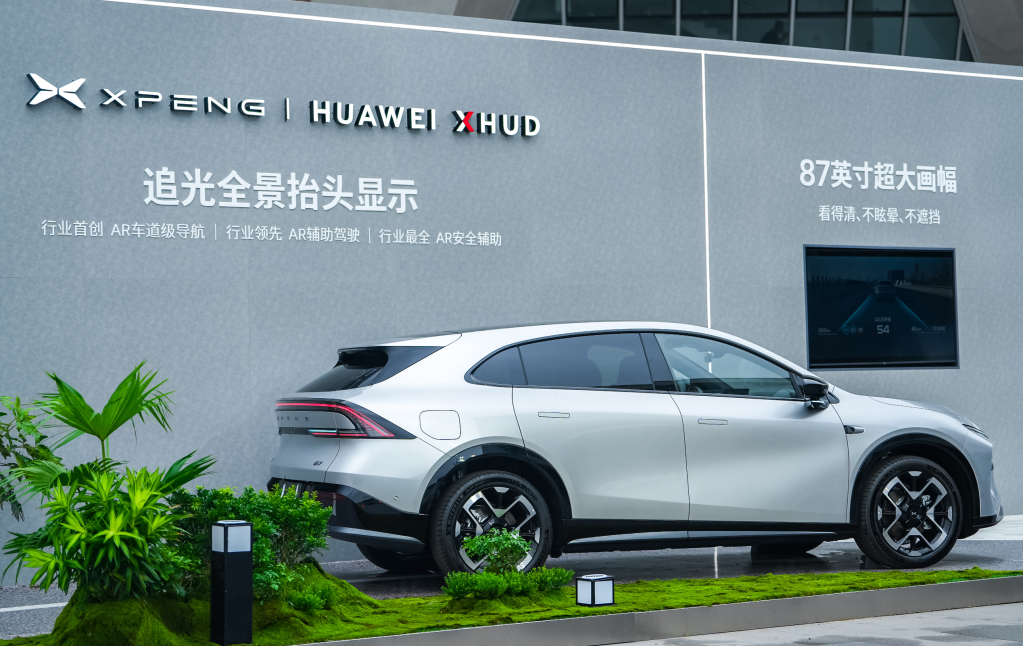
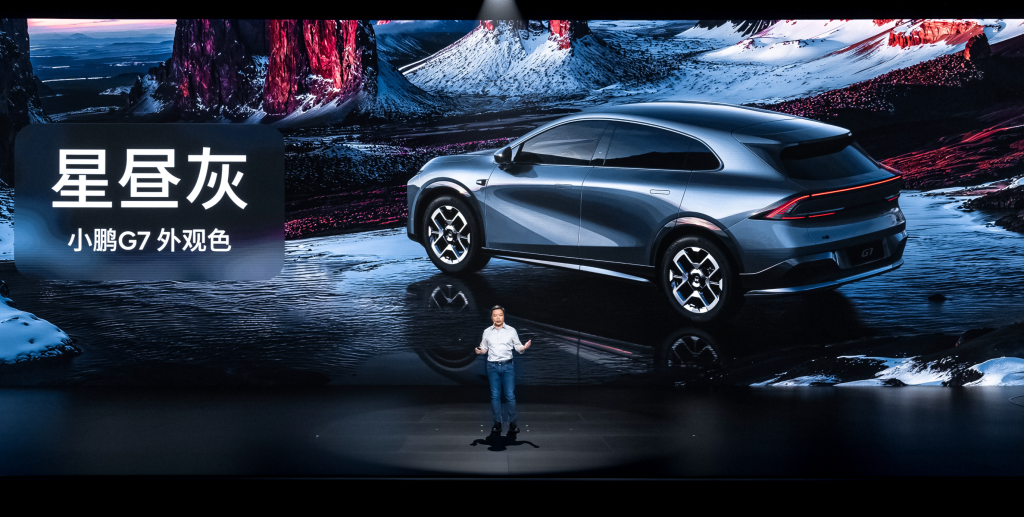
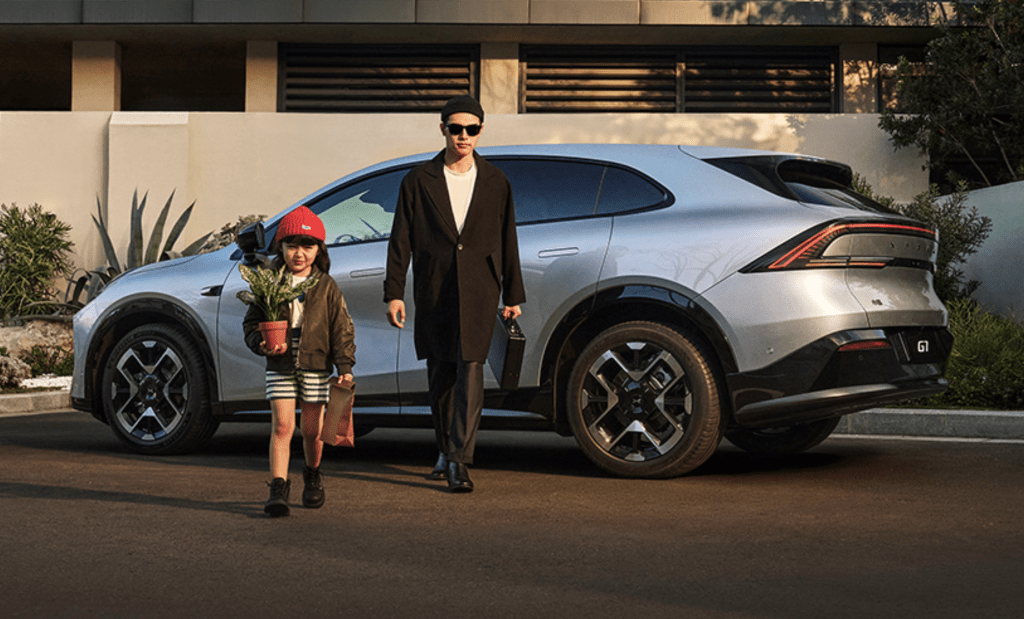

Inside, the G7 embraces minimalism, replacing conventional buttons with a large 15.6-inch central touchscreen powered by Qualcomm’s Snapdragon 8295 chipset. A standout interior feature is the expansive 87-inch augmented reality head-up display (AR-HUD), developed in collaboration with Huawei, that significantly enhances navigation and driving assistance.
Practicality is emphasized with ample cargo space: an 819-liter trunk that expands to 2,277 liters with the seats folded, plus an additional 120-liter compartment beneath the trunk floor and a modest 42-liter front trunk (frunk).
Xpeng is touting an adaptive AI-driven suspension system that actively adjusts to road conditions within milliseconds, allegedly surpassing comfort benchmarks set by the Mercedes-Benz GLE and Tesla Model Y. Cabin quietness also ranks high on Xpeng’s list of priorities.
Luxury and convenience features include dual 50W wireless phone chargers, a 20-speaker premium audio system, and a panoramic sunroof. Passengers in the second row enjoy premium touches like an 8-inch control screen, individual climate settings, a foldable table, and wireless charging.
The top-tier “Ultra” variant employs two proprietary Turing AI chips capable of delivering a massive 2,250 TOPS of computing power, enabling advanced Level 3 autonomous driving capabilities set to become active via an OTA update by December 2025, pending regulatory approval. Standard versions use dual Nvidia Orin-X chips with 508 TOPS.
The Xpeng G7 starts at 195,800 yuan ($27,325 USD) for the base “Max” variant with 602 km of range, stepping up to 205,800 yuan ($28,720 USD) for the longer-range “Max” (702 km) and topping out at 225,800 yuan ($31,510 USD) for the high-end “Ultra” trim.
Customers ordering the G7 Ultra before July 31 will receive complimentary upgrades including Nappa leather and power door handles.
G7 quickly demonstrated its popularity by securing 10,000 pre-orders in just 46 minutes.
Electrek’s Take
It’s not 200,000 orders within 3 minutes like the YU7, but Xpeng doesn’t have the brand power that Xiaomi has.
Nonetheless, it is pretty impressive.
The price is insane. The specs are competitive with the Model Y, which starts at 263,500 yuan and ranges up to 313,500 yuan ($36,770 – 43,750 USD), but the price starts at about $10,000 USD less.
Between this, the YU7 last week, and a few more models launching this month, the premium crossover segment is about to get crowded in China.
I think the Model Y is in serious trouble in China. We are about to see how it fares with real competition.
FTC: We use income earning auto affiliate links. More.

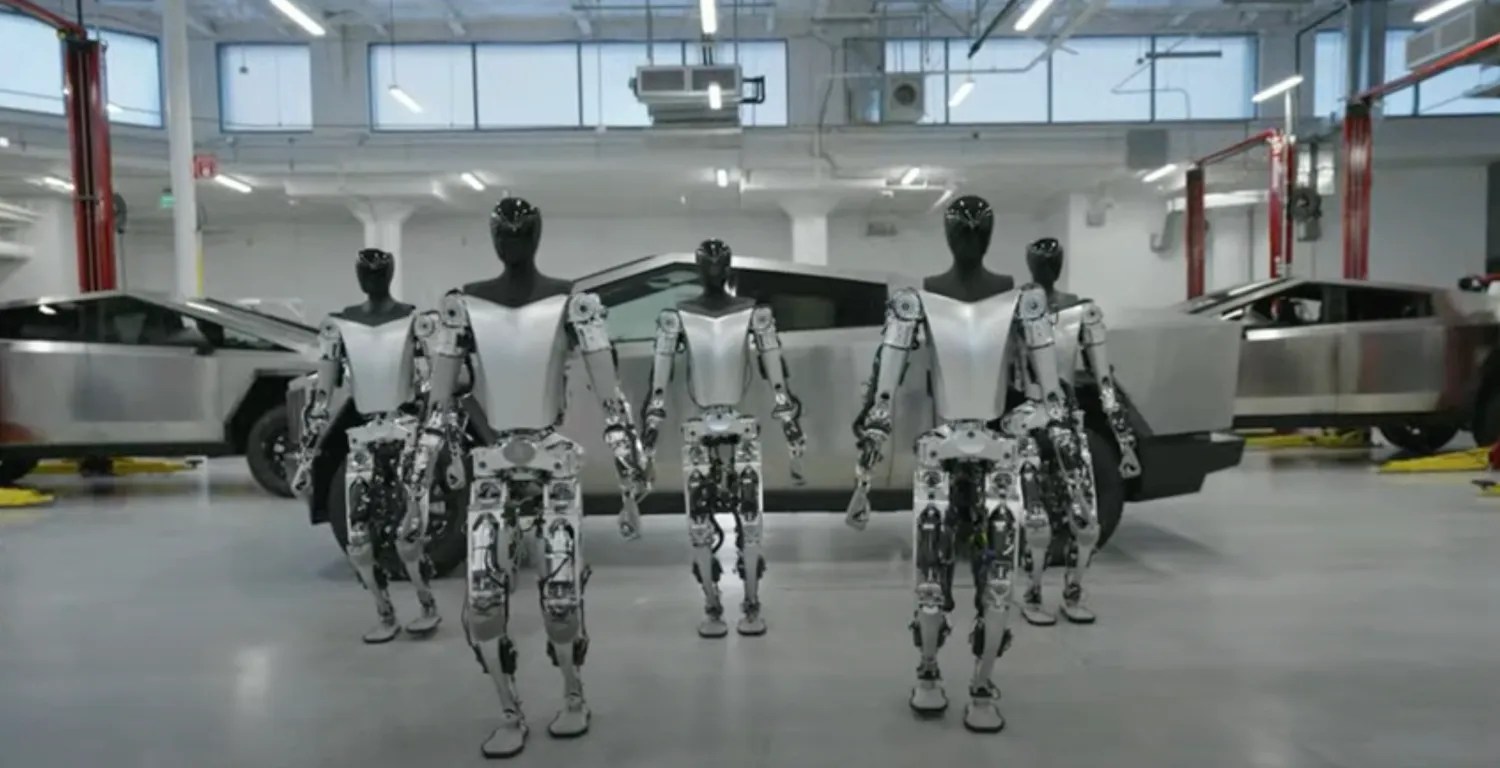
Tesla’s humanoid robot program, Optimus, is reportedly in disarray amid the departure of the senior vice president in charge, Milan Kovac.
Production has been delayed due to a new redesign, as the robot has yet to prove useful in Tesla’s factories.
Elon Musk has previously set a goal for Tesla to produce 5,000 to 10,000 Optimus humanoid robots this year.
The goal has reportedly been delayed as sources within the Chinese supply chain report Tesla informed suppliers of a 2-month halt on orders.
AI Invest first reported the news, and The Information later corroborated the report:
Two supplier sources said Tesla has not explicitly stated it will reduce robot parts orders but will wait until the Optimus design adjustments are completed before finalizing a new mass production plan and resuming procurement. The adjustments may take two months. Musk recently stated on social media that the new version of Optimus has seen significant improvements over the second-generation Optimus unveiled in 2023 and now includes voice interaction powered by Grok.
The news came after we learned that Milan Kovac, the head of the Optimus program left Tesla last month, just months after being promoted to senior vice-president by Musk.
The new reports confirm that Ashok Elluswamy, who was elevated to senior vice-president in charge of self-driving at the same time as Kovac, is taking over responsabilities.
AI Invest reported some concerns from Tesla about Optimus that reportedly trickled down to Chinese suppliers:
According to Tesla’s feedback to suppliers, Optimus still faces hardware challenges, including overheating in some joint motors, low load capacity in dexterous hands, short lifespan of transmission components, and limited battery life. Tesla is currently evaluating samples from multiple dexterous hand suppliers, testing at least three different technical approaches. On the software side, Tesla may use more synthetic data to train the robot model, improving Optimus’ autonomous operation capabilities and success rate in performing complex tasks.
According to the report, Tesla had secured parts to build over 1,000 Optimus robots earlier this year and built quite a few, but they are currently only used “for moving batteries in Tesla’s battery workshops, with efficiency less than half that of human workers.”
The redesign is expected to delay plans by at least two months and could push many of Tesla’s goals.
However, Tesla is expected to still move ahead with the prgroam and it is likely to unveil the new generation of Optimus robots at its shareholders meeting this year.
Electrek’s Take
As I previously stated, I’m actually quite hyped for humanoid robots, but I don’t think they will be nearly as big as Musk claims and I simply don’t see Tesla having a significant advantage over the competition, which is significant.
Companies like Unitree are already selling robots, Figure has made impressive progress and poached from Tesla, then there’s Boston Dynamics and dozens more.
Kovac leaving just as Tesla is supposed to ramp-up production to 50,000 units next and make this a “multi-trillion-dollar” product is a red flag.The engineer would have certainly received sweet stock option packages when he was elevated to SVP and would have likely made a fortune if he would have been able to deliver on Musk’s goals.
But I think the real product at Tesla now is the stock – hence why they reportedly plan to unveil the next generation of the robot at the shareholders meeting and have it do another shady demostration, like it did at the ‘We, Robot’ event where the robots were remotely controlled by humans.
FTC: We use income earning auto affiliate links. More.

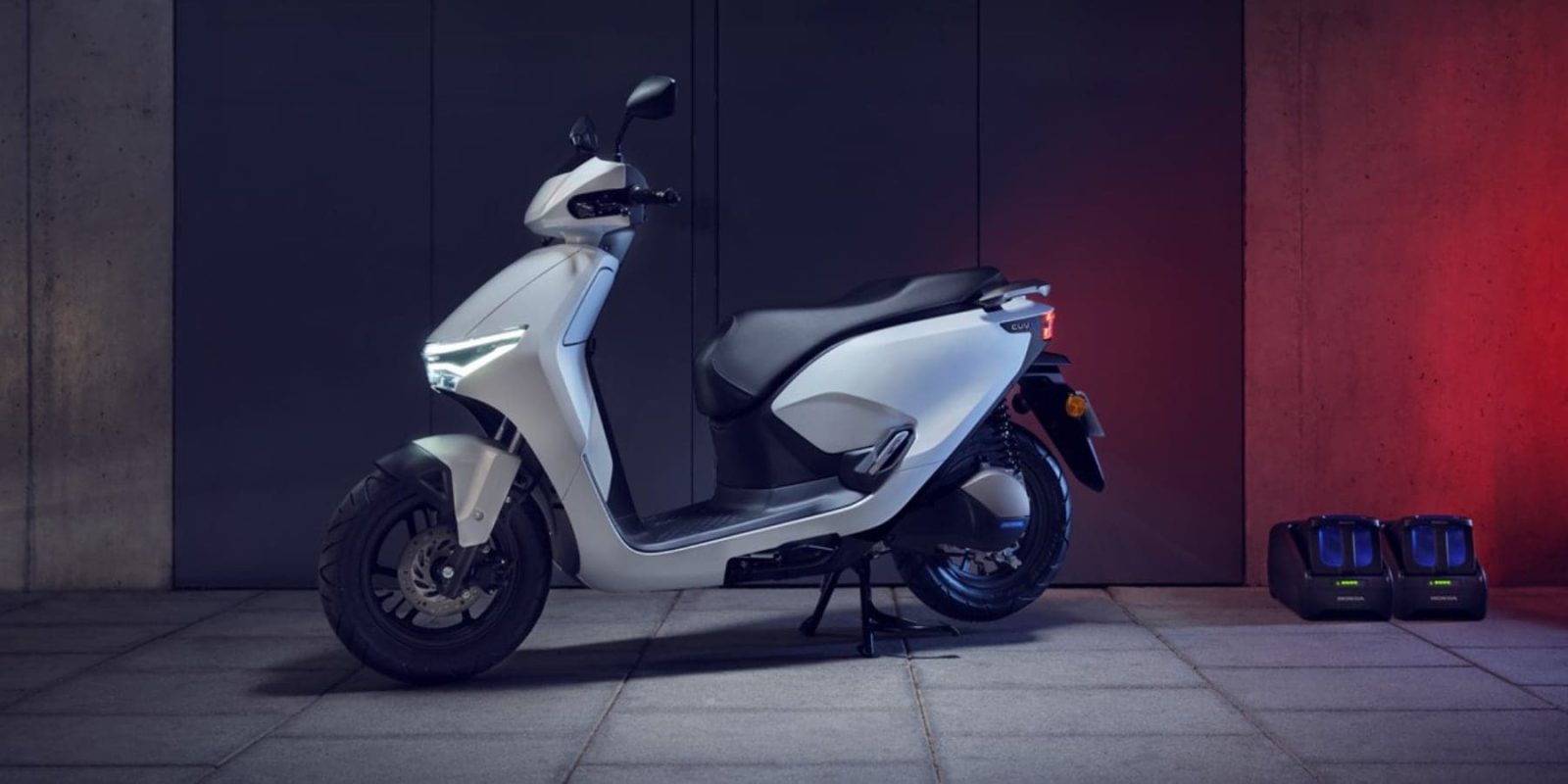
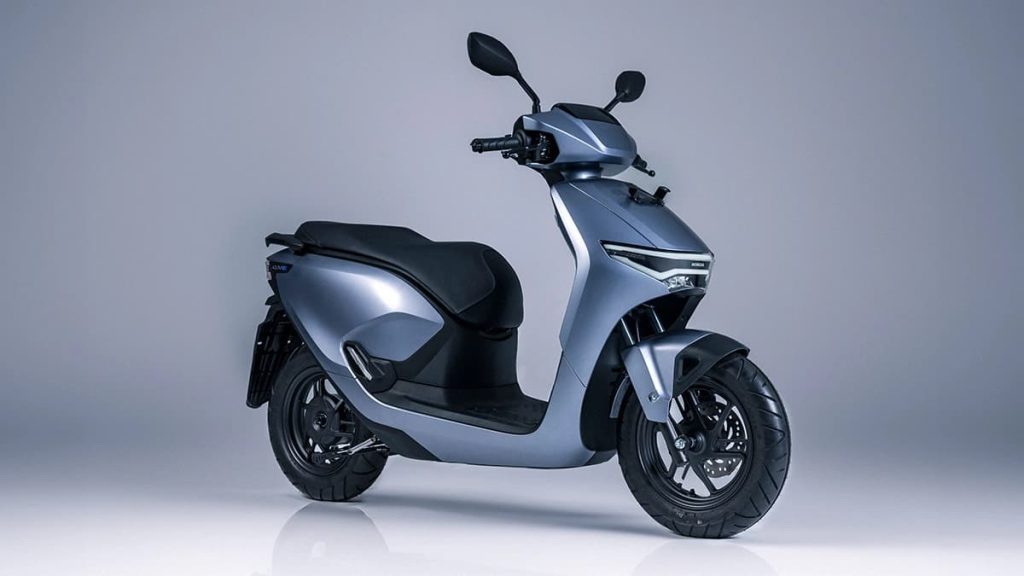
Honda is stepping up its electric scooter game with the launch of its second electric model for Europe, the CUV e:. Following Honda’s previous debut of the EM1 e:, a compact, city-focused moped, the CUV e: brings more power, more range, and more real-world usability to riders who want a practical electric alternative to a 125cc scooter.
Now finally ready for the spotlight, the CUV e: is built on an underbone-style frame and powered by a 6 kW side-mounted electric motor producing 22 Nm of torque. That puts it squarely in the 125cc-equivalent category, allowing it to reach a top speed of 83 km/h (52 mph).
It’s not built for the highway, but rather for urban and suburban riders who want to achieve speeds seen on the fastest of urban roads and keep up with just about any traffic in the city. For that role, it looks like a solid performer – more than capable of keeping up with city traffic or carrying a second passenger.
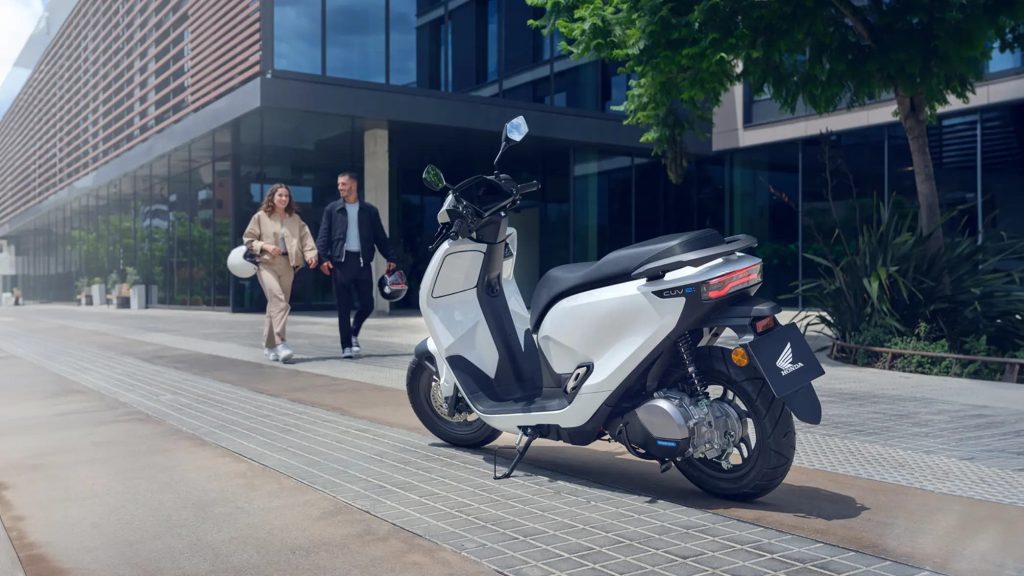
One of the most useful features, especially for urban residents and apartment dwellers, is its use of Honda’s Mobile Power Pack e: swappable battery system. The scooter carries two of these Gogoro-style removable battery units, each rated at 50 V and 1.3 kWh. Combined, they offer over 70 km (43 miles) of WMTC-rated range. Compared to the Honda EM1 e:’s single Mobile Power Pack battery, the dual batteries of the CUV e: give Honda the chance to pull twice as much power or offer twice the range.
Honda’s swappable battery standard is designed for portability and long life, with each pack weighing around 10 kg (22 lb) and rated for 2,500 full charge cycles. Honda has been slowly building a swappable battery ecosystem, and the CUV e: is clearly meant to be part of that larger infrastructure play.
Charging of the batteries is designed to be done easily off-board, either at home or at a battery station (where available). A full charge from 0 to 100% takes about six hours per pack, but Honda says 75% can be reached in just three hours. While fast charging would be nice, the swappable format means riders can keep an extra pair charged and ready if necessary, eliminating downtime altogether.
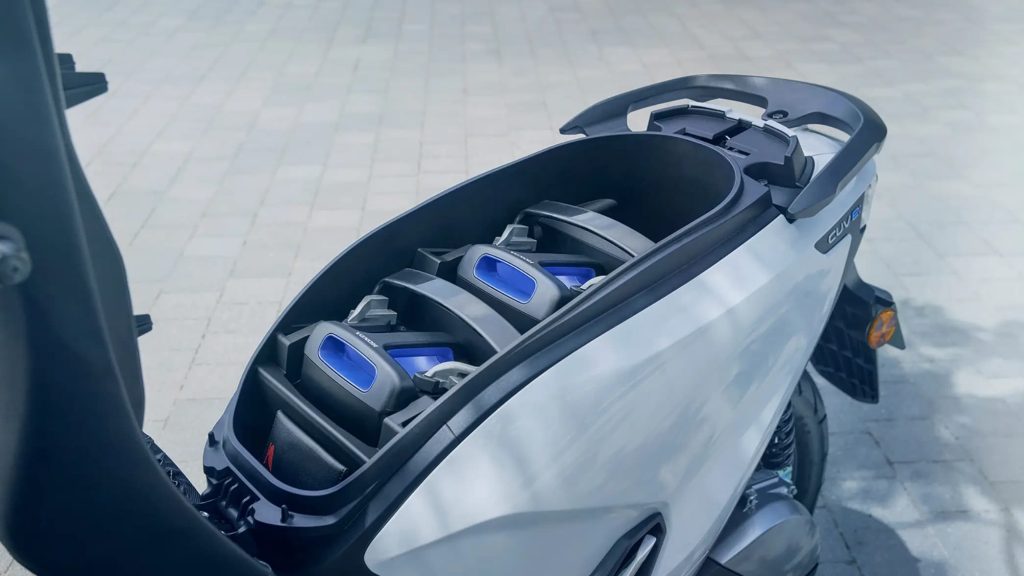


Honda didn’t skimp on features, either. The CUV e: offers three ride modes (Sport, Standard, and Econ), plus Reverse Assist for easier maneuvering. It includes a fairly spacious flat floorboard, under-seat storage, LED lighting, a USB-C port, and keyless ignition. Buyers can choose between a five-inch color TFT display or an upgraded seven-inch “RoadSync Duo” screen, which supports turn-by-turn navigation, music control, Bluetooth phone integration, and EV-specific ride data.
Positioned as a mid-range electric scooter, the CUV e: fills the space between low-speed mopeds and larger, premium e-motorcycles. It’s a key piece in Honda’s broader electrification strategy, which aims to introduce 10 or more electric motorcycle models globally by 2025 and reach full carbon neutrality in its motorcycle division by the 2040s.
With anticipated pricing starting at around €4,000 (approximately US $4,300), the CUV e: is expected to roll out in Europe first, with other global markets potentially following. Its combination of practical range, moderate speed, high build quality, and swappable batteries could make it an appealing option in cities where electric two-wheelers are on the rise.
If the EM1 e: was Honda dipping a toe into the electric waters, the CUV e: feels like a confident step forward. It’s not flashy, but it’s functional, well-designed, and undeniably useful, which is exactly the kind of machine that could help electric scooters go mainstream.
FTC: We use income earning auto affiliate links. More.
-
 Sports3 years ago
‘Storybook stuff’: Inside the night Bryce Harper sent the Phillies to the World Series
-
 Sports1 year ago
Story injured on diving stop, exits Red Sox game
-
 Sports2 years ago
Game 1 of WS least-watched in recorded history
-
 Sports2 years ago
MLB Rank 2023: Ranking baseball’s top 100 players
-
Sports4 years ago
Team Europe easily wins 4th straight Laver Cup
-
 Environment2 years ago
Japan and South Korea have a lot at stake in a free and open South China Sea
-
 Sports2 years ago
Button battles heat exhaustion in NASCAR debut
-
 Environment2 years ago
Game-changing Lectric XPedition launched as affordable electric cargo bike