

Spy image reveals our first look at the EV interior of NIO’s new Firefly sub-brand

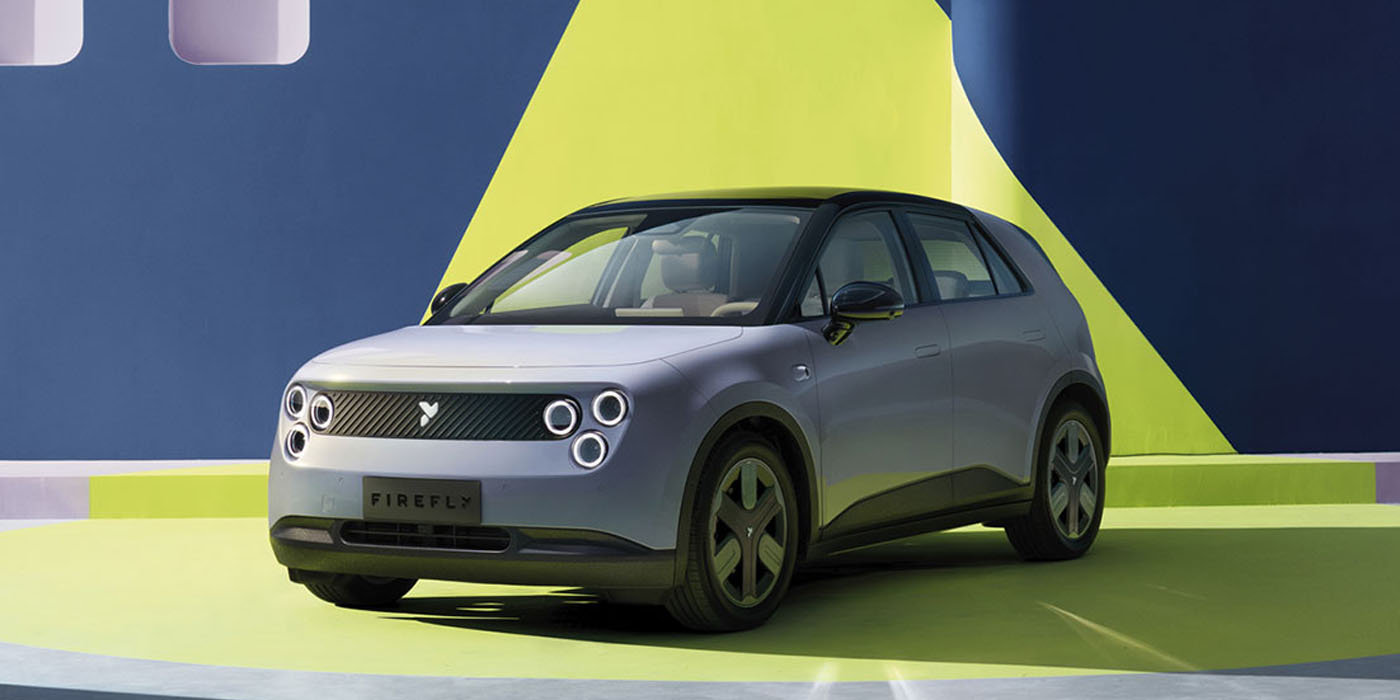
The details of Chinese EV automaker NIO’s ultra-affordable sub-brand, Firefly, continue to trickle in from overseas. A spy image of the interior of the first Firefly model is spreading like wildfire across Chinese social media, sharing our first look at its front seat.
You’ve most certainly heard of NIO by now, but you may not be aware of its latest sub-brand Firefly just yet. This boutique EV brand specializes in smaller, more affordable EVs and was announced by NIO years ago alongside a second sub-brand that would become known as Onvo, which launched in 2024.
The Firefly brand was officially launched during NIO Day 2024 this past December, in which the parent brand shared images of its first model, designed to compete against compact brands like MINI and smart. While we have shared several exterior images of the upcoming Firefly EV, we have yet to get a glimpse at its interior… at least until now.
A new spy images emerging out of China offers a peek at the Firefly’s new flagship model,; check it out.
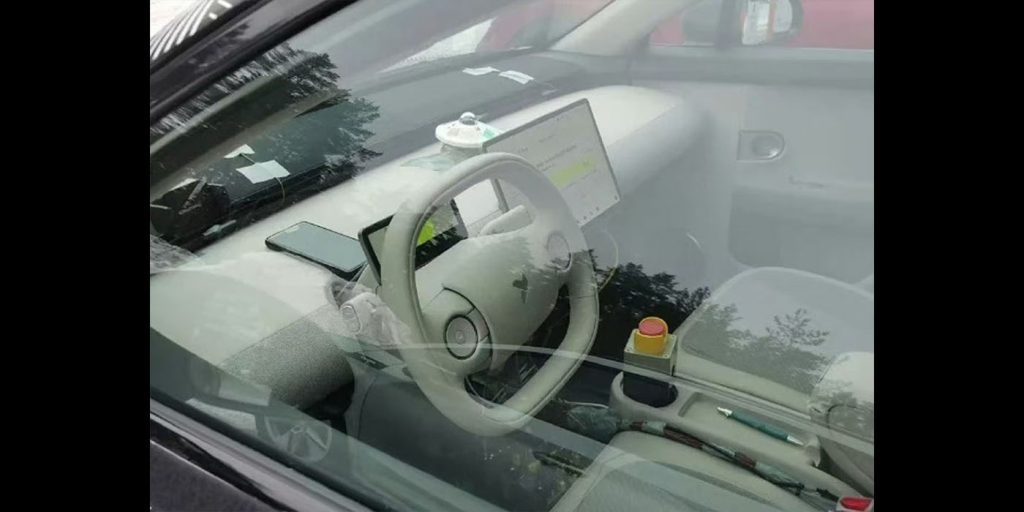
Spy image reveals Firefly EV interior looks similar to NIO
As pointed out by CnEVPost, several auto blogs on Weibo have been circulating the spy image of what appears to be a Firefly EV, as seen above. While the giant red button in the center console hints that this is still a working prototype, the image clearly shows the Firefly logo on the steering wheel and a dashboard reminiscent of a NIO EV.
The horizontal center screen and smaller dash display fit NIO’s design language, offering further evidence that this is Firefly’s flagship model being tested in the wild in China. That would make sense, as the EV is expected to hit the market soon overseas.
According to NIO, during the Firefly brand launch, this flagship model will begin reaching customers in China sometime around April 2025, followed by Europe shortly after. NIO founder William Li previously stated that Firefly will rely on local partner outlets for European sales, starting sometime in the first half of 2025.
In China, the Firefly EV will be priced at RMB 148,800 ($20,390), the same as the discounted electric Mini Cooper. We will inform you about Firefly and any fresh images as we approach the proposed April launch date.
FTC: We use income earning auto affiliate links. More.


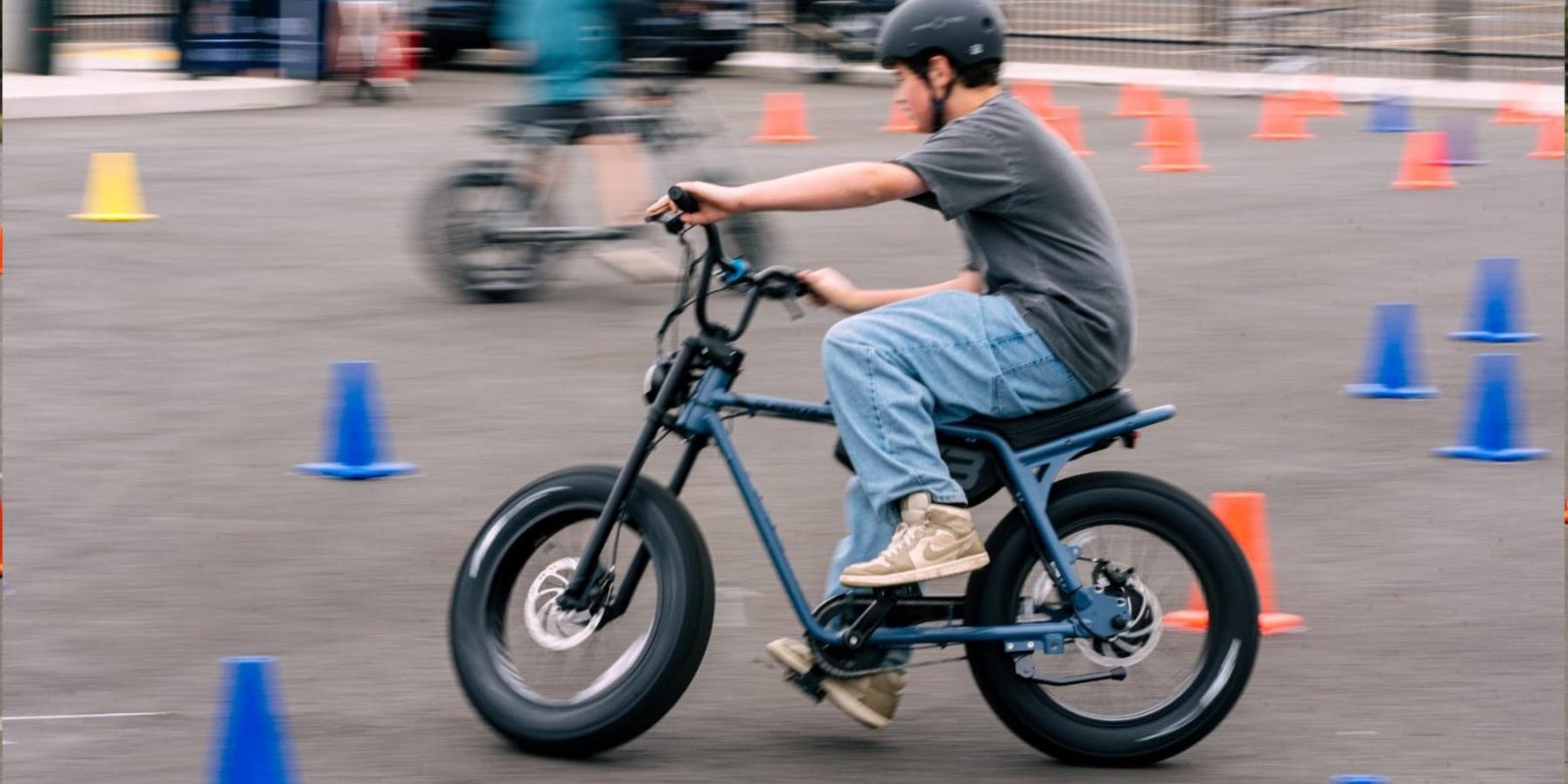
As electric bikes and e-scooters continue to surge in popularity, and as the growing ridership skews towards younger operators with growing questions about safety and road rules, motorcycle training courses might be an unexpected ally. In Las Vegas, motorcycle safety instructors are expanding their classrooms to include e-bike and e-scooter riders, responding to a growing number of traffic incidents involving younger riders and micromobility vehicles.
The new program, led by instructors at the College of Southern Nevada (CSN) and supported by a grant from the Nevada Department of Public Safety, is designed to give e-bike and e-scooter riders formal safety training similar to what motorcycle riders have long had access to. The move comes as local officials report more than 200 traffic collisions involving juveniles during school hours this year alone, many occurring near school zones.
Unlike traditional motorcycle training, these new courses are tailored specifically to the realities of electric micromobility, reports local CBS affiliate KLAS. That includes understanding e-bike classifications, where different types of electric bikes are legally allowed to operate, lithium-ion battery safety, and practical crash-avoidance strategies for riding in mixed traffic. The goal isn’t to discourage riding, but rather to help riders better understand risk management before something goes wrong.
And to sweeten the deal even further, the class is actually free. Riders won’t need to pay tuition, purchase special equipment, or already own an e-bike to participate. The only real barrier is showing up. For many families, that removes one of the biggest hurdles to formal safety education, especially at a time when e-bikes are increasingly being used by teenagers for commuting to school, after-school jobs, and social activities.
The structure of the course also reflects how younger riders actually learn. Participants begin with an online, self-paced portion that covers the basics, followed by an in-person session focused on real-world riding scenarios. That hybrid approach mirrors what’s already common in motorcycle safety programs, but adapted for vehicles that are quieter, lighter, and often ridden without licensing requirements.
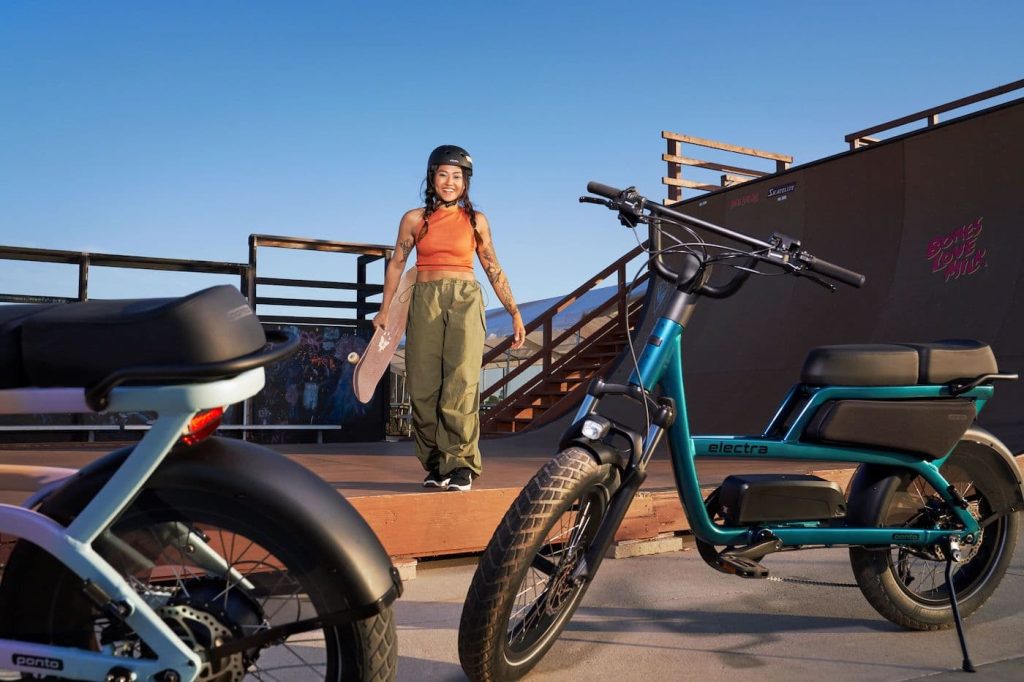
More of these e-bike training programs aimed at younger riders are popping up around the US. This kind of training could play an important role as e-bikes continue to blur the lines between bicycles, scooters, and mopeds. Many new riders jump on an e-bike with little understanding of stopping distances, speed differentials, or how drivers perceive them in traffic. Others may not realize that different e-bike classes come with different rules about bike lanes, paths, and road use. Formal instruction helps fill those gaps in a way that YouTube videos and warning labels often don’t.
There’s also a broader implication here for cities across the US. As e-bike adoption grows faster than infrastructure and regulation can keep up, education becomes one of the most effective tools available. Teaching riders how to safely interact with cars, pedestrians, and traditional cyclists may reduce crashes without resorting to heavy-handed restrictions or outright bans that often follow high-profile incidents.
For new riders especially, programs like this can make the difference between e-bikes feeling intimidating or empowering. Instead of learning through trial and error – or worse, through an accident – riders get guidance from instructors who already understand traffic dynamics and safety principles of two-wheeled vehicles.
The CSN e-bike and e-scooter safety courses are scheduled to begin in January, and if successful, they could perhaps serve as a model for similar programs elsewhere. As electric bikes continue to move from novelty to normal transportation, efforts like this suggest that the future of micromobility safety may look less like enforcement and more like education.


FTC: We use income earning auto affiliate links. More.

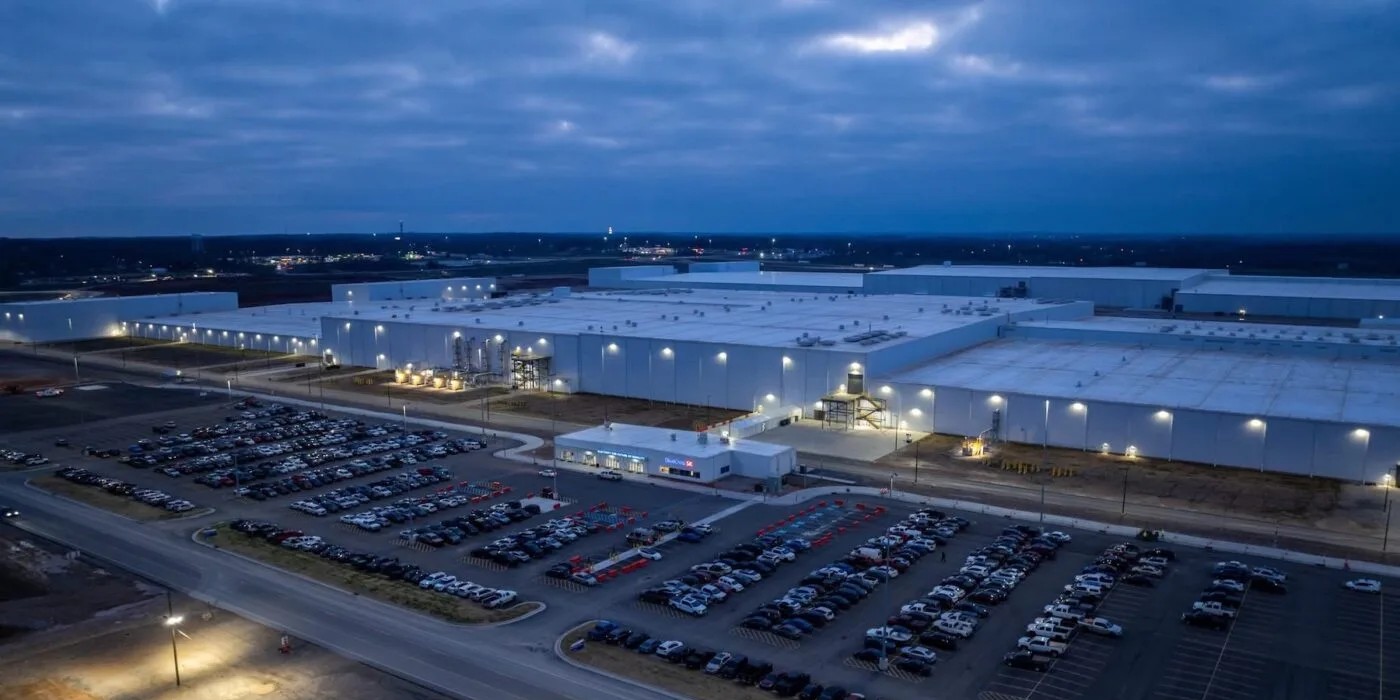
Ford is jumping into the battery energy storage business, betting that booming demand from data centers and the electric grid can absorb the EV battery capacity it says it’s not using.
To achieve this, Ford plans to repurpose its existing EV battery manufacturing capacity in Glendale, Kentucky, into a dedicated hub for manufacturing battery energy storage systems.
Ford pivots from EVs to battery storage for data centers
Ford says it will invest about $2 billion over the next two years to scale the new business. The Kentucky site will be converted to build advanced battery energy storage systems larger than 5 megawatt-hours, including LFP prismatic cells, BESS modules, and 20-foot DC container systems — the kind of hardware increasingly used by data centers, utilities, and large-scale industrial companies.
The company plans to bring initial production online within 18 months, leaning on its manufacturing experience and licensed battery technology. By late 2027, Ford expects the business to deploy at least 20 gigawatt-hours of energy storage annually.
The move follows a joint venture disposition agreement reached last week between Ford, SK On, SK Battery America, and BlueOval SK. Under the agreement, a Ford subsidiary will independently own and operate the Kentucky battery plants, while SK On will fully own and operate the Tennessee battery plant.
Ford is also planning a separate energy storage play in Michigan. At BlueOval Battery Park Michigan in Marshall, the company will produce smaller amp-hour LFP prismatic cells for residential energy storage systems. That plant is on track to begin manufacturing in 2026, and it will also supply batteries for Ford’s upcoming midsize electric truck — the first model built on the company’s new Universal EV Platform.
Electrek’s Take
Overall, the shift reflects Ford’s broader push toward what it calls “higher-return opportunities.” Alongside taking a step backward to add more gas-powered trucks and vans to its US manufacturing footprint, Ford says it will no longer produce some larger EVs, such as the Lightning F-150, where softer demand and higher costs are resulting from the lack of support for EVs by the Trump administration. (Batteries produced at the Glendale plant were for the all-electric Ford F-150 Lightning. The best-selling electric truck in the US in Q3, before the federal tax credit expired, was the Ford F-150 Lightning, with 10,005 EVs sold, a 39.7% year-over-year increase.)
With tax credits eliminated and regulatory uncertainty, Ford is pivoting to adjacent markets, including grid-scale and residential energy storage, to keep its battery plants running and justify billions in sunk investment.

If you’re looking to replace your old HVAC equipment, it’s always a good idea to get quotes from a few installers. To make sure you’re finding a trusted, reliable HVAC installer near you that offers competitive pricing on heat pumps, check out EnergySage. EnergySage is a free service that makes it easy for you to get a heat pump. They have pre-vetted heat pump installers competing for your business, ensuring you get high quality solutions. Plus, it’s free to use!
Your personalized heat pump quotes are easy to compare online and you’ll get access to unbiased Energy Advisors to help you every step of the way. Get started here. – *ad
FTC: We use income earning auto affiliate links. More.
-
 Sports2 years ago
Story injured on diving stop, exits Red Sox game
-
 Sports3 years ago
‘Storybook stuff’: Inside the night Bryce Harper sent the Phillies to the World Series
-
 Sports2 years ago
Game 1 of WS least-watched in recorded history
-
 Sports3 years ago
Button battles heat exhaustion in NASCAR debut
-
 Sports3 years ago
MLB Rank 2023: Ranking baseball’s top 100 players
-
Sports4 years ago
Team Europe easily wins 4th straight Laver Cup
-
 Environment3 years ago
Japan and South Korea have a lot at stake in a free and open South China Sea
-
 Environment1 year ago
Here are the best electric bikes you can buy at every price level in October 2024