
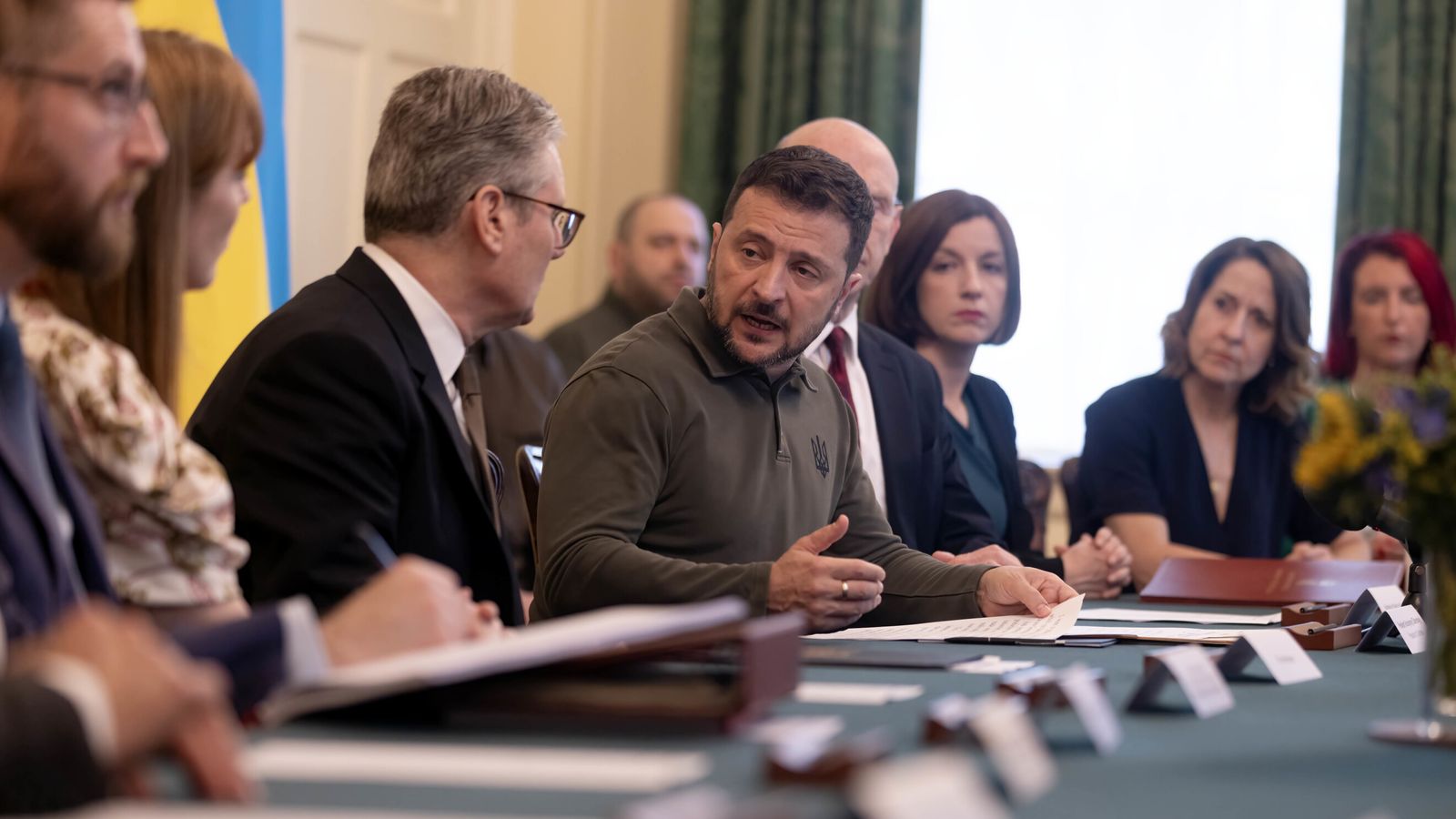
‘Whole cabinet’ recognises need to spend more on defence, minister says

The whole government recognises the need to spend more on defence, including Chancellor Rachel Reeves, a cabinet minister has said.
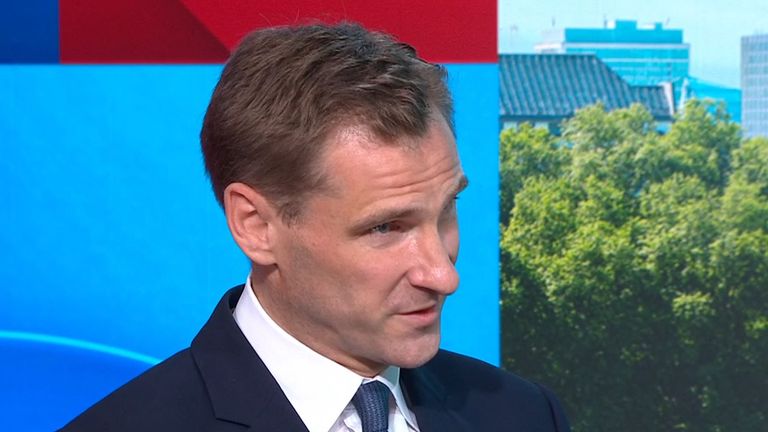
Business Secretary Jonathan Reynolds told Sky News’ Sunday Morning With Trevor Phillips that he “disagrees” with claims the prime minister is preparing to overrule the chancellor on the amount of cash being spent on the armed forces.
“The whole cabinet, the whole government, I think most people in this country recognise the pressures the world is under, recognise more will have to be spent on defence,” he said.
He added that Ms Reeves “knows more than most… defence has to be the cornerstone of our national prosperity”.
Politics Live: UK ‘disagrees’ with JD Vance on free speech comments
The Sunday Times reported that Sir Keir Starmer held one-to-one meetings on Friday with the chief of the defence staff Admiral Sir Tony Radakin and the heads of the armed services, who are calling for spending to increase to a 2.65% share of the economy.
The newspaper cited a senior Treasury source saying Ms Reeves was not willing to hand over any more cash for defence this year. However, an ally of Sir Keir reportedly said he will make the final decision and is prepared to override his chancellor.
The UK’s target is 2.5%, but it is currently at around 2.3% – with no timetable for when spending might increase.
Mr Reynolds said Ms Reeves’s June spending review “will set out the roadmap towards that target”.
Asked if that could mean an increase in defence spending, he said: “We already had an increase… £3bn in the last budget… so our credentials are there. We’ll set out that roadmap in the spending review as you do for all spending.”
Read More:
UK and US ‘don’t have to agree on everything’ minister says over JD Vance’s swipe at free speech
Sir Keir is said to want to seize the initiative on defence spending following the news that US President Donald Trump has begun discussing a Ukraine peace deal with Russia.
Officials from Washington and Moscow will meet in Saudi Arabia in the coming days for peace talks, which Ukraine’s President Volodymyr Zelenskyy has said he was not invited to.
Mr Trump’s special envoy for Ukraine and Russia, Keith Kellogg, has also said European leaders will not have a place at the negotiating table in a discussion to end the war.
How can UK improve defence?
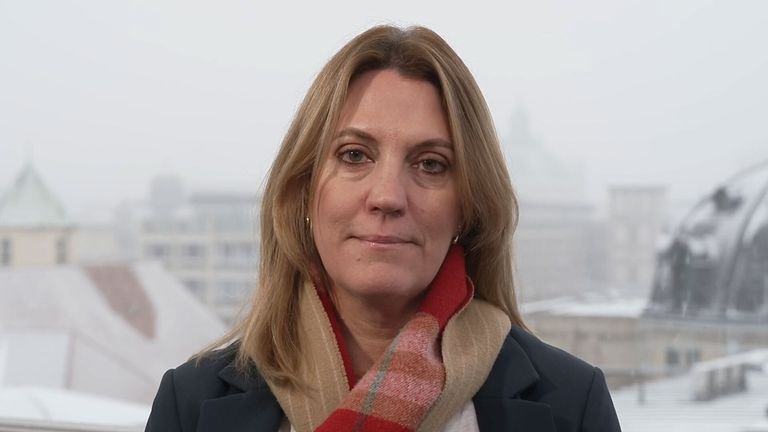
Rachel Ellehuus, the head of defence thinktank the Royal United Services Institute, told Sky News that with Washington shifting its focus away from Europe, all NATO members should increase defence spending and the alliance’s 2% target is not enough.
She said the issue should be treated with “urgency” and called on the UK government to “find the headroom to invest in conventional capabilities as well as innovation – to continue to invest in people, recruitment, personnel”.
It comes ahead of an emergency meeting of European leaders to discuss Ukraine, organised by French President Emmanuel Macron which Sir Keir is expected to attend in Paris on Monday.
In a statement issued on Saturday night, the prime minister spoke of a “once in a generation moment” for the UK, US and Europe to work together and warned against “divisions” within the alliance.
He also said it was clear “Europe must take on a greater role in NATO”.
Sir Keir will take messages from the meeting to Washington DC when he meets Mr Trump the following week, according to Downing Street sources.

Most RWAs remain isolated and underutilized instead of composable, DeFi-ready building blocks. It’s time to change that.
Thousands of savers face potential losses after a $2.7 million shortfall was discovered at Ziglu, a British crypto fintech that entered special administration.
Politics
Heidi Alexander says ‘fairness’ will be government’s ‘guiding principle’ when it comes to taxes at next budget
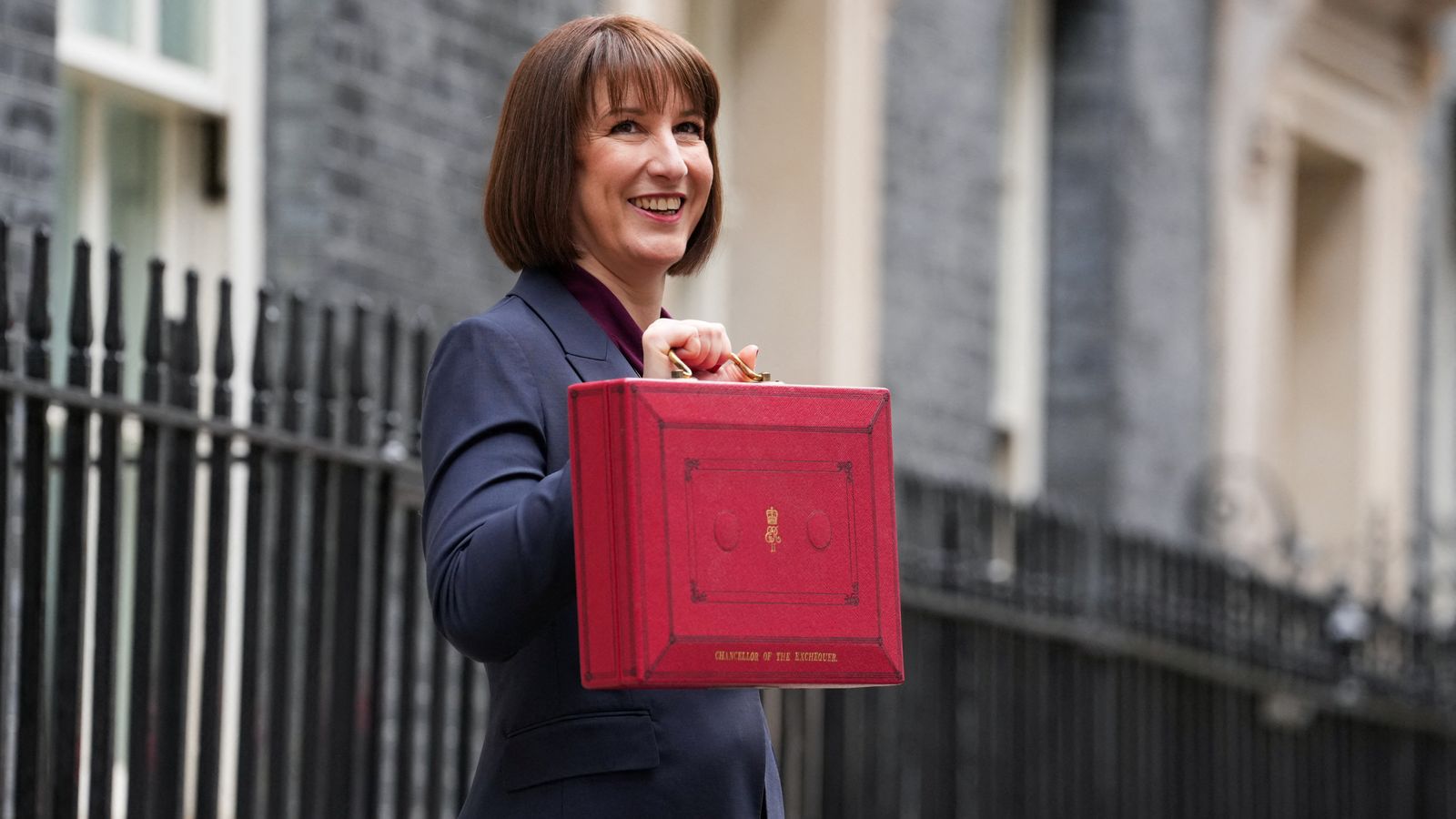
Another hint that tax rises are coming in this autumn’s budget has been given by a senior minister.
Speaking to Sunday Morning with Trevor Phillips, Transport Secretary Heidi Alexander was asked if Sir Keir Starmer and the rest of the cabinet had discussed hiking taxes in the wake of the government’s failed welfare reforms, which were shot down by their own MPs.
Trevor Phillips asked specifically if tax rises were discussed among the cabinet last week – including on an away day on Friday.
Politics Hub: Catch up on the latest
Tax increases were not discussed “directly”, Ms Alexander said, but ministers were “cognisant” of the challenges facing them.
Asked what this means, Ms Alexander added: “I think your viewers would be surprised if we didn’t recognise that at the budget, the chancellor will need to look at the OBR forecast that is given to her and will make decisions in line with the fiscal rules that she has set out.
“We made a commitment in our manifesto not to be putting up taxes on people on modest incomes, working people. We have stuck to that.”
Ms Alexander said she wouldn’t comment directly on taxes and the budget at this point, adding: “So, the chancellor will set her budget. I’m not going to sit in a TV studio today and speculate on what the contents of that budget might be.
“When it comes to taxation, fairness is going to be our guiding principle.”
Read more:
Reeves won’t rule out tax rises
What is a wealth tax and how would it work?
👉Listen to Politics at Sam and Anne’s on your podcast app👈
Afterwards, shadow home secretary Chris Philp told Phillips: “That sounds to me like a barely disguised reference to tax rises coming in the autumn.”
He then went on to repeat the Conservative attack lines that Labour are “crashing the economy”.
Chris Philp also criticsed the government’s migration deal with France
Mr Philp then attacked the prime minister as “weak” for being unable to get his welfare reforms through the Commons.
Discussions about potential tax rises have come to the fore after the government had to gut its welfare reforms.
Sir Keir had wanted to change Personal Independence Payments (PIP), but a large Labour rebellion forced him to axe the changes.
With the savings from these proposed changes – around £5bn – already worked into the government’s sums, they will now need to find the money somewhere else.
The general belief is that this will take the form of tax rises, rather than spending cuts, with more money needed for military spending commitments, as well as other areas of priority for the government, such as the NHS.
-
 Sports3 years ago
‘Storybook stuff’: Inside the night Bryce Harper sent the Phillies to the World Series
-
 Sports1 year ago
Story injured on diving stop, exits Red Sox game
-
 Sports2 years ago
Game 1 of WS least-watched in recorded history
-
 Sports2 years ago
MLB Rank 2023: Ranking baseball’s top 100 players
-
Sports4 years ago
Team Europe easily wins 4th straight Laver Cup
-
 Sports2 years ago
Button battles heat exhaustion in NASCAR debut
-
 Environment2 years ago
Japan and South Korea have a lot at stake in a free and open South China Sea
-
 Environment2 years ago
Game-changing Lectric XPedition launched as affordable electric cargo bike