
‘I don’t know how we will survive’ – fears over benefit cuts and cost of living in chancellor’s Leeds constituency

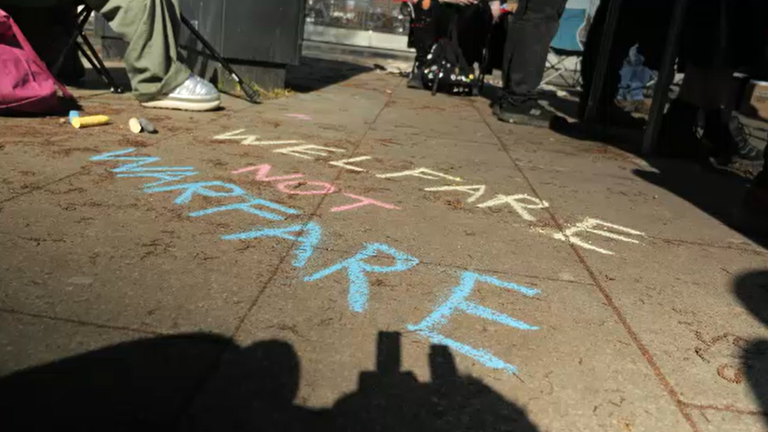
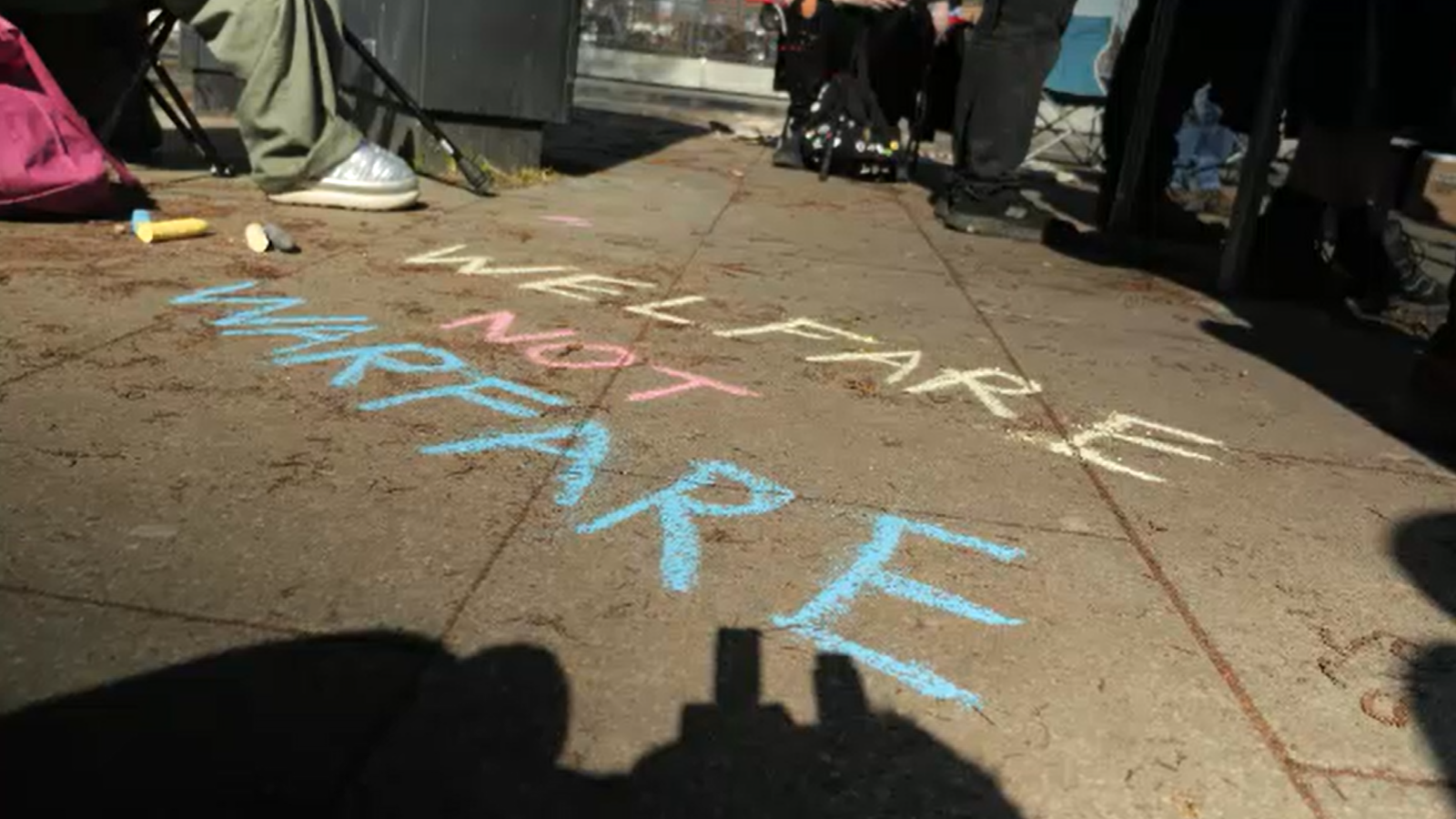
As Rachel Reeves made her spring statement, opposition to the spending cuts was being spelt out on the ground in her constituency, literally.
The voters of Leeds West and Pudsey sent the chancellor to Westminster with a majority of 12,000 last summer, support she perhaps can no longer take for granted after rewriting spending plans to meet self-imposed rules she can never have intended to break.
In appropriately seasonal sunshine, disability campaigners gathered in the shadow of gold and silver cladding of the city’s John Lewis.
Politics latest: Reeves vows to ‘never’ again deliver budget like last one
On the pavement, one wrote in chalk, “Welfare not warfare”, expressing the disbelief some have at benefits being cut as defence spending goes up.
The chancellor’s cuts are a little more short term than that, a means of balancing the books that may have satisfied the OBR but left campaigners furious.
The cuts to Personal Independence Payments (PIP) are particularly unpopular. The government’s narrative is that cutting these benefits will help push people back to work.
Campaigners like Flick Williams, a wheelchair user, point out PIP is unrelated to employment.
She thinks she will lose at least £100 a week under new assessment rules, with devastating implications.
“I don’t know how we will survive, I absolutely have no idea because I don’t have any luxuries as it is,” she says.
“The whole point of personal independence payment is to fund the additional costs you have for being a disabled person,” adds Ms Williams.
“So, for example, disability equipment like my power chair, it’s extremely expensive. I have a bigger electricity bill because I have to charge my wheelchairs. I have a bath lift which also needs charging, and this equipment wears out.
“The government’s got a funny idea about what incentivises people because, honestly, nobody was ever motivated to go to work or increase their productivity by being pushed into penury.”
‘Everyone hit by cost-of-living crisis’
Welfare recipients are at the sharp end of the spending cuts, but they are not the only ones squeezed by the cost of living.
At the Pudsey Community Project, they see the impact of in-work financial stress, too.
Based in a community hall serving 20,000 households across two wards, they have been operating for five years and have seldom been busier.
The project offers a food bank and food pantry, a contributory scheme where people pay for subsidised goods, along with youth activities, lunch clubs for the elderly and lonely, and a busy clothes exchange.
Children insist on growing, even if the economy does not.
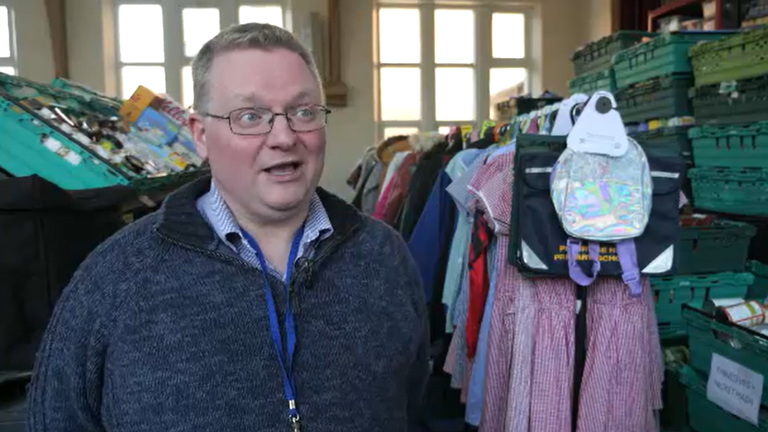
Mr Dimery says the community project is supporting many people who are in work
Director Richard Dimery says demand is steadily growing and senses that need has become entrenched, with the impact of the pandemic compounded by the cost of living.
“I don’t know anybody who’s not been affected by the cost of living crisis,” he says.
“We’ve all become a lot more used to things not necessarily getting a lot better. There haven’t been any quantum leaps of significant improvement, just ongoing costs, a lot of them above inflation.
“One of the reasons our pantry, our food bank, our children’s clothes are all six days a week are because we know a lot of the people we’re supporting are in work, either part-time or full-time.”
Economic growth would solve a lot of the chancellor’s problems, never mind the country’s.
For that, companies like WDS Components need to thrive.
Read more:
Spring statement 2025 key takeaways
Money blog: Are you better or worse off after statement?
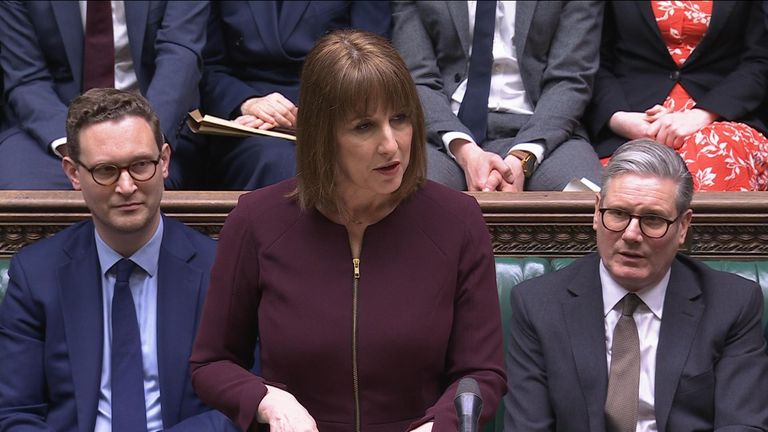
What Reeves said in under two minutes
Employing 50 people with an annual turnover of around £10m a year, it manufactures myriad parts used in production lines and finished goods.
They stock more than 40,000 lines, from handles and hinges to hydraulics, casters and clamps, in what marketing director Mark Moody calls “an engineers’ candy store”.
Like every other employer, it faces rising costs from higher employment taxes that kick in next week.
It’s the latest in a long line of challenges that has made growth and expansion a tougher proposition.
“Considering we’ve had a pandemic, we’ve had Brexit, global supply chain issues, the Suez Canal and a few wars, we’re doing okay. We’re holding our own with good, modest organic growth, and we’re trying to stay positive,” he says.
“As we try to manage our business, if we’re constantly mitigating increases in costs and the pressures around us, then we’re not as focused on driving the business in really exciting, innovative ways.”
Environment Agency bosses have been accused of “failing” to tell a cross-party committee of peers about three large-scale illegal waste sites – including one that was recently exposed by Sky News.
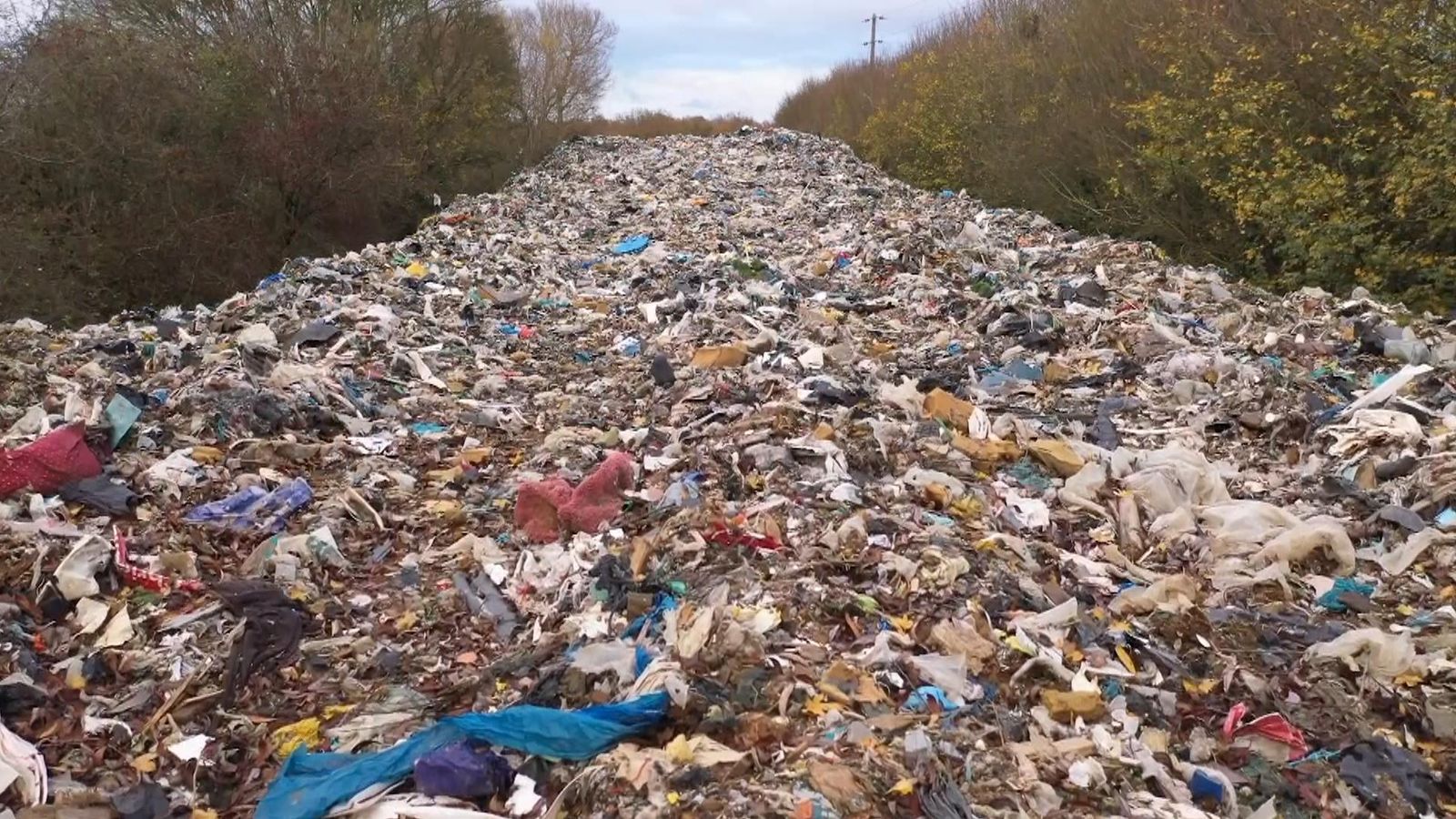
Our investigation into waste crime in Wigan heard from residents who repeatedly complained to the Environment Agency that 20 to 30 lorries a day drove down their street last winter and dumped industrial amounts of waste.
The rubbish now sits at a staggering 25,000 tonnes. It burnt for nine days in July, and has seen local homes infested with rats and flies.
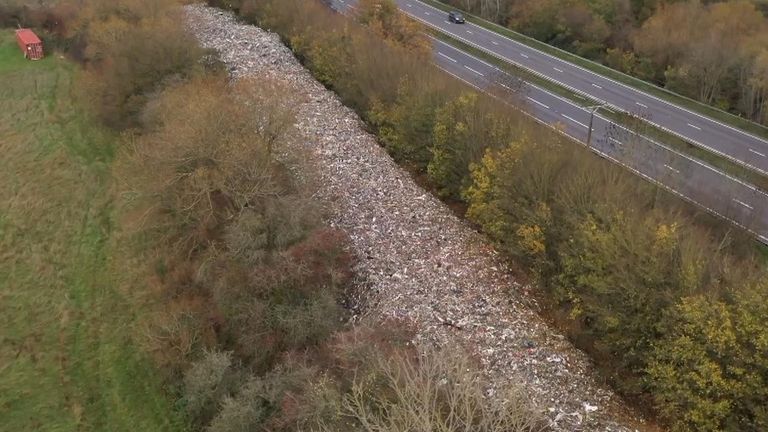
Since then, a similarly sized site in Kidlington near the River Cherwell in Oxfordshire sparked national outrage. One man has been arrested in connection with the dumping.
‘Epidemic’ of waste crime in Britain
Despite the scale of these two locations – which were well known to the Environment Agency – it neglected to name them when asked by the Lord’s Environment Committee’s inquiry into waste crime how many “significant” sites there were around the country.
Phil Davies and Steve Molyneux of the Environment Agency gave evidence on 17 September.
Just six sites were cited, but three more have been exposed in the past few weeks alone. These are Wigan, Kidlington and a mound of dumped waste in Wadborough.
Now, the Lords are worried there are more environmentally destructive locations the public aren’t aware of.
Read more:
A community plagued by 25,000 tonnes of illegal waste
Urgent action needed to stop fly-tipping by gangs, peers say
In a letter to the EA’s chair Alan Lovell and chief executive Philip Duffy, Baroness Sheehan, chair of the Environment and Climate Change Committee, said: “We are increasingly concerned that there may be other sites of a similarly large and environmentally damaging scale.”
She asked how much progress has been made to remove waste from the various sites, why restriction notices in places like Wigan weren’t served sooner – and for a full list of other sites of a similar size.
Baroness Sheehan also expressed her “disappointment” that these three new locations “were not deemed necessary to bring to the committee’s attention”, though she thanked journalists for “bringing these sites to the public attention”.
UK’s ‘biggest ecological disaster’
Her original report saw the Lords call for an independent “root and branch” inquiry into how waste crime is tackled. She said the crime, which costs the UK £1bn every year, has been “critically under-prioritised”.
Sky News has been investigating the scourge of waste crime all year, exposing how criminal gangs involved in drugs, weapons and people trafficking can make “millions” from illegally dumping waste.
In the summer, we tracked down a group of suspected organised fly-tippers who waved wads of cash on TikTok after dumping waste in the countryside.
It’s so lucrative, it was dubbed the “new narcotics” by a former head of the Environment Agency.

A new long-awaited child poverty strategy is promising to lift half a million children out of poverty by the end of this parliament – but critics have branded it unambitious.
The headline announcement in the government’s plan is the pledge to lift the two-child benefit cap, announced in Rachel Reeves’s budget last week.
It also includes:
• Providing upfront childcare support for parents on universal credit returning to work
• An £8m fund to end the placement of families in bed and breakfasts beyond a six-week limit
• Reforms to cut the cost of baby formula
• A new legal duty on councils to notify schools, health visitors, and GPs when a child is placed in temporary accommodation
Many of the measures have previously been announced.
Two-child cap ‘a real victory for the left’
The government also pointed to its plan in the budget to cut energy bills by £150 a year, and its previously promised £950m boost to a local authority housing fund, which it says will deliver 5,000 high-quality homes for better temporary accommodation.
Downing Street said the strategy would lift 550,000 children out of poverty by 2030, saying that would be the biggest reduction in a single parliament since records began.
But charities had been hoping for a 10-year strategy and argue the plan lacks ambition.
A record 4.5 million children (about 31%) are living in poverty in the UK – 900,000 more since 2010/11, according to government figures.
Phillip Anderson, the Strategic Director for External Affairs at the National Children’s Bureau (NCB), told Sky News: “Abolishing the two-child limit is a hell of a centre piece, but beyond that it’s mainly a summary of previously announced policies and commitments.
“The really big thing for me is it misses the opportunity to talk about the longer term. It was supposed to be a 10-year strategy, we wanted to see real ambition and ideally legally binding targets for reducing poverty.
“The government itself says there will still be around four million children living in poverty after these measures and the strategy has very little to say to them.”

‘A budget for benefits street’
‘Budget for benefits street’ row
The biggest measure in the strategy is the plan to lift the two-child benefit cap from April. This is estimated to lift 450,000 children out of poverty by 2030, at a cost of £3bn.
The government has long been under pressure from backbench Labour MPs to scrap the cap, with most experts arguing that it is the quickest, most cost-effective way to drive-down poverty this parliament.
The cap, introduced by Conservative chancellor George Osborne in 2017, means parents can only claim universal credit or tax credits for their first two children. It meant the average affected household losing £4,300 per year, the Institute for Fiscal Studies calculated in 2024.
The government argues that a failure to tackle child poverty holds back the economy, and young people at school, cutting their employment and earning prospects in later life.
However, the Conservatives argue parents on benefits should have to make the same financial choices about children as everyone else.
Shadow chancellor Mel Stride said: “Work is the best way out poverty but since this government took office, unemployment has risen every single month and this budget for Benefits Street will only make the situation worse. “
OBR leak: This has happened before
‘Bring back Sure Start’
Lord Bird, a crossbench peer who founded the Big Issue and grew up in poverty, said while he supported the lifting of the cap there needed to be “more joined up thinking” across government for a longer-term strategy.
He has been pushing for the creation of a government ministry of “poverty prevention and cure”, and for legally binding targets on child poverty.
“You have to be able to measure yourself, you can’t have the government marking its own homework,” he told Sky News.
Lord Bird also said he was a “great believer” in resurrecting Sure Start centres and expanding them beyond early years.
The New Labour programme offered support services for pre-school children and their parents and is widely seen to have improved health and educational outcomes. By its peak in 2009-2010 there were 3,600 centres – the majority of which closed following cuts by the subsequent Conservative government.

Lord Bird on the ‘great distraction’ from child poverty
PM to meet families
Sir Keir Starmer’s government have since announced 1,000 Best Start Family Hubs – but many Labour MPs feel this announcement went under the radar and ministers missed a trick in not calling them “Sure Starts” as it is a name people are familiar with.
The prime minister is expected to meet families and children in Wales on Friday, alongside the Welsh First Minister, to make the case for his strategy and meet those he hopes will benefit from it.
Several other charities have urged ministers to go further. Both Crisis and Shelter called for the government to unfreeze housing benefit and build more social rent homes, while the Children’s Commissioner for England, Dame Rachel de Souza, said that “if we are to end child poverty – not just reduce it” measures like free bus travel for school-age children would be needed.
The strategy comes after the government set up a child poverty taskforce in July 2024, which was initially due to report back in May. The taskforce’s findings have not yet been published – only the government’s response.
Sir Keir said: “Too many children are growing up in poverty, held back from getting on in life, and too many families are struggling without the basics: a secure home, warm meals and the support they need to make ends meet.
“I will not stand by and watch that happen, because the cost of doing nothing is too high for children, for families and for Britain.”
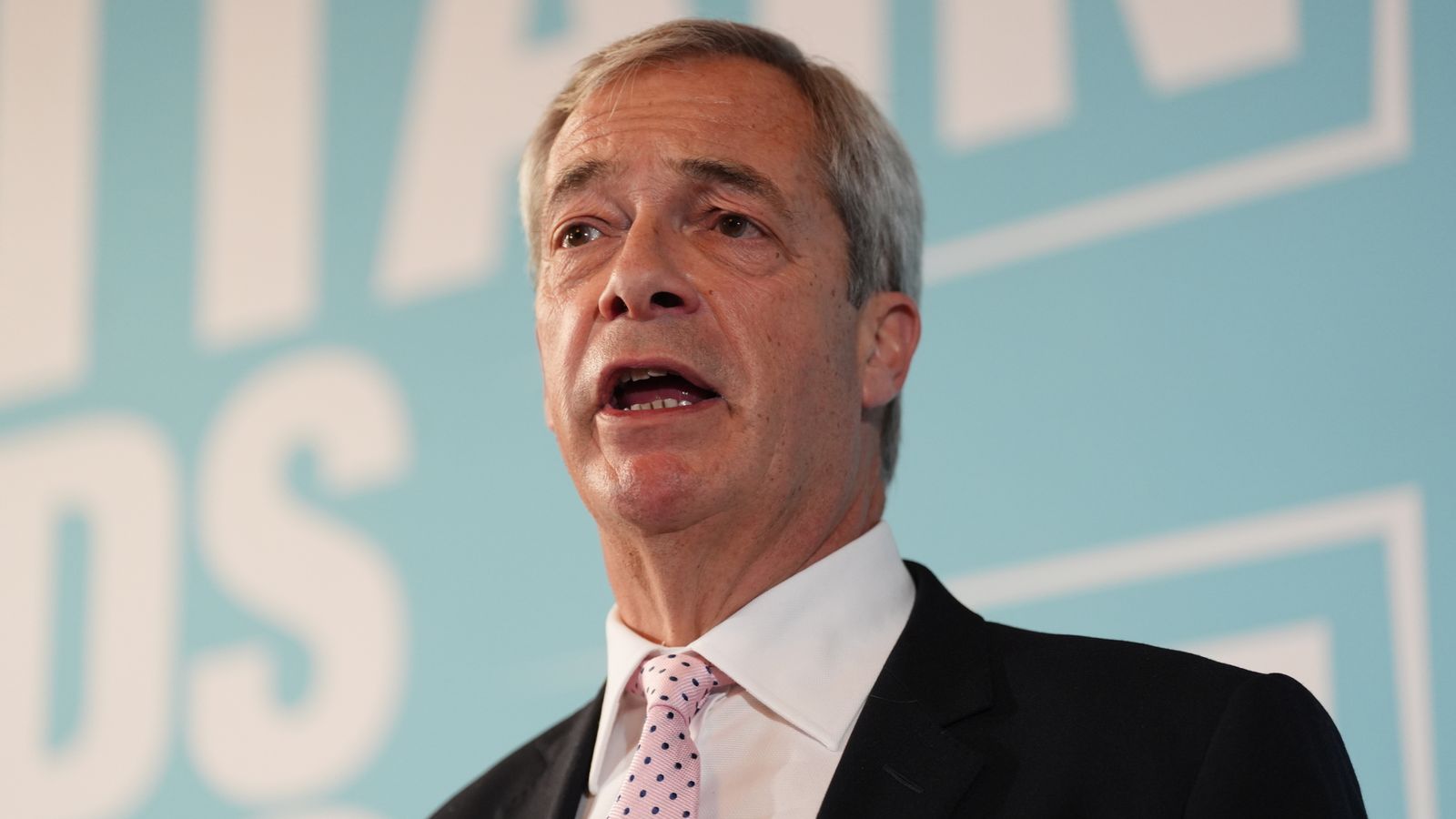
Nigel Farage has launched a tirade against the BBC after he was asked about claims he used racist and antisemitic language when he was at school, which he denied.
The Reform UK leader accused the broadcaster of “double standards”, pointing to its past television shows when he claimed the BBC “were very happy to use blackface”.
The outburst comes as he faces continued pressure over allegations he made racist and antisemitic comments while a pupil at top private school Dulwich College nearly 50 years ago.
Mr Farage was asked by the BBC about an interview his deputy, Richard Tice, gave on Thursday, in which he claimed those accusing his boss of racism were engaging in “made-up twaddle”.
The Reform leader said the framing of the question by the BBC interviewer had been “despicable”.
“I think to frame a question around the leader of Reform’s ‘relationship with Hitler’, which is how she framed it, was despicable, disgusting beyond belief,” he said.
“The double standards and hypocrisy of the BBC are absolutely astonishing.
“At the time I was alleged to have made these remarks, one of your most popular weekly shows was ‘The Black and White Minstrels’. The BBC were very happy to use blackface.”
He added: “I cannot put up with the double standards at the BBC about what I’m alleged to have said 49 years ago, and what you were putting out on mainstream content.
“So I want an apology from the BBC for virtually everything you did during the 1970s and 80s.”
Reform UK leader Nigel Farage. Pic: PA
Turning to the substance of the allegations, Mr Farage read out a letter that he said was from someone who he went to school with.
He quotes the unnamed Jewish pupil as saying: “While there was plenty of macho, tongue-in-cheek schoolboy banter, it was humour. And yes, sometimes it was offensive […] but never with malice.
“I never heard him racially abuse anyone. If he had, he would have been reported and punished. He wasn’t.”
Mr Farage went on to quote the unnamed former school mate as saying claims from former pupils reported by the Guardian and BBC were “without evidence, except for belatedly politically-dubious recollections from nearly half a century ago”.
He said the former pupil who had written to him had described the culture in the 1970s and at Dulwich College as “very different”, and “lots of boys said things they’d regret today”.
Read More:
How record-breaking Reform UK donor Christopher Harborne made his millions
Reform UK gets record £9m donation from ex-Tory donor
Mr Farage has been under pressure since mid-November when reports from former classmates of alleged racist comments surfaced. The Guardian claims it has spoken to 20 former classmates who recall such language.
Challenged in an interview on 24 November if the claims were true, Mr Farage said: “No, this is 49 years ago by the way, 49 years ago. Have I ever tried to take it out on any individual on the basis of where they’re from? No.”
He added: “I would never, ever do it in a hurtful or insulting way. It’s 49 years ago. It’s 49 years ago. I had just entered my teens. Can I remember everything that happened at school? No, I can’t. Have I ever been part of an extremist organisation or engaged in direct, unpleasant, personal abuse, genuine abuse, on that basis? No.”
Challenged again about whether he had racially abused anyone, Farage responded: “No, not with intent.”
A Conservative spokesman said Mr Farage was too busy defending himself to “defend democracy” from election postponements announced by Labour.
“Nigel Farage just called a press conference and used it to rant at journalists over historic allegations of racism and antisemitism – allegations he has just admitted are true.
“Farage is too busy furiously defending himself to defend democracy from the Labour Party’s elections delays.
“Reform’s one-man band is in chaos once again.”
Labour Party chair Anna Turley said: “Nigel Farage can’t get his story straight. It really shouldn’t be this difficult to say whether he racially abused people in the past.
“So far, he’s claimed he can’t remember, that it’s not true, that he never ‘directly’ abused anyone, that he was responsible for ‘offensive banter’, and deflected by saying other people were racist too.
“Instead of shamelessly demanding apologies from others, Nigel Farage should be apologising to the victims of his alleged appalling remarks.”
She added that Reform UK was “simply not fit for high office”.
-
 Sports2 years ago
Story injured on diving stop, exits Red Sox game
-
 Sports3 years ago
‘Storybook stuff’: Inside the night Bryce Harper sent the Phillies to the World Series
-
 Sports2 years ago
Game 1 of WS least-watched in recorded history
-
 Sports3 years ago
Button battles heat exhaustion in NASCAR debut
-
 Sports3 years ago
MLB Rank 2023: Ranking baseball’s top 100 players
-
Sports4 years ago
Team Europe easily wins 4th straight Laver Cup
-
 Environment3 years ago
Japan and South Korea have a lot at stake in a free and open South China Sea
-
 Environment1 year ago
Here are the best electric bikes you can buy at every price level in October 2024