
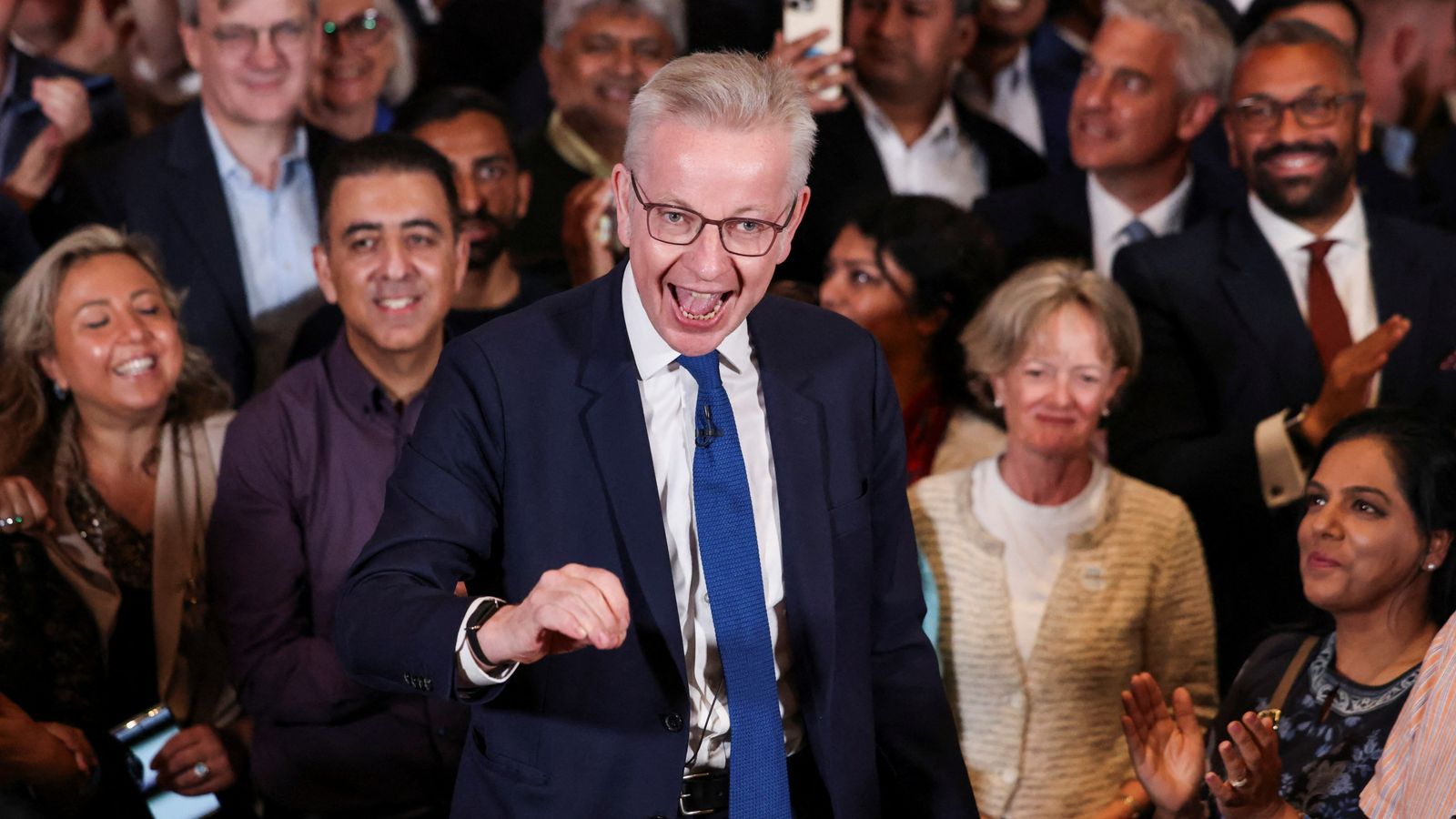
Michael Gove handed peerage – as Jeremy Hunt and cricketer James Anderson knighted

Veteran cabinet minister Michael Gove has been awarded a peerage in Rishi Sunak’s resignation honours list.
Mr Gove – now editor of The Spectator magazine – was first elected to parliament in 2005 and immediately joined then-Conservative leader David Cameron’s shadow cabinet.
He was appointed education secretary when the party entered government in 2010 and held multiple cabinet posts until the 2024 general election, when he stood down from parliament.
Mr Sunak elevated seven allies to the House of Lords, including former cabinet ministers Mark Harper, Victoria Prentis, Alister Jack, and Simon Hart. Former chief executive of the Conservative Party, Stephen Massey, also becomes a peer, as well as Eleanor Shawcross, former head of the No10 policy unit. He also awarded a number of honours.
It is traditional for prime ministers to award peerages and other gongs upon their resignation from office – with key political allies, donors and staff often rewarded.
An outgoing prime minister can request that the reigning monarch grants peerages, knighthoods, damehoods or other awards in the British honours system to any number of people.
In the case of peerages, the House of Lords Appointments Commission vets the list, and for other honours, the Cabinet Office conducts checks.
Resignation honours are separate from dissolution honours, which are awarded by the incumbent prime minister and opposition leaders after the dissolution of parliament preceding a general election.
Here are the biggest names given honours by Mr Sunak:
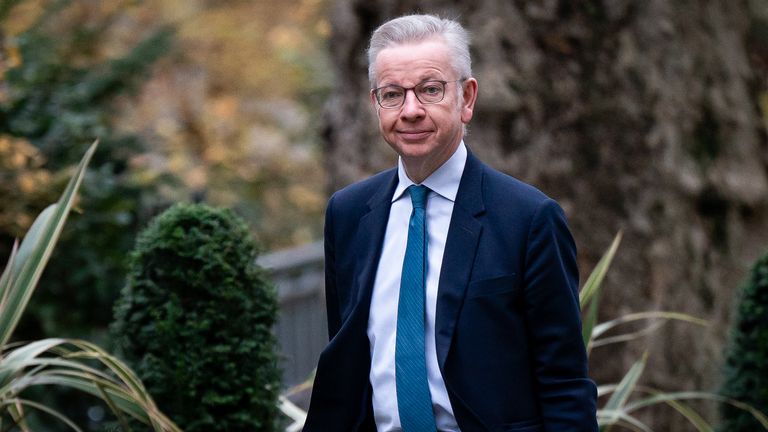
Michael Gove – peerage
Former cabinet minister Michael Gove. Pic: PA
From when the Conservatives returned to government in 2010, Michael Gove spent almost the whole time in a ministerial role.
After reforming the education system, he went on to hold roles like chief whip, environment secretary, justice secretary and housing secretary.
He led the pro-Brexit side of the 2016 referendum alongside Boris Johnson, and famously sunk the latter’s leadership bid with his own.
However, both failed at that juncture, and Mr Gove’s reputation never recovered to allow him another go at the top job.
The debt was repaid when Mr Johnson fired Mr Gove as his administration collapsed in 2022.
Mr Gove returned to government under Rishi Sunak, and ultimately retired from the Commons at the 2024 election.
James Anderson – knighthood
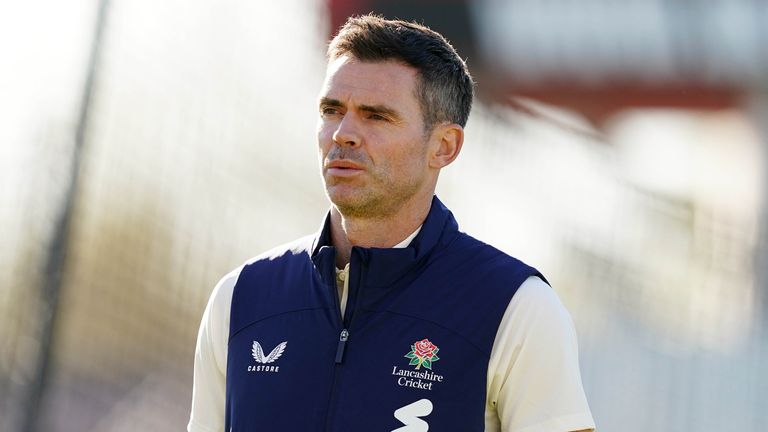
Lancashire bowler James Anderson. Pic: PA
One of England’s most successful cricketers, Jimmy Anderson, has been awarded a knighthood in avid cricket fan Rishi Sunak’s resignation honours list.
He is regarded as one of the greatest bowlers in the history of the sport, and holds the record for the most wickets taken by a fast bowler in Test cricket.
Jeremy Hunt – knighthood
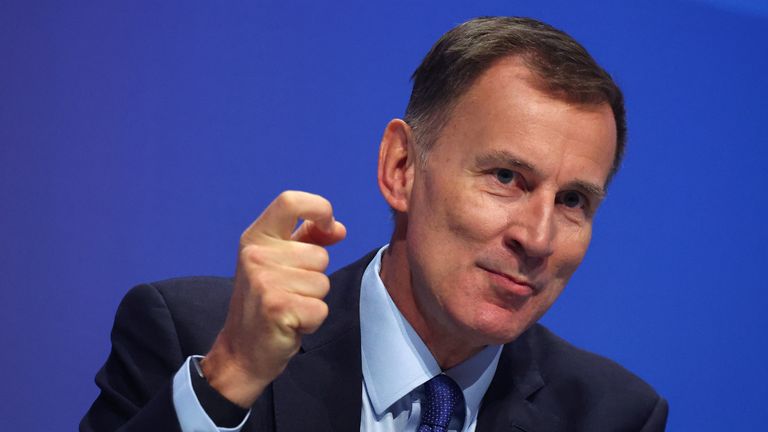
Jeremy Hunt.
Pic: Reuters
A former chancellor and serial runner-up in Tory leadership competitions, Jeremy Hunt was ever present in Conservative cabinets while the party was in government.
He was both foreign secretary and defence secretary before failing to take over the party after Theresa May stood aside.
Following a stint on the backbenches, Mr Hunt returned as chancellor under Liz Truss in a bid to stabilise markets – retaining this position under Rishi Sunak.
Despite persistent speculation he was set to be ditched in favour of Claire Coutinho, Mr Hunt kept his job until the 2024 general election – where he won his seat and now sits as a backbencher.
James Cleverly – knighthood
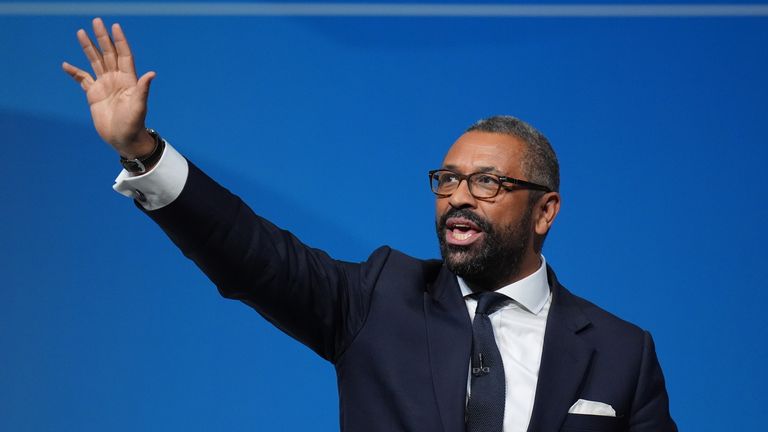
James Cleverly.
Pic: PA
A former leader of the Conservatives in the London Assembly, James Cleverly entered parliament at the 2015 general election as the MP for Braintree.
In 2018, he was appointed deputy chairman of the party, and in April 2019, was appointed a minister in the Brexit department.
Boris Johnson appointed him as party chairman after taking over the top job, and he took on a succession of junior ministerial posts before becoming education secretary following Mr Johnson’s resignation as prime minister.
Liz Truss appointed him as foreign secretary – a post he held until November 2023 when Rishi Sunak brought back David Cameron for the role, and he took over as home secretary – a post he held until the general election.
Mr Cleverly was one of the lucky cabinet ministers to survive the Labour landslide and retained his seat. But he was less successful in the Conservative Party leadership contest, losing out in the final round of MP voting.
Andrew Mitchell – knighthood
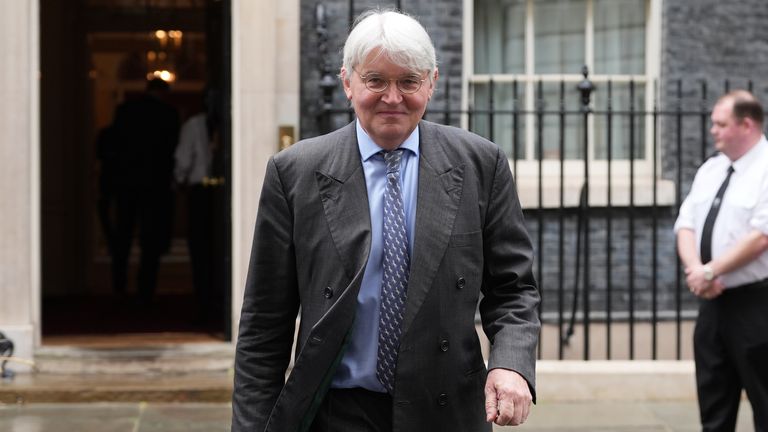
Andrew Mitchell.
Pic: PA
The former deputy foreign secretary has been a fixture in Westminster since 1987, when he was first elected as the MP for Gedling. He was appointed to the government in 1994, but lost his seat in the 1997 Tony Blair landslide.
He returned to parliament in 2001 as the MP for Sutton Coldfield, and took on a number of shadow cabinet and then cabinet roles, culminating in his appointment to the Foreign Office in 2022, before becoming deputy foreign secretary to David Cameron in 2024.
He rose to public prominence in September 2012 when he allegedly swore when a police officer told him to dismount his bicycle and leave Downing Street through the pedestrian gate rather than the main gate. The incident became known as “Plebgate”.
Mel Stride – knighthood
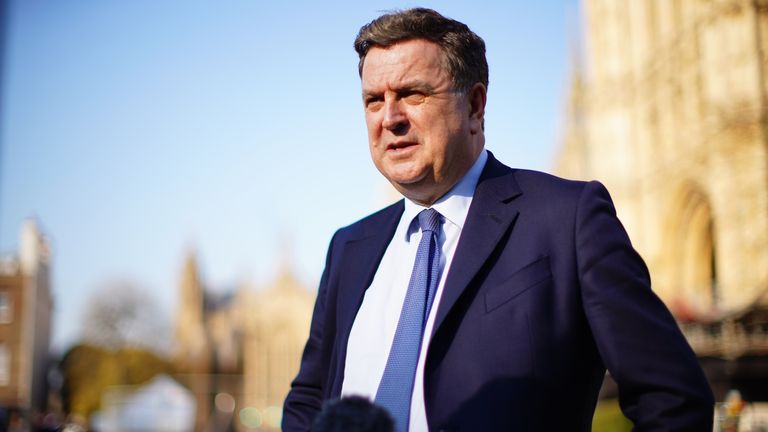
Shadow chancellor Mel Stride.
Pic: PA
One of Rishi Sunak’s closest aides, he chaired his campaign to be Tory leader against Liz Truss and was rewarded with the Work and Pensions brief when his man finally entered Number 10.
He was also a prominent figure in the downfall of Ms Truss as chair of the Treasury select committee – regularly requesting information from the Treasury and Bank of England that highlighted damaging information.
A capable media performer, he was ever present during the general election as he tried unsuccessfully to get Mr Sunak back into office.
Mr Stride kept his seat after the vote, and was rewarded by Kemi Badenoch with a role as shadow chancellor of the exchequer.
Stephen Massey – peerage
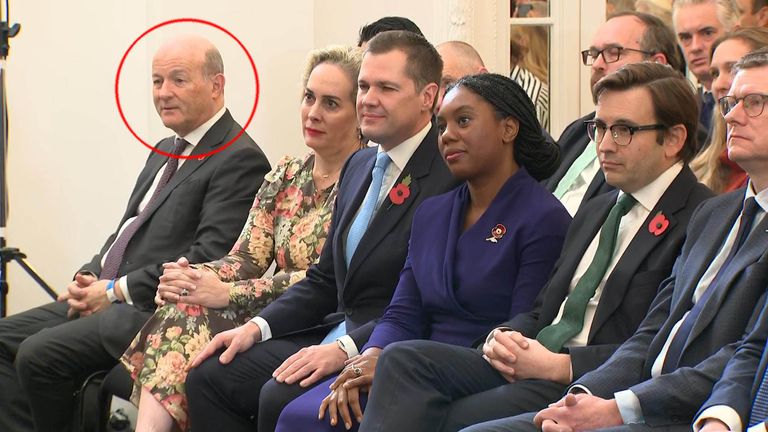
Stephen Massey
Described as a “sensible man” by former chancellor George Osborne, Stephen Massey was appointed chief executive of the Conservative Party in November 2022 after Rishi Sunak took over as leader in the coronation leadership contest following the collapse of the Truss government.
Having spent his career as a financial adviser, Mr Sunak probably thought he was a safe pair of hands in which to entrust the leadership of the party machinery as they built their war chest ahead of the general election to come.
The personal donations of £343,000 to the party and £25,000 to Mr Sunak’s leadership campaign also likely made him an attractive candidate for the job.
Has Rishi Sunak previously awarded honours?
Mr Sunak previously granted peerages to former prime minister Theresa May, Sir Graham Brady, the former chairman of the influential Conservative backbench 1922 committee, as well as his right-hand man Liam Booth-Smith on 4 July 2024 – the day of the general election.
He lost the election by a landslide to Sir Keir Starmer’s Labour Party, and resigned as prime minister that day. He remains in parliament as the MP for Richmond and Northallerton.
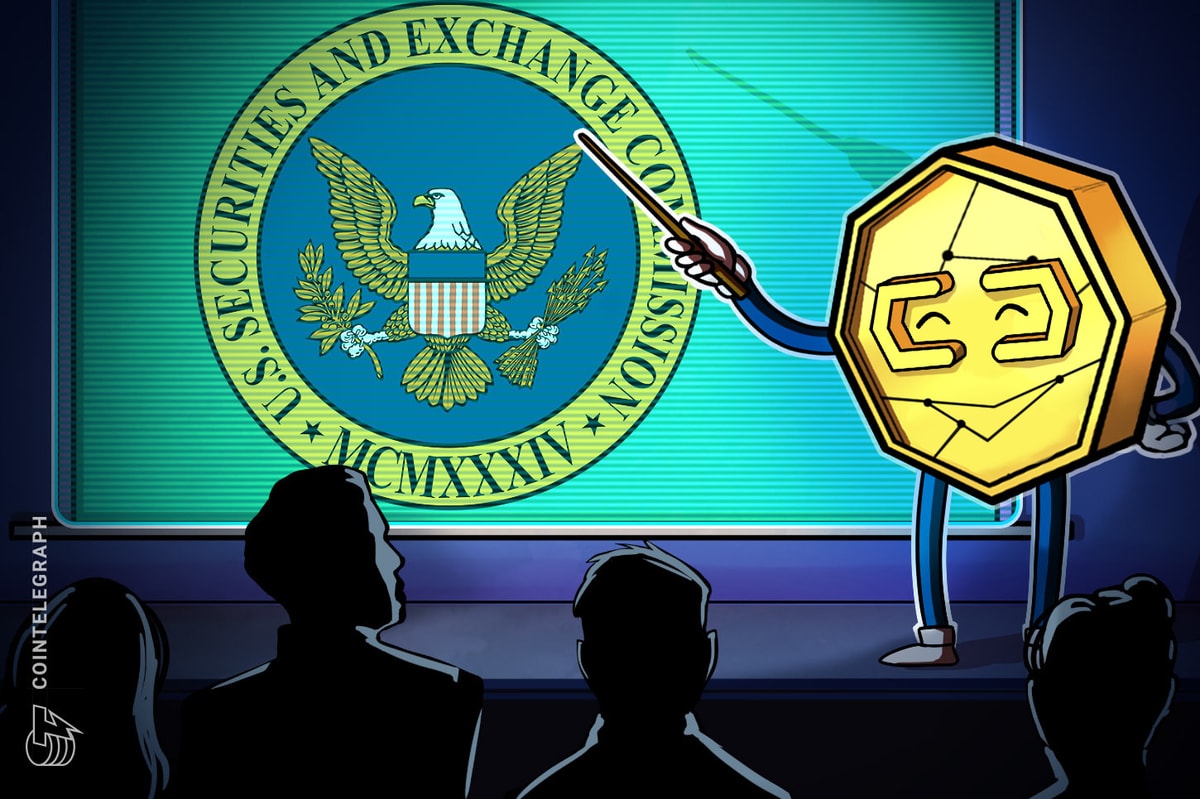

The United States Securities and Exchange Commission (SEC) published a crypto wallet and custody guide investor bulletin on Friday, outlining best practices and common risks of different forms of crypto storage for the investing public.
The SEC’s bulletin lists the benefits and risks of different methods of crypto custody, including self-custody versus allowing a third-party to hold digital assets on behalf of the investor.
If investors choose third-party custody, they should understand the custodian’s policies, including whether it “rehypothecates” the assets held in custody by lending them out or if the service provider is commingling client assets in a single pool instead of holding the crypto in segregated customer accounts.
Crypto wallet types were also outlined in the SEC guide, which broke down the pros and cons of hot wallets, which are connected to the internet, and offline storage in cold wallets.
Hot wallets carry the risk of hacking and other cybersecurity threats, according to the SEC, while cold wallets carry the risk of permanent loss if the offline storage fails, a storage device is stolen, or the private keys are compromised.
The SEC’s crypto custody guide highlights the sweeping regulatory change at the agency, which was hostile to digital assets and the crypto industry under former SEC Chairman Gary Gensler’s leadership.
Related: SEC sends warning letters to ETF issuers targeting untamed leverage
The crypto community celebrates the SEC guide as a transformational change in the agency
“The same agency that spent years trying to kill the industry is now teaching people how to use it,” Truth For the Commoner (TFTC) said in response to the SEC’s crypto custody guide.
The SEC is providing “huge value” to crypto investors by educating prospective crypto holders about custody and best practices, according to Jake Claver, the CEO of Digital Ascension Group, a company that provides services to family offices.

SEC regulators published the guide one day after SEC Chair Paul Atkins said that the legacy financial system is moving onchain.
On Thursday, the SEC gave the green light to the Depository Trust and Clearing Corporation (DTCC), a clearing and settlement company, to begin tokenizing financial assets, including equities, exchange-traded funds (ETFs) and government debt securities.
Magazine: Unstablecoins: Depegging, bank runs and other risks loom
Greens leader Zack Polanski has rejected claims his party would push for open borders on immigration, telling Sky News it is “not a pragmatic” solution for a world in “turmoil”.
Mr Polanski distanced himself from his party’s “long-range vision” for open borders, saying it was not in his party’s manifesto and was an “attack line used by opponents” to question his credibility.
It came as Mr Polanski, who has overseen a spike in support in the polls to double figures, refused to apologise over controversial comments he made about care workers on BBC Question Time that were criticised across the political spectrum.
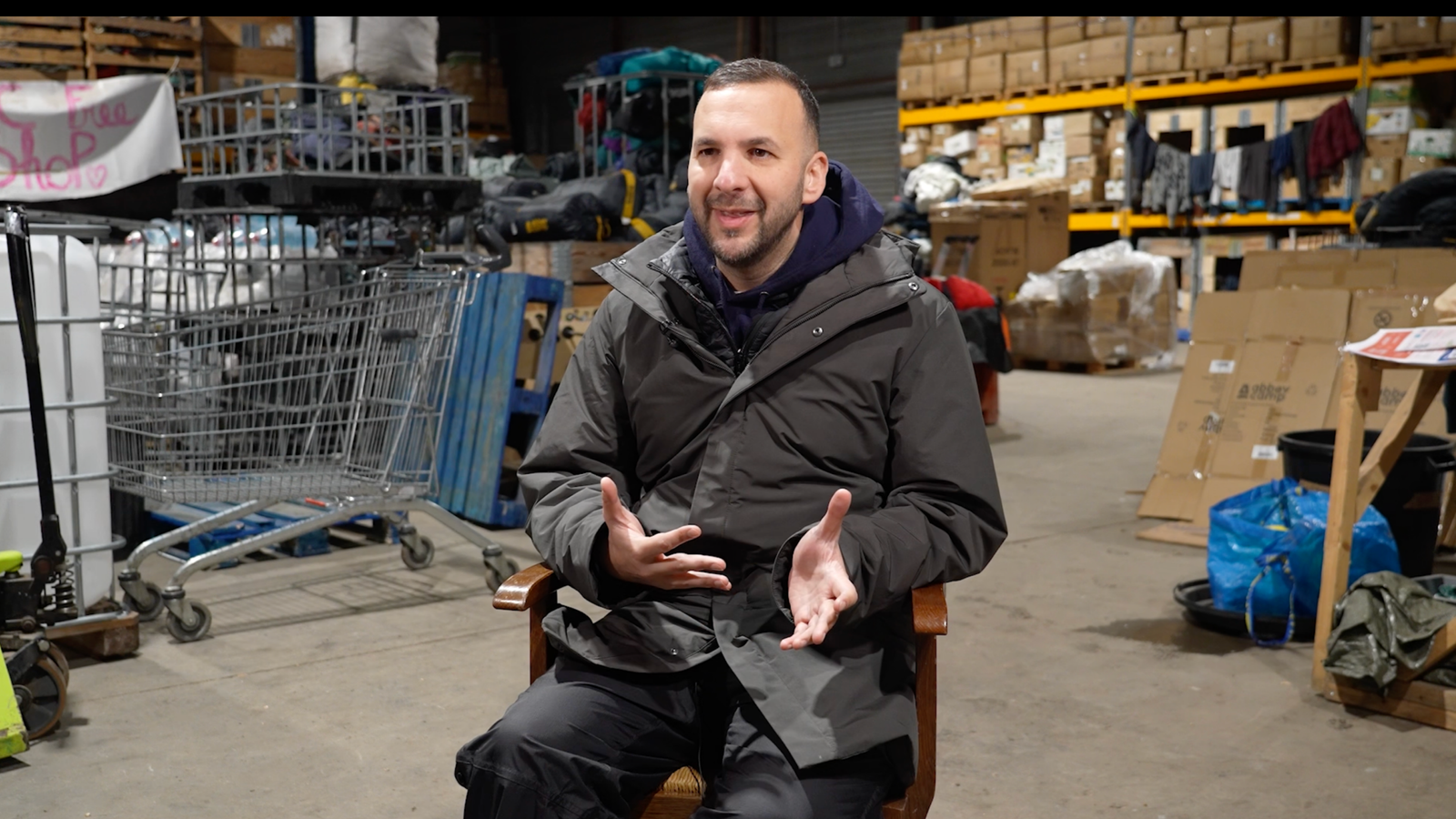
Mr Polanski was speaking to Sky News earlier this week while in Calais, where he joined volunteers and charities to witness how French police handle the arrival of migrants in the town that is used as a departure point for those wanting to make the journey to the UK.
He told Sky News he had made the journey to the French town – once home to the “Jungle” refugee camp before it was demolished in 2016 – to tackle “misinformation” about migration and to make the case for a “compassionate, fair and managed response” to the small boats crisis.
He said that “no manifesto ever said anything about open borders” and that the Greens had never stood at a general election advocating for them.
“Clearly when the world is in political turmoil and we have deep inequality, that is not a situation we can move to right now,” he said.
“That would also involve massive international agreements and cooperation. That clearly is not a pragmatic conversation to have right now. And very often the government try to push that attack line to make us look not pragmatic.”
The party’s manifesto last year did not mention open borders, but it did call for an end to the “hostile environment”, more safe and legal routes and for the Home Office to be abolished and replaced with a department of migration.
Asked why the policy of minimal restrictions on migration had been attributed to his party, Mr Polanski said open borders was part of a “long-range vision of what society could look like if there was a Green government and if we’d had a long time to fix some of the systemic problems”.
‘We should recognise the contribution migrants make’
Mr Polanski, who was elected Green Party leader in September and has been compared to Nigel Farage over his populist economic policies, said his position was one of a “fair and managed” migration system – although he did not specify whether that included a cap on numbers.
He acknowledged that there needed to be a “separate conversation” about economic migration but that he did not believe any person who boarded a small boat was in a “good situation”.
While Mr Polanski stressed that he believed asylum seekers should be able to work in Britain and pay taxes, he also said he believed in the need to train British workers in sectors such as care, where one in five are foreign nationals.
Asked what his proposals for a fair and managed migration system looked like, and whether he supported a cap on numbers, Mr Polanski said: “We have 100,000 vacancies in the National Health Service. One in five care workers in the care sector are foreign nationals.
Zack Polanski speaks to Sky News from a warehouse in Calais where charities and organisations provide migrants with essentials.
“Now, of course, that is both British workers and we should be training British workers, but we should recognise the contribution that migrants and people who come over here make.”
I’m not going to apologise’
Mr Polanski also responded to the criticism he attracted over his comments about care workers on Question Time last week, where he told the audience: “I don’t know about you, but I don’t particularly want to wipe someone’s bum” – before adding: “I’m very grateful for the people who do this work.”
His comments have been criticised by a number of Labour MPs, including Wes Streeting, the health secretary, who said: “Social care isn’t just ‘wiping someone’s bum’. It is a hard, rewarding, skilled professional job.
“This is immigration as exploitation.”
Read more:
The Greens leader who wants to be the Farage of the left
Will Farage racism allegations deter voters?
Asked whether he could understand why some care workers might feel he had talked down to them, the Greens leader replied: “I care deeply about care workers. When I made those comments, it’s important to give a full context. I said ‘I’m very grateful to people who do this important work’ and absolutely repeat that it’s vital work.”
“Of course, it is not part of the whole job, and I never pretended it was part of the whole job.”
Mr Polanski said he “totally” rejected the suggestion that he had denigrated the role of care workers in the eyes of the public and said his remarks were made in the context of a “hostile Question Time” where he had “three right-wing panellists shouting at me”.
Pressed on whether he wanted to apologise, he replied: “I’m not going to apologise for being really clear that I’m really grateful to the people who do this really vital work. And yes, we should be paying them properly, too.”


A group of crypto organizations has pushed back on Citadel Securities’ request that the Securities and Exchange Commission tighten regulations on decentralized finance when it comes to tokenized stocks.
Andreessen Horowitz, the Uniswap Foundation, along with crypto lobby groups the DeFi Education Fund and The Digital Chamber, among others, said they wanted “to correct several factual mischaracterizations and misleading statements” in a letter to the SEC on Friday.
The group was responding to a letter from Citadel earlier this month, which urged the SEC not to give DeFi platforms “broad exemptive relief” for offering trading of tokenized US equities, arguing they could likely be defined as an “exchange” or “broker-dealer” regulated under securities laws.
“Citadel’s letter rests on a flawed analysis of the securities laws that attempts to extend SEC registration requirements to essentially any entity with even the most tangential connection to a DeFi transaction,” the group said.
The group added they shared Citadel’s aims of investor protection and market integrity, but disagreed “that achieving these goals always necessitates registration as traditional SEC intermediaries and cannot, in certain circumstances, be met through thoughtfully designed onchain markets.”
Citadel’s ask would be impractical, group says
The group argued that regulating decentralized platforms under securities laws “would be impracticable given their functions” and could capture a broad range of onchain activities that aren’t usually considered as offering exchange services.
The letter also took aim at Citadel’s characterization that autonomous software was an intermediary, arguing it can’t be a “‘middleman’ in a financial transaction because it is not a person capable of exercising independent discretion or judgment.”
“DeFi technology is a new innovation that was designed to address market risks and resiliency in a different way than traditional financial systems do, and DeFi protects investors in ways that traditional finance cannot,” the group argued.
Related: SEC’s Crenshaw takes aim at crypto in final weeks at agency
In its letter, Citadel had argued that the SEC giving the green light to tokenized shares on DeFi “would create two separate regulatory regimes for the trading of the same security” and would undermine “the ‘technology-neutral’ approach taken by the Exchange Act.”
Citadel argued that exempting DeFi platforms from securities laws could harm investors, as the platforms wouldn’t have protections such as venue transparency, market surveillance and volatility controls, among others.
The letter initially drew considerable backlash, with Blockchain Association CEO Summer Mersinger saying Citadel’s stance was an “overbroad and unworkable approach.”
The letters come as the SEC looks for feedback on how it should approach regulating tokenized stocks, and agency chair Paul Atkins has said that the US financial system could embrace tokenization in a “couple of years.”
Tokenization has exploded in popularity this year, but NYDIG warned on Friday that assets moving onchain won’t immediately be of great benefit to the crypto market until regulations allow them to more deeply integrate with DeFi.
Magazine: SEC’s U-turn on crypto leaves key questions unanswered
-
 Sports2 years ago
Story injured on diving stop, exits Red Sox game
-
 Sports3 years ago
‘Storybook stuff’: Inside the night Bryce Harper sent the Phillies to the World Series
-
 Sports2 years ago
Game 1 of WS least-watched in recorded history
-
 Sports3 years ago
Button battles heat exhaustion in NASCAR debut
-
 Sports3 years ago
MLB Rank 2023: Ranking baseball’s top 100 players
-
Sports4 years ago
Team Europe easily wins 4th straight Laver Cup
-
 Environment3 years ago
Japan and South Korea have a lot at stake in a free and open South China Sea
-
 Environment1 year ago
Here are the best electric bikes you can buy at every price level in October 2024