
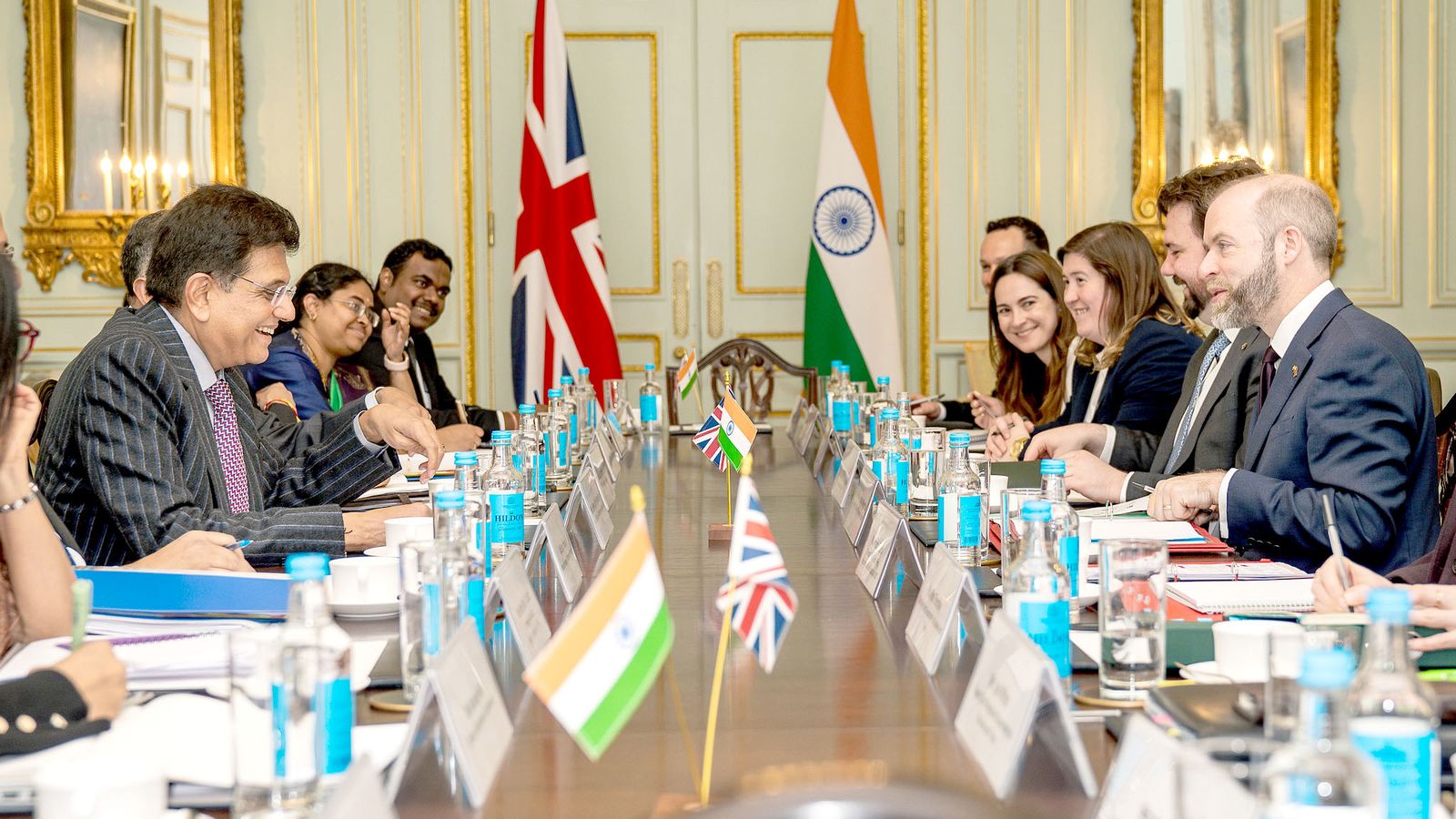
UK-India trade deal: Is Farage right to call out ‘big tax exemption’?


Britain’s trade deal with India has created a pocket of controversy on taxation.
Under the agreement, Indian workers who have been seconded to Britain temporarily will not have to pay National Insurance (NI) contributions in the UK. Instead, they will continue to pay the Indian exchequer.
The same applies to British workers in India. It avoids workers from being taxed twice for a full suite of benefits they will not receive, such as the state pension.
Money latest: How dynamic pricing is coming to UK restaurants
Politicians of all stripes have leapt to judgement.
Nigel Farage has described it as a “big tax exemption” for Indian workers. He said it was “impossible to say how many will come,” with the Reform Party warning of “more mass immigration, more pressure on the NHS, more pressure on housing.”
But, is this deal really undercutting British workers or is it simply creating a level playing field?
Be wary of any hasty conclusions. In the absence of an impact assessment from the government, it is difficult to be precise about any of this. However, at first glance, it is unlikely that some of Reform’s worst fears will play out.
Whisky boss toasts India trade deal
Firstly, avoiding double taxation is not the same thing as a “tax break.’ This type of agreement, known as a double contribution convention, is not new.
Britain has similar arrangements with other countries and blocs, including the US, EU, Canada and Japan.
It’s based on the principle that workers shouldn’t be paying twice for social security taxes that they will not benefit from.

UK-India trade deal explained
Indian workers and businesses will still have to pay the equivalent tax in India, as well as sponsorship fees and the NHS surcharge.
Crucially, the deal only applies to workers being sent over by Indian companies on a temporary basis.
Those workers are on Indian payroll. It does not apply to Indian workers more generally. That means businesses in the UK can’t (and won’t) suddenly be replacing all their workers with Indians.
Read more:
What’s in the UK-India trade deal?
India trade deal: The devil is in the detail
The conditions for a company to send over a secondee on a work visa are restrictive. It means it’s unlikely that these workers will be replacing British workers.
However, It does mean that the exchequer will not capture the extra national insurance tax from those who come over on this route.
The government has not shared its impact assessment for how many extra Indians they expect to come over on this route, how much NI they will escape, or how much this will be offset by extra income tax from those Indians. The net financial position is therefore murky.
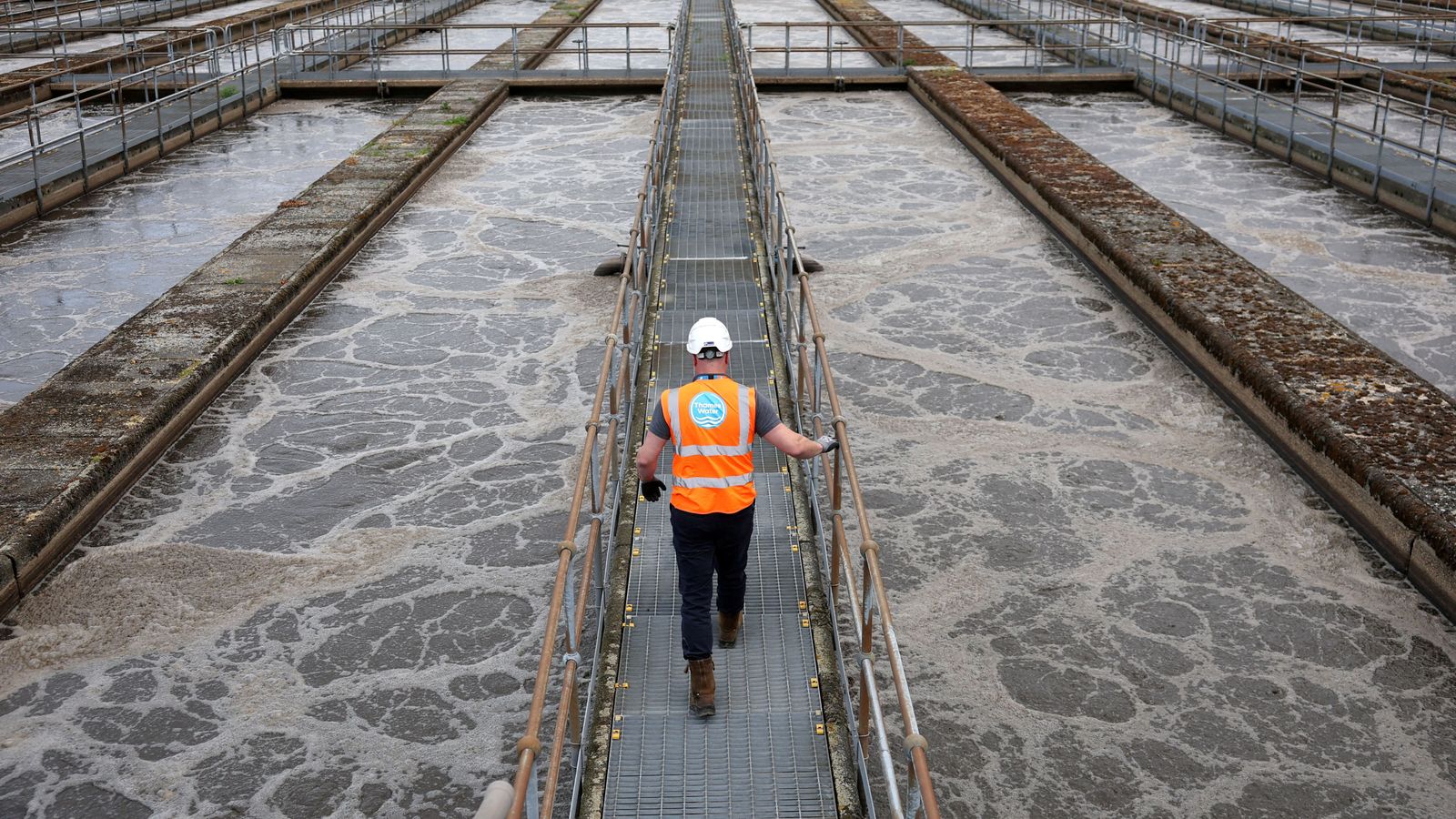
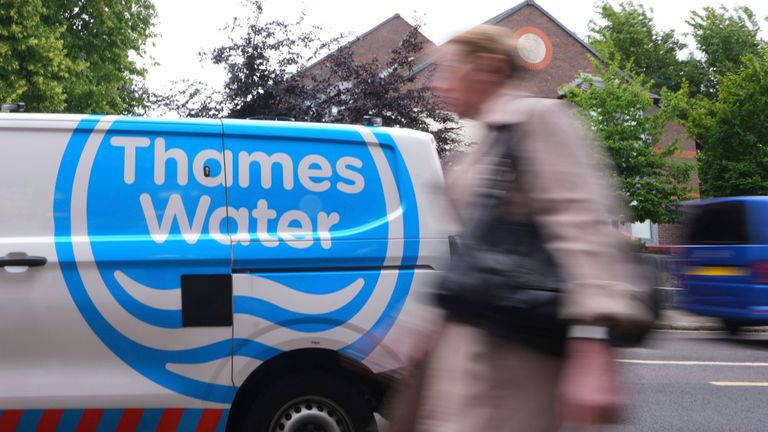
The UK’s biggest water supplier has been dealt another blow as the regulator decided to reduce its income.
Thames Water, which supplies 16 million people in England, has been told by the watchdog Ofwat its revenues will be cut by more than £187m.
It comes as the utility struggles under a £17.6bn debt pile and the government has lined up insolvency practitioners for its potential collapse.
Money blog: Nine-year-old set up Christmas tree business to pay for university
Overall, water firms face a sector-wide revenue reduction of nearly £309m as a result of Ofwat’s determination. Thames Water’s £187.1m cut is the largest revenue reduction.
This will take effect from next year and up to 2030 as part of water companies’ regulator-approved five-year spending and investment plans.
The downward revenue revision has been made as Ofwat believes the companies will perform better than first thought and therefore require less money.
Better financial performance is ultimately good news for customers.
The change published on Wednesday is a technical update; the initial revenue projections published in December 2024 were based on projected financial performance but after financial results were published in the summer and Ofwat was able to apply these figures.
Is Thames Water a step closer to nationalisation?
Thames Water and industry body Water UK have been contacted for comment.
-
 Sports2 years ago
Story injured on diving stop, exits Red Sox game
-
 Sports3 years ago
‘Storybook stuff’: Inside the night Bryce Harper sent the Phillies to the World Series
-
 Sports2 years ago
Game 1 of WS least-watched in recorded history
-
 Sports3 years ago
Button battles heat exhaustion in NASCAR debut
-
 Sports3 years ago
MLB Rank 2023: Ranking baseball’s top 100 players
-
Sports4 years ago
Team Europe easily wins 4th straight Laver Cup
-
 Environment3 years ago
Japan and South Korea have a lot at stake in a free and open South China Sea
-
 Environment1 year ago
Here are the best electric bikes you can buy at every price level in October 2024