

Genesis quietly dropped this EV from its US lineup


The Genesis Electrified G80 will no longer be sold in the US. Genesis has already pulled the luxury EV sedan from its website.
Genesis pulls the Electrified G80 EV from its US lineup
The Electrified G80 went on sale in the US in the first half of 2023, but has struggled to gain any momentum. Last year, Genesis introduced an updated model with longer range, more interior space, and added luxury, claiming it’s now at the flagship level.
Those in the US may never get to see it. Genesis has already removed the Electrified G80 from its website, with only the GV60 and Electrified GV70 now listed.
The luxury car maker confirmed to Car and Driver on Wednesday that the electric G80 sedan is no longer being offered in North America.
Genesis explained that “the customer is at the core of every decision we make, and we remain flexible as we adapt to ever-changing consumer needs and market conditions.”
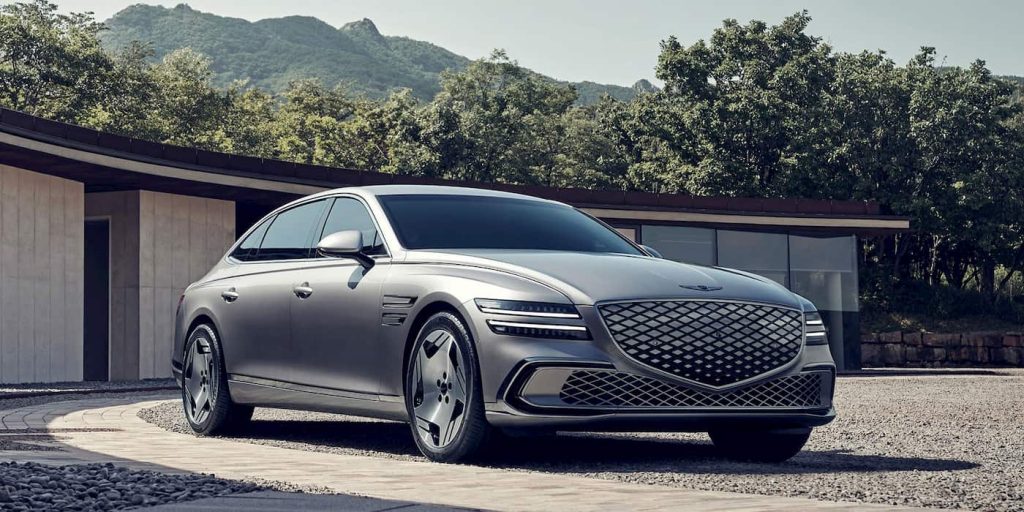
The 2024 Electrified G80 was the final model year, and the 2025 version was never sold in the US. Powered by an 87 kWh battery, the Electrified G80 was rated with an EPA-estimated range of 282 miles. Although the updated model boasted a larger battery (94.5 kWh) with increased range (up to 295 miles) in Korea, it still falls short of rivals like the Lucid Air or Tesla Model S.
Genesis sold just 397 models in 2024 and another 77 in the first half of 2025. In comparison, Lucid sold over 5,000 Air sedans in H1, while Tesla has sold 2,715 Model S sedans in the US.
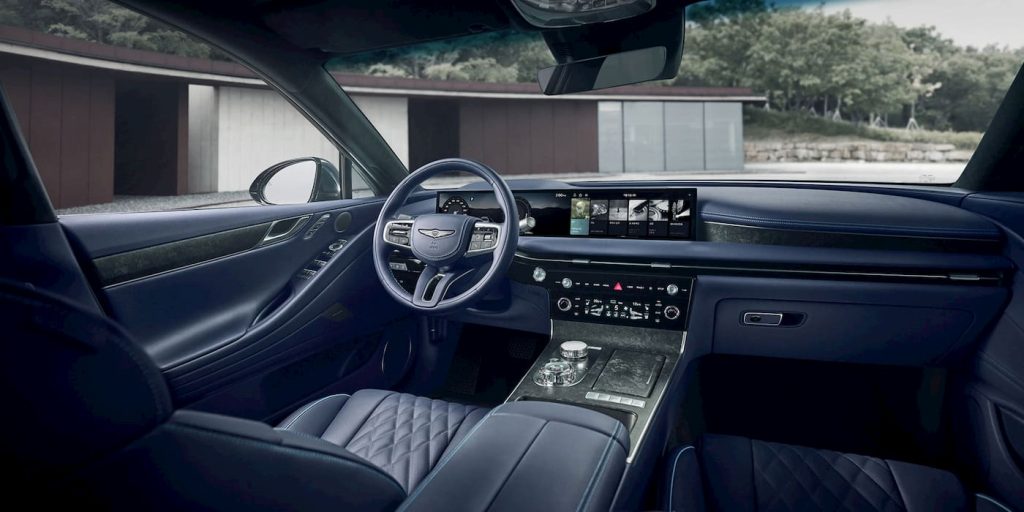
Although Korean automakers, including Hyundai, Kia, and Genesis, dodged the maximum 25% tariff, they will still face a 15% duty on imported vehicles. As its slowest-selling EV, it’s no surprise to see Genesis dropping it from its lineup.
With the $7,500 federal tax credit expiring at the end of September, Genesis is pushing big discounts on its remaining EV models.
Genesis is offering an $18,000 EV Lease Bonus on the 2025 Electrified GV70 and $13,750 bonus for the 2025 GV60. Leases currently start as low as $389 per month.
Looking to test one out for yourself? You can use our links below to view 2025 Genesis GV60 and Electrified GV70 models in your area.
FTC: We use income earning auto affiliate links. More.


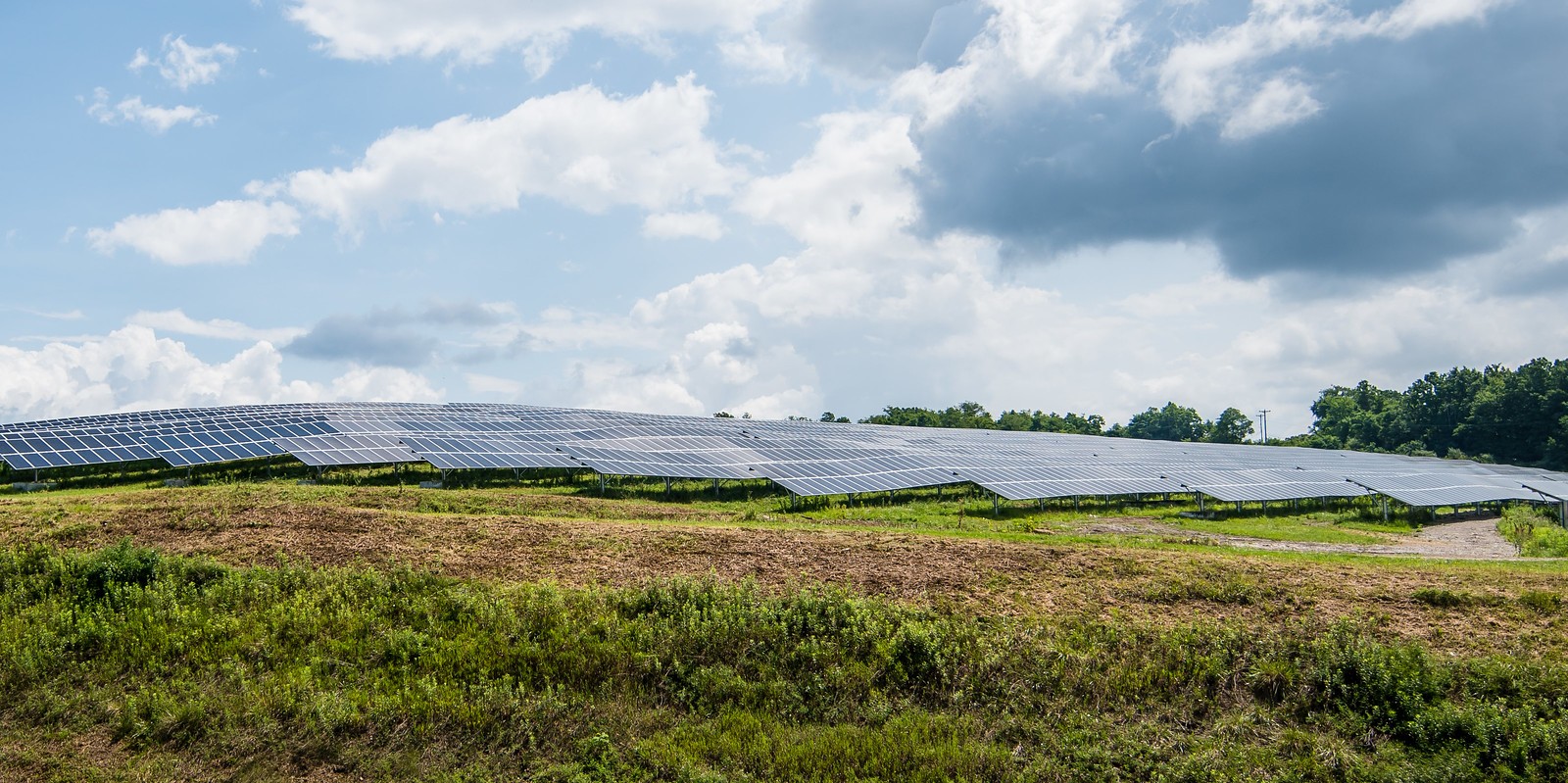
The US solar industry just delivered another huge quarter, installing 11.7 gigawatts (GW) of new capacity in Q3 2025. That makes it the third-largest quarter on record and pushes total solar additions this year past 30 GW – despite the Trump administration’s efforts to kneecap clean energy.
According to the new “US Solar Market Insight Q4 2025” report from Solar Energy Industries Association (SEIA) and Wood Mackenzie, 85% of all new power added to the grid during the first nine months of the Trump administration came from solar and storage. And here’s the twist: Most of that growth – 73% – happened in red states.
Eight of the top 10 states for new installations fall into that category, including Texas, Indiana, Florida, Arizona, Ohio, Utah, Kentucky, and Arkansas. Utah jumped into the top 10 this quarter thanks to two big utility-scale projects totaling more than 1 GW.
But the report also flags major uncertainty ahead. Federal actions, including a July memo from the Department of the Interior (DOI), have slowed or stalled the approvals pipeline for utility-scale solar and storage. Without clarity on permitting timelines, Wood Mackenzie’s long-term utility-scale forecast through 2030 remains basically unchanged from last quarter.
“This record-setting quarter for solar deployment shows that the market is continuing to turn to solar to meet rising demand,” said Abigail Ross Hopper, SEIA’s president and CEO. She added that strong growth in red states underscores how decisively the market is shifting toward clean energy. “But unless this administration reverses course, the future of clean, affordable, and reliable solar and storage will be frozen by uncertainty, and Americans will continue to see their energy bills go up.”
Two new solar module factories opened this year in Louisiana and South Carolina, adding a combined 4.7 GW of capacity. That brings the total new US module manufacturing capacity added in 2025 to 17.7 GW. With a new wafer facility coming online in Michigan in Q3, the US can now produce every major component of the solar module supply chain.
“We expect 250 GW of solar to be installed from 2025 to 2030,” said Michelle Davis, head of solar research at Wood Mackenzie and lead author of the report. “But the US solar industry has more potential. With rising power demand across the country, solar could do even more if current constraints were eased.”
SEIA also noted that, following an analysis of EIA data, it found that more than 73 GW of solar projects across the US are stuck in permitting limbo and at risk of politically motivated delays or cancellations.
Read more: EIA: Solar + storage soar as fossil fuels stall through September 2025

If you’re looking to replace your old HVAC equipment, it’s always a good idea to get quotes from a few installers. To make sure you’re finding a trusted, reliable HVAC installer near you that offers competitive pricing on heat pumps, check out EnergySage. EnergySage is a free service that makes it easy for you to get a heat pump. They have pre-vetted heat pump installers competing for your business, ensuring you get high quality solutions. Plus, it’s free to use!
Your personalized heat pump quotes are easy to compare online and you’ll get access to unbiased Energy Advisors to help you every step of the way. Get started here. – *ad


FTC: We use income earning auto affiliate links. More.

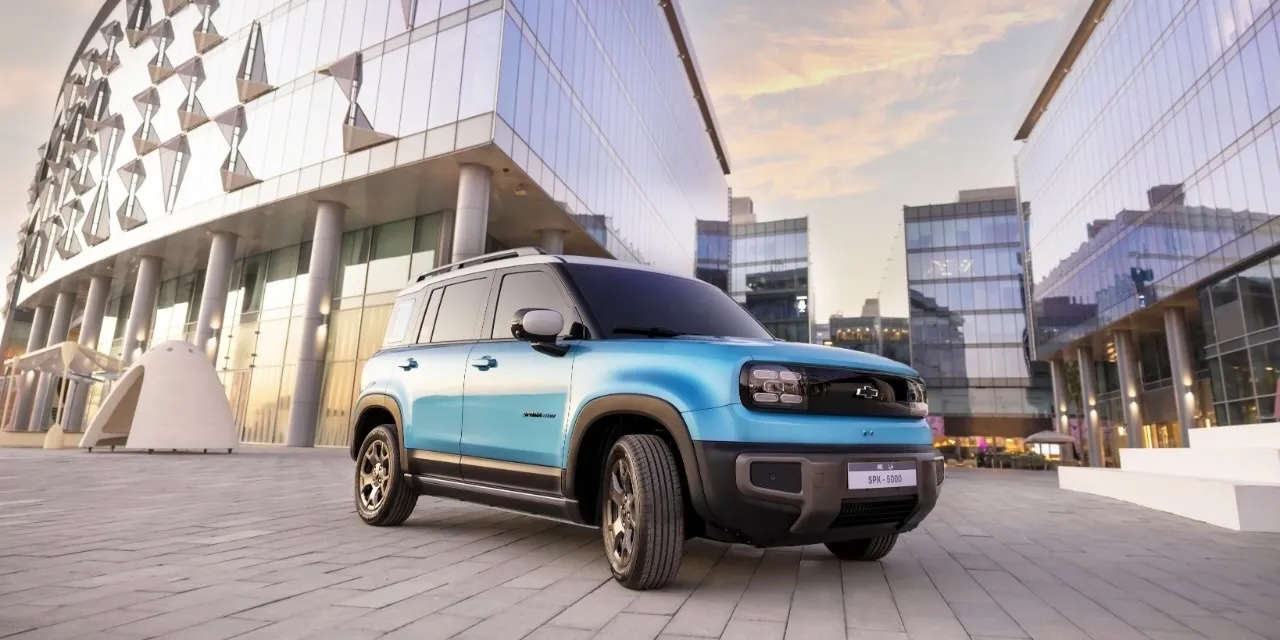
The spiritual successor to the beloved Chevy Geo Tracker, production of the new-for-2026 electric Spark EUV has officially begun in Brazil with more than 200 miles of range.
That’s right, kids. To know the Chevy Tracker is to love the Chevy Tracker. The tiny, top-heavy Suzuki-based SUV combined bold colors, fun styling, (relatively) good fuel economy, and real off-road chops (especially in ZR2 trim) with an affordable price tag to make the Tracker an early favorite among the serious rock-crawling crowds.
Like, really

While it’s still too early to tell whether or not the all-new Chevy Spark EUV will come even close to that little proto-SUV, it seems we won’t have to wait much longer to find out – GM Authority reports that production of the 2026 Chevy Spark EUV has officially begun at Comexport’s Planta Automotiva do Ceará (PACE) plant, in the state of Ceará, Brazil.
GM Brazil invested the equivalent of $73 million to get the PACE factory ready to assemble GM’s modern, zero-emissions Chevy crossover for the South American and Middle Eastern markets – an investment big enough to earn a visit from Brazilian president Luiz Inácio Lula da Silva, who was on-hand for the December 3rd kickoff event.
“It’s not a car factory,” said Comexport Vice President and PACE shareholder, Rodrigo Teixeir. “(The) goal is to develop technology there, not simply assemble a vehicle.”
Production of the new Spark EUV began last week, with production of the equally new Chevy Captiva EV set to begin as early as Q1 of 2026.
2026 Chevy Spark EUV

The Made in Brazil Chevrolet Spark EUV is heavily based on the Chinese Baojun, and is powered by that vehicle’s single 75 kW (101 hp), 180 Nm (130 lb-ft) motor driving the front wheels. Power comes from the Baojun’s 42 kWh LFP battery that, with regenerative braking, is good for up to 360 km (220 miles) on the NEDC driving cycle.
Weirdly, the new Spark is also equipped with a 10.1″ infotainment screen and 8.8″ digital instrument cluster (above) that supports both Apple CarPlay and Android Auto standard – technology that GM claims lead to “unsafe” driver behaviors in North America.
Let us know what you think of the little electric SUV, and whether or not you think it would be a hit in the US (it would) in the comments.
SOURCE: GM Authority; images by GM, Harry Situations.

If you’re considering going solar, it’s always a good idea to get quotes from a few installers. To make sure you find a trusted, reliable solar installer near you that offers competitive pricing, check out EnergySage, a free service that makes it easy for you to go solar. It has hundreds of pre-vetted solar installers competing for your business, ensuring you get high-quality solutions and save 20-30% compared to going it alone. Plus, it’s free to use, and you won’t get sales calls until you select an installer and share your phone number with them.
Your personalized solar quotes are easy to compare online and you’ll get access to unbiased Energy Advisors to help you every step of the way. Get started here.
FTC: We use income earning auto affiliate links. More.

-
 Sports2 years ago
Story injured on diving stop, exits Red Sox game
-
 Sports3 years ago
‘Storybook stuff’: Inside the night Bryce Harper sent the Phillies to the World Series
-
 Sports2 years ago
Game 1 of WS least-watched in recorded history
-
 Sports3 years ago
Button battles heat exhaustion in NASCAR debut
-
 Sports3 years ago
MLB Rank 2023: Ranking baseball’s top 100 players
-
Sports4 years ago
Team Europe easily wins 4th straight Laver Cup
-
 Environment3 years ago
Japan and South Korea have a lot at stake in a free and open South China Sea
-
 Environment1 year ago
Here are the best electric bikes you can buy at every price level in October 2024