

Tesla brings back ‘Mad Max’ ‘Full Self-Driving’ mode that ignores speed limits

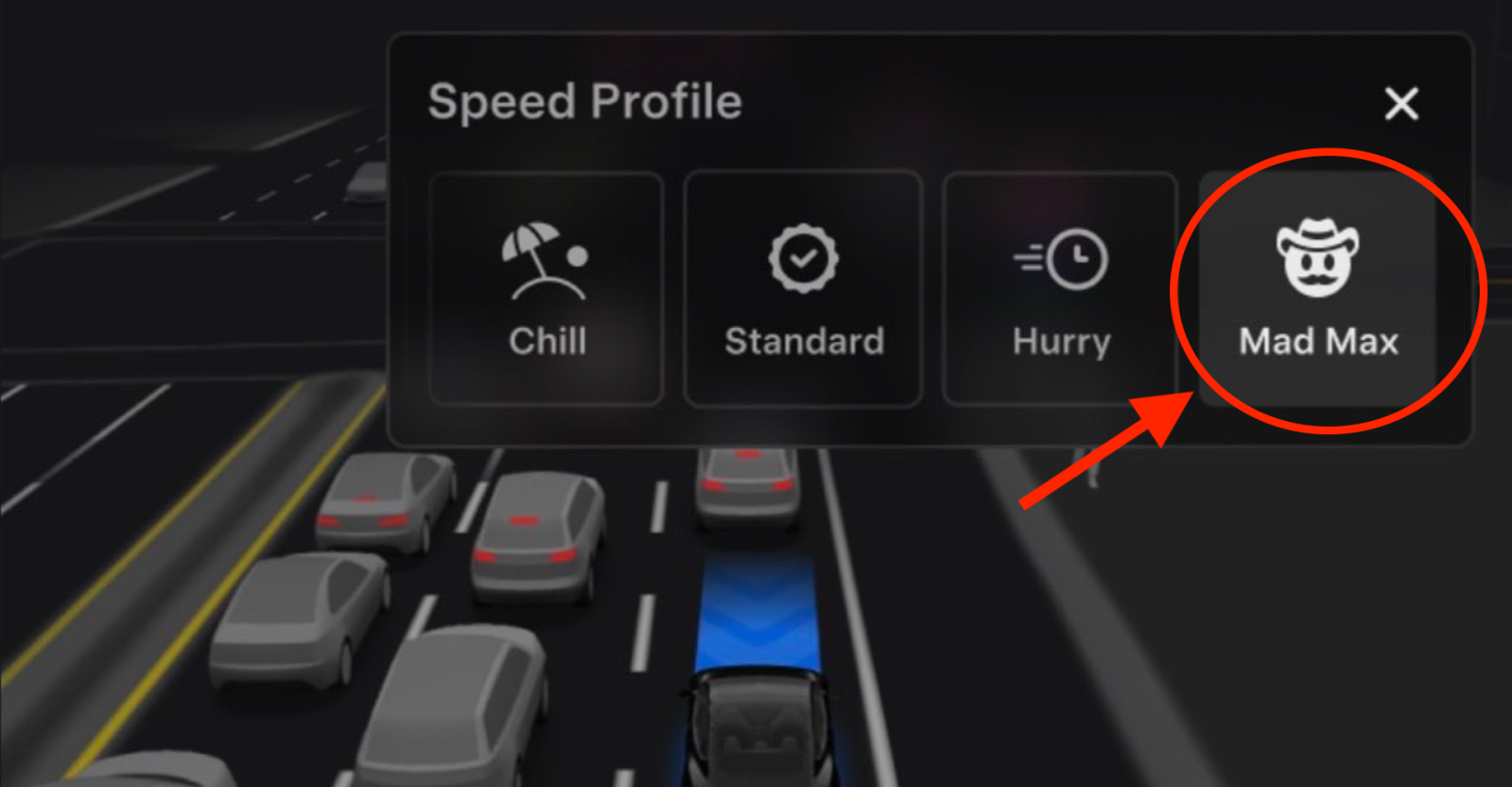
Tesla has brought back its ‘Mad Max’ mode for its ‘Full Self-Driving (Supervised) that ignores speed limits amid several regulatory investigations into Tesla’s system being dangerous.
Between wrongful death lawsuits from customers and pressure from regulators, including the California DMV and NHTSA, one would think that Tesla would be more careful about its communications regarding its advanced driver assist systems.
But no.
On the contrary, Tesla is bringing back the controversially named “Mad Max” mode in its Full Self-Driving (Supervised), a level 2 advanced driver assistance system that Tesla claims will become level 4 fully autonomous in the near future – something it claimed every year for the last 7 years.
Last week, Tesla released its FSD v14 update, the first significant update in a year, and it included a new mode: Sloth Mode, which drives slower.
Now, Tesla has pushed another update, FSD v14.1.2, which adds another mode on the other end of the spectrum: Mad Max.
The automaker wrote in the release notes:
Introduced new speed profile MAD MAX, which comes with higher speeds and more frequent lane changes than HURRY.
It’s not the first time Tesla has introduced this mode, whose name is borrowed from the popular series of post-apocalyptic movies, in which people are known for driving aggressively.
The Mad Max mode was first introduced in the early days of Tesla Autopilot, the precursor to Tesla’s Full Self-Driving (FSD), back in 2018.
At the time, CEO Elon Musk presented the feature as being more aggressive in doing lane changes and navigating more challenging traffic situations. He specifically mentioned Los Angeles.
The new Mad Max mode in Tesla FSD is marketed similarly. It hasn’t been out for 24 hours, and it has already been spotted rolling stop signs and driving more than 15 mph (24 km/h) over the speed limit.
In 2022, Tesla was forced by NHTSA to recall FSD Beta due to making rolling stops.
Electrek’s Take
Tesla loves to play with fire.
NHSTA initiated four separate investigations into FSD over the past year. The company is awaiting a judge’s decision in a case against California DMV over the naming of Autopilot and Full Self-Driving.
Amid all that, Tesla decides to launch a feature called Mad Max.
Even if it were incredibly safe, it would be pretty dumb.
As usual, I like to remind readers that Tesla doesn’t take any responsibility for its ADAS system, Autopilot, and Full Self-Driving. They require drivers to pay attention at all times and be ready to take control. They can make dumb mistakes at the worst time.


FTC: We use income earning auto affiliate links. More.

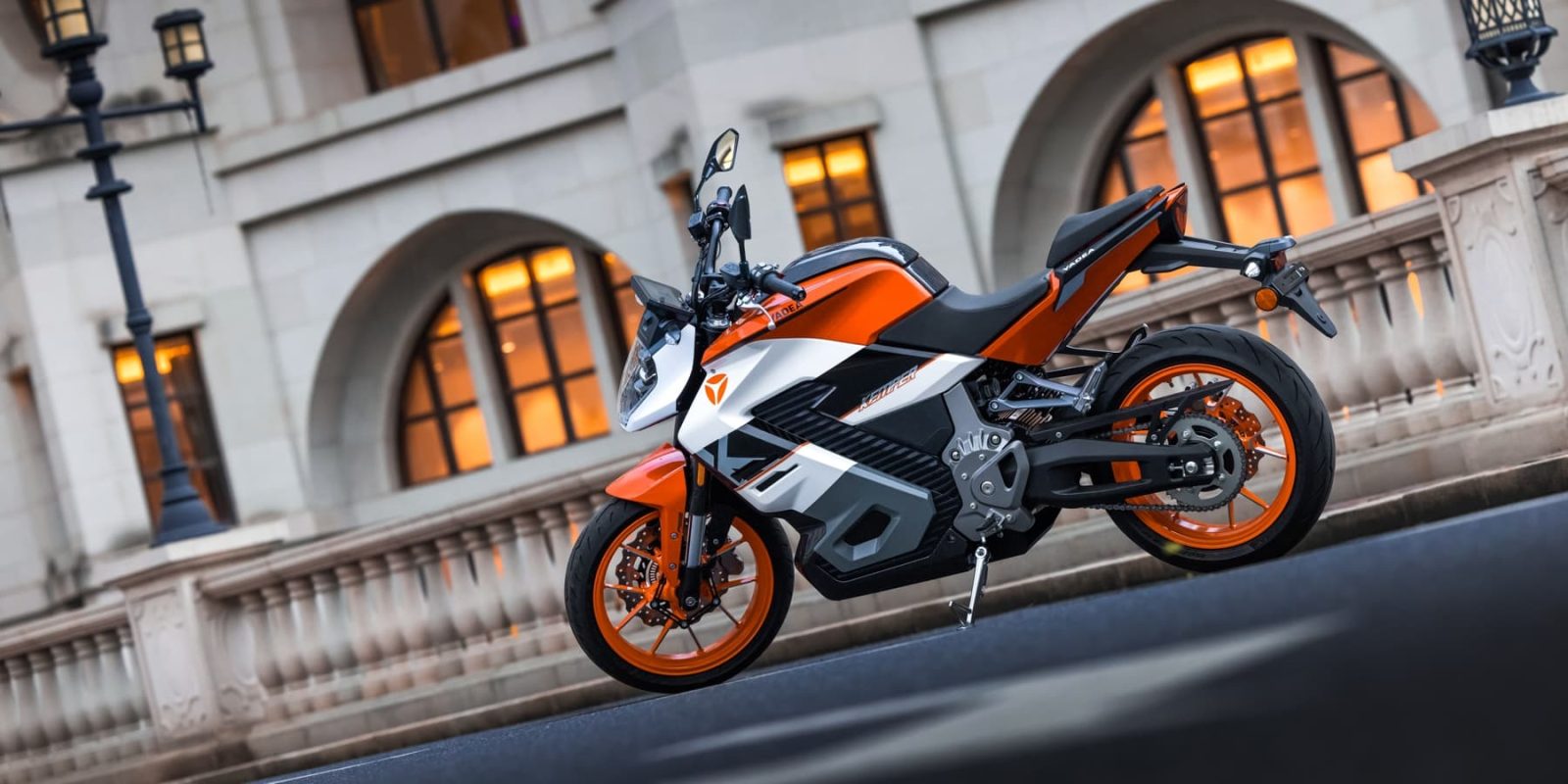
We’ve heard it before, that Elon Musk doesn’t want Tesla to ever make an electric motorcycle. But the polarizing CEO has taken to social media to explain why he still says it will never happen.
As Musk confirmed, the issue isn’t that he doesn’t think Tesla could build an electric motorcycle, but rather that he doesn’t think they are safe to begin with.
He replied, “Never happening, as we can’t make motorcycles safe,” in response to an AI video about a fake Tesla motorcycle uploaded to his X platform (formerly Twitter).
Musk then referenced a previous story he has told several times about how he was nearly killed by a truck while riding a motorcycle in his youth.
Though he seemed to direct his feelings more towards street motorcycles. “Dirt bikes are safe if you ride carefully,” continued Musk, “as you can’t be smashed by a truck.”
Tesla’s own Autopilot features have long been criticized for their danger to motorcyclists, with several high-profile deaths caused by Tesla vehicles striking motorcycles while operating under Autopilot. Many have suggested that the company’s vision-focused self-driving setup confuses the more narrowly spaced paired tail lights on the back of cruiser motorcycles for a car farther in the distance, potentially explaining why Teslas have repeatedly rear-ended motorcyclists, with fatal results.
The electric motorcycle industry may not get a Tesla halo anytime soon, but it’s hardly standing still. Legacy brands like Honda, BMW, and Kawasaki are finally rolling out real production models, while companies such as Zero and LiveWire continue pushing the segment forward with higher performance and growing dealer support. Smaller companies like Ryvid have jumped to meet the demand for affordable commuter-focused motorcycles, while Asia’s giants such as Yadea and NIU are flooding the market with affordable scooters, driving global adoption far faster than in the US.
It appears that even without Tesla, electric motorcycling is expanding rapidly, innovating quickly, and attracting more riders every year.
FTC: We use income earning auto affiliate links. More.

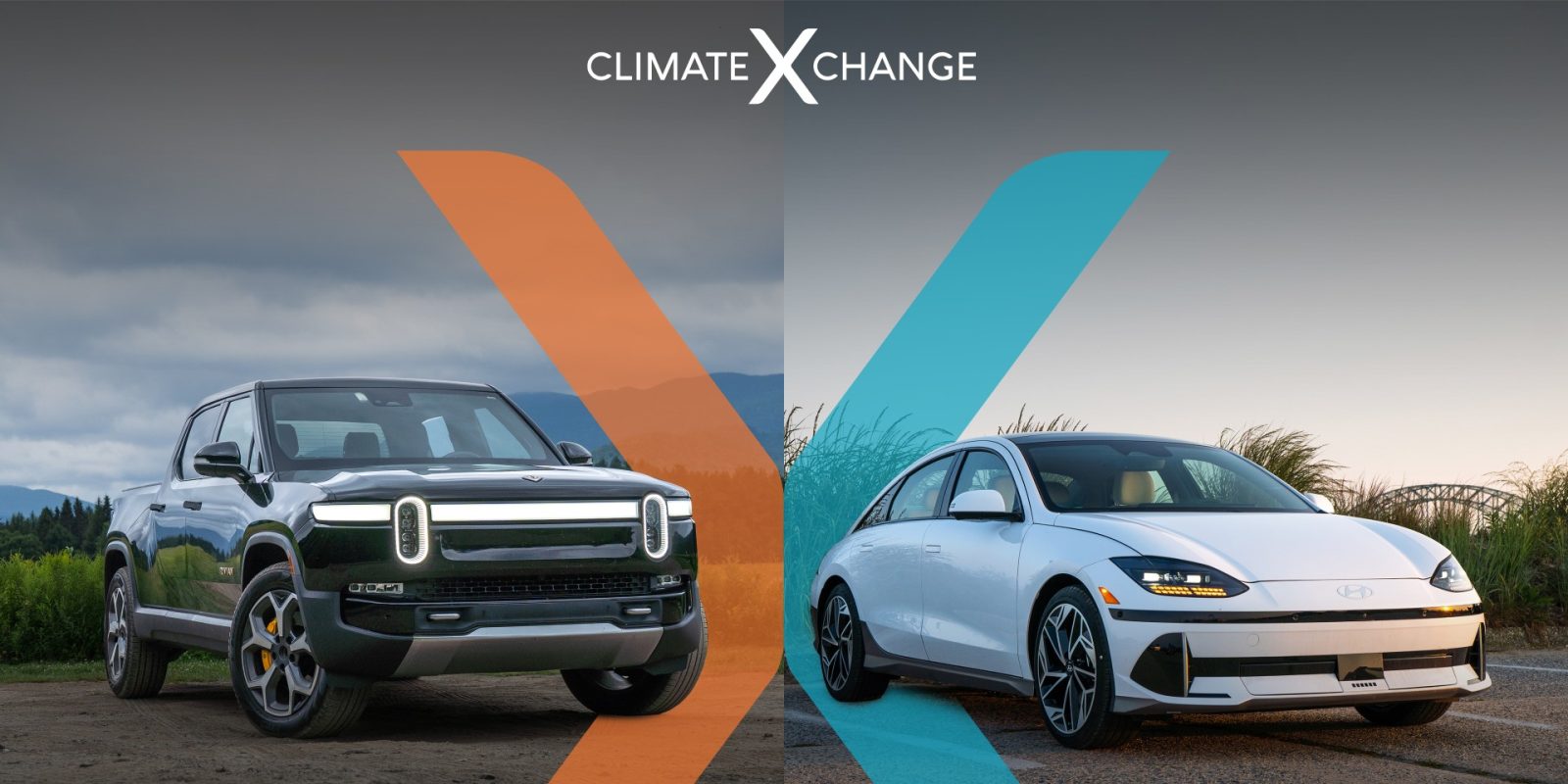
Climate XChange’s Annual EV Raffle is back for the 10th year running – and for the first time ever, Climate XChange has two raffle options on the table! The nonprofit has helped lucky winners custom-order their ideal EVs for the past decade. Now you have the chance to kick off your holiday season with a brand new EV for as little as $100.
About half of the raffle tickets have been sold so far for each of the raffles – you can see the live ticket count on Climate XChange’s homepage – so your odds of winning are better than ever.
But don’t wait – raffle ticket sales end on December 8!
Climate XChange is working hard to help states transition to a zero-emissions economy. Every ticket you buy supports this mission while giving you a chance to drive home your dream EV.
Here’s how Climate XChange’s 10th Annual Raffle works:
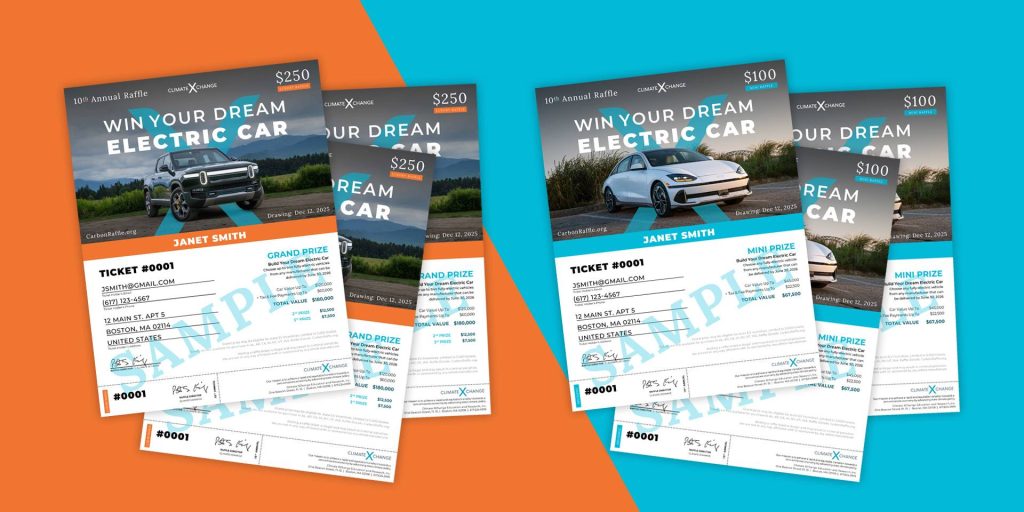
The Luxury Raffle
- Grand Prize: The winner can choose any EV on the market, fully customized up to $120,000. This year, you can split the prize between two EVs if the total is $120,000 or less.
- Taxes covered: This raffle comes with no strings – Climate XChange also pays all of the taxes.
- Runner-up prizes: Even if you don’t win the Grand Prize, you still have a chance at the 2nd prize of $12,500 and the 3rd prize of $7,500.
- Ticket price: $250.
- Grand Prize Drawing: December 12, 2025.
- Only 5,000 tickets will be sold for the Luxury Raffle.
The Mini Raffle (New for 2025)
- Grand Prize: Choose any EV on the market, fully customized, up to $45,000. This is the perfect raffle if you’re ready to make the switch to an EV but aren’t in the market for a luxury model.
- Taxes covered: Climate XChange pays all the taxes on the Mini Raffle, too.
- Ticket price: $100.
- Only 3,500 tickets will be sold for the Mini Raffle.
Why it’s worth entering
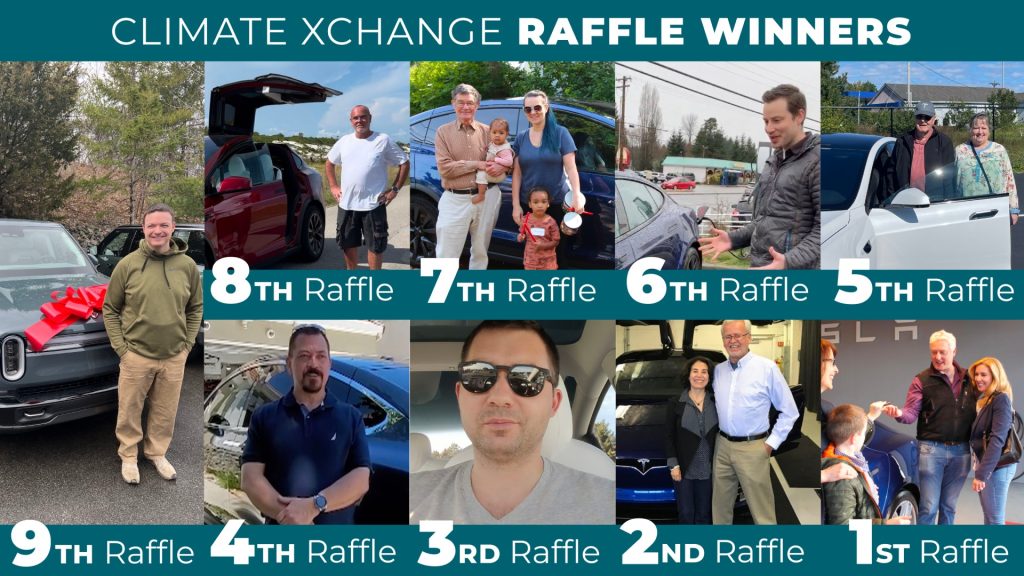
For a decade, Climate XChange has run a raffle that’s fair, transparent, and exciting. Every ticket stub is printed, and the entire drawing is live-streamed, including the loading of the raffle drum. Independent auditors also oversee the process.
Plus, your odds on the Luxury and Mini Raffles are far better than most car raffles, and they’re even better if you enter both.
Remember that only 5,000 tickets will be sold for the Luxury Raffle and only 3,500 for the Mini Raffle, and around half of the available tickets have been sold so far, so don’t miss your shot at your dream EV!
Climate XChange personally works with the winners to help them build and order their dream EVs. The winner of the Ninth Annual EV Raffle built a gorgeous storm blue Rivian R1T.
How to enter
Go to CarbonRaffle.org/Electrek before December 8 to buy your ticket. Start dreaming up your perfect EV – and know that no matter what, you’re helping accelerate the shift to clean energy.
Who is Climate XChange?

Climate XChange (CXC) is a nonpartisan nonprofit working to help states pass effective, equitable climate policies because they’re critical in accelerating the transition to a zero-emissions economy. CXC advances state climate policy through its State Climate Policy Network (SCPN) – a community of more than 15,000 advocates and policymakers – and its State Climate Policy Dashboard, a leading data platform for tracking climate action across the US.
FTC: We use income earning auto affiliate links. More.

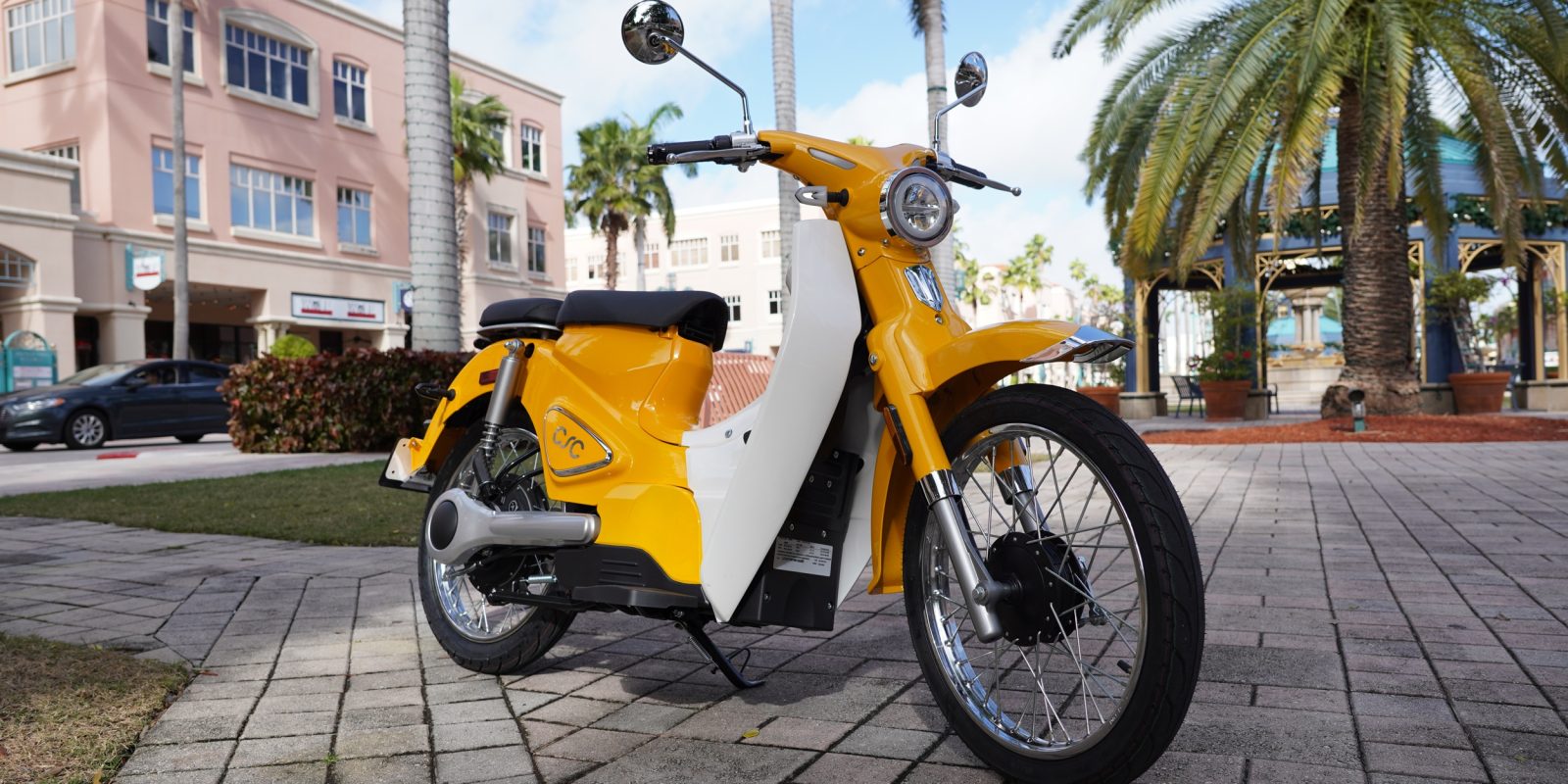
The CSC Monterey – one of the most charming little electric scooters on the US market – has dropped to a shockingly low $1,699, down from its original $2,899 MSRP. That’s nearly half off for a full-size, street-legal electric scooter that channels major Honda Super Cub energy, but without the gas, noise, or maintenance of the original.
CSC Motorcycles, based in Azusa, California, has a long history of importing and supporting small-format electric and gas bikes, but the Monterey has always stood out as the brand’s “fun vibes first” model. With its step-through frame, big retro headlight, slim bodywork, and upright seating position, it looks like something from a 1960s postcard – just brought into the modern era with lithium batteries and a brushless hub motor.
I had my first experience on one of these scooters back in 2021, when I reviewed the then-new model here on Electrek. I instantly fell in love with it and even got one for my dad. It now lives at his place and I think he gets just as much joy from looking at it in his garage as riding it.
You can see my review video below.
The performance is solidly moped-class, which is exactly what it’s designed for. A 2,400W rear hub motor pushes the Monterey up to a claimed 30 mph or 48 km/h (I found it really topped out at closer to 32 mph or 51 km/h), making it perfect for city streets, beach towns, and lower-speed suburban routes.
A 60V, roughly 1.6 kWh removable battery offers around 30–40 miles (48-64 km) of real-world range, depending on how aggressively you twist the throttle. It’s commuter-ready, grocery-run-ready, and campus-ready right out of the crate.
It’s also remarkably approachable. At around 181 pounds (82 kg), the Monterey is light for a sit-down scooter, making it easy to maneuver and park. There’s a small storage cubby, LED lighting, and the usual simple twist-and-go operation. And it comes with full support from CSC, a company that keeps a massive warehouse stocked with components and spare parts.
My sister has a CSC SG250 (I’m still trying to convert her to electric) and has gotten great support from them in the past, including from their mechanics walking her through carburetor questions over the phone. So I know from personal experience that CSC is a great company that stands behind its bikes.


But the real story here is the price. Scooters in this class typically hover between $2,500 and $4,500, and electric retro-style models often jump well above that.
At $1,699, the Monterey is one of the least expensive street-legal electric scooters available from a reputable US distributor, especially one that actually stocks parts and provides phone support.
If you’ve been curious about swapping a few car errands for something electric – or you just want a fun, vintage-styled runabout for getting around town – this is one of the best deals of the year.
FTC: We use income earning auto affiliate links. More.
-
 Sports2 years ago
Story injured on diving stop, exits Red Sox game
-
 Sports3 years ago
‘Storybook stuff’: Inside the night Bryce Harper sent the Phillies to the World Series
-
 Sports2 years ago
Game 1 of WS least-watched in recorded history
-
 Sports3 years ago
Button battles heat exhaustion in NASCAR debut
-
 Sports3 years ago
MLB Rank 2023: Ranking baseball’s top 100 players
-
Sports4 years ago
Team Europe easily wins 4th straight Laver Cup
-
 Environment3 years ago
Japan and South Korea have a lot at stake in a free and open South China Sea
-
 Environment1 year ago
Here are the best electric bikes you can buy at every price level in October 2024