

EcoFlow early Black Friday Sale takes up to 80% off power stations from $75, exclusive new Mammotion robot lawn mower lows, more


Headlining today’s Green Deals is the EcoFlow early Black Friday Sale that is offering up to 80% discounts, with extra savings, free gifts, member-only pricing, and more. Among the lineup, we spotted the brand’s new DELTA 3 Max Portable Power Station getting a FREE TRAIL 200 DC power station at $759, with tons more great options for your backup power needs. Right behind that massive sale is a collection of eight exclusive deals that are offering up to $1,050 savings on Mammotion Robot Lawn Mowers at new lows starting from $699. We also have EcoFlow’s first early Black Friday 48-hour flash sale, as well as EGO’s heavy-duty 56V 24-inch two-stage snow blower kit, and more waiting for you below. And don’t forget about the hangover deals that are collected together at the bottom of the page, like yesterday’s early Black Friday e-bike sales from Lectric and Heybike, and more.
Head below for other New Green Deals we’ve found today and, of course, Electrek’s best EV buying and leasing deals. Also, check out the new Electrek Tesla Shop for the best deals on Tesla accessories.
EcoFlow’s early Black Friday sale offers up to 80% off power stations with bonus savings, free gifts, and more starting from $75
EcoFlow has launched its early Black Friday Sale with up to 80% discounts, extra sitewide savings, member-only deals, free gifts, and more. Among the lineup, we spotted a very camping-capable bundle in EcoFlow’s new DELTA 3 Max Portable Power Station that gets a FREE TRAIL 200 DC 60,000mAh power station at $759.05 shipped, after using the code 25EFBFAFF at checkout for an additional 5% savings. One of the latest releases that has only been available since late September with a $1,499 MSRP, we’ve only seen it getting a free trolley up until this sale, with discounts having seen it drop to $759 and a $721 low. While you may be getting the second-best price we have tracked with $740 savings off the DELTA 2 Max, you are getting more value than past offers as the TRAIL station gives you a bonus 60,000mAh charging solution without shelling out up to its $200 MSRP. This deal beats out Amazon too, where you’re only getting the trolley with the station at $799. Head below for the full EcoFlow early Black Friday lineup.
First, let’s go over these bonus promotions beyond the initial 80% discounts, like the sitewide 5% extra savings you can score on most units using the code 25EFBFAFF at checkout. From there, if you spend $500 or more, you’ll have a FREE 45W solar panel added to your cart, while purchases of $3,000 or more upgrade that with two FREE 220W solar panels. Not only that, but if you sign up as a member during this event (free to do), you’ll be scoring an extra 500 EcoCredits to use elsewhere for gifts, discounts, and more.
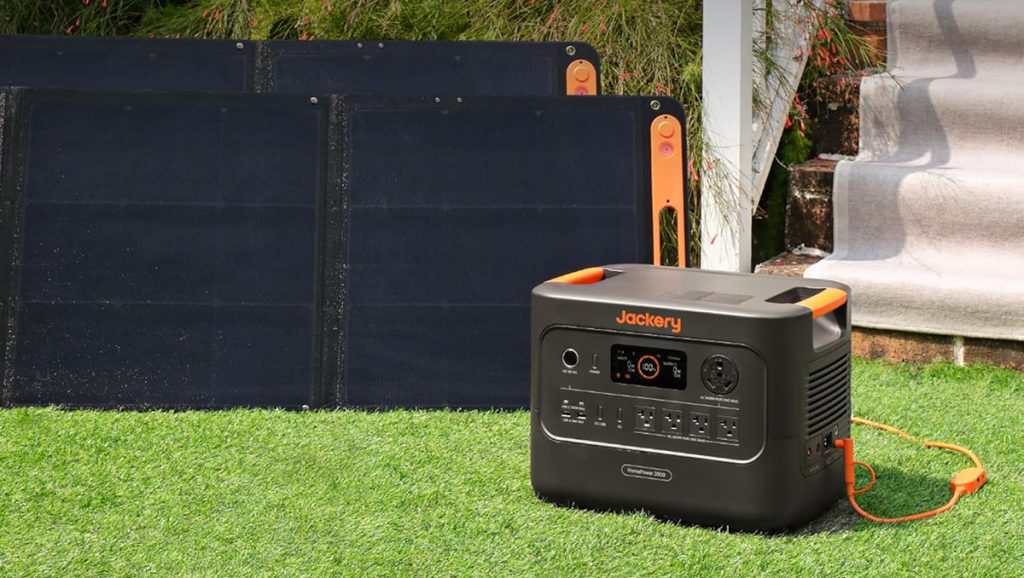
The new EcoFlow DELTA 3 Max power station comes as the next generational step from the DELTA 3 Classic, starting with double the LiFePO4 capacity thanks to the 2,048Wh battery, which can be expanded as high as 10,240Wh with extra batteries from several other units (DELTA 3, DELTA Pro 3, DELTA 2 Max, or DELTA 2). Your campsites, tailgates, and home appliances are covered with up to 2,400W of steady power (surging up to 3,400W) through the four ACs, three USB-Cs, one USB-A, and one car port.You’ll have four main ways to recharge its battery, including with an AC outlet, a gas generator, with up to its max 500W solar input, or via the alternator charger.
And with the addition of the TRAIL 200 DC power station, you’re getting a more compact, 4-pound 60,000mAh unit for your personal device backup power support, with a 220W output through two 12W USB-A ports, a 140W USB-C port, and a 100W USB-C port. Recharging is handled by AC outlets (or your DELTA 3 Max power station), as this model does not support any solar inputs.
***Note: None of the prices below have had the bonus 5% sitewide savings factored in, so be sure to use the code 25EFBFAFF at checkout during EcoFlow’s early Black Friday Sale to score the very best deals of the event!
EcoFlow’s best early Black Friday solo power station deals:
- DELTA 2 (1,024Wh) power station: $399 (Reg. $1,049)
- DELTA 3 Max (2,048Wh) power station: $799 (Reg. $1,499)
- comes with FREE TRAIL 200 DC station
- DELTA Pro (3,600Wh) power station: $1,399 (Reg. $3,699) | $240 less with exclusive deal here
- DELTA 3 Ultra Plus (3,072Wh) power station: $1,499 (Reg. $2,899)
- DELTA Pro 3 (4,096Wh) power station: $2,299 (Reg. $3,699)
- DELTA Pro Ultra (6.1kWh) power station: $3,999 (Reg. $6,098)
EcoFlow’s member-only deals:
- Two DELTA 3 (1,024Wh each) power stations: $999 (Reg. $1,398)
- DELTA 2 Max (4,096Wh) with extra battery: $1,599 (Reg. $3,298)
- DELTA Pro 3 (4,096Wh) power station: $2,299 (Reg. $3,699)
- Two DELTA Pro Ultra extra batteries (6.1kWh each): $3,799 (Reg. $6,598)
- comes with FREE trolley
EcoFlow’s home backup power station deals:
- DELTA 3 Ultra (3,072Wh) power station: $1,099 (Reg. $2,499)
- comes with FREE TRAIL 200 DC station
- DELTA Pro (3,600Wh) with 2x 200W panels: $1,799 (Reg. $5,199)
- comes with FREE protective bag
- DELTA 3 Ultra Plus (3,072Wh) with DELTA 3 Max Plus extra battery: $1,999 (Reg. $4,298)
- DELTA Pro (7,200Wh) with extra battery: $2,499 (Reg. $6,498)
- DELTA Pro 3 (8,192Wh) with extra battery: $3,599 (Reg. $6,298)
- DELTA Pro Ultra (6.1kWh) with Smart Home Panel 2: $4,999 (Reg. $7,997)
- DELTA Pro Ultra (6.1kWh) with 400W panel and SHP2: $5,499 (Reg. $8,996)
- comes with FREE monitor
- DELTA Pro Ultra (12.2kWh) with extra battery: $5,999 (Reg. $9,397)
EcoFlow’s next-gen whole-home backup deals:
EcoFlow’s 1-2kWh power station deals:
- DELTA 3 Classic (1,024Wh) power station: $409 (Reg. $599)
- DELTA 3 (1,024Wh) power station: $519 (Reg. $699)
- DELTA 3 1500 (1,536Wh) power station: $599 (Reg. $1,099)
- DELTA 3 Classic (1,024Wh) with 160W panel: $614 (Reg. $1,248)
- DELTA 2 (2,048Wh) with extra battery and 2x 110W panels: $929 (Reg. $2,646)
- DELTA 3 Max Plus (2,048Wh) power station: $1,099 (Reg. $1,899)
- DELTA 3 Max Plus (2,048Wh) with 800W alternator charger: $1,388 (Reg. $2,498)
- DELTA 3 Max Plus (4,096Wh) with smart extra battery: $1,799 (Reg. $3,298)
EcoFlow’s outdoor adventure power deals:
EcoFlow solar panel deals:
EcoFlow’s other add-on accessory deals:
You can browse the full lineup of EcoFlow’s early Black Friday Sale on the main landing page here. We’ve currently got two exclusive low prices on two EcoFlow units: the DELTA Pro power station at a new $1,159 low, and the DELTA 2 Max and Solar Hat bundle at a new $799 low.

Score up to $1,050 in exclusive savings on eight Mammotion YUKA and LUBA robot mowers at new lows from $699
We’ve secured several exclusive deals for our readers on a variety of Mammotion robot lawn mowers at the best prices we have tracked. Among the lineup, you’ll even find some of the brand’s newest models, like the LUBA Mini AWD 800 at $1,149 shipped, after using the exclusive code 9TO5MAMMO450 at checkout, or its upgraded LUBA Mini AWD 1500 variant at $1,549 shipped, after using the same exclusive code. You’d usually be shelling out $1,599 and $1,999 for these models at full price, with the 800 model going as low as $1,199 for the short window of last month’s Prime Day event, while the 1500 model has spent a little more time as low as $1,599. With the exclusive code here, you’re looking at 28% and 23% discounts that cut $450 off both tags for the best new prices we’ve seen anywhere.
If you want to learn more about these two robots, or check out the full lineup of eight offers, be sure to check out our original coverage of these exclusive deals here.

Start or expand your EcoFlow setups with up to 61% discounts on three 48-hour flash offers starting from a $399 low
As part of its early Black Friday Sale, EcoFlow has launched the first of the event’s 48-hour flash sales, with up to 61% discounts on three offers to either start or expand your existing backup power setups. Things start with the DELTA 3 Series Smart Extra Battery with a DELTA 3 waterproof bag for $399 shipped. This bundle would run $698 in full, and $508 with the current discounts, if you bought the station and bag separately, which you can’t find bundled on other marketplaces like Amazon. While we have seen the station alone going as low as $389 up until today, this bundle is benefiting from a 43% markdown that cuts $299 off the tag for the best price we have tracked.
If you want to learn more about this unit, or the two other offers, be sure to check out our original coverage of these 48-hour flash deals here before they’re gone.

EGO’s 56V 24-inch cordless self-propelled two-stage snow blower with 7.5Ah batteries at $1,400, more
We’ve been seeing an increase in discounts on snow-clearing solutions across multiple brands lately, and Amazon is now offering the EGO Power+ 56V 24-inch Cordless Self-Propelled Two-Stage Snow Blower with two 7.5Ah batteries at $1,399.99 shipped. Normally going for $1,649 at full price, we haven’t seen very much by way of discounts dropping the cost back at or below $1,400 since April, save for the Prime Day fall to $1,350. While it has gone lower before April, you’re still looking at a solid $249 price cut here that gives you the best rate of the last seven months. Of course, if you want to save more, there’s the brand’s 56V 21-inch Cordless Snow Blower that comes with two 5.0Ah batteries at $699 shipped right now, as well as the 56V 12-inch Cordless Snow Shovel with a 2.5Ah battery at $269.99 shipped.
If you want to learn more about these snow-clearing solutions, be sure to check out our original coverage of these deals here.


Best Fall EV deals!
- Velotric Nomad 2X e-bike (camo) with DELTA 3 Plus station: $3,048 (Reg. $3,298)
- Velotric Nomad 2X e-bike (sage or fig) with DELTA 3 Plus station: $2,948 (Reg. $3,298)
- Heybike Hero 750W Mid-Drive Carbon-Fiber All-Terrain e-bike: $2,299 (Reg. $3,099)
- Rad Power Radster Road Commuter e-bike: $1,999 (Reg. $2,199)
- Rad Power Radster Trail Off-Road e-bike: $1,999 (Reg. $2,199)
- Lectric XPedition 2.0 35Ah Cargo e-bike w/ $893 bundle: $1,999 (Reg. $2,761)
- Heybike Hero 1,000W Carbon-Fiber All-Terrain e-bike: $1,899 (Reg. $2,599)
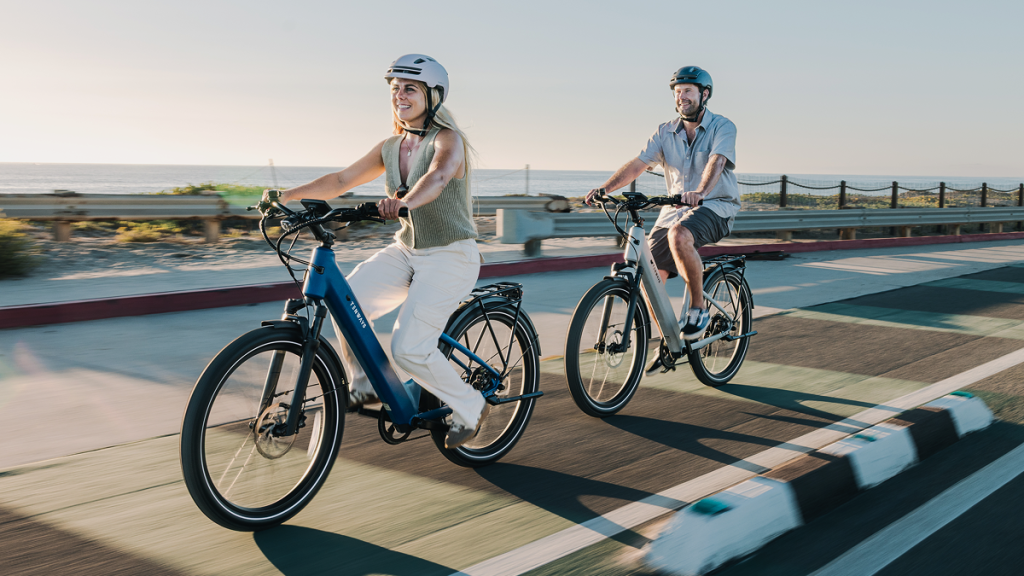
- Tenways Wayfarer e-bike with $277 bundle (launch deal): $1,899 (Reg. $2,199)
- Velotric Fold 1 Plus e-bike (gray or white) with DELTA 2 station: $1,898 (Reg. $2,198)
- Velotric Fold 1 Plus e-bike (mango or blue) with DELTA 2 station: $1,828 (Reg. $2,198)
- Aventon Aventure 3 Smart All-Terrain e-bike (first discount): $1,799 (Reg. $1,999)
- Aventon Aventure 3 Smart Step-Through All-Terrain e-bike (first discount): $1,799 (Reg. $1,999)
- Lectric XP Trike2 750 Long-Range eTrike with $558 bundle: $1,799 (Reg. $2,357)
- Rad Power RadExpand 5 Plus Folding e-bike (lowest price): $1,699 (Reg. $1,899)
- Lectric XPedition 2.0 26Ah Cargo e-bike w/ $744 bundle: $1,799 (Reg. $2,543)
- Aventon Level 3 Step-Over Smart Commuter e-bike (first discount): $1,699 (Reg. $1,899)
- Aventon Level 3 Step-Through Smart Commuter e-bike (first discount): $1,699 (Reg. $1,899)
- Lectric XPeak 2.0 Long-Range Off-Road e-bike with $583 bundle: $1,699 (Reg. $2,282)
- Rad Power RadWagon 4 Cargo e-bike with extra battery: $1,599 (Reg. $1,799)
- Aventon Abound Cargo e-bike: $1,599 (Reg. $1,999)
- Ride1Up VORSA Modular Multi-Use e-bike: $1,595 (Reg. $1,695)
- Rad Power RadRunner Cargo Utility e-bike with extra battery: $1,499 (No pirce cut)
- Lectric XPeak 2.0 Standard Off-Road e-bike with $434 bundle: $1,499 (Reg. $1,933)
- Lectric XP Trike2 with $257 bundle: $1,499 (Reg. $1,756)
- Rad Power RadWagon 4 Cargo e-bike: $1,499 (Reg. $1,799)
- Aventon Aventure 2 All-Terrain e-bike: $1,499 (Reg. $1,999)
- Lectric XPedition 2.0 13Ah Cargo e-bike with $346 bundle: $1,399 (Reg. $1,745)
- Aventon Level 2 Commuter e-bike: $1,499 (Reg. $1,899)
- Rad Power RadRover 6 Plus Step-Thru Fat Tire e-bike: $1,399 (Reg. $1,599)
- Heybike ALPHA All-Terrain e-bike: $1,499 (Reg. $1,699)
- Hiboy TITAN Pro Electric Scooter (new model, code HSTP10): $1,350 (Reg. $2,000)
- Lectric XPress 750 Commuter e-bikes with $439 bundle: $1,299 (Reg. $1,703)
- Lectric XP4 750 LR Folding Utility e-bikes with up to $514 bundle: $1,299 (Reg. $1,813)
- Heybike Hauler Dual-Battery Cargo e-bike (new low): $1,299 (Reg. $1,899)
- Heybike Mars 2.0 Folding Fat-Tire e-bike with extra battery: $1,199 (Reg. $1,848)
- Lectric XP Lite 2.0 JW Black LR e-bike with $449 bundle: $1,099 (Reg. $1,548)
- Hiboy TITAN Electric Scooter (new model, code HST9): $1,001 (Reg. $1,700)
- Lectric XP4 Standard Folding Utility e-bikes with $326 bundle: $999 (Reg. $1,325)
- Lectric XP Lite 2.0 Long-Range e-bikes with $449 bundles: $999 (Reg. $1,448)
- Heybike Hauler Single-Battery Cargo e-bike (new low): $899 (Reg. $1,413)

Best new Green Deals landing this week
The savings this week are also continuing to a collection of other markdowns. To the same tune as the offers above, these all help you take a more energy-conscious approach to your routine. Winter means you can lock in even better off-season price cuts on electric tools for the lawn while saving on EVs and tons of other gear.


FTC: We use income earning auto affiliate links. More.
Environment
The UK wants to unlock a ‘golden age of nuclear’ but faces key challenges in reviving historic lead


The Sizewell A and B nuclear power stations, operated by Electricite de France SA (EDF), in Sizewell, UK, on Friday, Jan. 26, 2024. Photographer: Chris Ratcliffe/Bloomberg via Getty Images
Bloomberg | Bloomberg | Getty Images
The U.K. was the birthplace of commercial nuclear energy, but now generates just a fraction of its power from it — big investments are underway to change that.
The country once had more nuclear power stations than the U.S., USSR and France — combined. It was a global producer until 1970 but hasn’t completed a new reactor since Sizewell B in 1995.
Today, the country takes the crown not for being a leader in atomic energy, but for being the most expensive place in the world to build nuclear projects.
Nuclear energy accounted for just 14% of the U.K.’s power supply in 2023, according to the most recent data from the International Energy Agency, trailing its European peers and well behind frontrunner France at 65%.
There is ambition to change that and have a quarter of the U.K.’s power come from nuclear by 2050. Nuclear is considered an attractive bet gas it’s a low-carbon, constant energy source that can act as a baseload to complement intermittent sources like renewables.
“There’s a very clear momentum that has been observed,” Doreen Abeysundra, founder of consultancy Fresco Cleantech, told CNBC. It’s in part due to geopolitical tensions, which pushed energy security and independence onto public agendas.
However, the U.K.’s Nuclear Regulatory Taskforce called for urgent reforms after identifying “systemic failures” in the country’s nuclear framework. It found that fragmented regulation, flawed legislation and weak incentives led the U.K. to fall behind as a nuclear powerhouse. The government committed to implementing the taskforce’s guidance and is expected to present a plan to do so within three months.
Going big – or small
The U.K. is spreading its bets across tried-and-tested large nuclear projects and smaller, next-generation reactors known as small module reactors (SMRs).
British company Rolls-Royce has been selected as the country’s preferred partner for SMRs, which are effectively containerized nuclear reactors designed to be manufactured in a factory. Many include passive cooling techniques, which supporters argue makes them safer and cheaper.
Nuclear has long come under fire by environmentalists due to radioactive waste and disasters like Chernobyl. Indeed, the U.K.’s first commercial plant Windscale became its worst nuclear accident in history when it melted down in 1957.
On October 10, 1957, Windscale became the site of the worst nuclear accident in British history, and the worst in the world until Three Mile Island 22 years later. A facility had been built there to produce plutonium, but when the US successfully designed a nuclear bomb that used tritium, the facility was used to produce it for the UK. However, this required running the reactor at a higher temperature than its design could sustain, and it eventually caught fire. Operators at first worried that e
Photo: George Freston | Hulton Archive | Getty Images
Most SMRs use light water reactor technology – think of the planned large-scale nuclear plant Sizewell C, just “shrunk down,” said Abeysundra – which is tried and tested.
Other designs, known as “advanced” reactors, are more experimental. For example, those that change the cooling solution or solvent, which is typically used in the process of separating and purifying nuclear materials.
The U.K.’s first SMR will be at Wylfa, in Wales, though no timeline has been given for its completion. The site will house three SMRs and grow over time.
In September, the country signed a deal with the U.S. to enable stronger commercial ties on nuclear power and streamline licensing for firms that want to build on the opposite side of the Atlantic.
However, “the first thing is, there is not, at the moment, a single SMR actively producing electricity under four revenues. They will all come at best in the 30s,” Ludovico Cappelli, portfolio manager of Listed Infrastructure at Van Lanschot Kempen, told CNBC.
While SMRs are a “game changer” thanks to their ability to power individual factories or small towns, their days of commercial operation are too far away, he said. From an investment standpoint, “that is still a bit scary,” he added.
To secure the large baseloads needed to offset the intermittency of renewables, “we’re still looking at big power stations,” added Paul Jackson, Invesco’s EMEA global market strategist.
Nuclear share of total electricity (2023)
IEA
SMRs “probably” do have a role — “they can clearly be more nimble” — but it will take time to roll them out, Jackson said, casting doubt on the U.K.’s ability to be a leader in nuclear, as France and China are already miles ahead.
The U.K. government body Great British Energy-Nuclear is set to identify sites for an additional large-scale plant, having already acquired one in Gloucestershire, in the west of England, as well as the site in Wales.
“We are reversing a legacy of no new nuclear power being delivered to unlock a golden age of nuclear, securing thousands of good, skilled jobs and billions in investment,” a spokesperson for the U.K. government’s Department for Energy Security and Net Zero told CNBC.
“Sizewell C will deliver clean electricity for the equivalent of six million of today’s households for at least six decades, and the UK’s first small modular reactors at Wylfa will power the equivalent of three million homes, bringing energy security,” they added.
Innovation in funding
The U.K. has a strong legacy to build on. It pioneered fresh funding mechanisms to make large-scale nuclear projects investible so that they are less reliant on direct government funding, such as a Contract for Differences, which was used for Hinkley Point C.
The mechanism guarantees a fixed price for the electricity generated over a long period of time in order to de-risk investments in an industry that’s known for running over time and budget. Hinkley Point C was initially expected to cost £18 billion (over $24 billion) but the bill has slowly crept up.
“That fixes one part of the equation, the price risk,” Cappelli said of nuclear investments, but the second risk is construction delays.
The Regulated Asset Base (RAB), first used for nuclear at Sizewell C, attempts to reconcile this. Investors get paid from the day they cut a check for a nuclear project, rather than the day it starts operating. Sizewell C is expected to cost £38 billion to build.
Private market investors are increasingly interested in next-generation nuclear as a way to offset soaring energy demands from AI, resulting in a host of young companies trying to build out facilities. Perhaps the most famous is Oklo, a U.S. firm that was taken public by a Special Purpose Acquisition Company (SPAC) founded by OpenAI’s Sam Altman.
Rendering of a proposed Oklo commercial advanced fission power plant in the U.S.
Courtesy: Oklo Inc.
The U.K.’s advanced modular reactor hopeful Newcleo, which uses lead for cooling, moved its headquarters from London to Paris in 2024 — a strategic move to deepen its European footprint. At the time, it told World Nuclear News that it still plans to have a commercial reactor up and running in the U.K. by 2033, but the firm has since scaled back its British efforts.
Meanwhile, Tokamak Energy and First Light Fusion call the U.K. home. They both focus on nuclear fusion, the process of generating power by combining atoms, though this technology is yet to get out of the lab. All of today’s nuclear power comes from fission, where atoms are spit. The U.K. announced £2.5 billion for a world-first fusion prototype in June.
The next generation of engineers
The U.K. faces challenges in access to relevant talent, which is crucial for scaling projects effectively. The country is heralded for its world-class universities and technical know-how, “but that is very much book knowledge,” said Van Lanschot Kempen’s Cappelli.
“What we need is real on-the-ground expertise, and that we are probably lacking for the simple reason that we haven’t been doing it for a very long time,” he said.
For Abeysundra, there’s one area where the U.K. stands out: its mindset. “There is so much knowledge, innovation, and that can-do attitude, which I don’t see as much in other nations,” she said, pointing to the U.K.’s trailblazing role in the Industrial Revolution and establishment of offshore wind energy.
The U.K. government positioned nuclear energy as a key element of the future clean energy workforce in its Clean Energy Jobs Plan released in October, while its national roadmap for nuclear skills, set out in 2024, focuses on apprenticeships, PhDs and upskilling mid-career workers. Industry-led initiatives such as the Energy Skills Passport also support the likes of oil and gas workers to gain green skills.
Securing the supply chain
Perhaps the toughest issue, however, is the supply chain.
Uranium, the fuel used to make a nuclear reaction, is dominated by just four countries, including Russia. Global demand for uranium could rise by nearly a third by 2030 and more than double by 2040, according to the World Nuclear Association, adding further reliance on a select few countries and pressure on developers.
The U.K. government has allocated funding to build up the supply chain and has committed to preventing the import of nuclear fuel from Russia by 2028. Fuel for Sizewell C will come from European or “Western suppliers,” Cappelli noted.
However, for him, it poses the question: How secure is nuclear energy really? “We have to build nuclear power plants, but we need to build the value chain,” Cappelli added.
Workers, expertise and funding are required for nuclear energy, but the supply chain is also key, he said. Otherwise, there will be “the same issues that we had with gas,” a nod to the U.K.’s reliance on just one supplier. Instead of gas, it will be with uranium.

Tesla has officially announced its 2025 Holiday Update, and this year, the automaker is not using the usually bigger update for any groundbreaking stuff, but there are a few interesting new smaller features.
You will find the release notes in this article.
It’s that time of year again. Every December, Tesla bundles a bunch of features it has been working on into a “Holiday Update” to give owners something to play with over the break.
While previous years have focused on adding major apps like Apple Podcasts or Steam integration, the holiday updates have become gradually weaker over the last few years, and they now concentrate mainly on playful features with smaller tweaks and add-ons.
Tesla announced the rollout in a post on X today:
Here is a breakdown of the main features in the 2025 Holiday Update. They are in order that Tesla announced them, which is generally from most to least important new feature.
Grok with Navigation Commands (Beta)

Many automakers are intergrating LLMs into their vehicles and unsuprisingly, Tesla went with Grok, which is developed by xAI, a company owned by Tesla CEO Elon Musk.
Tesla started the integration with an update last summer, but it only consisted of running the chat bot on Tesla’s in-car computer. It was the equivalent of using Grok on your phone as it couldn’t interact with the car.
Now, the automaker is starting to give Grok access to some vehicle functions, starting with navigation. Tesla announced:
Grok can now add & edit navigation destinations, becoming your personal guide.
Tesla says that to use Grok for navigation command, you have to set Grok’s personality to ‘Assistant’.
Tesla Photobooth

The second feature Tesla announced in the holiday update is the “photobooth”:
Turn your car into a photobooth! Take selfies from inside your Tesla & give yourself a makeover with fun filters, stickers, and emojis. Share with others right from the Tesla app
It sounds like a Temu Snapchat. To activate it: Go to Toybox > Photobooth
Dog Mode Live Activity
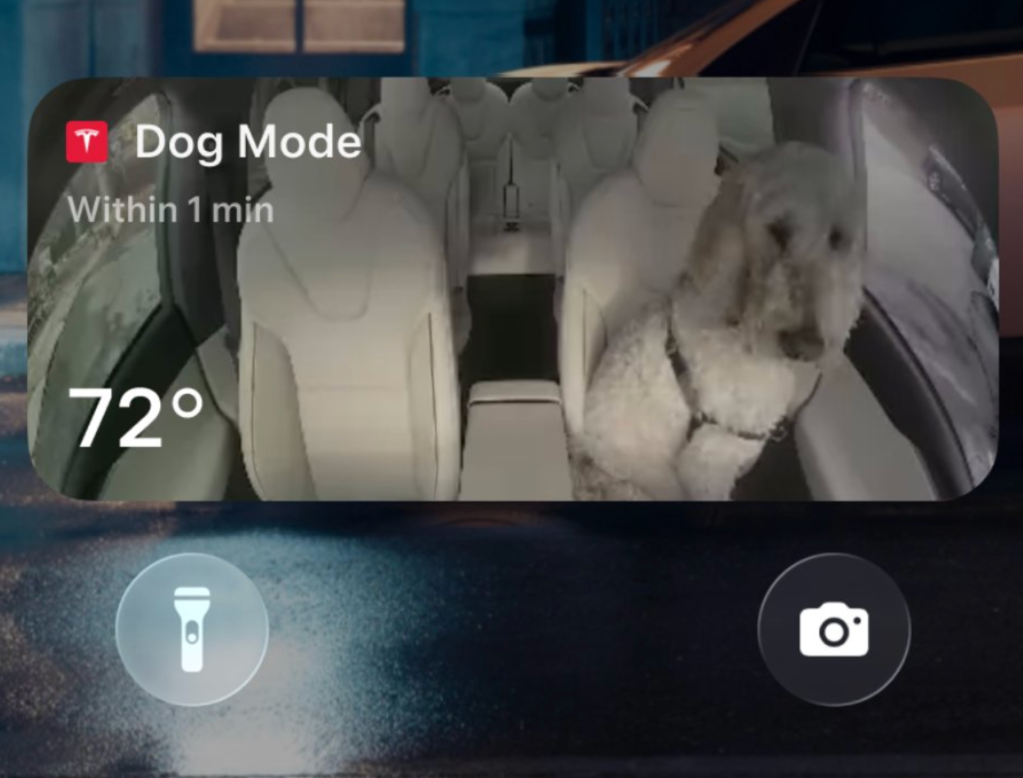
Now, to a more useful feature, Tesla has updated Dog Mode with a live activity feed:
When Dog Mode is active, you’ll see a Live Activity on your iPhone featuring periodic snapshots of your vehicle’s cabin along with live updates on temperature, battery & climate conditions
Dashcam Viewer Update
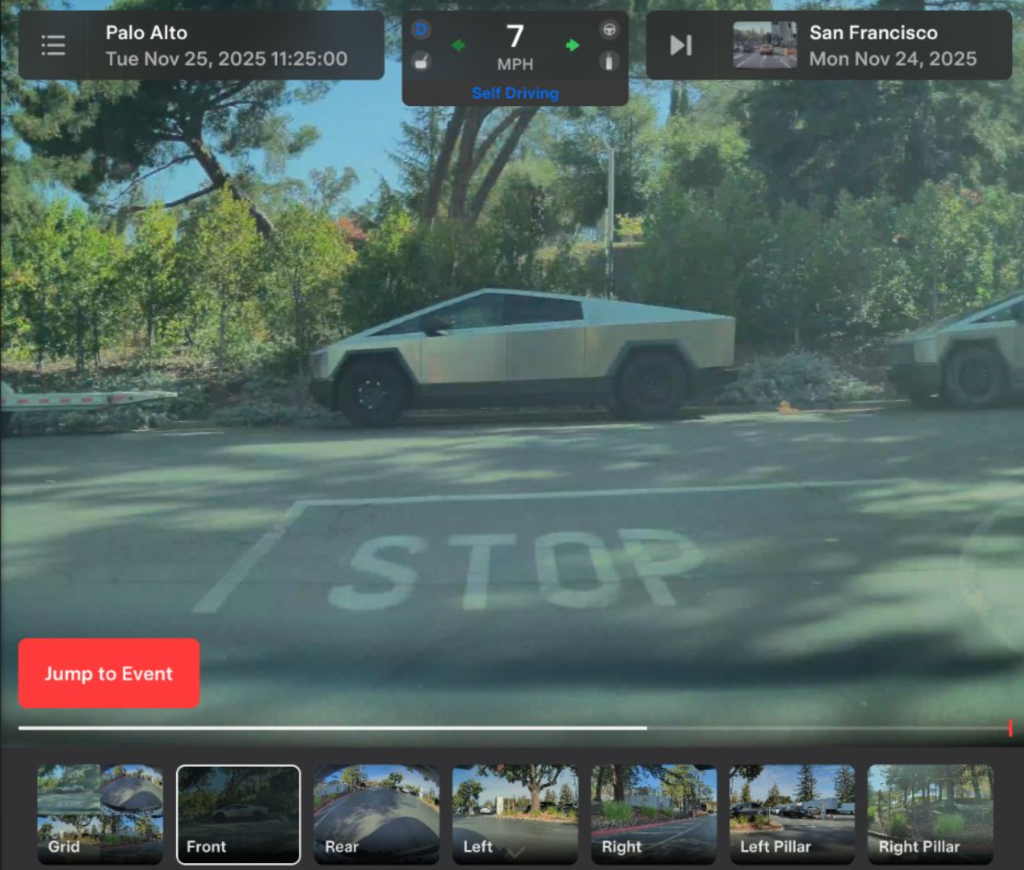
Tesla also added a bunch of information to the Dashcam viewer:
Dashcam clips now include additional details such as speed, steering wheel angle & self-driving state
Santa Mode

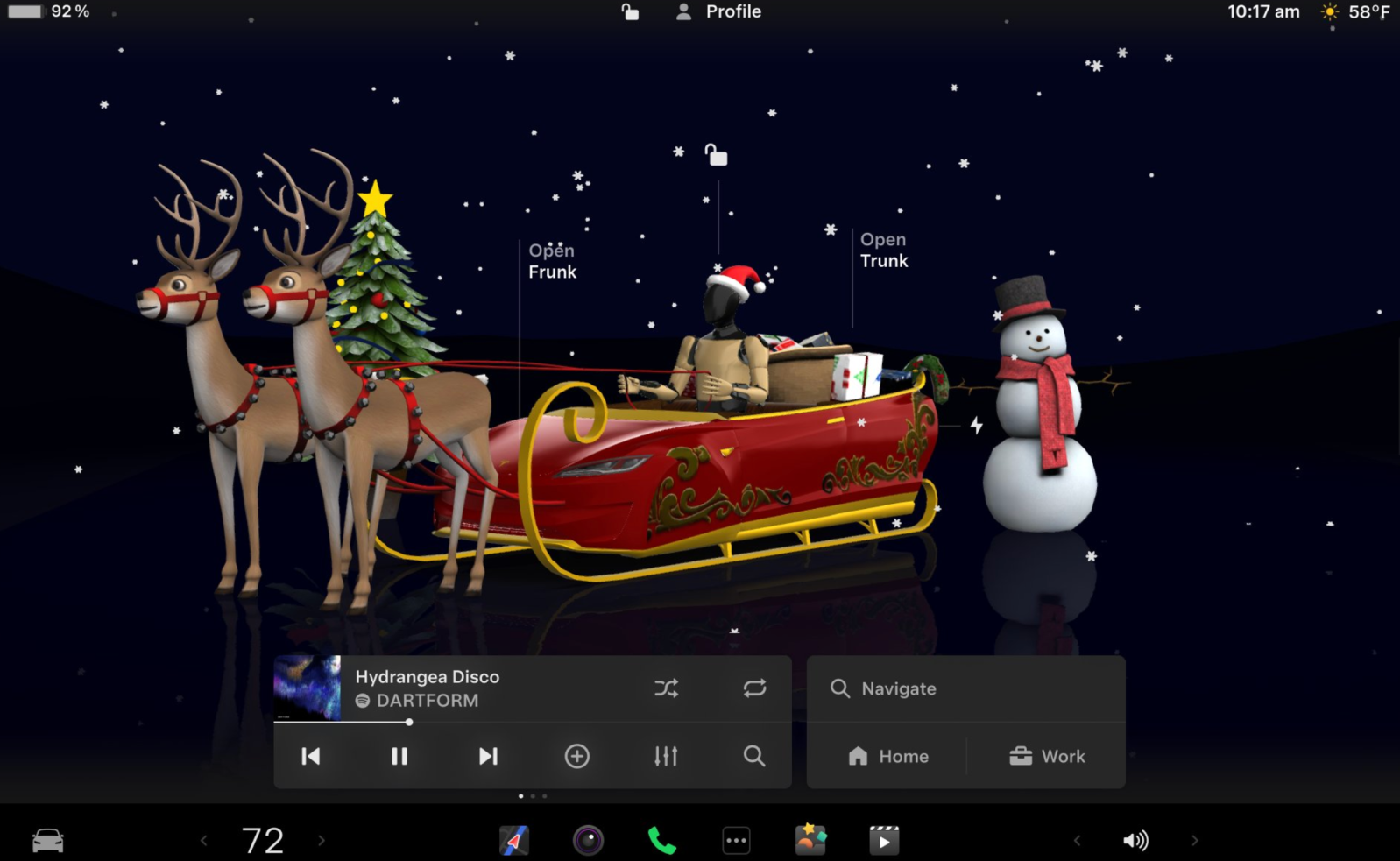
You can update the car visualization to this image. Tesla writes in the notes:
Santa Mode now adds festive snowmen, trees, a lock chime & snow effects for a 3D visual treat
You have select ‘Santa’ in the Toybox to activate it.
Light Show Update
Tesla has a dded a new light to the song “Jingle Rush”:
Play instantly or schedule it up to 10 minutes in advance, either on a single vehicle or synced with friends. You can also control interior lighting, add display color effects & create longer custom shows
Custom Wraps and License Plates
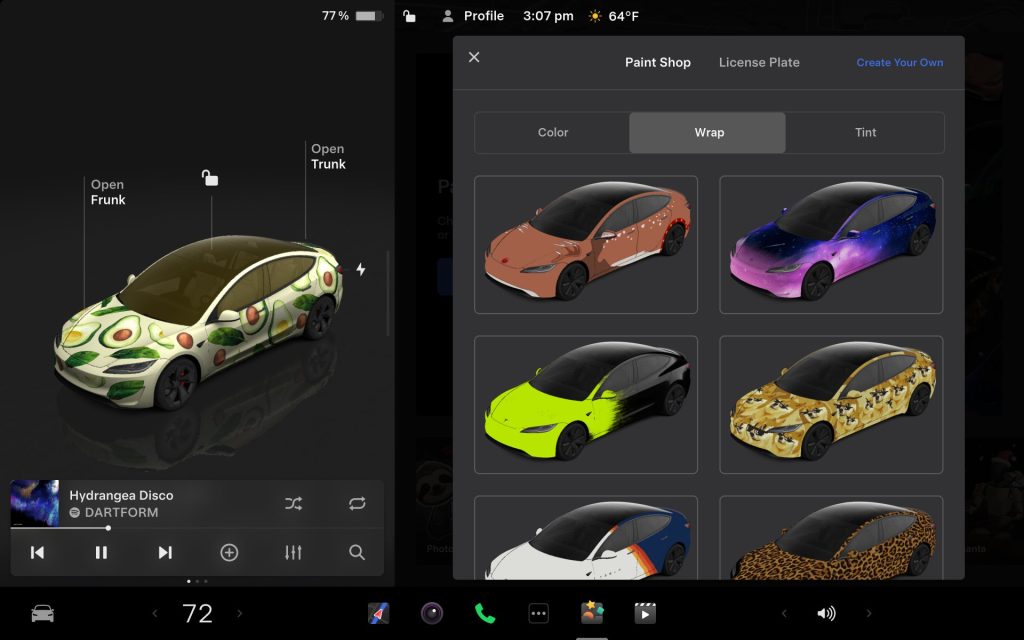
Back to slightly more useful features, Tesla has added custom wraps visualizations:
Personalize your Tesla avatar with window tints, custom wraps & license plates. Use one of many preloaded designs or create and upload your own using a USB flash drive to make your vehicle unique
You can select ‘Paint Shot’ in the Toybox to access it.
Navigation Improvements
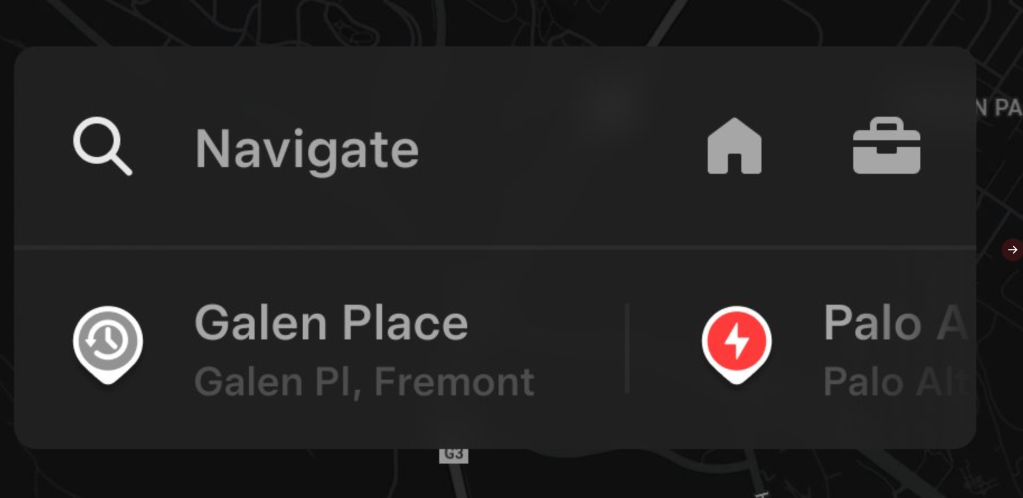
A slight change to the nav UI:
Reorder your navigation favorites & set Home or Work by dropping a pin anywhere on the map
You can also view suggested destinations based on your recent trips and habits while parked
Supercharger Site Map
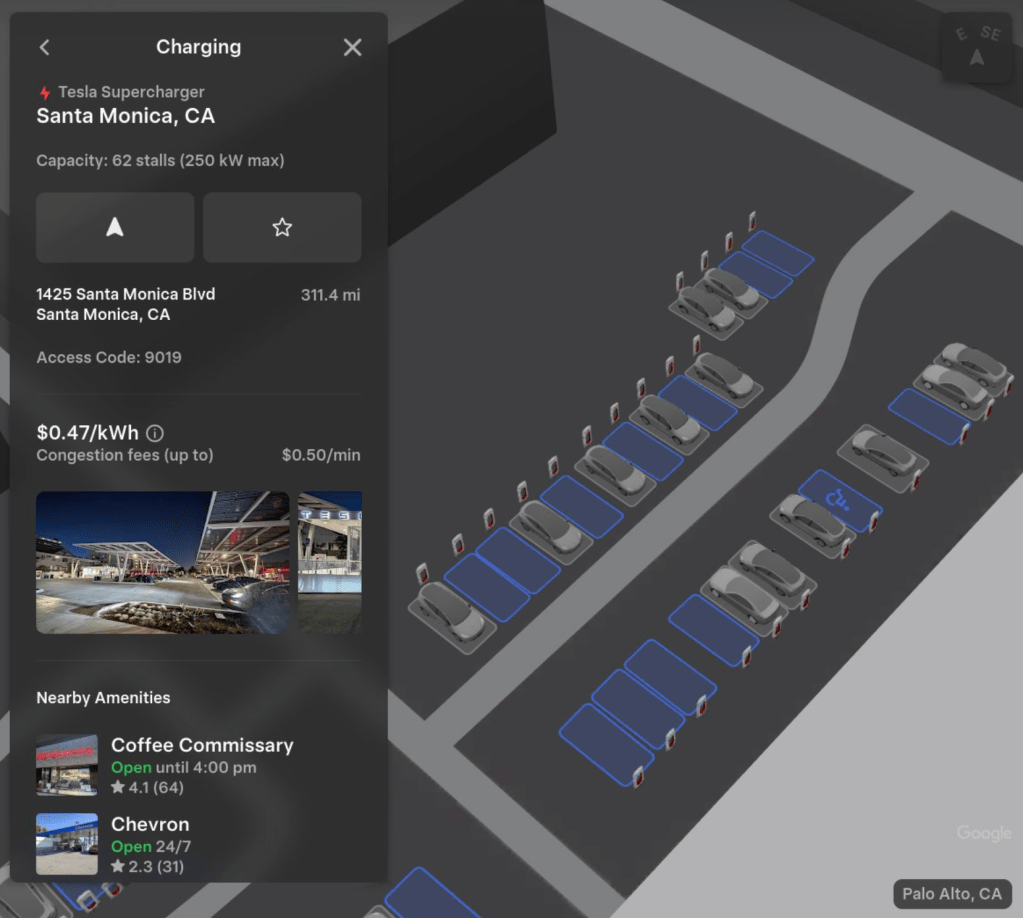
In line with the navigation update, you get a cool 3D view at some Supercharger stations straight in the navigation:
You can now see a 3D view of select Tesla Superchargers by tapping “View Site Map”. When navigating to a pilot location, the site layout and live occupancy (Available / Occupied / Down) will be displayed upon arrival
This could be useful to plan exactly where you’ll park and could open the door to a reservation system, which could be specifically useful for pull-in stalls.
Automatic HOV Lanes Routing
Navigation now includes an option to use high-occupancy vehicle (HOV) carpool lanes. Your route will automatically select the carpool lane when eligible, based on time, location, passenger count & road restrictions
Controls > Navigation > Use HOV Lanes
Phone Left Behind Chime
Your vehicle will chime a few seconds after the doors close if a phone key is inside the cabin or a phone is left on the wireless charger and no occupants are detected. Phone key detection requires UWB-supported devices.
Controls > Locks > Phone Left Behind Chime
Charge Limit per Location
You can now save a charge limit for your current location while parked & it will be applied automatically next time you charge there
Controls > Charging
SpaceX ISS Docking Simulator
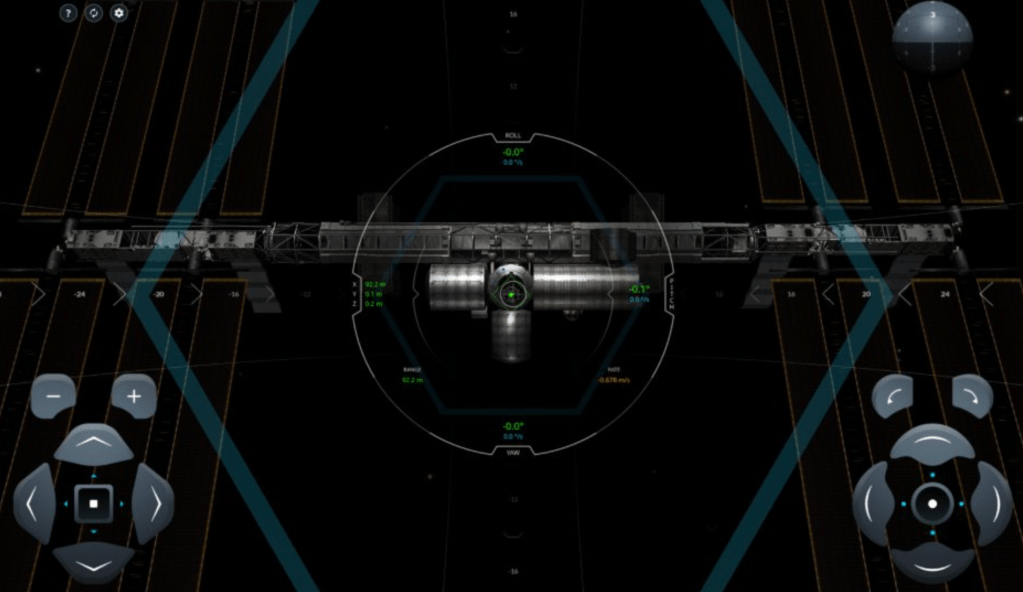
Become an astronaut and prove your skills by docking with the International Space Station. Control & guide the rocket in this 3D docking simulator game using a set of controls based on actual interfaces used by NASA astronauts.
Arcade > SpaceX ISS Docking Simulator
Other improvements
- Enable or disable wireless phone charging pads in Controls > Charging (S3XY) or Controls > Outlets & Mods (Cybertruck)
- Add Spotify tracks to your queue right from the search screen & scroll through large Spotify playlists, albums, podcasts, audiobooks & your library seamlessly, without paging
- Take the vibes up another level with rainbow colors during Rave Cave. Accent lights color will change along with the beats of your music. App Launcher > Toybox > Light Sync
- Lock Sound now includes Light Cycle from Tron Mode. Toybox > Boombox > Lock Sound
Feature availability subject to vehicle hardware & region
Electrek’s Take
This is a bit of a mixed bag, which is typical for Tesla’s Holiday Updates.
On one hand, many useless features that will be probably be used once or twice and never again, like the photobooth.
But on the other hand, you have some decent new features, specifically to the navigation system, which put together make for a more than decent upgrade.
FTC: We use income earning auto affiliate links. More.

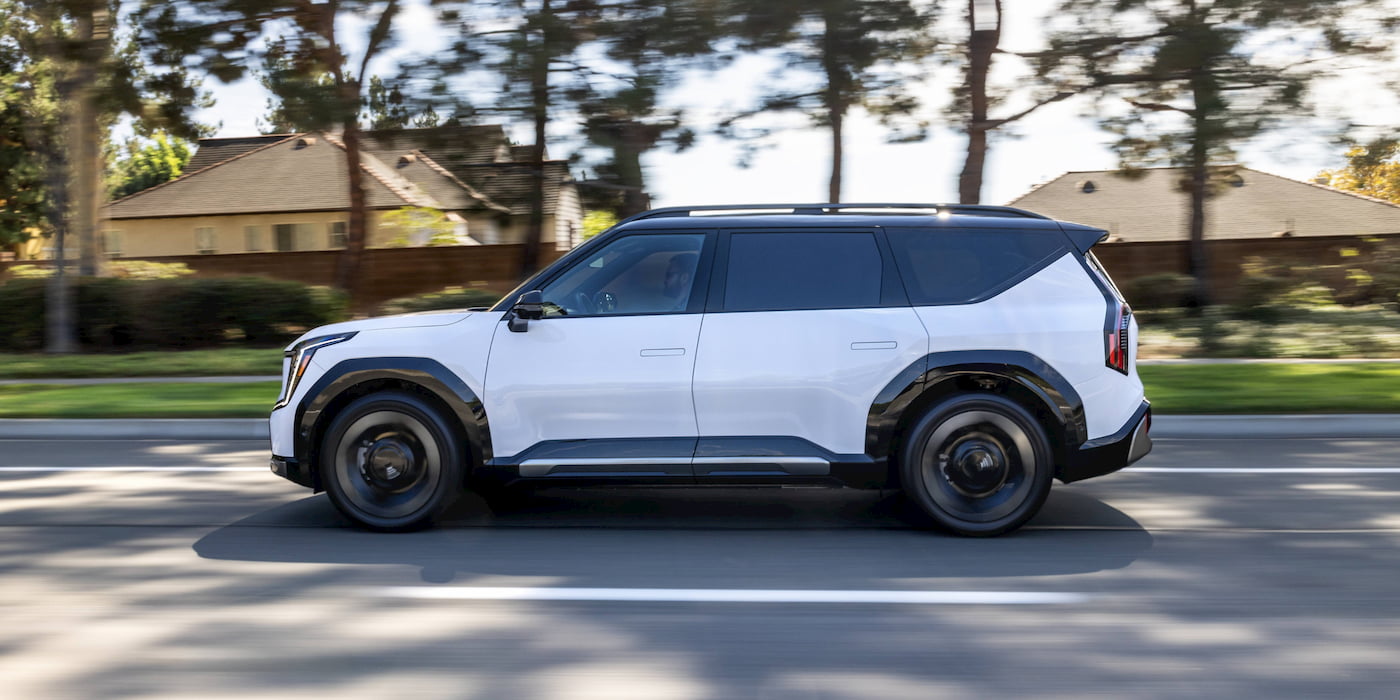
Kia is extending one of its biggest promotions yet, knocking over $10,000 off every EV in its lineup.
Kia knocks $10,000 off EV models
Who said electric vehicles would get more expensive after the $7,500 federal tax credit ended? Kia must not have gotten the memo.
Last month, Kia launched a new promotion, offering a $10,000 customer cash discount for all EVs, including the EV6, EV9, and Niro EV. The discount knocks nearly 25% off MSRP on Kia’s cheapest model, the Niro EV. On the entry-level EV6, it’s 23% off MSRP, while $10,000 off the EV9 is about an 18% discount.
The discounts ended on December 1, but Kia has extended them for at least another month. During its Season of New Tradition sales event, Kia is now offering even more savings.
The 2025 Kia EV6 and Niro EV are now eligible for up to $11,000 in customer cash, including a $10,000 cash back offer and a $1,000 retail bonus cash discount.
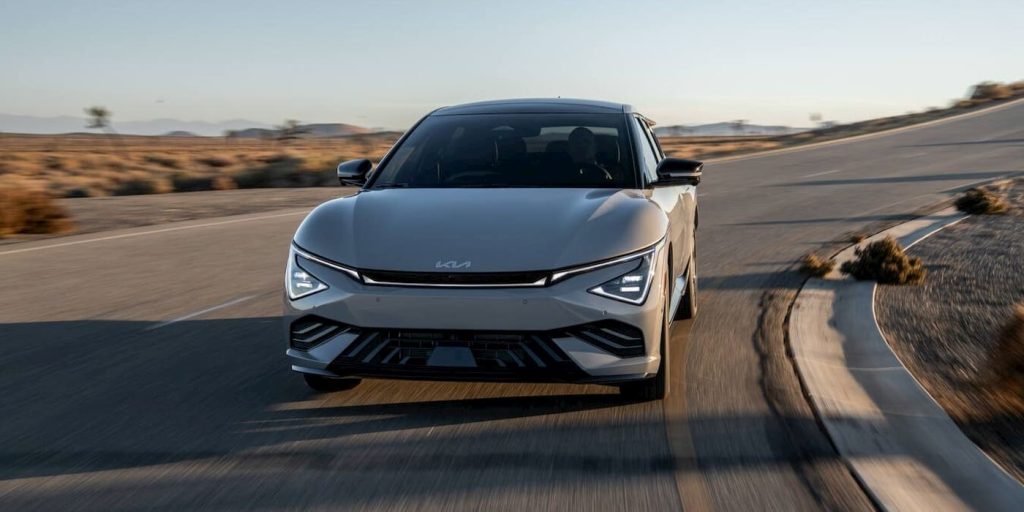
If you’re looking for something a little bigger, the 2026 EV9, Kia’s three-row electric SUV, is available with up to $10,500 in bonus cash.
If you choose to finance, Kia is offering 0% APR for up to 72 months, plus $3,500 APR Bonus Cash on the EV6 and Niro EV. The larger EV9 is available with 0% APR for up to 60 months with a $3,000 APR Bonus Cash offer.
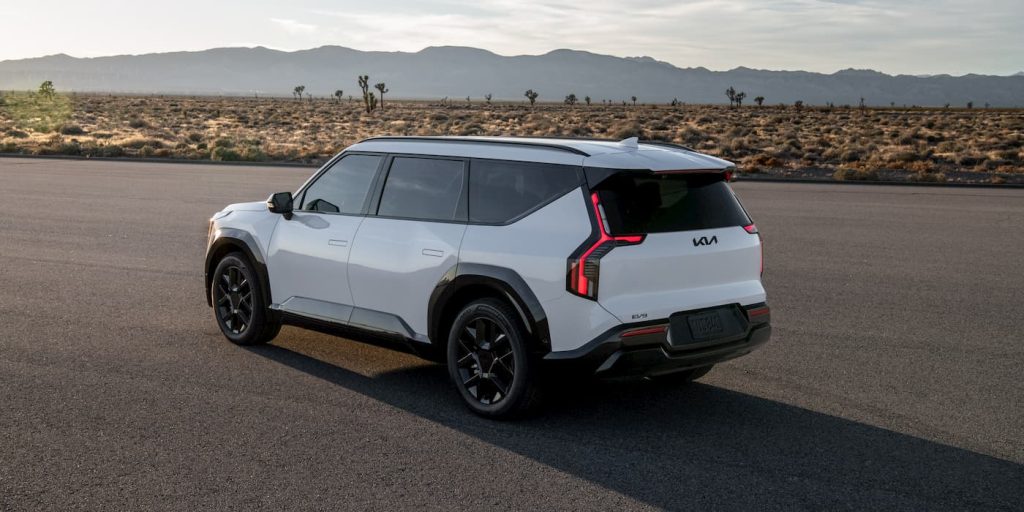
The 2025 Kia Niro EV and EV6 are available to lease, starting at $209 and $309 per month for 24 months. The 2026 EV9 is listed with monthly leases starting at $419.
The new sales event comes after Hyundai extended its EV promotions, keeping the IONIQ 5 as one of the most affordable EV leases in the US, starting at just $189 per month.
Kia’s Seasons of New Traditions sales event runs until January 2, 2026. Some deals may vary by region. You can see offers near you by using the links at the bottom.
Interested in test-driving one for yourself? We can help see what’s available in your area. Check out our links below to find Kia and Hyundai EVs near you.
FTC: We use income earning auto affiliate links. More.
-
 Sports2 years ago
Story injured on diving stop, exits Red Sox game
-
 Sports3 years ago
‘Storybook stuff’: Inside the night Bryce Harper sent the Phillies to the World Series
-
 Sports2 years ago
Game 1 of WS least-watched in recorded history
-
 Sports3 years ago
Button battles heat exhaustion in NASCAR debut
-
 Sports3 years ago
MLB Rank 2023: Ranking baseball’s top 100 players
-
Sports4 years ago
Team Europe easily wins 4th straight Laver Cup
-
 Environment3 years ago
Japan and South Korea have a lot at stake in a free and open South China Sea
-
 Environment1 year ago
Here are the best electric bikes you can buy at every price level in October 2024