
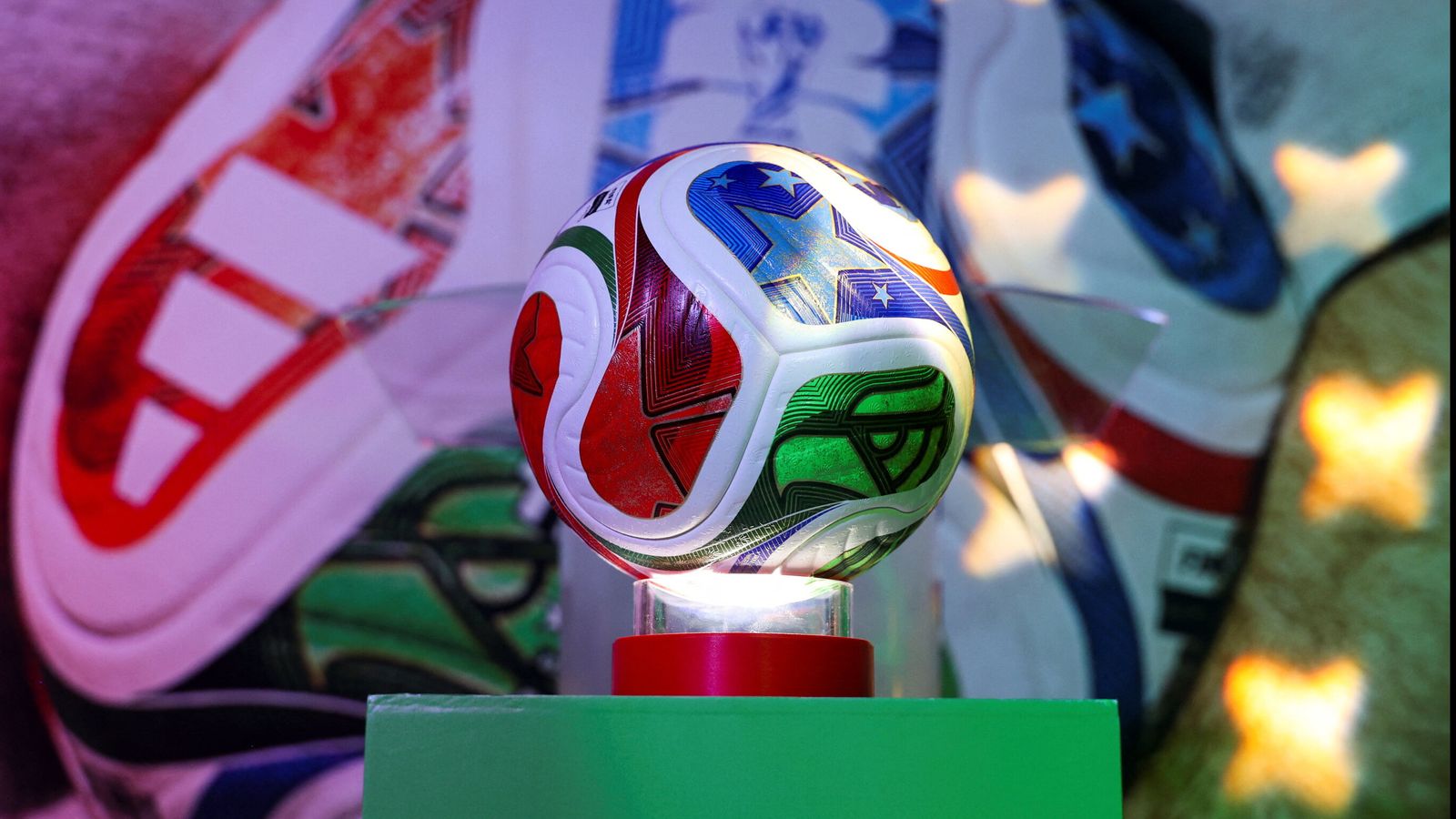
Want to get tickets to the 2026 World Cup? Here’s everything you need to know

Tickets for next year’s FIFA World Cup will use dynamic pricing, meaning fans will pay different prices according to demand.
Those keen to go to the tournament, which is being hosted across the US, Mexico and Canada in 2026, had their first chance to get a limited number of tickets in October.
In total, over six million tickets for the 104 games are set to become available.
And with dynamic pricing, also known as surge pricing, involved, Heimo Schirgi, the World Cup’s chief operating officer, has warned fans to “get tickets as early as possible”.
FIFA has already issued a warning to fans to be “wary” of unofficial websites purportedly selling tickets that aren’t yet on the market, after Sky News discovered tickets already being sold for eye-watering prices by the platform Vivid Seats.
Here’s all you need to know.
When is the World Cup?
The tournament runs from 11 June to 19 July 2026 and will be played at 11 sites in the US, three in Mexico and two in Canada.
A total of 48 countries will be involved and 104 games will be played overall.
The host nations automatically qualify and will play all three of their group stage matches on home soil.
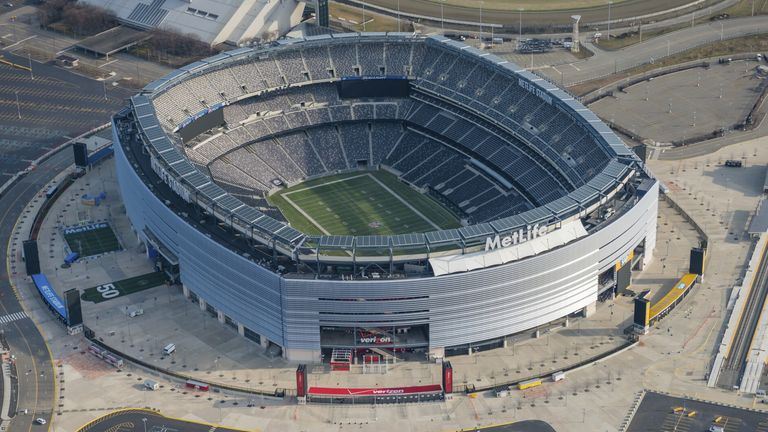
Aerial view of Metlife Stadium, New Jersey, where the final will be played. Pic: AP
How to get tickets
Tickets for the World Cup are being released in three phases, each with slightly different rules on who can buy the tickets and how.
Phase one
The first phase was a Visa Presale Draw for people with a valid, unexpired Visa debit card, credit card, or reloadable prepaid card enabled with 3D Secure.
This phase has already closed, with no further opportunities to buy tickets in this phase.
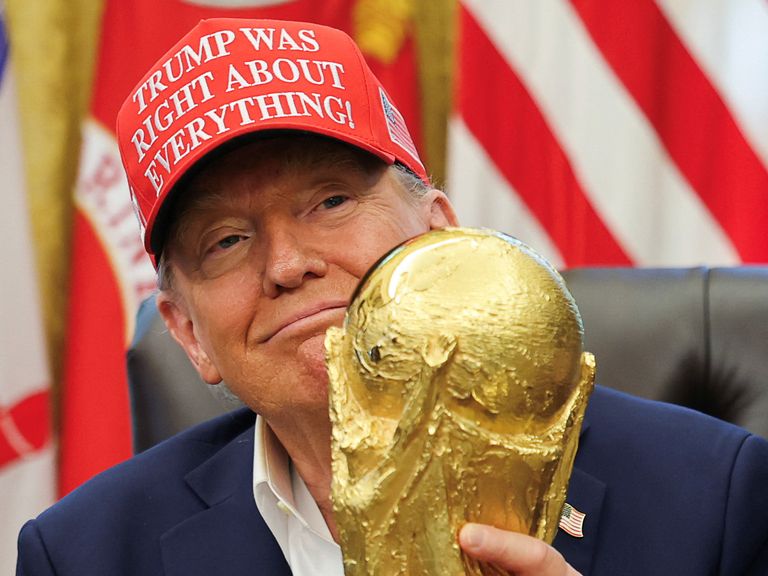
US President Donald Trump holding the FIFA World Cup trophy. Pic: Reuters
Phase two
The entry period for the second phase, called an early ticket draw, ran from 27 to 31 October.
Similar to the first phase, registered individuals were allocated time slots to purchase tickets from 12 November.
If you miss your assigned time slot to purchase tickets, it cannot be rescheduled.
Phase three
The third phase, called a random selection draw, will start after the final draw of teams on 5 December determines the World Cup schedule.
FIFA said tickets will also become available closer to the tournament on a first-come, first-served basis.
Hospitality tickets
Hospitality tickets have been on sale since May for the eight matches at MetLife Stadium in East Rutherford, New Jersey, including the final on 19 July.
These allow individuals access into VIP lounges, the option to hire private suites and exclusive “platinum access” tickets, which FIFA defines as an “all-encompassing experience with full-service customisation”.
American Airlines also announced in October that members of its AAdvantage loyalty programme can redeem miles for World Cup tickets.
What type of tickets are available?
Three different types of tickets will be available during different phases of ticket sales. These include:
• Single match tickets – includes one entry to any of the 104 matches in the tournament.
• Venue-specific tickets – includes tickets to several matches scheduled at a particular stadium, except the opening match in each host country or any quarter, semi or final matches.
• Team-specific tickets – includes tickets to each of a chosen team’s three group stage matches.
Single match tickets and team-specific tickets will be available in all sale phases, while venue-specific tickets will be available ahead of the final draw.
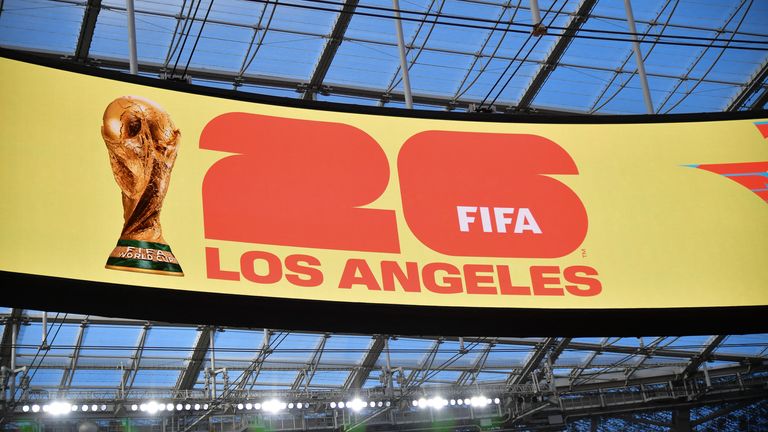
Pic: Reuters
How much will they cost?
Prices for group stage matches during the Visa presale started at $60 (£44), with later stage matches, including the final, reaching up to $6,730 (£5,000), FIFA said.
This is an increase from a range of $25 (£19) to $475 (£353) the last time the US hosted the tournament in 1994. For the 2022 tournament in Qatar, tickets cost the US dollar equivalent of $69 to $1,607.
Prices for hospitality tickets are considerably more, ranging from $3,500 (£2,604) to $73,200 (£54,467) per person.
FIFA has also introduced a virtual marketplace, where ticket holders can resell or exchange their tickets securely.
The FIFA Resale Marketplace is available to Canadian, American and international residents, while the FIFA Exchange Marketplace is intended for residents of Mexico.
Falk Eller, director of ticketing and hospitality at FIFA, said resale prices would not be capped, due to a need to compete with unofficial resale outlets and ensure a regulated environment.
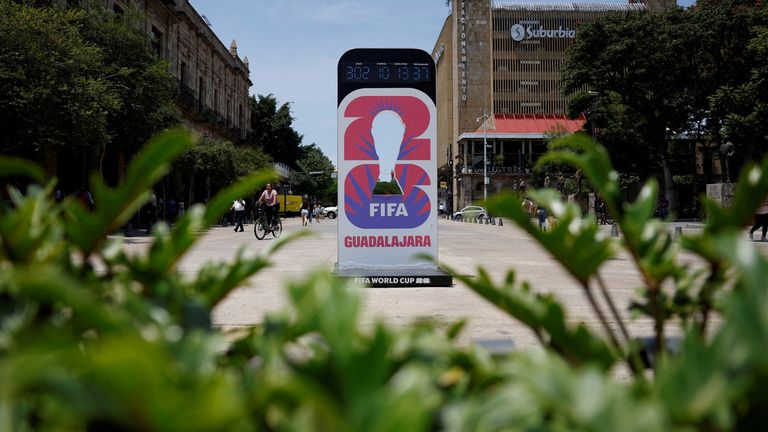
A World Cup countdown clock in Guadalajara, Mexico. Pic: Reuters
The problem (or perk) with dynamic pricing
Dynamic pricing is commonly seen when purchasing plane or train tickets and hotel room rates during holiday seasons.
But backlash over its use escalated when tickets for the Oasis Live ’25 tour went on sale last August.
Fans who had waited for hours in a virtual queue were left fuming to find out standard tickets, originally worth £148, were being sold at a dynamic pricing level of £355 on Ticketmaster.
Criticism was so widespread that it led to the Sale of Tickets (Sporting and Cultural Events) Bill being put forward in the House of Commons, which, if passed, would require music and sports ticket sellers to tell fans the maximum prices at the start of the buying process by law.

From April: World Cup tickets on sale for £46k
Ticketmaster says the goal of dynamic pricing is to “give fans fair and safe access to tickets true to market value” and because it is based on demand, the price of tickets does not always increase.
Dynamic pricing was used for this year’s controversial Club World Cup, which also took place in the US, but it was a struggle to fill the mammoth state-side stadiums, including some which will be used for the World Cup.
As a result, for the semi-final between London’s Chelsea and Brazil’s Fluminense, tickets were cut from $473.90 (£352) to $13.40 (£10). Similar dramatic drops were seen for both teams’ quarter-final matches, where tickets went for as low as $11.15 (£8.30).
What about visas?
For those outside the US, Canada or Mexico, securing tickets is not enough to guarantee you will be at World Cup games.
People travelling to the US or Canada will need to secure visas in order to make it to the tournament. Most tourists do not need a visa to travel to Mexico.
For example, if travelling from the UK to America, Britons will need an ESTA for visits under 90 days, or a B-2 visa for longer stays.
From the UK to Canada, Britons will typically need an Electronic Travel Authorisation (eTA), which allows visits for up to six months.
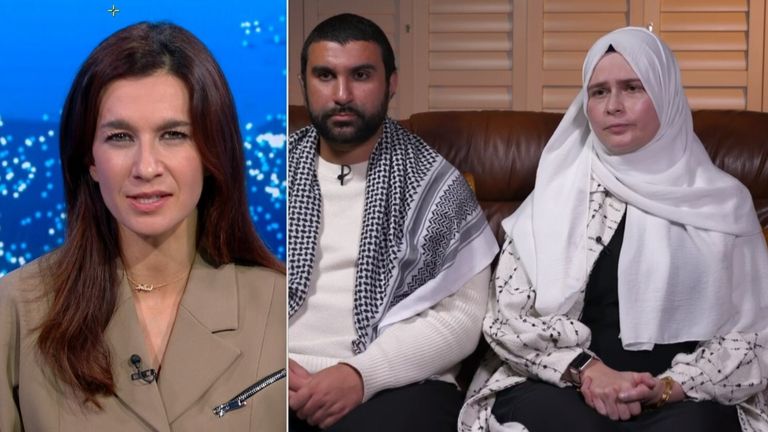
UK fans warned over US World Cup
FIFA has warned that any ticket holder who fails to obtain the necessary visa or travel authorisation, or is denied entry due to non-compliance with any requirements, will not be entitled to any form of compensation.
Donald Trump announced in November that those who need visas to attend the World Cup will be able to go through a “FIFA portal” to help get their visa application and interview prioritised at the State Department.
This will be known as the FIFA Prioritised Appointment Scheduling System, or FIFA PASS.
Read more from Sky News:
England qualify for 2026 World Cup
Warning to UK fans travelling to World Cup

Listen to The World with Richard Engel and Yalda Hakim every Wednesday
US Secretary of State Marco Rubio said the administration had added 400 consular officers around the world to deal with increased demand for visas, with individuals still having to go through the same vetting, but will “move up the queue” in order to get correct travel documents in place on time for the tournament.
Despite the new system, Mr Trump said he “strongly” encourages World Cup travellers to the US to apply for their visas “right away”.
Several victims of Jeffrey Epstein have told Sky News that the incomplete release of the files relating to the dead paedophile financier have left them feeling shocked, outraged and disappointed.
Thousands of files relating to Epstein, who died in prison in 2019 while awaiting trial on sex trafficking charges, were made public late on Friday – but only a fraction of them have been released so far, with many heavily redacted.
‘Nothing transparent about release’
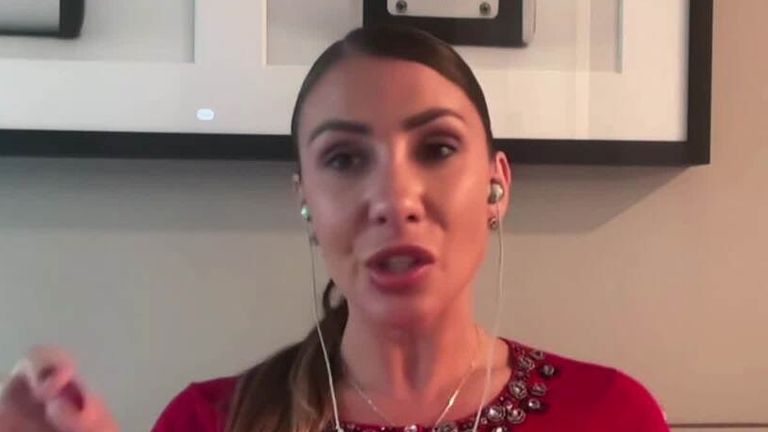
Marina Lacerda, a Brazilian-born survivor who suffered sexual abuse by Epstein as a teenager, expressed her disappointment over the incomplete release, calling it “a slap in our faces”.
“We were all excited yesterday before the files came out,” she told Sky News presenter Anna Botting.
“And when they did come out, we were just in shock, and we see that there is nothing there that is transparent. So it’s very sad, it’s very disappointing.”
Ms Lacera said she had just turned 14 when she met Epstein before “our relationship, our friendship I should say” ended when she was 17.
“At that point, he had made it very clear to me that I was old, that I was no longer fun for him. So, he booted me out, and I was no longer needed for him,” she said.
Epstein files – latest updates
The Department of Justice (DoJ) suggests that 1,200 victims and their families have effectively been shielded from view in the released documents.
Ms Lacera said: “From what I know, [the number of Epstein victims] is over a thousand, but that’s just what the DoJ can collect or the FBI can collect, but I presume there may be more than that.”
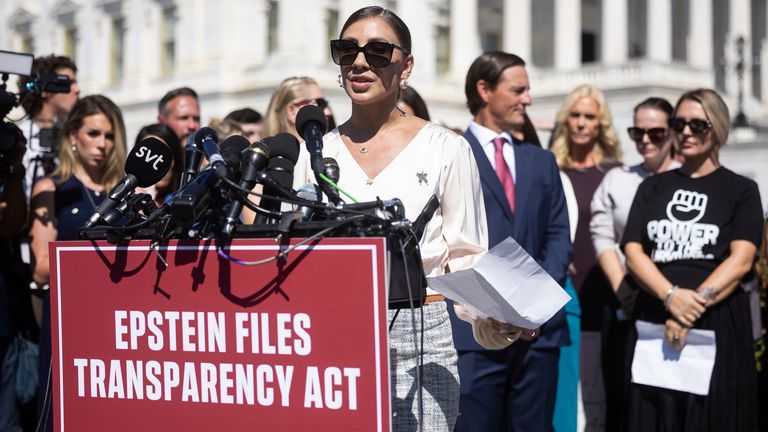
Marina Lacerda spoke outside the US Capitol in favour of the Epstein Files Transparency Act. Pic: AP
‘No way it’s not a cover-up’
Ashley Rubright met the late sex offender when she was just 15 in Palm Beach and was subject to abuse over several years.
Asked about her dissatisfaction with yesterday’s government release and if there was a sense of a cover-up operation, she noted that there had been knowledge of Epstein’s crimes “for so, so long”.
“There’s no way that there’s not a cover-up – what it is, I don’t know,” she told Sky News’ US correspondent James Matthews.
“I just hope that nobody’s allowed to fly under the radar with their involvement.”
Regarding the extent of the redactions, she said: “I’m so not shocked, but let down. Disappointed.
“Seeing […] completely redacted pages, there’s no way that that’s just to protect the victims’ identities, and there better be a good reason. I just don’t know if we’ll ever know what that is.
“We’ve been left behind since day one. That’s why I think we’re all fighting so loud now, because we’re tired of it.”

Ashley Rubright speaks at a rally in support of Epstein victims. Pic: Reuters
‘He wanted to man-handle me’
Another survivor, Alicia Arden, told Sky News that she met Epstein in a California hotel room in 1997 for an audition, when she was a 25-year-old model and actress.
“He let me in and he started looking over my portfolio, which is customary to do in a talent audition, and then he insinuated, ‘oh, you should come closer to me and let me see your body’,” she said.
Epstein then started “taking off my top and my pants and touching my rear end and my breasts”.
“He goes, ‘let me come over here and spin for me and let me man-handle you. Let me man-handle you.’ And I got very nervous and started to cry. I said, ‘I have to go, Jeffrey. I don’t really think this is gonna work out’,” Ms Arden said.
“He got a phone call and I was crying in front of him. And he said, ‘I have this beautiful girl in front of me and she’s very upset’. I said ‘I’m gonna leave’ and he offered me $100 and I said ‘I’m not a prostitute’.”
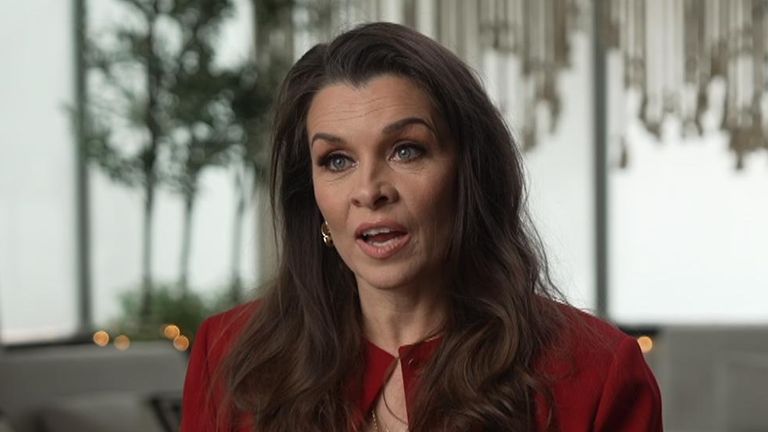
Alicia Arden
She said she went to the Santa Monica Police Department to file a report.
“That was as difficult, and I’m like shaking telling you, but as difficult as being in the hotel room with him because they weren’t supportive at all about it,” she said. Her redacted report was included in previous files.
‘Epstein was a monster’
Asked what she thought about Epstein now, she said: “He’s a monster […] and just horrible. I mean, I’m trembling thinking about him and talking about him.
“If I could do anything, I’m happy I got the police report filed. If they would have pursued him and maybe gone over the hotel [where he was] essentially living, then I could have maybe saved the girls. I’ve always thought that.”
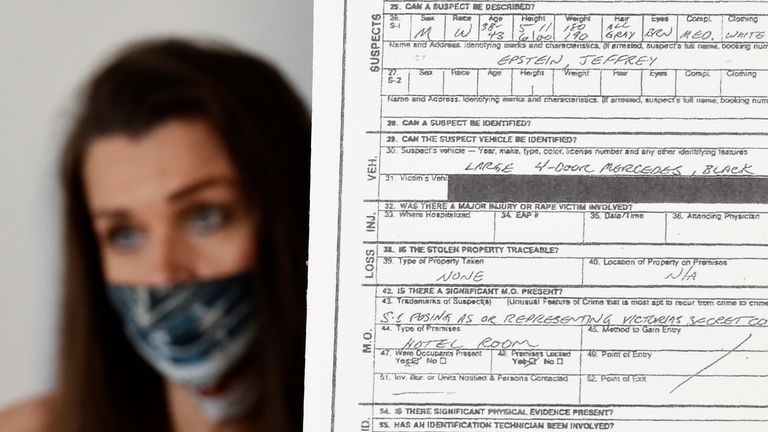
Ms Arden’s redacted police report. Pic: AP
Ms Arden does not believe she has seen justice as one of Epstein’s victims.
“I want to see all of the files come out. I want all of the men in there or women that were trafficking these girls, and they shouldn’t be able to walk around free and not pay for if they did something,” she said.
“They should be actually arrested if they’re in the files and it’s proven that they did horrible things to these girls, and they should lose their jobs, their lives, their homes, their money, and pay for what they did, and it was all supposed to come out, and it hasn’t.”
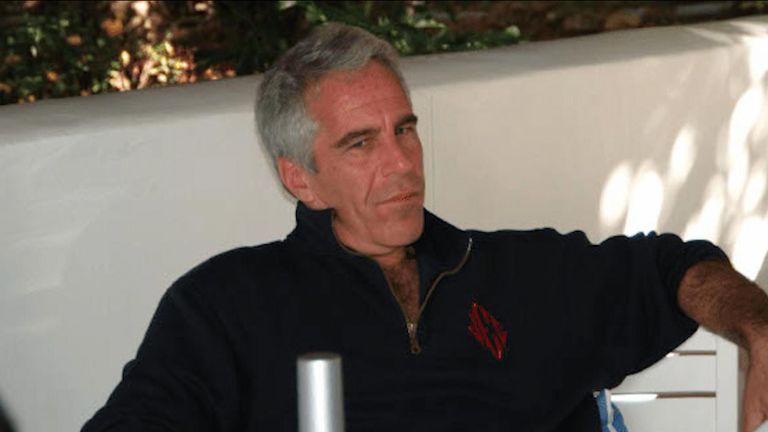
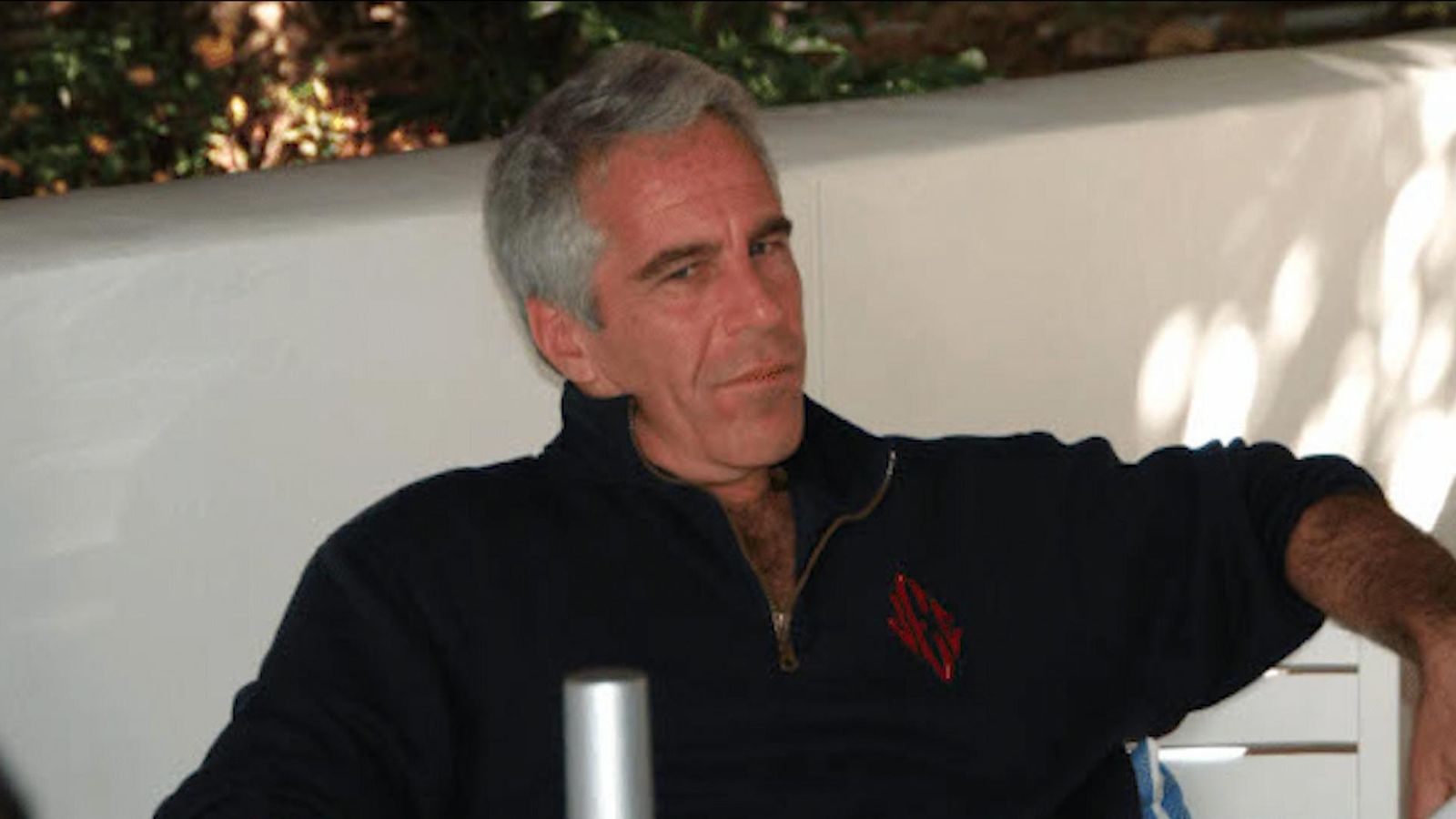
Jeffrey Epstein died in prison in 2019 while awaiting trial on federal sex trafficking charges
‘I feel redeemed’ by file release
Maria Farmer, who made a complaint to the Miami FBI in 1996 in which she alleged that Epstein stole and sold photos she had taken of her 12- and 16-year-old sisters, expressed gratitude for the release of the files.
“This is amazing. Thank you for believing me. I feel redeemed. This is one of the best days of my life,” she said in a statement through her lawyers.
“I’m crying for two reasons. I want everyone to know that I am shedding tears of joy for myself, but also tears of sorrow for all the other victims that the FBI failed.”

Annie Farmer holds a photo of herself and her sister, Maria Farmer, when they were victims of Epstein. Pic: AP
A positive-leaning reaction also came from Dani Bensky, who said she was sexually abused by Epstein when she was 17 years old.
She told Sky News’ US partner network NBC News: “There is part of me that feels a bit validated at this moment, because I think so many of us have been saying, ‘No, this is real, like, we’re not a hoax’.
“There’s so much information, and yet not as much as we may have wanted to see.”
‘It is not over’
Lawyer Gloria Allred, who has represented several Epstein victims, told Sky News about the partial release on Friday: “It’s very disappointing that all of the files were not released yesterday as required and, in fact, mandated by law.
“The law didn’t say they could do this over a period of time, it didn’t say that weeks could go by.”
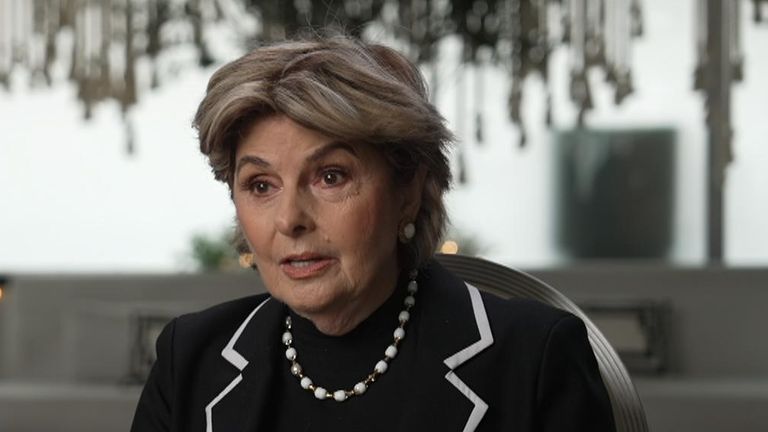
Lawyer Gloria Allred
Deputy attorney general Mr Blanche said additional file disclosures can be expected by the end of the year.
“But that’s not what the law says. So clearly, the law has been violated. And it’s the Department of Justice letting down the survivors once again,” Ms Allred said.
The lawyer labelled the incomplete release of the files a “distraction”, adding: “This is not over, and it won’t be over until we get the truth and transparency for the survivors.”
Read more:
Links between Epstein and UK revealed
Photos of Jeffrey Epstein’s circle among files
Writing on body seen in images released by Democrats
Trump, Clinton, Andrew and others seen in previous release
‘Only redactions required by law’
The tranche of material was released just hours before a legal deadline in the US following the passing of the Epstein Files Transparency Act – and at the same time as a US strike targeting Islamic State fighters in Syria.
The US deputy attorney general, Todd Blanche, said the justice department was continuing to review the remaining files and was withholding some documents under exemptions meant to protect the victims.
But Sky News’ James Matthews said the significance of the files “is undermined by the lack of context”, while some Democrats and Republicans criticised the partial release as failing to “comply with law”.
Meanwhile, the justice department has defended the redactions made in the released files.
“The only redactions being applied to the documents are those required by law – full stop. Consistent with the statute and applicable laws, we are not redacting the names of individuals or politicians unless they are a victim,” it quoted deputy attorney general Mr Blanche in a post on X.
The Trump administration has claimed to be the most transparent in history.
👉 Follow Trump100 on your podcast app 👈
In a statement, the White House claimed the release also demonstrated its commitment to justice for Epstein’s victims, criticising previous Democratic administrations for not doing the same.
But that statement ignored that the disclosures only happened because Congress forced the administration’s hand with a bill demanding the release, after Trump officials declared earlier this year that no more Epstein files would be made public.
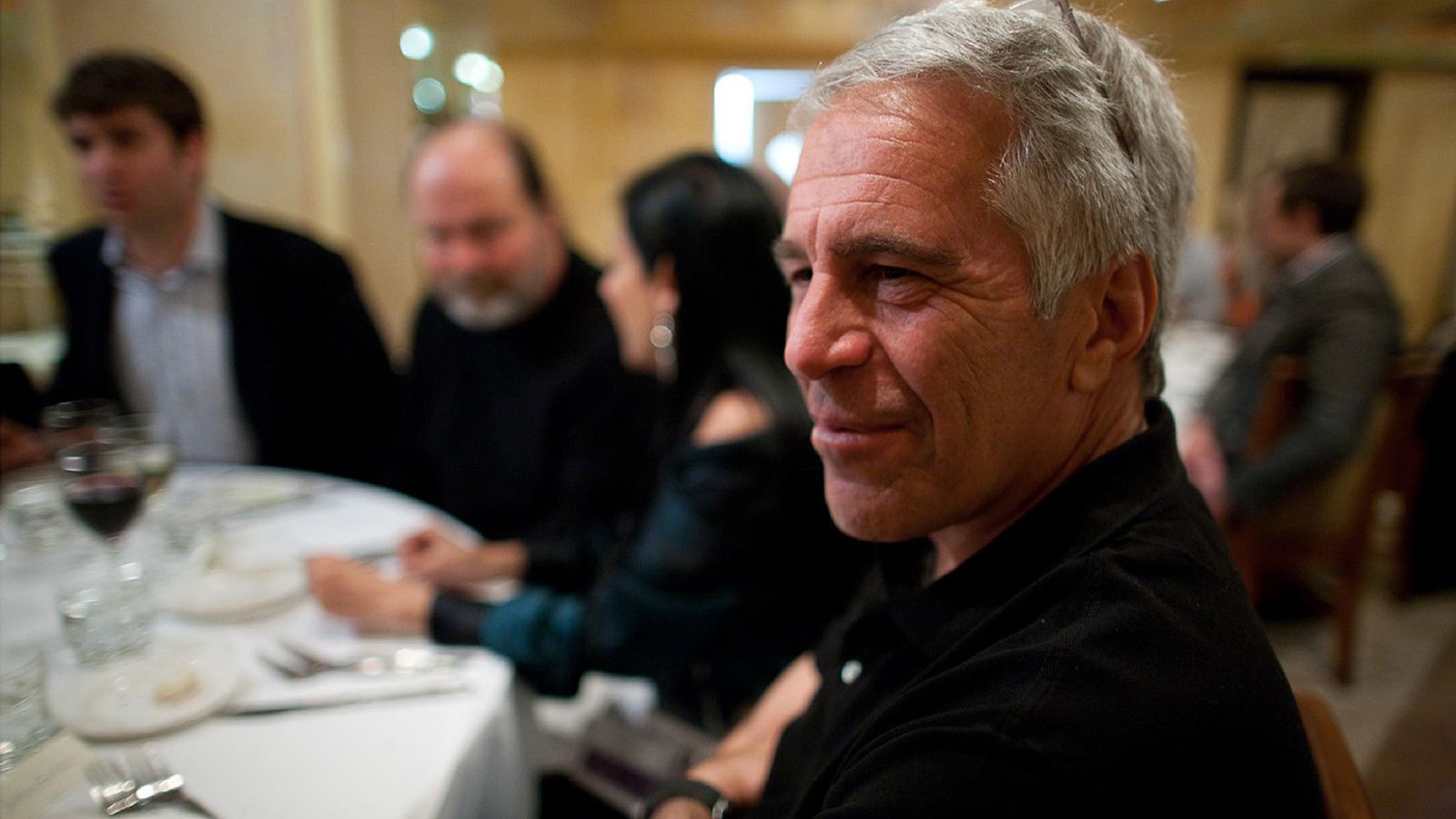
Jeffrey Epstein led two different lives – sex offender and celebrity networker – and he did that in the UK as well as the US.
The newly released Epstein documents reveal, in particular, how the paedophile financier ascended into the highest levels of British society.
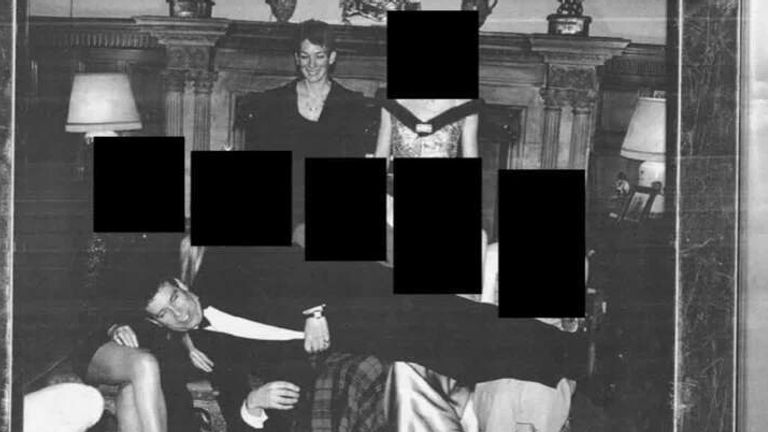
This photo of Andrew Mountbatten-Windsor sprawled across the lap of several women, whose identities have been protected, speaks to his close relationship with Epstein’s former girlfriend Ghislaine Maxwell, who was jailed for child sex trafficking and other offences in connection with Epstein. But the furnishings are even more revealing.
Epstein files – latest updates
Andrew Mountbatten Windsor pictured with Ghislaine Maxwell. Note: inclusion in Epstein files does not infer wrongdoing
Sky News matched the fireplace in this photo with the one in Sandringham, the estate where the royals tend to spend Christmas – (Andrew is not invited this year).
Andrew has vigorously denied any accusations against him.
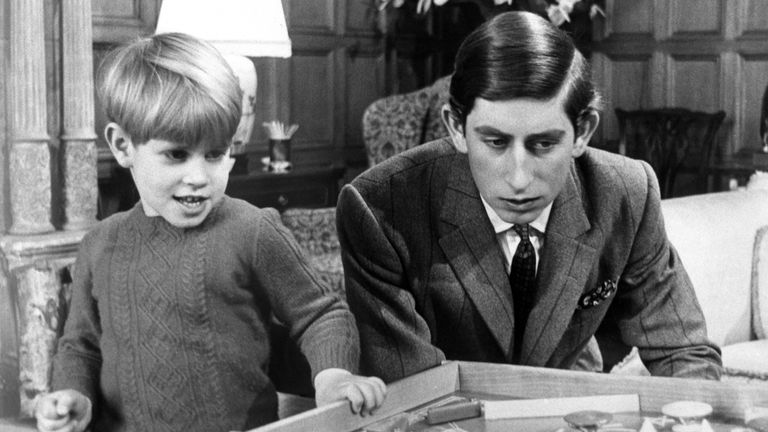
Prince Charles, now King Charles III, at Sandringham with Prince Edward. Pic: PA
Also included in the latest release are Epstein’s flight records. They provide some useful corroborating evidence.

A flight log from the Epstein files
On 9 March 2001, his plane landed at “EGGW” – Luton Airport – with JE, GM and VR on board – Jeffrey Epstein, Ghislaine Maxwell and Virginia Roberts, better known by her married name of Virginia Giuffre and perhaps Epstein’s most famous accuser.
The next day is when this photo was alleged to have been taken, in London, of Giuffre and Andrew.
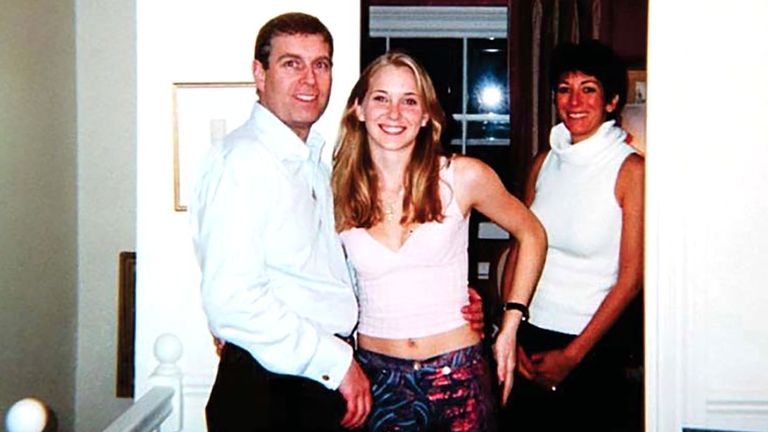
Prince Andrew, Virginia Roberts, aged 17, and Ghislaine Maxwell at Ghislaine Maxwell’s townhouse in London, in March 2001
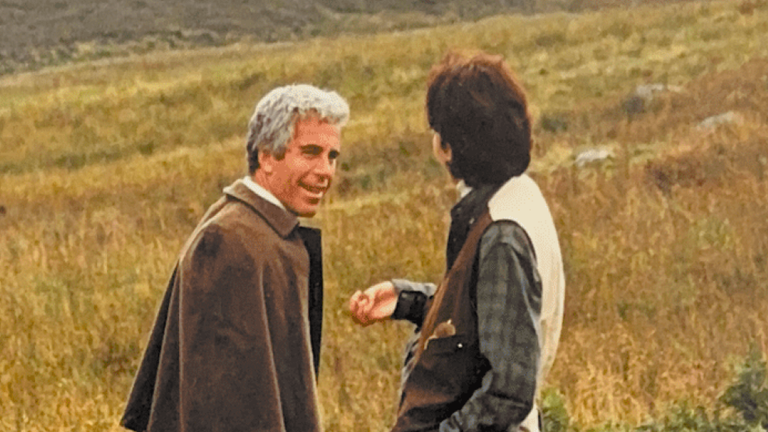
Jeffrey Epstein and Ghislaine Maxwell hunting, date unknown. Pic: US DoJ
Other photos show Maxwell on the steps of Downing Street – and power was as much a draw as celebrity.
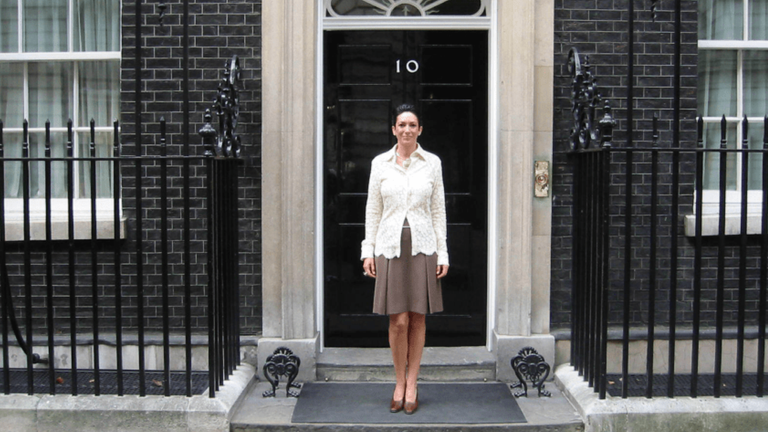
Ghislaine Maxwell outside 10 Downing Street, date unknown. Pic: US DoJ
On 15 May 2002, the flight records show Epstein again arriving at Luton.
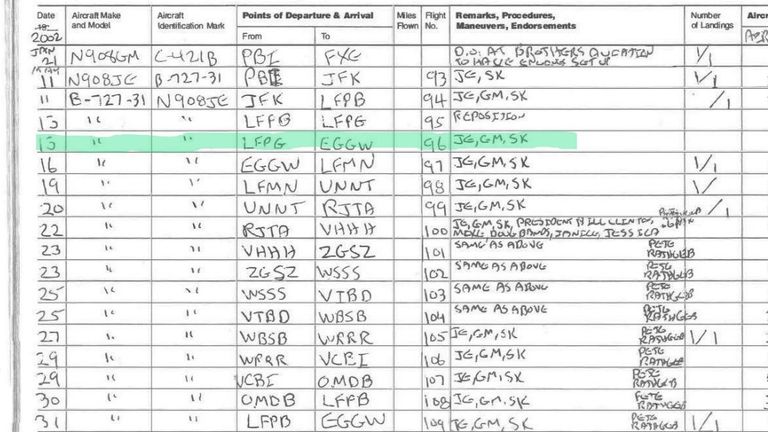
A flight log from the Epstein files
The next day is when he met Tony Blair, prime minister at the time. This was before Epstein’s first arrest and there is no suggestion of wrongdoing.
Read more:
New photos of Jeffrey Epstein’s circle released
Ghislaine Maxwell sex trafficking case material to be released
The meeting was arranged by Peter Mandelson, who lost his job as ambassador to the US because of his Epstein connections, and who features prominently in the files.
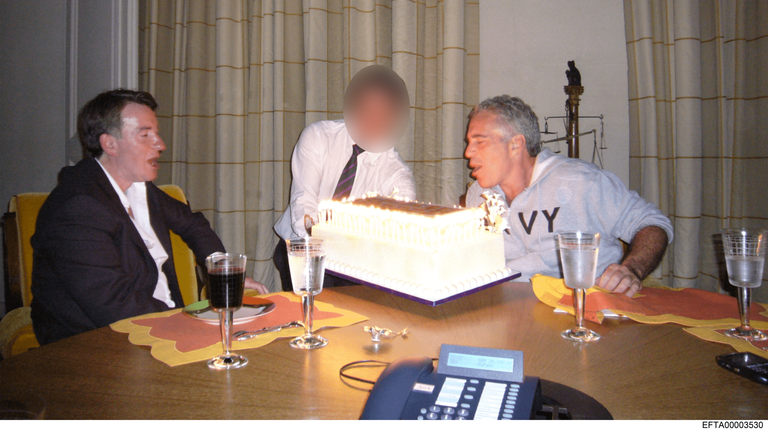
Peter Mandelson and Jeffrey Epstein. Pic: US DoJ
The UK was a draw for Epstein’s wider circle too – Maxwell here is pictured touring the Churchill War Rooms with Bill Clinton and Kevin Spacey. Neither are accused of wrongdoing or knowledge of Epstein’s crimes.
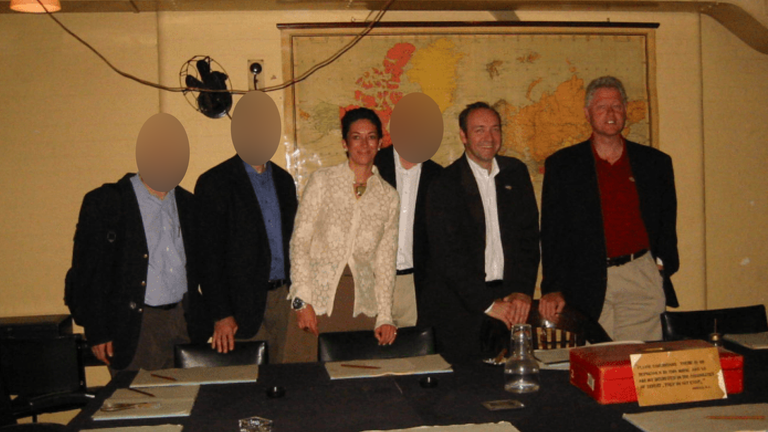
(L-R) Ghislaine Maxwell, Kevin Spacey and Bill Clinton, with three other men. Pic: US DoJ
And the other grim life that Epstein led, of sex trafficking, also had British links.
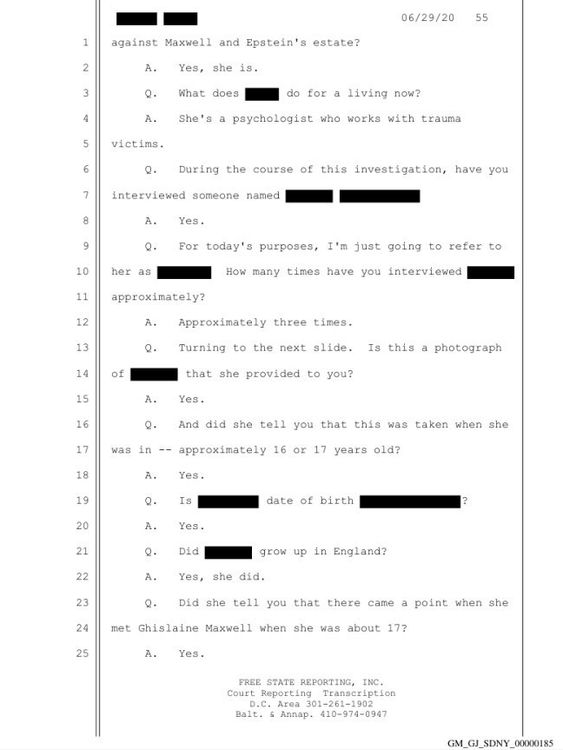
A page from the Epstein files
Another document released in the files, from 2019, shows witness testimony from Maxwell’s trial. In it, a victim is mentioned who is “17 years old” and who grew up “in England”. She would later be taken to Epstein’s private Caribbean island.
US
US launches ‘large scale’ strikes to ‘eliminate’ Islamic State fighters in Syria after US citizens killed in desert

The US has launched strikes to “eliminate ISIS fighters, infrastructure, and weapons sites” in Syria, according to Defence Secretary Pete Hegseth.
A U.S. official described it as “a large-scale” strike that hit 70 targets in areas across central Syria that had IS infrastructure and weapons.
“This is not the beginning of a war – it is a declaration of vengeance. The United States of America, under President Trump’s leadership, will never hesitate and never relent to defend our people,” he said in a social media post.
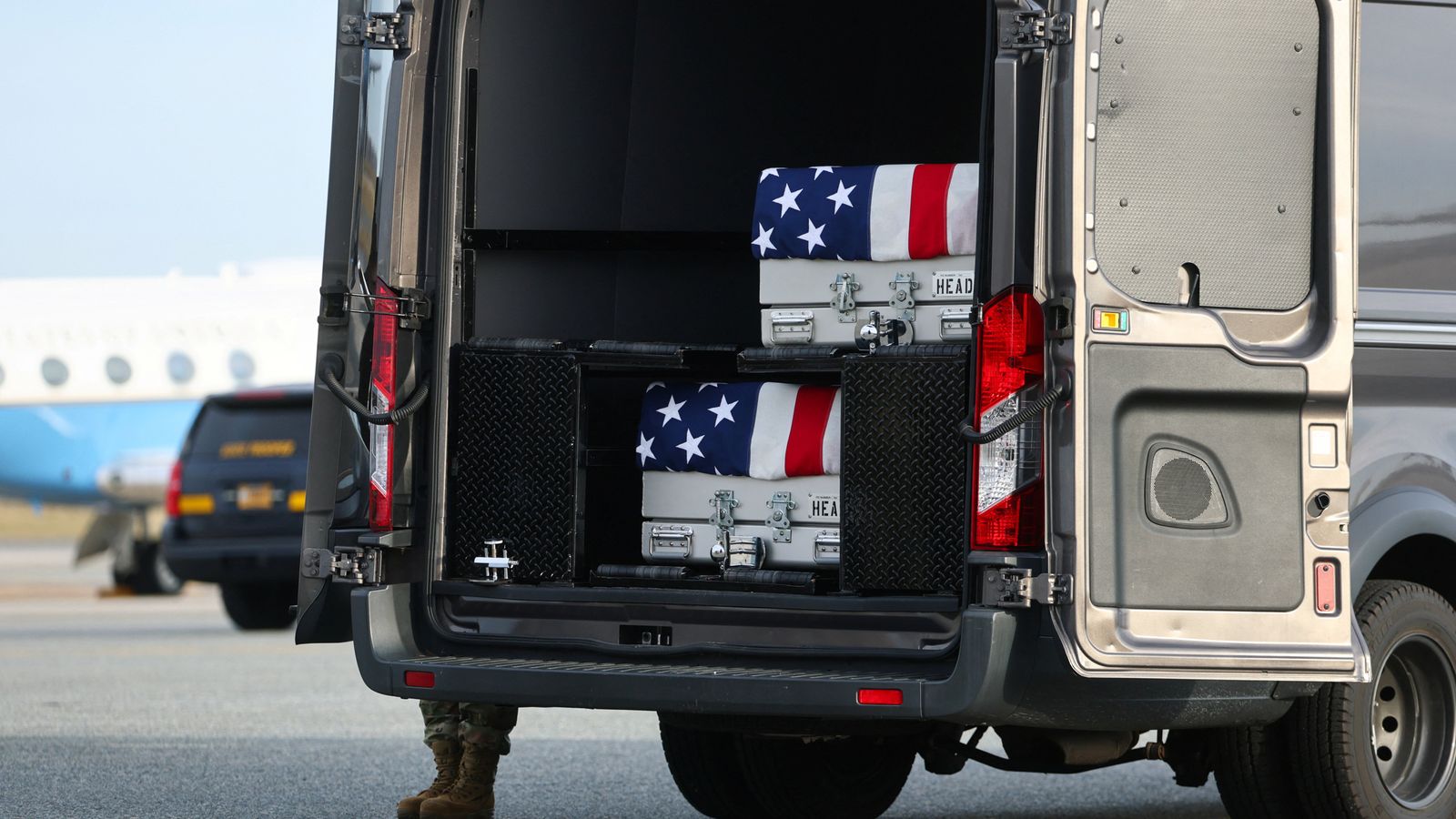
The announcement came after three US citizens – two National Guard members and a civilian interpreter – were killed in an attack in the Syrian desert on 13 December. Three US personnel were also wounded, the Pentagon’s chief spokesperson said on X.
US President Donald Trump blamed the killings on Islamic State fighters.
“Because of ISIS’s vicious killing of brave American Patriots in Syria, whose beautiful souls I welcomed home to American soil earlier this week in a very dignified ceremony, I am hereby announcing that the United States is inflicting very serious retaliation, just as I promised, on the murderous terrorists responsible,” Mr Trump wrote on Truth Social.
“We are striking very strongly against ISIS strongholds in Syria, a place soaked in blood which has many problems, but one that has a bright future if ISIS can be eradicated.”
Donald Trump and Pete Hegseth salute as the remains of the three US citizens killed in Syria arrive at Dover Air Force Base. Pic: AP
He said the Syrian government was fully supportive of the US strikes against the Islamic State, warning that fighters “will be hit harder than you have ever been hit before”.
A US official told The Associated Press that the US strike on Islamic State fighters on Friday was conducted using F-15 Eagle jets, A-10 Thuderbolt ground attack aircraft and AH-64 Apache helicopters.
The official, who spoke on condition of anonymity to discuss sensitive operations, said more strikes should be expected.
-
 Sports2 years ago
Story injured on diving stop, exits Red Sox game
-
 Sports3 years ago
‘Storybook stuff’: Inside the night Bryce Harper sent the Phillies to the World Series
-
 Sports2 years ago
Game 1 of WS least-watched in recorded history
-
 Sports3 years ago
Button battles heat exhaustion in NASCAR debut
-
 Sports3 years ago
MLB Rank 2023: Ranking baseball’s top 100 players
-
Sports4 years ago
Team Europe easily wins 4th straight Laver Cup
-
 Environment3 years ago
Japan and South Korea have a lot at stake in a free and open South China Sea
-
 Environment1 year ago
Here are the best electric bikes you can buy at every price level in October 2024