
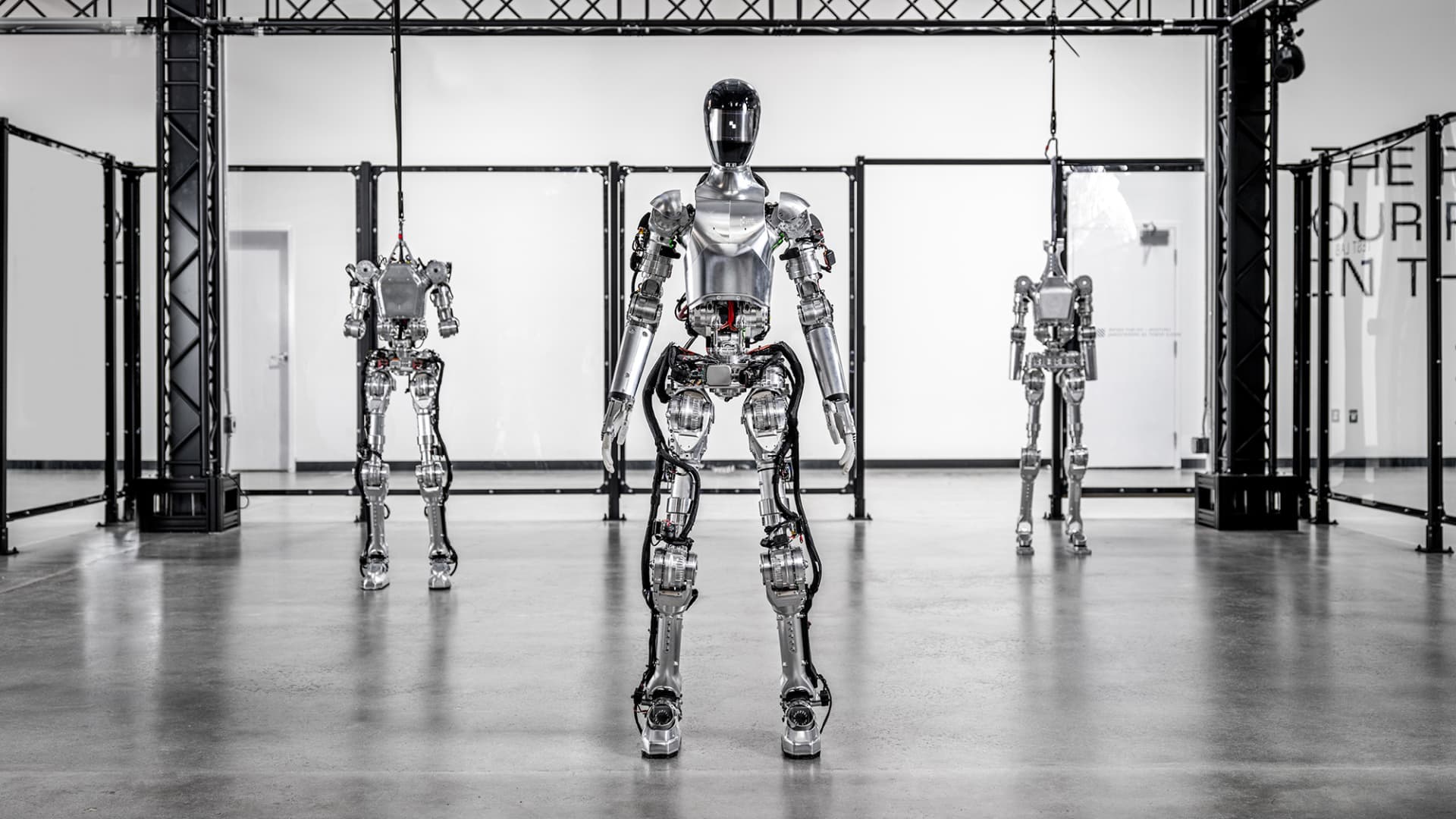
Figure AI sued by whistleblower who warned that startup’s robots could ‘fracture a human skull’


Startup Figure AI is developing general-purpose humanoid robots.
Figure AI
Figure AI, an Nvidia-backed developer of humanoid robots, was sued by the startup’s former head of product safety who alleged that he was wrongfully terminated after warning top executives that the company’s robots “were powerful enough to fracture a human skull.”
Robert Gruendel, a principal robotic safety engineer, is the plaintiff in the suit filed Friday in a federal court in the Northern District of California. Gruendel’s attorneys describe their client as a whistleblower who was fired in September, days after lodging his “most direct and documented safety complaints.”
The suit lands two months after Figure was valued at $39 billion in a funding round led by Parkway Venture Capital. That’s a 15-fold increase in valuation from early 2024, when the company raised a round from investors including Jeff Bezos, Nvidia, and Microsoft.
In the complaint, Gruendel’s lawyers say the plaintiff warned Figure CEO Brett Adcock and Kyle Edelberg, chief engineer, about the robot’s lethal capabilities, and said one “had already carved a ¼-inch gash into a steel refrigerator door during a malfunction.”
The complaint also says Gruendel warned company leaders not to “downgrade” a “safety road map” that he had been asked to present to two prospective investors who ended up funding the company.
Gruendel worried that a “product safety plan which contributed to their decision to invest” had been “gutted” the same month Figure closed the investment round, a move that “could be interpreted as fraudulent,” the suit says.
The plaintiff’s concerns were “treated as obstacles, not obligations,” and the company cited a “vague ‘change in business direction’ as the pretext” for his termination, according to the suit.
Gruendel is seeking economic, compensatory and punitive damages and demanding a jury trial.
Figure didn’t immediately respond to a request for comment. Nor did attorneys for Gruendel.
The humanoid robot market remains nascent today, with companies like Tesla and Boston Dynamics pursuing futuristic offerings, alongside Figure, while China’s Unitree Robotics is preparing for an IPO. Morgan Stanley said in a report in May that adoption is “likely to accelerate in the 2030s” and could top $5 trillion by 2050.
Read the filing here:


Firefly’s CEO Jason Kim reacts during the company’s IPO at the Nasdaq MarketSite in New York City, U.S., August 7, 2025.
Jeenah Moon | Reuters
Last week’s liftoff also coincided with President Donald Trump‘s “space superiority” executive order, signed on Friday, that aims to create a permanent U.S. base on the moon.
Investors have also gained more clarity on the future of NASA following a whirlwind drama since Trump won the election.
Last week, the Senate confirmed Jared Isaacman as NASA administrator more than a year after he was first nominated to the position.
Trump withdrew the nomination from the Elon Musk ally earlier this year amid a public fallout, but renominated Isaacman in November.
Transportation Secretary Sean Duffy was tapped to temporarily run the space agency in the interim.


Google parent Alphabet on Monday announced it will acquire Intersect, a data center and energy infrastructure company, for $4.75 billion in cash in addition to the assumption of debt.
Alphabet said Intersect’s operations will remain independent, but that the acquisition will help bring more data center and generation capacity online faster.
In recent years, Google has been embroiled in a fierce competition with artificial intelligence rivals, namely OpenAI, which kick-started the generative AI boom with the launch of its ChatGPT chatbot in 2022. OpenAI has made more than $1.4 trillion of infrastructure commitments to build out the data centers it needs to meet growing demand for its technology.
With its acquisition of Intersect, Google is looking to keep up.
“Intersect will help us expand capacity, operate more nimbly in building new power generation in lockstep with new data center load, and reimagine energy solutions to drive US innovation and leadership,” Sundar Pichai, CEO of Google and Alphabet, said in a statement.
Google already had a minority stake in Intersect from a funding round that was announced last December. In a release at the time, Intersect said its strategic partnership with Google and TPG Rise Climate aimed to develop gigawatts of data center capacity across the U.S., including a $20 billion investment in renewable power infrastructure by the end of the decade.
Alphabet said Monday that Intersect will work closely with Google’s technical infrastructure team, including on the companies’ co-located power site and data center in Haskell County, Texas. Google previously announced a $40 billion investment in Texas through 2027, which includes new data center campuses in the state’s Haskell and Armstrong counties.
Intersect’s operating and in-development assets in California and its existing operating assets in Texas are not part of the acquisition, Alphabet said. Intersect’s existing investors including TPG Rise Climate, Climate Adaptive Infrastructure and Greenbelt Capital Partners will support those assets, and they will continue to operate as an independent company.
Alphabet’s acquisition of Intersect is expected to close in the first half of 2026, but it is still subject to customary closing conditions.
WATCH: Here’s what’s happening to electricity bills in states with the most data centers

-
 Sports2 years ago
Story injured on diving stop, exits Red Sox game
-
 Sports3 years ago
‘Storybook stuff’: Inside the night Bryce Harper sent the Phillies to the World Series
-
 Sports2 years ago
Game 1 of WS least-watched in recorded history
-
 Sports3 years ago
Button battles heat exhaustion in NASCAR debut
-
 Sports3 years ago
MLB Rank 2023: Ranking baseball’s top 100 players
-
Sports4 years ago
Team Europe easily wins 4th straight Laver Cup
-
 Environment3 years ago
Japan and South Korea have a lot at stake in a free and open South China Sea
-
 Environment1 year ago
Here are the best electric bikes you can buy at every price level in October 2024