
Ripple’s big Singapore win: What the expanded license allows now

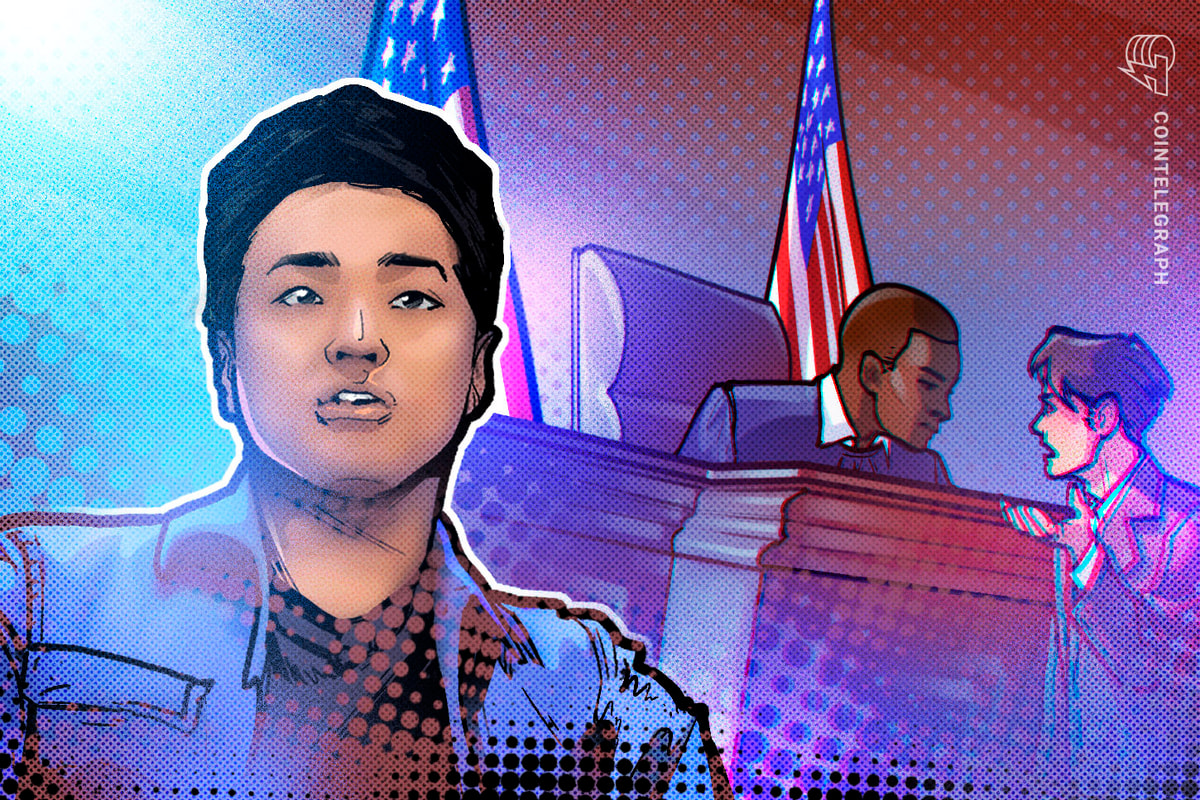
With Do Kwon scheduled to be sentenced on Thursday after pleading guilty to two felony counts, a US federal judge is asking prosecutors and defense attorneys about the Terraform Labs co-founder’s legal troubles in his native country, South Korea, and Montenegro.
In a Monday filing in the US District Court for the Southern District of New York, Judge Paul Engelmayer asked Kwon’s lawyers and attorneys representing the US government about the charges and “maximum and minimum sentences” the Terraform co-founder could face in South Korea, where he is expected to be extradited after potentially serving prison time in the United States.
Kwon pleaded guilty to two counts of wire fraud and conspiracy to defraud in August and is scheduled to be sentenced by Engelmayer on Thursday.

In addition to the judge’s questions on Kwon potentially serving time in South Korea, he asked whether there was agreement that “none of Mr. Kwon’s time in custody in Montenegro” — where he served a four-month sentence for using falsified travel documents and fought extradition to the US for more than a year — would be credited to any potential US sentence.
Judge Engelmayer’s questions signaled concerns that, should the US grant extradition to South Korea to serve “the back half of his sentence,” the country’s authorities could release him early.
Kwon was one of the most prominent figures in the crypto and blockchain industry in 2022 before the collapse of the Terra ecosystem, which many experts agree contributed to a market crash that resulted in several companies declaring bankruptcy and significant losses to investors.
Defense attorneys requested that Kwon serve no more than five years in the US, while prosecutors are pushing for at least 12 years.
Related: There’s more to crypto crime than meets the eye: What you need to know
The sentencing recommendation from the US government said that Kwon had “caused losses that eclipsed those caused” by former FTX CEO Sam Bankman-Fried, former Celsius CEO Alex Mashinsky and OneCoin’s Karl Sebastian Greenwood combined. All three men are serving multi-year sentences in federal prison.
Will Do Kwon serve time in South Korea?
The Terraform co-founder’s lawyers said that even if Engelmayer were to sentence Kwon to time served, he would “immediately reenter pretrial detention pending his criminal charges in South Korea,” and potentially face up to 40 years in the country, where he holds citizenship.
Thursday’s sentencing hearing could mark the beginning of the end of Kwon’s chapter in the 2022 collapse of Terraform. His whereabouts amid the crypto market downturn were not publicly known until he was arrested in Montenegro and held in custody to await extradition to the US, where he was indicted in March 2023 for his role at Terraform.
South Korean authorities issued an arrest warrant for Kwon in 2022, but have not had him in custody since the collapse of the Terra ecosystem. The country’s prosecutors applied to extradite Kwon from Montenegro simultaneously with the US, while they were pursuing similar cases against individuals tied to Terraform.
Magazine: When privacy and AML laws conflict: Crypto projects’ impossible choice
The UK’s Financial Conduct Authority (FCA), the watchdog overseeing the country’s financial sector, has released proposals as part of its strategy to “boost UK investment culture,” and is asking for help from the crypto industry.
In discussion and consultation papers released on Monday, the FCA asked crypto companies to provide feedback on proposals aimed at “expanding consumer access to investments” and amending rules for “client categorization and conflicts of interest.”

The discussion paper noted that “virtually all of the underperformance on high [digital engagement practices] apps could be attributed to trading in cryptoassets and [contracts for difference.” The proposal highlighted potential risks for consumers using “cryptoasset proxies” without investment limits, warnings, or “appropriateness tests.”
In its consultation paper, the UK watchdog proposed:
“We will also add guidance that a personal investment history mainly in speculative high risk or leveraged products or crypto assets is not usually an indicator of professional capability, unless there is strong evidence that the client meets the threshold of a professional client from other Relevant Factors, including the client’s ability to bear potential losses.”
According to the watchdog, the proposed changes would streamline the FCA’s existing guidelines and were part of a strategy to potentially “remove some arbitrary tests and give firms more responsibility to get it right.”
Companies that advised clients on or sold digital assets were asked to provide responses to the recommendations by February and March.
Related: Crypto investor gives Reform UK record $12M in election donation
Slow and steady advances toward policies that favor cryptocurrency
The UK has been a significant hub for crypto companies doing business outside the United States, which, until the about-face on regulation and enforcement under US President Donald Trump, many industry leaders said that they considered an uncertain regulatory environment.
In December, the UK government passed a law treating digital assets as property, improving clarity on cryptocurrencies like Bitcoin (BTC) in cases such as the recovery of stolen goods or insolvency.
With the market steadily growing in the country, the government was reportedly considering a ban on crypto donations to political parties.
Magazine: When privacy and AML laws conflict: Crypto projects’ impossible choice
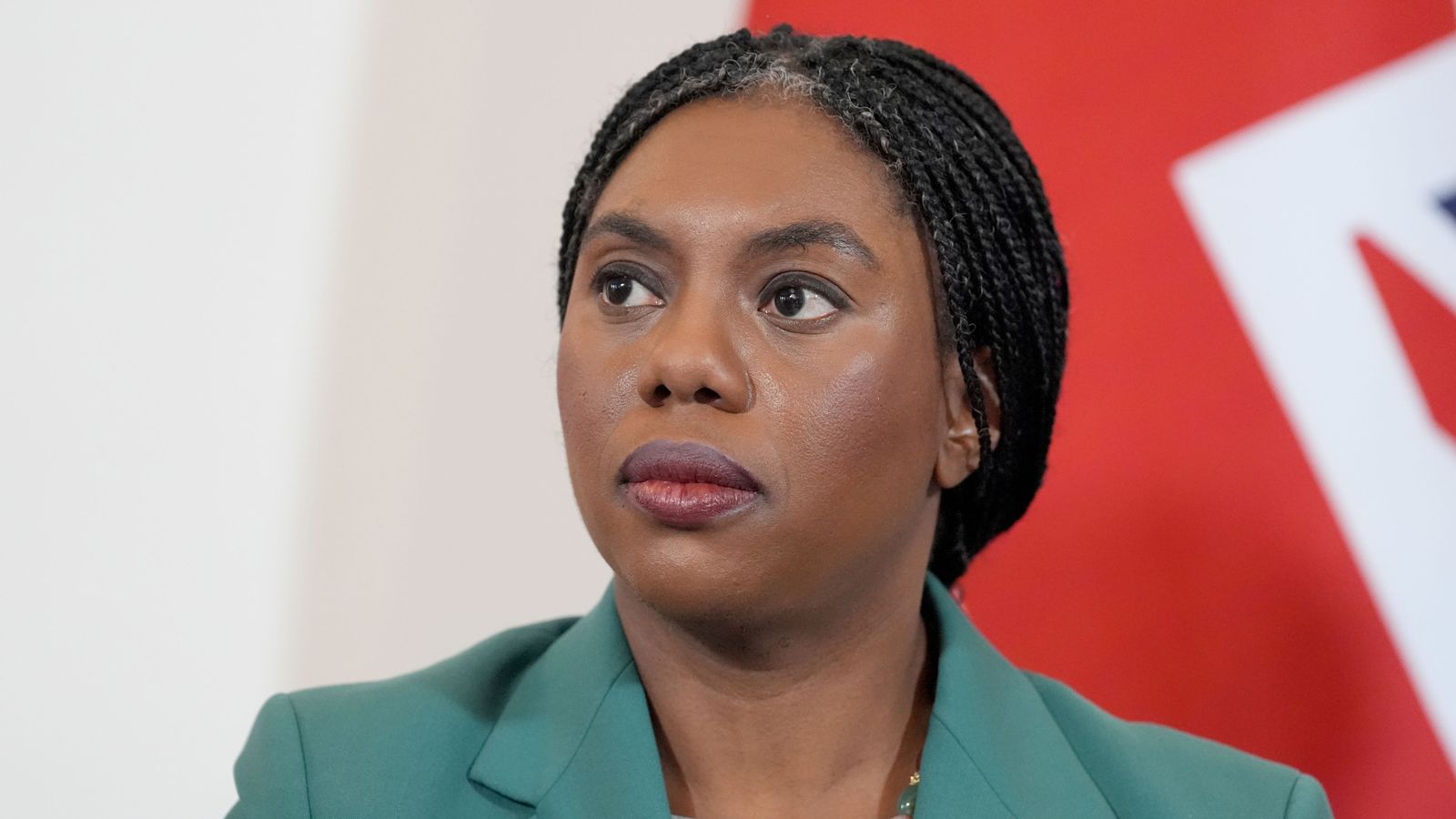

A nationwide grooming gangs inquiry must “leave no stone unturned”, Kemi Badenoch has said as the Conservatives urged the government to ensure ethnicity and religious background are taken into account.
Ms Badenoch and shadow home secretary Chris Philp, appearing alongside a survivor and two parents of survivors/victims, called on the government to adopt draft terms of reference for the inquiry drawn up by the Conservatives with help from some grooming gangs victims and survivors.
The Tory leader said her party is willing to work alongside the government, and an inquiry needs to be undertaken on a cross-party basis as it is ultimately about the survivors, victims and their families.
Politics latest: Starmer becoming ‘second Thatcher’, Scottish first minister says
The Conservatives’ terms of reference include ensuring the inquiry examines the ethnicity and religious background of offenders, a two-year time limit and a focus on extra-familial abuse.
They also want it to forward evidence to police and prosecutors where criminality is indicated.
In June, the government announced it would be launching a national inquiry into grooming gangs, representing a U-turn after previously accusing Reform and the Conservatives of jumping on a far-right bandwagon when they called for one earlier in the year after Labour announced five local inquiries.
‘I’d wake up with really bad bruises’
But a national inquiry has been delayed by rows about its scope, while both shortlisted chair candidates withdrew their candidacy following criticism by survivors of their careers as a police chief and a social worker.
A group of women also quit the inquiry’s victim liaison panel – one who was present with the Tories on Monday – as they accused the government of attempting to widen the inquiry’s remit to consider other forms of child sexual abuse.
Ms Badenoch said: “I want to be clear that a national inquiry must leave no stone unturned.
“It must investigate councils, the police and even the government if necessary.
“It must be time-limited, and it must consider the role of ethnicity, religion and other cultural factors.
“Baroness (Louise) Casey’s own report admitted that many of these cases are committed by people of Asian and Pakistani ethnicities.
“Her own report said that those who downplay the ethnicity of perpetrators are continuing to let down society, local communities and the victims. We agree.
“As I said, I have spoken to many survivors. We are speaking on their behalf.
“Their lives and their families’ lives have been turned upside down, so separate to this inquiry, the government must act now to ensure that they and their families are supported so they can heal.”
Baroness Casey, known as a Whitehall troubleshooter, having worked on social issues for successive prime ministers since Tony Blair, is assisting with setting up the inquiry, but acknowledged it could now be “months” before a chair was appointed.
Fiona Goddard, one of the survivors who left the inquiries’ liaison panel, backed the Conservatives’ proposals as she said she had “lost faith in the ability of the government to make more meaningful progress”.
Read more:
Grooming gang survivors on the role drugs played in their abuse
Why are abuse survivors losing faith in the grooming gang inquiry?
Mr Philp said a two-year time limit on the inquiry is essential as he said: “It can’t drag on for years and years.”
He said the Tories were being “constructive” and that dual nationals found to have been involved in grooming should have their British citizenship removed and be deported “with no exceptions”.
A Labour Party spokesman said: “The Conservatives’ record on this issue is clear: they had years to take action on this appalling scandal, yet time and time again they failed to do so.
“This Labour government accepted all the recommendations from Baroness Casey’s report and we are committed to a full, statutory, national inquiry to uncover the truth.
“It will be robust, rigorous and laser-focused on grooming gangs, and its scope will not change.
“The inquiry will direct and oversee local investigations, with the power to compel witnesses and summon evidence. And it will explicitly examine the background, ethnicity and culture of offenders.”
-
 Sports2 years ago
Story injured on diving stop, exits Red Sox game
-
 Sports3 years ago
‘Storybook stuff’: Inside the night Bryce Harper sent the Phillies to the World Series
-
 Sports2 years ago
Game 1 of WS least-watched in recorded history
-
 Sports3 years ago
Button battles heat exhaustion in NASCAR debut
-
 Sports3 years ago
MLB Rank 2023: Ranking baseball’s top 100 players
-
Sports4 years ago
Team Europe easily wins 4th straight Laver Cup
-
 Environment3 years ago
Japan and South Korea have a lot at stake in a free and open South China Sea
-
 Environment1 year ago
Here are the best electric bikes you can buy at every price level in October 2024