
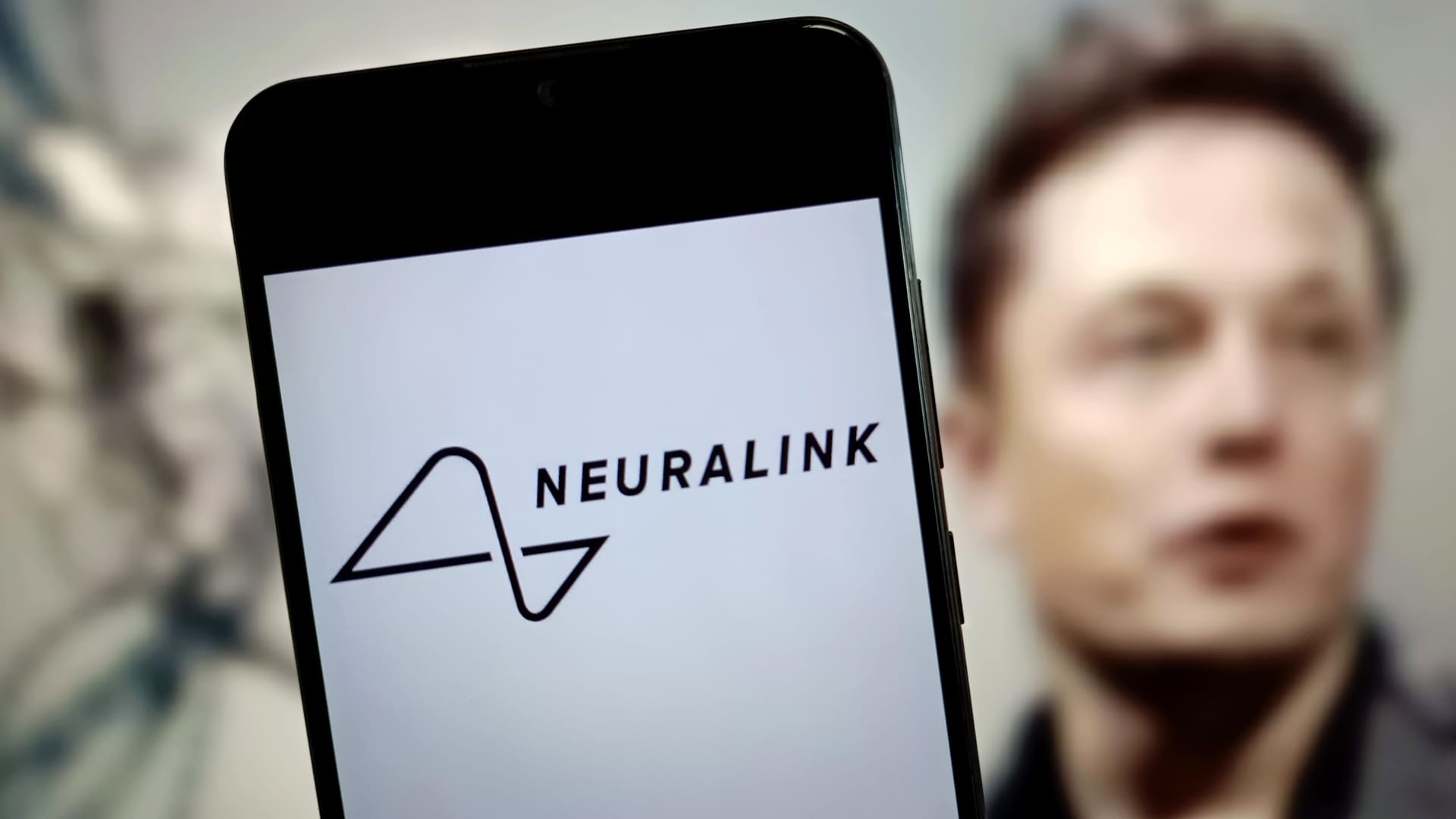
Elon Musk says first Neuralink patient can control a computer mouse through thinking


Oracle stock dipped about 5% on Wednesday following a report that discussions with Blue Owl Capital on backing a $10 billion data center in Michigan had stalled, although the cloud company later disputed the report.
Blue Owl had been in talks with Oracle about funding a 1-gigawatt facility for OpenAI in Saline Township, Michigan, according to the Financial Times.
However, the plans fell through due to concerns about Oracle’s rising debt levels and extensive artificial intelligence spending, the FT reported, citing people familiar with the matter.
This comes as some investors raise red flags about the funding behind the rush to build ever more data centers.
The concern is that some hyperscalers are turning to private equity markets rather than funding the buildings themselves, and entering into lease agreements that could prove risky.
Blue Owl did look into the project, but pulled out due to unfavorable debt terms and the structure of repayments, according to a person familiar with the company’s plans who asked not to be named in order to discuss a confidential matter.
Blue Owl is still involved in two other Oracle sites, the person said.
The person added that Blue Owl was also concerned that local politics in Michigan would cause construction delays.
Oracle later responded to the FT report, saying the project was moving forward and that Blue Owl was not part of equity talks.
“Our development partner, Related Digital, selected the best equity partner from a competitive group of options, which in this instance was not Blue Owl. Final negotiations for their equity deal are moving forward on schedule and according to plan,” Oracle spokesperson Michael Egbert said in a statement.
The cloud company did not name the firm involved in current equity talks for the project.
CNBC has reached out to the FT for comment.
The FT said that Blackstone is in discussions to potentially replace Blue Owl Capital as a financial partner for the data center, although no deal has been signed yet.
Blue Owl Capital has been the primary investor in Oracle’s data center projects in the U.S., including a $15 billion center in Abilene, Texas, and an $18 billion site in New Mexico, the FT said.
“This appears to be a case where the deal simply wasn’t the right one, and seasoned investors understand that success does not require winning every transaction,” Evercore ISI analysts wrote in a note on Wednesday.
The bank added that digital infrastructure remains a “core growth vertical” for the Blue Owl, noting an upcoming digital infrastructure fund in 2026 that would add to its $7 billion fund announced in May.
Oracle has $248 billion in lease commitments for data centers and cloud capacity commitments over the next 15 to 19 years as of Nov. 30, the company said in its latest quarterly filing. That is up almost 148% from August.
In September, the cloud computing giant raised $18 billion in new debt, according to an SEC filing. That same month, OpenAI announced a $300 billion partnership with Oracle over the next five years.
By the end of November, the company owed over $124 billion, including operating lease liabilities, according to the filing.
Oracle shares are down about 50% from the high of $345.72 reached in September.
Read the full FT story here.

Year-to-date Oracle stock chart.
-
 Sports2 years ago
Story injured on diving stop, exits Red Sox game
-
 Sports3 years ago
‘Storybook stuff’: Inside the night Bryce Harper sent the Phillies to the World Series
-
 Sports2 years ago
Game 1 of WS least-watched in recorded history
-
 Sports3 years ago
Button battles heat exhaustion in NASCAR debut
-
 Sports3 years ago
MLB Rank 2023: Ranking baseball’s top 100 players
-
Sports4 years ago
Team Europe easily wins 4th straight Laver Cup
-
 Environment3 years ago
Japan and South Korea have a lot at stake in a free and open South China Sea
-
 Environment1 year ago
Here are the best electric bikes you can buy at every price level in October 2024